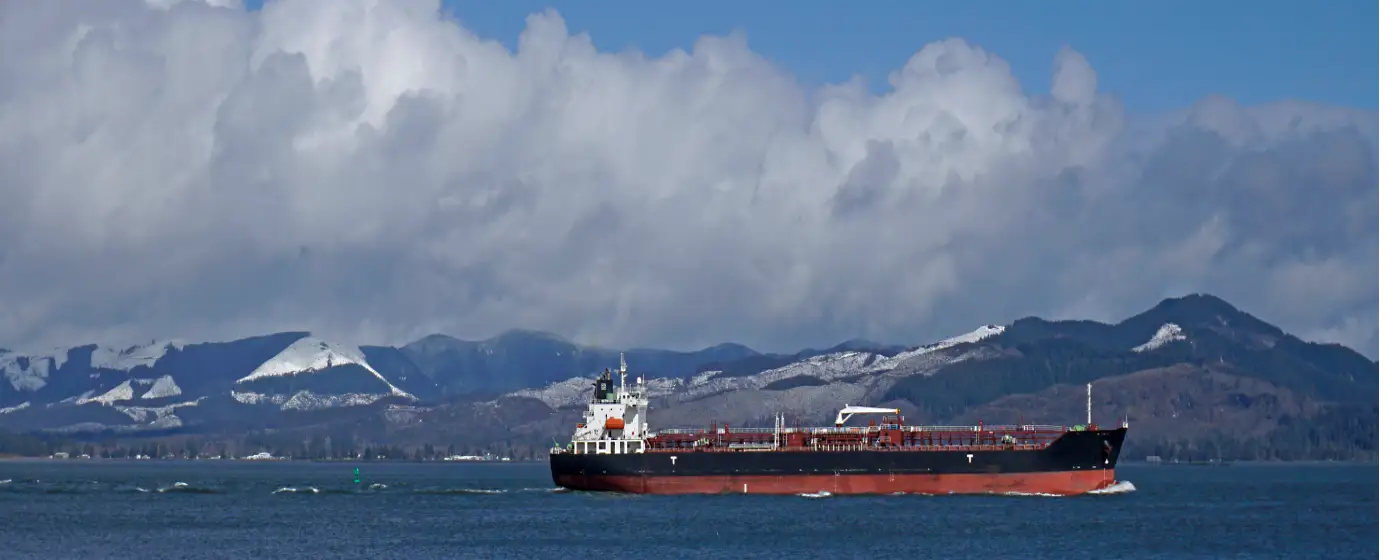
What Is Living in Warrenton, Oregon Like?
Most people discover Warrenton the way you probably did — looking at a map of the northern Oregon Coast and noticing a city that sits right at the edge of the Pacific, priced noticeably below Astoria and well below the Oregon state average, with a 4,300-acre state park essentially inside city limits. That combination stops a lot of searches. The city of 6,327 occupies the tip of the Clatsop Plains peninsula, where US-101 bends south toward Seaside and OR-104 runs west toward Fort Stevens. The Columbia River estuary defines the northern edge; the Pacific defines the west. This is not a bedroom suburb that happens to be near water — the working waterfront, the fishing port, the military history, and the park are the actual fabric of daily life here.
The Warrenton-Hammond School District — the city's largest public employer — keeps the community small and tight. With 841 students enrolled in 2025-26 and a B+ rating, according to Niche, the district punches well for its size. The school mascot is the Warriors, and Friday night football is genuinely a community event in a way that is hard to replicate in a larger city. Beyond the school district, the economic base runs through Fred Meyer (one of the few large retail anchors on the peninsula), Astoria Forest Products, and the Skipanon River Marina — one of the most active fishing ports on the Oregon Coast, where crab, salmon, and tuna fishing and processing have sustained families for generations. Many residents commute about 12 minutes to Astoria for healthcare, government, and professional jobs.
Housing in Warrenton runs noticeably below Astoria and well below what Oregon's larger coastal markets command — a meaningful gap for anyone priced out of those areas. Oregon's lack of a state sales tax compounds that advantage on everyday purchases. The trade-off: Warrenton gets only 126 sunny days a year, and the grey, wet winters are genuine — not softened by the Willamette Valley rain shadow. Summers are famously mild, which is exactly why the area draws retirees and remote workers who are done with inland heat. Parks, the Warrenton Waterfront Trail, and Coffenbury Lake cover the outdoor side of daily life; the full picture on trails and recreation is on the parks and recreation page.
Whether you're considering a move or just narrowing your search, the sections below break down Warrenton's neighborhoods, cost of living, schools, local favorites, and what daily life here is really like.
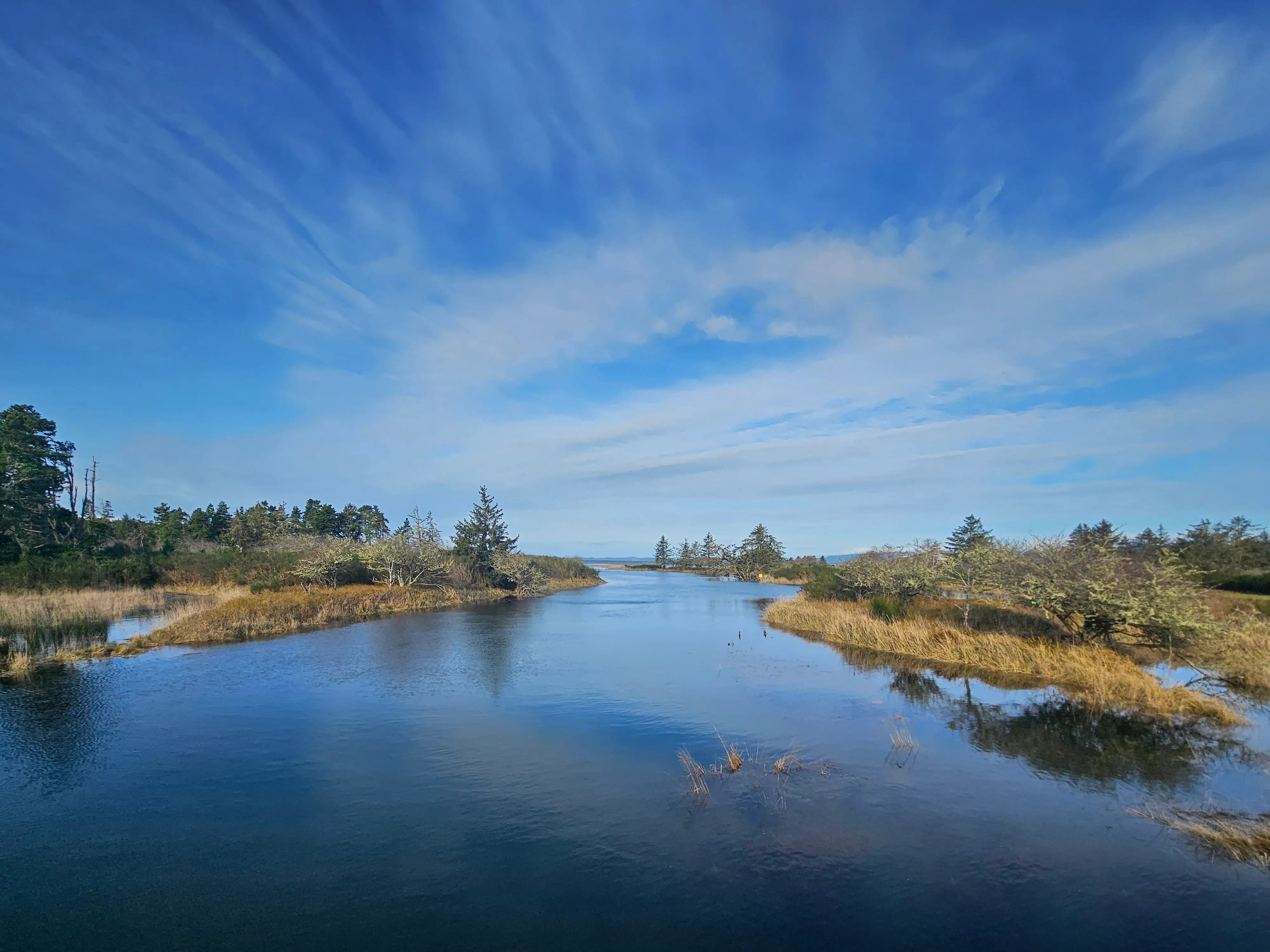
Warrenton at a Glance
Looking to buy in Warrenton? Estimate your payment.
Enter your numbers to see an estimated monthly mortgage payment.
Estimate only. Excludes HOA fees and mortgage insurance. The interest rate above is a starting point, not a quoted rate — replace it with your own to see real numbers. Insurance is a flat placeholder, not a Warrenton quote.
Why Are People Moving to Warrenton?
The short version: coastal Oregon real estate at a price that still makes sense, in a community that has not yet been discovered in the way Cannon Beach or Manzanita have. Warrenton has grown roughly 52.6% since 2000 and is currently growing faster than the large majority of similarly sized U.S. cities — not because of a tech campus or a viral moment, but because word travels among people who value affordability and access to nature in the same package.
Who Is Actually Moving Here
Remote workers show up in significant numbers. The combination of housing costs below the statewide norm, a real broadband footprint, and the kind of natural scenery that used to require a vacation has become a practical pitch for people whose employers no longer require a commute. Retirees follow a similar logic: approximately 18% of current residents are 65 or older, and that share continues to rise as word spreads that you can reach Fort Stevens State Park by bicycle from your front door.
Families with school-age children tend to be drawn by the school district's reputation — small classes, community feel, and a B+ overall rating — and by the price gap relative to Astoria. The Warrenton-Hammond School District, the city's largest employer, sets a tone that feels more like a small-town institution than an anonymous bureaucracy.
The Economic Backbone
The Skipanon River Marina is the working heart of the city. Crab season, salmon runs, and offshore whiting landings are not tourist abstractions here — they are jobs, processing shifts, and the reason certain neighborhoods have been owned by the same families for two generations. Fred Meyer anchors retail in a way that matters on a peninsula with limited commercial options. Astoria Forest Products represents the industrial side.
Columbia Memorial Hospital, located in Astoria, is a significant commute employer for Warrenton residents — the city's largest healthcare draw is a short drive rather than a local facility. Many residents work remotely, or make the drive to Astoria for professional, government, and healthcare employment. That's an honest picture of how the local economy actually works, and it is worth knowing before you start planning a morning routine.
The Honest Tradeoffs
Tourism is real and it compounds during summer. Clatsop County draws visitors from across the region, and on any given peak day, the effective population swells noticeably. That means US-101 gets congested in July and August in ways that January simply does not prepare you for. Newcomers in their first summer are often caught off guard by the shift — the quiet February that sold them on the town is replaced by bumper-to-bumper traffic toward Fort Stevens and the Peter Iredale beach.
People also move out, and the reasons are consistent: limited dining and retail diversity, winters that test patience when the grey stretches to March, and the reality that anything requiring a specialty shop or a large urban amenity means a drive to Astoria or farther. The peninsula has a genuine geographic constraint — water on three sides — and that boundary is what keeps prices reasonable and also what limits what the city can become.
What Daily Life Feels Like in Warrenton
The Texture of an Ordinary Week
Commercial life in Warrenton runs along the US-101 corridor, with Fred Meyer serving as the practical anchor for groceries, pharmacy, and general supplies. A serious shopping trip — or a specialty errand — means either Astoria or ordering online. That is not a complaint unique to Warrenton; it is the honest reality of living on the northern Oregon Coast peninsula, and most residents plan around it rather than against it.
The Fisherman and Farmers Market is the weekly gathering point when the warm months arrive, drawing locals as much for the social ritual as for the produce. It is genuinely a place where people know each other's names, which tells you something about the community's scale and character.
The Seasonal Rhythm
Winters are quiet, green, and genuinely wet. The population contracts, the roads clear, and the park belongs to locals. Many longtime residents describe this as the best time of year — Fort Stevens trails to yourself, the Peter Iredale beach at low tide with nobody else on it, Coffenbury Lake still and grey. If that appeals to you, Warrenton will reward the choice. If you need sunshine and activity in January, 126 sunny days a year is an honest count to sit with before you sign anything.
Summer inverts everything. The campgrounds at Fort Stevens fill. Families with kids find the Coffenbury Lake swimming beach within city limits, nine miles of paved bicycle trails, and six miles of hiking. The Warrenton Waterfront Trail connects the marina district to the rest of the city on foot. The pace of life rises noticeably, and the community feels larger than its 6,327 residents would suggest.
Schools and Kids
The Warrenton-Hammond School District holds a B+ rating, according to Niche, with 841 students enrolled in 2025-26. Class sizes are small enough that kids tend to know their teachers well, and OSAA activities — including football and other sports — function as genuine community events. The full picture on test scores and school boundaries is on the schools page; on 2024-25 state assessments, 19.6% of students reached math proficiency and 37% reached reading proficiency, figures that reflect a district working through the same challenges as much of coastal Oregon.
Getting Around Day to Day
Most daily errands require a car. The Sunset Empire Transportation District restored Warrenton's Route 15 bus service in 2024, connecting the city to Astoria and Seaside along the coastal corridor — useful for commuters without a vehicle, though service frequency is limited. For everything else, driving is the practical reality, and the good news is that traffic outside of summer tourist season is genuinely light.
The Warrenton Housing Market Right Now
The typical home price in Warrenton sits at $505,967 (Zillow Home Value Index, July 2026) — noticeably below Astoria and well below the Oregon state average. For a coastal community with a 4,300-acre state park inside city limits, that figure continues to surprise people who have been looking at other Oregon Coast markets. The typical citywide rent runs $1,665 per month (Zillow, July 2026), with two-bedroom units generally ranging from $1,530 to $1,860 depending on condition and location. Full cost-of-living context — including property tax rates and what Oregon's no-sales-tax environment means for your budget — is on the cost-of-living page.
What the Market Feels Like Right Now
Warrenton leans toward buyers at the moment. Homes are taking longer to sell than the statewide average, which means well-prepared buyers have genuine room to negotiate — a contrast to the frenzied conditions of a few years ago. That does not mean the best-priced homes sit forever; correctly listed homes in good condition still move, particularly those with proximity to the park or the waterfront.
The housing stock skews toward single-story and ranch-style construction, which is part of why retirees find the area practical. Entry-level buyers will find manufactured homes and older single-family construction that brings the cost of ownership below the city median. Some areas command a premium for water proximity or park adjacency — but specific neighborhood character and geographic divides are covered in detail on the best neighborhoods page.
What to Know Before You Buy
The effective property tax rate is 0.69% — below the Oregon state average and well below what many buyers relocating from California are accustomed to paying. Oregon also levies no state sales tax, which compounds the everyday affordability picture in ways that are easy to underestimate when comparing sticker prices.
One thing buyers sometimes overlook on the northern coast: flood zone mapping matters here. The peninsula's geography and proximity to the Columbia estuary mean that some parcels carry flood insurance requirements that should be factored into monthly ownership costs before an offer is made. Talk to a local lender who knows Clatsop County before you get deep into a search. The first-time buyer process and financing mechanics are covered fully on the first-time homebuyer page.
Warrenton Neighborhoods
Warrenton has several distinct areas — each with its own character and appeal. Here’s a breakdown to help you narrow down where to focus your home search.
🏡 Surf Pines
A forested coastal neighborhood with a distinct enclave feel, Surf Pines draws buyers who want proximity to the ocean and the park without the commercial noise of the US-101 corridor. Housing tends toward single-family homes tucked among the pines, and the area suits people who value natural quiet on a daily basis.
🏠 Hammond
The small unincorporated community of Hammond sits adjacent to Fort Stevens State Park and the Columbia River, giving it one of the most park-adjacent locations on the peninsula. It has a working-coastal character — unpretentious housing stock, longtime residents, and an easy relationship with the waterfront.
🌳 Downtown Warrenton
The commercial center of the city clusters along the main corridor, where Fred Meyer, local cafes, and service businesses anchor daily life. It is the most convenient location for residents who want walkable access to daily errands without relying on a car for every trip.
🏘 Lienenweber Lake Estates
A quieter residential area organized around lake proximity, Lienenweber Lake Estates attracts buyers who want a suburban feel with natural scenery close at hand. The neighborhood suits families and retirees who prefer a settled, lower-traffic environment.
🏔 Cullaby Lake
Centered on one of the larger freshwater lakes on the Clatsop Plains, the Cullaby Lake area offers a slower pace and a connection to the coastal wetland environment that defines much of this peninsula. It draws outdoor-oriented buyers who treat the lake as part of their backyard rather than a destination.
🌆 Polo Ridge
A newer residential development on the eastern side of the city, Polo Ridge offers more recent construction and a suburban neighborhood layout that appeals to families looking for updated housing stock in a quiet setting.
Pros & Cons of Living in Warrenton
The Pros
- Waterfront access with a working marina and easy boating/fishing lifestyle
- Adjacent to 4,300-acre Fort Stevens State Park for camping, beaches, and trails
- More affordable homes than nearby Cannon Beach or Gearhart
- Small-town coastal community close to Astoria's dining and culture
The Cons
- Cool, cloudy, and rainy for much of the year with limited sunny days
- Property and overall crime rates are higher than typical for a town this size
- Limited local job base means many residents commute for higher-paying work
Getting Around & Commuting in Warrenton
The Road Reality
US-101 is the spine of life on the Clatsop Plains peninsula. It carries you north toward the Columbia River and the bridge into Washington, south toward Seaside and Cannon Beach, and through the city's commercial corridor. OR-104 connects west toward Fort Stevens State Park. These are the primary routes that serve the city, and understanding their rhythm across seasons is genuinely useful before you buy.
The commute to Astoria runs about 12 minutes under normal conditions — a short, flat drive that most residents make without thinking about it. Astoria is where the regional hospital, county government, and a much larger selection of dining and services live. Most Warrenton residents treat it as a practical extension of their own city.
Summer Traffic Is a Real Variable
US-101 through Warrenton and toward Fort Stevens becomes a different road in July and August. The campgrounds at Fort Stevens are among the largest in the nation, and the flow of RVs, trailers, and tourist traffic onto OR-104 during peak weeks creates delays that have no winter equivalent. If you are planning a commute around the twelve-minute Astoria estimate, build in a summer margin — leaving earlier on weekend mornings during tourist season is the local habit, not a precaution.
Commuting Beyond Astoria
Portland International Airport (PDX) sits about 92 miles from Warrenton — typically a drive of roughly an hour and forty-five minutes to two hours depending on conditions and your exact starting point. That distance makes Warrenton genuinely remote from a major metro, which is part of the appeal and part of the constraint. Remote workers report that the drive to PDX for a monthly meeting is manageable; daily commuters to Portland find it demanding.
The Sunset Empire Transportation District (SETD) operates bus service between Warrenton, Astoria, and Seaside along the coastal corridor — restored in 2024 after a financial collapse briefly halted service in 2023. For residents without reliable vehicle access, this connection matters. For most daily commuters, the car remains the only practical option.
Who Thrives Here, Commute-Wise
| Buyer Type | Commute Reality | Best For |
|---|---|---|
| Remote worker | No daily commute; PDX ~92 mi for occasional travel | Tech Nature |
| Astoria commuter | about 12 minutes to Astoria; easy year-round | Commuter |
| Seaside commuter | Short drive south on US-101; under 30 minutes | Commuter |
| Marine industry worker | On-site at Skipanon River Marina or local processors | Value |
| Portland commuter | Long daily drive; not practical for most | Quiet |
| Retiree / no commute | Car for errands; walkable to waterfront trail | Families Views |
The honest answer for anyone considering Warrenton: if your employer is in Portland and requires daily presence, this commute will wear you down within a year. If your anchor is Astoria or the coast, or if you work from home, the location math works cleanly.
Schools in Warrenton
Families relocating to Warrenton have public, private, and higher-education options nearby. Here’s a quick overview.
🎓 School District
Warrenton-Hammond School District 30 serves K–12 students across Warrenton and the surrounding area. Rated B+ (source: Niche.com).
🏆 Graduation Rate
The 4-year high-school graduation rate here is approximately 76.4%.
📚 Higher Education
Oregon’s public universities — the University of Oregon, Oregon State University, and Portland State University — offer four-year degrees statewide, with a network of 17 community colleges providing two-year and workforce programs.
🌐 Online Learning
Oregon State University Ecampus and Portland State University Online offer fully accredited online degrees for remote learners across the state.
Safety in Warrenton
A quick look at how Warrenton compares on the numbers that matter most when weighing a neighborhood or a move.
🛡 Violent Crime
Approximately 4.1 per 1,000 residents.
🔒 Property Crime
Approximately 45.4 per 1,000 residents.
Compared to the most recent national figures from the Bureau of Justice Statistics (2024), Warrenton’s violent crime is above the national average (about 3.7 per 1,000), and property crime is above the national average (about 18.4 per 1,000).
Against Oregon as a whole, Warrenton’s violent crime is somewhat above the state average, and property crime is about double the state average (Bureau of Justice Statistics, Crime Known to Law Enforcement, 2024 (tables 2 and 3)).
Crime rates can vary a lot within a single city, so the citywide numbers above are only a starting point. Some neighborhoods in Warrenton run well below these averages, while others run higher — the kind of block-by-block detail that matters most when you’re actually choosing where to live. The full guide below breaks it down neighborhood by neighborhood.
Working in Warrenton
Warrenton’s largest employers span several industries — here are some of the anchors of the local job market.
🎓 Warrenton-Hammond School District
Education
🏛 City of Warrenton
Municipal government
🛒 Fred Meyer
Retail
🏭 Astoria Forest Products
Manufacturing
🏥 Columbia Memorial Hospital
Healthcare, located in Astoria
Parks & Recreation in Warrenton
Some of the outdoor spaces that shape everyday life in Warrenton.
🌱 Fort Stevens State Park
🌱 Coffenbury Lake
Warrenton residents don’t have to go far for green space — spots like Fort Stevens State Park and Coffenbury Lake are part of everyday life here, whether that’s a morning walk, a weekend hike, or just somewhere to unwind outside. The full guide below covers more of what Warrenton has to offer for parks and outdoor recreation.
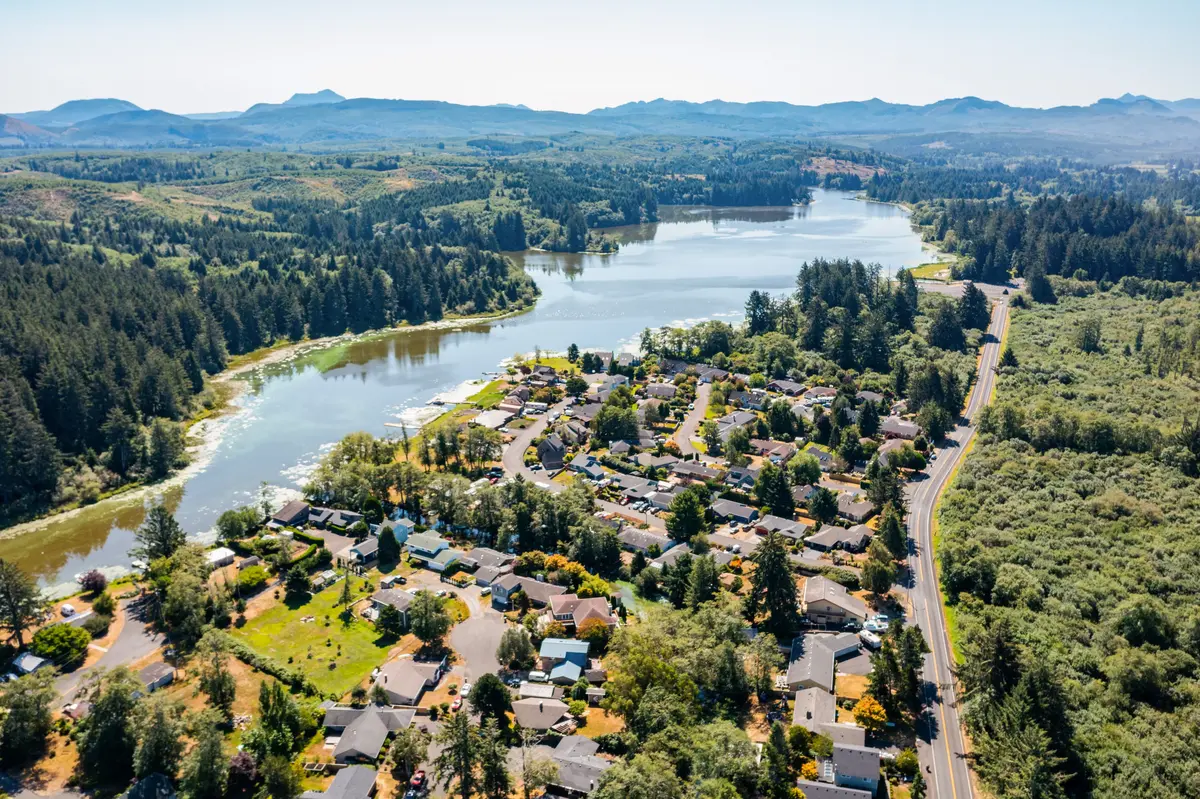
Retiring in Warrenton
Warrenton draws retirees for its balance of amenities, outdoor access, and cost. Here’s what to weigh.
🌤 Climate
Warrenton averages only 126 sunny days a year, and winters run grey and wet from November through March. Summers are genuinely mild — rarely hot — which is a significant draw for retirees who have had enough of inland heat. Expect cool, marine-influenced weather year-round with occasional dramatic coastal storms in winter.
🍴 Lifestyle
Daily life centers on Fort Stevens State Park, the Warrenton Waterfront Trail, and a modest but genuine local dining scene. The Fisherman and Farmers Market is the community's warm-weather gathering point. Astoria — a short drive away — adds history, arts, and a fuller restaurant and cultural calendar for days when you want more than the peninsula offers.
🏚 55+ Communities
Warrenton has three established active-adult and 55+ housing options: Alder Creek Village, Glenwood Village MHP LLC, and Warrenton Estates LLC. These are small-scale, affordable communities rather than resort-style campuses — suited to retirees who want coastal living with lower overhead rather than a full amenity package.
✈ Getting Around
A car is the practical necessity for most errands and appointments. The Sunset Empire Transportation District bus connects Warrenton to Astoria and Seaside for those who prefer not to drive. Portland International Airport is approximately 92 miles away — the nearest major airport for flights — making longer trips a planned event rather than a spontaneous option.
🏛 Oregon Taxes for Retirees — What to Know
- Social Security is not taxed — Oregon does not tax Social Security or Railroad Retirement benefits. Any amount included in your federal adjusted gross income is subtracted back out on the Oregon return.
- But other retirement income IS taxed — This is the trade-off that surprises people moving from Washington or Texas. Pension distributions and 401(k)/IRA withdrawals are taxed as ordinary income at Oregon’s regular rates — there is no blanket retirement-income exclusion.
- Graduated income tax — Oregon has four brackets — 4.75%, 6.75%, 8.75% and 9.9%. The 4.75% rate covers the first $10,000 of taxable income for a single filer ($20,000 filing jointly); the 8.75% rate starts at $125,000 ($250,000 jointly); and the top 9.9% rate applies above $250,000 ($500,000 jointly).
- No sales tax — Oregon levies no general sales tax.
- Property taxes, with senior deferral — Oregon’s Senior and Disabled Property Tax Deferral lets qualifying homeowners have the state pay their county property taxes, with a lien recorded against the home. The 2026 household income limit is $70,000, and deferred balances accrue 6% simple interest — it defers the bill rather than forgiving it.
- Estate tax — the one to plan for — Oregon has its own estate tax with a $1 million filing threshold — far below the federal exemption, and NOT indexed for inflation, so it reaches more estates every year in real terms. Retirement accounts and a long-held home count toward the taxable estate, so estates that feel modest can cross the line without the owner expecting it.
- No inheritance tax — Oregon has no separate inheritance tax and no gift tax.
Tax laws change frequently and individual situations vary. This is general information, not tax advice — always consult a qualified Oregon tax professional or CPA for personalized retirement tax planning.
Weekends & Local Favorites in Warrenton
Fort Stevens and the Outdoors
Fort Stevens State Park is not an amenity that supplements Warrenton — it is one of the primary reasons people move here. The 4,300-acre park offers nine miles of paved bicycle trails, six miles of hiking trails, disc golf, and Coffenbury Lake for swimming. The Wreck of the Peter Iredale — the skeletal remains of a 1906 shipwreck slowly disappearing into the beach — is one of the most photographed spots on the Oregon Coast, and it sits within the park's boundaries. Fort Stevens also carries a genuinely unusual historical distinction: it is the only military installation in the contiguous United States to have been fired upon by an enemy since the War of 1812, when a Japanese submarine attacked it on June 21, 1942. The military history exhibits make that story accessible in a way that surprises most first-time visitors.
The Warrenton Waterfront Trail connects the marina to the broader city on foot, and the Skipanon River Marina — one of the most active fishing ports on the Oregon Coast — gives the waterfront a working character that purely tourist-oriented towns don't have. Watching the crab fleet come in during season is the kind of thing that reminds you this is a real coastal community, not a resort.
Local Spots Worth Knowing
For food and coffee, the local scene is modest but genuine. Arnie's Cafe and Uptown Cafe are the kind of places where the staff knows the regulars, and The Hideaway Cafe & Bar draws the after-work crowd. Battery 245 adds a different energy to the dining options. For coffee, The Nest by Dough Dough and Mé Latte Espresso handle the morning routine, and Dave's Bread Shed brings baked goods into the mix. None of these are destinations in the Portlandia sense — they are places where the community actually gathers, which is a more useful thing in a town of 6,327.
High Life Adventures Zip Line Tours offers an outdoor activity that draws both locals and visitors, set against the coastal forest backdrop that makes this corner of Oregon distinctive.
Day Trips and the Wider Region
Astoria is about 12 minutes away — close enough to use for dinner, a movie, or a specialty errand without it feeling like a commitment. Seaside is a short drive south on US-101 and provides a different kind of coastal commercial energy. The Lewis and Clark National Historical Park, just outside the city, gives the whole area a historical weight that goes well beyond the typical coastal day-trip experience. For residents who love history, birds, and the estuary, the Columbia River delta region offers a depth that rewards years of exploration rather than a single weekend.
The Fisherman and Farmers Market is the social heartbeat of the warmer months — a weekly gathering where you will meet the same faces you saw at the park the day before, which is the best quick summary of what living in Warrenton actually feels like.
Local favorites in Warrenton
Restaurants
- Arnie's Cafe
- Uptown Cafe
- High Life Adventures Zip Line Tours
- Battery 245
- The Hideaway Cafe & Bar
Outdoors
- Fort Stevens State Park
- Coffenbury Lake
- Wreck of the Peter Iredale beach
- Warrenton Waterfront Trail
- Skipanon River Marina
Coffee
- The Nest by Dough Dough
- Mé Latte Espresso
- Dave's Bread Shed
Farmers Markets
- Fisherman and Farmers Market
Top Things Locals Say About Warrenton
The best intel about a city comes from the people who actually live there. Here’s what Warrenton residents say when newcomers ask the questions everyone’s thinking.
“I knew about the rain, but nobody warned me about the summer flip — by the Fourth of July, US-101 turns into a parking lot toward the park and it stays that way until Labor Day. Once I adjusted my timing, I stopped minding. The winters, though? Those are ours.”
— Recent Warrenton home buyer
“What's the most surprising thing about living in Warrenton?”
How much of the park you actually use. I moved here thinking Fort Stevens would be a weekend thing, a place I'd take visitors. But the bike trails and Coffenbury Lake became part of my regular week within a month. The park is genuinely inside the city — you don't have to plan a trip to get there.
“What do locals love most about Warrenton?”
The working waterfront. The Skipanon River Marina is not a tourist marina — it's a real fishing port, and watching the fleet come in during crab season reminds you that this town has been doing something real for a long time. That, and the fact that you can be at the Peter Iredale beach on a February morning with the whole place to yourself.
“What should newcomers to Warrenton know?”
Leave earlier in July and August than you think you need to. The OR-104 corridor toward Fort Stevens fills up fast on weekend mornings during tourist season, and the drive that takes seven minutes in October can take thirty in July. Also: make the Astoria trip part of your routine early. It's only about 12 minutes away and it fills a lot of the gaps that Warrenton's retail can't.
“How much do you need a car in Warrenton?”
For most things, you need one. Groceries, specialty errands, and most dining beyond the core local spots all require a drive. The Warrenton Waterfront Trail and the park are reachable on foot or by bike from many neighborhoods, which is a genuine quality-of-life asset for people who want outdoor access without a car. The Sunset Empire Transportation District bus connects to Astoria and Seaside, but most residents treat it as a backup rather than a primary option.
Cities Near Warrenton
Other communities near Warrenton worth a look — each with its own character and price point.
| City | Distance | Best For | Vibe | Median Rent | Median Buy |
|---|---|---|---|---|---|
| Astoria | 5 mi | culture, dining, urban amenities | historic, walkable, artsy | $1,644 | $486,426 |
| Gearhart | 8 mi | golf, quiet coastal living | serene, residential, golf-focused | $1,700 | $619,942 |
| Seaside | 10 mi | families, tourism, boardwalk life | lively, resort-town, commercial | $1,550 | $473,271 |
More Helpful Guides for Warrenton
Going deeper on Warrenton? Our blog series covers everything from first-time buying to retiring here — explore the guides below.
Local Expert Takeaway: Warrenton is the Oregon Coast city that still makes financial sense — a typical home price of $505,967 (July 2026), a 4,300-acre state park inside city limits, and a commute of about 12 minutes to Astoria for anyone whose work anchors there. It rewards people who genuinely want to live near water and nature rather than simply own a vacation-adjacent address. The winters are real, the retail is limited, and summer tourist traffic on US-101 will surprise you the first July. But if you work remotely or commute locally, and you want Coffenbury Lake, the Peter Iredale, and the Warrenton Waterfront Trail as part of your ordinary week — not a destination — this is one of the few places on the northern Oregon Coast where that life is still financially achievable.
Quick Takeaways & FAQs
✅ Fort Stevens State Park — 4,300 acres of trails, Coffenbury Lake, and the iconic Peter Iredale shipwreck — sits inside Warrenton's city limits, giving residents access most coastal towns charge admission for.
⚠️ Summer tourist traffic on US-101 and OR-104 toward Fort Stevens can turn a quiet drive into a lengthy wait on peak July weekends — a seasonal reality newcomers rarely anticipate.
📍 Warrenton is one of the only U.S. cities where a Japanese submarine attack site (June 21, 1942) is a state park attraction you can reach by bicycle from most neighborhoods.
What is the typical home price in Warrenton, Oregon?
How far is Warrenton from Portland and Astoria?
What are the schools like in Warrenton?
Does Warrenton have public transportation?
Is Warrenton a good place to retire?
Helpful Links for Moving to Warrenton
Moving to Oregon?
Tell us what you need help with and we'll connect you with local resources.
