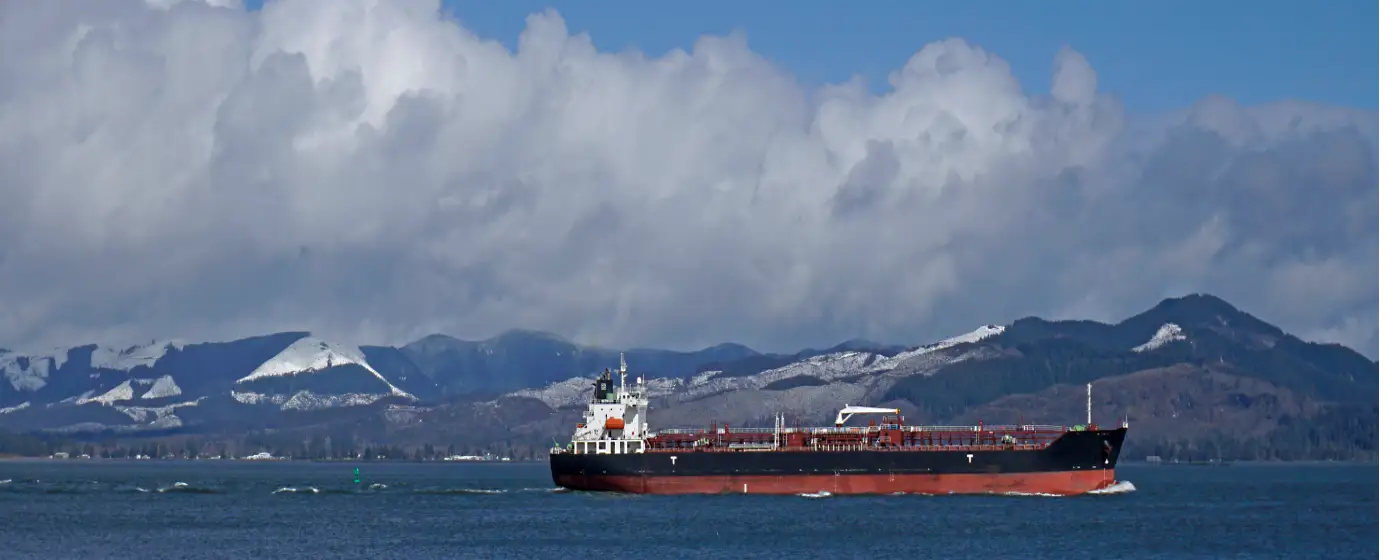
You've probably done the math on Portland and walked away. Warrenton sits at the far northwestern edge of Oregon — where US-101 meets the mouth of the Columbia River — and it offers something the Willamette Valley rarely does anymore: a real house, in a real town, for a price that doesn't require a second income just to stay afloat. The catch is distance. Portland International Airport (PDX) is roughly 92 miles away, and the nearest large-format retail, hospitals, and specialty services are a short drive across the bridge in Astoria. That trade-off between coast-town prices and coast-town remoteness defines almost every financial decision you'll make here.
Warrenton's economy runs on a modest but stable set of anchors: the school district, the city itself, Fred Meyer, Astoria Forest Products on the manufacturing side, and a population of 6,327 that skews toward working families and retirees rather than tech transplants or weekend-home buyers. The median household income sits at $70,670 — meaningful context when you're evaluating what ownership actually costs here. The Warrenton-Hammond School District 30 holds a B+ rating, according to Niche, which draws families who want a smaller district without the chaos of a metro system.
Oregon's overall cost structure runs noticeably above the national average, but Warrenton largely escapes the Portland metro premium that drives those statewide indexes. Electricity rates here run below both the state and national averages, and natural gas through NW Natural also comes in below national norms. Groceries are the one non-housing category where Oregon stings — running roughly 7% above the U.S. norm — but the absence of any state sales tax softens that at the register. For most households, the coast lifestyle costs less than the numbers in a statewide cost-of-living calculator would suggest.
Whether you're weighing a first purchase, comparing Warrenton against Astoria or Seaside, or trying to understand what your paycheck actually buys here, the sections below break down housing, utilities, everyday essentials, nearby city comparisons, and Oregon's tax picture in plain terms.
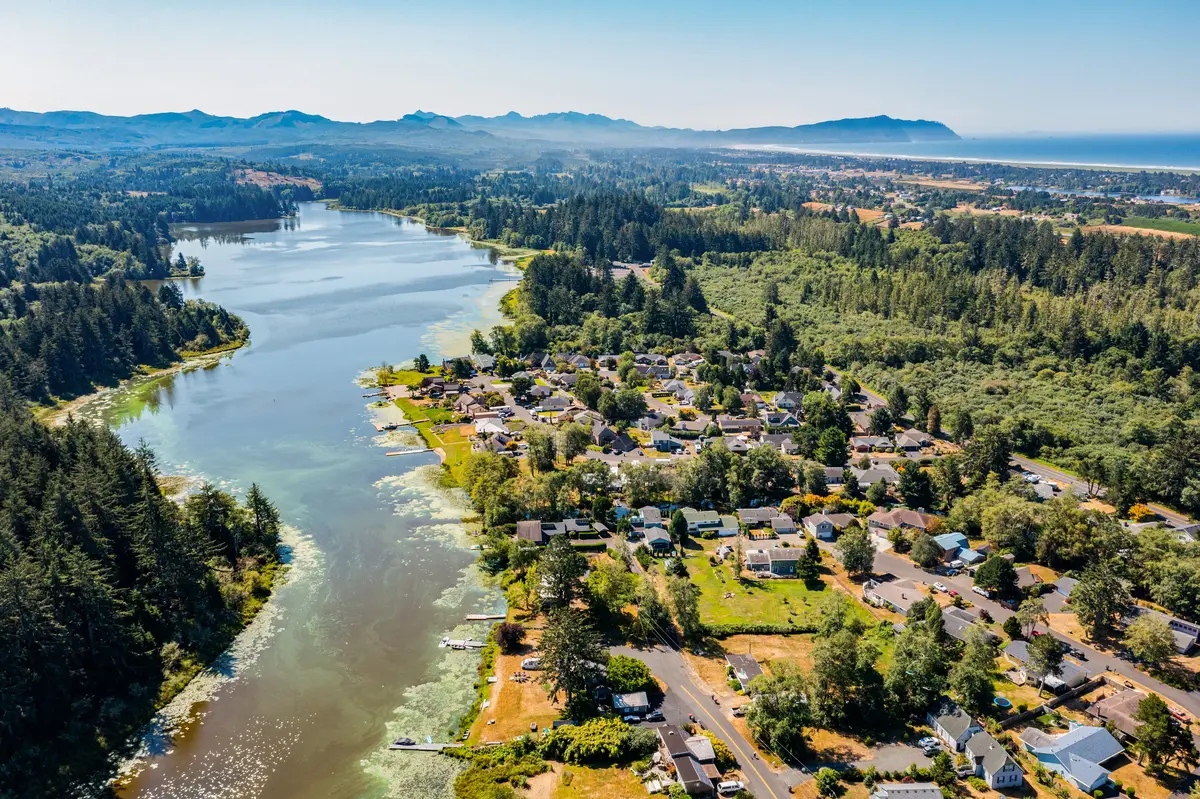
What It Really Costs to Live in Warrenton
The honest posture: Warrenton is cheaper than Gearhart and closer in cost to Seaside, while running roughly the same as Astoria. For an Oregon coastal city, that's a meaningful position — you're not getting beach-resort pricing, but you're also not getting a bargain-bin market. The Zillow Home Value Index put the typical home at $505,967 as of July 2026, which is substantially below what the same square footage costs in most Portland suburbs, and sharply below what comparable coastal properties fetch in California.
What drives the number here isn't tourism demand — Warrenton doesn't have the vacation-rental economy that inflates prices in places like Cannon Beach. It's a working city with working-city housing stock. The price reflects that: older construction, modest lot sizes, and a range that runs from entry-level inventory up through waterfront and lake-area properties that pull the median upward. The gap between that median and the median household income is real and worth naming — the typical home here requires an income notably above what most Warrenton households actually earn, which means buyers often need meaningful down payments, dual incomes, or equity carried from a prior sale.
Outside of housing, Warrenton's cost picture is generally in line with or slightly below the state average. Utilities run below the Oregon norm, the property tax rate is low, and the absence of a sales tax takes a real bite out of everyday shopping costs. Non-housing categories don't make or break a budget here — housing does. For a fuller look at how the city's neighborhoods affect your options, see the best neighborhoods guide.
Housing: Rent vs. Buy in Warrenton
The buy side of the equation starts below the city-wide median for older construction on smaller lots, and climbs into the high $500,000s and beyond for waterfront positions, newer builds, and the lake-area neighborhoods. That spread matters for buyers coming in from inland Oregon or out of state — there's genuine entry-level inventory here, even if it's not abundant.
Warrenton's effective property tax rate is approximately 0.69% — meaningfully below Oregon's statewide average of roughly 0.81%, and well below rates common in many other Pacific Northwest markets. For a home near the city-wide median, that's a real annual savings compared to what you'd pay on a similarly priced house in a higher-rate Oregon county. The calculator below this section runs the full payment picture based on current rates; those monthly figures shift with the market, so use the tool rather than any number written in prose.
On the rental side, a typical two-bedroom in Warrenton runs in the $1,530–$1,860 range. The rental market here is thin — this is not a city with hundreds of available units at any given time — which means quality renters who find a good unit tend to stay. Renting makes sense for people who are new to the area and want six to twelve months to learn the neighborhoods before committing to a specific part of town. It makes less sense as a long-term plan: at the upper end of the rent range, monthly carrying costs on a purchased home at the city median can be competitive, especially with a meaningful down payment and the property tax advantage factored in.
One thing to know before you make an offer: this is a small coastal market where the pool of comparable sales is limited and appraisals can be complicated. Buyers who assume the Portland playbook applies — waive inspection, overbid by 10%, close in three weeks — often find the dynamics here slower and more negotiable. For more on the mechanics of a purchase, see the first-time homebuyer guide.

Everyday Costs Beyond Housing in Warrenton
| Category | Typical Monthly Cost | Notes |
|---|---|---|
| Housing (typical rent) | $1,665/mo | City-wide typical rent. Buying? Use the calculator above for a mortgage estimate. |
| Utilities | $190–$280/mo | Electricity, gas, water, sewer, trash |
| Groceries | $560–$760/mo | Food at home, household of 2–3 |
| Transportation & Gas | $230–$370/mo | Fuel, and transit where it is a real option |
| Phone & Internet | $110–$185/mo | Mobile plan plus home broadband |
| Misc / Discretionary | $230–$450/mo | Dining out, entertainment, subscriptions |
Non-housing figures are estimates for a household of two to three, not a sourced index; housing is the city-wide typical rent (Zillow ZORI, July 2026). Refreshed with the rest of the city data.
The Oregon Coast climate is the biggest variable in your utility budget that most newcomers underestimate. Warrenton averages 126 sunny days a year — that number is not a misprint, and it's what separates life here from the way the coast is marketed. Long, grey, wet winters mean heating systems run longer than they would in a sunnier inland city, but Warrenton's electricity rates run well below the national average, which meaningfully cushions that seasonal load. Natural gas through NW Natural also comes in below national norms. Budget for heating costs that reflect actual coastal winters rather than what a statewide average might suggest — the grey season is real and longer than most newcomers expect.
Groceries are the one category where Oregon consistently runs above national norms — roughly 7% higher than the U.S. average at the state level — and a smaller city means less retail competition to push prices down. Warrenton has a Fred Meyer, which covers most everyday needs, but specialty shopping or major retail runs mean a trip to Astoria or eventually a longer drive. The Sunset Empire Transportation District runs bus service connecting Warrenton to Astoria, Seaside, and Cannon Beach, which helps for car-free errands on that corridor — though most residents drive. Most daily commutes are short: it's about 12 minutes to Astoria for the large share of residents who work there. The engine-rendered budget below this section fills in the category-level estimates.
Looking to buy in Warrenton? Estimate your payment.
Enter your numbers to see an estimated monthly mortgage payment.
Estimate only. Excludes HOA fees and mortgage insurance. The interest rate above is a starting point, not a quoted rate — replace it with your own to see real numbers. Insurance is a flat placeholder, not a Warrenton quote.
Warrenton vs. Nearby Cities: Cost Comparison
| City | Typical Home Price | Typical Rent | Cost vs Warrenton |
|---|---|---|---|
| Warrenton (this city) | $505,967 | $1,665/mo | — |
| Astoria | $486,426 | $1,644/mo | 4% lower |
| Gearhart | $619,942 | $1,700/mo | 23% higher |
| Seaside | $473,271 | $1,550/mo | 6% lower |
Source — home prices: Zillow ZHVI, July 2026; rent: Zillow ZORI, July 2026. Nearby-city figures are the same series, refreshed together.
Warrenton sits in the middle of a short stretch of coast where home prices vary more than the distances between cities would suggest — Gearhart runs noticeably higher, Seaside runs somewhat lower, and Astoria comes in at about the same level, each with a meaningfully different lifestyle attached to that price point.
Taxes & the Bottom Line for Warrenton
Oregon's tax structure has three features every buyer should understand before signing anything. First, there is no state sales tax — none, zero, not even on cars or large appliances — which is a genuine and recurring benefit for households that spend heavily on goods. Second, Oregon runs a progressive income tax with four brackets ranging from 4.75% to 9.9%, and the top rate kicks in at $125,000 of taxable income for a single filer. That top rate is among the highest in the country, which matters for remote workers, high earners, or anyone moving from a no-income-tax state like Washington. Social Security benefits are not taxed at the state level, which is a meaningful upside for retirees evaluating the overall picture.
On property taxes, Warrenton is genuinely favorable. The effective rate of approximately 0.69% sits below the Oregon statewide average of roughly 0.81%, and well below rates in many other high-cost coastal states. That rate applies to the home price figure described earlier in this guide — not restated here — and it compounds the long-term cost advantage of buying versus renting in this market.
The honest bottom line: Warrenton fits buyers who are bringing equity from a prior sale, dual-income households who can carry a home near the city median, and remote workers whose income wasn't set by Clatsop County wage norms. It tends to stretch budgets for single-income households earning close to the local median — the gap between that income level and the income needed to comfortably carry the typical home here is real, and Oregon's income tax adds to the carrying cost for anyone whose earnings land in the upper brackets. The coast lifestyle is part of what you're paying for; whether that math works is the central question for every household considering the move.
For a fuller picture of how Warrenton's tax and cost environment interacts with retirement income specifically, see the retiring in Warrenton guide. If you're moving from California and want a direct comparison of tax posture and overall cost, see the moving from California page.
Local Expert Takeaway: Warrenton is not the cheapest place on the Oregon Coast, but it's the most livable at its price point. The property tax rate is low, utilities run below state norms, and you don't pay sales tax on anything — ever. What you give up is proximity: PDX is about 92 miles out, serious shopping takes planning, and the grey winters are longer than most newcomers expect. Buyers who do well here tend to arrive with equity already in hand, a clear-eyed view of the commute to Astoria, and an honest appreciation for a small city that hasn't been discovered enough to price out the people who actually live in it.
Quick Takeaways & FAQs
✅ Warrenton's effective property tax rate of 0.69% is meaningfully below the Oregon state average, reducing the long-term cost of ownership compared to most Oregon markets.
⚠️ The typical Warrenton home price exceeds what the median local household income can comfortably carry, meaning most buyers need a down payment, dual income, or equity from a prior sale.
📍 The Astoria Regional Airport is physically located in Warrenton but serves no commercial flights — Portland International Airport (PDX) at roughly 92 miles is the real gateway, and that drive shapes every aspect of life here.
How does the cost of living in Warrenton compare to Portland?
Is it cheaper to rent or buy in Warrenton?
What are utility costs like in Warrenton?
Does Oregon's lack of a sales tax make a meaningful difference for Warrenton residents?
What income do you realistically need to afford a home in Warrenton?
Moving to Oregon?
Tell us what you need help with and we'll connect you with local resources.
