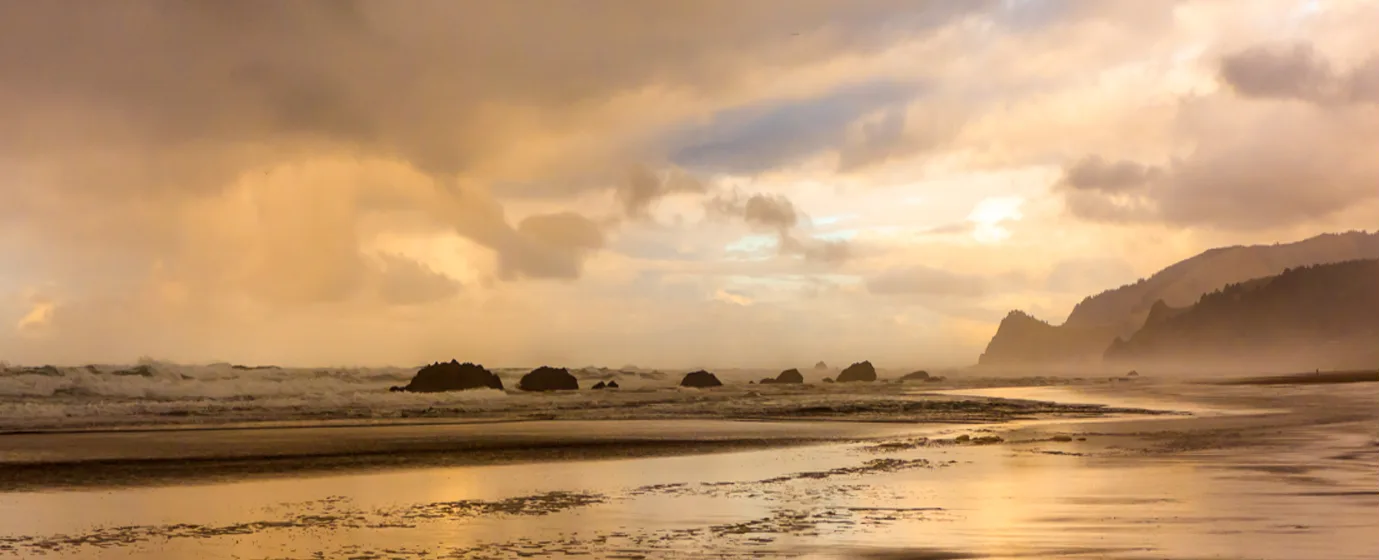
Most people discover Lincoln City through a windshield on US-101, catch a glimpse of the Pacific, and underestimate the place. What they miss is that the city's 10,034 residents live inside an outdoor recreation system that would be the main attraction in almost any other Oregon town. Seven continuous miles of public beach. A 685-acre freshwater lake sitting within city limits, protected from coastal winds. A UNESCO Biosphere Reserve three miles up the highway. The beach is the front yard; the rest is the backyard.
The honest caveat is the weather. Lincoln City averages just 157 sunny days a year, and winter brings sustained rain and wind that keep the casual tourist crowd away. But that same weather is what makes the surf at Nelscott Reef among the most powerful on the West Coast, keeps the beach uncrowded on a February Tuesday, and turns the Connie Hansen Garden into an explosion of rhododendrons when spring finally arrives. Locals learn quickly that overcast and 55 degrees is still a perfectly good morning to walk the shoreline or fish the lake.
The outdoor amenities here aren't amenities in the suburban sense — a manicured trail system and a splash pad. They are genuine wild places that happen to sit within or immediately adjacent to town. Harbor seals haul out at the Siletz River mouth. Bald eagles nest near Devils Lake. Roosevelt elk graze the headland meadows at Cascade Head. You don't drive to the wilderness from Lincoln City; you more or less live in it. For a look at how that affects what homes cost here, the cost-of-living page has the full breakdown.
Whether you're considering a move or researching the area before a visit, the sections below cover Lincoln City's signature parks and water access, its trails and headlands, the beach itself and what you can do on it seasonally, and the recreation quirks that take newcomers by surprise.
Devils Lake: The Freshwater Heart of the City
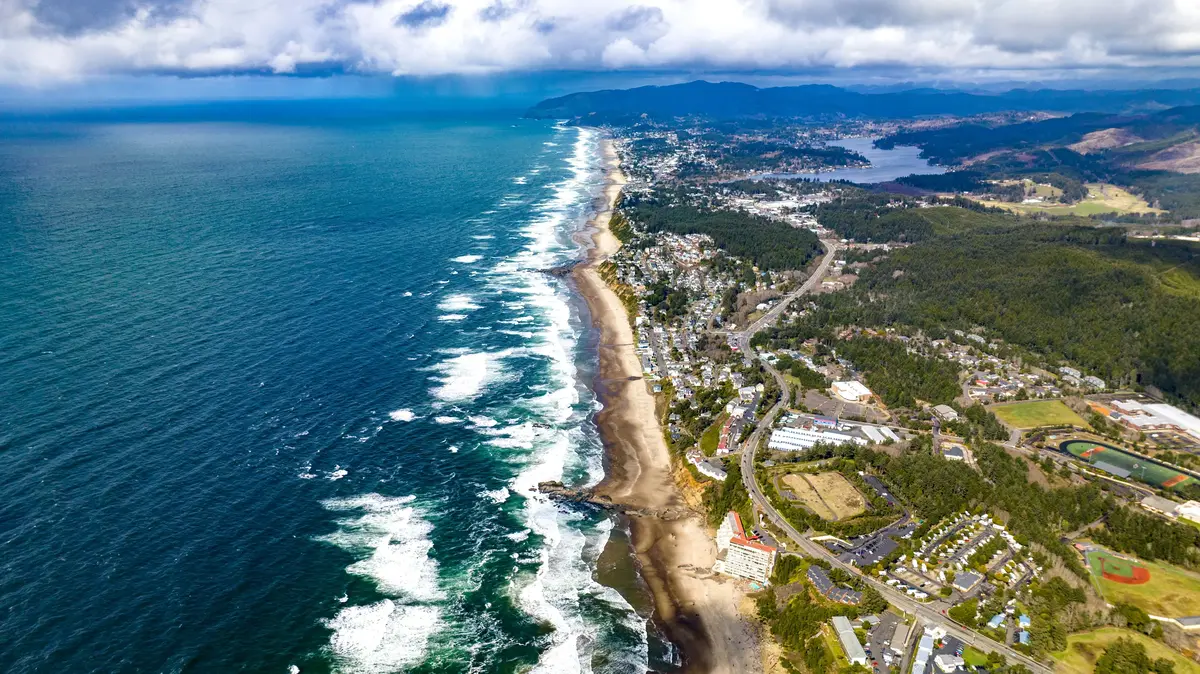
There is no other coastal Oregon State Park campground located inside a city. Devils Lake State Recreation Area holds that distinction alone — and the fact that it sits minutes from downtown Lincoln City, with the beach a short walk in the other direction, explains a lot about why people stay here once they arrive.
The lake itself covers 685 acres and is shielded from the ocean wind by the ridge that separates it from the shoreline. That protection makes it genuinely calm water on days when the Pacific is churning — the kind of place where a kayak or canoe is a reasonable proposition, not a survival exercise.
What the Lake Offers
The two-park structure gives you different things depending on which shore you're on. The west-shore campground is the place to stay if you want tent sites, RV hookups that accommodate rigs up to 62 feet, yurts with pet-friendly options, and a hiker/biker camp — all within an easy walk of the beach. East Devils Lake State Park, on the south shore, is a day-use area with a boat launch, fishing dock, picnic tables, and a fire pit: the practical infrastructure for a morning on the water without an overnight commitment.
The fishing is legitimate. Rainbow trout, largemouth bass, yellow perch, black crappie, catfish, and bluegill all live in the lake. The wildlife watching is a bonus most visitors don't expect. The lake's wetland edges serve as the primary wintering grounds for migratory geese and ducks, and osprey and bald eagle nests are documented in the vicinity. On a gray November morning, the birdlife on Devils Lake is more active than anything you'd see on a clear day in July.
The park also offers summer guided kayak wildlife tours with kayaks provided — something worth knowing if you're visiting with kids who have never been on the water, or if you simply want someone to point out where the eagles actually nest.
| Feature | Location | Notes |
|---|---|---|
| Campground (tent, RV, yurts) | West shore | Only coastal OR State Park campground inside a city; RVs up to 62 ft |
| Boat launch | East shore (day-use) | East Devils Lake State Park |
| Fishing dock | East shore (day-use) | Trout, bass, perch, crappie, catfish, bluegill |
| Guided kayak wildlife tours | West shore | Kayaks provided; offered in summer |
| Yurts (pet-friendly options) | West shore campground | Reservations recommended in summer |
| Migratory waterfowl habitat | Lake wetlands | Primary wintering grounds for geese and ducks |
| Osprey and bald eagle nests | Lake vicinity | Documented near the lake's edges |
If you're moving here from a city where a state park means a parking lot and a picnic table, Devils Lake resets the baseline entirely.
Trails and Headlands: Roads End, The Knoll, and Cascade Head
Lincoln City is not a hiking destination in the sense that Bend or Hood River are. But it has two trail experiences that stand well above what a coastal town of 10,034 people has any right to offer — and they're different enough that they serve completely different moods.
Roads End State Recreation Site
At the northern edge of the city, Roads End is where the urban fabric runs out and the headland takes over. The beach access here includes tidepools and a hidden cove that only reveals itself at low tide — the kind of geography that doesn't announce itself and rewards the people who time their visit right.
The Knoll trailhead sits at Roads End and is as close to a signature Lincoln City hike as the city has. The payoff is a sweeping view of the Pacific and a bird's-eye perspective of the city below — the kind of vantage point that makes you understand how the neighborhoods stack up against the coastline. Roads End is also part of the Cascade Head Marine Reserve, which means the tidepools are genuinely protected: no collecting fish, invertebrates, or seaweed. What you find here, you leave here.
Cascade Head Preserve
Three miles north of the city, Cascade Head sits inside Oregon's only UNESCO Biosphere Reserve. The Nature Conservancy protects 270 acres of the headland, including rare coastal grassland communities and habitat for the endangered Oregon silverspot butterfly — a species that exists in very few places on earth and is one reason the upper trailheads are closed from January 1 through July 15 to protect nesting and emerging wildlife.
The lower Nature Conservancy Trail is open year-round and covers approximately 4.2 miles round-trip, gaining 1,200 feet. It starts in old-growth spruce forest — the kind where the canopy closes over and the ocean disappears entirely — before opening onto high headland meadows with unobstructed views of the coastline and the Salmon River Estuary below. Roosevelt elk are sometimes spotted grazing up there. In spring, irises, foxgloves, and trillium push through the meadow grass.
The preserve prohibits hunting, camping, fires, bicycles, and dogs. Those restrictions are enforced, and they're part of why the place feels as undisturbed as it does. Plan accordingly before you arrive with a dog in the car.
A note on the upper Forest Service trailheads: as of the most recent Nature Conservancy advisories, the access road has been affected by landslide damage. Verify current trail status before planning a trip to the upper route — conditions on the Oregon Coast change faster than most published sources keep up with.
The Beach Itself: Seven Miles, Nelscott Reef, and Siletz Bay
Seven miles of public beach, continuous from Roads End in the north to Siletz Bay in the south, is the defining fact of daily life in Lincoln City. Multiple access points run off US-101, which means you're never far from the sand regardless of which part of the city you live in. What varies is what each stretch of beach is actually good for.
What the Shoreline Offers by Season
Summer brings kite flying, beachcombing for agates and gemstones, and bonfires at the fire rings scattered along the beach. Lincoln City has some of the best agate hunting on the Oregon Coast — the beach's particular geology and the winter storm patterns that scour and refresh the sand mean a patient eye will find something worth keeping. Surf lessons and gear rentals are available from local shops if you want to get in the water rather than just walk beside it.
Winter is different. The casual beach crowd thins out, and what's left is a more honest version of the Oregon Coast: gray sky, strong wind, waves that would look at home in a documentary. Which brings up Nelscott Reef.
Nelscott Reef: Big Wave Surfing
The reef sits roughly a half mile offshore in the Nelscott neighborhood. An underwater formation causes open-ocean swells to build and break in a way that doesn't exist anywhere else on the Oregon Coast — waves that reach 25 to 50 feet or more during winter storm swell. The Nelscott Reef Big Wave Classic, held annually since 2005, draws professional big-wave riders from around the world. Spectators watch from the beach or from clifftop vantage points above the Nelscott neighborhood.
For residents: this is not a recreational surfing spot in the beginner sense. The reef is a professional arena. But watching it from the cliffs on the right winter day is one of the genuinely singular experiences this coast offers, and it happens in your backyard.
Siletz Bay
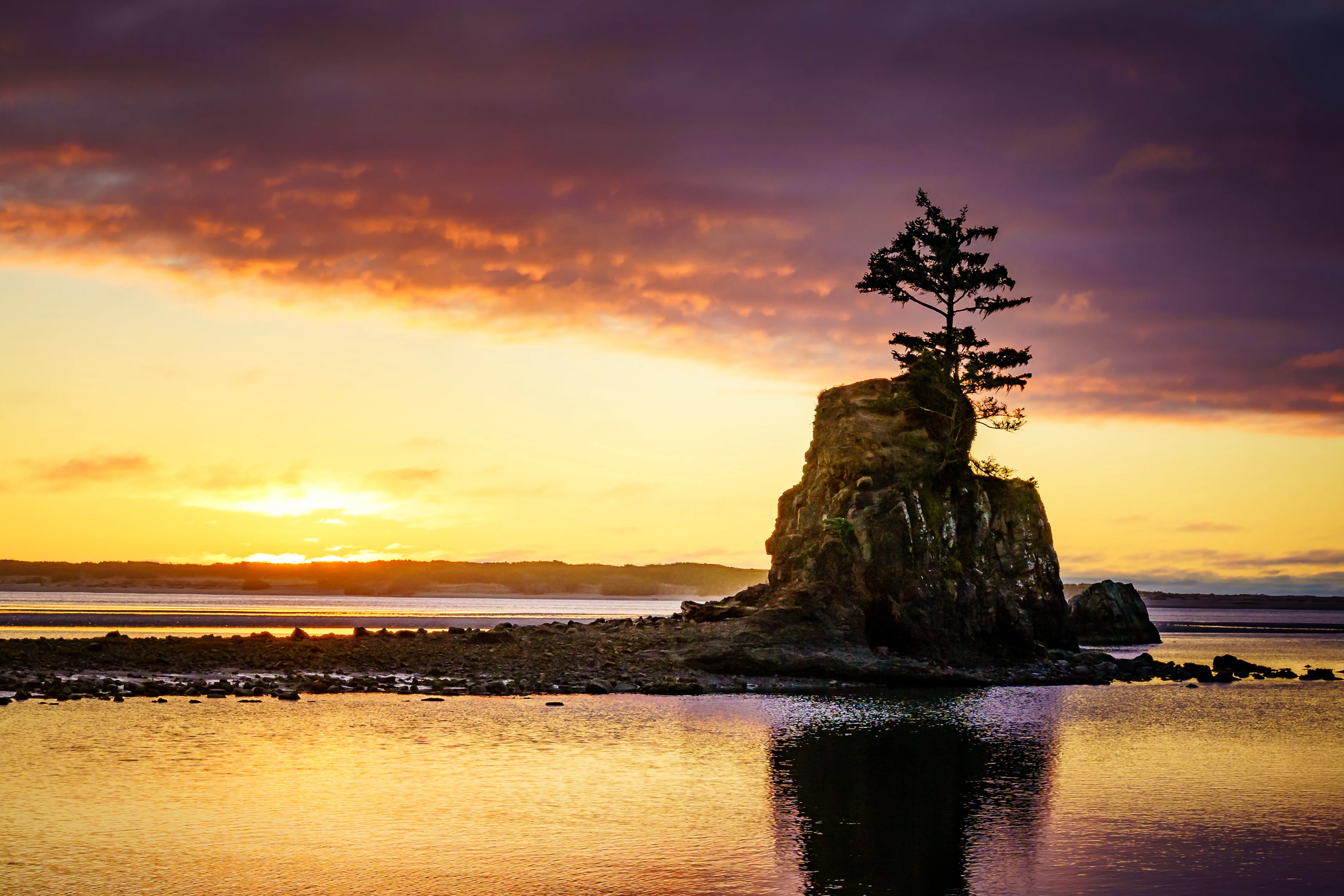
The southern end of the beach is a different character entirely — calmer, more sheltered, oriented toward crabbing, clamming, and watching the light change over the water at the end of the day. Harbor seals congregate at the mouth of the Siletz River in numbers estimated in the hundreds, and you can observe them from shore without a boat or a guide. Siletz Bay is the spot locals go when they want the coast without the open-Pacific exposure — a bay rather than a beach in the wind.
Finders Keepers: The Glass Float Program
This one is worth knowing before you move here, because newcomers stumble across it by accident and then become slightly obsessed. Since the Millennium Float Project launched in 1997, the city has placed more than 3,000 handblown artisan glass floats annually along the full seven miles of shoreline — from Roads End to Siletz Bay. Floats are hidden throughout the year, not just in one season. Anyone who finds one keeps it. Finders can register the float for a certificate of authenticity and an artist biography.
It sounds like a tourist gimmick and is, in fact, something residents genuinely participate in. Early morning beach walks take on a different quality when there's a real chance of finding an original piece of glass art in the wrack line. It is one of those only-here details that makes Lincoln City's beach feel like more than a beach.
Looking to buy in Lincoln City? Estimate your payment.
Enter your numbers to see an estimated monthly mortgage payment.
Estimate only. Excludes HOA fees and mortgage insurance. The interest rate above is a starting point, not a quoted rate — replace it with your own to see real numbers. Insurance is a flat placeholder, not a Lincoln City quote.
Seasonal Recreation, the Connie Hansen Garden, and What Surprises New Residents
The outdoor calendar in Lincoln City doesn't follow the pattern of a typical Pacific Northwest city. There's no dry summer when everything happens and a wet winter when it stops. The coast operates on its own schedule, and understanding it is part of settling in.
The Connie Hansen Garden
Tucked into the city's residential fabric, the Connie Hansen Garden is a volunteer-run public garden featuring lily ponds, seasonal blooms, and hundreds of rhododendron varieties ranging from compact dwarf specimens to large tree-form plants. Spring is the peak — when the rhododendrons are in full bloom the garden is among the most quietly impressive horticultural spaces on the Oregon Coast. It's the kind of place that regular residents walk past for years before realizing what's there.
What the Seasons Actually Look Like
| Season | What's Good | What to Know |
|---|---|---|
| Spring | Connie Hansen Garden blooms; Cascade Head wildflowers; agate hunting after winter storms | Upper Cascade Head trails closed until July 15; rain likely |
| Summer | Devils Lake kayaking and fishing; beach bonfires; kite flying; guided kayak wildlife tours | 157 sunny days a year — coastal fog common even in July |
| Fall | Beachcombing; harbor seal watching at Siletz Bay; uncrowded trails | Best window for glass float hunting as storm season begins |
| Winter | Nelscott Reef big wave surfing (spectating); migratory waterfowl on Devils Lake; storm watching | The Nelscott Reef Big Wave Classic draws crowds; the beach is otherwise quiet |
What Surprises People After Six Months
The most common thing new residents say is that they didn't expect to use the outdoors as much in winter as in summer. The beach empties out after Labor Day, and suddenly you can walk seven miles of shoreline without passing more than a dozen people. The Devils Lake campground stays open year-round. Cascade Head's lower trail is accessible any day of the year the weather is tolerable, and tolerable is a relative standard that locals calibrate downward pretty quickly.
The second surprise is the Finders Keepers program — specifically, how seriously people take it. Early morning walks along the beach in fall and winter aren't just exercise; they're intentional hunts. It changes the relationship with the shoreline in a way that's hard to explain until you've found one yourself.
For families thinking about whether Lincoln City's outdoor options translate to year-round daily life rather than summer visits, the answer is mostly yes — with the caveat that you have to genuinely like gray weather and find meaning in a coast that doesn't perform for you. The recreation here is real. The sunshine is limited. Both things are true. For more on what daily life, commuting, and the broader community look like, the living in Lincoln City hub covers the full picture.
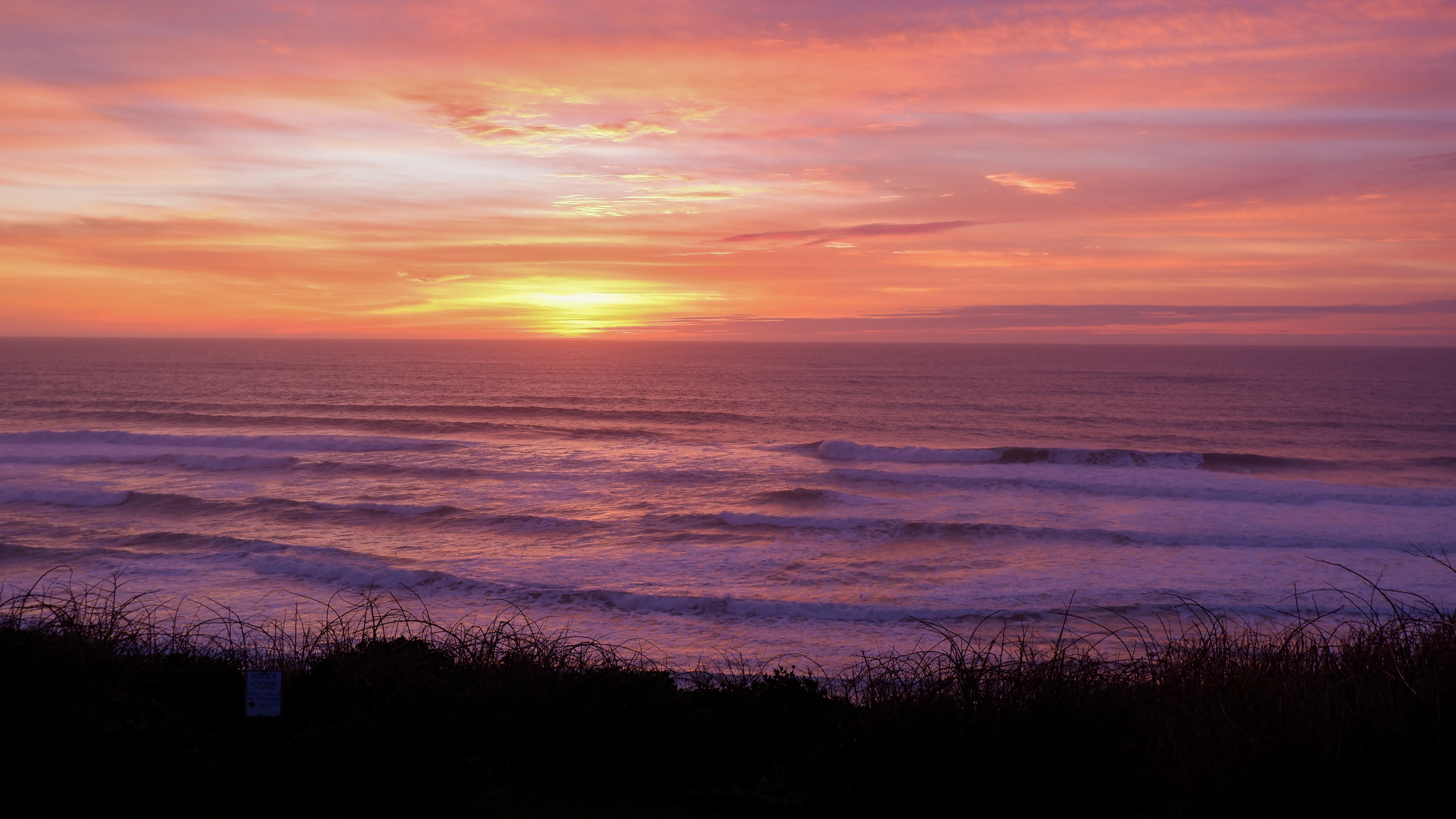
Local Expert Takeaway: Lincoln City's outdoor life is not a supplement to living here — it's the reason most people move here in the first place. Devils Lake is the only coastal Oregon State Park campground inside a city, and it's a ten-minute walk from a seven-mile beach. Cascade Head is three miles up US-101 and sits inside Oregon's only UNESCO Biosphere Reserve. Nelscott Reef produces the only big-wave surfing conditions on the entire Oregon Coast. And the Finders Keepers glass float program turns an ordinary morning beach walk into something that only happens in this one place. If you can make peace with 157 sunny days a year and a coast that doesn't show off on demand, the outdoor access here is genuinely exceptional for a city of 10,034 people.
Quick Takeaways & FAQs
✅ Devils Lake State Recreation Area — 685 acres of freshwater, a boat launch, fishing for six species, guided kayak tours, and the only coastal Oregon State Park campground inside a city — sits minutes from downtown Lincoln City.
⚠️ Lincoln City averages just 157 sunny days a year, and the coast is genuinely rainy and gray through much of the year — the outdoor life here rewards people who embrace that rather than waiting for summer.
📍 The Nelscott Reef Big Wave Classic has drawn professional surfers to Lincoln City's offshore reef annually since 2005; the waves reach 25–50 feet in winter and spectators can watch from the clifftops above the Nelscott neighborhood.
Is Devils Lake open for swimming and motorized boats?
Can I hike Cascade Head year-round?
What is the Finders Keepers glass float program?
Is Nelscott Reef surfable for regular surfers, or only professionals?
Where can I watch for harbor seals in Lincoln City?
Moving to Oregon?
Tell us what you need help with and we'll connect you with local resources.
