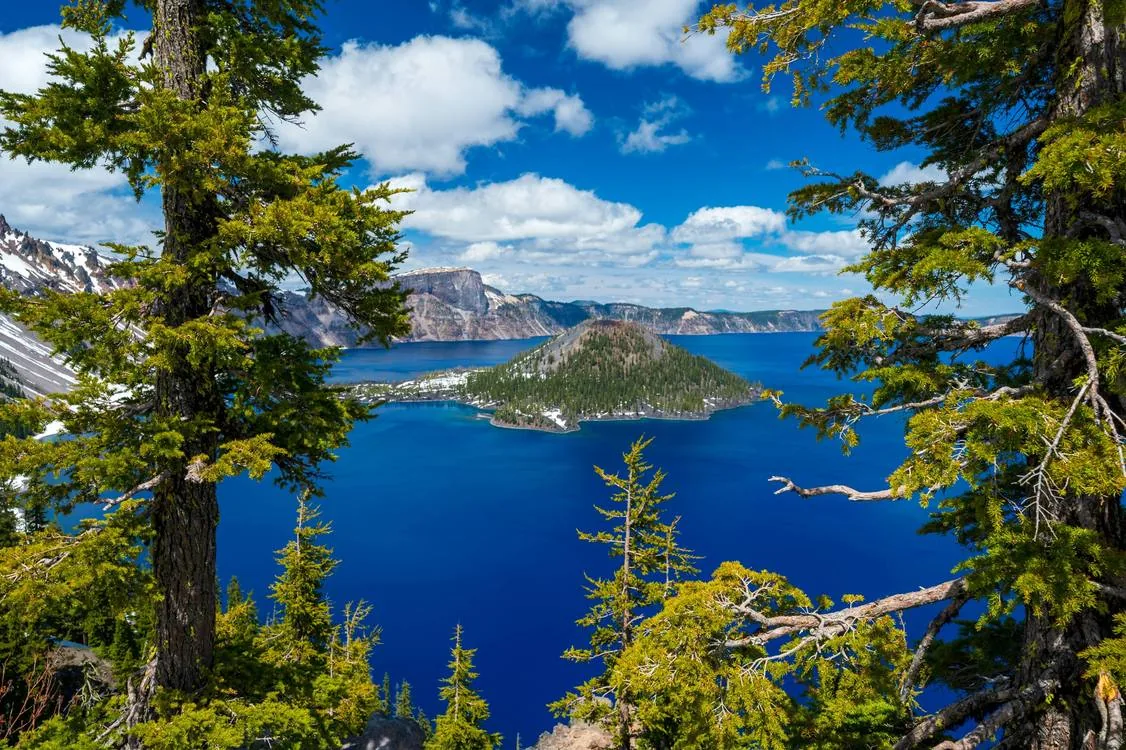
Is Southern Oregon a Good Place to Live?
You're probably not choosing between Southern Oregon and Portland. You've already ruled out Portland — the prices, the traffic, the pace. The real question you're sitting with is whether Southern Oregon is a real place to build a life, or just a place people retreat to when they're done with somewhere else. The honest answer is both, and that tension runs through every city on this list. The Rogue and Umpqua river valleys, the Cascade foothills, the high desert plateau around Upper Klamath Lake — these aren't interchangeable backdrops. The geography shapes everything: what work is available, how far you drive for a specialist or a decent airport, and whether the landscape outside your window feels like a reward or a reminder of what you traded away.
The region's economic anchors are healthcare, education, and government — not tech, not finance. Medford's full-service medical centers make it the regional hub for anyone who needs work with a paycheck in healthcare. Oregon Tech anchors Klamath Falls in a way that shapes the whole character of that city. Southern Oregon University and the Oregon Shakespeare Festival give Ashland a cultural density that defies its size. Harry and David, Rogue Creamery, and Crater Lake Soda are the kind of employers that tell you something true about a place: this is a region that still makes things and grows things, and takes some pride in that. If you're relocating for remote work and just need a livable base, that picture expands considerably — but the job market for on-site professional work is genuinely thinner here than in the Willamette Valley or Portland Metro.
On price, Southern Oregon sits toward the more affordable end of the state's regions — well below the Portland Metro and Oregon Coast, and generally more within reach than Central Oregon has become. That said, 'affordable for Oregon' is doing a lot of work in that sentence: Ashland and Jacksonville both push toward the pricier end of the region, driven by lifestyle demand and limited inventory. The middle of the region — Medford, Grants Pass, Roseburg, Central Point — offers more breathing room for buyers who don't need a nationally-known arts scene or a historic gold rush address. Klamath Falls sits toward the most affordable end of the region, and that gap is meaningful. What you give up in any of these places relative to a larger city isn't price — it's selection. Specialty retail, direct flights, and certain healthcare subspecialties all require a drive or a flight out.
Whether you're weighing a remote-work move, a retirement destination, or a first real step out of a pricier market, the cities below are genuinely different from each other in ways that matter. This guide breaks down each one — its neighborhoods, its trade-offs, its character, and who tends to thrive there — so you can stop comparing the region to Portland and start comparing these cities to each other.
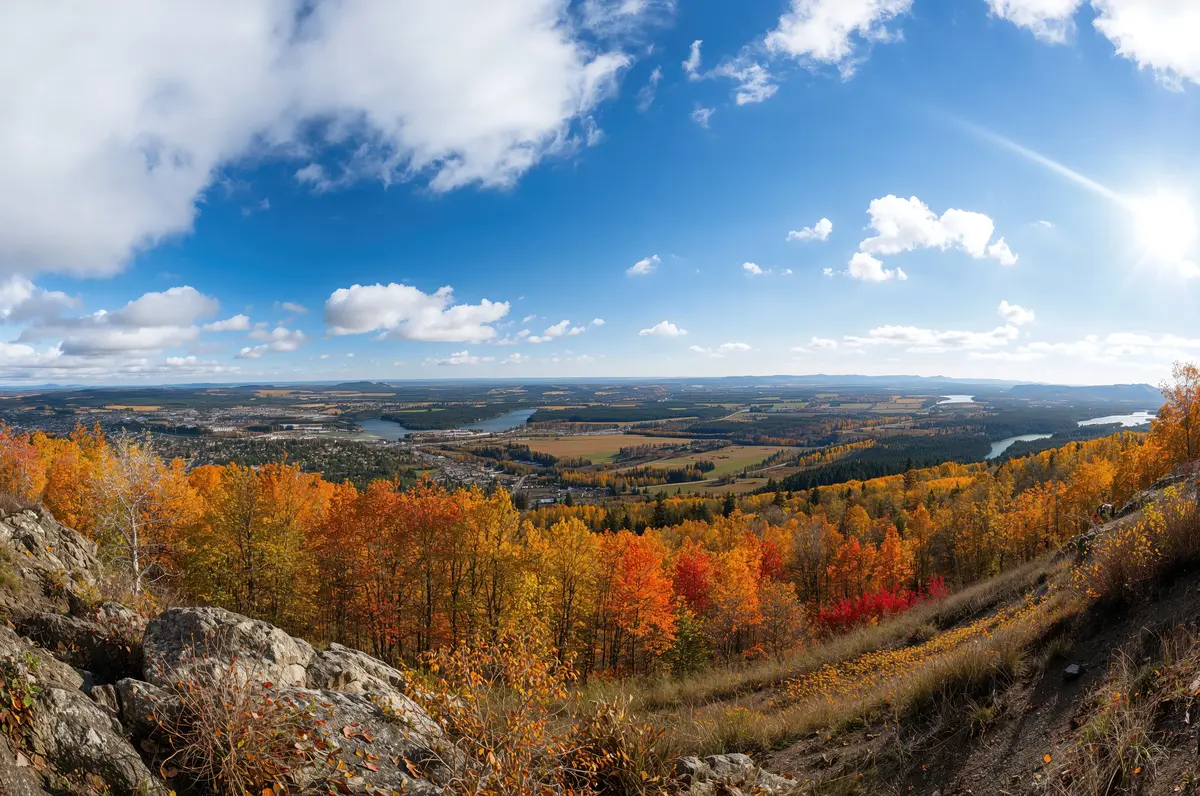
Explore All 7 Cities in Southern Oregon
Click into any city for the complete guide — neighborhoods, home prices, cost of living, pros & cons, schools, top employers, and mortgage help.
Medford
Medford is the practical center of the Rogue Valley — the place where the regional medical centers, the mall, the airport, and the government offices all land. I-5, OR-99, OR-62, and OR-238 converge here, which means Medford is where everyone in the region eventually ends up for something. It prices near the middle of the region, which makes it the default choice for buyers who want actual services within a short drive and don't want to pay Ashland prices to get them.
Full Medford Guide →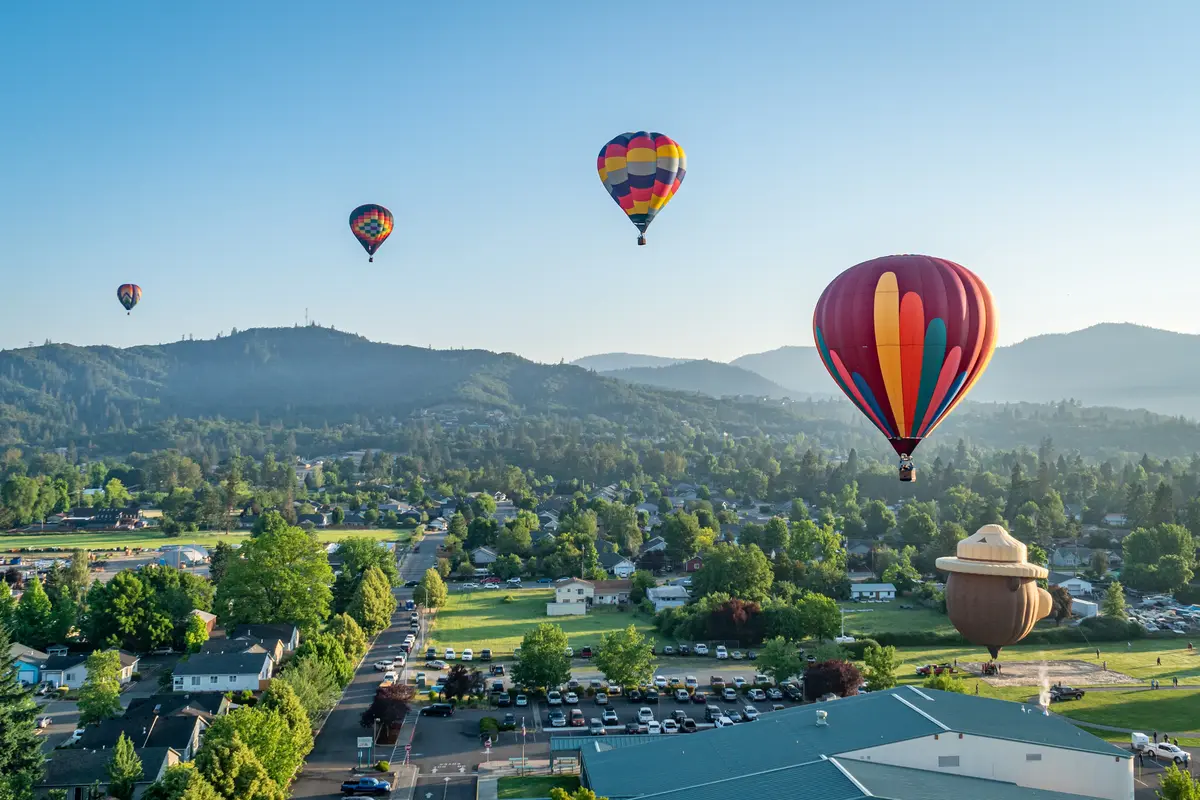
Grants Pass
Grants Pass sits along the Rogue River and wears its outdoor identity plainly — the historic downtown, the Caveman Bridge, Riverside Park, and the river itself are the city's real amenities. I-5 and US-199 connect it north and south, but Grants Pass moves at its own pace, and that's either the appeal or the frustration depending on what you're used to. It prices near the middle of the region, and tends to attract buyers who want something more lived-in and less polished than Ashland, with more going on than a truly small town.
Full Grants Pass Guide →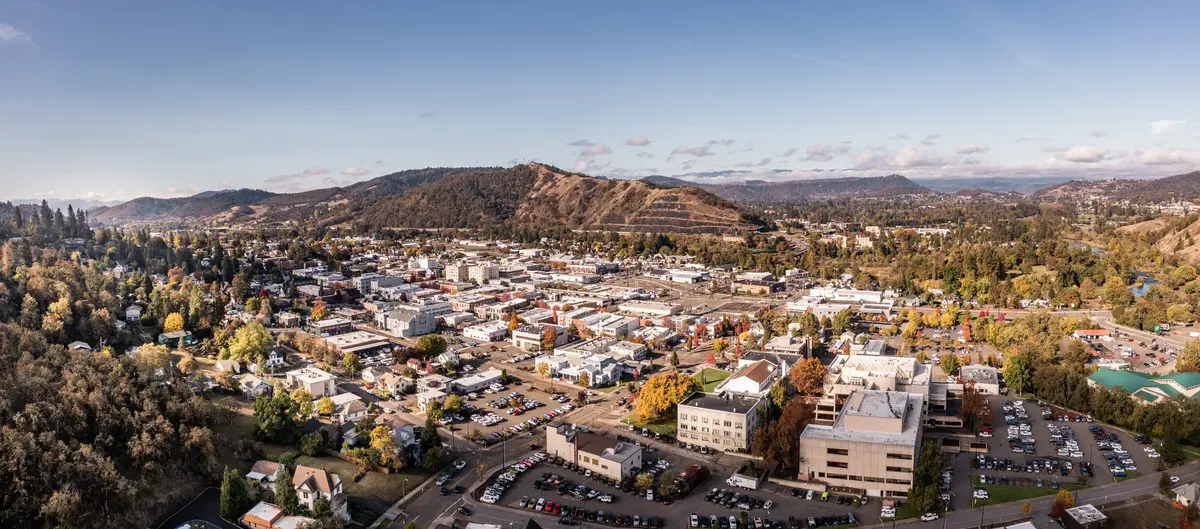
Roseburg
Roseburg anchors Douglas County along the South Umpqua River, with a regional medical center and Umpqua Community College giving the small city more institutional weight than its size would suggest. The Mill-Pine Historic District, Stewart Park, and the river waterfront are genuinely worth your time on a weekend. It prices near the middle of the region, and it's the right fit for buyers who want a quieter, more self-contained life without the full rural trade-offs of an unincorporated address.
Full Roseburg Guide →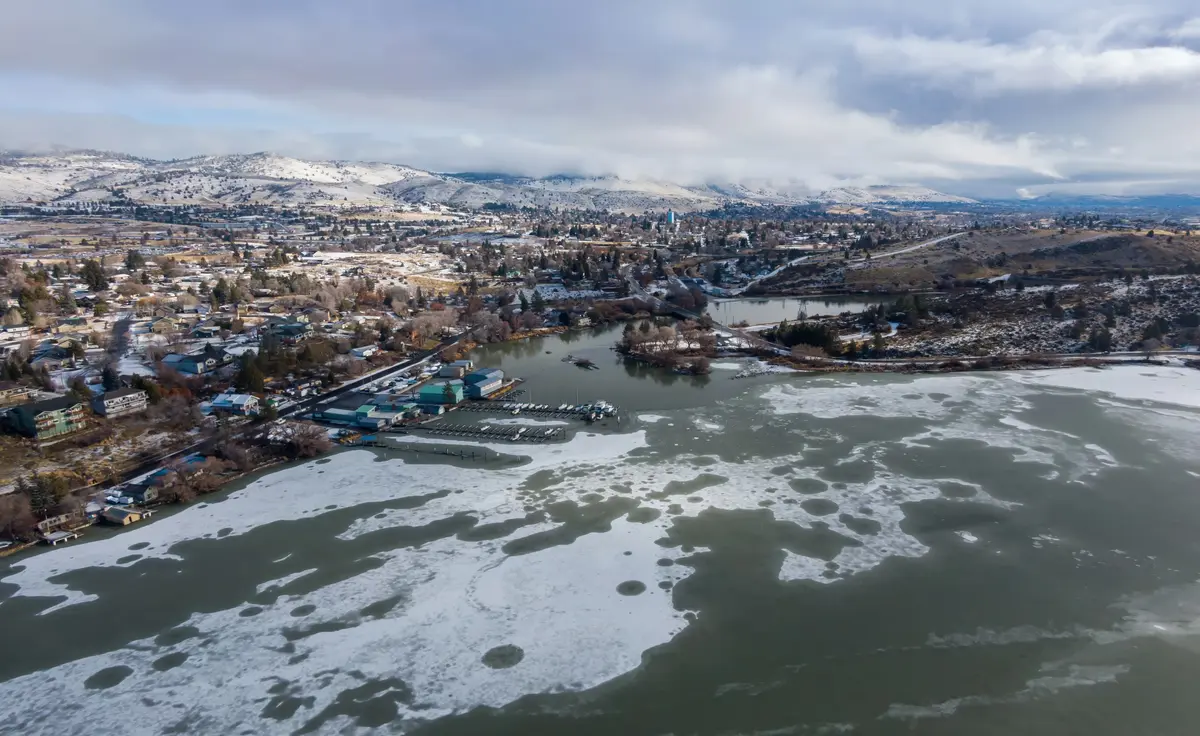
Klamath Falls
Klamath Falls sits on the high desert plateau at the edge of Upper Klamath Lake — a landscape that looks nothing like the Rogue Valley and draws a different kind of resident entirely. Oregon Tech gives the city an engineering-and-applied-sciences backbone that most small cities in the state can't claim, and the Link River Trail and Favell Museum give it more cultural texture than first-time visitors expect. It sits toward the most affordable end of this region, which is a real draw for buyers who are serious about stretching a budget without leaving Oregon.
Full Klamath Falls Guide →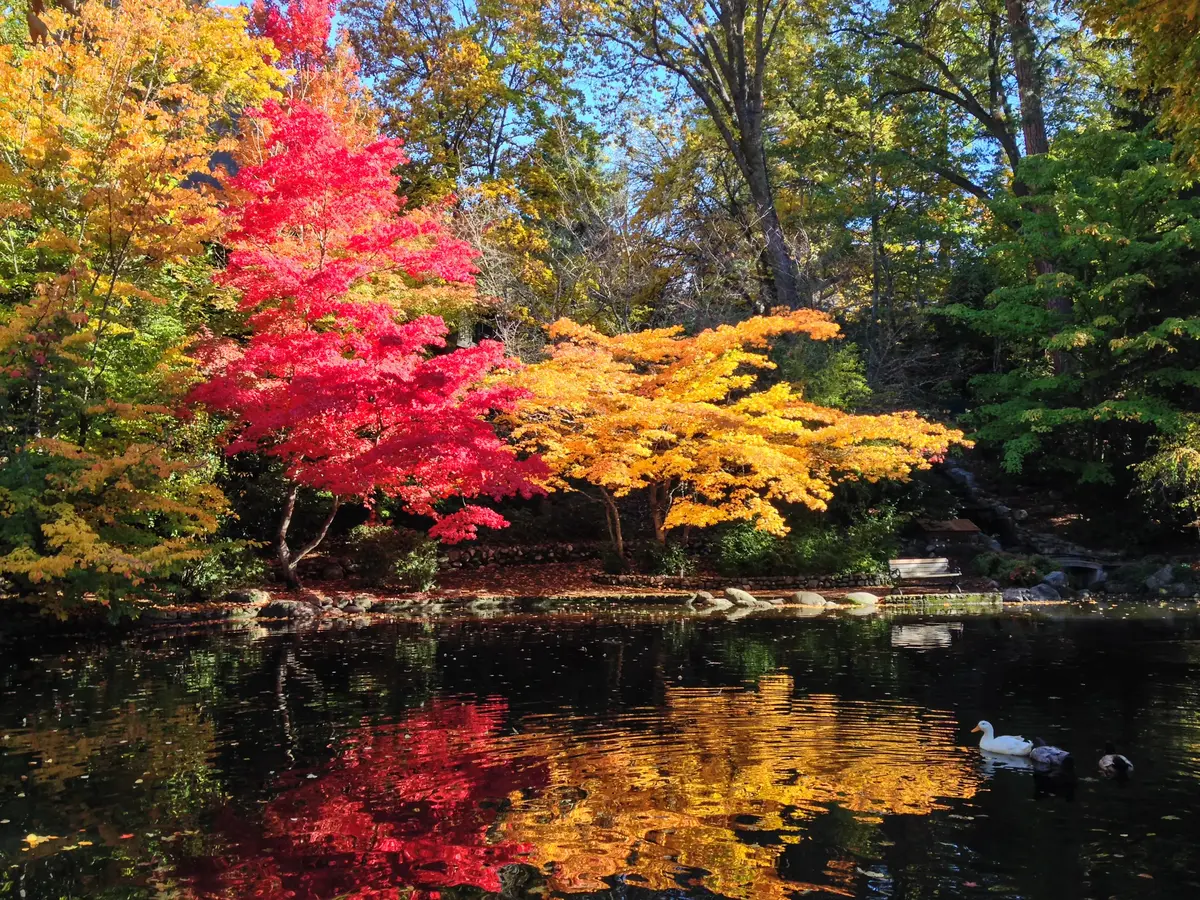
Ashland
Ashland's identity is built around Southern Oregon University and the Oregon Shakespeare Festival, and that combination produces a small city that punches well above its weight on arts, dining, and intellectual life. Lithia Park, the Historic Downtown District, and the Schneider Museum of Art give residents cultural anchors that most small Oregon cities simply don't have. It sits toward the pricier end of this region, and the buyers who thrive here are the ones who came specifically for what Ashland is — not the ones who settled for it when something else didn't work out.
Full Ashland Guide →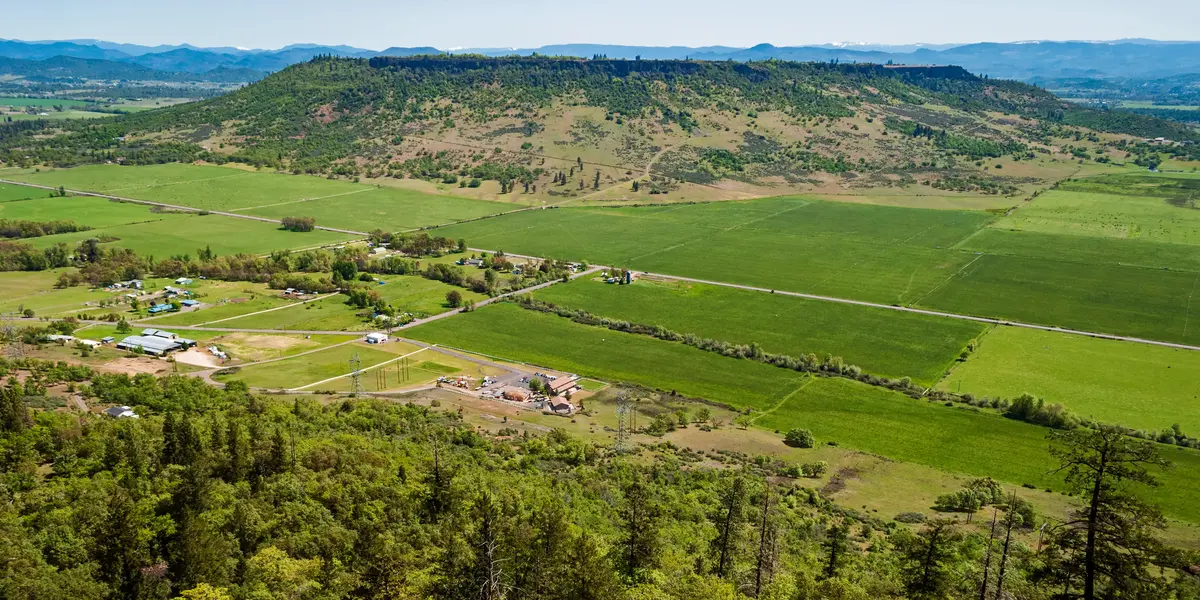
Central Point
Central Point is the quiet practical city at the center of the Rogue Valley — close enough to Medford to use its services, small enough to feel like a neighborhood rather than a city. The Jackson County Fairgrounds and Bear Creek Greenway give it genuine gathering places, and Rogue Creamery is the kind of landmark that tells you the agricultural valley is still real here. It prices near the middle of the region and draws families who want a calmer base than Medford's commercial core without sacrificing proximity to it.
Full Central Point Guide →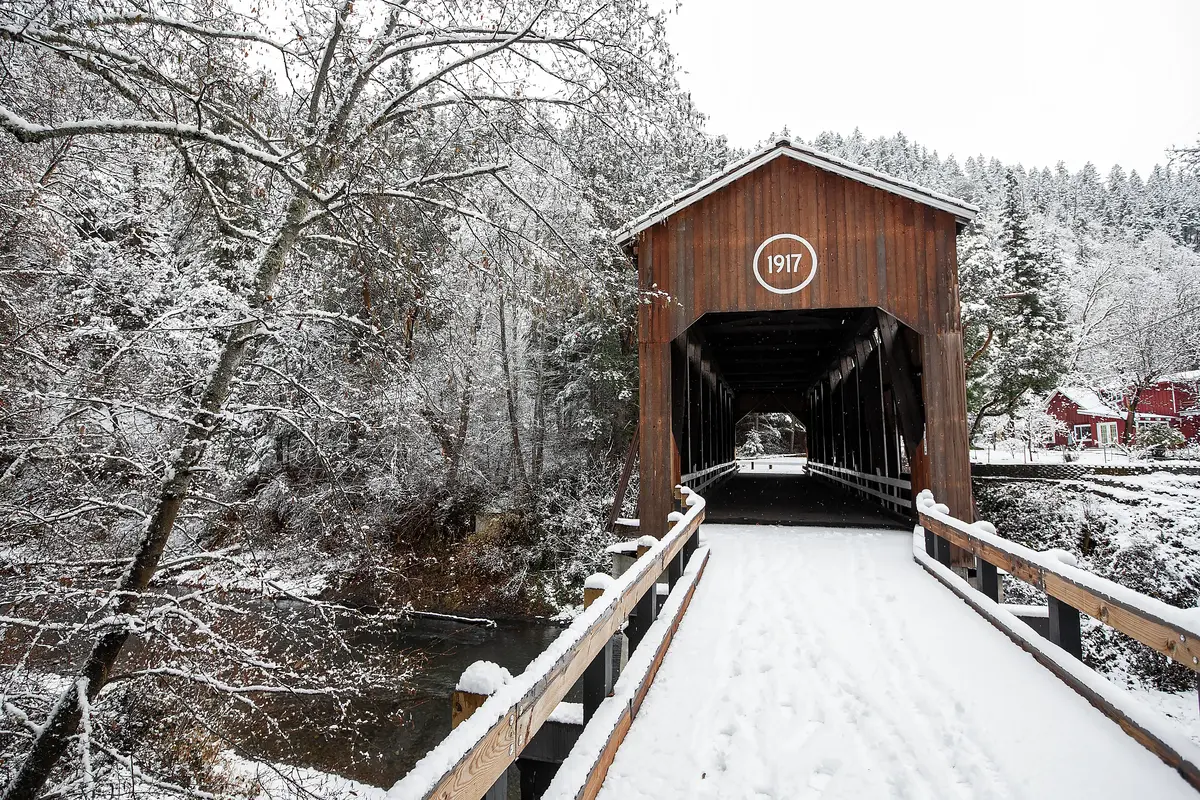
Jacksonville
Jacksonville is a National Historic Landmark district that people actually live in — the gold rush architecture, the Britt Music and Arts Festival grounds, and the Beekman House aren't museum pieces but the daily backdrop of a small town with a strong sense of its own identity. OR-238 connects it to Medford and the broader valley, but Jacksonville functions on its own terms and resists feeling like a suburb of anything. It sits toward the pricier end of this region, and most buyers who choose it are doing so deliberately, drawn by the historic character and the cultural calendar rather than the price point.
Full Jacksonville Guide →Compare Every City in Southern Oregon
Full ranked breakdowns across every city in the region — scored and compared side by side.
Local Expert Takeaway: Southern Oregon rewards buyers who move here for something specific — a city's character, a lifestyle, a cost structure — and tends to disappoint the ones who arrived expecting a smaller version of somewhere else.
Frequently Asked Questions
Which Southern Oregon city is the best fit for families with school-age children?
Is Southern Oregon affordable compared to the rest of Oregon?
What's the biggest trade-off to living in Southern Oregon versus a larger Oregon city?
Which city in Southern Oregon is best for retirees?
Do you need a car to live in Southern Oregon?
Helpful Oregon Resources
Explore Other Oregon Regions
Southern Oregon is one of 7 distinct regions that make up Oregon. Each has its own climate, character, and housing market — explore them all.
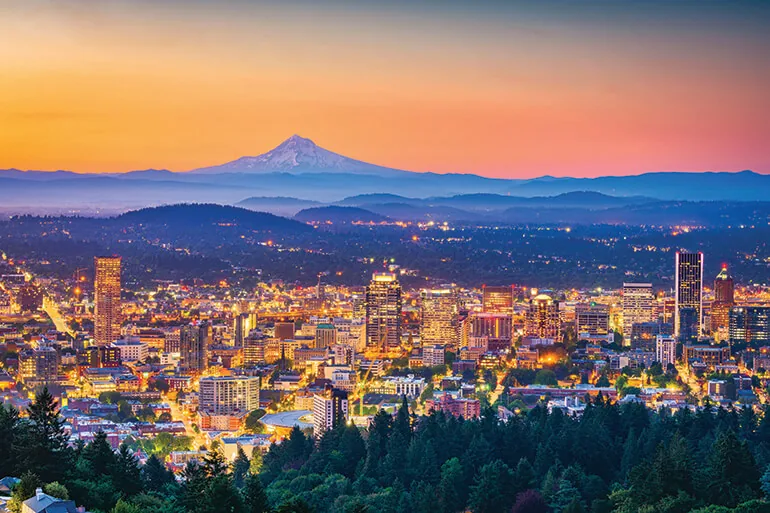
Oregon's largest job market, from close-in city neighborhoods out to the Washington and Clackamas County suburbs. 23 cities including Portland, Gresham, Hillsboro.
Explore all 23 Portland Metro cities →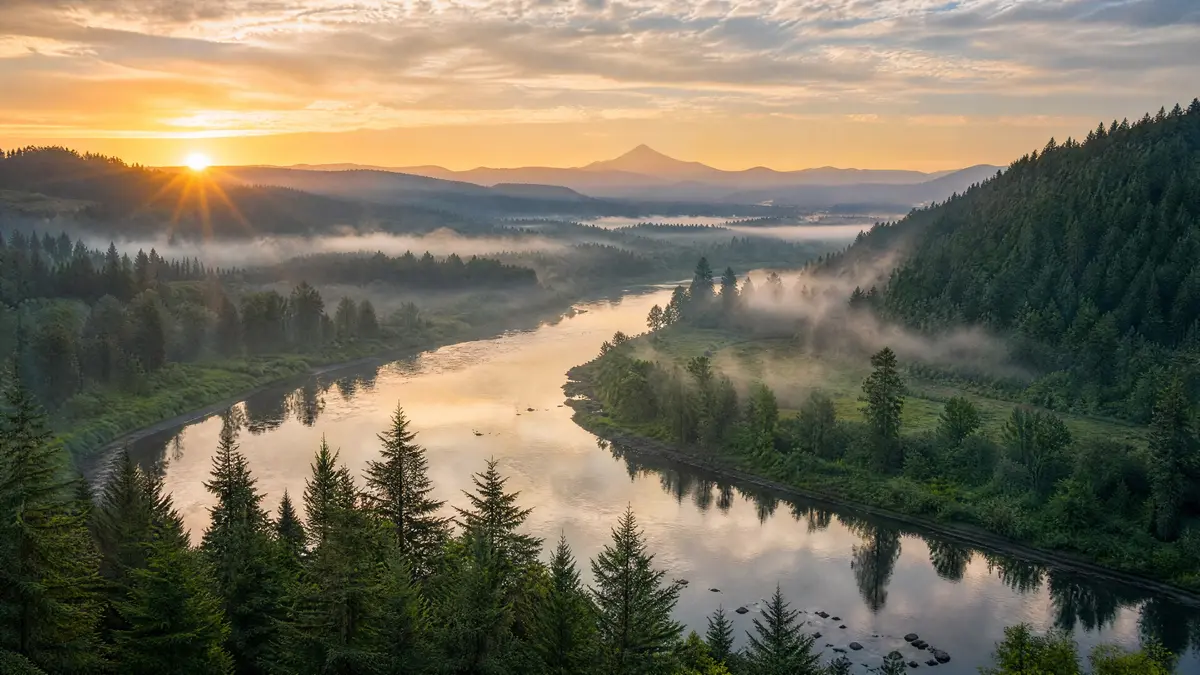
The state capital, two university towns, and farm and wine country between the Coast Range and the Cascades. 20 cities including Salem, Eugene, Corvallis.
Explore all 20 Willamette Valley cities →
Harbor and beach towns along the Pacific, from the mouth of the Columbia River to the California border. 16 cities including Coos Bay, Newport, Astoria.
Explore all 16 Oregon Coast cities →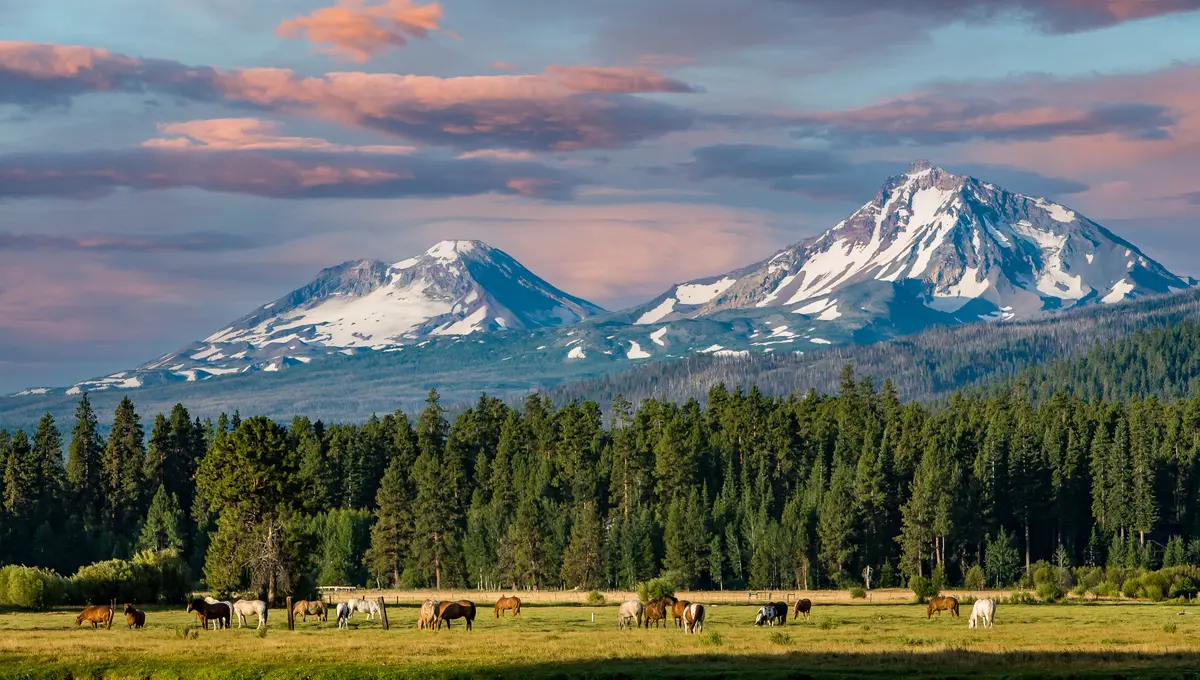
High desert country on the dry side of the Cascades, built around year-round time outdoors. 6 cities including Bend, Redmond, Prineville.
Explore all 6 Central Oregon cities →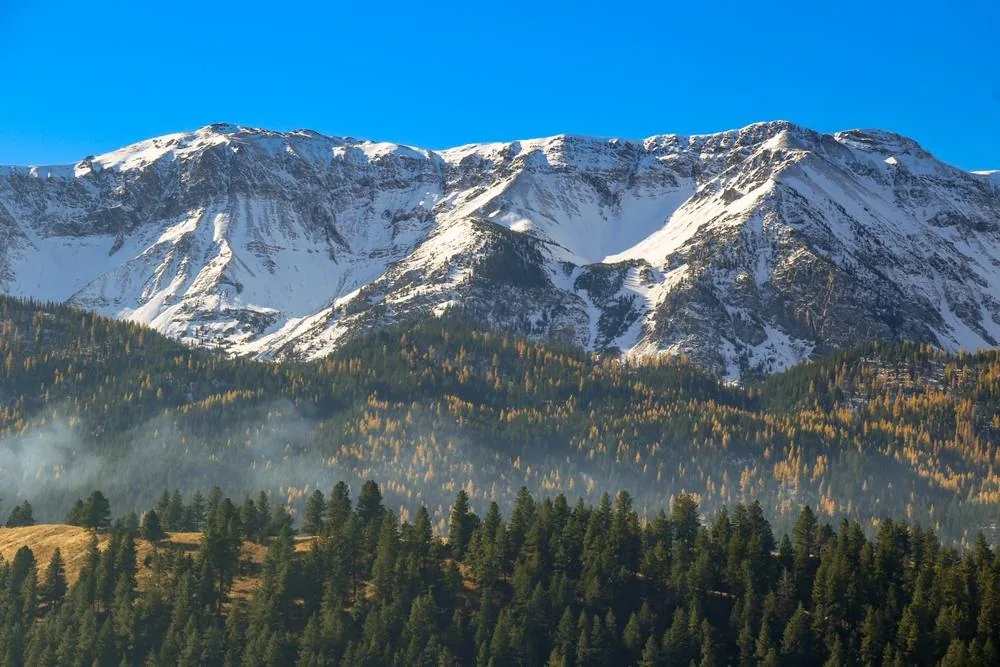
Ranch and farm country with small cities spread across the dry eastern side of the state. 6 cities including Hermiston, Pendleton, La Grande.
Explore all 6 Eastern Oregon cities →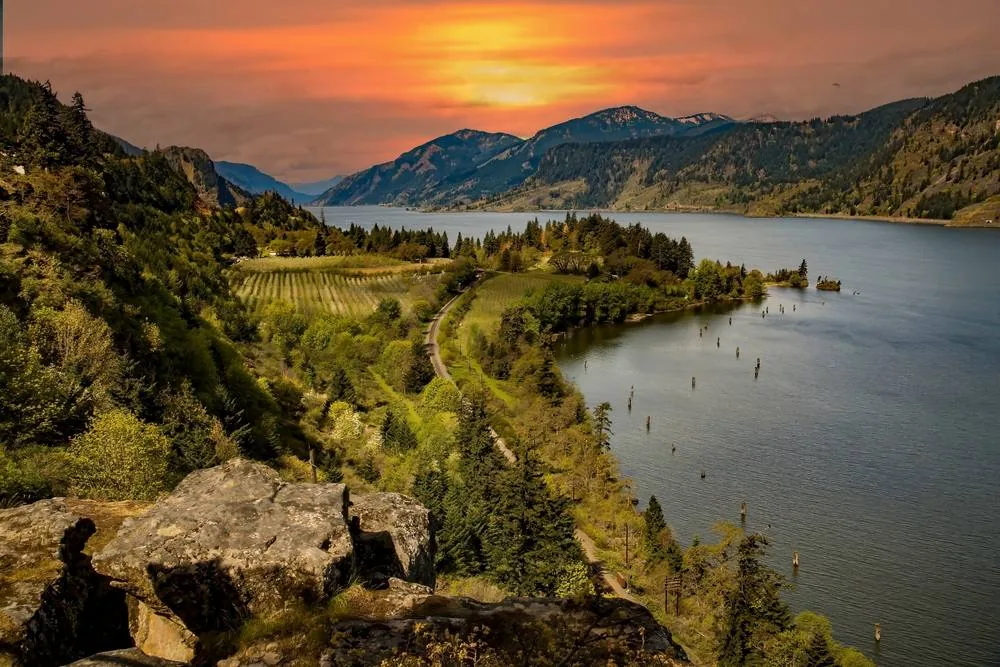
Towns at the foot of Mt. Hood and along the Columbia River Gorge, between the Portland suburbs and the dry side of the Cascades. 5 cities including The Dalles, Troutdale, Sandy.
Explore all 5 Mt. Hood & Columbia Gorge cities →Moving to Oregon?
Tell us what you need help with and we'll connect you with local resources.
