
Maybe your company is sending you south on US-97, or you've watched Bend and Medford prices climb past what a first-time budget can reach and someone mentioned Klamath Falls as the place people actually go when they need to own rather than rent. The pitch is real: the typical home here is a fraction of what you'd pay in most Oregon metros, and the city of 22,174 sits surrounded by Upper Klamath Lake, Crater Lake National Park, and the kind of outdoor access that used to require a second home somewhere else. But the budget math deserves honesty, because Klamath Falls is not a cheap-and-easy market the way it once was.
Oregon Tech anchors the employment picture here, alongside Klamath County's school districts and a regional health system that draws patients from across Southern Oregon and Northern California. That institutional backbone means the city has a stable, year-round population rather than the boom-and-bust pattern of some rural Oregon markets. Buyers relocating from the Bay Area or the Willamette Valley have discovered the same affordability the locals already knew, and that discovery has added real competition at the entry-level price range — the band that matters most to first-timers.
The median household income in Klamath Falls sits at $46,693, and the typical home price as of July 2026 is $310,786 — a gap that means most buyers here need to be strategic about loan type, down payment source, and what they're willing to take on in terms of condition. The good news is that FHA financing is a practical path in Klamath County, USDA eligibility applies to many properties in and around the city, and the market tends to give pre-approved buyers room to negotiate on most listings. The sections below walk through what your budget actually buys, how the process works locally, what cash you'll need at the table, and the mistakes that trip up first-timers here most often.
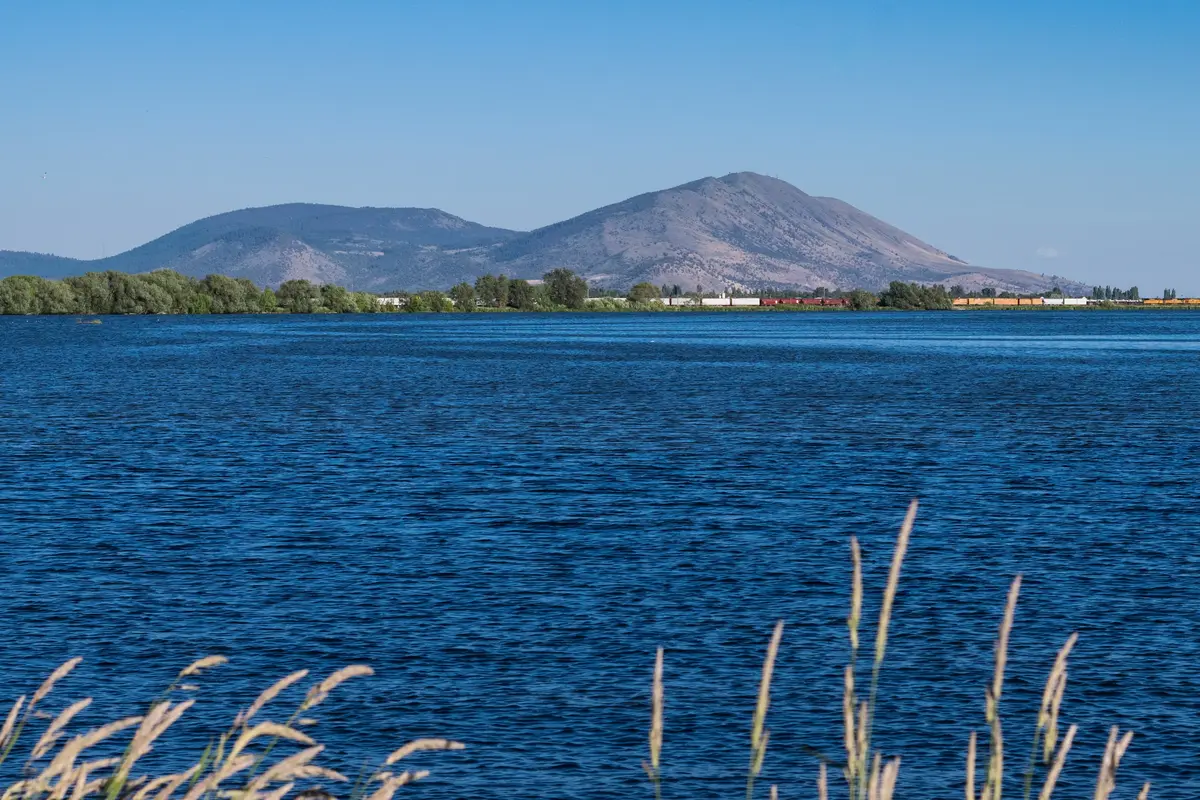
The Klamath Falls First-Time Buyer Reality
The typical home in Klamath Falls was priced at $310,786 as of July 2026 (Zillow Home Value Index). That number is noticeably below what buyers face in Medford or Bend, and it is the single biggest reason first-timers from higher-cost Oregon markets put this city on their list. For full context on how that figure sits against local incomes and rents, see the cost of living breakdown.
What that price actually buys depends on where you look and what you're willing to do. In areas like Nob Hill and Sunset Village, entry-level inventory skews toward older single-family homes that need cosmetic work — the kind of properties an FHA 203(k) rehab loan was made for. Neighborhoods like Running Y Ranch and Altamont / Altamont Acres tend to carry newer construction and HOA fees, which push the effective cost of ownership higher than the purchase price alone suggests. For more on how the city's neighborhoods differ, see the neighborhood guide.
The market is somewhat competitive at the entry level. Buyers relocating from the Bay Area and the Willamette Valley have added pressure in the sub-$300,000 range, drawn by Upper Klamath Lake access and the outdoor recreation that comes with living this close to Crater Lake. Well-priced, move-in-ready homes can go pending quickly, and that reality makes pre-approval not just a formality but a genuine competitive tool. On most listings, though, homes are selling at roughly 2% below list price — which means a prepared buyer has negotiating room that a rushed one will waste.
The Entry-Level Reality
Homes priced below $250,000 exist in Klamath Falls, but they are usually older, smaller, or in need of meaningful repairs. A realistic entry point for a move-in-ready starter home is closer to $270,000–$310,000. That range is where FHA buyers and USDA-eligible borrowers compete most directly with cash offers from out-of-state relocators — and it is the range where being pre-approved matters most.
The Homebuying Process in Klamath Falls, Step by Step
Step 1: Get Pre-Approved — Before You Look at a Single Listing
In Klamath Falls, where entry-level inventory is tightest, agents and sellers take pre-approved offers seriously and unverified ones much less so. Get your pre-approval letter in hand before you schedule your first showing. Not pre-qualification — pre-approval, meaning a lender has reviewed your income, credit, and assets.
FHA loans are the most common path for first-timers here. The FHA loan limit for Klamath County is $524,225 — well above the city's typical home price, so you will not hit a ceiling on standard FHA financing for the vast majority of Klamath Falls listings. Borrowers with a credit score of 580 or higher qualify for the 3.5% minimum down payment; those between 500 and 579 need 10% down. Conventional 3%-down options are available too, though they typically require stronger credit scores and a cleaner debt picture. USDA Rural Development loans — zero down payment for qualifying borrowers — are worth exploring for properties in areas around the city; Klamath County's rural character makes many addresses USDA-eligible, though you'll need to confirm a specific property's eligibility before making it a cornerstone of your offer strategy.
Step 2: Shop With a Local Agent Who Knows the Neighborhoods
The difference between Nob Hill and Running Y Ranch is not just aesthetics — it is HOA fees, age of infrastructure, commute pattern, and school boundaries. A local agent who has worked those streets can flag what online listings don't: the roof condition that the listing photos avoid, the neighborhood that floods near the Link River Trail after a heavy winter, or the HOA that restricts short-term rentals if you ever plan to travel.
Step 3: Write a Clean, Pre-Approved Offer
At the $270,000–$310,000 price point, you may face competing offers on move-in-ready homes. A clean offer here means a pre-approval letter from a recognizable lender, earnest money that reflects you're serious (typically 1–2% of the purchase price), and realistic timelines. Do not waive your inspection contingency to compete — see the mistakes section below for why that is the most expensive shortcut in this market.
Step 4: Inspection and Appraisal
Older housing stock is common in Klamath Falls, and inspections regularly surface issues with roof condition, aging HVAC systems, and wood stoves that no longer meet current code. Budget time for a thorough general inspection; add a sewer scope if the home predates the mid-1980s. The appraisal follows the inspection and is required by your lender — it establishes that the property's value supports the purchase price. If the appraisal comes in low, you have options: negotiate the price down, make up the gap in cash, or walk away with your earnest money under an appraisal contingency.
Step 5: Closing
Oregon closes through escrow, and Klamath Falls has local title and escrow companies familiar with rural property quirks — water rights, easements, and agricultural parcels that occasionally appear at the fringes of the city. Plan for closing to take 30–45 days from accepted offer, though FHA and USDA loans can occasionally run longer if the appraisal process needs additional documentation. The effective property tax rate in Klamath County is approximately 0.66%, which is notably low by Oregon standards — a meaningful long-term savings compared with buyers in higher-tax counties.
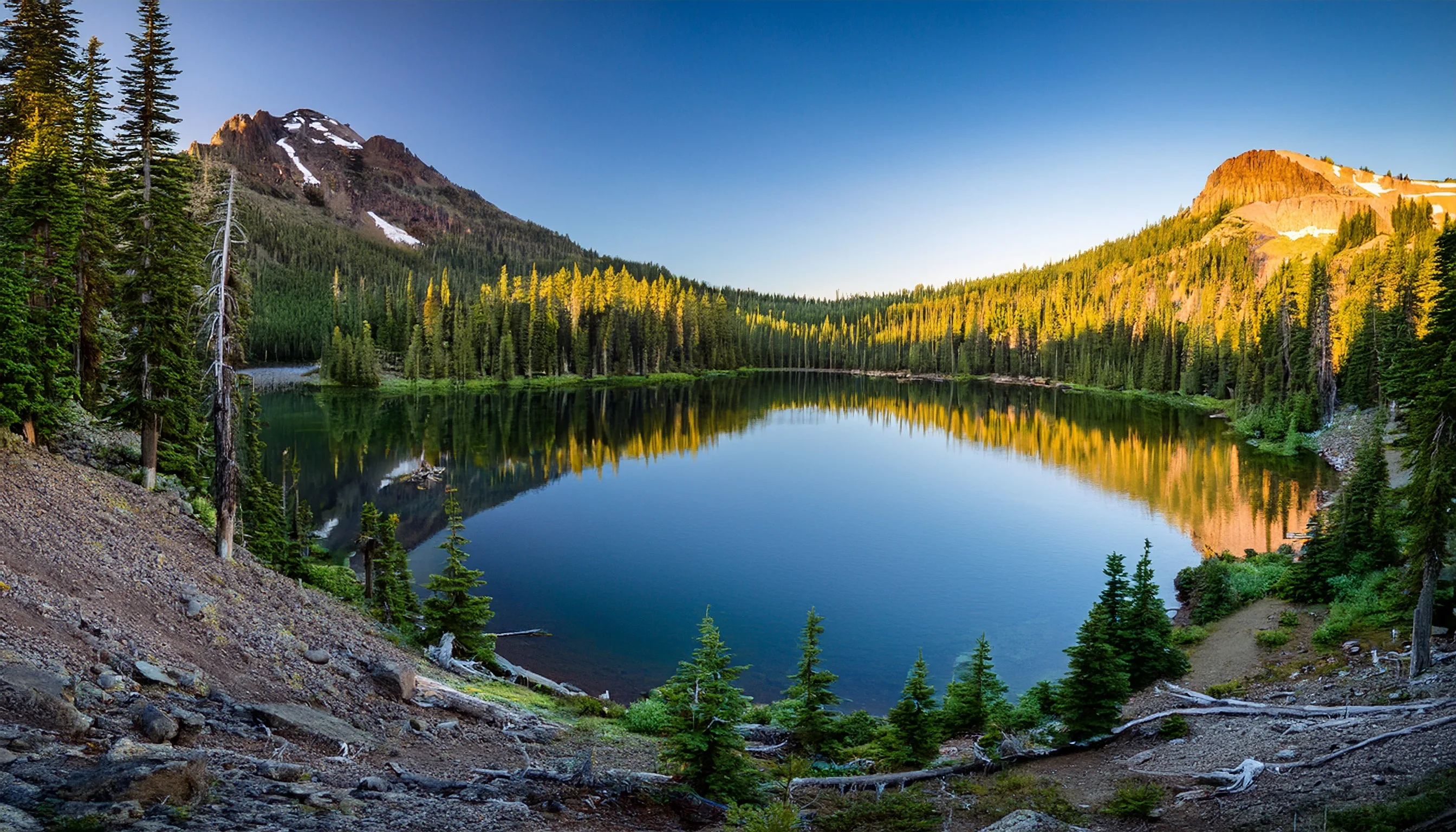
How Much Home Can You Afford in Klamath Falls
The table below shows estimated cash requirements at several realistic purchase price points in Klamath Falls. Closing costs are estimated as a range; actual figures vary by lender, title company, and transaction complexity. The interactive calculator below the table can model your specific monthly payment once you have a price and rate in mind.
| Scenario | Purchase Price | Down Payment | Est. Closing Costs | Cash Needed at Table |
|---|---|---|---|---|
| FHA (3.5% down) — entry point | $230,000 | ~$8,050 (3.5%) | ~$4,600–$6,900 | ~$12,650–$14,950 |
| FHA (3.5% down) — typical home | $310,000 | ~$10,850 (3.5%) | ~$6,200–$9,300 | ~$17,050–$20,150 |
| Conventional (3% down) — entry point | $230,000 | ~$6,900 (3%) | ~$4,600–$6,900 | ~$11,500–$13,800 |
| Conventional (3% down) — typical home | $310,000 | ~$9,300 (3%) | ~$6,200–$9,300 | ~$15,500–$18,600 |
| Conventional (5% down) — move-in ready | $285,000 | ~$14,250 (5%) | ~$5,700–$8,550 | ~$19,950–$22,800 |
| Conventional (10% down) — stronger position | $310,000 | ~$31,000 (10%) | ~$6,200–$9,300 | ~$37,200–$40,300 |
All figures are estimates for illustration only. Actual closing costs, prepaid items, and lender fees will vary; request a Loan Estimate from your lender for precise figures.
Oregon's First-Time Buyer Tax Savings Account
Oregon allows first-time buyers to open a tax-advantaged savings account through the Oregon Department of Revenue — contributions are tax-deductible at the state level when earmarked for a down payment or closing costs on an Oregon primary residence. If you're 12–18 months out from buying, this is worth setting up early; the deduction can meaningfully reduce your state tax bill while you accumulate the cash shown in the table above.
USDA: The Zero-Down Option Many Buyers Miss
USDA Rural Development loans offer zero down payment for qualifying borrowers on eligible properties. Because Klamath County retains significant rural designation, many addresses in and around Klamath Falls may qualify — but eligibility is property-specific, not city-wide. Ask your lender to run the address through the USDA eligibility map before you rule it out; for buyers who qualify, it is the most powerful tool in this market.
Local Counseling Worth Using
The Klamath Housing Authority runs a no-cost pre-purchase counseling and financial coaching program for residents of Klamath and Lake counties. First-timers who work through it before applying for a loan consistently arrive at the pre-approval conversation better prepared — with a cleaner credit picture, a realistic savings target, and a clearer sense of what the process requires. It is not a loan program, but it is the kind of preparation that makes the loan process go faster.
Looking to buy in Klamath Falls? Estimate your payment.
Enter your numbers to see an estimated monthly mortgage payment.
Estimate only. Excludes HOA fees and mortgage insurance. The interest rate above is a starting point, not a quoted rate — replace it with your own to see real numbers. Insurance is a flat placeholder, not a Klamath Falls quote.
Common First-Time Buyer Mistakes in Klamath Falls
Mistake 1: Shopping Before You Have Pre-Approval
This one costs buyers in Klamath Falls more than anywhere I've seen it play out. You find the right house in Sunset Village, fall in love with the lot, call an agent — and discover the seller already accepted an offer from a pre-approved buyer who'd been waiting. Pre-approval takes 1–3 business days with most lenders. Do it before your first weekend of showings, not after.
Mistake 2: Waiving the Inspection Contingency
The older housing stock in neighborhoods like Nob Hill and Downtown Klamath Falls means that waiving your inspection to strengthen an offer is a bet you will frequently lose — not on the negotiation, but on what the inspection would have found. Deferred roof maintenance, aging knob-and-tube wiring, and failing water heaters are not uncommon in homes built before 1970, and they are expensive. A seller who won't accept an offer with a standard inspection contingency is telling you something. Listen to it.
Mistake 3: Ignoring School Boundary Realities
Klamath Falls City Schools and Klamath County School District are not the same district, and the street you buy on determines which one your children attend. Boundaries here do not follow neighborhood names cleanly — a home on one side of a block can be in a different school assignment than the one across the street. If school placement matters to your family, confirm the specific address against the district's current boundary maps before making an offer, not after. The schools page has the full district picture.
Mistake 4: Underestimating Cash Needed at Closing
First-timers consistently budget for the down payment and forget that closing costs, prepaid homeowner's insurance, and the initial escrow deposit add another 2–3% of the purchase price in cash requirements. On a $310,000 home, that is an additional $6,200–$9,300 that needs to be liquid at closing — separate from your down payment. The table in the section above shows the full picture by scenario. Walk into your lender meeting knowing both numbers, not just the down payment figure.
Friction Moment: The Six-Month Surprise
Buyers who move here from the Willamette Valley or California often hit the same surprise around month six: the distance to Medford — about 75 minutes to Medford, OR — is longer than it felt during the house hunt. Routine specialists, a broader retail selection, and flights out of Rogue Valley International-Medford all require that drive. It is not a dealbreaker, but buyers who underestimate it sometimes regret the location of the specific house they chose within Klamath Falls. Living in the northern part of the city puts you closer to US-97 and shortens the run toward OR-66 west; factor commute geometry into your neighborhood preference before you make an offer, not after you've moved in.
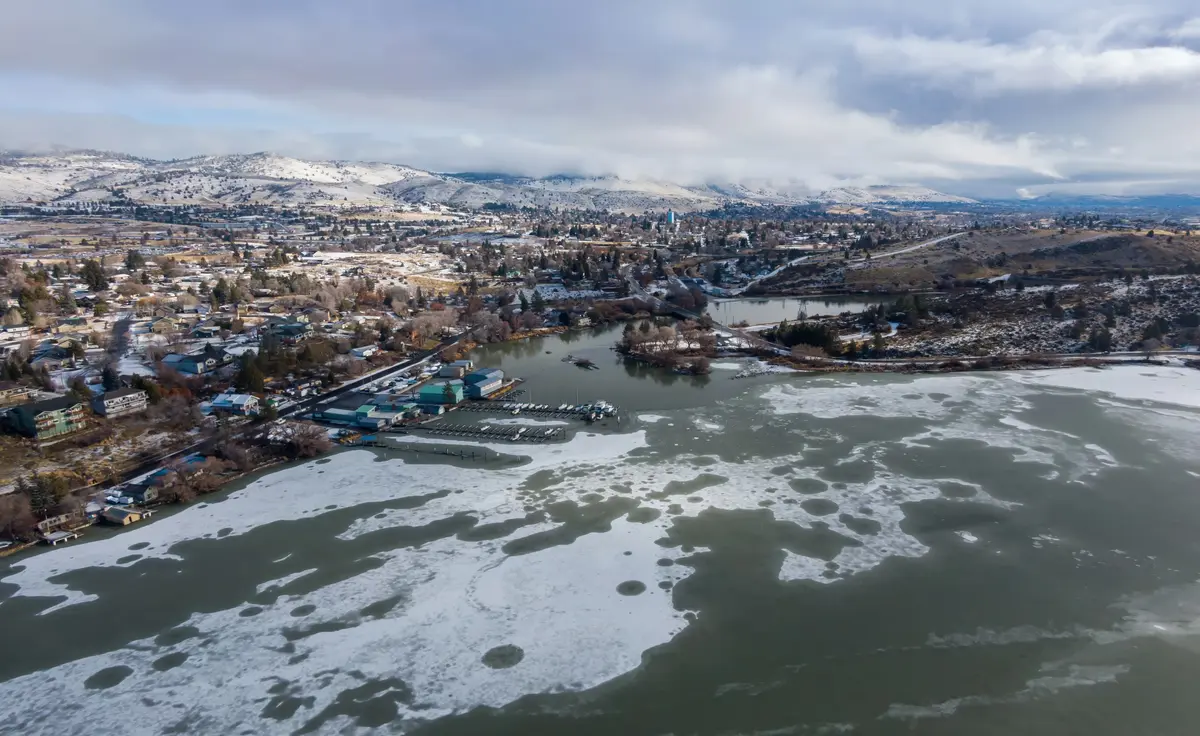
Local Expert Takeaway: Klamath Falls is one of the few Oregon cities where a first-time buyer with a modest down payment can still reach the finish line without a decade of saving first. The typical home price as of July 2026 sits well within FHA loan territory, USDA eligibility covers many local properties, and the market gives pre-approved buyers room to negotiate on most listings. The catch is that entry-level inventory draws real competition from out-of-state relocators, older homes require inspection discipline, and the income-to-price gap means buyers need to be strategic — not just optimistic. Get your pre-approval done, work through the Klamath Housing Authority's no-cost counseling if you're 6–12 months out, and know your school boundary before you fall in love with a specific street.
Quick Takeaways & FAQs
✅ The typical home price in Klamath Falls sits within FHA loan limits for Klamath County, making standard FHA financing a practical path for most first-time buyers here.
⚠️ The median household income falls meaningfully short of what's needed to carry the typical home price, which means loan type, down payment strategy, and realistic budgeting are not optional conversations.
📍 USDA Rural Development loans — zero down payment for qualifying borrowers — apply to many properties in and around Klamath Falls due to Klamath County's rural designation, but eligibility is property-specific and must be confirmed address by address.
What credit score do I need to buy a home in Klamath Falls with an FHA loan?
Are USDA loans available in Klamath Falls?
How much cash do I actually need to close on a home in Klamath Falls?
What's the biggest mistake first-time buyers make in Klamath Falls?
Do school boundaries matter when choosing a neighborhood in Klamath Falls?
Moving to Oregon?
Tell us what you need help with and we'll connect you with local resources.
