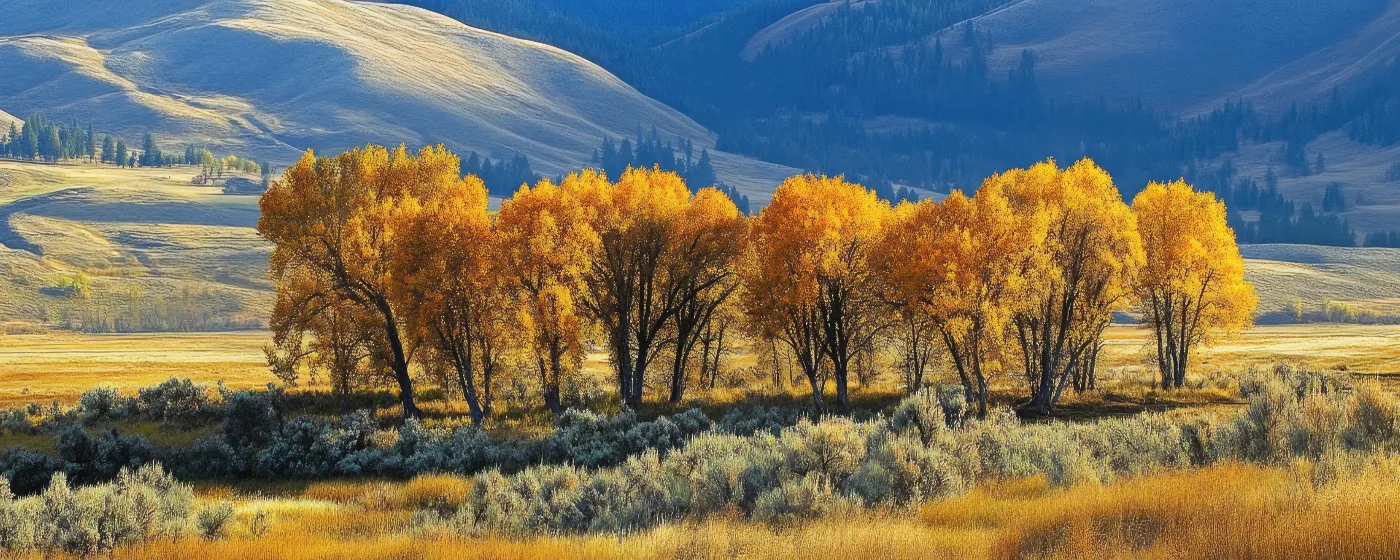
Most people moving to a city this size expect a few decent parks and maybe a paved loop around a pond. What they find in Klamath Falls is something harder to explain on paper: a 458-acre lakefront park at the edge of town, a canyon trail that cuts through the city's own namesake rapids, and Oregon's largest freshwater lake sitting right at the city's doorstep. The outdoor infrastructure here is genuinely out of proportion to a city of 22,174 people, and for buyers weighing the move, that gap — between what they expect and what they actually find — is usually the thing that closes it.
The city sits at roughly 4,100 feet elevation in the Klamath Basin, a high-desert plateau ringed by mountains and wetlands. That position delivers 218 sunny days a year, which matters when you are trying to figure out how often you will actually use a trail network or a paddle route. The recreational calendar here runs long — ice and snow in January, wildflowers on the ridge in April, open-water fishing by early spring, and dry trails through October. People who move here from coastal Oregon or the Willamette Valley consistently say they did not expect this much sun.
The parks themselves are the city's biggest lifestyle argument. Moore Park anchors the south shore of Upper Klamath Lake with sports fields, a disc golf course, a boat launch, and access to a mountain bike trail system that rivals what you would find in cities three times this size. The Link River Trail threads a birding canyon through downtown. Veterans Memorial Park provides a quiet lakefront plaza at the edge of the central business district. And the lake itself — nearly 30 miles long, the largest freshwater body west of the Rocky Mountains — is the backdrop for paddling, fishing, and wildlife watching that most residents simply walk to or drive five minutes to reach.
Whether you are an avid mountain biker, a birder, someone who just wants a place to walk the dog, or a parent looking for places where kids can actually run around outside, this guide breaks down Klamath Falls' signature parks, trail systems, water recreation, and seasonal rhythms so you know what daily outdoor life here is really like.
Moore Park and the Moore Mountain Trail System
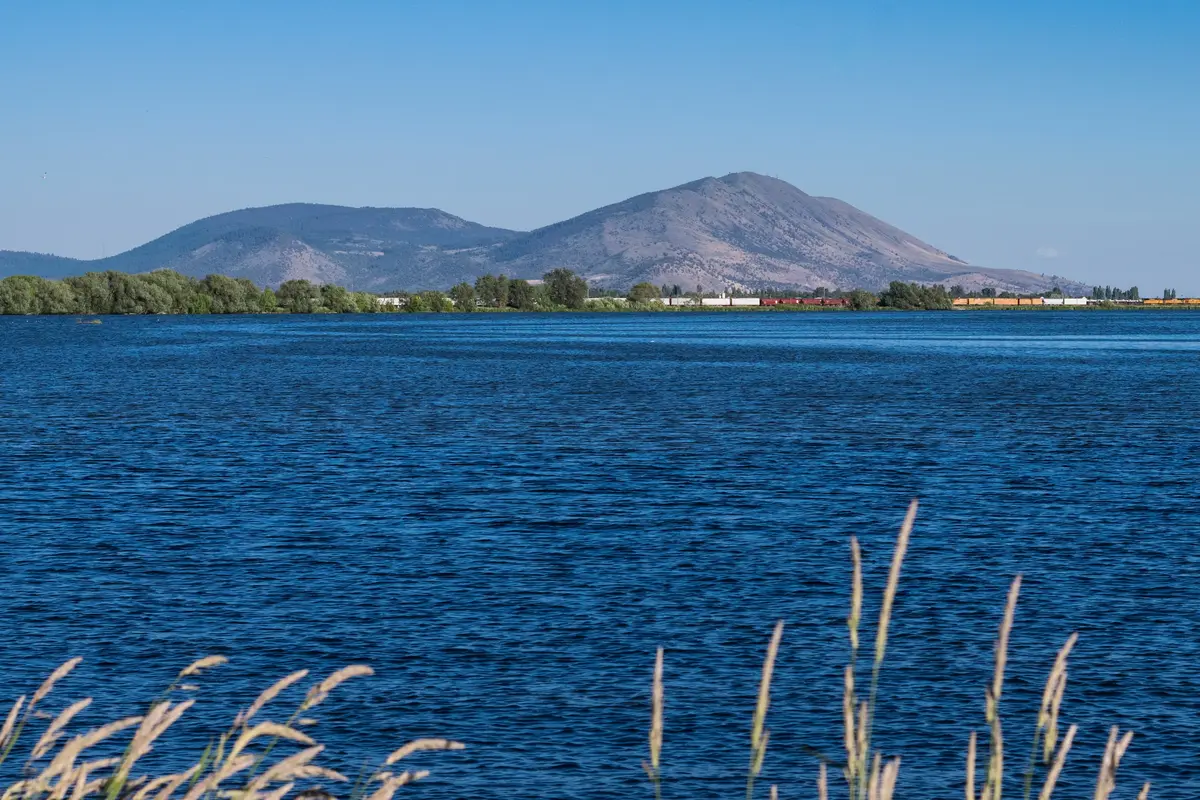
Moore Park is the kind of place that earns its reputation immediately. At 458 acres on the south shore of Upper Klamath Lake, it functions as both a neighborhood park and a regional recreational hub — organized sports on one end, a backcountry-adjacent trail system on the other, with a lake boat launch connecting the two to something far larger.
The developed park side has soccer fields, tennis courts, open play areas, large picnic areas with barbecue pits, and a disc golf course. The paved boat ramps and docks give anglers and paddlers direct access to Upper Klamath Lake, making Moore Park the most practical water-access point for residents who do not own lakefront property. On a weekend morning in late spring, you will see families at the picnic shelters, mountain bikers disappearing up the ridge, and fishing rigs backing down to the launch — all at the same place, at the same time.
The Trail Network Itself
The Moore Mountain Trail System is the genuine surprise. It is a multi-use urban trail network built across Moore Park, city-owned land, private property under easement, and terrain extending toward the Running Y Ranch area. The whole system is open year-round to hikers, mountain bikers, and trail runners — no motorized use. What sets it apart from a typical city park loop is the scope and structure of what has been built here.
The system includes a dedicated Bike Skills Area with progressive trails, drops, jumps, and a separate family zone designed for newer riders. Difficulty levels range from flat nature trail loops to technical singletrack with real consequences. The Nature Trail loop is the gentler entry point — woodpeckers, herons, and swallows are regulars, and spring wildflowers fill the understory in April and May.
Higher on the system, the terrain opens up into expansive views of Upper Klamath Lake and the Klamath Basin. People who move here from mountain bike destinations in Central Oregon are sometimes skeptical until they ride it. The network is not Bend, but it is legitimate — maintained, varied, and close enough to the city center that an after-work lap is realistic.
Best for: Families Nature Value
The Link River Trail and Downtown's Outdoor Core
The Link River Trail is one of those pieces of infrastructure that makes a city feel larger than its population. It is approximately 1.5 miles of gravel path running through a narrow canyon in the geographic center of Klamath Falls, connecting Upper Klamath Lake to Lake Ewauna and passing the modest falls — technically a series of rapids — that gave the city its name. The trail is rated easy, with minimal elevation gain, and the whole loop is short enough to walk in under an hour.
What keeps people coming back is not the distance — it is the canyon itself. The Link River cuts through a basalt corridor that feels genuinely wild for something this close to downtown. You are never more than a few minutes from the city grid, but the rock walls and the sound of moving water create a separation that longer trails in more remote locations sometimes fail to produce.
The Birding Reality
Klamath Falls has a serious birding reputation, and the Link River Trail is where that reputation is easiest to test on a Tuesday morning. Bald eagles and ospreys work the river corridor regularly. Barrow's Goldeneye, Hooded Merganser, and Black-Crowned Night-Heron are documented along the route. The spring and fall migration windows bring additional riparian and water species through the canyon that make it worthwhile for birders who track their lists carefully.
This is not an incidental wildlife sighting. The Klamath Basin sits at the intersection of the Pacific Flyway, and the Link River is one of the first places that context becomes visible from within city limits. New residents who are not particularly interested in birding often become more interested after living here for a season.
Veterans Memorial Park
At the Lake Ewauna end of the corridor sits Veterans Memorial Park, a 3.3-acre downtown plaza established in 2007. It is a small park by acreage — memorial bricks, a covered pavilion, an informational kiosk, a small marina with a boat launch and docks, and a restored historic Southern Pacific locomotive on display. Its role in the outdoor system is less about recreation and more about giving downtown a genuine lakefront edge. Parking is available here, making it a practical starting point for the Link River Trail when you are coming from the center of the city.
The combination of these two connected spaces — the canyon trail and the waterfront memorial park — is what makes downtown Klamath Falls feel more oriented toward its geography than most small Oregon cities manage.
Upper Klamath Lake: Water Recreation, Wildlife, and One Honest Caveat
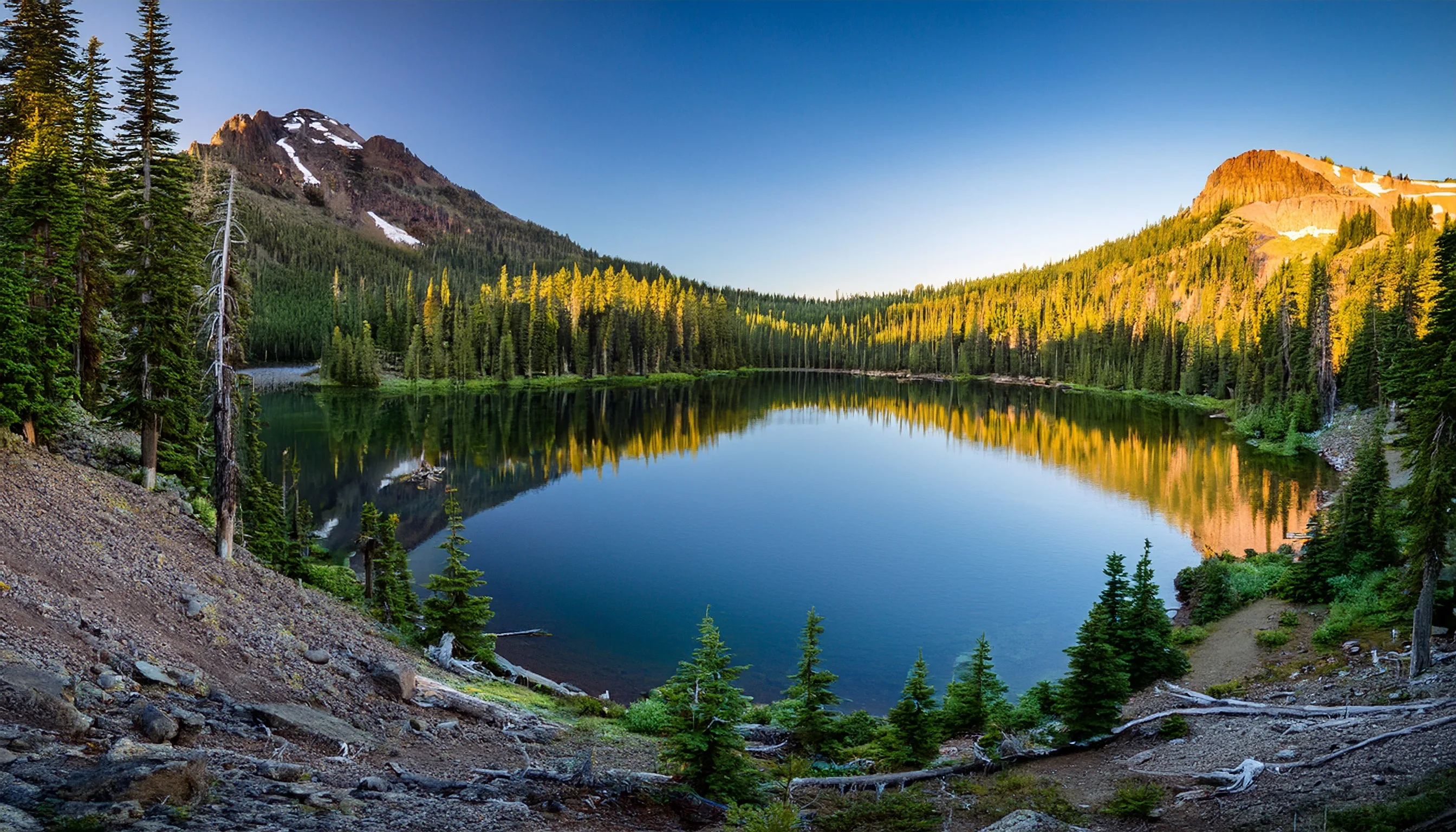
Upper Klamath Lake is the physical fact that shapes life in this city more than anything else. Oregon's largest freshwater lake by surface area — nearly 30 miles long, up to eight miles wide, reaching depths of up to 60 feet — sits immediately northwest of downtown. It is also, by one measure, the largest freshwater body west of the Rocky Mountains. Most people moving here from west of the Cascades arrive knowing Crater Lake and assuming that is the signature water nearby. It is about 60 miles north. The lake that defines daily life in Klamath Falls is this one.
Fishing
Redband trout fishing is Upper Klamath Lake's primary draw for anglers. Fish routinely reach 20 to 25 inches, and guided trips are available targeting the spring trout migration into the northern parts of the lake and Pelican Bay. The fishing window runs from early April through late October. For residents who fish seriously, this is one of the more compelling arguments for living here — the access is immediate, the fish are large by inland standards, and the season is long.
Paddling
The 9.5-mile Upper Klamath Canoe Trail is a marked paddle route through the lake's marshlands, riparian forests, and quiet springs. It is accessible to canoe, kayak, or stand-up paddleboard, and local outfitters offer rentals and guided tours. The route reads very differently from open-water paddling — it moves through wetland channels and forested edges rather than across the main lake body, which makes it manageable for beginners and genuinely interesting for experienced paddlers who want wildlife encounter over distance.
Wildlife
Over 350 bird species use the lake on seasonal migrations, with over one million birds passing through annually. Waterfowl, bald eagles, ospreys, otters, mink, and deer are documented along the largely undeveloped shoreline. The lake's size and ecological importance have kept its edges from filling in the way lakefront property in Oregon typically does, which means the wildlife habitat is intact in a way that is rare this close to a city.
The Algal Bloom Caveat
This is the thing nobody mentions in the tourism material, so this guide will. Upper Klamath Lake develops seasonal blue-green algae blooms — cyanobacteria — in spring and summer. The die-off in fall can produce a detectable odor near the southern shore, closest to Moore Park and the city itself. It is a real seasonal condition, well documented, and worth knowing before you move here rather than after. The same nutrient dynamics that produce the blooms have also kept the lake's shores largely undeveloped and ecologically intact, which is part of why the birding and fishing are as good as they are. Most residents come to accept it as part of the seasonal rhythm; it does not last all year and it does not reach into the city itself. But if you plan to be near the south shore in late summer, that context is useful.
Looking to buy in Klamath Falls? Estimate your payment.
Enter your numbers to see an estimated monthly mortgage payment.
Estimate only. Excludes HOA fees and mortgage insurance. The interest rate above is a starting point, not a quoted rate — replace it with your own to see real numbers. Insurance is a flat placeholder, not a Klamath Falls quote.
Seasonal Recreation and What the Calendar Actually Looks Like
Living in Klamath Falls means your outdoor calendar runs longer than most of Oregon. The city's high-desert elevation and 218 sunny days a year push the usable season in both directions — trails dry out faster in spring, and the mild fall extends into October without the gray curtain that drops over the Willamette Valley by September.
| Season | Primary Activities | What to Know |
|---|---|---|
| Spring (Mar–May) | Birding, fishing, wildflower hikes, Moore Mountain trail running | Migration peaks on the Link River Trail and at the lake; redband trout season opens in early April; Nature Trail wildflowers typically peak late April to May |
| Summer (Jun–Aug) | Disc golf, lake paddling, mountain biking, picnics at Moore Park | Algal blooms develop on Upper Klamath Lake by midsummer; South shore odor is most noticeable in late summer; the Bike Skills Area gets heaviest use |
| Fall (Sep–Oct) | Fishing, paddling, hiking, birding (fall migration) | Bloom die-off produces brief odor near the south shore before clearing; fall migration brings a second wave of species through the Link River corridor |
| Winter (Nov–Feb) | Snow hiking, bald eagle viewing, cross-country access nearby | Moore Mountain trails remain open year-round; snow can close some upper routes briefly; winter bald eagle concentrations on the lake are a regional draw |
One thing that surprises people after their first full year here: the outdoor rhythm is driven more by the lake's biological calendar than by the weather. The algal bloom season, the trout migration, the bird migration windows — these are the actual organizing events for people who spend time outdoors, and they become part of how residents think about the year.
Youth Sports and Organized Recreation
Moore Park's athletic fields support organized youth sports leagues — soccer being the most visible use of the main park fields. For a fuller look at kids' activities and school-connected athletics, see the Klamath Falls schools page.
What You Give Up
The recreational picture here is strong, but the city's size means some amenities that larger Oregon cities take for granted are absent or limited. If you need a large indoor recreation center, a competition-grade aquatics facility, or a dense network of paved walking paths through multiple neighborhoods, the infrastructure is thinner than in a city like Medford. The outdoor assets are legitimate and close — the trade-off is that most of them are tied to Moore Park and the lake corridor rather than distributed across the whole city. Residents who want more variety typically find it a short drive away, along OR-140 toward the Lake of the Woods area or north on US-97, rather than within walking distance of wherever they live.
For context on how Klamath Falls neighborhoods relate to the parks and open space, the best neighborhoods page covers proximity and character in more detail.
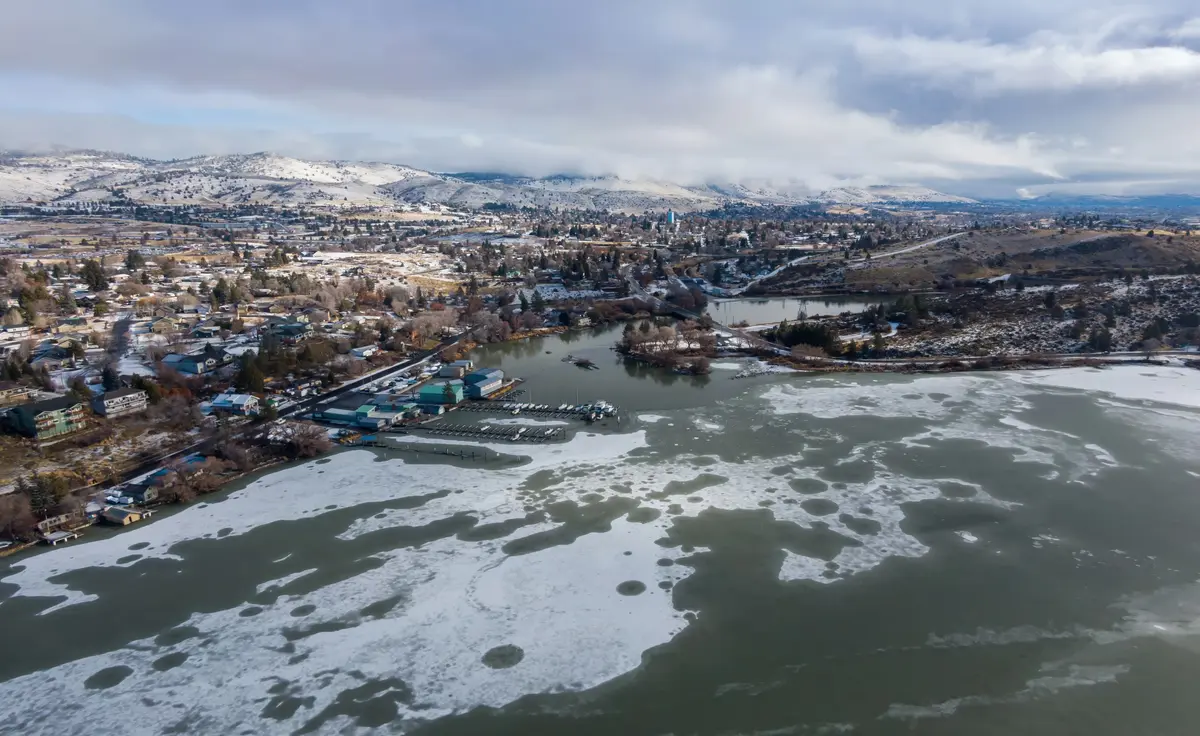
Local Expert Takeaway: Klamath Falls punches well above its weight on outdoor recreation for a city of 22,174. Moore Park alone — 458 acres with a lake boat launch, disc golf, and a mountain bike trail system that includes a dedicated skills area — would be considered a major asset in a city twice this size. The Link River Trail is a genuine everyday resource: a birding canyon through the center of the city where you can spot bald eagles on a lunch break. The honest caveat is the algal bloom season on Upper Klamath Lake, which produces a detectable odor near the south shore in late summer and is worth factoring into how you feel about the neighborhood nearest the lake. For buyers who want an active outdoor lifestyle without paying Bend prices, the access-to-cost ratio here is difficult to match anywhere in Oregon.
Quick Takeaways & FAQs
✅ Moore Park's 458 acres, boat launch, disc golf course, and the Moore Mountain Trail System give Klamath Falls outdoor infrastructure that rivals cities many times its size.
⚠️ Upper Klamath Lake develops seasonal algal blooms in summer that can produce a noticeable odor near the south shore — a real seasonal condition first-time visitors and new residents consistently find surprising.
📍 The Link River Trail is a 1.5-mile canyon path through the center of the city where bald eagles, ospreys, and a documented list of waterfowl species are spotted regularly — one of the more unusual urban trail assets in southern Oregon.
Is Moore Park good for families with young kids?
Can you swim in Upper Klamath Lake?
What is the Link River Trail like, and is it good for beginners?
When is the best time of year to visit Upper Klamath Lake for fishing or birding?
How does Klamath Falls' outdoor recreation compare to Bend or Medford?
Moving to Oregon?
Tell us what you need help with and we'll connect you with local resources.
