
Maybe your company is relocating you here. Maybe you've been priced out of Bend or Portland and someone mentioned Klamath Falls. Either way, the numbers will probably stop you in your tracks — in a good way. The Zillow Home Value Index pegged the typical home price at $310,786 as of July 2026, a figure that reads like a typo to anyone escaping the Willamette Valley. But before you assume this is a distressed market, understand what drives that price: Klamath Falls is a small city of 22,174 in the high desert of Southern Oregon, surrounded by ranchland, lakes, and national forest. It is geographically isolated, the local economy is anchored by institutions rather than tech, and the trade-off for that affordability is real.
The economic backbone here is Oregon Tech, Sky Lakes Medical Center, and the school districts — employers that create stable, mid-wage jobs but not the kind of salary growth that inflates a housing market. The median household income sits at $46,693, which is noticeably below what a buyer would need to comfortably carry the typical home at current prices. That gap is the central tension of the Klamath Falls market: prices are low by Oregon standards, but local wages are lower still, which means the city's affordability is most real for remote workers, retirees, and buyers arriving with equity from a higher-cost market. For workers dependent entirely on local wages, the budget math is tighter than the headline price suggests.
On the non-housing side, Klamath Falls consistently comes in below both the Oregon state average and the national average across groceries, utilities, and transportation. The city's overall cost of living runs approximately 6% below the Oregon state average — which, given how expensive the state's coastal and metro areas have become, is a meaningful gap. Electricity rates are well below the national norm, and the city benefits from a geothermal district heating system that serves much of downtown and reduces winter heating costs for connected residents. There is no sales tax in Oregon, which creates a quiet but real everyday savings compared to California, Nevada, or Washington. The sections below cover housing, everyday expenses, how Klamath Falls stacks up against nearby cities, and what the tax picture means for your bottom line.
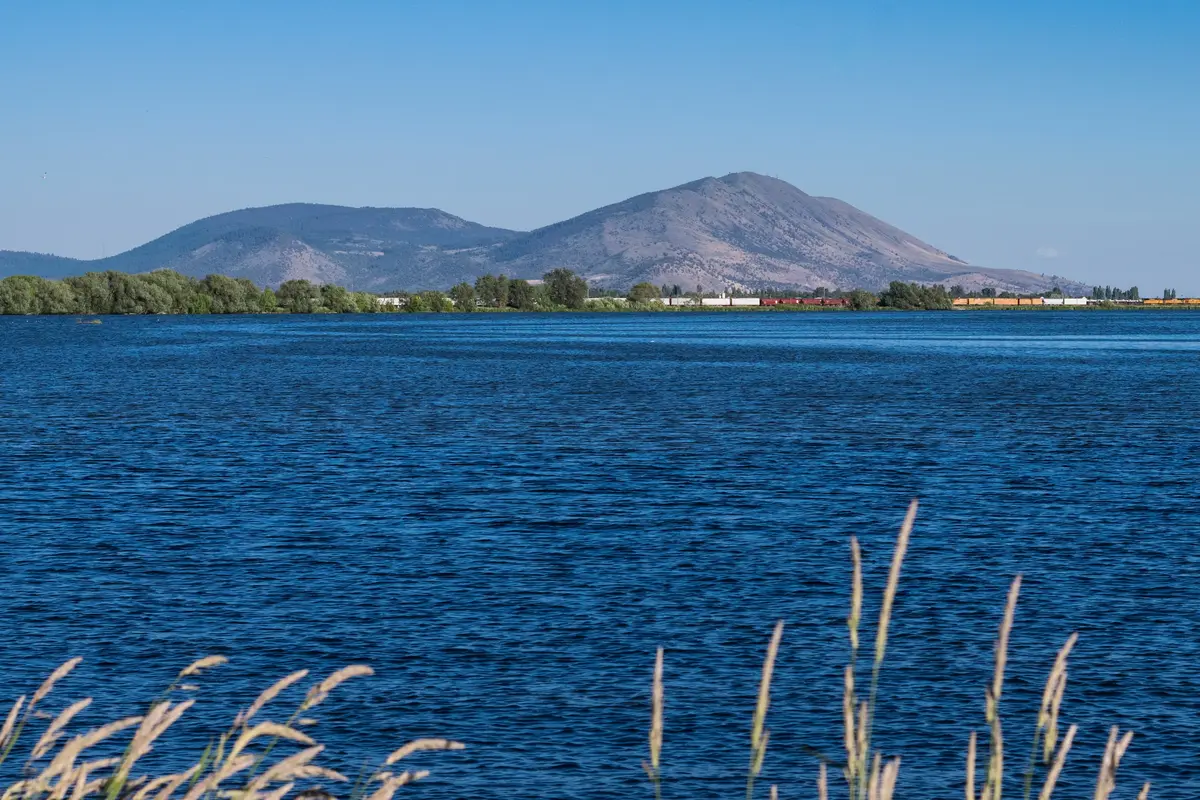
What It Really Costs to Live in Klamath Falls
Klamath Falls sits in a genuinely unusual position among Oregon cities: it is the most affordable major city in the state by overall cost-of-living measures, yet it is not dramatically cheaper than the national average. Multiple trackers place it within 0–3% of national cost parity. What that means in practice is that relocating here from Portland or the Bay Area produces real, noticeable savings — but moving here from, say, rural Kansas or the Midwest Rust Belt, the difference is less dramatic than the Oregon reputation might suggest.
Housing is the number that moves the needle most. The typical home price of $310,786 (Zillow Home Value Index, July 2026) is noticeably below what buyers pay in Bend, Medford, or the Portland suburbs. Every other cost category — groceries, utilities, gas — runs modestly below national norms, but none of them produces dramatic savings on their own. The real story here is the combination: lower housing, low-rate electricity, no sales tax, and a below-average property tax rate working together to create a monthly cost structure that is genuinely lighter than most of Oregon.
The honest caveat is the income side of the equation. The median household income in Klamath Falls is $46,693 — below the income needed to comfortably carry the typical home at current prices. That gap isn't unique to Klamath Falls, but it is sharper here than in cities with more diversified, higher-wage economies. Buyers arriving with equity, remote-work salaries, or retirement income will find this market genuinely accessible. Buyers relying solely on local wages, especially entry-level or service-sector positions, will feel the squeeze despite the lower sticker prices. For a full look at neighborhoods and how location affects your options, see the best neighborhoods guide.
Housing: Rent vs Buy in Klamath Falls
The typical home price in Klamath Falls is $310,786 (Zillow Home Value Index, July 2026). Entry-level homes — older stock, smaller footprints — can be found at meaningfully lower price points, often well under $250,000, though condition varies considerably at that end of the market. There is no single neighborhood that corners the entry-level supply; buyers willing to do some searching will find it scattered across the city rather than concentrated in one corridor. For specifics on where different housing types cluster, the best neighborhoods page is the right starting point.
The effective property tax rate is approximately 0.66% — notably below the Oregon state median of around 0.87% and well below the national median near 1.02%. For a home at the city's typical price point, that rate translates to a relatively light annual property tax obligation compared to what buyers pay in most of the country. The engine's mortgage calculator below this section will give you a full monthly estimate based on current rates and your down payment — use that rather than any static figure here.
Renting is a viable alternative and the numbers are reasonable. The typical citywide rent runs $1,297 per month (Zillow ZORI, July 2026), and a two-bedroom generally falls in the $1,190–$1,450 range depending on condition and location. Renting makes practical sense if you're arriving without local market knowledge and want a year to understand which parts of town fit your life before committing. It also makes sense if your down payment isn't ready — at the city's typical price, a conventional down payment is a realistic savings target for many households, but only if local wages allow for meaningful monthly savings. For buyers arriving with equity from a higher-cost market, ownership here is among the more attainable entry points in Oregon.
One thing that catches newcomers off guard: the gap between the typical home price and local incomes means that sellers and listing agents sometimes see a two-tier buyer pool — local households stretching hard, and out-of-area buyers paying in relative comfort. That dynamic doesn't push prices up dramatically in a market this size, but it does mean well-priced, move-in-ready homes attract attention quickly. For guidance on the buying process itself, see the first-time homebuyer page.
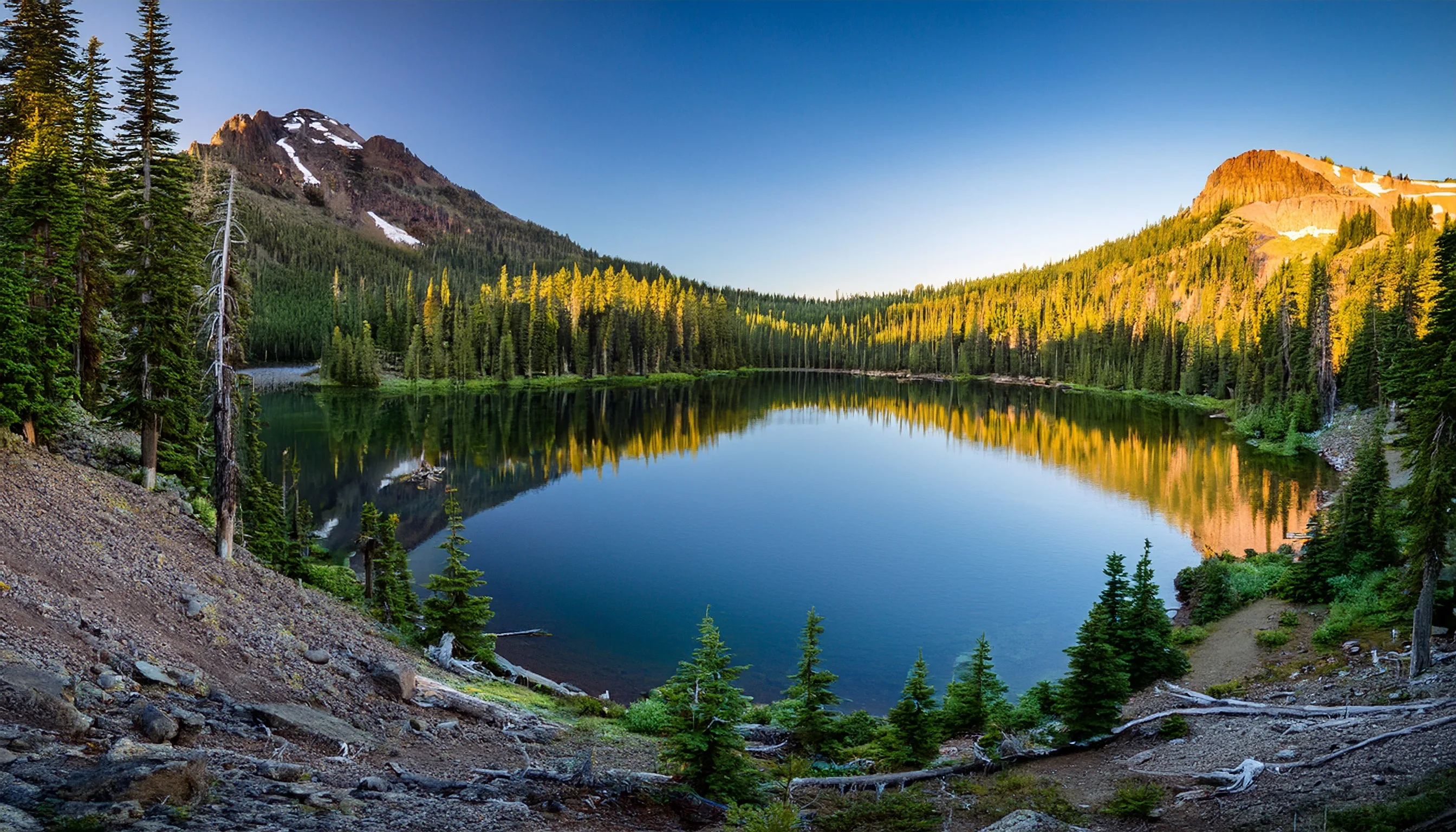
Everyday Costs Beyond Housing in Klamath Falls
| Category | Typical Monthly Cost | Notes |
|---|---|---|
| Housing (typical rent) | $1,297/mo | City-wide typical rent. Buying? Use the calculator above for a mortgage estimate. |
| Utilities | $190–$310/mo | Electricity, gas, water, sewer, trash |
| Groceries | $500–$700/mo | Food at home, household of 2–3 |
| Transportation & Gas | $160–$280/mo | Fuel, and transit where it is a real option |
| Phone & Internet | $110–$180/mo | Mobile plan plus home broadband |
| Misc / Discretionary | $200–$400/mo | Dining out, entertainment, subscriptions |
Non-housing figures are estimates for a household of two to three, not a sourced index; housing is the city-wide typical rent (Zillow ZORI, July 2026). Refreshed with the rest of the city data.
Winter is the cost driver most newcomers underestimate. Klamath Falls sits at roughly 4,100 feet in elevation, and the winters are cold — genuinely cold, with hard freezes from November through March. That would normally translate to heavy heating bills, but two factors soften the blow. Electricity here runs well below the national average, a structural advantage that makes electric heating considerably more affordable than in most parts of the country. More unusually, the city operates a geothermal district heating system that serves much of downtown and surrounding areas; residents connected to it benefit from reduced natural gas dependency and lower winter heating costs than the climate alone would suggest. Avista Utilities serves natural gas where geothermal isn't in reach, and the city's own Water Department handles water and sewer.
Groceries run roughly 3–4% below the national average across the board — produce, dairy, and staples alike. That's a modest but consistent discount that adds up over a year. Transportation is almost entirely car-dependent: Basin Transit Service operates locally but with limited frequency and coverage, so most residents budget for a personal vehicle as a necessity rather than an option. Gas prices in Klamath Falls tend to run slightly below the Oregon statewide average, and attendant service at the pump is common throughout Klamath County — a full-service norm that genuinely surprises many arrivals from other states. For the complete monthly budget breakdown across all these categories, the sample budget table rendered by the engine below reflects current figures from the city's data.
Looking to buy in Klamath Falls? Estimate your payment.
Enter your numbers to see an estimated monthly mortgage payment.
Estimate only. Excludes HOA fees and mortgage insurance. The interest rate above is a starting point, not a quoted rate — replace it with your own to see real numbers. Insurance is a flat placeholder, not a Klamath Falls quote.
Klamath Falls vs Nearby Cities: Cost Comparison
| City | Typical Home Price | Typical Rent | Cost vs Klamath Falls |
|---|---|---|---|
| Klamath Falls (this city) | $310,786 | $1,297/mo | — |
| Merrill | $250,000 | $1,000/mo | 20% lower |
| Chiloquin | $230,000 | $950/mo | 26% lower |
| Bonanza | $260,000 | $1,000/mo | 16% lower |
Source — home prices: Zillow ZHVI, July 2026; rent: Zillow ZORI, July 2026. Nearby-city figures are the same series, refreshed together.
Klamath Falls is already among the more affordable cities in Oregon, but the smaller towns in Klamath County — Merrill, Bonanza, and Chiloquin — come in noticeably lower still on home prices, a distinction worth understanding if you're open to a more rural setting and a longer drive into town for errands and services.
Taxes & the Bottom Line for Klamath Falls
Oregon's tax structure has a well-known profile: no statewide or local sales tax, which means the price on the tag at any Klamath Falls store is the price you pay at the register. That's a real, everyday advantage over neighboring California, Nevada, and Washington, and it affects how residents budget for everything from groceries to appliances.
The tradeoff is Oregon's state income tax, which is graduated and runs from 4.75% to 9.90%. Households with higher earned incomes will land in the upper brackets, which offsets some of the sales-tax savings. For retirees, there's a meaningful upside: Oregon does not tax Social Security benefits at the state level, making the income-tax picture considerably lighter for those drawing primarily from Social Security. The retiring in Klamath Falls page covers this in more detail for anyone evaluating a retirement move.
The effective property tax rate of approximately 0.66% is one of the quieter advantages of owning here. It sits well below both the Oregon state median and the national median, and it keeps ongoing ownership costs lower than they would be in most comparable markets. The home-price figure discussed in section one, combined with this rate, produces one of the more manageable property-tax obligations available to homeowners in the Pacific Northwest.
The bottom line is honest: Klamath Falls fits buyers who bring equity, remote income, or retirement savings — and fits them well. The lower home prices, below-average electricity rates, geothermal heating, modest grocery costs, and no-sales-tax environment create a cost structure that is genuinely lighter than most of Oregon. The city is a harder fit for households relying entirely on local wages at the median, where the gap between income and home prices is real and visible. For a fuller read on who tends to thrive here and who tends to find it a stretch, the living in Klamath Falls overview covers the lifestyle and economic picture together.
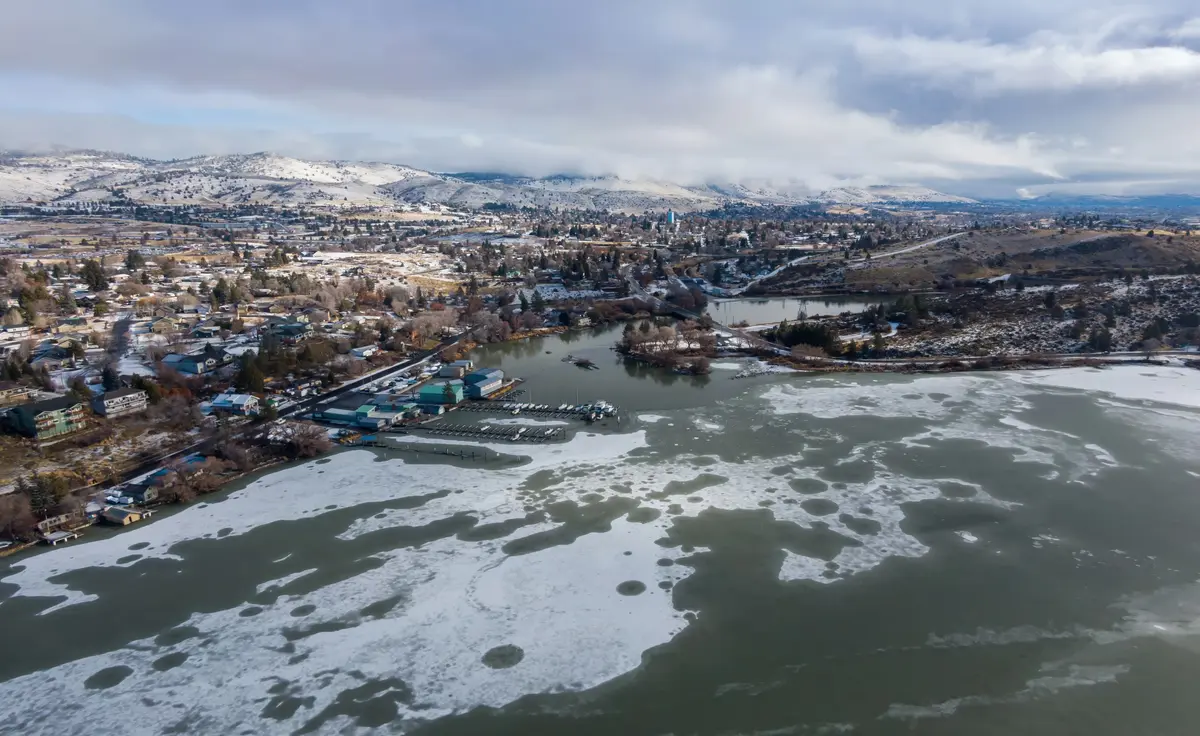
Local Expert Takeaway: Klamath Falls is genuinely affordable by Oregon standards, but the number that matters most isn't the home price — it's the gap between that price and local wages. Buyers arriving with equity from Portland, California, or the coast will find this market unusually accessible. Buyers starting from scratch on a local salary will feel that gap. The city's geothermal heating system, below-average electricity rates, and Oregon's no-sales-tax rule make the everyday cost structure lighter than the climate or the isolation would suggest. Run your numbers carefully, and use the mortgage calculator on this page before you decide whether to rent first or buy immediately.
Quick Takeaways & FAQs
✅ The typical home price of $310,786 (July 2026) makes Klamath Falls one of the most accessible ownership markets in Oregon — noticeably cheaper than Medford, Bend, or any Willamette Valley city.
⚠️ The median household income of $46,693 falls short of what's needed to comfortably carry the typical home, so the affordability story is strongest for remote workers, retirees, and buyers arriving with equity rather than local first-time buyers relying on area wages.
📍 Klamath Falls runs a geothermal district heating system serving much of downtown — an unusually efficient winter-heating setup that helps offset the cost of living at 4,100 feet in a genuinely cold climate.
Is Klamath Falls cheaper than other Oregon cities?
What is the property tax rate in Klamath Falls?
What does a two-bedroom apartment cost to rent in Klamath Falls?
Are utilities expensive in Klamath Falls given the cold winters?
Can a local median income household afford to buy in Klamath Falls?
Moving to Oregon?
Tell us what you need help with and we'll connect you with local resources.
