Is Eastern Oregon a Good Place to Live?
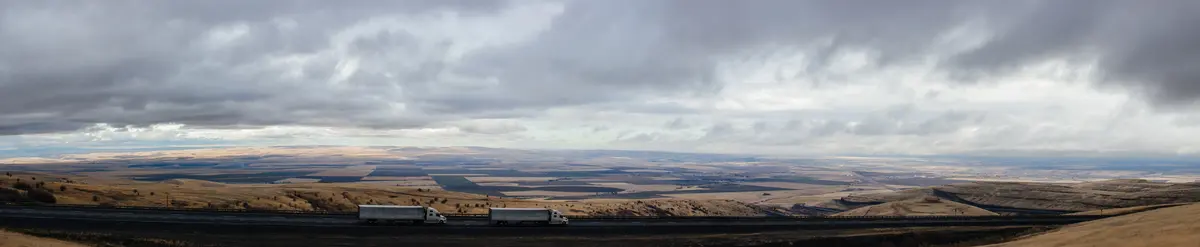
You're probably here because somewhere in the Pacific Northwest priced you out, or because a job offer, a family situation, or a long-held instinct pulled you east of the Cascades. Eastern Oregon is the part of the state that most Oregonians drive through on I-84 without stopping — and that's exactly what makes it worth stopping for. The cities here are small enough that you actually know your neighbors, affordable enough that a single income can cover a mortgage, and spread far enough apart that each one has its own distinct identity, economy, and reason to exist. The honest catch: the distances between these towns and any major metro are real, and so is the isolation that comes with them.
The economic backbone of this region is more varied than the landscape suggests. Hermiston anchors the Columbia Basin with Amazon logistics and food processing giants like Lamb Weston alongside the Hermiston School District as a top employer. Pendleton carries the weight of the Confederated Tribes of the Umatilla Indian Reservation, Blue Mountain Community College, and a global brand in Pendleton Woolen Mills. La Grande runs on Eastern Oregon University, making it the most college-influenced town in the region. Ontario sits on the Idaho border and draws from Treasure Valley Community College and the county seat economy of Malheur County. Baker City and Burns are the most self-contained — a US Forest Service presence and a deep ranching culture define Baker; Harney County government and the Burns Paiute Tribe define Burns.
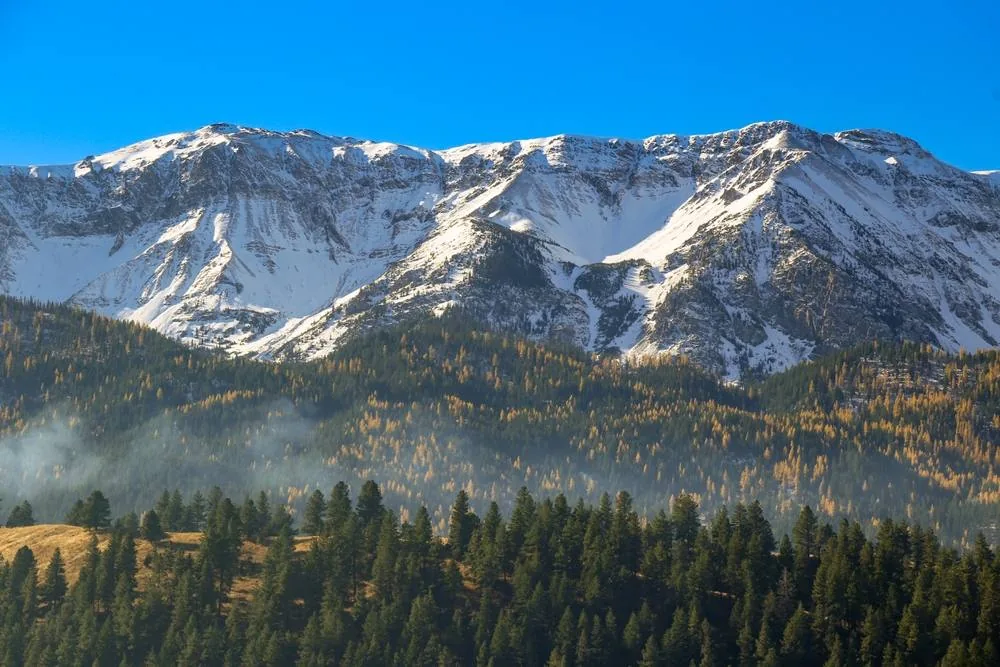
On price, every city in this region sits well below what you'd find in Portland Metro, the Oregon Coast, or Central Oregon — Eastern Oregon is consistently the most affordable region in the state. Within the region itself, the cities are surprisingly close to each other on price, with Burns tilting toward the more affordable end and the others clustering near the middle. What you give up is retail variety, specialist healthcare close to home, and the cultural density of a larger city. What you gain is square footage, acreage, a shorter commute measured in minutes rather than an hour, and the kind of outdoor access — the Wallowa Mountains, Malheur National Wildlife Refuge, the Wallowa-Whitman National Forest — that people in western Oregon pay a premium to visit on weekends.
Whether you're weighing a specific job offer or simply trying to figure out which of these towns actually fits your life, the city profiles below break down each place in Eastern Oregon by neighborhood character, local employers, landmarks, and what daily life there really looks like.
Explore All 6 Cities in Eastern Oregon
Click into any city for the complete guide — neighborhoods, home prices, cost of living, pros & cons, schools, top employers, and mortgage help.
Hermiston
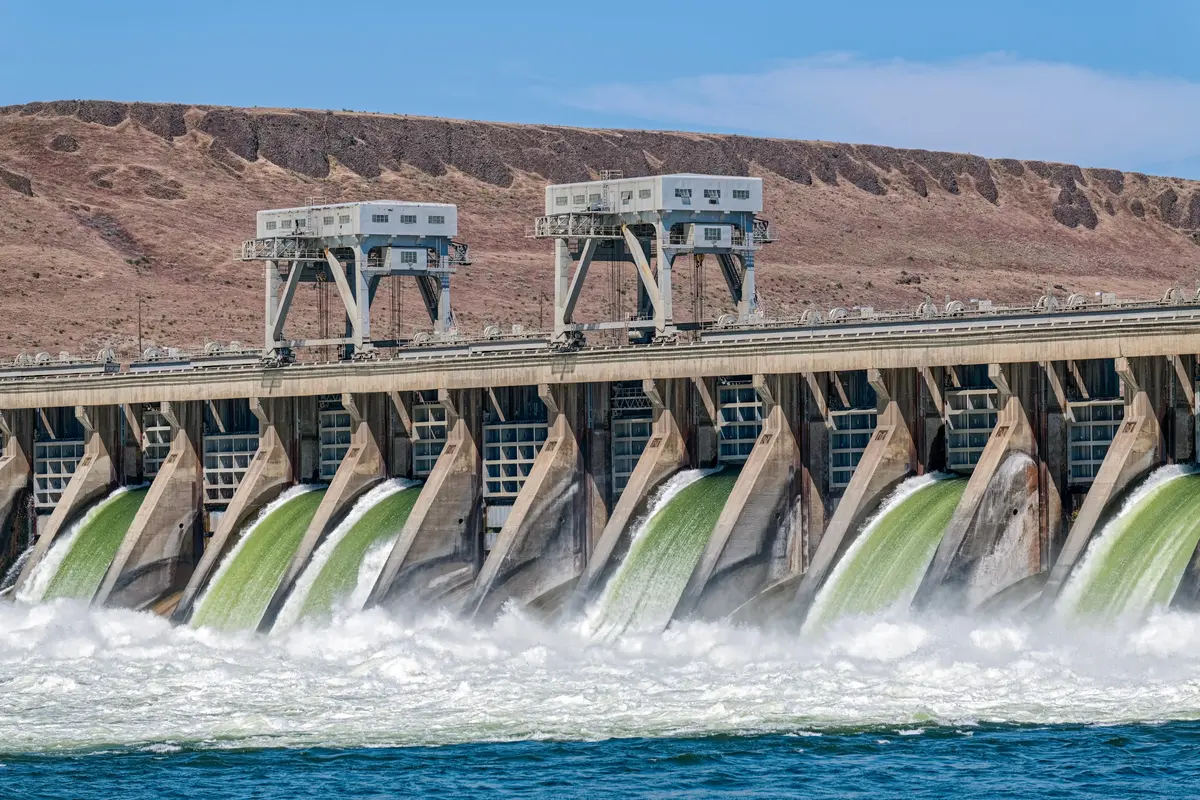
Hermiston is the most economically active small city in the region, anchored by major logistics and food-processing employers that keep the job market broader than its size would suggest. The Eastern Oregon Trade and Event Center and Downtown Hermiston's Festival Street give it a civic center that punches above its weight, and US-395 and OR-207 keep it connected to the Columbia Basin corridor. It suits workers tied to the agricultural supply chain, logistics industry, or the Hermiston School District who want affordability without total isolation.
Full Hermiston Guide →
Pendleton
Pendleton carries more cultural weight than any other city in Eastern Oregon — the Round-Up Grounds, Pendleton Woolen Mills, and the Underground Tours aren't just tourist draws, they're the spine of the town's identity and economy. I-84 and US-395 give it the best highway access in the region, and Blue Mountain Community College adds a steady institutional presence. It suits people who want a genuine small-city culture, a recognizable main street, and employers anchored in tribal government, healthcare, and higher education.
Full Pendleton Guide →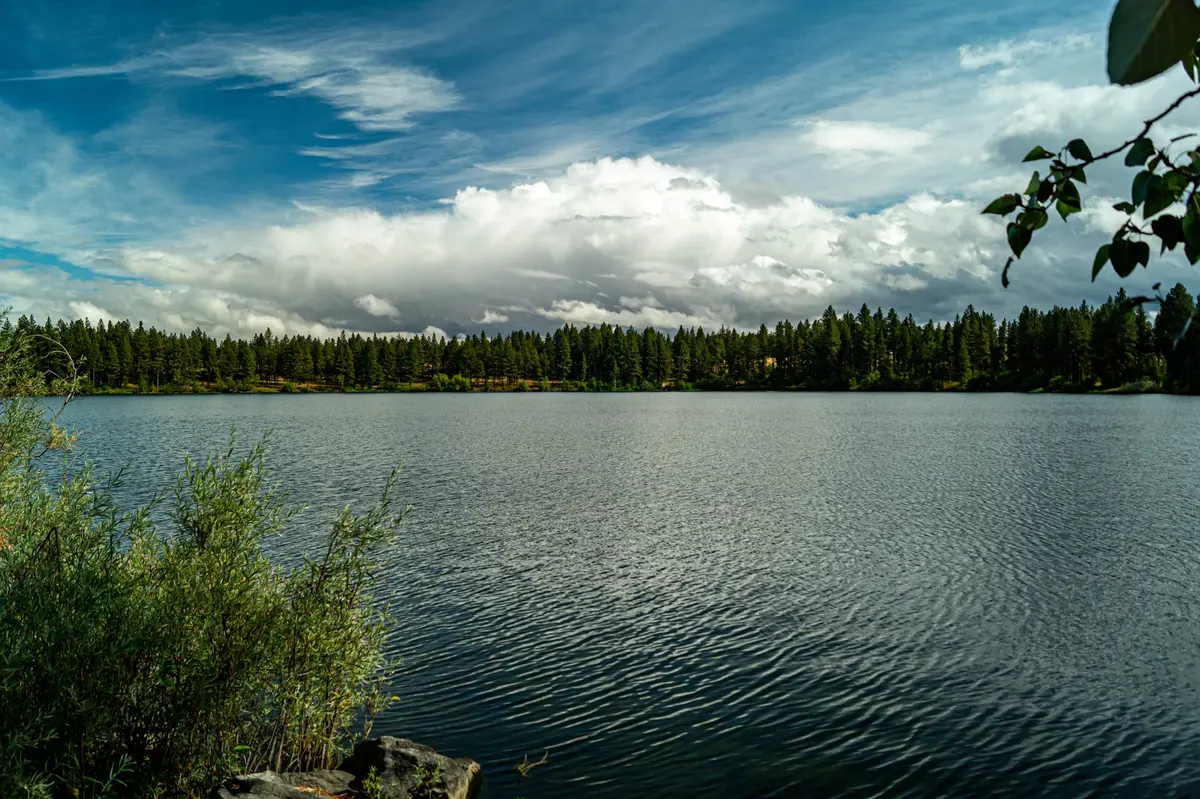
La Grande
La Grande is the most college-shaped town in Eastern Oregon — Eastern Oregon University puts students, faculty, and a broader arts and food culture into a city that might otherwise feel purely agricultural. The Wallowa Mountains start just up OR-82, Morgan Lake sits at the edge of town, and the Ten Depot Street Historic Depot anchors a downtown that actually has foot traffic. It suits academics, outdoor enthusiasts, and anyone who wants a genuine small-city quality of life with a university's cultural infrastructure behind it.
Full La Grande Guide →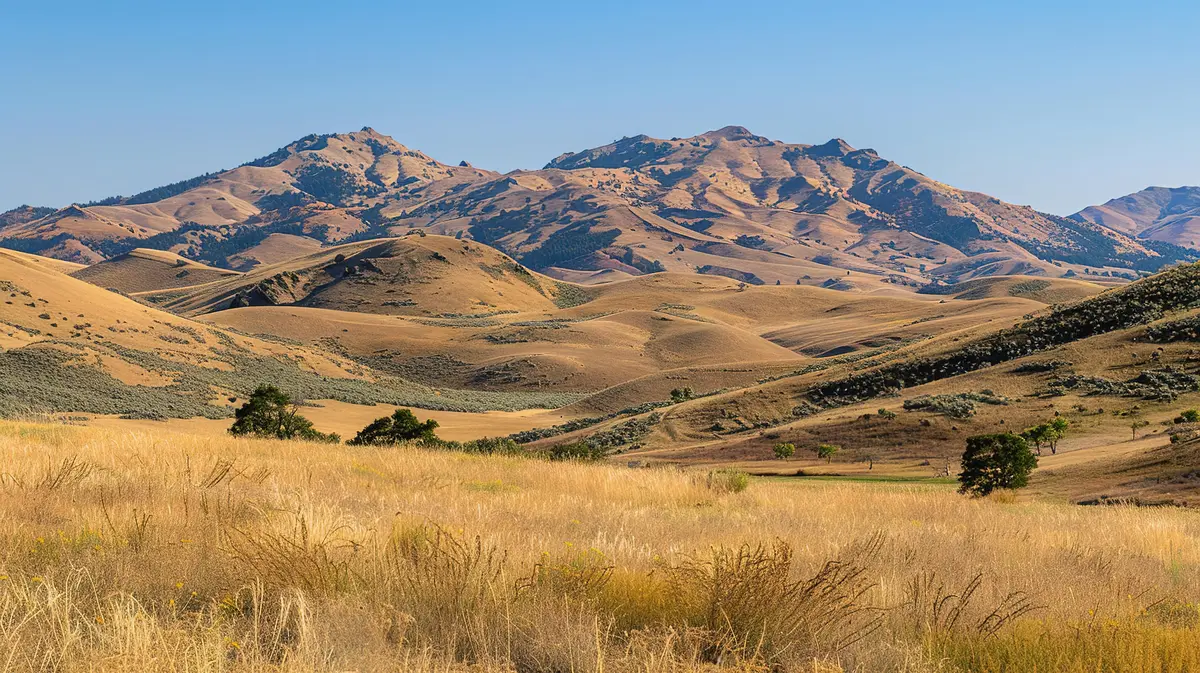
Ontario
Ontario is the easternmost city in Oregon and functions as a border town in the best sense — it draws workers, shoppers, and services from both sides of the Snake River, and Treasure Valley Community College gives it an educational anchor the county's size wouldn't otherwise support. The Four Rivers Cultural Center is a genuine regional asset, and I-84 puts the Boise area within practical reach for specialists and services. It suits buyers who want Oregon residency with easy Idaho-side access, or who work in Malheur County's government and healthcare sectors.
Full Ontario Guide →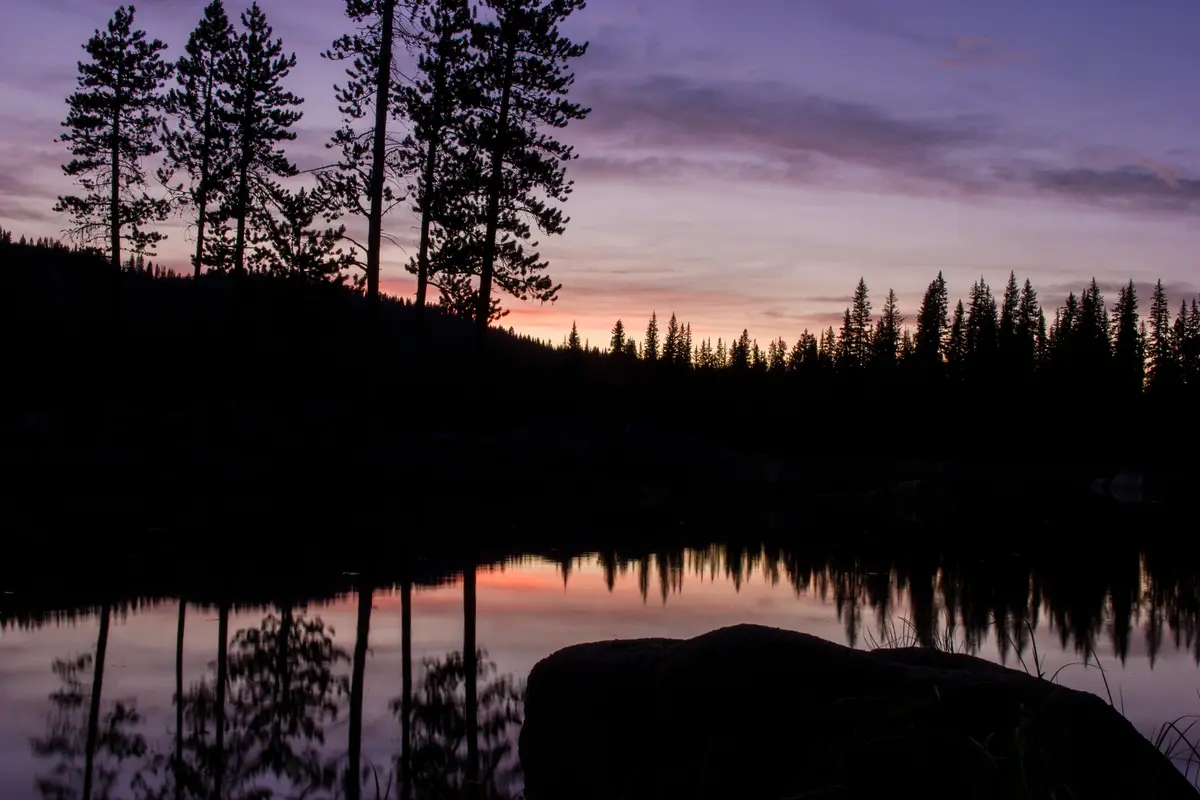
Baker City
Baker City is the most architecturally intact small city in Eastern Oregon — the Geiser Grand Hotel, St. Francis de Sales Cathedral, and the Baker Tower aren't restorations, they're the original streetscape, and the National Historic Oregon Trail Interpretive Center draws visitors who often end up reconsidering the place as somewhere to live. The US Forest Service presence means outdoor-adjacent careers are real here, and OR-7 and OR-86 open up the Elkhorn Mountains and Wallowa-Whitman backcountry. It suits history-minded buyers, outdoor-oriented remote workers, and anyone drawn to a preserved downtown at the most affordable end of I-84.
Full Baker City Guide →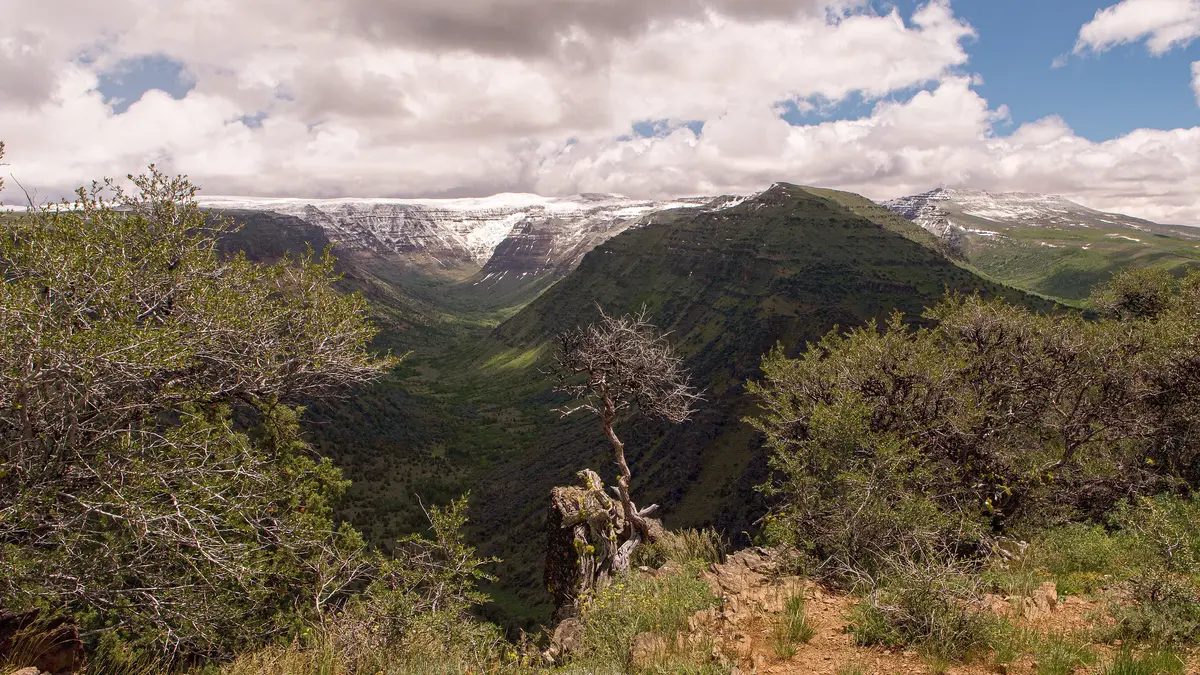
Burns
Burns is the most remote city in this guide — Harney County is one of the largest counties in the lower forty-eight by land area, and Burns is its only real town, sitting at the intersection of US-20 and US-395 in the middle of the high desert. The Malheur National Wildlife Refuge to the south is a world-class birding destination, and the Burns Paiute Tribe and Harney County government are the employment pillars. It suits people who specifically want true rural life, value self-sufficiency, and find the scale of the Great Basin landscape a feature rather than a drawback.
Full Burns Guide →Compare Every City in Eastern Oregon
Full ranked breakdowns across every city in the region — scored and compared side by side.
Local Expert Takeaway: Eastern Oregon rewards the buyer who has made peace with distance — the cities here are genuinely different from each other and from anything in western Oregon, and the one that fits you depends far more on the specific employer, institution, or landscape pulling you there than on any regional generalization.
Frequently Asked Questions
Which city in Eastern Oregon is best for families with school-age children?
Is Eastern Oregon genuinely affordable compared to the rest of Oregon?
Can I find remote-work-friendly life in Eastern Oregon, or do I need a local job?
How isolated is daily life in Eastern Oregon, really?
Which Eastern Oregon city makes the most sense for someone retiring?
Helpful Oregon Resources
Explore Other Oregon Regions
Eastern Oregon is one of 7 distinct regions that make up Oregon. Each has its own climate, character, and housing market — explore them all.
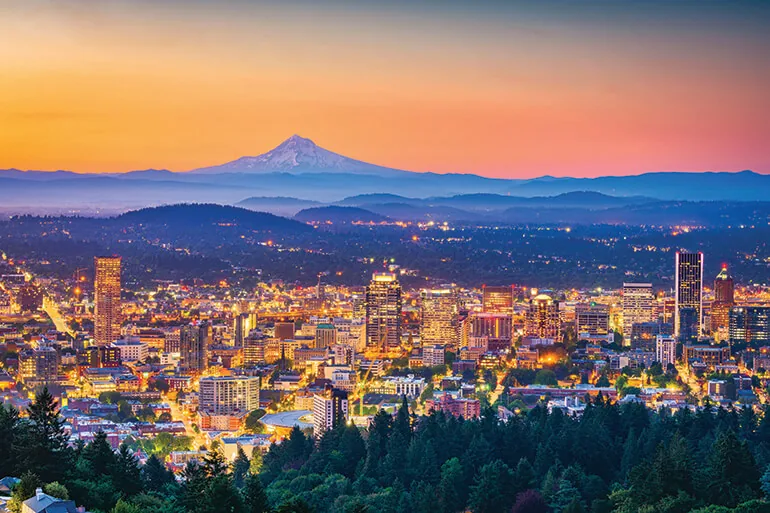
Oregon's largest job market, from close-in city neighborhoods out to the Washington and Clackamas County suburbs. 23 cities including Portland, Gresham, Hillsboro.
Explore all 23 Portland Metro cities →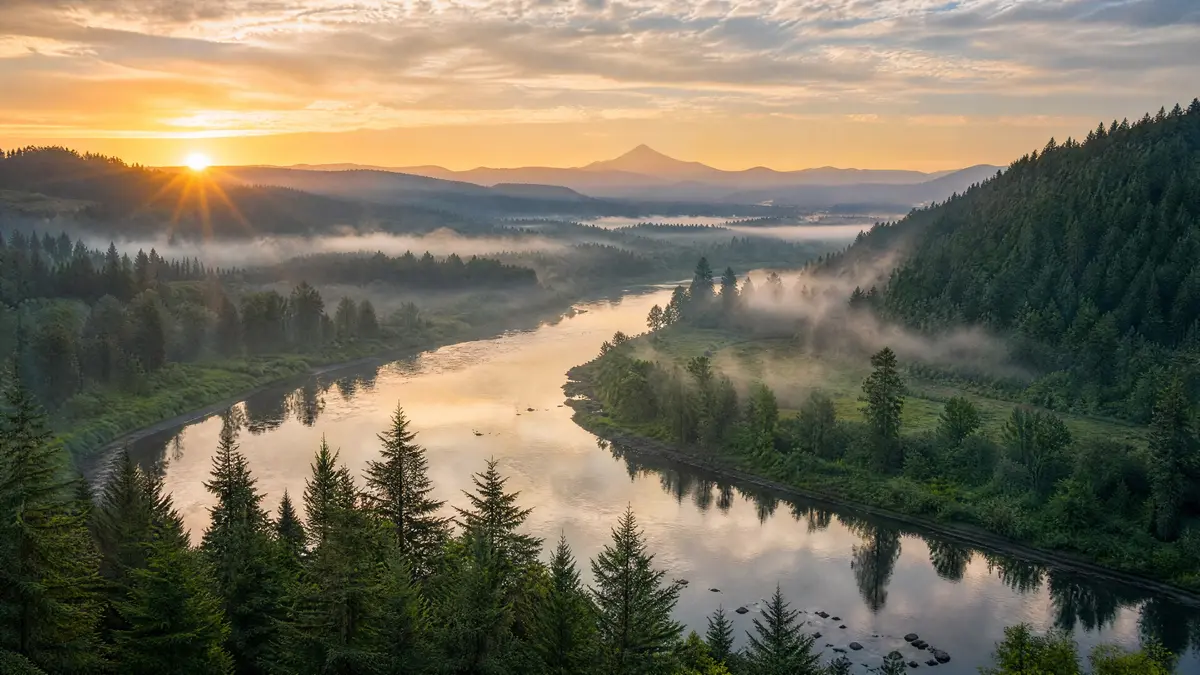
The state capital, two university towns, and farm and wine country between the Coast Range and the Cascades. 20 cities including Salem, Eugene, Corvallis.
Explore all 20 Willamette Valley cities →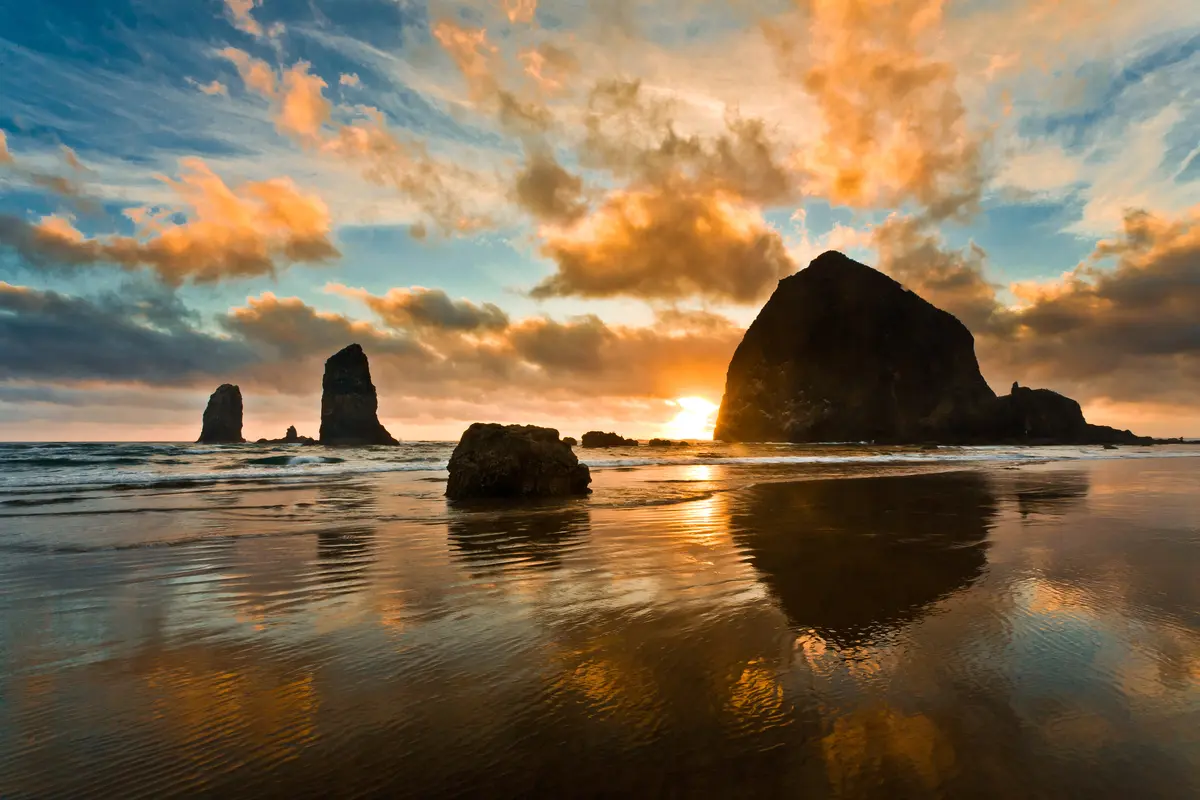
Harbor and beach towns along the Pacific, from the mouth of the Columbia River to the California border. 16 cities including Coos Bay, Newport, Astoria.
Explore all 16 Oregon Coast cities →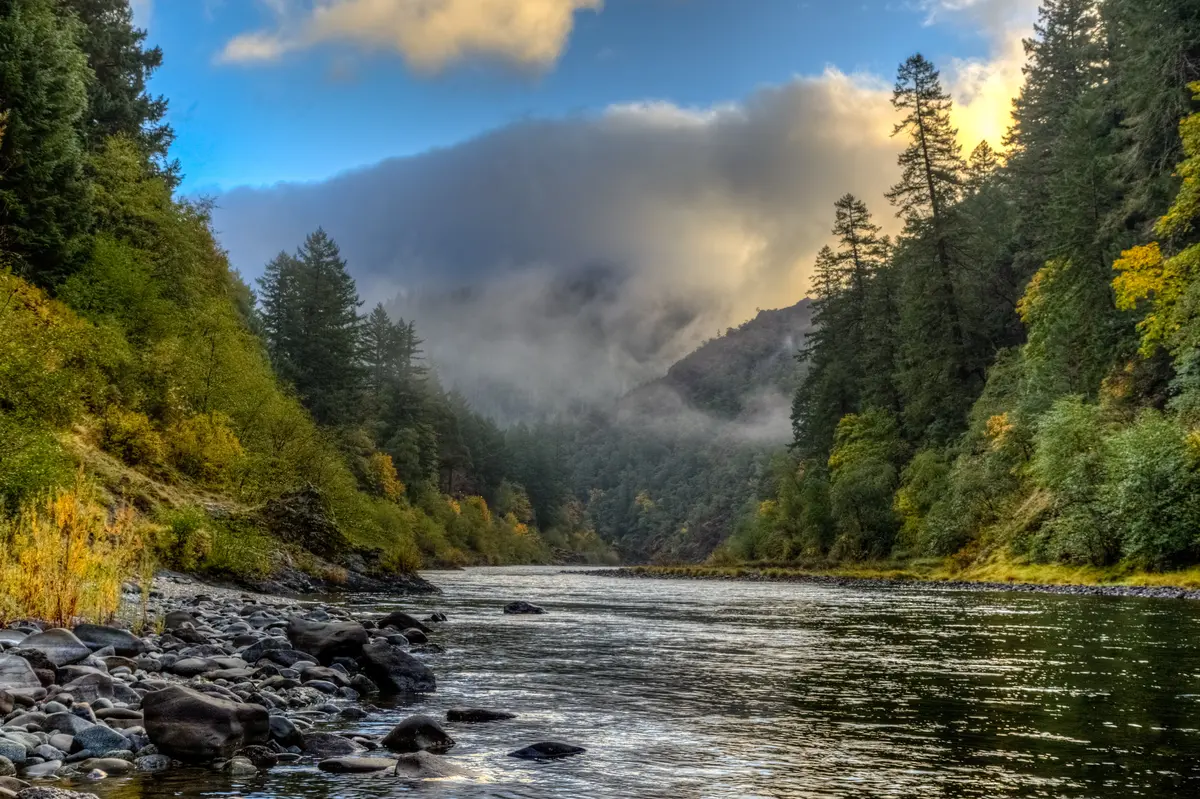
The Rogue Valley and the Umpqua and Klamath country around it, south of the Willamette Valley. 7 cities including Medford, Grants Pass, Roseburg.
Explore all 7 Southern Oregon cities →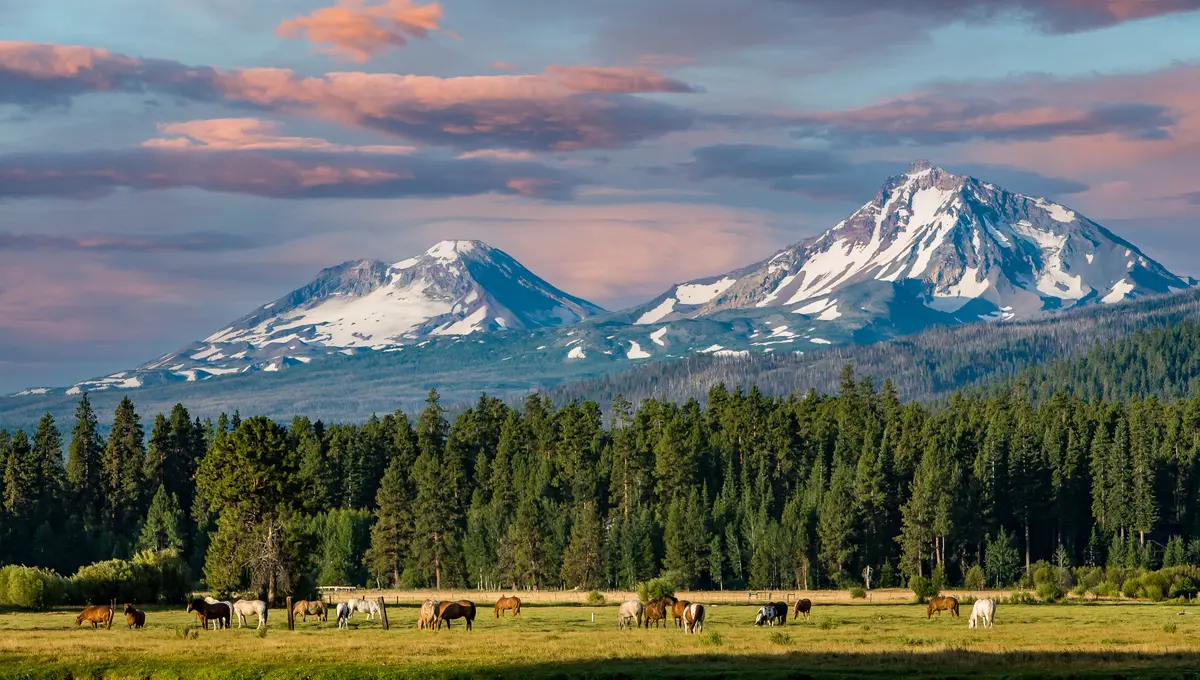
High desert country on the dry side of the Cascades, built around year-round time outdoors. 6 cities including Bend, Redmond, Prineville.
Explore all 6 Central Oregon cities →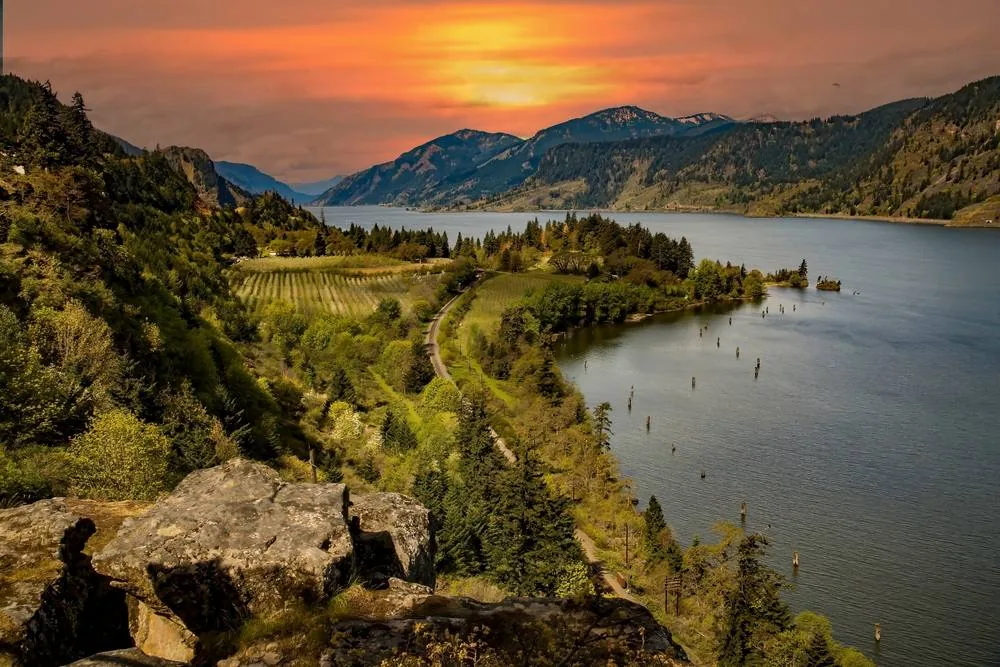
Towns at the foot of Mt. Hood and along the Columbia River Gorge, between the Portland suburbs and the dry side of the Cascades. 5 cities including The Dalles, Troutdale, Sandy.
Explore all 5 Mt. Hood & Columbia Gorge cities →Moving to Oregon?
Tell us what you need help with and we'll connect you with local resources.
