Eastern Oregon · Best Places to Retire · 2026
Best Places to Retire in Eastern Oregon: Every City Ranked
Cities ranked on healthcare access, walkability, affordability, climate, and overall quality of life for retirees.
Cities ranked on healthcare access, walkability, affordability, climate, and overall quality of life for retirees.
Choosing where to retire in Eastern Oregon means making a genuine trade-off between solitude and services, sunshine and snow, and price points that would be unthinkable in the Willamette Valley. This region stretches from the Blue Mountains down through the high desert, connected by I-84 and a handful of US highways that make the distances feel manageable — until you need a specialist or a Saturday errand run. What ties these cities together is something rare in Oregon right now: home prices that actually allow a retiree on a fixed income to own a home outright, or close to it. The decision isn't really whether Eastern Oregon is affordable. It is. The question is which version of Eastern Oregon fits the retirement you're actually planning.
The meaningful spread across this list isn't about price — every city here sits well below what you'd pay in western Oregon — it's about what surrounds the price tag. Cities with a genuine downtown core, a local hospital, and outdoor recreation within easy reach score differently than small high-desert towns where the silence is the main amenity. Baker City and La Grande sit in mountain-rimmed valleys with historic downtowns and year-round recreation. Pendleton and Hermiston are working agricultural and industrial cities with reliable services. Ontario sits on the Idaho border with more sunshine than almost anywhere in the state. Burns is a quiet ranching town where the trade-off between affordability and amenities is most pronounced. The sections below walk through each city's real strengths and honest limitations for retirees.
Each city is scored 1-10 on every dimension below against a fixed statewide scale — never against the other cities in this region — then combined into one weighted Composite score out of 10.
Ranked by overall composite score. Click any city to jump to the full breakdown.
| # | City | Composite | Healthcare | Walkability | Median Price |
|---|---|---|---|---|---|
| 1 | Baker City Baker County | 7.7/10 | 8 | 4 | $268,574 |
| 2 | Pendleton Umatilla County | 7.4/10 | 8 | 6 | $304,381 |
| 3 | La Grande Union County | 7.4/10 | 8 | 4 | $305,990 |
| 4 | Hermiston Umatilla County | 7.2/10 | 8 | 6 | $348,415 |
| 5 | Ontario Malheur County | 7.0/10 | 8 | 4 | $312,219 |
| 6 | Burns Harney County | 6.8/10 | 8 | 4 | $191,972 |
#1 Top Overall · Baker County
Best for retirees who want historic character and mountain access
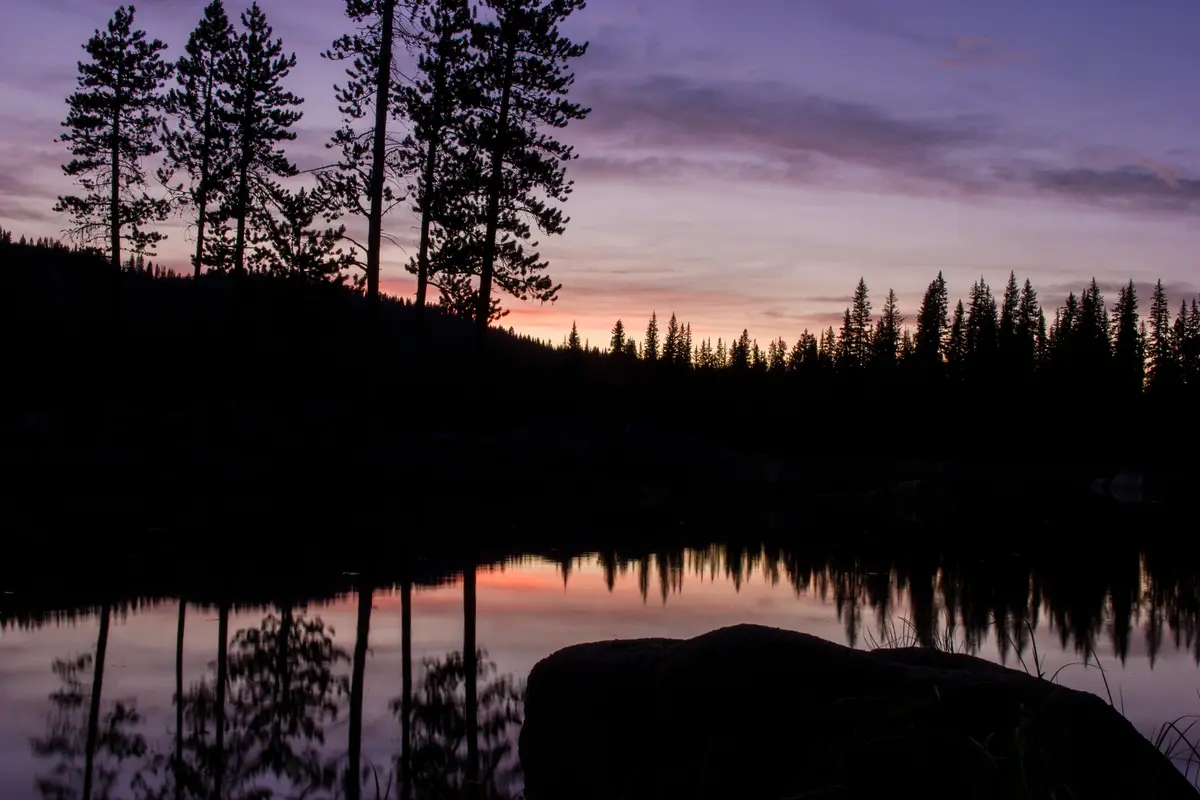
Baker City makes a compelling case for retirees who want genuine small-city character without sacrificing medical access. A local hospital sits right in town, the historic downtown along Main Street is genuinely walkable for a city this size, and the surrounding Blue Mountains give easy access to hiking, fishing, and wide open country year-round. Abundant sunshine means winters feel bearable even when cold and dry. At a typical home price of $268,574, it's a real estate market where buyers on a fixed income can own without stretching.
Baker City suits retirees who want a real sense of place — a historic downtown, identifiable neighborhoods, and outdoor recreation close at hand — without paying Portland prices for any of it. Compared to Burns or Ontario, it offers noticeably more dining, cultural landmarks, and a stronger walkable core; compared to La Grande, it feels slightly smaller and quieter. If you want to feel like you live somewhere, not just somewhere cheap, Baker City earns serious consideration.
#2 Top Healthcare · Umatilla County
Best for retirees who want a working city with real civic identity
Pendleton is the most recognizable name in Eastern Oregon, and for retirees that recognition comes with real substance: a genuine downtown, a hospital in town, and a cultural identity anchored by ranching, rodeo, and the arts that gives the city a character most towns this size lack. Summers run very hot and winters cold, but abundant sunny days keep the overall climate picture favorable. The typical home price of $304,381 reflects a city with more services and more civic infrastructure than most of its neighbors in this region.
Pendleton suits retirees who want a working city with real amenities — a downtown worth walking, local institutions, and highway access to the broader region — rather than pure rural solitude. It tends to appeal more to buyers who appreciate a lived-in, working-class authenticity than those looking for a quiet mountain retreat. For the lifestyle Pendleton actually offers, the price point remains a genuine value by any Oregon measure.
#3 Top Healthcare · Union County
Best for retirees drawn to mountain scenery and university-town energy
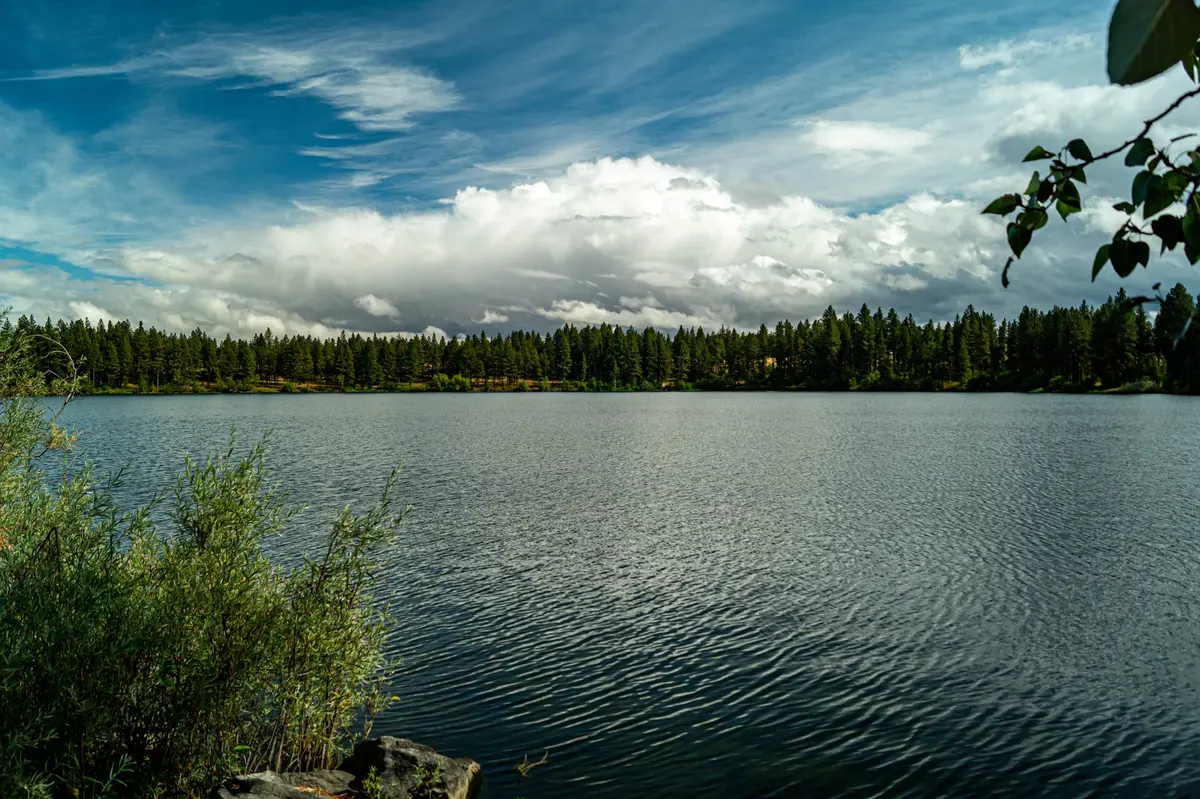
La Grande sits in the Grande Ronde Valley between the Blue Mountains and the Wallowa range, and that geography is a large part of its appeal for retirees who want four distinct seasons and serious outdoor access. A local hospital handles routine and emergency care in town, and Eastern Oregon University gives the city a cultural pulse that smaller high-desert towns simply don't have. The downtown exists and has real bones, though daily errands still require a car for most residents. At a typical home price of $305,990, La Grande sits well under what the same quality of life would cost anywhere in western Oregon.
La Grande suits retirees who want mountain scenery, outdoor recreation, and a small-city feel with a university in the mix — the kind of place where you run into people you know at the farmers market. It's a natural comparison point with Baker City: both offer historic character and mountain access, but La Grande's valley setting and university presence give it a slightly different energy. If proximity to Wallowa Lake country and the Elkhorns matters to your retirement plans, La Grande is the logical base.
#4 Top Healthcare · Umatilla County
Best for retirees who prioritize practical services over scenery
Hermiston is the most practically minded city on this list — a working agricultural hub with a named downtown, a hospital in town, and more retail infrastructure than any of the smaller towns in this comparison. It lacks Baker City's historic charm or La Grande's mountain backdrop, but it compensates with reliable services and a straightforward quality of life. Plentiful sunny days and a high-desert climate mean hot, dry summers that some retirees love and others find punishing. The typical home price of $348,415 reflects a city with stronger local employment and more built-in services than its Eastern Oregon neighbors.
Hermiston suits retirees who prioritize practical access — grocery stores, medical care, retail — over scenery or walkable character. It tends to appeal to buyers coming from agricultural backgrounds or those who want Oregon prices without Oregon's mountain remoteness. The trade-off is honest: compared to Baker City or La Grande, the dining scene and outdoor recreation options are thinner, but the day-to-day logistics of retired life are easier to manage.
#5 Top Healthcare · Malheur County
Best for retirees who want maximum sunshine and minimal overhead
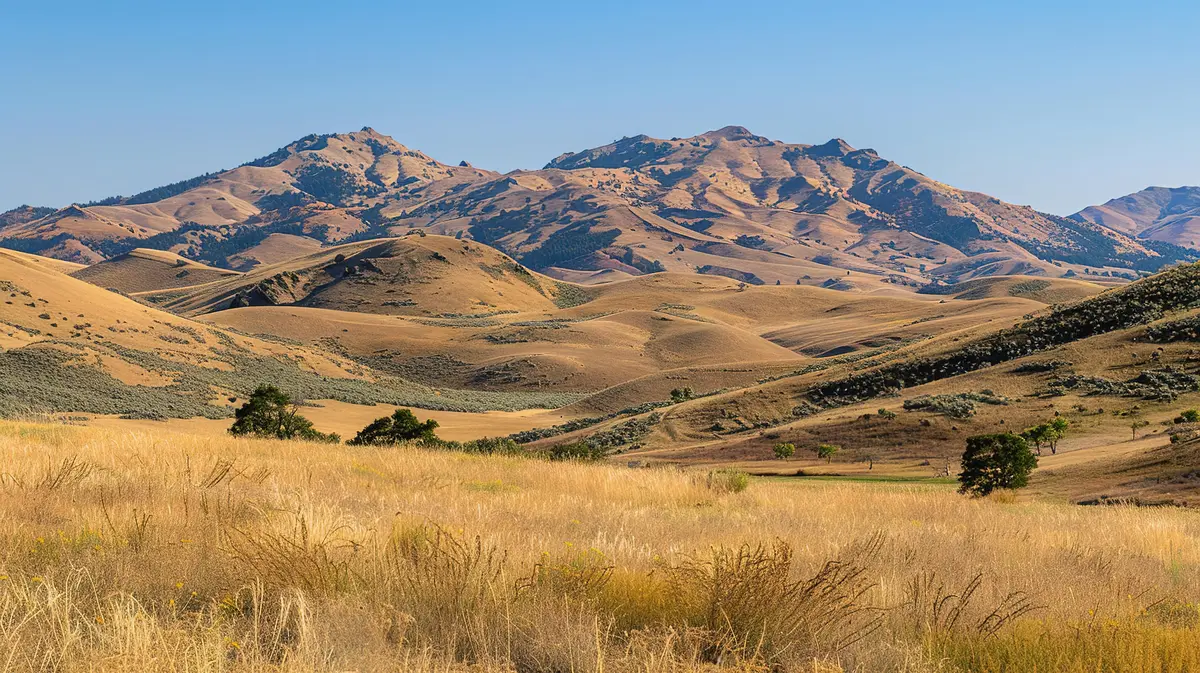
Ontario sits at the Oregon-Idaho border, and that position shapes everything about it: more sunshine than almost anywhere else in Oregon, a climate that runs hot and dry in summer, and a real-world proximity to Idaho that gives some retirees additional shopping and service options across the state line. A local hospital serves the community, and home prices reflect a genuinely affordable market. At a typical home price of $312,219, Ontario is accessible for buyers working with modest retirement savings or equity from a previous home sale.
Ontario suits retirees who are comfortable with a small, no-frills town in exchange for exceptional sunshine and very low housing costs. The amenity picture is limited — dining, landmarks, and outdoor recreation are thinner here than in Baker City or La Grande — so this city rewards buyers who are self-sufficient and don't depend heavily on local entertainment or walkable errands. If the Idaho border is a feature rather than a quirk, Ontario's position becomes a genuine lifestyle advantage.
#6 Top Healthcare · Harney County
Best for retirees who want solitude, nature, and a very low price of entry
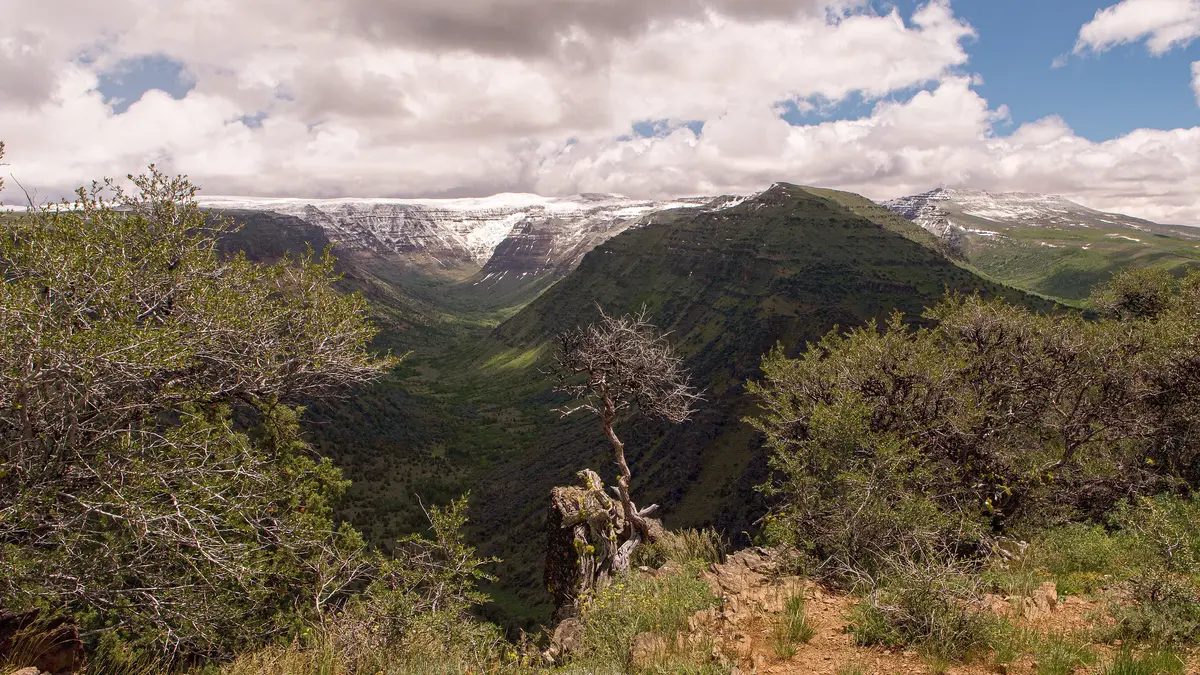
Burns is a genuinely remote ranching town in the Harney Basin, and that remoteness is the point for the retirees it suits best. The high desert surrounding Harney County stretches in every direction, the Malheur National Wildlife Refuge draws serious birders and nature-focused retirees, and the sky at night is genuinely dark in a way that's increasingly rare. A local hospital keeps emergency and routine medical care accessible without a long drive. At a typical home price of $191,972, Burns offers a price point that allows some buyers to purchase outright, which changes the math of retirement planning entirely.
Burns suits retirees who have thought carefully about isolation and decided it's a feature, not a problem — people who want space, silence, and extraordinary nature access above walkable streets or dining variety. What Burns offers is genuinely different in kind from the other cities in this comparison, not just different in degree. Buyers who thrive here tend to be self-sufficient, outdoors-oriented, and at peace with driving significant distances for anything beyond basic services.
Every city here has a hospital in town and home prices that give retirees on a fixed income real purchasing power — the real question is whether you want a walkable historic downtown, wide-open high-desert space, or something in between. Be honest about how often you'll need services before committing to the most remote options.
Tell us what you need help with and we'll connect you with local resources.
