What Is Living in La Grande, Oregon Like?
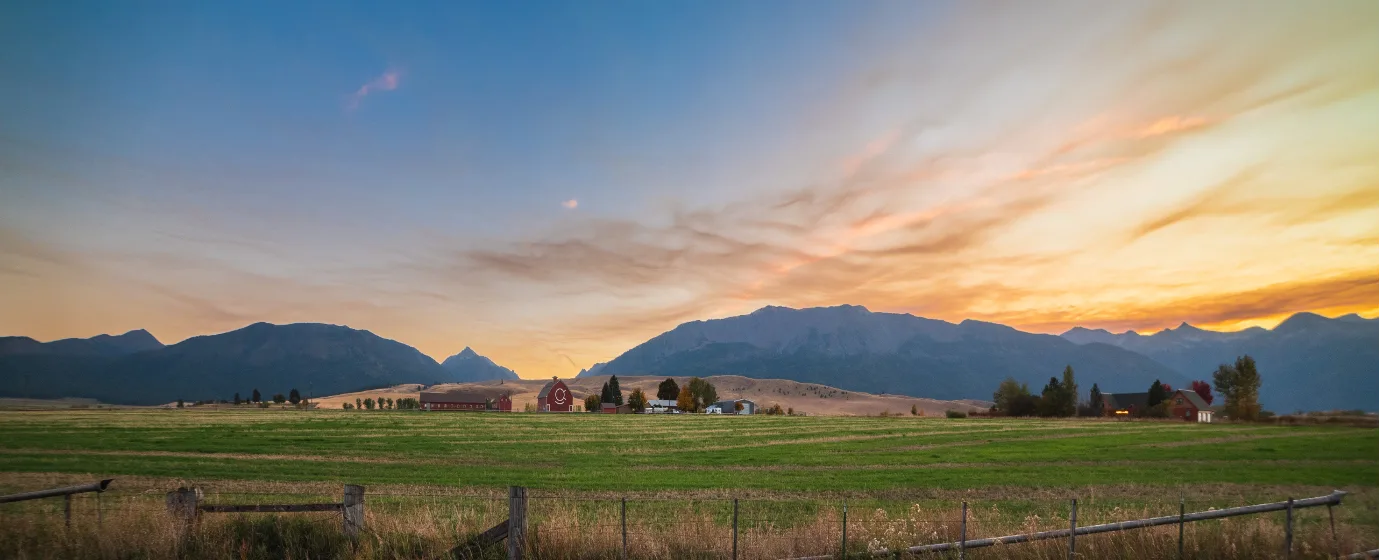
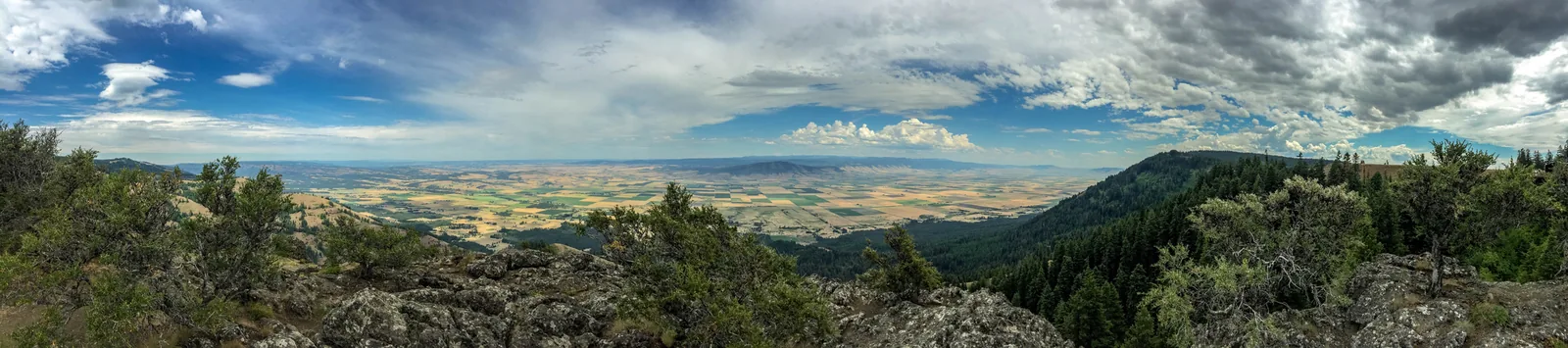
People who move to La Grande expecting a sleepy rural outpost usually say the same thing around month three: this place is bigger than it looks on a map. At 13,058 residents, it's a genuinely small city — the county seat of Union County, tucked into the Grande Ronde Valley at 2,772 feet — but it functions as the regional hub for all of northeast Oregon. I-84 runs through it, connecting the Blue Mountains to the west and the Wallowa Mountains to the east, and that geography is everything: the mountains aren't background scenery here, they're the reason people come and the reason they stay. The city sits about four hours east of Portland, closer to Boise than to the coast, and that distance from the Willamette Valley is both the biggest selling point and the most common reason people eventually leave.
The economic backbone is more stable than most small Oregon cities can claim. Eastern Oregon University, officially designated Oregon's Rural University in 2018, employs hundreds and shapes the cultural rhythm of the city in ways that go beyond a typical campus employer. The La Grande School District 1 holds a B rating, according to Niche, with 2,023 students enrolled in 2025-26. The regional health system completed a $72.6 million surgical services building in late 2024 — a significant infrastructure statement for a city this size — and Union County and the City of La Grande round out a public-sector employer base that keeps the local economy relatively recession-resistant. The people who move here are typically drawn by outdoor access, low housing costs relative to western Oregon, or a deliberate choice to raise kids somewhere with less noise and more elbow room.
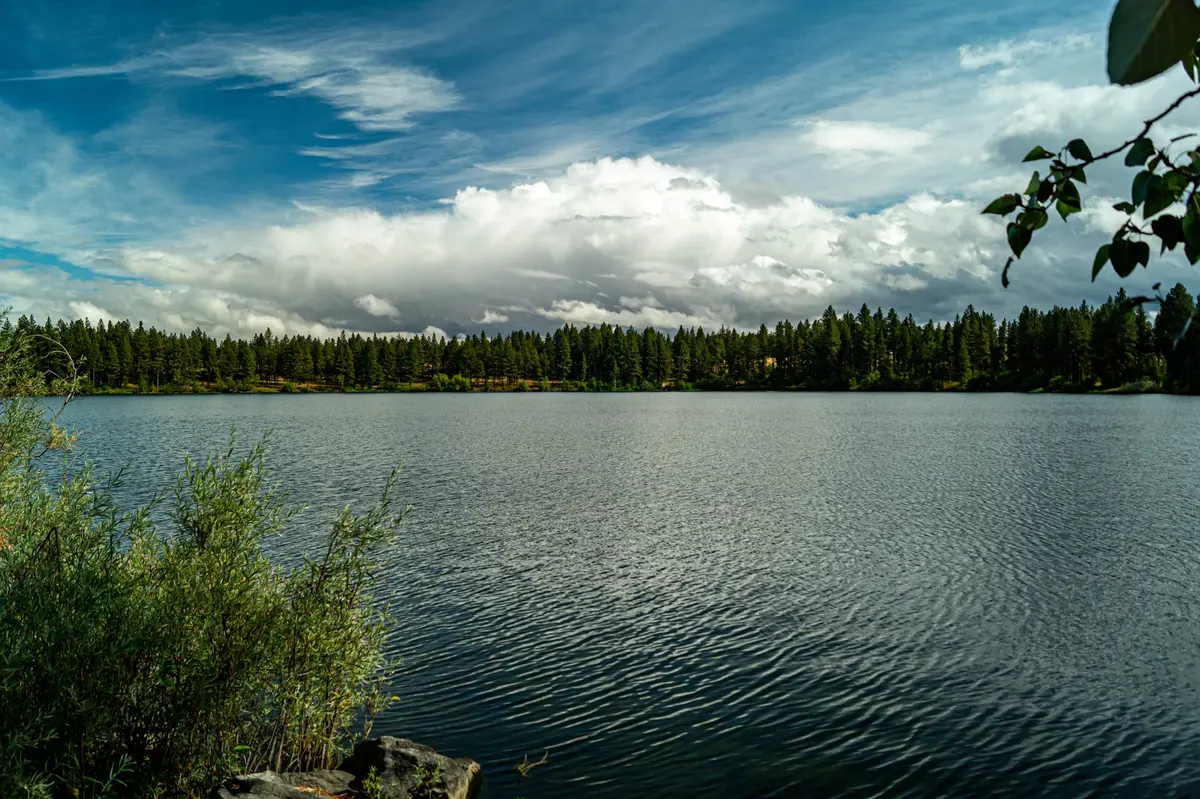
The cost of living is the clearest argument for La Grande. The typical home price of $305,990 (Zillow Home Value Index, July 2026) sits noticeably below what buyers face anywhere west of the Cascades — and well below what most California transplants are leaving behind. For full detail on how prices, rents, and taxes stack up, see the cost of living page. Day-to-day life leans outdoor-forward: the Mount Emily Recreation Area, a trail system with extensive routes across thousands of acres, starts just two miles from downtown. Morgan Lake draws swimmers and picnickers in summer. The Grande Ronde River Trail runs close to town, and Ladd Marsh Wildlife Area gives birders a serious destination. The city gets 192 sunny days a year — respectable for eastern Oregon, less than the high desert further south, but enough to make the summers feel genuinely bright.
Whether you're weighing a move or just doing early research, the sections below break down La Grande's neighborhoods, housing market, commute realities, local employers, daily life, and what longtime residents wish they'd known before arriving.
La Grande at a Glance
Looking to buy in La Grande? Estimate your payment.
Enter your numbers to see an estimated monthly mortgage payment.
Estimate only. Excludes HOA fees and mortgage insurance. The interest rate above is a starting point, not a quoted rate — replace it with your own to see real numbers. Insurance is a flat placeholder, not a La Grande quote.
Why Are People Moving to La Grande?
La Grande draws two distinct kinds of movers, and understanding which one you are matters. The first group is priced out of western Oregon — Portland, Bend, Eugene — and discovered that $305,990 buys an actual house with a yard here, not a condo with a waitlist. The second group made the choice on purpose: remote workers, retirees from California, and outdoor-oriented families who want access to the Eagle Cap Wilderness and Hells Canyon without paying Bend prices to get it.
The Employer Picture
Eastern Oregon University is the city's most visible anchor. It isn't just the largest employer in terms of headcount — it's the reason La Grande has a functioning arts scene, a competitive athletic community through its college sports programs, and a pipeline of young people who sometimes stay. The university was named a 2026–2027 Career Development College of Distinction, which matters for recruitment and for the kind of employer partnerships that keep graduates local.
The La Grande School District employs a significant share of working residents, as does Union County government and the City itself. A major regional health system — which completed a $72.6 million surgical services building in late 2024 and a follow-on $3.5 million imaging and radiology expansion announced in late 2025 — rounds out an employer base that skews heavily toward public and nonprofit institutions. That's a stability story: these employers don't relocate to cheaper states.
What the Economy Is Honest About
Private-sector job options are limited. If you need a corporate career path or a tech-sector salary, La Grande will disappoint you. The people who thrive here either work for one of the anchor institutions, run their own businesses, or work remotely and have chosen this valley deliberately. That last group is growing — and the city's 2025 Urban Growth Boundary study acknowledged a real shortage of commercial and industrial land, which signals demand the city hasn't fully caught up to yet.
The median household income of $58,427 reflects a working-class and public-sector economy, not a high-income professional one. For families whose income is remote-portable, that gap between income levels and housing costs is actually the opportunity. For those dependent on finding local private-sector work, it's worth being realistic before the move.
Who Moves Here and Stays
Longtime residents will tell you the city's pull is strongest for people who genuinely use the outdoors — not as occasional weekend hikers, but as people who ski Anthony Lakes in January, run the MERA trails after work in June, and float the Grande Ronde in August. The city's identity as a recreation base isn't marketing copy; it's the organizing principle of social life here. Families with school-age kids, EOU faculty and staff, and remote workers who cashed out of a higher-cost market are the three groups most likely to put down roots and mean it.
What Daily Life Feels Like in La Grande
The thing newcomers underestimate is how self-contained La Grande actually is for a city of 13,058. You can grocery shop, catch a live play at EOU, grab coffee, eat a real dinner, and be home in under an hour — all without leaving town. What you can't do is browse a large mall, catch a same-day flight, or find the density of services that mid-size cities take for granted. That trade-off defines the texture of daily life here more than anything else.
The Seasonal Reality
Winters are real. The valley sits at 2,772 feet, and while the city itself doesn't get buried the way the passes do, cold snaps and snow are part of the calendar from November through March. I-84 over the Blue Mountains can close or require chains, which affects everything from grocery runs to visiting family. First-time residents from the coast or California are almost always caught off guard by the first hard freeze — not because anyone kept it secret, but because maps don't show elevation.
Summers, by contrast, are legitimately excellent. The valley runs warm and dry, the trails fill with lupine and wildflowers, and the social calendar picks up around the La Grande Farmers' Market and outdoor events. The 192 sunny days a year are concentrated where you want them: the shoulder seasons and summer carry most of the light, which makes the winters feel shorter in retrospect than they are on paper.
Arts, Culture, and the EOU Effect
Eastern Oregon University pulls the cultural life of the city well above what a town this size would otherwise sustain. The Community School for the Arts runs community ensembles including the Community Symphonic Band, the Union County Children's Choir, and the Grande Ronde Community Choir — and these aren't token programs, they're genuinely active. A Third Thursday gallery series anchors the local arts community, and the Liberty Theater brings film and performance to downtown. Hot Lake Springs Resort, a few miles outside the city, adds an unexpected layer of history and weekend destination energy.
Where Families Actually Gather
Morgan Lake is the summer anchor — it draws families for swimming and picnics from June through August, and it's close enough to reach easily on a weekday evening. The Grande Ronde River Trail is the year-round version of that, a path that gets used by runners, walkers, and families with strollers in a way that speaks to how much outdoor access shapes daily routine here. For schools, sports, and youth activities, the schools page covers the district's programs in full detail.
The downtown has a working-town feel rather than a tourist-town feel, which longtime residents generally consider a feature. There are independent coffee shops, a handful of solid restaurants, and the Ten Depot Street Historic Depot anchoring the sense of place. It's not going to remind you of the Pearl District, and that's exactly the point for most people who move here on purpose.
The La Grande Housing Market Right Now
The city-wide typical home price of $305,990 (Zillow Home Value Index, July 2026) is the headline number — and for buyers coming from Portland, Bend, or most California markets, it lands as a genuine shock in the right direction. Entry-level options exist well below that figure for older construction or smaller lots, while newer or larger homes on the north and south sides run above it. For a full breakdown of what taxes, rents, and purchasing costs look like here, the cost of living page has the complete picture.
What the Inventory Looks Like
La Grande's housing stock skews older. Much of what you'll find in established neighborhoods is mid-20th century construction — functional, often well-maintained, sometimes requiring updates. Newer construction exists in areas like Stonewood and along the city's edges, but the overall supply is limited enough that well-priced homes don't sit for long. Buyers who show up expecting the same inventory depth they'd see in the Willamette Valley are often surprised by how quickly the list of options narrows.
The typical two-bedroom rent runs $1,190–$1,450 per month, which reflects a rental market tighter than the population might suggest — partly because EOU creates consistent demand for housing near campus. Some areas carry rents noticeably above others; for neighborhood-level character and how different parts of the city feel to live in, the best neighborhoods page goes deeper.
The Market in Plain Terms
This is not a speculative investment market. Prices here reflect the local economy — a median household income of $58,427, public-sector employment, and a population that grows slowly. Values have been stable rather than volatile, which is reassuring for buyers who want to own a home rather than flip one. The effective property tax rate of approximately 0.89% is modest relative to national norms, which keeps the ongoing cost of ownership reasonable.
The catch is that financing a home here works differently than it does in higher-cost markets — not because of anything exotic about La Grande, but because the price points mean different conversations with lenders about down payment structures and loan programs. The first-time homebuyer page covers what that process looks like in practice.
La Grande Neighborhoods
La Grande has several distinct areas — each with its own character and appeal. Here’s a breakdown to help you narrow down where to focus your home search.
🏡 South Side
The South Side offers a mix of established single-family homes and a residential feel that suits families and long-term residents who want proximity to schools and city services without the foot traffic of downtown. The housing stock skews mid-century, with streets that feel settled rather than transitional.
🏠 Downtown La Grande
Downtown is the civic and commercial center of the city — the Liberty Theater, the Ten Depot Street Historic Depot, and the main retail and dining corridor all sit here. It suits buyers who want to walk to coffee and dinner and feel the pulse of the city's daily life rather than commute into it.
🌳 North Side
The North Side tends to draw families and buyers looking for slightly newer construction and quieter residential streets, with easy access to the I-84 corridor for anyone who commutes. It has a workable, unpretentious character that appeals to people prioritizing space and practicality over walkability.
🏘 EOU / University District
Living near Eastern Oregon University means proximity to campus events, arts programming, and the energy that a working university brings to a neighborhood — alongside the rental-heavy housing mix that comes with it. It suits faculty, staff, and buyers who want to be in the middle of La Grande's cultural life.
🏔 Greenwood
Greenwood is a residential area with a quiet, established character that tends to attract buyers looking for single-family homes away from the busier corridors. It offers a suburban feel within a small city, with straightforward access to the rest of La Grande's amenities.
🌆 Stonewood
Stonewood represents some of La Grande's newer residential development, with more recently built homes and a cleaner, less dated housing stock than older neighborhoods. It suits buyers who want move-in-ready construction and a neighborhood that feels current rather than mid-century.
Pros & Cons of Living in La Grande
The Pros
- Affordable housing well below Oregon's state average
- Surrounded by Blue Mountains and Wallowa Mountains for year-round outdoor recreation
- College-town amenities and culture from Eastern Oregon University
- Low overall cost of living compared to national and state averages
The Cons
- Long drives to major metro areas (about 4 hours to Portland, 2.5 hours to Boise)
- Property crime rates run higher than national average
- Cold, snowy winters with limited job market diversity outside healthcare, education, and government
Getting Around & Commuting in La Grande
A car is not optional in La Grande — it's the basic unit of daily life. The city is compact enough that driving across town takes ten minutes, but the layout, the distances to services, and the regional geography all assume you own one. Most errands require a drive, and anything the local shops don't carry means ordering online or making a trip out of town.
The I-84 Corridor
I-84 is the spine of everything. It's the reason La Grande functions as a regional hub rather than a true rural outpost, and it's the route that connects the city to Pendleton to the west and Baker City to the east. The drive to Pendleton — about 50 minutes each way — is the most common commute corridor for residents who work in a larger regional center. Portland is roughly four hours west on I-84, which makes it a day-trip destination rather than a daily commute.
US-30, which shares the Old Oregon Trail Highway designation with I-84 through much of this stretch, runs parallel and through some of the older communities. OR-82 heads northeast toward the Wallowa Valley, making it the primary route for anyone accessing Joseph, Enterprise, or the Eagle Cap Wilderness trailheads. These three routes — I-84, US-30, and OR-82 — are essentially the complete map of how people move in and out of the valley.
The Winter Commute Variable
What the drive times don't capture is the winter. The Blue Mountains stretch of I-84 west of La Grande is one of the most reliably challenging winter driving corridors in Oregon. ODOT chain requirements, closures, and multi-hour delays are a normal part of life from November through March for anyone commuting west. Residents who make the Pendleton run regularly build weather awareness into their planning in a way that feels instinctive by the second winter.
Within the city, the compact footprint works in your favor. The commute to EOU from most neighborhoods is genuinely short. Downtown, the school district buildings, and the major employers cluster in a way that keeps intracity driving minimal compared to a larger city. There is rural transit service available in Union County for residents who need it, though the daily pattern for most working adults involves their own vehicle as the primary tool.
Air Travel
The Eastern Oregon Regional Airport (PDT) is approximately 53 miles from La Grande, in Pendleton. It offers regional connections, though residents making serious travel plans typically budget for the Pendleton drive as part of any flight itinerary. The airport's proximity makes air travel possible without a major expedition; it's simply one more element of trip planning that people in western Oregon don't have to think about the same way.
Who This Commute Profile Suits
| Buyer Type | Commute Reality | Best For |
|---|---|---|
| Remote workers | No daily commute; town is a base, not a launch pad | Value Nature |
| EOU / district employees | Short intracity drive, often under 10 minutes | Commuter Families |
| Pendleton-area commuters | About 50 minutes one-way on I-84; manageable daily | Commuter |
| Portland-area commuters | Four hours each way — not a daily drive | Not recommended for regular in-office work |
| Retirees | Compact city, minimal daily driving needs | Quiet Views |
| Families with kids in district schools | Short drives; most schools accessible within the city | Families School |
The commute profile here rewards people who either work locally or have untethered their income from geography. It's genuinely challenging for anyone who needs daily access to a larger employment center.
Schools in La Grande
Families relocating to La Grande have public, private, and higher-education options nearby. Here’s a quick overview.
🎓 School District
La Grande School District 1 serves K–12 students across La Grande and the surrounding area. Rated B (source: Niche.com).
🏆 Graduation Rate
The 4-year high-school graduation rate here is approximately 93.8%.
📚 Higher Education
Oregon’s public universities — the University of Oregon, Oregon State University, and Portland State University — offer four-year degrees statewide, with a network of 17 community colleges providing two-year and workforce programs.
🌐 Online Learning
Oregon State University Ecampus and Portland State University Online offer fully accredited online degrees for remote learners across the state.
Safety in La Grande
A quick look at how La Grande compares on the numbers that matter most when weighing a neighborhood or a move.
🛡 Violent Crime
Approximately 3 per 1,000 residents.
🔒 Property Crime
Approximately 27 per 1,000 residents.
Compared to the most recent national figures from the Bureau of Justice Statistics (2024), La Grande’s violent crime is below the national average (about 3.7 per 1,000), and property crime is above the national average (about 18.4 per 1,000).
Against Oregon as a whole, La Grande’s violent crime is about the same as the state average, and property crime is about the same as the state average (Bureau of Justice Statistics, Crime Known to Law Enforcement, 2024 (tables 2 and 3)).
Crime rates can vary a lot within a single city, so the citywide numbers above are only a starting point. Some neighborhoods in La Grande run well below these averages, while others run higher — the kind of block-by-block detail that matters most when you’re actually choosing where to live. The full guide below breaks it down neighborhood by neighborhood.
Working in La Grande
La Grande’s largest employers span several industries — here are some of the anchors of the local job market.
🎓 Eastern Oregon University
Education
🎓 La Grande School District
Education
🏛 Union County
Municipal government
🏥 Grande Ronde Hospital
Healthcare
🏛 City of La Grande
Municipal government
Parks & Recreation in La Grande
Some of the outdoor spaces that shape everyday life in La Grande.
🌱 Oregon Trail Interpretive Park
🌱 Morgan Lake
La Grande residents don’t have to go far for green space — spots like Oregon Trail Interpretive Park and Morgan Lake are part of everyday life here, whether that’s a morning walk, a weekend hike, or just somewhere to unwind outside. The full guide below covers more of what La Grande has to offer for parks and outdoor recreation.
Retiring in La Grande
La Grande draws retirees for its balance of amenities, outdoor access, and cost. Here’s what to weigh.
🌤 Climate
La Grande sits at 2,772 feet in the Grande Ronde Valley, which means four genuine seasons. Summers are warm and dry with 192 sunny days a year — the valley fills with light from late spring through early fall. Winters bring real cold and occasional snow, but the city floor gets less accumulation than the mountain passes, making day-to-day living manageable for most retirees.
🍴 Lifestyle
The outdoor calendar is the social calendar here — trails at Mount Emily, birding at Ladd Marsh, and summer weekends at Morgan Lake. EOU's Community School for the Arts and a Third Thursday gallery series keep cultural programming active year-round. The pace is unhurried without being sleepy, and a weekly farmers market anchors the warm-season social life.
🏚 55+ Communities
Mountain Park Estates is La Grande's established active-adult community for retirees looking for age-appropriate housing without relocating to a larger city. Options are smaller in scale than what you'd find in a major retirement market, but that's consistent with the city's overall character — close-knit, manageable, and without the amenity-resort pricing that comes with larger developments. For more on what retiring in La Grande looks like day to day, the retiring page covers the full picture.
✈ Getting Around
A car handles most of daily life comfortably — the city is compact and intracity drives are short. The Eastern Oregon Regional Airport in Pendleton is approximately 53 miles away, making it a workable option for regional travel without requiring a major expedition. Winter driving on I-84 over the Blue Mountains is the primary variable retirees should plan around, especially for trips west toward Portland.
🏛 Oregon Taxes for Retirees — What to Know
- Social Security is not taxed — Oregon does not tax Social Security or Railroad Retirement benefits. Any amount included in your federal adjusted gross income is subtracted back out on the Oregon return.
- But other retirement income IS taxed — This is the trade-off that surprises people moving from Washington or Texas. Pension distributions and 401(k)/IRA withdrawals are taxed as ordinary income at Oregon’s regular rates — there is no blanket retirement-income exclusion.
- Graduated income tax — Oregon has four brackets — 4.75%, 6.75%, 8.75% and 9.9%. The 4.75% rate covers the first $10,000 of taxable income for a single filer ($20,000 filing jointly); the 8.75% rate starts at $125,000 ($250,000 jointly); and the top 9.9% rate applies above $250,000 ($500,000 jointly).
- No sales tax — Oregon levies no general sales tax.
- Property taxes, with senior deferral — Oregon’s Senior and Disabled Property Tax Deferral lets qualifying homeowners have the state pay their county property taxes, with a lien recorded against the home. The 2026 household income limit is $70,000, and deferred balances accrue 6% simple interest — it defers the bill rather than forgiving it.
- Estate tax — the one to plan for — Oregon has its own estate tax with a $1 million filing threshold — far below the federal exemption, and NOT indexed for inflation, so it reaches more estates every year in real terms. Retirement accounts and a long-held home count toward the taxable estate, so estates that feel modest can cross the line without the owner expecting it.
- No inheritance tax — Oregon has no separate inheritance tax and no gift tax.
Tax laws change frequently and individual situations vary. This is general information, not tax advice — always consult a qualified Oregon tax professional or CPA for personalized retirement tax planning.
Weekends & Local Favorites in La Grande
The outdoor calendar starts close to home and expands outward. Two miles from downtown, the Mount Emily Recreation Area offers an extensive trail network with significant elevation change — enough terrain to keep a serious trail runner or mountain biker occupied for months without repeating a route. Meadow loops through ponderosa pine and Douglas fir are brilliant with native lupine and wildflowers through the summer months. This is where locals go on a Saturday morning, and it's busy enough by mid-morning that you'll recognize your neighbors on the trail.
Water and Wildlife
Morgan Lake anchors summer weekends for families. The Grande Ronde River Trail follows the river through town and beyond, and Ladd Marsh Wildlife Area draws serious birders — it's a significant wetland habitat that puts La Grande on the map for wildlife watching in a way most cities its size can't claim. The Wallowa-Whitman National Forest, accessible via OR-82, opens up into the Eagle Cap Wilderness and Hells Canyon country for those willing to drive further into the mountains.
Food, Coffee, and the Downtown Scene
The food and coffee scene is small but genuine. Bud Jackson's Eatery & Taps is the kind of place that becomes a default — good food, a local crowd, and a tap list that reflects the regional brewing culture. Side A Brewing Public House brings craft beer into the picture in a setting that works for a post-hike afternoon. La Fiesta Mexican Restaurant & Lounge and Raul's Taquería handle the Mexican food category well, which matters in a town where the dining options are limited enough that quality at a specific category level becomes part of daily life. Final Cut Pizza & Pub fills out the casual end of the rotation.
For coffee, The Local and Sorbenots Coffee draw regulars who want an independent alternative to the drive-through. Dutch Bros Coffee handles the quick-stop volume. Antlers Espresso and Le Bebe Cakes Bakery & Tea Parlor round out a coffee scene that's more varied than the city's size might suggest — Le Bebe in particular adds a bakery and tea dimension that makes it a weekend-morning destination in its own right.
Arts and Historic Landmarks
EOU's Third Thursday gallery series has built a real following among people who want consistent arts engagement rather than occasional events. The Liberty Theater brings film and live performance to downtown. Hot Lake Springs Resort, a historic mineral springs property a few miles from the city, adds a weekend destination with genuine historical depth — it's one of those places that people who move here discover and then can't believe they didn't know about sooner. The Oregon Trail Interpretive Park and the Ten Depot Street Historic Depot connect the city to the broader history of the Old Oregon Trail corridor that I-84 now follows.
The La Grande Farmers' Market runs through the warm months and functions as a weekly social event as much as a shopping one — the kind of gathering that makes a small city feel like a community rather than just a zip code.
Local favorites in La Grande
Restaurants
- Bud Jackson’s Eatery & Taps
- Side A Brewing Public House
- La Fiesta Mexican Restaurant & Lounge
- Final Cut Pizza & Pub
- Raul's Taquería
Outdoors
- Morgan Lake
- Grande Ronde River Trail
- Ladd Marsh Wildlife Area
- Wallowa-Whitman National Forest
Coffee
- Dutch Bros Coffee
- The Local
- Sorbenots Coffee
- Antlers Espresso
- Le Bebe Cakes Bakery & Tea Parlor
Farmers Markets
- La Grande Farmers' Market
Top Things Locals Say About La Grande
The best intel about a city comes from the people who actually live there. Here’s what La Grande residents say when newcomers ask the questions everyone’s thinking.
“I knew the mountains were close, but I didn't understand what 'two miles from downtown' actually meant until I was running the MERA trails on a Tuesday evening after work. That changed how I thought about buying here — I stopped looking at it as a compromise and started seeing it as the whole point.”
— Recent La Grande home buyer
“What's the most surprising thing about living in La Grande?”
How much the university shapes the city. You'd expect EOU to be in the background — it's not. The arts programming, the athletic events, the restaurants that fill up on game days, the way a Third Thursday gallery opening draws a real crowd — all of it runs through campus in some way. People who moved here expecting a quiet agricultural town are usually surprised by how much cultural life the university pulls along with it.
“What do locals love most about La Grande?”
The access without the crowds. The Mount Emily trails, the Grande Ronde River, Ladd Marsh — on a weekday evening you can be the only one out there. That's not something you can say about outdoor-access cities that have been discovered. La Grande has been the region's hub for a long time, but it hasn't been overrun, and the people who live here are pretty aware of how good that is.
“What should newcomers to La Grande know?”
Plan your I-84 trips before November. The pass over the Blue Mountains catches people who grew up driving in the valley — it closes, it requires chains, and it adds hours to a trip in a way that feels personal the first time it happens to you. Keep a set of chains in the car, check ODOT road conditions before heading west, and build a weather buffer into anything that involves driving over the mountains in winter.
“How much do you need a car in La Grande?”
You need one for most of daily life, though the city is compact enough that driving across town rarely takes more than ten minutes. The downtown core and the EOU neighborhood are genuinely manageable on foot once you're in them, but grocery runs, school pickups, and anything outside the walkable center require a car. Regional transit service exists for those who need it, but the day-to-day rhythm for most working adults is built around having their own vehicle.
Cities Near La Grande
Other communities near La Grande worth a look — each with its own character and price point.
| City | Distance | Best For | Vibe | Median Rent | Median Buy |
|---|---|---|---|---|---|
| Island City | 3 mi | Families wanting quiet suburban feel | Small, residential, close-knit | $1,000 | $300,000 |
| Union | 15 mi | Historic character, slower pace | Quiet, historic, deeply rural | $950 | $269,727 |
| Elgin | 18 mi | Budget buyers, rural space | Small-town, agricultural, unhurried | $900 | $235,909 |
More Helpful Guides for La Grande
Going deeper on La Grande? Our blog series covers everything from first-time buying to retiring here — explore the guides below.
Local Expert Takeaway: La Grande's housing prices and outdoor access are real — the $305,990 typical home price (July 2026) and two miles of trailhead from downtown are not marketing. What catches people off guard is the winter driving on I-84 over the Blues, the limited private-sector job market, and how quickly you need to be in the market when a well-priced home appears. The city rewards buyers who work for EOU, the school district, or remotely — and tends to disappoint those hoping to build a corporate career locally. Get on the trails at Mount Emily before you make an offer; the city makes the most sense once you understand how central that access is to the social fabric here.
Quick Takeaways & FAQs
✅ Eastern Oregon University, the school district, and a major regional health system create a stable, recession-resistant employer base for a city of 13,058.
⚠️ The private-sector job market is genuinely thin — buyers who aren't remote workers or connected to an anchor institution should job-search before house-hunting.
📍 The Mount Emily Recreation Area's extensive trail network starts two miles from downtown and is the real reason many residents chose La Grande over a cheaper, flatter alternative.
What is the typical home price in La Grande, Oregon?
Is La Grande, Oregon a good place to raise a family?
How far is La Grande from Portland?
What are the major employers in La Grande, Oregon?
What is the crime rate in La Grande, Oregon?
Helpful Links for Moving to La Grande
Moving to Oregon?
Tell us what you need help with and we'll connect you with local resources.
