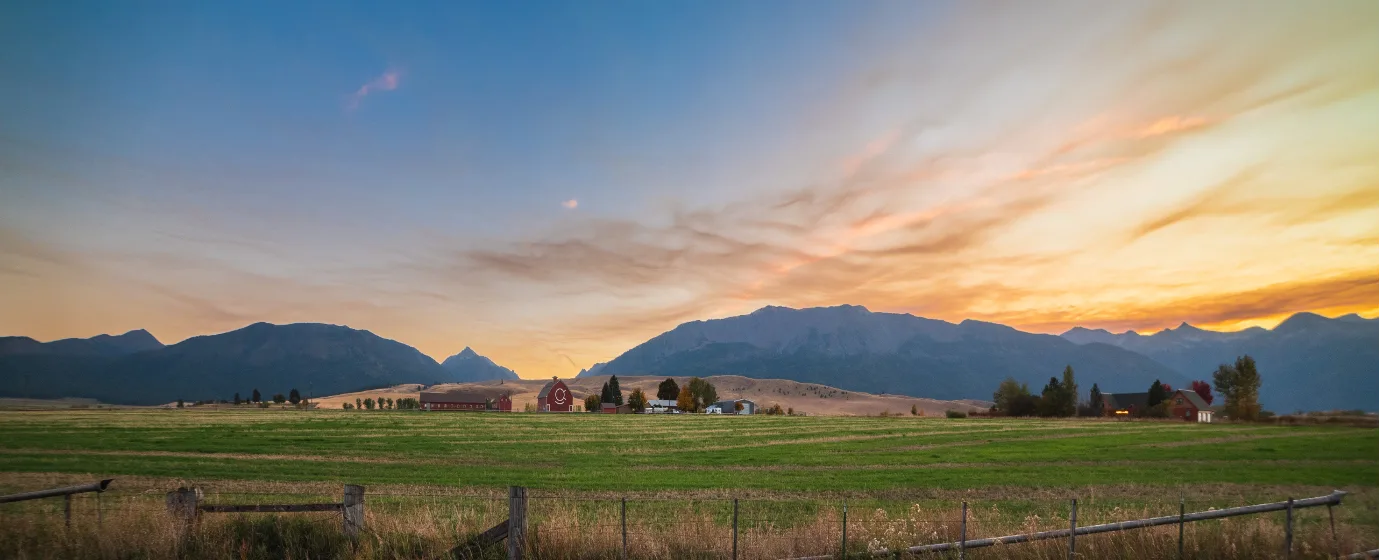
People who move to La Grande expecting a quiet Eastern Oregon college town often need a few months to understand what they've actually landed in: a city of 13,058 surrounded by some of the most varied public land in the Pacific Northwest, with trailheads and wildlife areas reachable before your first cup of coffee is finished. The Grande Ronde Valley sits between the Blue Mountains and the Wallowas, and that geography shapes daily life here in ways that no other amenity list can replicate. I-84 runs through town and gives you the valley's spine, but it's what lies off it — the wetlands, the mountains, the motor-free lake a few miles out — that defines the city's recreational character.
For many people who choose La Grande over larger Oregon cities, outdoor access is a core part of the affordability calculation. The typical home price of $305,990 (July 2026) is well below what comparable acreage and trail access would cost in Bend or Hood River, and that gap shows up not just in real estate but in lifestyle. You don't have to drive two hours to find solitude. Mount Emily Recreation Area is two miles north of town. Ladd Marsh Wildlife Area is five miles south. Riverside Park's Greenway Trail trailhead is practically in the city's backyard. For a closer look at how that price compares to nearby communities, see the cost of living page.
La Grande has 192 sunny days a year — a figure that surprises people expecting the gray perpetuity of the Willamette Valley. The summers are warm and dry enough to make the most of the region's river corridors and high-country terrain. Winters are real — cold, with genuine snow — but the presence of Anthony Lakes Mountain Resort roughly 45 miles away turns that into an asset rather than a burden. This is not a city where outdoor recreation is a weekend hobby for some residents; it's a structuring principle for a lot of people's lives here.
The sections below break down La Grande's signature parks and trails, its water recreation, the mountain and seasonal options that put this city on a different tier from most small Oregon towns, and the regional basecamp role it plays for Eagle Cap Wilderness, Hells Canyon, and the Wallowa-Whitman National Forest.
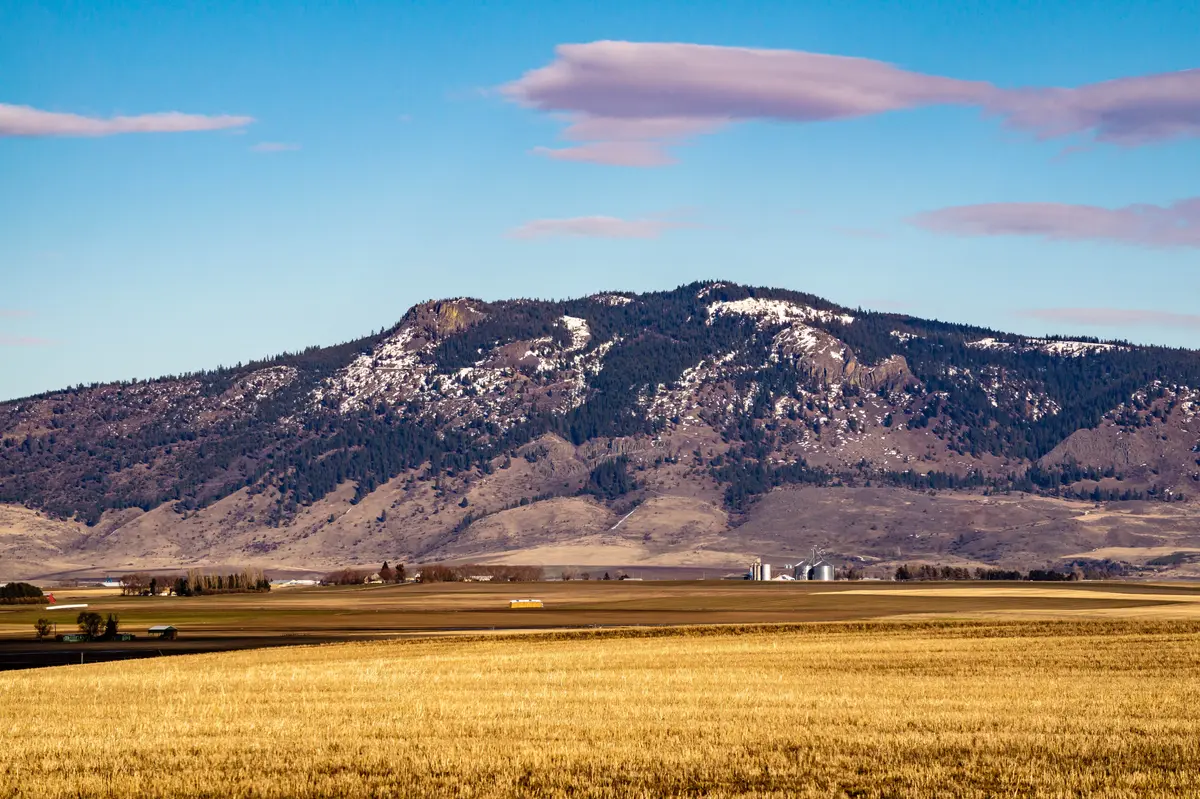
City Parks: Pioneer Park, Riverside Park, and the Greenway Trail
La Grande's two anchor parks do very different jobs, and understanding which is which matters if you have kids, a dog, or a bike.
Pioneer Park is where organized sport lives. Youth baseball, softball, soccer, and football leagues all use its two lighted fields, and the concession stand runs through the busy season. The Veterans' Memorial Swim Pool — an indoor pool with an attached outdoor splash park — sits inside the park complex, which also houses a 15,000-square-foot Skate Park. If you're moving here with school-age children and wondering where their Saturday mornings will go, Pioneer Park is likely the answer. Youth sports programming here is worth connecting with early; leagues fill up and the park runs at full capacity during the warm months.
Riverside Park takes a different approach. Set along the Grande Ronde River, it holds the city's largest playground, a rentable pavilion, horseshoe pits, sand volleyball courts, and a dog park — all of which make it the gathering place for a different kind of afternoon than Pioneer Park. It also carries the trailhead for the Greenway Trail, which is where the park earns its most lasting use.
The Grande Ronde River Trail (Greenway Trail)
The Greenway Trail — formally the Grande Ronde River Trail — follows the river through a riparian corridor that feels genuinely removed from the surrounding valley. A paved path loops through open grassy fields, crosses a bridge, and follows the river eastward through wetland habitat that draws multiple bird species throughout the year. It's flat, accessible, and long enough to use as a daily run or a family walk.
What locals know about the Greenway that newcomers miss: it's the kind of trail that becomes habitual. Residents who move here from cities with elaborate trail systems are sometimes skeptical at first, then quietly add it to their morning routine within a few weeks. It is not dramatic terrain. It is a well-maintained, genuinely pleasant river trail that happens to start from a park with a dog run and a volleyball net.
Best for: Families Nature
Morgan Lake: La Grande's Motor-Free Fishing and Camping Destination
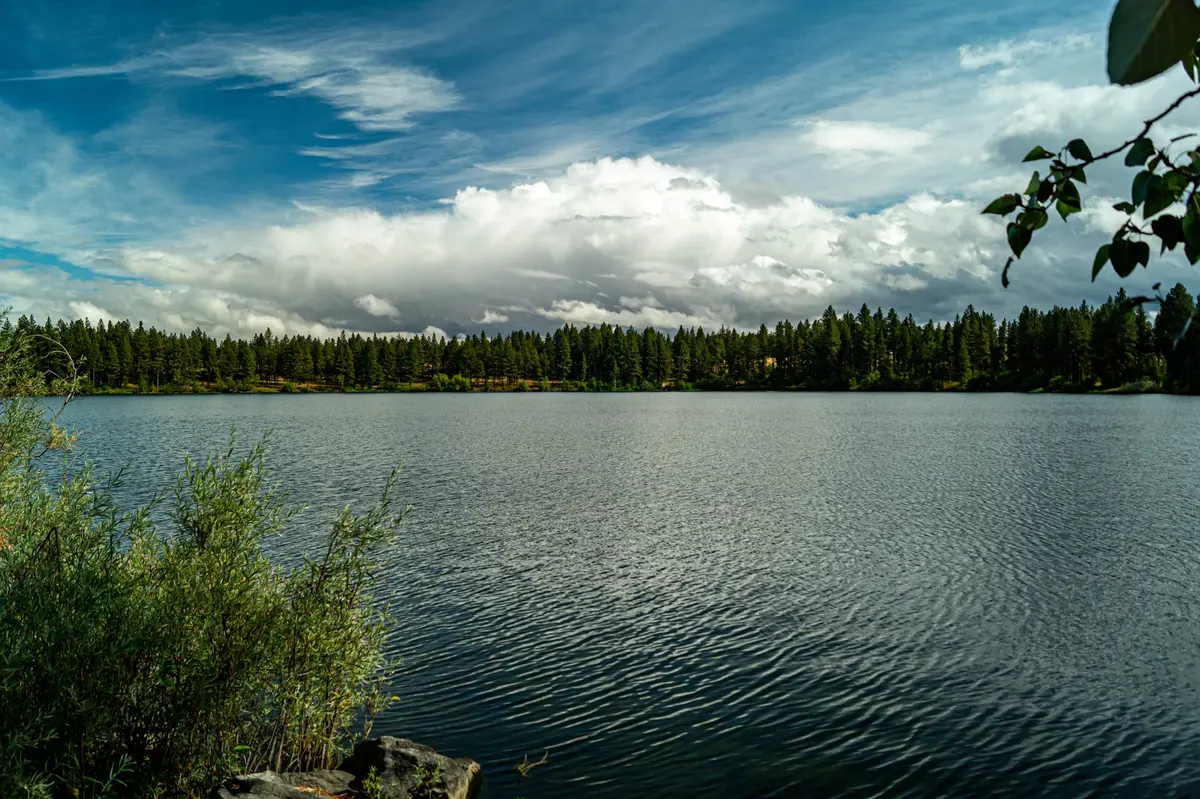
Morgan Lake is the park that makes people reconsider whether they need to drive anywhere on a Tuesday evening. Managed by the City of La Grande, this motor-free lake sits a few miles outside town in the Morgan Lake neighborhood — close enough to visit after work, far enough to feel like a real escape.
During the main season, which runs approximately April 22 through October 31, the lake is open for fishing, nature hiking, and free camping with a three-night maximum stay. The no-motorized-boat rule is what makes it worth the drive: the water is quiet, the pace is unhurried, and the experience is closer to a backcountry lake than a developed recreation area. Oregon Department of Fish and Wildlife stocks it annually with approximately 23,000 fingerling rainbow trout and up to 2,000 legal-size fish, which makes it productive enough to justify a regular visit through the fishing season.
The Winter Policy Change Worth Knowing
In December 2025, La Grande Parks and Recreation expanded Morgan Lake's seasonal policy to allow walk-in day use during the winter months — a departure from the lake's previous tradition of full winter closure. Restrooms, direct lake access, fishing, camping, and fires remain off the table in the off-season, but the ability to walk in and move around the area through winter is a meaningful change for residents who had previously lost the site entirely after October.
The honest caveat: if you're arriving in late fall expecting the full fishing and camping experience, the seasonal limits matter. The lake rewards people who pay attention to the calendar. Those who show up unprepared in November and find restricted access aren't wrong — they're just early by about five months.
Best for: Nature Quiet Families
Ladd Marsh, Mount Emily, and the Wildland Access That Sets La Grande Apart
Two spots within a short drive of downtown represent the kind of recreation access that residents from larger cities genuinely don't expect to find at this price point.
Ladd Marsh Wildlife Area
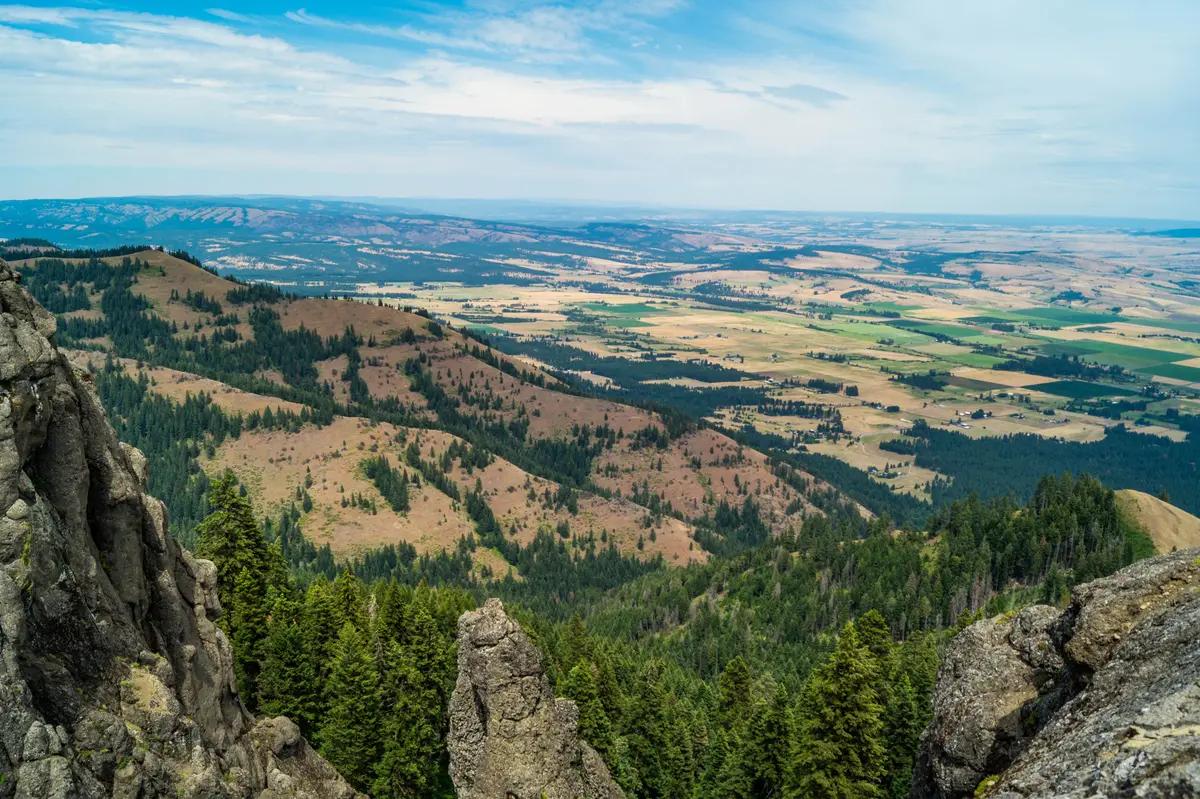
Five miles south of La Grande, Ladd Marsh Wildlife Area covers 6,000 acres managed by the Oregon Department of Fish and Wildlife — roughly half of it marshland. Six miles of hiking trails wind through the complex, accompanied by a one-mile auto tour route, wildlife-viewing platforms, a stocked fishing pond, and waterfowl hunting blinds. More than 225 bird and wildlife species have been documented here.
For birders, Ladd Marsh is one of the better sites in Eastern Oregon. The annual Ladd Marsh Bird Festival, held the third weekend in May, draws participants from across the region and is a genuine community event — not a tourist attraction, but the kind of thing that fills a morning and introduces you to people who've lived here for decades. An ODFW Wildlife Area Parking Permit is required for access.
What surprises newcomers about Ladd Marsh after their first season: it produces consistently, across activities. Birding is the marquee draw, but the fishing pond, the hiking trails, and the autumn waterfowl season each bring their own crowd. It's a rare area that doesn't go quiet when any one season ends.
Mount Emily Recreation Area
About two miles north of La Grande, Mount Emily Recreation Area — known locally as MERA — is the city's mountain biking hub and a legitimate four-season trail system. Miles of singletrack and double-track serve mountain bikers of varying abilities. Hikers and equestrians have dedicated routes. ATV and ORV riders have their own trails. When snow arrives, MERA converts to cross-country skiing and snowshoeing terrain.
The proximity is the point. This is not a destination you drive to on a dedicated trip — it is two miles from town, which means weeknight use is practical and accessible in a way that no comparable system near a larger Oregon city manages. Riders who relocate from Portland are often caught off guard by how quickly they can be on singletrack from a La Grande address.
| Destination | Distance from La Grande | Primary Use | Season |
|---|---|---|---|
| Ladd Marsh Wildlife Area | 5 miles south | Birding, hiking, hunting, fishing | Year-round (permit required) |
| Mount Emily Recreation Area (MERA) | ~2 miles north | Mountain biking, hiking, ATV, XC skiing | Year-round |
| Morgan Lake | A few miles from town | Fishing, camping, hiking | Warm season (walk-in in winter) |
| Hilgard Junction State Park | Regional, Grande Ronde River | Camping, rafting access | Spring–fall |
| Wallowa-Whitman National Forest | Regional | Hiking, camping, hunting, fishing | Year-round |
| Eagle Cap Wilderness | Regional | Backpacking, fishing, horses | Summer–fall |
The table above captures the immediate radius. The broader regional picture adds Hells Canyon National Recreation Area and Hilgard Junction State Park — both accessible from La Grande — making the city a legitimate basecamp for some of the most remote terrain in the lower 48.
Best for: Nature Views Privacy
Looking to buy in La Grande? Estimate your payment.
Enter your numbers to see an estimated monthly mortgage payment.
Estimate only. Excludes HOA fees and mortgage insurance. The interest rate above is a starting point, not a quoted rate — replace it with your own to see real numbers. Insurance is a flat placeholder, not a La Grande quote.
Mountain Recreation: Anthony Lakes and the Four-Season Case for La Grande
Most small Oregon cities at La Grande's population size don't have a ski resort within an hour's drive. La Grande does.
Anthony Lakes Mountain Resort sits roughly 45 miles away in the Wallowa-Whitman National Forest and holds the highest base elevation of any ski area in Oregon, at 7,100 feet. That altitude means quality snow: the resort receives approximately 300 inches of snowfall annually, and the season typically delivers the dry, cold-weather powder that coastal mountains don't reliably produce. The area covers 1,100 skiable acres across 21 downhill runs, with groomed Nordic trails, snowcat skiing, and rentals available. It is not a mega-resort, and that is not a complaint — the crowds that define weekends at larger destination mountains are not the Anthony Lakes experience.
Summer at Anthony Lakes
When the snow clears, the same terrain converts to mountain biking, camping, fishing, and hiking. The elevation keeps temperatures reasonable even in August, and the high-country lakes draw anglers and hikers looking for relief from the valley heat. Residents who treat Anthony Lakes as a winter resource and ignore the summer side are leaving significant recreational value on the table.
What the Proximity Actually Means
A family moving from a coastal city to La Grande sometimes underestimates what 45 miles to a ski resort means in practical terms. It is a day trip, not a vacation — you can ski in the morning and be home for dinner. For parents with ski-age children, that changes the math on what winters here look like. The resort offers ski and snowboard rentals, which removes the equipment barrier for newcomers testing whether the season will become a habit.
The honest trade-off: Anthony Lakes is not open every day of winter, it is a smaller mountain than destination resorts in central Oregon, and the drive on snow-covered roads in poor conditions requires appropriate tires and attention. Anyone arriving from a place without real winter should plan accordingly before their first season.
The Regional Picture
La Grande's position in the Grande Ronde Valley puts it within reach of Eagle Cap Wilderness — one of the largest wilderness areas in Oregon — as well as Hells Canyon National Recreation Area and the full expanse of Wallowa-Whitman National Forest. OR-82, the Wallowa Lake Highway, runs east from La Grande toward Joseph and Wallowa Lake, and that corridor is reason enough for some people to choose this city over any other Eastern Oregon option. The mountains here are not backdrop; they are accessible, on any weekend, without a permit lottery or a four-hour drive.
People who leave La Grande typically cite job limits or the distance from a major metro — not the recreation. That is a reliable signal about what the outdoor access here actually delivers.
Best for: Nature Views Families
Local Expert Takeaway: La Grande's outdoor access is the city's most underappreciated asset. Morgan Lake gives you free camping and stocked fishing a few miles from downtown. Ladd Marsh Wildlife Area produces year-round — birding, hiking, hunting, fishing — across 6,000 acres five miles south. Mount Emily Recreation Area is two miles north and operational in every season. Anthony Lakes is 45 miles out and holds Oregon's highest ski base. If you are evaluating La Grande against other Eastern Oregon cities and weighing what your weekends will look like, the recreational footprint here is the decisive argument.
Quick Takeaways & FAQs
✅ Morgan Lake offers free camping and ODFW-stocked rainbow trout fishing with no motorized boats — rare for a city-managed lake this close to town.
⚠️ Anthony Lakes Mountain Resort is roughly 45 miles away and is a genuine day trip, not a vacation — but the mountain is smaller than destination resorts and the road conditions in winter require real preparation.
📍 Mount Emily Recreation Area sits two miles north of town with singletrack for mountain bikers, ATV routes, equestrian trails, and cross-country skiing — practical for weeknight use in a way most comparable trail systems are not.
Is Morgan Lake open year-round in La Grande?
What is the closest ski area to La Grande, Oregon?
Is Ladd Marsh Wildlife Area good for birdwatching?
Does La Grande have mountain biking trails close to town?
What major wilderness areas are accessible from La Grande?
Moving to Oregon?
Tell us what you need help with and we'll connect you with local resources.
