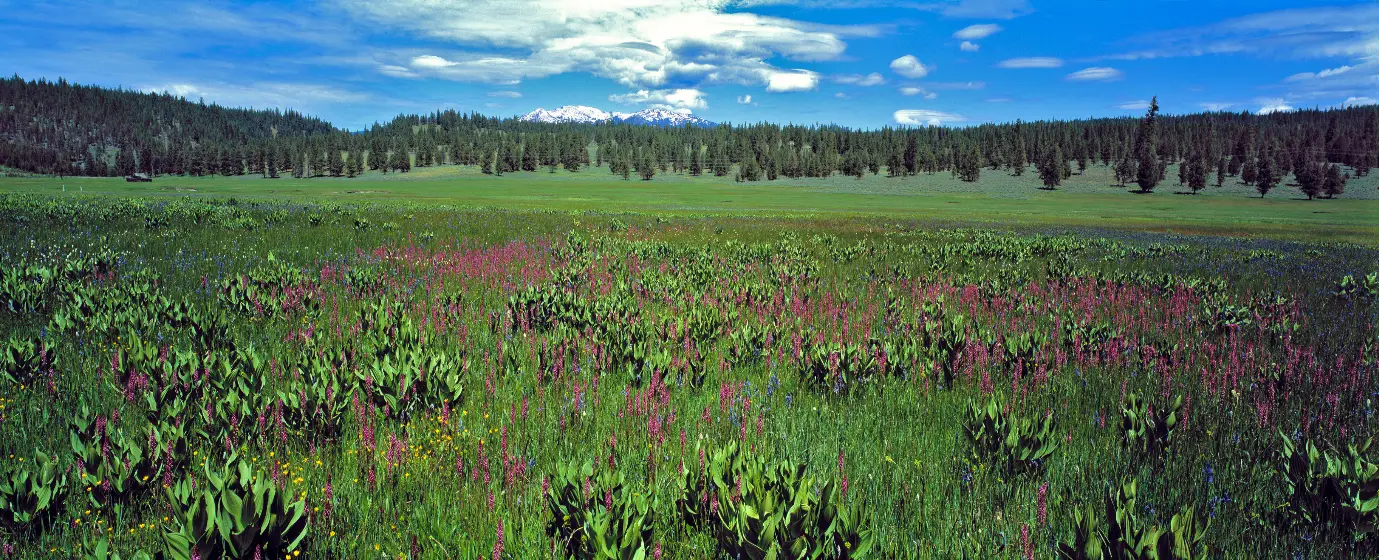
Maybe your remote job just gave you a permanent green light. Maybe you've watched coastal California prices climb past any realistic entry point and someone mentioned a small high-desert city in eastern Oregon where the median home costs less than the down payment on a Bay Area condo. Whatever brought Burns to your attention, the first thing to understand is that this is not a compromise version of Oregon — it is a genuinely different way of living. Burns sits at roughly 4,100 feet elevation in Harney County, one of the largest counties by land area in the contiguous United States, surrounded by sagebrush flats, rimrock, and the kind of silence that takes a few weeks to stop feeling strange.
The city of 2,723 people is the county seat and the commercial center for an enormous stretch of eastern Oregon. Harney County, Burns Paiute Tribe government, Harney County School District, and Safeway represent the core of local employment, and a regional hospital anchors routine care for the area. Many residents who move here from California are either remote workers who have decoupled income from geography, retirees looking to stretch a fixed income, or people with a specific draw — ranching, birding, hunting, or simply the desire to own land outright without debt. The trade-off is honest: Burns is about 130 minutes to Bend, OR, and the services, dining, and cultural amenities that come with a larger metro are a significant drive away.
The cost picture is the clearest argument for the move. The typical Burns home was valued at $191,972 in July 2026 — a figure that sits dramatically below California's statewide typical home value of $773,735 (Zillow ZHVI). Oregon has no state or local sales tax, which erases a tax you have been paying your entire California life. Utilities for a modest home run an estimated $100 to $180 per month seasonally, and combined rent, groceries, and utility costs in Burns are estimated around $1,400 per month — a figure from FastFoodClub.com that should be read as directionally illustrative rather than a precise budget tool, but is consistent with what longtime residents report. Healthcare premiums tend to run noticeably below California levels, though you will drive farther for specialist care than you were accustomed to.
Whether you are seriously considering the move or just running the numbers, the sections below break down the California-to-Burns comparison on home prices, taxes, income, daily costs, and lifestyle — along with the honest trade-offs that no spreadsheet captures on its own.
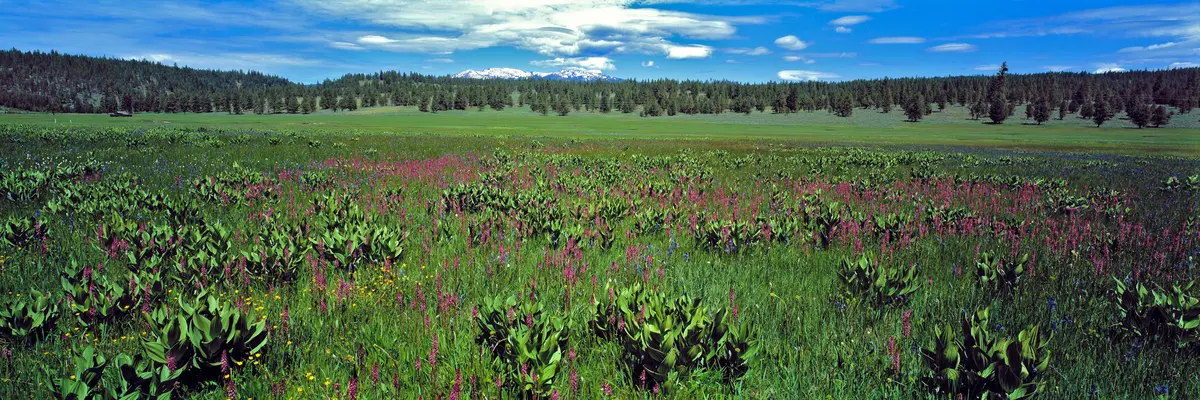
The Home Price Gap: What Your California Equity Actually Buys Here
The arithmetic is stark enough that it bears stating plainly before anything else. California's statewide typical home value of $773,735 (Zillow ZHVI) is more than four times Burns's typical home price of $191,972 as of July 2026. For a Californian selling with equity, that gap can mean purchasing outright in Burns, or owning free-and-clear and banking the difference.
What does $191,972 buy in Burns? Typically a detached single-family home with a yard — not a condo, not a townhome share, not a bidding-war fixer. Older construction from the mid-20th century dominates the inventory, and homes in that price range often include multiple bedrooms, a garage, and room to add outbuildings on the lot. Buyers coming from California who have only ever seen that kind of footprint at twice or three times the price tend to need a moment to recalibrate.
Entry into the Burns market is meaningful even by Oregon standards. The state's overall cost of living runs above the national average, driven almost entirely by housing in the Willamette Valley and the coast — but rural high-desert communities like Burns sit well below that statewide average. For a full cost-of-living comparison, the dedicated page breaks down groceries, utilities, and rent alongside the housing picture.
The Equity Conversation
Many California transplants arrive with proceeds from a sale and can close on a Burns home without a mortgage, or with one so modest that the monthly payment is negligible. That structural freedom changes what a $41,858 median household income — which is Burns's local figure — can actually support. A California income that felt unremarkable there can fund a genuinely comfortable life here when housing is no longer the dominant line item.
The nearby-city picture is straightforward: Hines, the small city immediately adjacent to Burns, runs noticeably higher than Burns's typical price. Crane comes in at about the same level. Riley sits somewhat lower. None of them represent a meaningfully different lifestyle calculation — this is a rural region where the market tiers are close together.
Best for: Value First-Time Buyers Renters Ready to Own
Taxes: The Full Oregon Picture for California Transplants
The sales tax swap is the most immediate change. Oregon has no state or local sales tax — one of only five states nationwide with that distinction. California's statewide base sales tax rate of 7.25% (California Dept. of Tax and Fee Administration) is already the highest in the country, and local additions push the combined average higher still. Every grocery run, every hardware store visit, every vehicle purchase in Oregon happens without that added percentage. Over a full year of household spending, that is a material difference in what you keep.
Income Tax: The Counter-Intuitive Part
This is where California transplants get surprised, and it is worth reading carefully. California's top state income tax rate of 13.3% (California Franchise Tax Board) applies only to the highest earners — it kicks in well above the income levels most Burns residents will ever see. Oregon's top rate of 9.9% is lower in headline terms, but Oregon's brackets are compressed: the 9.9% rate applies at $125,000 of taxable income for single filers and $250,000 for joint filers. That means many middle-income earners face a higher effective state income tax in Oregon than they did in California.
Oregon does offer one partial offset: residents can subtract a portion of federal income taxes paid from Oregon taxable income. This benefit is most meaningful for low- and moderate-income filers, and it phases out entirely for joint filers with federal adjusted gross income above $290,000.
The practical read: if you are a remote worker earning a California-level tech salary, you may find Oregon income tax not much lower than what you were paying. If you are a retiree drawing modestly from Social Security and a small pension, the federal subtraction and lower bracket exposure may genuinely reduce your tax bill. Run the actual numbers with a tax professional, particularly for the year of the move — multi-state partial-year returns covering both California and Oregon are complex, with different deadlines and rules to prevent double taxation.
Property Tax: Expect a Modest Step Up
California's effective property tax rate of 0.71% (Zillow ZHVI) is constrained by Proposition 13's assessment caps, which protect long-term owners from reassessment as values rise. Burns carries an effective property tax rate of 0.97% — modestly higher than what you were paying in California, especially if you have owned your California home for many years and benefited from Prop 13 suppressing your assessed value well below market. On a $191,972 purchase, the practical dollar impact remains small, but the rate itself is higher, and that surprises some buyers who assumed they were moving to a lower-tax state across the board.
| Tax Category | California | Burns / Oregon | Net Direction for Most Transplants |
|---|---|---|---|
| Sales Tax | California's statewide base sales tax rate of 7.25% (plus local) | None | Savings — immediate and ongoing |
| Top Income Tax Rate | California's top state income tax rate of 13.3% | 9.9% (OR top rate) | Lower top rate, but brackets hit sooner in OR |
| Effective Property Tax Rate | California's effective property tax rate of 0.71% | 0.97% | Modestly higher in Burns |
| Federal Tax Subtraction | Not available | Available (phases out above ~$290K AGI) | Benefit for moderate-income filers |

Daily Life Costs: What Actually Changes When You Arrive
The most common reaction from Californians six months into Burns is surprise at how little the monthly nut actually is — not because of one dramatic line item, but because everything is cheaper at once. Groceries, fuel, dining out, the occasional repair call — none of it carries the coastal premium that accumulated invisibly in California.
Utilities and the High-Desert Winter
Utility bills for a modest Burns home are estimated to run between $100 and $180 per month depending on the season. The high desert winters are real: Burns sits at elevation, and the stretch from November through February pushes heating costs up meaningfully. Californians who have never paid for serious home heating sometimes underestimate this — budget for it rather than treating winter utility costs as a surprise.
Internet access exists through local providers, but options are more limited than anything you were used to in California. If your remote work depends on fast, reliable connectivity, verify coverage at the specific address before committing to a purchase. This is not a small thing in a community where remote work is often the reason for the move.
The Gas Station Adjustment
One small but genuine lifestyle shift: Oregon is one of the last states where station attendants pump fuel. You do not pump your own gas. For longtime Californians, this is either a pleasant throwback or momentarily confusing — usually both on the first fill-up.
What You Give Up
Burns has a Safeway and a handful of local shops, but serious retail shopping means a drive. A household that ran to a specialty grocery, a big-box electronics store, or a wide restaurant selection several times a week in California will find that rhythm simply does not exist here. Most residents order a significant portion of their goods online, plan larger shopping trips, and adjust expectations about spontaneous errands. That adjustment is real, and people who underestimate it are among those who end up moving back.
For a complete breakdown of groceries, utilities, and transportation costs, see the Burns cost-of-living page.
Looking to buy in Burns? Estimate your payment.
Enter your numbers to see an estimated monthly mortgage payment.
Estimate only. Excludes HOA fees and mortgage insurance. The interest rate above is a starting point, not a quoted rate — replace it with your own to see real numbers. Insurance is a flat placeholder, not a Burns quote.
What California Transplants Should Know About Burns Before They Arrive
California is the single largest source of Oregon's inbound movers — 22% of all in-state arrivals in 2025 came from California, according to United Van Lines' annual study. Most of that flow goes to Portland, Bend, and the Willamette Valley. Burns catches a much smaller slice: people who specifically want rural, want land, want quiet, or have priced themselves into a corner in the larger Oregon markets.
The Isolation Is Structural, Not Incidental
Burns is not a suburb of anything. It is a self-contained county seat in one of the most sparsely populated regions of the lower 48. The drive to Bend is about 130 minutes — not a quick trip for a dinner out or a medical specialist. That distance shapes every aspect of life here, from where you grocery shop to how you approach planning ahead. People who move here from dense California metro areas and expect to pop into the city regularly find the mental adjustment harder than the financial one.
The School Picture
Harney County School District 3 holds a C- rating, according to Niche, and serves 670 students enrolled in 2025-26. On 2024-25 state assessments, 18% of students reached math proficiency and 26.6% reached reading proficiency. Families with school-age children should read this honestly rather than hoping it improves once they arrive. The district offers active OSAA athletics programs, and the community connection around school events — Friday night football especially — is genuine and tight-knit. But the academic numbers are what they are, and California transplants accustomed to higher-performing suburban districts will notice the difference. The full picture is on the Burns schools page.
Safety in Context
Burns carries a violent crime rate of 1.9 per 1,000 residents and a property crime rate of 13.7 per 1,000 residents — both well below Oregon's state rates of 3.3 violent and 24.5 property per 1,000, and below national benchmarks of 3.7 violent and 18.4 property per 1,000. For Californians coming from high-crime urban neighborhoods, that comparison will feel like an immediate upgrade. For those coming from already-safe California suburbs, the numbers are still favorable. The Burns safety page has the full breakdown.
What Brings People Here — and What Sends Them Back
People who stay in Burns after the first year typically cite the same things: land ownership they could not afford anywhere else, access to the Malheur National Wildlife Refuge just south of the city, the absence of traffic and noise, and a community small enough that neighbors are genuinely neighbors. People who leave cite isolation, limited dining and entertainment, the school district, and winters that hit harder than they anticipated. Neither group is wrong — they simply needed different things.
Weekends, Local Character, and What Burns Actually Feels Like
Burns does not perform for visitors the way a resort town does. It is a working ranching and government community, and the texture of daily life reflects that honestly. The Harney County Historical Museum anchors whatever sense of civic identity the downtown holds, and the Harney County Courthouse is the functional center of county government. The Harney County Fairgrounds draws the community together around the annual fair in a way that surprises people who assumed a town this size would have little civic energy.
The Outdoor Draw Is the Real Story
Malheur National Wildlife Refuge, about 32 miles south of Burns, encompasses over 187,000 acres of wetlands, riparian areas, and meadows along the Pacific Flyway. More than 340 bird species pass through or nest there, making it one of the premier birding destinations in North America. Spring migration brings birders from across the continent, and the refuge is the reason many people first put Burns on a map. If you are not a birder when you arrive, there is a reasonable chance you become one.
Beyond the refuge, the broader Harney Basin and surrounding public lands offer hunting, fishing, hiking, and the kind of wide-open landscape that does not exist at this scale anywhere on the California coast. Burns gets 211 sunny days a year — more than Seattle or Portland by a considerable margin — and the high-desert light in summer and fall is something that regular visitors remark on.
The Local Scene
The dining and coffee options in Burns are genuinely local, and the community takes them seriously. The Pine Room, Glory Days Pizza, Central Pastime Restaurant, El Toreo Family Restaurant, and Broadway Deli are the anchors of the local food scene. For coffee, Bella Java, Jitters Revolution, Annie's Bakery, and Steens Mountain Coffee Co. are where regulars land in the morning. None of these are chains. All of them are small, locally owned, and the kind of places where the staff learns your order. That is the trade: you lose variety, you gain familiarity.
For Californians accustomed to a restaurant scene with dozens of options across every cuisine, the adjustment is real. For those who were increasingly finding the density of choices exhausting rather than appealing, Burns is a relief. The community here gathers around what it has, and what it has is genuinely its own.
Whether Burns is a match depends less on your financial spreadsheet — which almost always favors the move — and more on what you actually need from daily life. The living in Burns overview covers who tends to thrive here and who tends to leave.

Local Expert Takeaway: Burns is one of the most affordable real estate markets in Oregon, and for Californians carrying equity from a sale, the gap between what you sold for and what you pay here can be genuinely life-changing. The tax math is nuanced — Oregon's no-sales-tax advantage is real and immediate, but income tax is not a simple win over California for middle-income earners, and the property tax rate is modestly higher. The harder adjustment is not financial. It is the isolation: about 130 minutes to Bend with no shortcuts, limited retail, and a school district that is transparent about where it stands. The people who move here and stay are the ones who wanted land, quiet, and the Malheur refuge on their doorstep — and who planned for winters and long drives rather than hoping they wouldn't matter.
Quick Takeaways & FAQs
✅ Burns's typical home price of $191,972 (July 2026) is dramatically below California's statewide typical home value, giving equity-rich California sellers a rare chance to own outright in Oregon.
⚠️ Oregon's income tax is not a blanket win over California — the 9.9% top rate hits at $125,000 for single filers, meaning many middle-income earners pay more in Oregon than they did in California.
📍 The Malheur National Wildlife Refuge, about 32 miles south of Burns, draws serious birders from across the continent and is one of the premier birding destinations in North America — it is a genuine reason people relocate here, not just a footnote.
How much cheaper are homes in Burns, Oregon compared to California?
Does Oregon have lower income taxes than California for people moving from California?
What is the property tax rate in Burns, Oregon, and how does it compare to California?
What are the biggest lifestyle adjustments for Californians moving to Burns?
Is Burns, Oregon a good place to move from California if I have kids in school?
Moving to Oregon?
Tell us what you need help with and we'll connect you with local resources.
