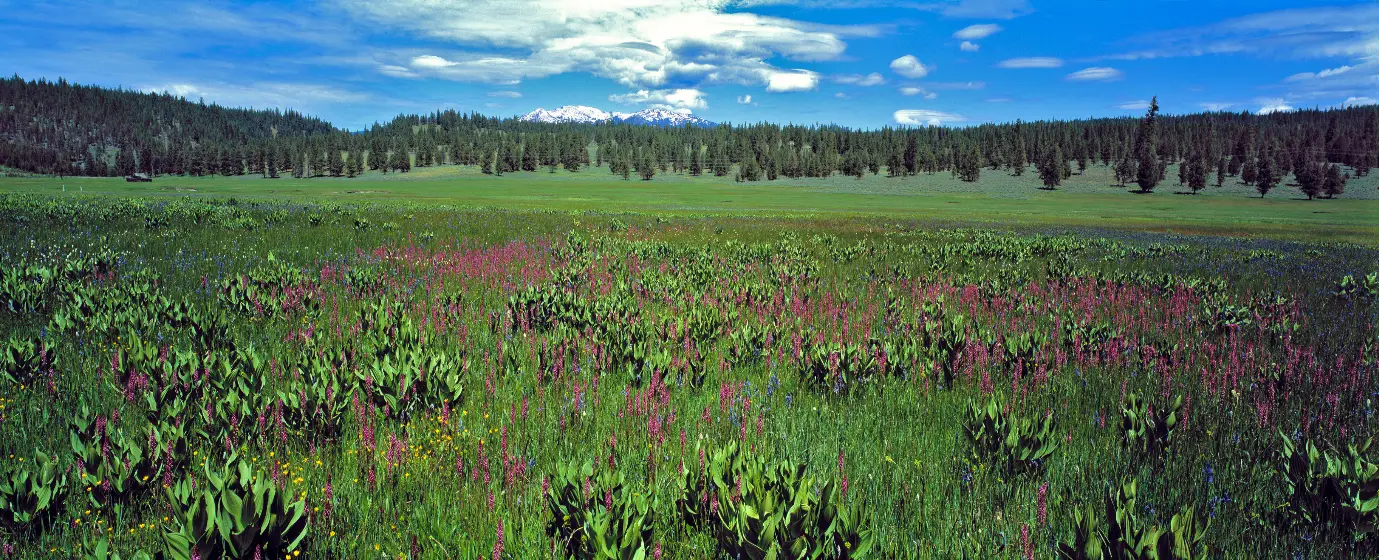
Most people moving to a small city ask whether it has enough to do. In Burns, the question flips: can you handle 211 sunny days a year with nothing between you and 187,000 acres of federally protected wetlands and high desert except a 30-mile drive south on OR-78? This is a city of 2,723 people sitting at the edge of one of the most ecologically significant landscapes in the American West. The Malheur National Wildlife Refuge isn't a weekend bonus — it's the organizing fact of outdoor life here, and it shapes everything from how long birders stay to which months feel like an event.
Burns sits at the intersection of US-20 and US-395 in Harney County, and that geography is both its limitation and its gift. The nearest large city is about 130 minutes to Bend, OR, which means residents build their recreational lives close to home. What they have access to is genuinely extraordinary by any measure: a Pacific Flyway stopover that ornithologists regard as among the most critical in the western United States, Ponderosa pine camping in Malheur National Forest, a community trail flat enough for a stroller but long enough to clear your head, and a fairgrounds that functions as the social hub of the whole county.
The High Desert Park & Recreation District coordinates community programming — aquatics, youth sports, fitness — filling in what a town this size can't support through private gyms or commercial recreation. The seasonal outdoor pool draws families through the warm months, and the Harney County Fairgrounds runs community events year-round. None of this is fancy. What it is, is real: outdoor recreation that is free or nearly free, accessible to everyone, and genuinely irreplaceable at any price point.
Whether you're deciding whether to move here or already packing, the sections below cover Burns's signature trails and parks, the Malheur refuge in depth, the campgrounds and seasonal recreation north of town, and the community events that punctuate the calendar.
Trails and Parks Inside Burns
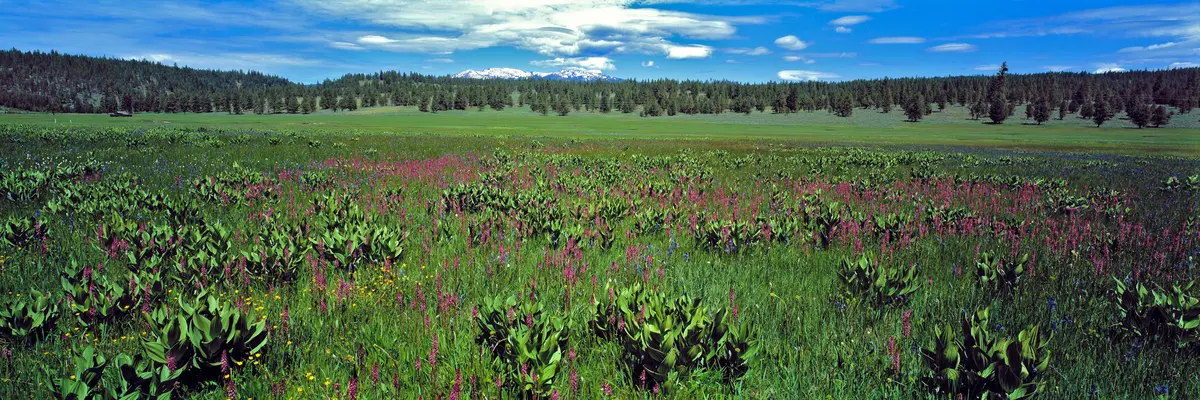
The Harney Wildlife Parkway, also called the Burns Nature Trail, is the city's go-to everyday route: a 3.1-mile out-and-back with only 13 feet of elevation gain, running on packed gravel and accessible to walkers, joggers, and cyclists of nearly any ability level. It's the kind of trail that makes a small city feel larger than its population suggests — a place to decompress after work, to get a toddler outside, or to cover ground quickly before the high desert heat sets in.
What makes the trail particularly useful is that it sits close to downtown Burns, so you don't need a car to reach it. In a county where most recreation requires a drive, that proximity matters daily. The packed gravel surface holds up through the dry summer months and keeps the route passable when conditions are mild.
Beyond the nature trail, the High Desert Park & Recreation District operates the community's organized recreation infrastructure. The district runs a seasonal outdoor pool with swim lessons structured by skill level, drop-in water aerobics, and the Hi-Desert Swim Team for competitive-track swimmers. For families with kids in the water-safety or competitive age range, this is one of the most practical amenities the city offers. Youth sports and additional programming through the district are covered in more detail on the schools page.
The honest trade-off: Burns has no extensive urban trail network, no large municipal recreation center, and no commercial climbing gym or indoor sports complex. What it has, it does well — but residents who need variety close to home will exhaust local options quickly and need to embrace the surrounding public lands. That's not a criticism so much as the defining character of life here: the outdoors is vast, and most of it starts past the city limits.
Malheur National Wildlife Refuge
Thirty miles south of Burns on OR-78, Malheur National Wildlife Refuge covers over 187,000 acres of shallow lakes, marshes, meadows, and high desert upland. It is one of the largest migratory bird refuges in the country and — for anyone with even a passing interest in wildlife — the single most compelling reason to live in Burns rather than any other small Oregon city of similar size.
The numbers behind the refuge are genuinely hard to absorb at first. More than 340 bird species have been documented here, along with 67 mammal species. The refuge supports over 20 percent of Oregon's breeding population of greater sandhill cranes, and historical counts suggest it may shelter a significant share of Pacific Flyway migrating populations for certain priority waterfowl species — a range that reflects how variable migration conditions are year to year, not uncertainty about whether the birds show up.
The Harney Basin is widely recognized by ornithologists as one of the most important spring migratory bird stopover areas remaining in the western United States — a destination that serious birders plan trips around, not just an incidental stop on a broader route. Late winter through the end of May is the peak window, when waterfowl and songbird variety is greatest. Sandhill cranes, tundra swans, snow geese, avocets, and dozens of duck species move through in numbers that genuinely require seeing to believe.
The refuge is free to visit and open daily. There are no fees, no reservations required for general access, and no commercial development inside the boundaries. This is as close as you get to protected wilderness without a permit system. For residents, that means a destination that rewards repeated visits — early spring for cranes, late spring for shorebirds, summer for breeding raptors, fall for the return migration.
| Feature | Detail |
|---|---|
| Total acreage | Over 187,000 acres |
| Bird species documented | More than 340 |
| Mammal species | 67 |
| Sandhill crane significance | Over 20% of Oregon breeding population |
| Peak wildlife viewing season | Late winter through end of May |
| Distance from Burns | Roughly 30 miles south via OR-78 |
| Entry fee | Free |
One friction moment new residents don't expect: the refuge is not a manicured park. Roads inside the boundary can be rough, some areas flood seasonally, and conditions change quickly in early spring. In 2025, severe regional flooding disrupted access entirely. Living near Malheur means accepting that some seasons are spectacular and some are logistically complicated — the landscape operates on its own schedule, not yours.
What no other Oregon city this size can offer is having this in your backyard. Burns residents treat the refuge the way people in larger cities treat a favorite hiking trail — a regular Tuesday destination, not a once-a-year trip.
Idlewild Campground and Forest Recreation North of Town
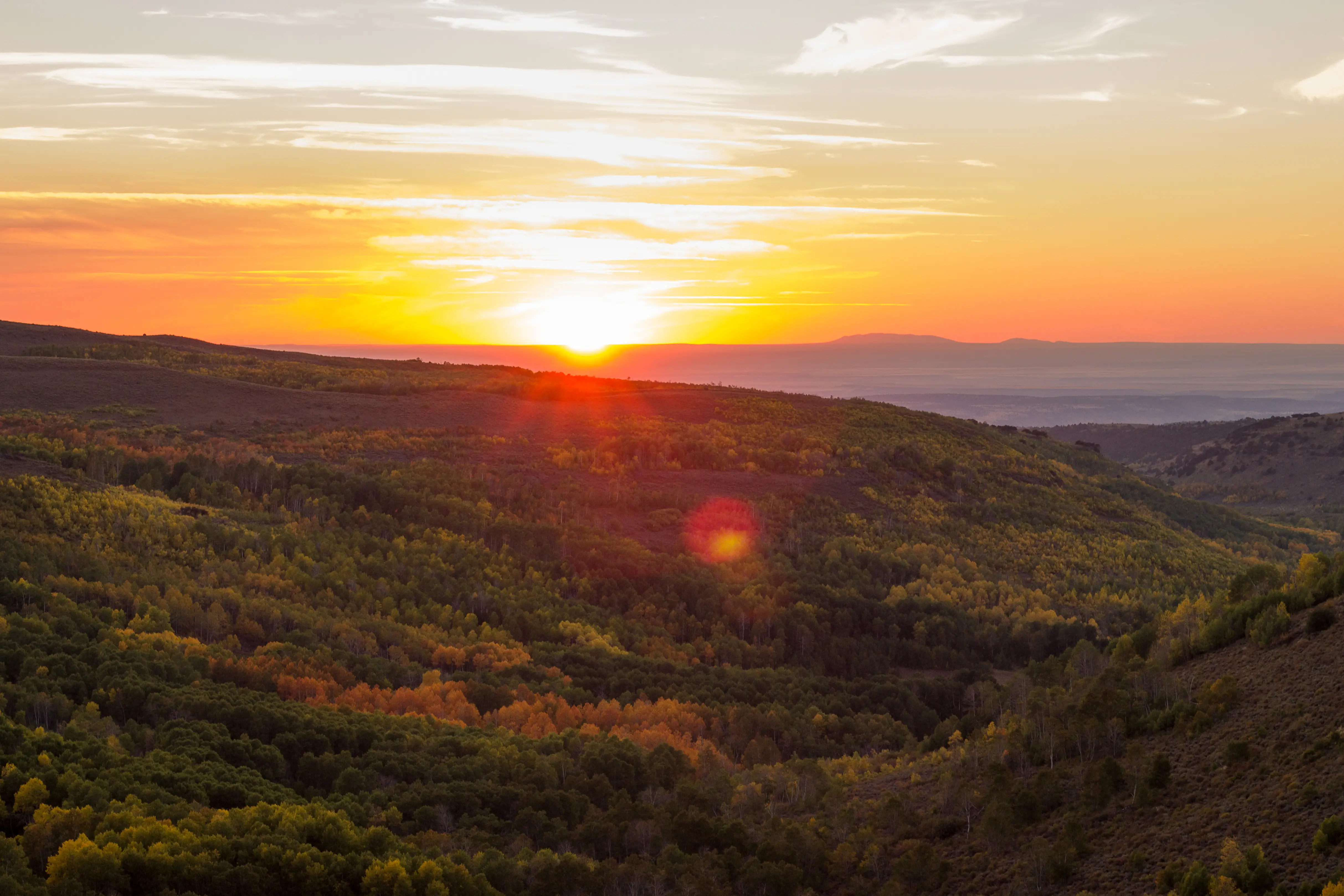
Drive north out of Burns on US-395 and the landscape shifts. Within a relatively short distance, the high desert floor gives way to elevation and Ponderosa pine as you enter Malheur National Forest. Idlewild Campground sits at 5,000 feet in that transition zone — built by the Civilian Conservation Corps in the 1930s, which means the bones of the place are solid and the site has been part of Burns's outdoor life for nearly a century.
Hiking, mountain biking, and picnicking are the warm-weather draws, and the Devine Summit Trail begins within the campground itself, giving hikers immediate access to higher-elevation terrain without a separate staging area. For groups, a reservable shelter accommodates up to 75 people, with picnic tables, a campfire ring, grills, vault toilets, and drinking water — one of the most practical group-recreation options available to Burns residents and the surrounding county.
In winter, Idlewild becomes a different destination. Snowmobilers and cross-country skiers move in when conditions allow, and equestrian trails with horse camping are available within ten miles of the site. Burns has 211 sunny days a year, but winter does arrive — and having a forested elevation site within driving distance gives outdoor-minded residents a way to engage with snow rather than just wait it out.
The seasonal contrast between Malheur to the south and Idlewild to the north is one of the defining rhythms of recreation here. Spring and fall belong to the refuge. Summer hiking and biking go north toward the forest. Winter pushes people back up to elevation. Residents who learn to follow those rhythms rarely feel like Burns is short on options — the options just require knowing the calendar.
Looking to buy in Burns? Estimate your payment.
Enter your numbers to see an estimated monthly mortgage payment.
Estimate only. Excludes HOA fees and mortgage insurance. The interest rate above is a starting point, not a quoted rate — replace it with your own to see real numbers. Insurance is a flat placeholder, not a Burns quote.
Community Events and the Fairgrounds Calendar
The Harney County Fairgrounds is the civic center of Burns's social life in a way that fairgrounds in larger cities never quite manage to be. It hosts the Harney County Fair & Rodeo the week after Labor Day each year — an NPRA Rodeo, parimutuel horse racing, and amusement rides that draw the county together in a way that few other annual events do in rural Oregon.
But the fairgrounds isn't a once-a-year facility. Throughout the year it hosts the Burns Paiute Tribe's Pow Wow, Old Time Fiddler's competitions, equine competitions, and community movie nights. The Migratory Bird Festival runs ancillary events there each April alongside the downtown programming. In a county of roughly 7,400 people spread across nearly 10,000 square miles, the fairgrounds is where the community physically converges.
The Harney County Migratory Bird Festival itself — held each April in downtown Burns and at Malheur — is the calendar anchor for anyone interested in wildlife. First held in 1981, the festival draws birders from across the Pacific Northwest and beyond with expert-led van tours, hiking and biking excursions, workshops, a Wildlife Art Show & Sale, and youth and family programming. The 2026 festival ran April 16–19 and proceeded normally. The festival was canceled in 2025 due to severe regional flooding — a reminder that Burns's outdoor calendar is weather-dependent in ways that urban recreation calendars aren't.
For families evaluating what community life looks like in a city of 2,723, the fairgrounds and the festival calendar are the honest answer. Burns doesn't have a convention center, a professional sports team, or a commercial entertainment district. What it has is a strong culture of community gathering tied directly to the land — rodeo, birds, horses, music, and the seasonal rhythms of high desert life. That is either exactly what you're looking for, or a clear sign this isn't the right fit.
| Event / Venue | Season | What to Know |
|---|---|---|
| Harney County Migratory Bird Festival | April | Expert-led tours, workshops, Wildlife Art Show; running since 1981 |
| Harney County Fair & Rodeo | Week after Labor Day | NPRA Rodeo, parimutuel racing, amusement rides |
| Burns Paiute Tribe Pow Wow | Summer | Held at the fairgrounds; community cultural event |
| Old Time Fiddler's Competition | Annual (fairgrounds) | Regional draw for traditional music |
| Community Movie Nights | Year-round (fairgrounds) | Informal community gatherings |
| Hi-Desert Swim Team | Summer (community pool) | Competitive swim programming for youth |
| Equine Competitions | Seasonal (fairgrounds) | Reflects the county's deep ranching culture |
New residents consistently underestimate how much the Bird Festival changes the feel of April in Burns. The downtown fills with out-of-town visitors, local restaurants and coffee shops run at capacity, and the community puts its best face forward in a way that can surprise people who arrived in January. It's worth experiencing your first April here before drawing conclusions about what social life in Burns looks like the rest of the year.
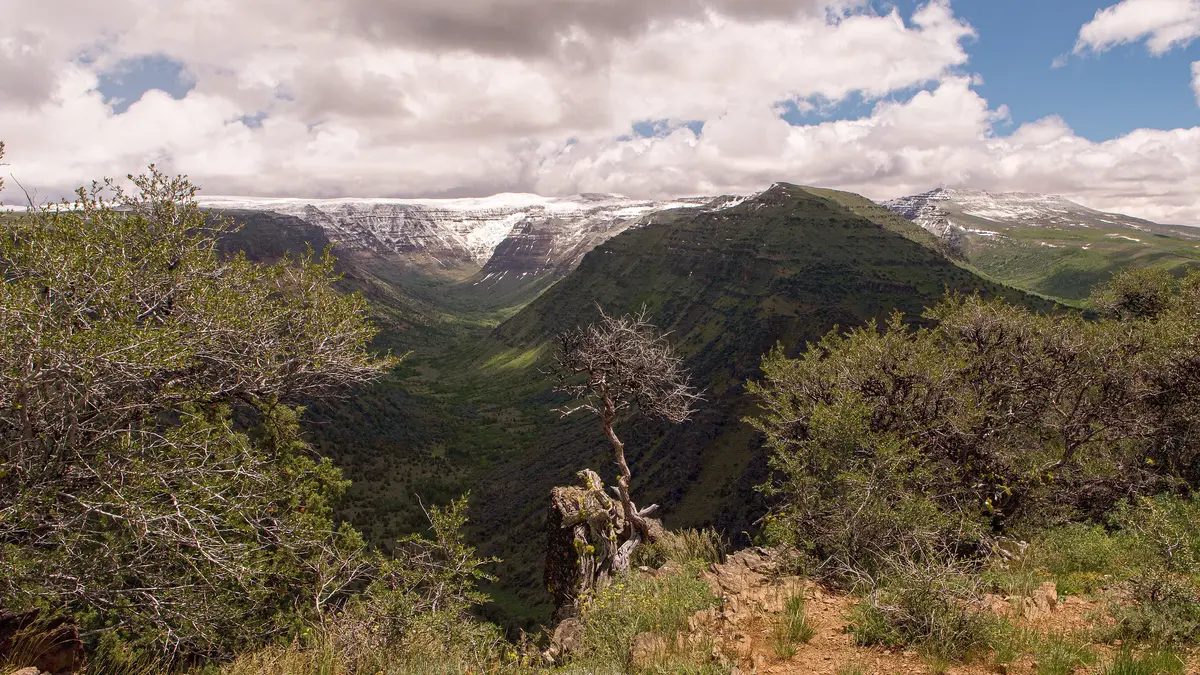
Local Expert Takeaway: Burns is not a city where recreation happens at a gym or a manicured park system — it happens on the Pacific Flyway, at 5,000 feet in a Ponderosa pine forest, and at a fairgrounds that has been the county's gathering place for generations. The Malheur National Wildlife Refuge alone justifies the move for anyone serious about birding or wildlife photography, and Idlewild Campground gives that outdoor life a second season in the forest. The Harney Wildlife Parkway handles your weekday exercise close to home. What Burns can't offer is variety and density of in-town recreation — but for residents who came here knowing that, the trade is one they make enthusiastically.
Quick Takeaways & FAQs
✅ Malheur National Wildlife Refuge — 187,000 acres, 340+ bird species, free to visit — is one of the most significant wildlife destinations in the western U.S., and Burns residents have it 30 miles from their front door.
⚠️ Burns has no large indoor recreation center, no commercial gym network, and no urban trail system beyond the 3.1-mile Harney Wildlife Parkway — residents who need variety close to home will feel the limits of a city of 2,723.
📍 The Harney County Migratory Bird Festival, running since 1981, draws serious birders each April and is one of the clearest signals of what makes Burns distinctly itself — a community organized around the rhythms of the high desert, not around amenities imported from elsewhere.
Is Malheur National Wildlife Refuge worth visiting if I'm not a serious birder?
What does a typical spring look like for outdoor recreation in Burns?
Is the Harney Wildlife Parkway suitable for kids and older adults?
What outdoor recreation is available north of Burns toward the forest?
What does the High Desert Park & Recreation District offer for families?
Moving to Oregon?
Tell us what you need help with and we'll connect you with local resources.
