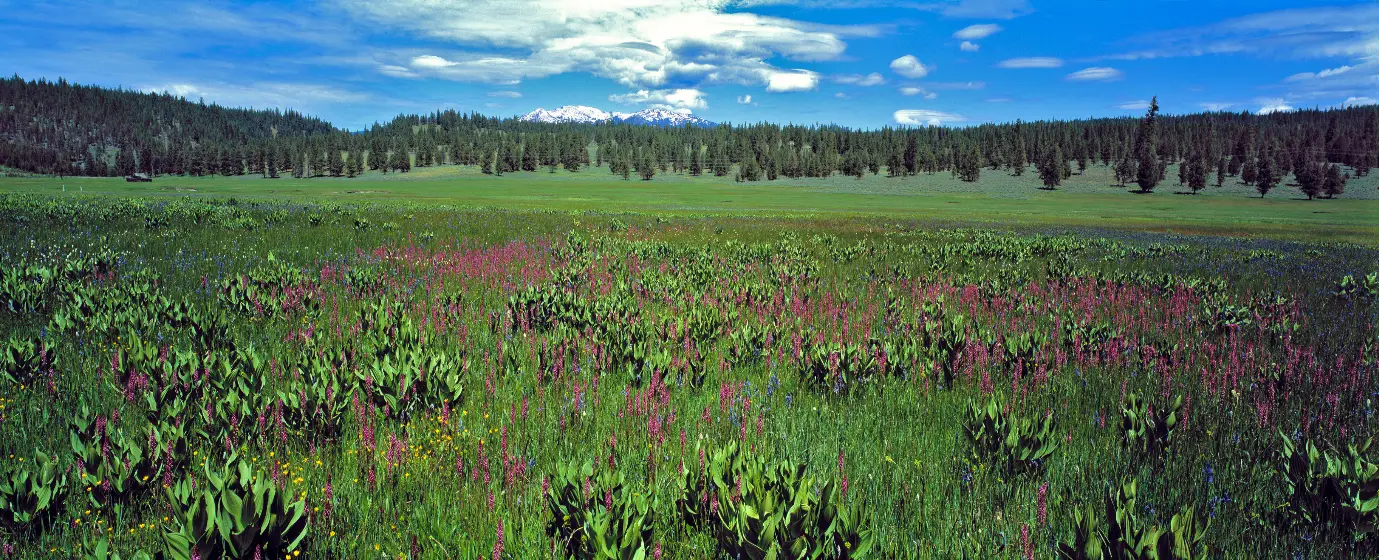
Maybe your employer is relocating you to Burns, or you've been looking at Eastern Oregon's affordability and Burns keeps coming up. Before you sign anything, the school question matters — and in a city of 2,723 people roughly 130 minutes from the nearest mid-size city, the answer is more nuanced than a single letter grade. Harney County School District 3 holds a C- rating, according to Niche, and on 2024-25 state assessments, 18% of students reached math proficiency and 26.6% reached reading proficiency. Those numbers are real, and you should know them going in.
What those numbers don't capture is the full picture. The district runs four schools serving 670 students enrolled in 2025-26, which means your child will graduate knowing every teacher and most classmates by first name. Classes run small across the district, and Burns High School offers Advanced Placement coursework alongside active OSAA athletics programs. The district has adopted the AVID — Advancement Via Individual Determination — college-readiness framework as its central organizing vision, a structured approach to getting students into career and post-secondary pathways. None of that erases the test-score gap, but it tells a different story than the rating alone suggests.
Youth sports and kids' activities in Burns run through the High Desert Park & Recreation District, which coordinates community leagues, swim lessons, and seasonal programs. Friday night football at Burns High School draws the whole county. The tradeoff is geographic: competitive club sports, travel leagues, and select programs simply don't exist at this end of Eastern Oregon, and the drive to find them would be significant. For families whose kids are deeply invested in elite athletics pipelines, that's a real constraint worth naming honestly. For families who want their child in a small, close-knit school where adults know their name and the whole town shows up for the game, Burns has something genuine to offer.
Whether you're relocating to Harney County for work, affordability, or the wide-open landscape, the sections below cover everything a family needs: the district's structure and honest assessment of its strengths and challenges, the three standout schools worth knowing, the youth sports and kids' activity landscape, and a candid look at who this district fits — and who it doesn't.
Harney County School District 3: The Big Picture
Harney County School District 3 is a small, geographically isolated district with a clear-eyed mission. The district serves Burns, Hines, and the Burns Paiute Tribe reservation — a combined community that sends 670 students enrolled in 2025-26 through four schools. At that scale, this is not a district where a student disappears into the system.
The district holds a C- rating, according to Niche. On 2024-25 state assessments, 18% of students reached math proficiency and 26.6% reached reading proficiency — figures that sit below Oregon state averages and are worth taking seriously if academic benchmark performance is your primary measure. Approximately 34% of students qualify for the federal free and reduced-price meal program, reflecting the economic realities of a rural Harney County community where the median household income runs well below the state average.
Classes run small across the district — a genuine structural advantage that means students get more direct attention than peers in many larger Oregon districts. That is a real, documentable characteristic of a school this size.
Attendance is a real challenge district-wide, and that matters when evaluating any of the other data. Proficiency numbers are shaped by who's in the room on test day, and a district grappling with high absenteeism is dealing with a community-wide challenge that goes beyond classroom instruction.
The district's organizing framework is AVID — Advancement Via Individual Determination — a college-readiness approach that structures how teachers plan and how students learn to advocate for themselves. The goal, stated explicitly on the district's own website, is preparing students for career and college pathways. For a rural district this size, having a coherent, nationally recognized framework is more than window dressing.
| Metric | Harney County SD 3 | Context |
|---|---|---|
| District rating | C- (Niche.com) | District-level grade |
| Enrollment (2025-26) | 670 students | Oregon Dept. of Education |
| Class size | Small across all schools | District characteristic |
| Math proficiency (2024-25) | 18% | Oregon state assessment |
| Reading proficiency (2024-25) | 26.6% | Oregon state assessment |
| Economic disadvantage | ~34% of students | NCES, 2024-25 |
| Attendance | A documented district challenge | 2023-24 reported data |
The picture that emerges is a district facing real structural challenges in a remote, economically constrained community — and working with a coherent framework to address them. For families moving from higher-performing suburban districts, the adjustment is real. For families who value small-school relationships, individualized attention, and a tight community, the district offers something those larger districts cannot.
Three Schools Worth Knowing
Henry L. Slater Elementary (K–5)
Slater Elementary is where Burns children spend their earliest school years, and it carries some of the more encouraging trend data in the district. Its statewide ranking among Oregon elementary schools has moved meaningfully upward over recent assessment cycles — a trajectory that matters when evaluating a small rural school in an otherwise challenging district. Its 3rd- and 5th-grade reading proficiency rates run above both district and state averages, which is a meaningful distinction in a district where overall reading scores are a known challenge.
Slater also operates a Gifted & Talented program — one of the few enrichment structures available at the elementary level in this part of Eastern Oregon. For families with high-ability learners, the existence of a formal program matters, even if the resources behind it are more limited than what a larger district could sustain.
Best for: Families who want a small-school environment with a positive performance trend and an identifiable enrichment pathway.
Hines Middle School (6–8)
Hines Middle School serves the bridge years for students from both Burns and Hines, functioning as the district's transition point between elementary and high school. At this scale — a combined rural community of this size — the middle school genuinely functions as a community anchor, where nearly every family in the area has kids in the same building at once.
The AVID framework the district has adopted runs through the middle school years, building the organizational and self-advocacy habits that the high school then builds on. That continuity — a coherent instructional approach from middle through high school — is one of the district's underappreciated structural assets.
Best for: Families who want consistency and a sense of real community belonging through the middle school years, and who value smaller peer cohorts over broader course selection.
Burns High School (9–12)
Burns High School — home of the Hilanders, wearing purple and gold — is where the district's ambitions and its geography come into the sharpest focus. The school carries active OSAA athletics programs and a strong AP culture, with Advanced Placement coursework available to motivated students. Its 11th-grade reading proficiency rate runs above both the district and state averages — one of the more specific bright spots in the district's academic data.
The AP culture at the high school is worth noting. In a school of this size, having real AP access means a meaningful slice of the student body is engaging with college-level coursework — not a token offering. That's a real college-readiness signal for students who pursue it.
The district also operates Burns High Desert Academy, an alternative and online program for students who need a non-traditional pathway to graduation. In a community where attendance is a documented challenge district-wide, having a formal structure for students who can't thrive in a traditional schedule is a practical and important part of the district's toolkit.
Best for: Students who want genuine access to college-prep coursework in a small school where athletes, scholars, and everyone in between share the same hallways — and where Friday night football genuinely means the whole town is there.
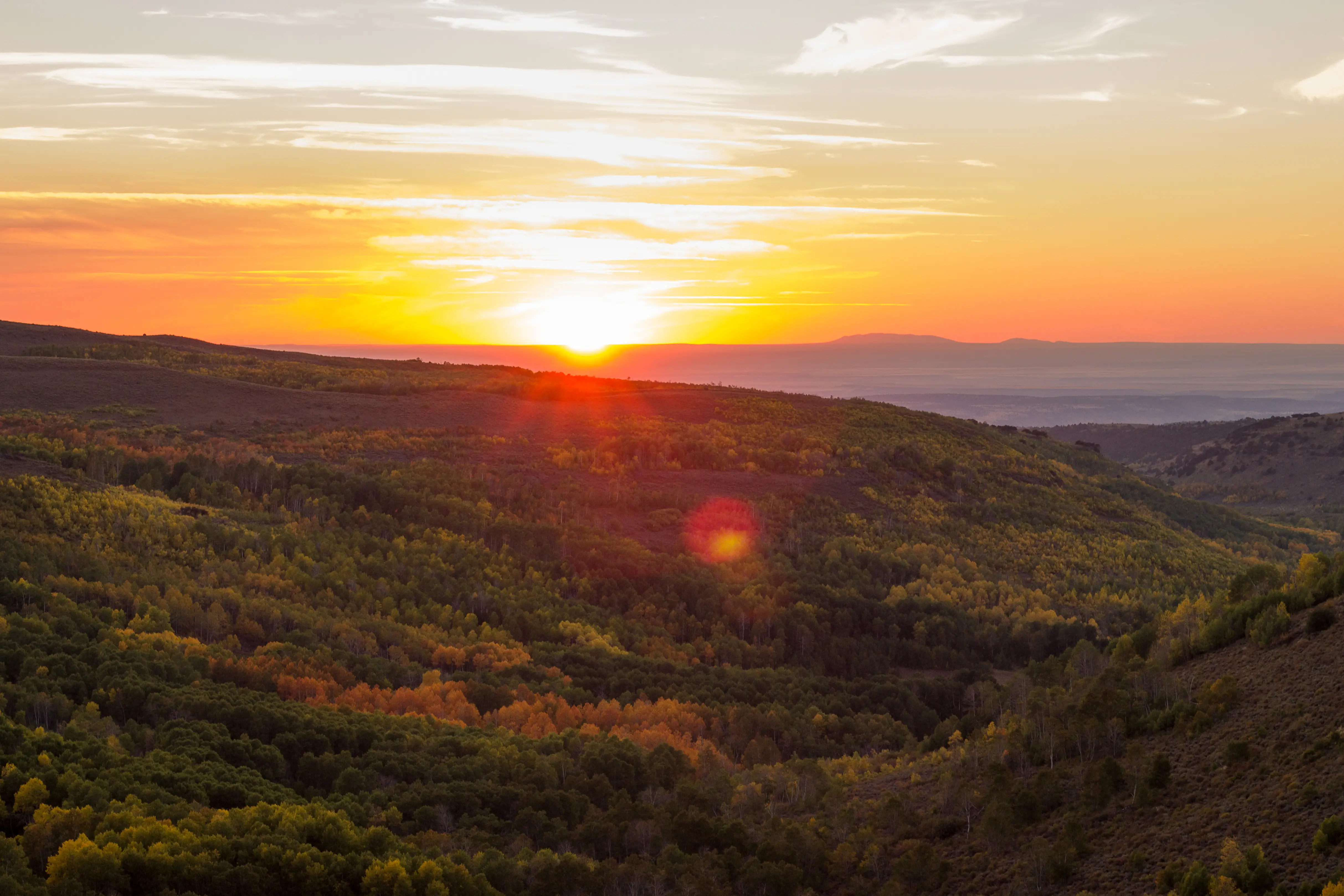
Youth Sports and Kids' Activities in Burns
Youth athletics in Burns run through the High Desert Park & Recreation District, which is the local operator for community leagues, swim lessons, and seasonal programs. The Hi-Desert Swim Team operates out of a seasonal outdoor pool near Burns High School, and the district coordinates recreational youth sports leagues through the warm months and into fall.
What the recreational league structure provides is something valuable and often underrated: low-pressure, community-integrated youth sports where the adults coaching your kid are your neighbors, and the games are genuinely social events for the whole town. In a city of 2,723 people, the youth sports ecosystem is not a pipeline — it's a community gathering. That distinction matters depending on what you're looking for.
School-Based Athletics
Burns High School carries active OSAA athletics programs spanning multiple sports. The school's size means student-athletes who want to compete will likely get playing time — there are no deep benches here. The Hilanders' home games draw fans from well outside the city limits, and football in particular functions as one of the community's central fall rituals. For a high schooler who wants to letter in a sport and have their accomplishments genuinely visible in the community, Burns High School delivers that experience in a way a 2,000-student suburban school simply cannot.
The Geographic Reality of Club and Travel Sports
Families moving from Portland, the Willamette Valley, or even Bend need to reset expectations for competitive youth sports. There are no club soccer academies, select basketball programs, or travel leagues based in Burns. The distance — about 130 minutes to Bend — means even the closest mid-size city's club sports infrastructure is a serious time and cost commitment for weekend tournaments or weeknight practices.
This is not a gap the High Desert Park & Recreation District can close, and it's not one the school district can either. It's a function of geography. Families whose children are already embedded in competitive travel sports programs, or who plan to pursue elite athletic development pathways, should weigh this carefully before committing to Burns.
Beyond Sports
The Harney County Fairgrounds hosts county fair events and community gatherings that give kids a visible role in the community's annual rhythms. Hunting and fishing are genuinely woven into the culture here — many families treat outdoor seasons as a family activity calendar in their own right, and kids grow up knowing that landscape in a way urban children rarely do. The Malheur National Wildlife Refuge, south of the city, is one of the most significant birding and wildlife areas in the American West, and for families interested in outdoor science and natural history, it's an extraordinary resource that sits at the edge of their backyard.
Looking to buy in Burns? Estimate your payment.
Enter your numbers to see an estimated monthly mortgage payment.
Estimate only. Excludes HOA fees and mortgage insurance. The interest rate above is a starting point, not a quoted rate — replace it with your own to see real numbers. Insurance is a flat placeholder, not a Burns quote.
Who This District Is NOT the Right Fit For
Honest relocation guidance means saying this clearly: Harney County School District 3 is not the right fit for every family, and pretending otherwise doesn't help anyone.
Families Requiring High Academic Benchmarks
on 2024-25 state assessments, 18% of students reached math proficiency and 26.6% reached reading proficiency. If your child is college-bound and relies on the school environment to drive academic challenge and consistent high-level instruction, the district's current benchmark performance is a real concern. AP coursework is available at the high school, but the broader academic environment is shaped by the full student body's outcomes — and those outcomes are below state averages across the board.
Families Focused on Competitive Youth Sports Pipelines
There is no club soccer, no select basketball, no competitive travel-league infrastructure in Burns. Families whose kids are on a trajectory toward college athletic recruitment or elite youth sports development will find the geography of Eastern Oregon actively works against that path. The drive to reach competitive programs in Bend or beyond is not casual — it is a significant logistical and financial commitment for a family whose child competes year-round.
Parents Who Need School Consistency to Be a Given
Attendance is a documented challenge district-wide. That reflects community-wide economic and social pressures more than classroom quality, but its effect on classroom continuity is real. If your child's learning depends on a stable, consistently populated classroom environment, this is a meaningful friction point to understand before moving.
Families Seeking Broad Course Variety at the Middle and High School Level
A district with 670 students enrolled in 2025-26 cannot offer the depth of electives, languages, vocational programs, or enrichment courses that a district with several thousand students can sustain. Burns High School offers AP coursework and the Burns High Desert Academy alternative pathway, but the menu is genuinely smaller. Students with specific academic interests — a second or third language, advanced music or arts programs, specialized CTE pathways — may find the options limited.
None of this makes Burns the wrong place to raise a family. It makes it the wrong place for families whose priorities are specifically tied to these things. Matching your expectations to what the district actually delivers is the most useful thing this guide can do.
Practical Details for Relocating Families
Harney County School District 3 operates a genuinely small set of schools, which simplifies some logistics that feel complicated in larger districts.
School Structure at a Glance
| School | Grades | Notable Programs |
|---|---|---|
| Henry L. Slater Elementary | K–5 | Gifted & Talented program; positive statewide ranking trend |
| Hines Middle School | 6–8 | AVID college-readiness framework; serves Burns and Hines students |
| Burns High School | 9–12 | AP coursework; active OSAA athletics; Hilanders purple and gold |
| Burns High Desert Academy | 9–12 (alt.) | Alternative and online pathway to graduation |
Enrollment and Boundaries
With 670 students enrolled in 2025-26 across four schools, the district has a single elementary, a single middle school, and a single high school for traditional students. There are no attendance boundary disputes or school-of-choice competitions to navigate. Where you live in Burns determines which building your child attends, and the path through the district is straightforward.
The AVID Framework in Practice
AVID — Advancement Via Individual Determination — is worth understanding before you enroll. It's a structured instructional approach that focuses on organizational skills, note-taking, study groups, and college-access knowledge. It's designed specifically for students in the academic middle — not the highest-performing, not the students in serious academic crisis — who benefit from explicit instruction in how to navigate school and post-secondary options. For families whose kids fit that profile, it's a real asset. For students who would push harder with enrichment or pull harder from intervention, AVID is not the primary answer.
Getting Involved
In a district this size, parental involvement is not optional in any meaningful cultural sense — it's expected and visible. School board meetings, booster clubs, and athletic events are small enough that engaged parents become genuinely known figures quickly. Families who come from larger suburban districts and prefer a more arms-length relationship with the school may need to adjust to how embedded community life is here. That integration is, for many families, exactly the draw.
Weekends and Local Favorites
Burns is not a city with a packed weekend activity calendar, and families who move here from a larger metro should expect to recalibrate. What it offers is a specific kind of texture — outdoor, community-centered, unhurried — that takes some adjustment to appreciate but tends to stick.
The Malheur National Wildlife Refuge, south of the city, is genuinely world-class for families interested in wildlife and birding. Harney County draws serious birders from across the country during migration season, and kids who grow up treating the refuge as a regular outing develop a relationship with the natural world that's hard to replicate anywhere else in Oregon.
The Harney County Fairgrounds anchors several of the community's biggest annual gatherings, giving families a recurring social calendar tied to the agricultural rhythms of the county. The Harney County Historical Museum is a working local history resource that resonates more than the average county museum — this is genuinely remote frontier history, and it shows.
For coffee and a slow morning, and for meals out, the verified local spots in Burns are worth knowing by name: Bella Java, Jitters Revolution, Annie's Bakery, and Steens Mountain Coffee Co. are the places where locals actually linger over a cup. For food, The Pine Room, Glory Days Pizza, Central Pastime Restaurant, El Toreo Family Restaurant, and Broadway Deli cover the range from casual family dinners to a quick lunch. In a town this size, these are the places your family will return to regularly, and knowing the staff by name is not a figure of speech.
What surprises many families after six months in Burns is how much of their social life happens outdoors and in these small recurring spots, rather than in organized programming. The city's calendar is thinner than what most metro transplants are used to. The tradeoff is a pace and a quality of attention — from teachers, from neighbors, from coaches — that larger places can't manufacture.
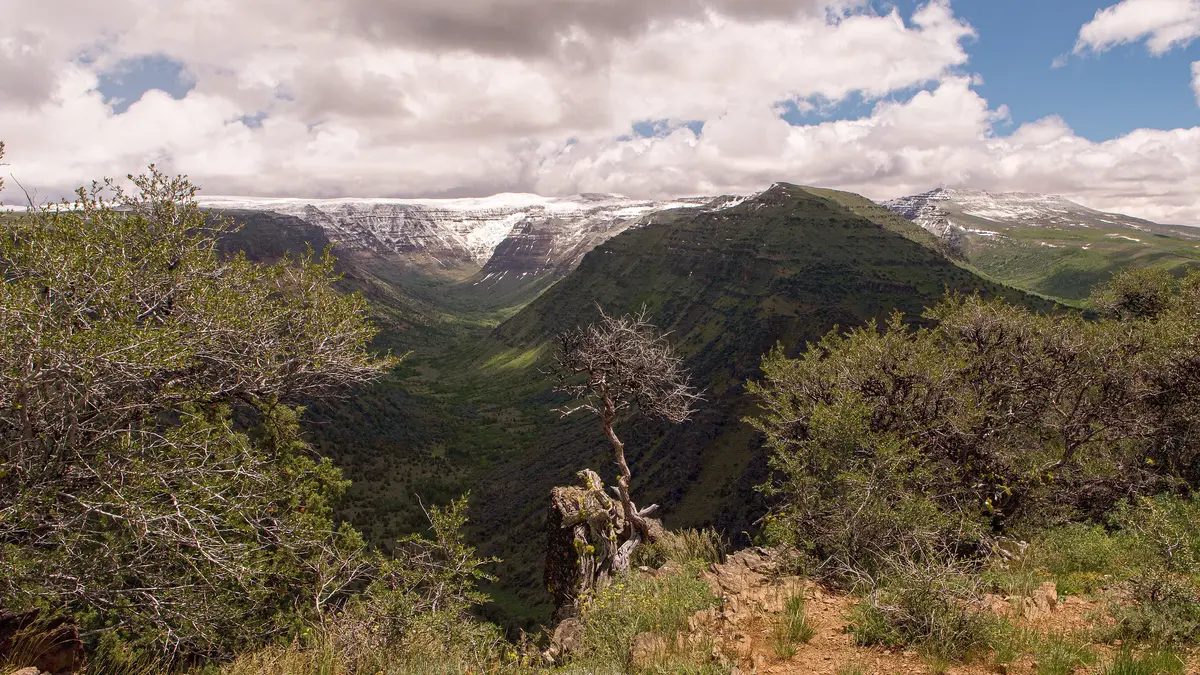
Local Expert Takeaway: Harney County School District 3 holds a C- rating, according to Niche, and its standardized test scores reflect the economic and geographic pressures of a genuinely remote rural community. But 670 students across four schools means classes run small, a strong AP culture at the high school for students who pursue it, and an elementary school with a Gifted & Talented program and a measurable upward trend in its statewide standing. Burns High School's Hilanders draw the whole county on game nights, and the High Desert Park & Recreation District runs the recreational leagues and the Hi-Desert Swim Team that fill kids' afternoons. The honest summary: if you need elite academic benchmarks or competitive club sports infrastructure, Burns will disappoint. If you want your child known by name by every adult in the building, playing on a team where they actually get time, and growing up with access to one of the most remarkable wildlife areas in the American West — Burns delivers that in a way no suburb can.
Quick Takeaways & FAQs
✅ Classes run small across Harney County School District 3, and AP coursework is genuinely available for motivated students at Burns High School.
⚠️ Competitive club sports and travel leagues do not exist in Burns — the drive to the nearest metro programs is about 130 minutes to Bend, a real constraint for families with elite-athletics goals.
📍 Henry L. Slater Elementary has posted a meaningful upward trend in its statewide ranking among Oregon elementary schools over recent assessment cycles — one of the district's most concrete positive signals.
What is the rating for Harney County School District 3?
How many schools are in Burns, Oregon?
Are there youth sports leagues for kids in Burns?
Does Burns High School offer Advanced Placement classes?
Is attendance a problem in Burns schools, and does it affect classroom quality?
Moving to Oregon?
Tell us what you need help with and we'll connect you with local resources.
