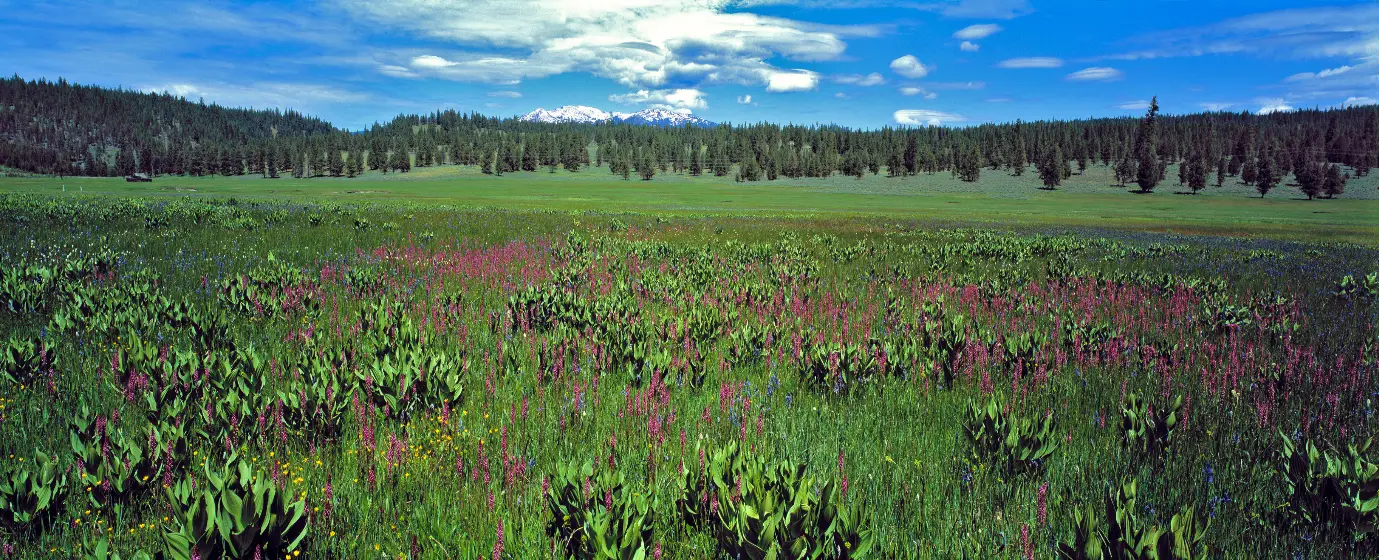
Burns doesn't fit the mold of a typical Oregon city. At 4,190 feet in the middle of Oregon's high desert, this is the county seat of Harney County — the largest county by land mass in Oregon — and the only incorporated town within a seventy-five mile radius. With a population of 2,723, every neighborhood is within a few minutes of every other one. What separates them isn't traffic or school boundaries so much as character: the difference between a walkable historic block and a semi-rural lot where your nearest neighbor keeps cattle.
The economic backbone here is local government, education, healthcare, and ranching services. Harney County, the Burns Paiute Tribe, Harney County School District, Harney District Hospital, and Safeway are the city's anchor employers. The school district — Harney County School District 3, with 670 students enrolled in 2025-26 — feeds students through Slater Elementary, Hines Middle School, and Burns High School, where active OSAA athletics and Friday-night football are genuine community anchors. Remote work and ranching supplement a local economy that, by the numbers, runs lean: the median household income sits at $41,858.
What surprises people most about Burns is the price of entry. The typical home price of $191,972 (Zillow Home Value Index, July 2026) puts homeownership within reach in a way that most of Oregon stopped offering years ago — though it's worth knowing that the median household income here falls short of what's needed to comfortably carry the typical purchase. There are no big-box retailers in the city limits, and a serious shopping trip means driving out of town. What Burns offers in return: 211 sunny days a year, direct access to Malheur National Wildlife Refuge and the high-desert backcountry, a tight-knit community culture, and property taxes running at an effective rate of approximately 0.97%. For the full cost-of-living breakdown, that page covers utilities, groceries, and how Burns compares to nearby communities.
Whether you're relocating for work, downsizing from somewhere bigger, or chasing affordability on a fixed income, the sections below break down Burns's four neighborhoods, what each one is actually like to live in, the mistakes buyers most commonly make, and where renters are best positioned in this small but self-contained high-desert town.
The Burns Reality
Burns covers just 3.55 square miles. That compactness means the usual neighborhood distinctions — school district zones, highway divides, walkability gaps — apply differently here than in a larger city. Every neighborhood feeds into the same Harney County School District 3, which holds a C- rating, according to Niche. There are no attendance-boundary games to play. What actually drives neighborhood choice in Burns is something simpler and more elemental: how much land you want, how close you need to be to Broadway Avenue's services, and what direction your daily life points you.
The north-south axis matters most. North Burns pulls toward the Burns Paiute Tribe's reservation boundary and opens into semi-rural ranch-style properties with open sightlines across the basin. South Burns points the other direction, toward OR-78 and the Malheur National Wildlife Refuge corridor — the logical end of town for anyone whose lifestyle is shaped by birdwatching, wildlife, and high-desert recreation. The Egan area, tucked south-southwest near the Hines boundary, is the quietest and lowest-density pocket in the city. Downtown sits at the center of it all, the only part of Burns where you can walk to a coffee shop, the courthouse, and a restaurant without moving your truck.
Because Burns is so small, buyers who expect neighborhood-level price variation like they'd find in Bend or Portland will be disappointed. The city-wide typical home price is the realistic anchor for any purchase here. What changes between neighborhoods is lot size, proximity to services, and daily atmosphere — not dramatic price swings. That reality shapes every decision covered in this guide.
Neighborhoods at a Glance
| Neighborhood | Best For | Vibe |
|---|---|---|
| Downtown Burns | Walkable First-Time | Historic brick storefronts on Broadway Avenue; the most on-foot accessible pocket in the city, with the courthouse, museum, and local dining all within a short walk |
| North Burns | Families Value | Ranch-style homes on generously sized lots; semi-rural feel with open sightlines toward the basin; quiet streets that back toward the reservation boundary |
| South Burns | Nature Quiet | The gateway toward OR-78 and Malheur National Wildlife Refuge; low-density residential with an outdoor-oriented character favored by birders and backcountry users |
| Egan (South Egan area) | Privacy Renter | The most tucked-away corner of the city; large fenced lots, low traffic, and a residential quiet that suits households wanting space without leaving city services entirely behind |
Burns typical home price: $191,972 (Zillow ZHVI, July 2026). Neighborhood tiers on this page are relative to these figures.
Best Neighborhood by Buyer Type
| Buyer Type | Best Neighborhood | Why |
|---|---|---|
| First-Time Buyer | Downtown Burns | Entry into the city's most walkable streets keeps car dependence lower and puts the Safeway, dining, and city services within an easy walk while prices remain at the city-wide typical level. |
| Luxury Buyer | North Burns | Larger ranch-style lots and the possibility of acreage adjacent to the city boundary offer the closest thing Burns has to a premium property — though "luxury" here means space and setting, not finished amenities. |
| Walkability Seeker | Downtown Burns | Broadway Avenue's historic commercial strip is the only part of Burns where coffee, dining, and civic services are genuinely reachable on foot. |
| Families with Kids | North Burns | Ranch-style homes with room to spread out, quiet residential streets, and easy access to Burns High School's active OSAA programs suit parents who want a yard and a short school run. |
| Commuters | Downtown Burns | For the small share of residents who work regionally — it's about 130 minutes to Bend, OR — being centered in town shortens the drive to US-20 and US-395 without adding time to a route that's already long. |
| Large-Lot Buyers | Egan (South Egan area) | The Egan corridor offers some of the most generous lot sizes within city limits, with fenced properties that work for households keeping animals or needing outdoor storage. |
| Renters | South Burns | South Burns has a modest rental stock at the lower-density end of the market, putting tenants close to OR-78 access and the refuge corridor without the price premium of a more central location. |
Looking to buy in Burns? Estimate your payment.
Enter your numbers to see an estimated monthly mortgage payment.
Estimate only. Excludes HOA fees and mortgage insurance. The interest rate above is a starting point, not a quoted rate — replace it with your own to see real numbers. Insurance is a flat placeholder, not a Burns quote.
Most Popular Neighborhoods
Downtown Burns
Broadway Avenue is the spine of the city — 19th-century brick storefronts, the Harney County Courthouse on landscaped grounds, the Harney County Historical Museum, and a walkable commercial strip that makes this the most genuinely urban block in eastern Oregon's high desert. The trade-off is lot size: you're trading backyard acreage for proximity, and homes here tend to be older stock that may need updating. Anyone who values being able to walk to Bella Java or Annie's Bakery for a morning coffee, or step into the Broadway Deli for lunch, will find Downtown the most livable corner of a very car-dependent region.
Best for: Buyers who want walkability, proximity to city services, and a sense of civic place — and don't need a large lot to feel at home.
North Burns
North Burns is where the city starts to feel like the ranching country that surrounds it. Ranch-style homes sit on wide lots with open sightlines across the basin, and the Burns Paiute Tribe's reservation forms the northern boundary — a civic relationship that shapes the character of this end of town in a quietly meaningful way. The downside for some buyers is that semi-rural convenience cuts both ways: you're farther from Broadway's services, and the streets are quieter by design, not by neglect.
Best for: Families with kids and buyers who want genuine lot space, a semi-rural feel, and easy access to Burns High School's active community events.
South Burns
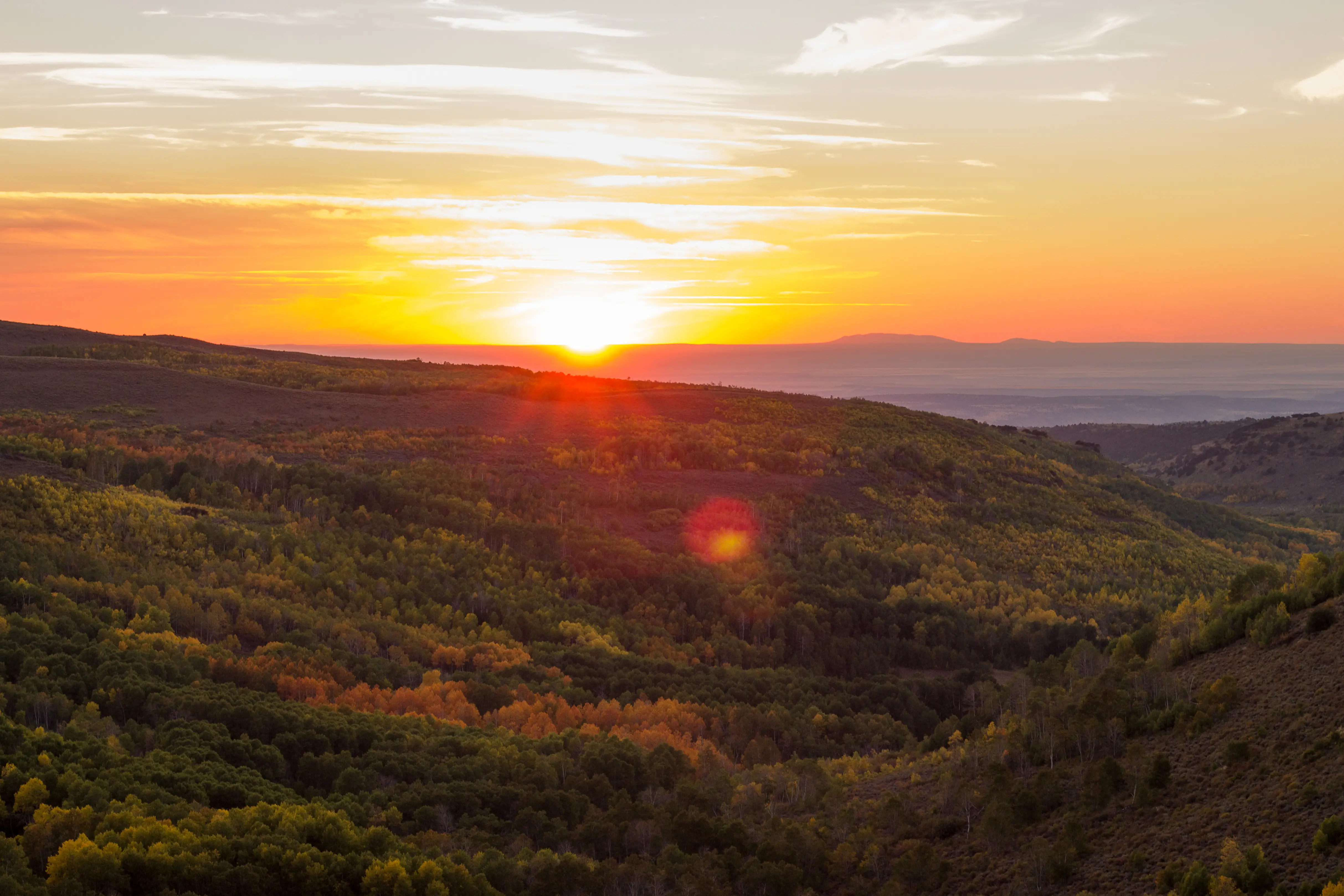
South Burns faces OR-78 and, beyond it, the Malheur National Wildlife Refuge — 187,000-plus acres of wetlands, sage uplands, and basalt rim rock hosting more than 320 bird species. That orientation makes this the natural home base for the birding, wildlife photography, and outdoor recreation crowd that passes through Burns every spring migration season. The honest trade-off: South Burns sees more through-traffic than other neighborhoods, and the proximity to the refuge draws visitors who don't always treat the surrounding streets as a quiet residential zone.
Best for: Outdoor-focused buyers, birders, and anyone whose daily life points south toward the refuge corridor and the backcountry beyond.
Egan (South Egan Area)
The Egan area sits south-southwest of the city center near the Hines boundary — historically tied to one of Oregon's oldest settlements — and today it's a low-density residential pocket where large, fenced lots and minimal traffic define daily life. Properties along the Egan Avenue corridor sit outside the floodplain, which matters in a high-desert basin that occasionally sees serious runoff, and Harney District Hospital is reasonably close. The catch is that Egan's distance from Broadway's commercial strip is real enough to notice on a daily errand run.
Best for: Privacy seekers, households that need lot space for animals or equipment, and buyers who want city access without city density.
Common Mistakes Buyers Make in Burns
Treating the City as a Single Neighborhood
Because Burns is small, buyers sometimes assume the whole city feels the same. It doesn't. Downtown's walkable Broadway Avenue is a genuinely different daily experience from the semi-rural openness of North Burns or the outdoor-facing character of South Burns. Buying the wrong quadrant for your lifestyle is easy when you tour on a clear day and every street looks equally peaceful — take the time to understand which direction your daily life actually runs before making an offer.
Underestimating the Distance to Services
Burns has no big-box retail within the city limits. A serious shopping trip means driving out of town — and the nearest large shopping hub is roughly two and a half hours away. Buyers who choose a neighborhood at the outer edge of the city, like the Egan area, add incremental distance to a drive that's already non-trivial. That compounding adds up fast for households that make the run regularly.
Ignoring Floodplain Status on Lots
The Silvies River runs through the Burns area, and the high-desert basin sees occasional serious runoff. Not all lots carry the same flood risk — the Egan area's properties sit outside the floodplain, which is part of that neighborhood's appeal. Buyers focused on lot size and price without pulling a flood zone map first are taking on risk that affects insurability and long-term ownership costs.
Assuming the Outdoor Access Is Uniform
Every neighborhood in Burns is nominally close to high-desert recreation, but South Burns is the neighborhood that actually sits on the OR-78 corridor leading to Malheur National Wildlife Refuge. Buyers who move to North Burns expecting the same effortless refuge access will find they're reorienting their daily drive. If the refuge and the backcountry are the reason you're moving here, neighborhood placement relative to OR-78 matters more than it looks on a small-city map.
Best Areas to Rent in Burns
| Area | Ideal For | Trade-off |
|---|---|---|
| Downtown Burns | Walkable Renters who want to walk to work, dining, and the Safeway without owning a car as a daily necessity | Older housing stock; rental inventory is limited and turns over slowly in a market this small |
| North Burns | Families and households that need yard space and a quieter residential street | Semi-rural feel means you'll need a vehicle for most errands; farther from Broadway's commercial core |
| South Burns | Outdoor-focused tenants, seasonal workers, and birding visitors who want proximity to OR-78 and the Malheur corridor | Through-traffic from refuge visitors can make this feel less quietly residential than other parts of the city |
| Egan (South Egan area) | Privacy seekers and households needing large fenced lots, outdoor storage, or space for animals | The distance from Broadway's services is real enough to factor into daily life; limited rental supply in this pocket |
| Near Harney District Hospital corridor | Healthcare workers and city employees who want a short commute on foot or by bike | Inventory is thin and rarely listed publicly; most rentals here move by word of mouth |
Burns's rental market is small by any measure — 2,723 residents spread across 3.55 square miles means total inventory is limited, and well-priced units move quickly and often informally. The city-wide typical rent figure gives you the best baseline for what to budget, but expect to find most available units through local word of mouth, community boards, and the Safeway bulletin board rather than major listing platforms.
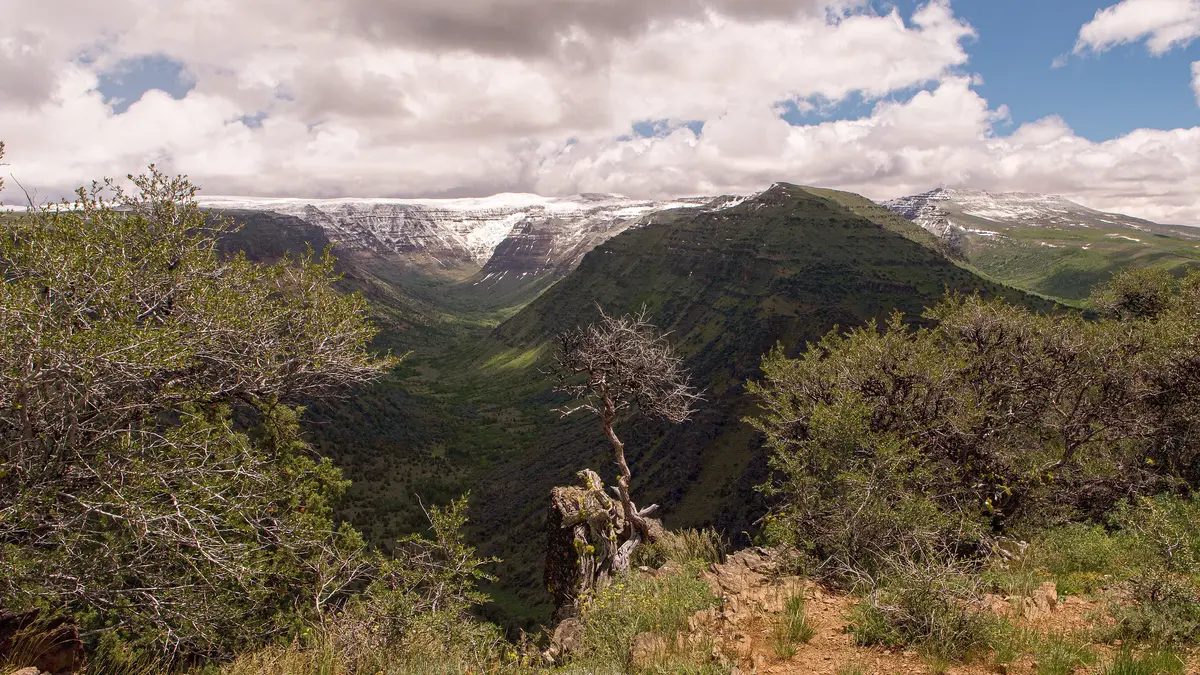
Local Expert Takeaway: Burns is genuinely small — small enough that neighborhood choice is really about orientation and lifestyle rather than price tiers or school boundaries. If your morning starts with coffee on Broadway and you want to walk to The Pine Room or Glory Days Pizza for dinner, Downtown is your neighborhood. If you want a ranch-style lot with big-sky views and don't mind a short drive to services, North Burns delivers. South Burns belongs to buyers and renters whose daily life points toward Malheur National Wildlife Refuge and OR-78. The Egan area is for anyone who needs serious lot space and quiet above everything else. The mistake most people make is treating this as a generic small town with interchangeable streets — it isn't. Each quadrant has a distinct feel that becomes very apparent after six months of daily life here.
Quick Takeaways & FAQs
✅ Burns's typical home price of $191,972 (July 2026) makes it one of the most affordable real estate markets in Oregon, with no neighborhood commanding a dramatic premium over another.
⚠️ There is no big-box retail in Burns, and a serious shopping run means driving out of town — a trade-off that affects daily life in every neighborhood, especially at the outer edges of the city.
📍 South Burns is the practical gateway neighborhood for Malheur National Wildlife Refuge access via OR-78 — if outdoor recreation is the reason you're moving here, neighborhood placement relative to that corridor matters more than it looks on a map.
What is the most walkable neighborhood in Burns, Oregon?
Which neighborhood in Burns is best for families with kids?
Is the Egan area of Burns actually within city limits?
How hard is it to find a rental in Burns, Oregon?
Which part of Burns has the best access to Malheur National Wildlife Refuge?
Moving to Oregon?
Tell us what you need help with and we'll connect you with local resources.
