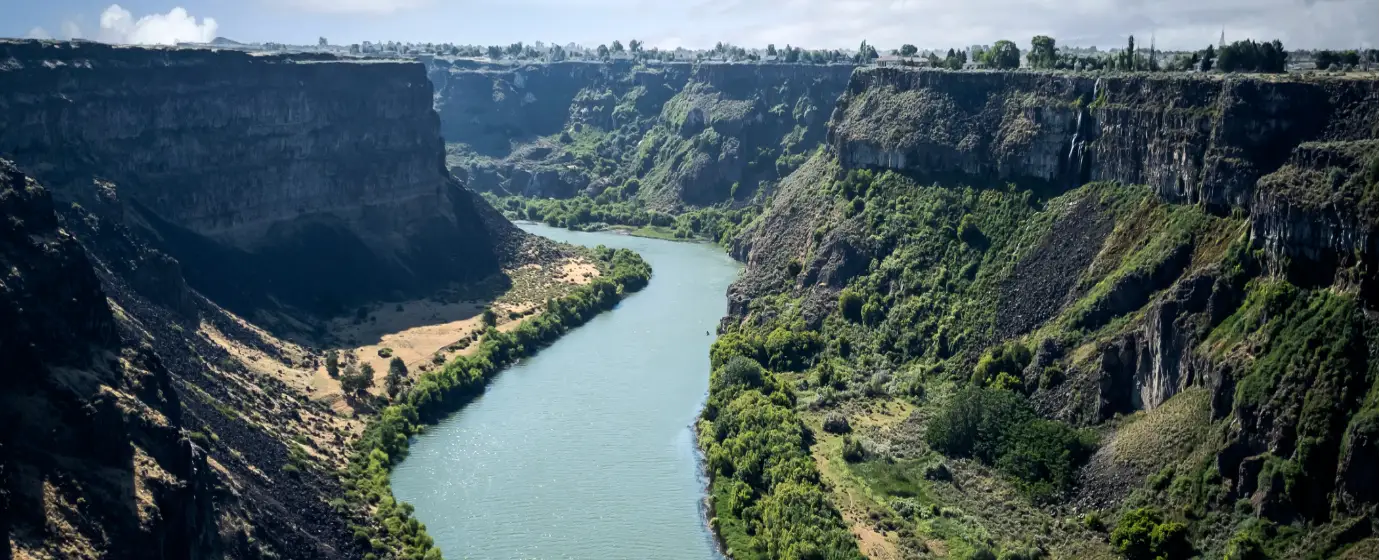
Most people researching Ontario, Oregon focus on the price tags — the typical home price sits at $312,219 (July 2026), well below anything comparable in the Boise metro — and forget to ask what you actually do here on a Saturday. The answer is more varied than the high desert landscape suggests. With 207 sunny days a year, Ontario's outdoor calendar runs long, and the city has invested real money in making sure residents have somewhere to spend it.
Ontario's recreation story has two registers: the municipal infrastructure inside city limits — Lions Park, public tennis courts, an 18-hole golf course, and an indoor recreation center currently under construction — and the wild-water access just outside it, where the Snake River, the Malheur River, and Owyhee Reservoir between them cover every fishing target from smallmouth bass to rainbow trout. For a city of 11,957 people, that's a serious outdoor footprint. The Four Rivers Cultural Center adds a year-round indoor dimension that genuinely surprises people who assume eastern Oregon border towns don't have much going on culturally.
The honest caveat: Ontario is a car-dependent city, and most of the best recreation — the Snake River state site, Farewell Bend, Owyhee Reservoir — requires a short drive. There's no greenway system threading neighborhoods together, and the parks budget is modest. What the city does have, it has invested in deliberately: the recreation district rebuild at Lions Park took voters, a state grant, and nearly a decade of effort. That kind of civic commitment to outdoor space says something real about a community.
Whether you're comparing Ontario to nearby Vale or Nyssa, or weighing the move from the Boise side of the border, the sections below cover Ontario's signature parks, water recreation and fishing, cultural venues and fairgrounds, and the seasonal events calendar that marks the year for longtime residents.
Lions Park: Ontario's Civic Backyard
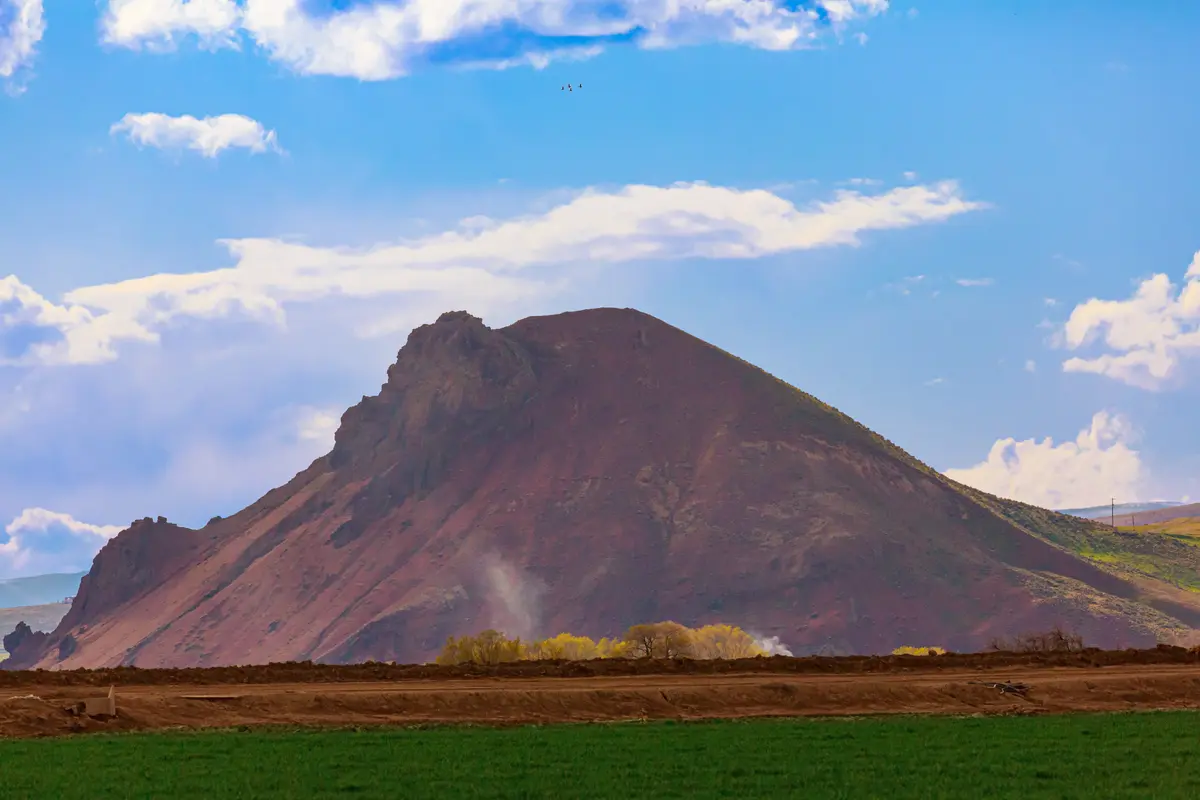
At 45 acres, Lions Park is the largest municipal park in the city and the clearest statement Ontario makes about what it values. A fishing pond, the Wayne C. King Memorial Skatepark, sports fields, playgrounds, and a seasonal splash park all share the same green footprint — which means families with kids of nearly every age find something here without driving to a second location.
The splash park runs seasonally and is free for children 6 and under, with a nominal charge for older kids — a price point that reflects what a city with a median household income of $47,540 actually needs from its public amenities. That accessibility is intentional, not accidental.
The park carries weight beyond playground equipment. A Veterans Monument installed by Ontario's local Japanese community stands inside Lions Park, a quiet acknowledgment of the region's complicated internment history and the community that rebuilt roots here afterward. It's not a monument most visitors notice immediately, but residents tend to know its story.
The Rebuild That Took a Decade
The original public pool closed in 2013, and the city spent years without one. Voters approved the Ontario Recreation District in 2018, and the district spent the next several years assembling a $5.5 million construction budget — including a $909,793 grant from the Eastern Oregon Border Economic Development Board and $1 million from Oregon Parks and Recreation. Construction on the new Ontario Community Recreation Center at Lions Park broke ground in fall 2025, with community events expected in 2026.
That timeline tells you something about how Ontario works: it's not a city with a big general fund to draw on. What it gets built, it builds by putting together grants, ballot measures, and years of community organizing. The result, once finished, will give residents year-round indoor recreation options that have been absent since 2013.
Outside of Lions Park, the city maintains public tennis courts and operates an 18-hole municipal golf course — two amenities that are easy to undervalue until you realize neither requires a club membership or a drive to Boise.
Best for: Families ValueThe Snake River and Water Recreation
Ontario sits at the confluence of the Snake and Malheur rivers, which sounds more dramatic in a geography textbook than it looks from the commercial strip on I-84. But the actual water access is real, and the Ontario State Recreation Site on the west bank of the Snake River is the entry point most residents use.
The site offers boating, fishing, swimming, and picnicking along the riverbank. Cottonwood trees, sumac, and juniper provide shade that becomes essential in July, and those same trees deliver vivid color in October — a seasonal reward that catches newcomers off guard in a landscape that can feel brown and flat from the highway. The site is free and day-use only, which keeps it genuinely accessible rather than gating it behind a fee structure.
What You'll See on the Water
Wildlife along the Snake River shoreline here is consistently varied: blue heron, Canada geese, river otter, and muskrat are common sightings. Deer feed on a nearby island and are sometimes visible in the early morning mist, which is the kind of detail that makes a first kayak launch feel less like exercise and more like a nature trip without the drive.
For paddlers, the Snake River Water Trail is directly accessible from the state recreation site, giving kayakers and paddleboarders an on-river route that connects to broader stretches of the Snake system. It's the sort of infrastructure that rarely makes regional tourism brochures for a city this size.
Fishing the Three Waters
Anglers who move to Ontario quickly realize the area fishes three distinct systems. The Snake River holds smallmouth bass and channel catfish. The Malheur River, closer to the city's eastern edge, targets rainbow trout. Owyhee Reservoir, south of town, carries crappie and largemouth bass. That range in one county means a serious angler almost never runs out of targets or has to repeat the same drive.
About 25 miles from Ontario, Farewell Bend State Recreation Area sits on a bend in the Snake with a boat launch, waterfront cabins, and fishing for catfish, crappie, and smallmouth bass. It's a natural day-trip or overnight anchor for residents who want more than a day-use park without leaving the Snake River system.
Best for: Nature Views
The Four Rivers Cultural Center and Fairgrounds
The Four Rivers Cultural Center is the kind of facility that doesn't fit the profile of a small eastern Oregon border city, which is probably why it catches so many newcomers off guard. At 85,000 square feet, it's a nonprofit venue hosting year-round concerts, theater, exhibits, and community events — the kind of calendar a city four times Ontario's size would be pleased to carry.
Inside the center, Hikaru Mizu — described as the second-largest Japanese Garden in Oregon — reflects the same history that the Veterans Monument at Lions Park acknowledges from a different angle. The region's Japanese-American community, shaped in part by the internment era, has left a mark on Ontario's cultural infrastructure that is genuinely unusual for a rural high desert town. The 13,000-square-foot diorama museum, the Meyer McLean Performing Arts Theater, and the Harano Gallery with its rotating local and national exhibits round out what the facility offers.
For residents who moved from the Portland metro or the Boise area and worry about cultural isolation in a smaller market, the Four Rivers Cultural Center is the most concrete counter-argument the city has.
The Fairgrounds: A Century of Tradition
The Malheur County Fairgrounds anchor a different kind of civic gathering. The Malheur County Fair & Rodeo has run continuously since 1909 and draws crowds from across the region — from Nyssa, Vale, Fruitland, and across the Idaho line. For a city of 11,957 people, the fair is genuinely regional rather than just local, and well-priced parking fills early on peak days.
The fairgrounds also operate year-round through the Desert Sage Event Center, hosting livestock shows, concerts, and community events outside the annual fair calendar. It's not glamorous infrastructure, but it's consistently used — which matters more for daily life than the appearance of activity.
Best for: Families CommunityLooking to buy in Ontario? Estimate your payment.
Enter your numbers to see an estimated monthly mortgage payment.
Estimate only. Excludes HOA fees and mortgage insurance. The interest rate above is a starting point, not a quoted rate — replace it with your own to see real numbers. Insurance is a flat placeholder, not a Ontario quote.
Ontario's Seasonal Recreation Calendar
Ontario's event year has anchors that longtime residents plan around, and newcomers usually don't know about until their first full calendar year here. That learning curve is worth shortening before you move, because missing your first Malheur County Fair because you didn't know it was happening is the kind of thing that makes a new city feel quieter than it actually is.
Spring Through Summer
Each spring, Lions Park hosts the America's Global Village Festival, a celebration of food, dance, crafts, and Highland Games that reflects the city's multicultural makeup in a way that surprises visitors expecting a generic small-town fair. The splash park opens as summer arrives, which quickly becomes a daily destination for families with school-age kids during the high-desert heat.
Late summer layers in Onion Variety Day — a practical tribute to the onion farming that defines the Treasure Valley's agricultural economy — alongside the Malheur County Fair & Rodeo. The fair is the biggest single-event draw on the calendar by a significant margin.
Fall and the Tater Tot Festival
September brings the Tater Tots Festival, which leans into Ontario's claim as the birthplace of the tater tot. It's a genuine local point of pride, the kind of quirky regional identity that either resonates with you or doesn't — but either way, it draws a crowd and gives the fall calendar a distinctive marker. The Snake River State Recreation Site's cottonwoods and sumac hit peak color around the same time, making October one of the better months to be outdoors near the river.
What Newcomers Don't Expect
The thing that surprises most people after six months in Ontario isn't a gap — it's the density of the activity calendar relative to the city's size. A city of 11,957 with a century-old county fair, a second-largest-in-state Japanese garden, a Snake River water trail, three distinct fishing systems, and a community recreation center under construction is not a city without options. What it lacks is the kind of marketing infrastructure that Bend or Boise uses to make its recreation scene legible from the outside. You find out what's here by living here, not by looking it up on a well-curated tourism site.
For active families and outdoor-focused buyers weighing cost of living against amenities, that combination is worth understanding before you decide. The best neighborhoods page breaks down where families tend to cluster relative to Lions Park and the fairgrounds, and the cost of living page puts the recreation value in the context of Ontario's broader affordability picture.
Best for: Families Nature Community
Local Expert Takeaway: Lions Park is the daily anchor for families in Ontario — the fishing pond, Wayne C. King Memorial Skatepark, splash park, and soon a new community recreation center all in one 45-acre footprint. But the Snake River state site a few minutes north is where residents who want water access actually spend their weekends, and the Four Rivers Cultural Center's Hikaru Mizu Japanese Garden is the facility that most reliably resets people's expectations about what a small eastern Oregon border city can sustain. Ontario's recreation scene rewards people who show up for it; it doesn't advertise itself particularly well to people who haven't arrived yet.
Quick Takeaways & FAQs
✅ Lions Park's 45 acres — fishing pond, skatepark, splash park, sports fields, and a new community recreation center breaking ground in fall 2025 — make it one of the most complete municipal parks in eastern Oregon for a city this size.
⚠️ Ontario is car-dependent for recreation: the Snake River state site, Farewell Bend, and Owyhee Reservoir all require a drive, and there is no connected trail system linking city neighborhoods to water access.
📍 Ontario claims to be the birthplace of the tater tot, and the September Tater Tots Festival is a real annual event — the kind of local specificity that tells you whether this city's personality is going to feel like home.
What is the biggest park in Ontario, Oregon?
Can you fish in Ontario, Oregon?
Is there kayaking or paddleboarding near Ontario, Oregon?
What is the Four Rivers Cultural Center in Ontario, Oregon?
What annual events and festivals happen in Ontario, Oregon?
Moving to Oregon?
Tell us what you need help with and we'll connect you with local resources.
