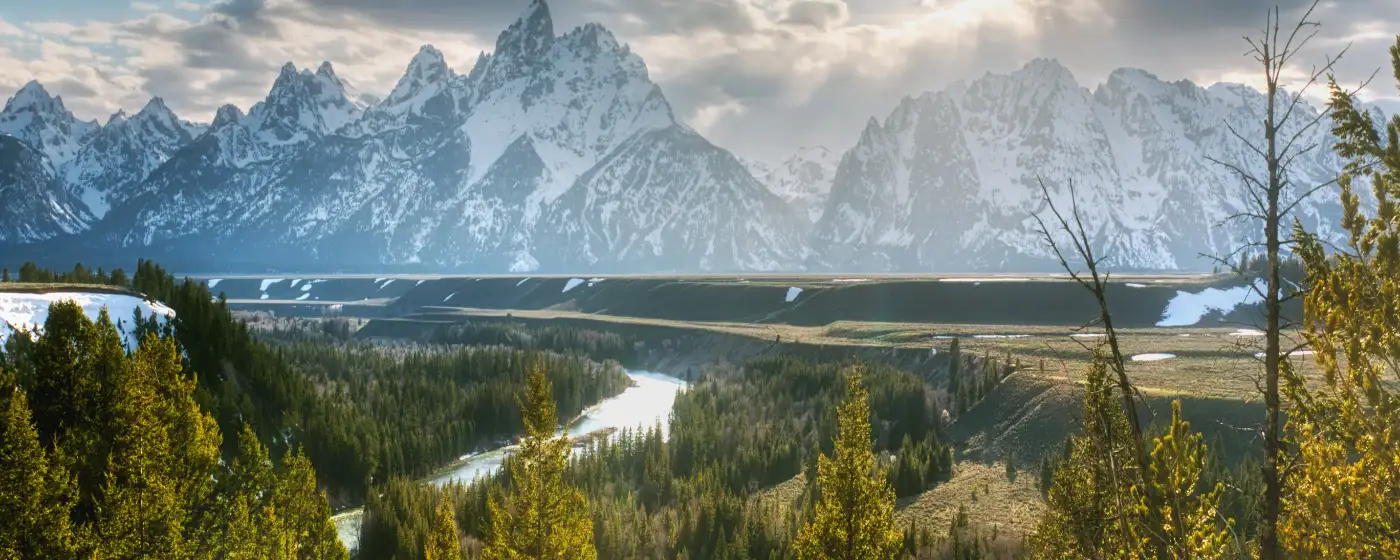
What Is Living in Fruitland, Idaho Like?
You've probably looked at Nampa or Caldwell first. Fruitland doesn't always show up on the radar until someone mentions the price difference — and then you start doing the math. Sitting at the far western edge of the Treasure Valley along U.S. Route 95, right where Idaho meets Oregon at the Snake River, Fruitland occupies a genuinely unusual position: it's a working agricultural town that has been pulled, somewhat reluctantly, into the orbit of one of the fastest-growing metro regions in the country. Interstate 84 runs just south of the city limits, and that single fact shapes almost everything about daily life here — who moves in, who commutes out, and why the town feels different from the bedroom suburbs closer to Boise.
Fruitland's population grew 26.6% between 2019 and 2024, according to U.S. Census Bureau American Community Survey data, and the pressure behind that growth is easy to identify. Swire Coca-Cola runs a beverage production facility here. Dickinson Frozen Foods employs approximately 250 people year-round in food processing. Woodgrain's lumber manufacturing operation rounds out a trio of industrial employers that give the local economy more backbone than a town of 7,560 residents might otherwise have. Fruitland School District #373 holds a B rating, according to Niche, and Fruitland High School — home of the Grizzlies, competing at the IHSAA Class 4A level — offers dual enrollment with the University of Idaho and Boise State University, which matters to families thinking long-term about what their kids have access to here.
The median household income sits at $65,457, and the median sale price of a home was $365,500 as of March 2026 — figures that put Fruitland noticeably below most of the Treasure Valley communities closer to Boise. The effective property tax rate is approximately 0.35%, among the lowest in the state. Day-to-day life runs through Fruitland Community Park and the riverfront along the Snake River and Payette River confluence; both waterways touch city limits, and the city has trail and water-access work tied to both in its planning pipeline. A quick drive across the Snake River puts you in Ontario, Oregon, where there's no sales tax — a fact longtime residents use to their advantage on larger purchases.
Whether you're weighing a move from a pricier Treasure Valley city or relocating from out of state entirely, the sections below break down Fruitland's neighborhoods, housing market, commute realities, local employers, and what daily life here actually looks and feels like.
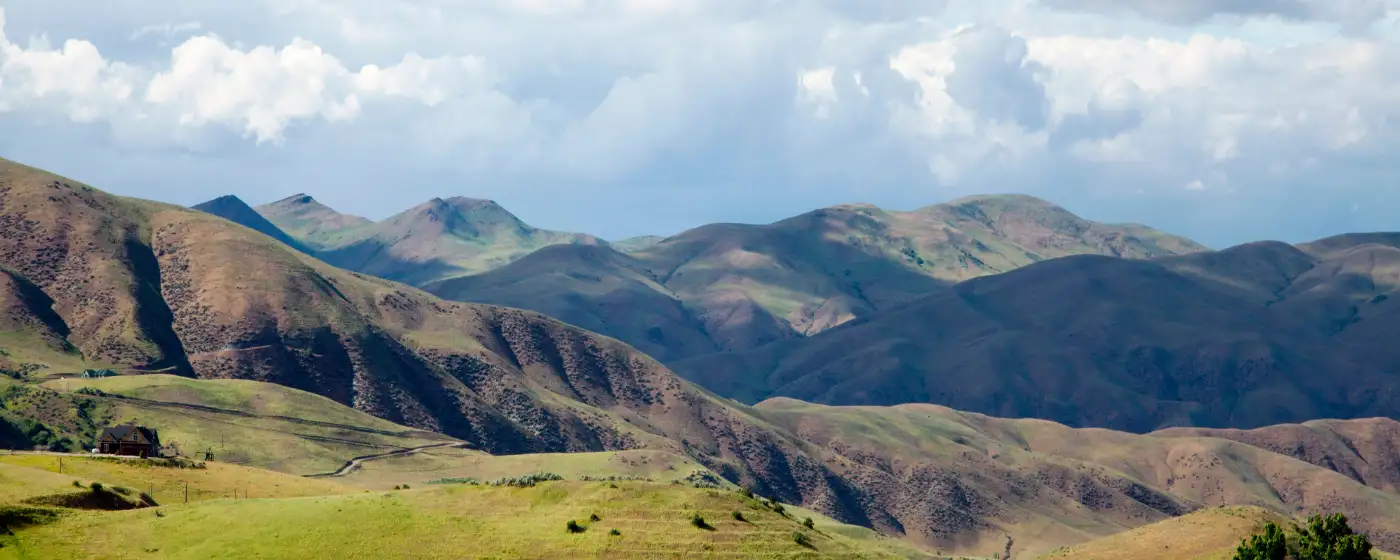
Fruitland at a Glance
Looking to buy in Fruitland? Estimate your payment.
Enter your numbers to see an estimated monthly mortgage payment.
Estimate only. Excludes HOA fees and mortgage insurance. The interest rate above is a starting point, not a quoted rate — replace it with your own to see real numbers. Insurance is a flat placeholder, not a Fruitland quote.
Why Are People Moving to Fruitland?
The case for Fruitland is built on a simple arithmetic: you get a real Idaho small-town life, two rivers, a functioning local economy, and home prices that are noticeably below what the same square footage costs in Nampa or Meridian — all within about 50 miles of Boise. For many buyers, that arithmetic is convincing enough on its own.
The Economic Backbone
Fruitland isn't purely a commuter bedroom. Swire Coca-Cola, Dickinson Frozen Foods, and Woodgrain collectively represent hundreds of local jobs in production, processing, and manufacturing. That industrial base means the city isn't solely dependent on Boise's tech economy, which gives the local job market a kind of steadiness that purely residential suburbs often lack.
The agricultural heritage runs deep, too. Fruitland earned its nickname — "The Big Apple of Idaho" — from the apple orchards that once blanketed the surrounding land. AC&D Farms fruit stand is still a working piece of that history, and the city officially positions itself as both agriculturally rooted and open to new commercial and light-industrial growth.
Who Actually Moves Here
| Buyer Type | What Draws Them | Best For |
|---|---|---|
| Boise-area commuters priced out of closer suburbs | Significantly lower home prices with I-84 access | Commuter Value |
| Families with school-age children | B-rated district, small-school feel, IHSAA sports community | Families School |
| Buyers relocating from California or Oregon | No income tax, lower cost base, rural pace with regional access | Value Quiet |
| Local industrial workers | Short commute to Swire, Dickinson, or Woodgrain facilities | Commuter |
| First-time buyers | Entry-level price point well below Boise metro average | First-Time Value |
| Retirees seeking quiet and low taxes | 0.35% effective property tax rate, river access, smaller-town pace | Quiet Nature |
What tends to surprise people is how functional Fruitland is as a standalone community — not just as a place you pass through on the way to somewhere else. See the full rundown on Fruitland schools and the cost of living breakdown for deeper numbers.
The Honest Trade-Off
Fruitland does not have the dining scene, the retail density, or the cultural amenities of Boise. If your expectation is walkable breweries and a weekend farmers market within a few blocks, this isn't that city. The compromise is real: you get space, affordability, and a community where people know their neighbors — and you drive for most of the rest.
People who move out tend to cite the commute fatigue after a couple of years, or a job change that makes the 50-mile run to Boise impractical. That's worth factoring in before you make an offer.
What Daily Life Feels Like in Fruitland
Fruitland runs at a pace that feels deliberately slower than the Treasure Valley's growth-boom suburbs. Neighbors wave from driveways. The Friday night rhythm in fall follows the Grizzlies on the football field. Weekend mornings at Fruitland Community Park fill with youth baseball and families walking dogs along the river path.
The Agricultural Pulse
The town's agricultural roots show up in ways that become part of the fabric of daily life. The AC&D Farms fruit stand is a genuine local institution — the kind of place where you stop on the way home from work rather than as a planned errand. Late-summer harvest season brings a particular energy to U.S. 95 and the surrounding roads, with equipment moving between fields and the smell of freshly processed produce in the air near the industrial corridor. Newcomers from larger cities find this either grounding or disorienting, depending on what they were expecting.
Where People Actually Gather
Mesa Park — with its softball fields, tennis courts, basketball court, and concession stand — is where Fruitland's recreational community concentrates on weekday evenings and all weekend. Crestview Park draws families with young kids to its splash pad in July and August, when temperatures push into the 90s. The Snake River waterfront is the city's most underutilized asset right now, though trail and access improvements are actively planned.
For a sit-down meal, Rustic Pig BBQ on N Whitley Drive handles smoked meats in a straightforward, no-pretense setting. Ali's Mexican Restaurant on NW 21st Street is the reliable weeknight spot for a large portion of the city. Neither place is a destination restaurant in the culinary-media sense; both are genuinely good and always busy.
What Surprises People After Six Months
The Ontario, Oregon connection catches newcomers off guard in the best possible way. Ontario is directly across the Snake River — a five-minute drive — and it has no sales tax. Longtime residents plan appliance purchases, car repairs, and larger shopping runs around crossing the state line. It's not a quirk; it's a functional part of how Fruitland households manage their budget.
The seasonal surprise is harder to prepare for: summer arrives fast at 2,200 feet of elevation, temperatures climb into the high 90s by late June, and the landscape dries out quickly. People who move from the Pacific Northwest in particular describe July as a recalibration. The upside is that winters here are genuinely milder than most of Idaho — snow falls and mostly melts, and Fruitland rarely experiences the sustained cold that marks northern Idaho communities.
The Honest Day-to-Day Catch
Fruitland has limited walkability by design. Most errands require a car, and the city's commercial footprint — concentrated along U.S. 95 and the main arterials — reflects its working-town roots rather than any kind of planned retail district. For broader shopping, Ontario and Payette fill some gaps; for anything approaching full retail choice, it's Nampa or Caldwell, another 20–30 minutes east. See the parks and recreation page for what outdoor access looks like in practice.
The Fruitland Housing Market Right Now
The median sale price of a home in Fruitland was $365,500 as of March 2026, per Redfin — a figure that makes this one of the more accessible entry points remaining in the Treasure Valley. For context on how that fits into the broader cost picture, the cost of living page breaks down taxes, rent, and household expenses in full detail.
Inventory has been tight across most of the Treasure Valley, and Fruitland is no exception. Homes that are priced correctly and in move-in condition tend to attract multiple showings quickly, particularly in the spring and early summer window. Some areas of the city command noticeably different prices based on proximity to the rivers and the character of the subdivision — but those distinctions are covered on the best neighborhoods page rather than here.
What the Market Feels Like Right Now
The Zillow Home Value Index for ZIP code 83619 came in at $416,718 as of July 31, 2026, up 2.4% over the prior year — covering the full ZIP rather than city limits alone, so treat it as directional context rather than an exact city figure.
* ZHVI = Zillow Home Value Index.
Growth has been meaningful but not explosive compared to earlier pandemic-era years. The 26.6% population increase between 2019 and 2024 absorbed a lot of the available inventory and pushed prices up from the pre-boom baseline. New construction has added supply in several subdivisions, and buyers today have more choices than they did in 2021 or 2022 — though the "show up with a low-ball offer and see what happens" strategy rarely works in this market.
Who the Market Suits
Buyers relocating from higher-cost markets — particularly California — often find the price point here genuinely disorienting in a good way. The moving from California page addresses that specific price and lifestyle shift directly. First-time buyers will find Fruitland among the more realistic options in the Treasure Valley at this price range; more on financing approaches is on the first-time homebuyer page.
The effective property tax rate of approximately 0.35% keeps carrying costs lower than most comparable Western states — a detail that matters when you're modeling long-term affordability rather than just the purchase price.
Fruitland Neighborhoods
Fruitland has several distinct areas — each with its own character and appeal. Here’s a breakdown to help you narrow down where to focus your home search.
🏡 Rivers Edge
Positioned between the Snake and Payette rivers, Rivers Edge is Fruitland's most distinctively located subdivision — buyers here are close to both waterways and typically value that natural setting above all else. The housing stock leans toward newer construction, and the neighborhood draws households who want proximity to the river without giving up a conventional suburban layout.
🏠 Northview Ranch
Northview Ranch sits on the northern side of the city and offers a mix of lot sizes with a more spacious, semi-rural feel than some of the tighter subdivisions closer to U.S. 95. It tends to suit buyers who want room between homes and don't need to be walking distance from anything in particular.
🌳 Zellers Crossing
Zellers Crossing is a newer-growth neighborhood that reflects Fruitland's recent residential expansion — expect clean streetscapes, younger housing stock, and families with kids as the dominant demographic. The area sits within the Fruitland School District boundary and is a common landing spot for first-time buyers entering the market.
🏘 Crestview
Crestview takes its name from Crestview Park, which anchors the neighborhood with a play area and the city's only splash pad — a meaningful draw for households with young children during Fruitland's long, hot summers. The neighborhood has an established feel with a mix of older and newer homes.
🏔 Crimson Maple
Crimson Maple is a smaller, quieter subdivision that attracts buyers looking for a low-key residential setting without a long internal commute to Fruitland's main corridors. The character is residential and unhurried, with the kind of street-level calm that buyers coming from denser suburbs tend to find immediately appealing.
🌆 Forty Acre
Forty Acre lives up to its name in feel if not always in literal lot size — this area attracts buyers who want more land, more privacy, and a working connection to Fruitland's agricultural roots. It suits households that keep animals, garden seriously, or simply want a buffer between themselves and their nearest neighbor.
Pros & Cons of Living in Fruitland
The Pros
- Affordable housing well below Boise metro prices
- Low crime rates - ranked 4th safest city in Idaho
- Agricultural heritage with seasonal orchards and farm stands
- Small-town atmosphere with easy Oregon border access
The Cons
- Limited job opportunities within city limits
- School district ranks in bottom 50% statewide
- Rural location requires driving for most amenities and services
Getting Around & Commuting in Fruitland
Fruitland's entire commuter identity is built on one infrastructure fact: Interstate 84 runs just south of the city, and much of the drive east toward Boise operates at 80 mph. That speed limit matters — it compresses what would otherwise be a punishing 50-mile daily run into something closer to 45–55 minutes under normal conditions.
The Boise Commute Reality
The I-84 corridor connects Fruitland through Caldwell, then Nampa, and into the Boise metro. Under light-to-moderate traffic — typical outside of the morning and evening peaks — the drive is manageable. During peak hours, particularly the westbound evening return between 4:30 and 6:30 p.m., the stretch through Caldwell and into Nampa can slow considerably, and what's 50 minutes at 10 a.m. can become 70–75 minutes at 5:15 p.m.
This is the make-or-break calculation for most people considering Fruitland. Buyers who have flexible or hybrid schedules — or who work locally at Swire, Dickinson Frozen Foods, or Woodgrain — absorb the distance comfortably. People locked into a five-day, fixed-hours office schedule in downtown Boise often find the commute erodes the lifestyle benefit within the first year or two.
Transit and Getting Around Locally
Snake River Transit runs bus service between Ontario, Oregon, and Payette, Idaho, with Fruitland as a stop along the route on 60-minute headways. This is useful for commuters who work in Ontario or Payette and don't want to drive every day, but it is not a substitute for a car if your destination is Nampa, Caldwell, or Boise.
Within Fruitland itself, a car is essentially required for daily life. The city's commercial and residential footprint is spread across U.S. 95 and the surrounding grid in a way that makes on-foot errands impractical for most households. The one exception worth noting: if you live near downtown, Fruitland Community Park, and the NW 21st Street commercial strip — where Ali's Mexican Restaurant sits — you can handle a meaningful portion of daily life without getting in a car every single time.
The Oregon Advantage
Ontario, Oregon, is a five-minute drive across the Snake River, and for Fruitland residents, it functions almost like a second commercial district. Oregon has no sales tax, which means anything from electronics to vehicle purchases to building materials gets cheaper the moment you cross the bridge. Locals plan around this habitually rather than treating it as an occasional perk.
What Newcomers Get Wrong
The most common mistake relocating buyers make is test-driving the commute on a Saturday afternoon and concluding it's fine. Drive it westbound at 7:45 a.m. on a Tuesday in October, and then eastbound at 5:15 p.m. on the same day — that's the version of the commute you'll actually be living. The merge points approaching Caldwell and the run into Nampa are where the friction concentrates, and they're noticeably worse in the fall and spring when construction activity picks up along the corridor.
Schools in Fruitland
Families relocating to Fruitland have public, private, and higher-education options nearby. Here’s a quick overview.
🎓 School District
Fruitland School District #373 serves K–12 students across Fruitland and the surrounding area. Rated B (source: Niche.com).
🏆 Graduation Rate
The 4-year high-school graduation rate here is approximately 92.1%.
📚 Higher Education
Idaho’s public universities — Boise State, the University of Idaho, and Idaho State — offer four-year degrees statewide, with community colleges (CWI, CSI, NIC) providing two-year and workforce programs.
🌐 Online Learning
Boise State Online and University of Idaho Online offer fully accredited online degrees for remote learners across the state.
Safety in Fruitland
A quick look at how Fruitland compares on the numbers that matter most when weighing a neighborhood or a move.
🛡 Violent Crime
Approximately 1 per 1,000 residents.
🔒 Property Crime
Approximately 5.4 per 1,000 residents.
Compared to the FBI’s most recent national data (2024), Fruitland’s violent crime is below the national average (about 3.6 per 1,000), and property crime is below the national average (about 17.6 per 1,000).
Against Idaho as a whole, Fruitland’s violent crime is roughly half the state average, and property crime is roughly two-thirds of the state average (Bureau of Justice Statistics, Crime Known to Law Enforcement, 2024 (tables 2 and 3)).
Crime rates can vary a lot within a single city, so the citywide numbers above are only a starting point. Some neighborhoods in Fruitland run well below these averages, while others run higher — the kind of block-by-block detail that matters most when you’re actually choosing where to live. The full guide below breaks it down neighborhood by neighborhood.
Working in Fruitland
Fruitland’s largest employers span several industries — here are some of the anchors of the local job market.
💼 Swire Coca-Cola
Beverage production
🛒 Dickinson Frozen Foods
Food processing
🏭 Woodgrain
Lumber manufacturing
Parks & Recreation in Fruitland
Some of the outdoor spaces that shape everyday life in Fruitland.
🌱 Fruitland Community Park
🌱 Snake River waterfront
🌱 Payette River confluence
Fruitland residents don’t have to go far for green space — spots like Fruitland Community Park and Snake River waterfront are part of everyday life here, whether that’s a morning walk, a weekend hike, or just somewhere to unwind outside. The full guide below covers more of what Fruitland has to offer for parks and outdoor recreation.
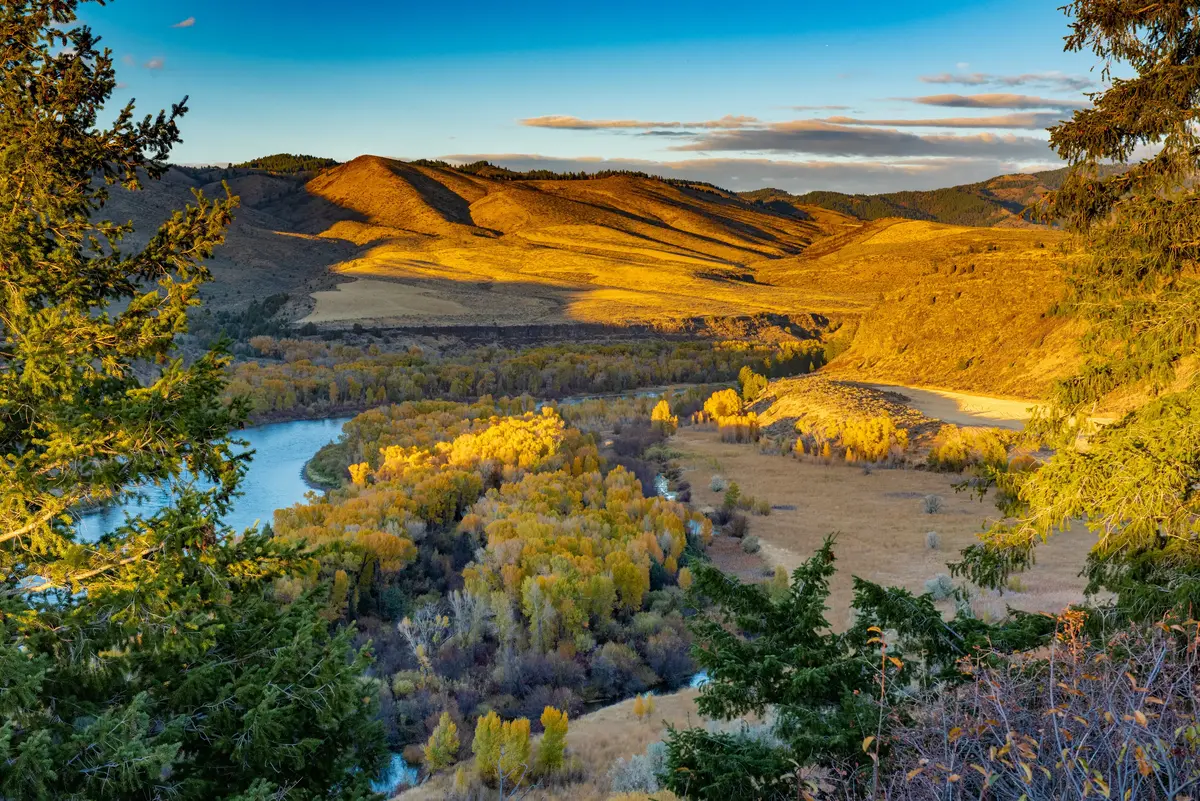
Retiring in Fruitland
Fruitland draws retirees for its balance of amenities, outdoor access, and cost. Here’s what to weigh.
🌤 Climate
At approximately 2,200 feet of elevation, Fruitland gets hot, dry summers with temperatures regularly reaching the mid-to-upper 90s from late June through August. Winters are milder than most of Idaho — snow comes and typically melts rather than accumulating for weeks — making the climate more forgiving than northern Idaho communities for retirees managing mobility in winter conditions.
🍴 Lifestyle
Daily life centers on outdoor access along the Snake and Payette rivers, parks like Mesa and Crestview, and a small but genuine local dining scene anchored by spots like Rustic Pig BBQ and Ali's Mexican Restaurant. The pace is unhurried, the community is neighborly, and weekend day trips to the Payette River corridor or Hells Canyon are well within reach.
🏚 55+ Communities
Fruitland's housing inventory is largely single-family, with several newer subdivisions offering lower-maintenance ranch-style homes suited to downsizing households. The Payette area and Ontario, Oregon just across the river offer additional senior-living options for those who want dedicated active-adult communities. For a full picture of what's available, see the <a href="/idaho/fruitland/retiring">retiring in Fruitland page</a>.
✈ Getting Around
A car is essential for daily life in Fruitland. Ontario, Oregon is a five-minute drive across the Snake River and provides additional shopping and services. The Boise Airport is approximately 50 miles east via I-84 — a straightforward drive, though peak-hour traffic through Caldwell and Nampa adds time.
🏛 Idaho Taxes for Retirees — What to Know
- Social Security is not taxed — Idaho does not tax Social Security benefits at the state level, regardless of income.
- Flat state income tax — Idaho has a flat income tax (5.3% for 2026). Other retirement income — pension distributions and 401(k)/IRA withdrawals — is taxed as ordinary income at that rate.
- Narrow retirement deduction — Idaho’s Retirement Benefits Deduction is limited: it reaches only certain government pensions (federal CSRS, Idaho firefighter/police, and military retirement) for those 65+ (or 62+ if disabled), and is reduced by Social Security received.
- Sales tax is the tradeoff — The state sales tax is 6.0%, and Fruitland adds no local sales tax on general retail, so the combined rate is 6.0% (Idaho State Tax Commission, 2026). Groceries are taxed, but a grocery tax credit offsets part of it; prescription drugs are exempt. A small number of resort cities add a local option tax, usually on lodging, alcohol, and prepared food rather than general retail.
- Low property taxes, with senior relief — Idaho property taxes are relatively low. Homeowners 65+ who own and occupy their home may qualify for the “circuit breaker” Property Tax Reduction based on income.
- No estate or inheritance tax — Idaho has no estate, inheritance, or gift tax.
- Capital gains — Capital gains are taxed as ordinary income, though Idaho allows a deduction of up to 60% of the net gain on qualifying Idaho property.
Tax laws change frequently and individual situations vary. This is general information, not tax advice — always consult a qualified Idaho tax professional or CPA for personalized retirement tax planning.
Weekends & Local Favorites in Fruitland
Fruitland's weekend rhythm is quiet in the way that small agricultural towns tend to be quiet — which is either a selling point or a dealbreaker depending on what you moved from. Most residents structure their weekends around the outdoors, local parks, and drives to nearby cities rather than an internal nightlife or entertainment district.
The River Access
The fact that both the Snake River and the Payette River touch Fruitland's city limits is genuinely unusual and underappreciated. The Payette River confluence sits within easy reach of town, and the Snake River waterfront gives the city a natural anchor that most Treasure Valley suburbs can't claim. Fishing, kayaking, and informal river access are part of everyday life here in a way that doesn't require a long drive or a permit. Trail development along both corridors is an active planning priority, so access is likely to improve over the next several years.
Parks and Community Life
Mesa Park draws the recreational sports crowd — softball leagues, pickup basketball, and organized youth programs run through most of the warm months. Crestview Park is the destination for families with young children, particularly the splash pad, which runs from late June through August and becomes the de facto community gathering spot on hot afternoons. Fruitland Community Park anchors the downtown area and hosts the informal gatherings and seasonal events that define small-town civic life here.
Food and Local Spots
Rustic Pig BBQ on N Whitley Drive is the kind of barbecue spot where the parking lot fills by noon on Saturdays. Ali's Mexican Restaurant on NW 21st Street has been a consistent community fixture for years — the green chile and the lunch crowd both speak for themselves. Beyond those two, Fruitland's dining scene is thin, and most residents supplement with trips into Ontario or the broader Nampa and Caldwell restaurant corridor.
Day Trips and Regional Access
Living at the western edge of the Treasure Valley puts Fruitland within reasonable reach of the Owyhee Mountains to the south, the Payette River recreation corridor to the north, and the high desert of eastern Oregon to the west. Weekend drives to Hells Canyon — one of the deepest river gorges in North America — start just over an hour away. Weiser, 30 minutes north on U.S. 95, hosts a well-known fiddle music festival each June, one of those Idaho events that newcomers stumble into once and end up coming back for every year after. For more on Fruitland's outdoor assets, see the parks and recreation page.
Top Things Locals Say About Fruitland
The best intel about a city comes from the people who actually live there. Here’s what Fruitland residents say when newcomers ask the questions everyone’s thinking.
“I knew the commute would be a thing, but I didn't expect how much I'd actually love being this far out. Six months in and the river access alone has changed how I spend my weekends — I haven't missed the closer suburbs as much as I thought I would.”
— Recent Fruitland home buyer
“What's the most surprising thing about living in Fruitland?”
How functional the Ontario connection is. Everyone talks about it before you move here, but you don't really get it until you're planning a big purchase and just automatically drive across the bridge. It's five minutes and suddenly you're in Oregon with no sales tax. Longtime residents build it into how they shop without even thinking about it anymore.
“What do locals love most about Fruitland?”
The river access. Both the Snake and the Payette touch city limits, and on a summer evening you can be on the water in fifteen minutes from anywhere in town. Crestview Park and Mesa Park are packed with families all summer. There's a real sense that people here actually use the outdoors rather than just talking about it.
“What should newcomers to Fruitland know?”
Drive the commute on a real weekday before you close. The corridor through Caldwell and into Nampa is fine at noon but a different experience at 5:15 p.m. Also: Fruitland doesn't have much in the way of retail — you'll figure out quickly whether Payette or Ontario covers your needs or whether you're making weekend runs to Nampa. Most people settle into a rhythm, but it takes a month or two to calibrate.
“Can you live in Fruitland without a car?”
Practically speaking, no. Snake River Transit runs a bus route through town connecting Ontario and Payette, which covers specific corridors, but daily errands, school pickups, and most shopping require a vehicle. If you're on the NW 21st Street side of town, you can walk to a handful of things, but Fruitland was built around the car and that hasn't changed.
Cities Near Fruitland
Other communities near Fruitland worth a look — each with its own character and price point.
| City | Distance | Best For | Vibe | Median Rent | Median Buy |
|---|---|---|---|---|---|
| Ontario, OR | 3 mi | Sales-tax-free shopping, cross-river access | Compact, commercial, working-town feel | $1,000 | $289,000 |
| Payette | 4 mi | Families, established neighborhoods, local services | Quiet, small-town, agricultural roots | $1,395 | $354,000 |
| New Plymouth | 6 mi | Rural lifestyle, very small-town feel | Minimal services, open land, tight-knit | $1,595 | $402,000 |
More Helpful Guides for Fruitland
Going deeper on Fruitland? Our blog series covers everything from first-time buying to retiring here — explore the guides below.
Local Expert Takeaway: Fruitland works best for buyers who have run the real commute numbers and made peace with them — or who work locally at one of the three industrial anchors. The price point relative to Nampa or Meridian is real, the property tax rate is genuinely low, and both the Snake River and Payette River access are assets most suburbs can't match. Spend a Saturday at Mesa Park or Crestview's splash pad and you'll see exactly who is building a life here. Drive I-84 eastbound at 5:15 p.m. on a Tuesday before you make an offer, and you'll have a clear-eyed picture of what that life costs in time.
Quick Takeaways & FAQs
✅ Fruitland's $365,500 median sale price (March 2026) makes it one of the most accessible entry points remaining in the Treasure Valley with I-84 access.
⚠️ The 50-mile Boise commute is manageable with flexibility but can stretch to 70+ minutes during peak evening hours on the corridor through Caldwell and Nampa.
📍 Ontario, Oregon is a five-minute drive across the Snake River — locals routinely cross the state line for sales-tax-free purchases on everything from appliances to vehicles.
How far is Fruitland, Idaho from Boise?
What are home prices like in Fruitland, Idaho?
How are the schools in Fruitland, Idaho?
What are the major employers in Fruitland, Idaho?
Is Fruitland, Idaho a good place to raise a family?
Helpful Links for Moving to Fruitland
Moving to Idaho?
Tell us what you need help with and we'll connect you with local resources.
