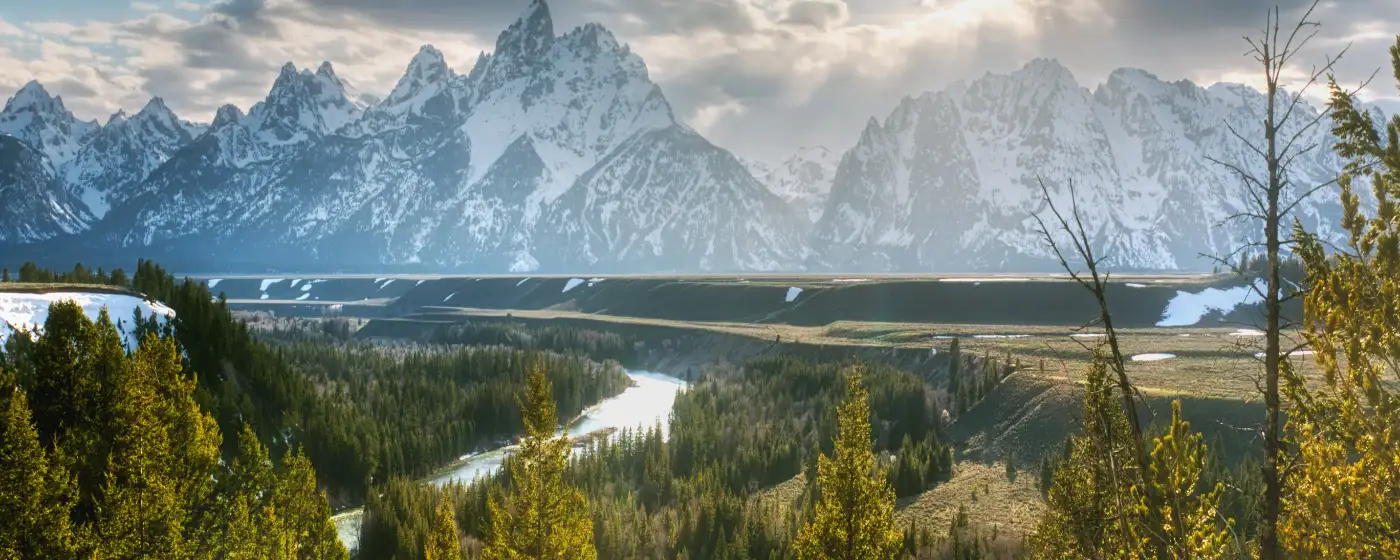
Most people who move from California to Fruitland, Idaho say the same thing after the first week: they keep waiting for the catch. Home prices here stop Bay Area or Southern California buyers mid-scroll because they look like a typo — and they aren't. Fruitland sits along U.S. Route 95 in the Treasure Valley of southwest Idaho, right on the Oregon border near the confluence of the Snake and Payette rivers. The city is small — around 7,500 people — and the pace reflects that. The surrounding landscape still earns its nickname, "The Big Apple of Idaho," a nod to the apple orchards that historically ringed the community and still give the area a distinctly agricultural feel that no amount of California suburb conditioning fully prepares you for.
The economic engine here looks nothing like coastal California. Production and manufacturing anchor the local job market: Swire Coca-Cola runs a beverage facility, Dickinson Frozen Foods handles food processing, and Woodgrain operates a lumber manufacturing plant. These are blue-collar employers, not tech campuses. The Boise metro — about 50 miles east on U.S. 95 — is where many California transplants ultimately find professional-sector work, which means the commute question matters more than most people factor in upfront. Fruitland School District #373 serves the city; if schools are a key driver of your move, see the full breakdown on the Fruitland schools page.
Total living costs in Fruitland run roughly 12 percent below the U.S. average, according to the BestPlaces cost-of-living index for zip code 83619. Housing drives most of that gap, but utilities, groceries, and everyday expenses also track below what most California households are spending. The trade-off is an infrastructure gap: 93.3% of Fruitland commuters drive to work, and public transit usage is effectively zero. If your California life included BART, Caltrain, or a regional rail commute, plan on two cars from day one. The Snake River waterfront and Fruitland Community Park give residents genuine outdoor access without the crowds of a larger city — for more on what's available outside, the parks and recreation page goes deeper.
Whether you're being priced out of Sacramento, leaving the Bay Area entirely, or just done with California's tax structure, the sections below break down the home price and tax comparison, what the culture shift actually feels like, day-to-day life in Fruitland, what Californians consistently get wrong about the move, and the honest downsides nobody leads with.

The Home Price Reality: California vs. Fruitland
The number that pulls Californians to Fruitland is the home price. At $365,500 (Redfin median sale price, March 2026), a house here costs a fraction of what most California markets charge for something comparable — often a detached single-family home on a real lot with a garage.
What the California Comparison Actually Looks Like
California's median home prices vary enormously by metro, but they share a common trait: they are structurally higher than what you'll find in Fruitland. Whether you're coming from a coastal metro or one of the more affordable Central Valley cities, the spread between what you'd sell for in California and what you'd pay in Fruitland is often large enough to eliminate a mortgage entirely or reduce it to a size that feels almost unfamiliar.
Fruitland's effective property tax rate compounds the advantage: at approximately 0.35%, it sits well below California's typical effective rate of 0.75% to 1.1% — and also below Idaho's own statewide median of about 0.50%. On a $365,500 home, that rate keeps annual property tax notably low. For the full cost-of-living context, see the Fruitland cost-of-living page.
What You Get for the Price
| Feature | Typical California Entry-Level | Fruitland at $365,500 Median |
|---|---|---|
| Home size | Condo or small attached home | Detached single-family, often 3+ bed |
| Lot | Minimal or shared | Private yard, frequently large |
| Garage | Often shared or none | Typically included |
| Effective property tax rate | ~0.75–1.1% | ~0.35% |
| HOA fees | Common and often high | Less common; lower where present |
| New construction availability | Very limited in most metros | Active in several subdivisions |
Fruitland's neighborhoods range from waterfront-adjacent areas near the Snake River to newer subdivisions on the city's edges. For a detailed breakdown of what each area delivers, the Fruitland neighborhoods page covers it specifically.
The Equity Conversation
Many California sellers arrive in Fruitland with significant equity from their previous home. That equity can mean buying outright, making a substantial down payment, or absorbing the move costs with room to spare. It's a dynamic that changes the financial psychology of homeownership in ways that take a few months to fully sink in.
What doesn't transfer is appreciation pace. Fruitland's market has grown, but it is not a coastal California-speed equity machine. Buyers treating this as a short-term investment play rather than a lifestyle move often find the math less compelling when they factor in selling costs and Idaho's slower price-change cycles.
The Tax Shift: Income, Sales, and What Idaho Does Differently
California's top marginal income tax rate of 13.3% is the highest state income tax rate in the country. Idaho's is a flat 5.3% — effective January 1, 2025, after Governor Brad Little signed HB 40 in March 2025, reducing it from 5.695%. That alone is the single largest tax change most California transplants experience, and it shows up immediately in every paycheck.
A Direct Comparison
| Tax Category | California | Idaho (Fruitland) |
|---|---|---|
| State income tax structure | Graduated, up to 13.3% | Flat 5.3% |
| Effective property tax rate (Fruitland) | ~0.75–1.1% (statewide typical) | ~0.35% (Fruitland-specific) |
| Statewide sales tax base rate | 7.25% (base); 10%+ in many counties | 6.00% (combined avg. 6.03%) |
| Grocery sales tax | Most food exempt | Taxed at 6%; $155/person annual credit |
| Estate tax | None (federal only) | None |
| Inheritance tax | None (federal only) | None |
The Grocery Tax Nuance
Idaho does tax groceries at the full 6% rate — California exempts most grocery food from sales tax. Idaho partially offsets this through an annual grocery credit of $155 per person (raised from $120 under HB 231, also signed in March 2025), claimed on your state return. For a household of four, that's $620 back annually, which cushions but doesn't fully eliminate the difference. It's one of the few areas where California's tax code is friendlier for everyday spending.
Sales Tax on Everything Else
Idaho's combined state-and-local sales tax averages 6.03%, compared to California's statewide base of 7.25% — a base that climbs to 10% or higher in Los Angeles County, San Francisco, and other dense metros. If you've been shopping in an area with elevated local rates, Idaho's number will feel noticeably lower at the register on anything from appliances to vehicles.
What Idaho Doesn't Have
Idaho levies no estate tax and no inheritance tax. For Californians managing generational wealth or planning around a larger estate, this is a meaningful structural difference that often comes up in conversations with estate planning attorneys after the move.
The Culture Gap Nobody Warns You About
Fruitland is not a California suburb with Idaho zip codes. It is a working agricultural and manufacturing town of 7,500 people where the pace, the politics, the social fabric, and the physical environment are genuinely different from anything most California transplants have experienced.
Smaller Than You Expect
Seven thousand people is small in a way that takes time to calibrate. There is no walkable downtown core in the way most California transplants picture one. A handful of independent local spots — a Mexican restaurant, a barbecue joint — define Fruitland's dining scene rather than a restaurant row. Boise carries the cultural infrastructure load: concerts, major retail, specialty food, and entertainment all require that 50-mile drive east on U.S. 95.
Car Culture, Full Stop
With 93.3% of residents driving to work and public transit at effectively zero, this is a place designed entirely around vehicle ownership. California buyers who were casually car-dependent — meaning they drove but lived near a BART station or a Caltrain stop as a backup — will feel the difference. Plan on owning two reliable vehicles per household, full stop.
Agricultural Identity
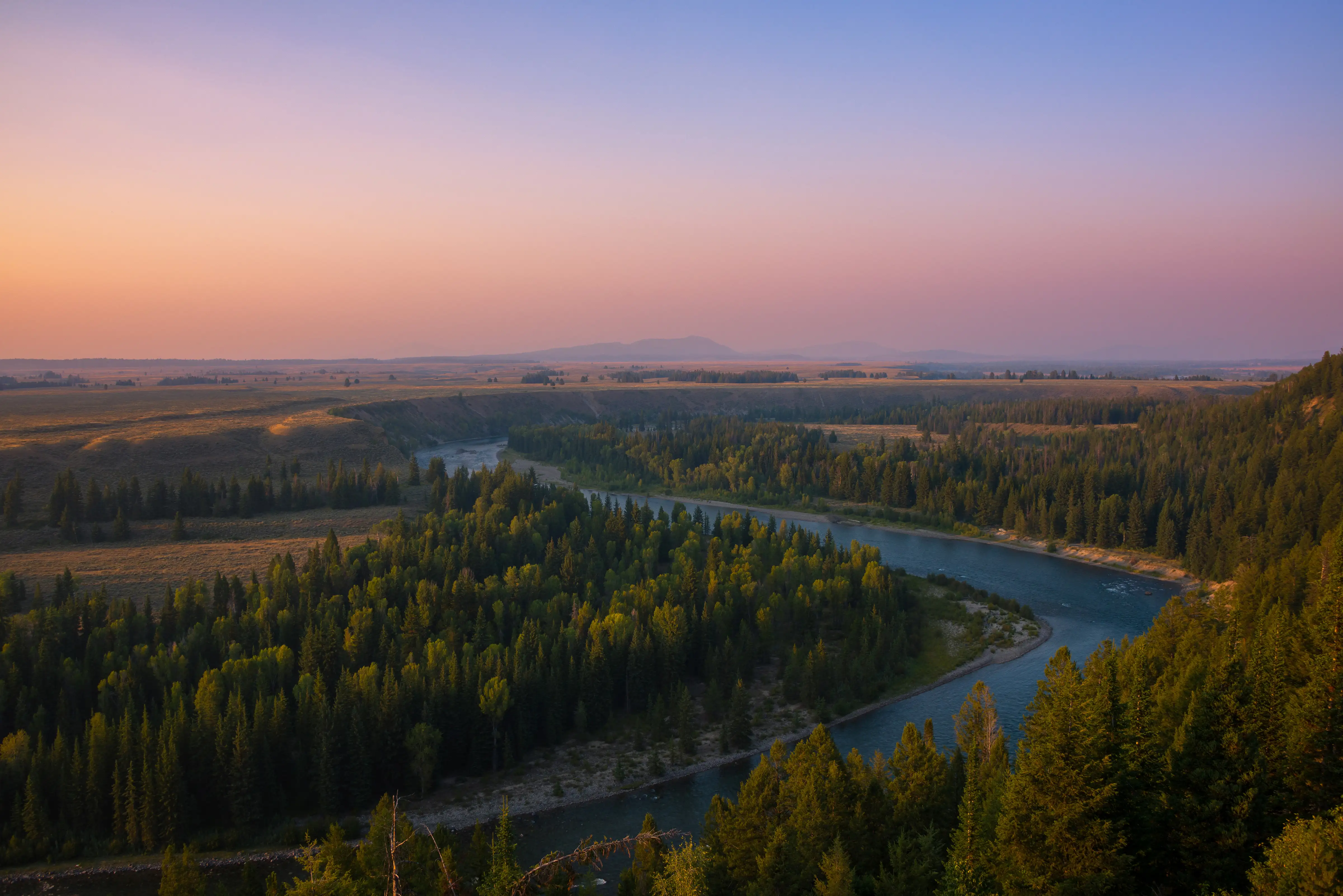
The Payette River confluence, the AC&D Farms fruit stand, and the remnants of the orchard economy that earned Fruitland its "Big Apple of Idaho" nickname are not marketing gloss — they are the actual character of this place. Neighbors who have worked in food processing or lumber manufacturing for twenty years are common. The social norms around self-sufficiency, land use, and community tend to reflect that background.
What Six Months Here Actually Reveals
Most California arrivals spend the first few months marveling at the space and the cost of living. By month six, the ones who struggle are usually the ones who underestimated how much of their previous lifestyle depended on urban density — specialty grocery stores, diverse restaurant options, cultural events within a short drive, or a professional network that didn't require a commute to access. Boise fills some of those gaps, but it's not next door.
The ones who thrive are usually the buyers who wanted land, quiet, and lower financial pressure more than they wanted proximity to urban amenities. That's not a judgment — it's a sorting mechanism worth being honest about before you make an offer.
Looking to buy in Fruitland? Estimate your payment.
Enter your numbers to see an estimated monthly mortgage payment.
Estimate only. Excludes HOA fees and mortgage insurance. The interest rate above is a starting point, not a quoted rate — replace it with your own to see real numbers. Insurance is a flat placeholder, not a Fruitland quote.
Daily Life in Fruitland: The Practical Picture
Daily logistics in Fruitland run on a rhythm that Californians from dense metros find surprisingly uncomplicated. Traffic is not the defining feature of life here the way it is in the Bay Area or greater LA. The commute friction shows up differently: not gridlock, but distance.
The Commute Question
Boise is roughly 50 miles east on U.S. 95, and that commute runs about 50 minutes under normal conditions. Ontario, Oregon — the immediate commercial hub just across the state line — is minutes away and handles most everyday errands. The U.S. 95 corridor carries the bulk of regional traffic; Friday afternoon westbound out of Boise can add meaningful time to that return leg. Drivers who leave Boise before 4:00 p.m. or after 6:00 p.m. consistently report a noticeably easier run back to Fruitland. For a more detailed look at commute patterns, the living in Fruitland page covers what locals actually do.
Everyday Errands
Ontario, Oregon serves as the practical commercial anchor for Fruitland residents — it's where larger grocery options, national retailers, and regional services cluster. Payette, directly adjacent to Fruitland, adds another layer of local services. Neither city offers what a California metro suburb would call a full retail ecosystem, but for day-to-day needs, the combined cluster works.
Outdoor Access
The Snake River waterfront and Fruitland Community Park give residents immediate outdoor access that doesn't require a drive. The Payette River confluence is a genuine natural landmark, not a landscaped amenity — it draws anglers, kayakers, and people who simply want water nearby. Hunting and fishing culture runs deep here in a way that casual outdoor recreation in California rarely prepares transplants for. The parks and recreation page covers what's accessible and where.
Neighbors and Community
Fruitland Community Park functions as the informal gathering point — weekend mornings bring out residents in a way that feels less curated than a California park event and more genuinely habitual. The community is tight in the way small manufacturing and agricultural towns tend to be: people recognize each other at the grocery store, kids play across property lines, and the social life tends to happen at local events and school functions rather than bars or restaurants.
Safety Context
Fruitland's crime figures are low relative to national averages — the city reads as an area many families consider quite safe. For the actual statistics and context, see the Fruitland safety page.
Honest Downsides: What California Buyers Get Wrong
The case for Fruitland is easy to make and it's mostly true. The downsides are shorter but worth reading before you submit an offer.
Income Expectations Don't Transfer
California salaries — especially in tech, finance, healthcare management, or legal fields — often do not have local equivalents in Fruitland or even in the Boise metro at the same pay scale. The median household income in Fruitland is $65,457. Buyers who plan to maintain California-level income remotely while living in Fruitland tend to do well. Buyers who assume the local job market will match their California compensation frequently do not.
The Boise Dependency
If your professional network, your specialist healthcare provider, your preferred grocery store, or your kids' travel sports league is in Boise, you are committing to a 100-mile daily round trip to access it. Some families do this without complaint. Others find, by year two, that they'd rather live 15 miles closer to Boise and absorb a slightly higher home price. That's a real compromise worth running through before you close.
Idaho's Grocery Tax
The $155-per-person annual grocery credit helps, but Idaho taxes groceries at 6% and California doesn't tax most food at all. For a family of four doing serious grocery shopping, this is a noticeable recurring cost difference that doesn't show up in the headline tax comparison but does show up in the monthly budget.
No Transit Exit Ramp
This is not a city where you can sell a car when money gets tight or a medical situation changes your driving ability. The 0.1% transit usage figure is not a policy gap waiting to be filled — it reflects the geography and density of the Treasure Valley. Buyers who anticipate needing alternatives to personal vehicle travel in the next decade should factor that in.
What You'd Avoid
Buyers who thrive on density — on being able to walk to three different restaurant options, browse a farmers market on Saturday morning, and catch live music on a Tuesday — tend to find Fruitland undersized for that lifestyle. Boise can provide most of those things, but requiring a planned 50-mile drive to access spontaneity changes the character of city living in ways that take time to accept. If that description sounds like you, Fruitland might serve better as a rural satellite than a primary base, and it's worth being honest about that before the move rather than after it.
For buyers who have genuinely run the numbers, made peace with car-dependence, and want land, quiet, and financial breathing room that California stopped providing — Fruitland often delivers exactly what it promises.

Local Expert Takeaway: Fruitland's financial case is real: a $365,500 median home price, a flat 5.3% state income tax, a 0.35% effective property tax rate, and total living costs running about 12% below the U.S. average add up to a genuine reset for most California households. The adjustment that catches people off guard isn't financial — it's geographic. Boise is 50 miles east, Ontario, Oregon is right next door, and Fruitland itself is a small agricultural town where a handful of independent local spots define the dining scene rather than a restaurant row. If you're expecting a scaled-down Sacramento, you'll be surprised. If you're expecting space, lower financial pressure, and a community built around the Snake and Payette rivers rather than a freeway interchange, Fruitland is exactly what it looks like.
Quick Takeaways & FAQs
✅ Idaho's flat 5.3% income tax rate and Fruitland's 0.35% effective property tax rate represent a meaningful and immediate tax reduction for most California households.
⚠️ The 50-mile Boise commute on U.S. 95 is manageable but real — Californians who underestimate the distance-to-amenities gap are the ones most likely to second-guess the move by year two.
📍 Fruitland is nicknamed 'The Big Apple of Idaho' for its orchard history — the agricultural and small-town character is genuine, not a marketing angle, and sets the tone for daily life here.
How much cheaper are homes in Fruitland, Idaho compared to California?
What is Idaho's income tax rate compared to California's?
Is there public transit in Fruitland, Idaho?
Does Idaho tax groceries? How does that compare to California?
What is the commute from Fruitland to Boise like?
Moving to Idaho?
Tell us what you need help with and we'll connect you with local resources.
