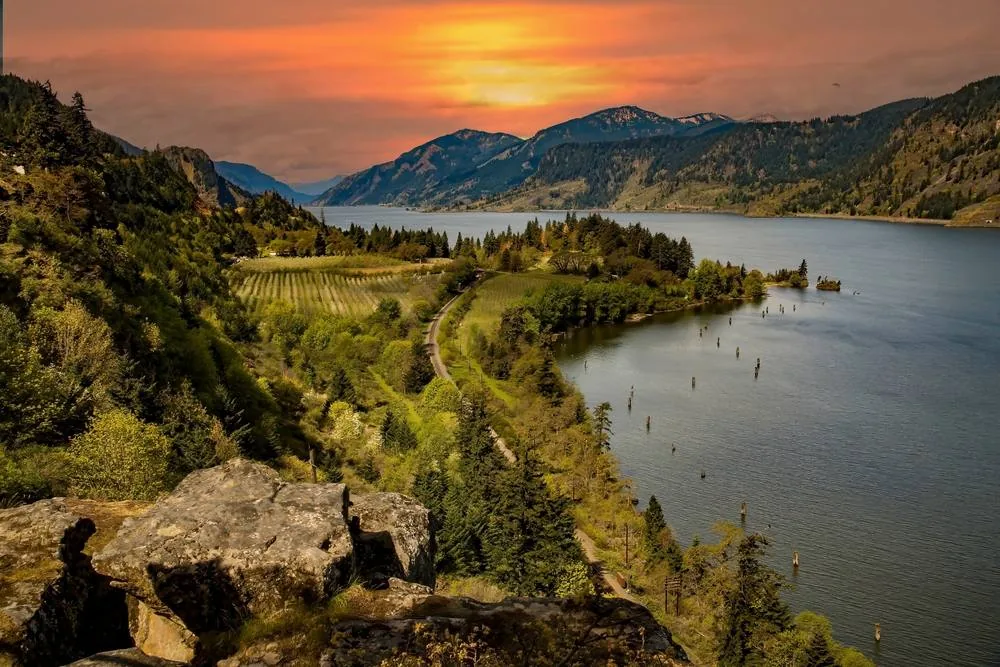
Is Mt. Hood & the Columbia Gorge a Good Place to Live?
You've probably done the comparison already: Portland Metro is too expensive, Central Oregon feels too far, and someone mentioned the Gorge. Maybe you drove US-26 toward Mt. Hood on a fall weekend and started doing mental math at every real estate sign. The honest catch is that Mt. Hood & the Columbia Gorge is not one place — it's a corridor of genuinely different towns, each shaped by different economies, different commute realities, and different relationships to the landscape they share. Picking the wrong one isn't a small mistake.
The region's economic backbone is surprisingly varied for its size. Hood River draws aerospace and outdoor-industry talent, while The Dalles has quietly become a Pacific Northwest tech anchor with a Google presence alongside its longstanding healthcare and government employers. Troutdale sits at the western mouth of the Gorge, close enough to Portland's logistics corridor that Amazon and FedEx Ground both operate there, and Reynolds School District is the institutional center of family life. Sandy runs on the school district, county government, and the steady stream of people who want a Mt. Hood address without a resort-town price tag. Estacada, the smallest of the group, is genuinely rural — the US Forest Service and Portland General Electric's hydroelectric operations are the largest institutional employers, and that tells you everything about its character.
On price, this region sits below the Portland Metro but above most of Oregon's other regions — meaning you get real scenery and real access to outdoor recreation without paying Bend prices, but don't expect the kind of affordability you'd find in Southern or Eastern Oregon. Hood River is the priciest town in the group; The Dalles offers the most room on budget. Sandy and Troutdale both land near the middle of the regional range, and Estacada is similarly mid-range for buyers willing to trade a longer drive for a quieter setting. What all five share is that the Columbia River, the Gorge, and the flanks of Mt. Hood are genuinely part of daily life — not a weekend destination you occasionally visit.
Whether you're comparing these cities to each other or deciding whether the region suits you at all, the sections below break down each town's character, who it fits, and what daily life actually looks like on the ground.
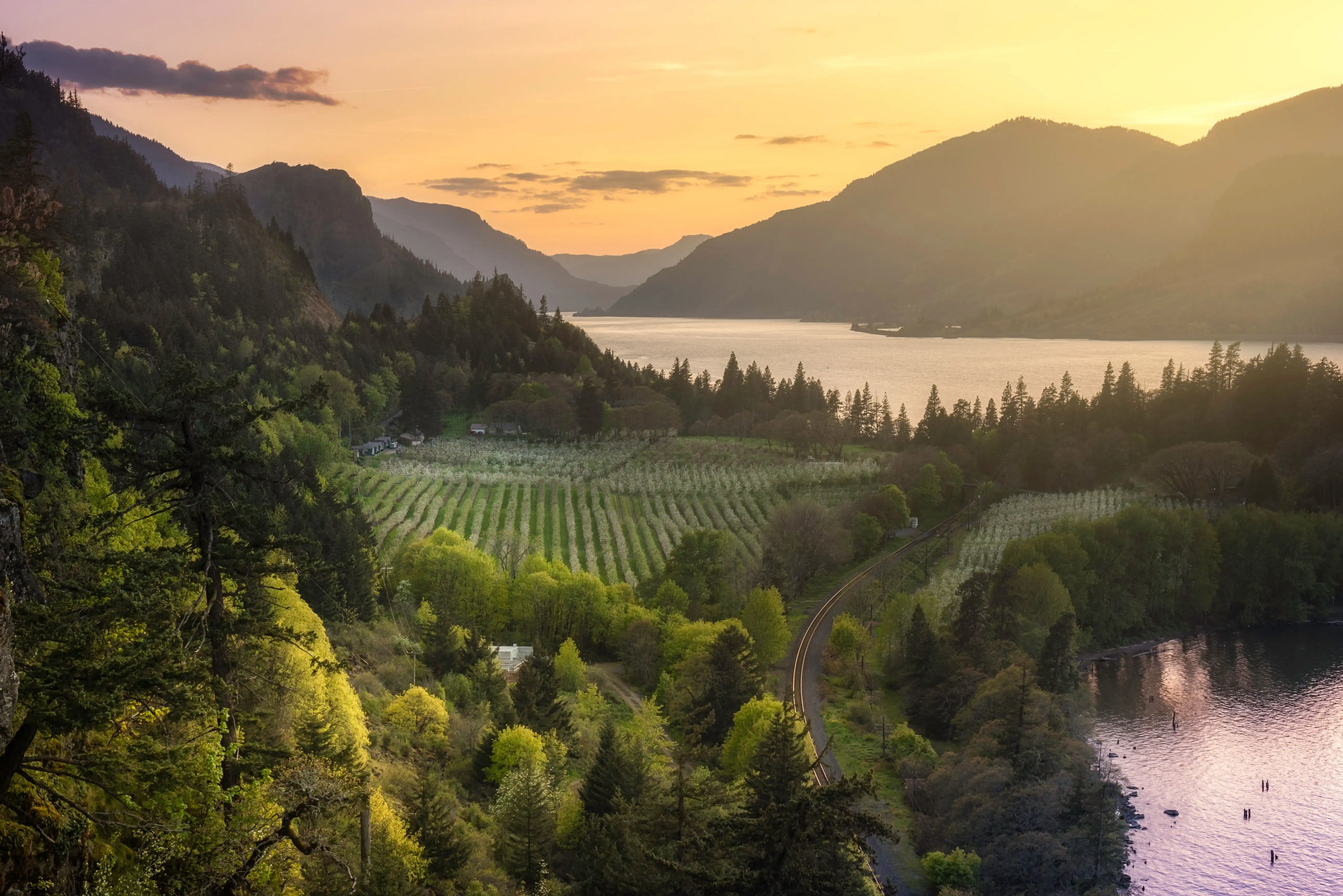
Explore All 5 Cities in Mt. Hood & the Columbia Gorge
Click into any city for the complete guide — neighborhoods, home prices, cost of living, pros & cons, schools, top employers, and mortgage help.
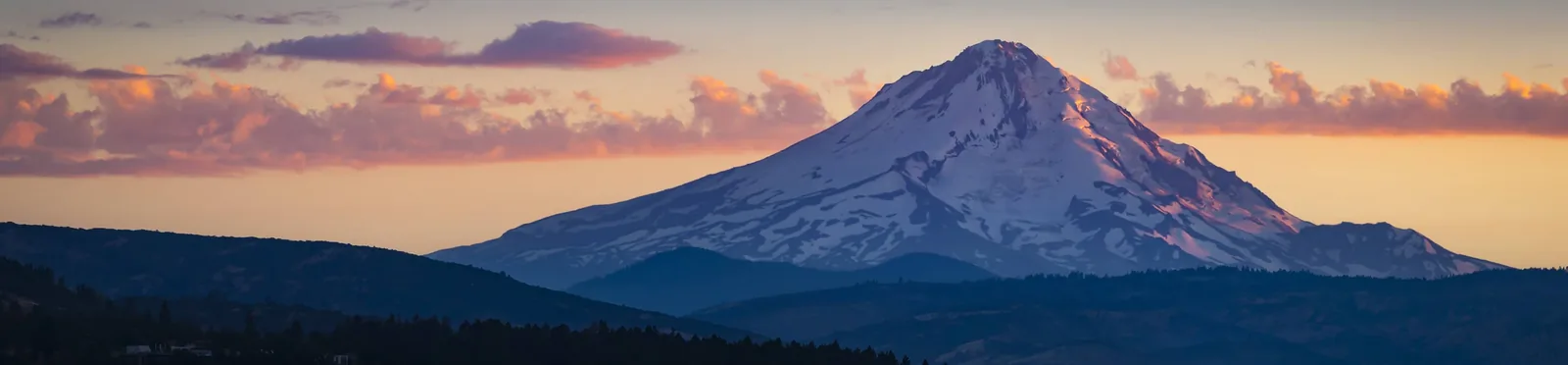
The Dalles
The Dalles is a small city where the Columbia Gorge opens into high-desert country, and it sits toward the more affordable end of this region — which is one reason it attracts buyers priced out of Hood River or the Portland suburbs. The city has a real institutional foundation in a regional medical center, the school district, and a Google data center campus that has quietly reshaped its economic profile. If you want a genuine town with history, a working downtown, and room to breathe financially, The Dalles deserves a serious look.
Full The Dalles Guide →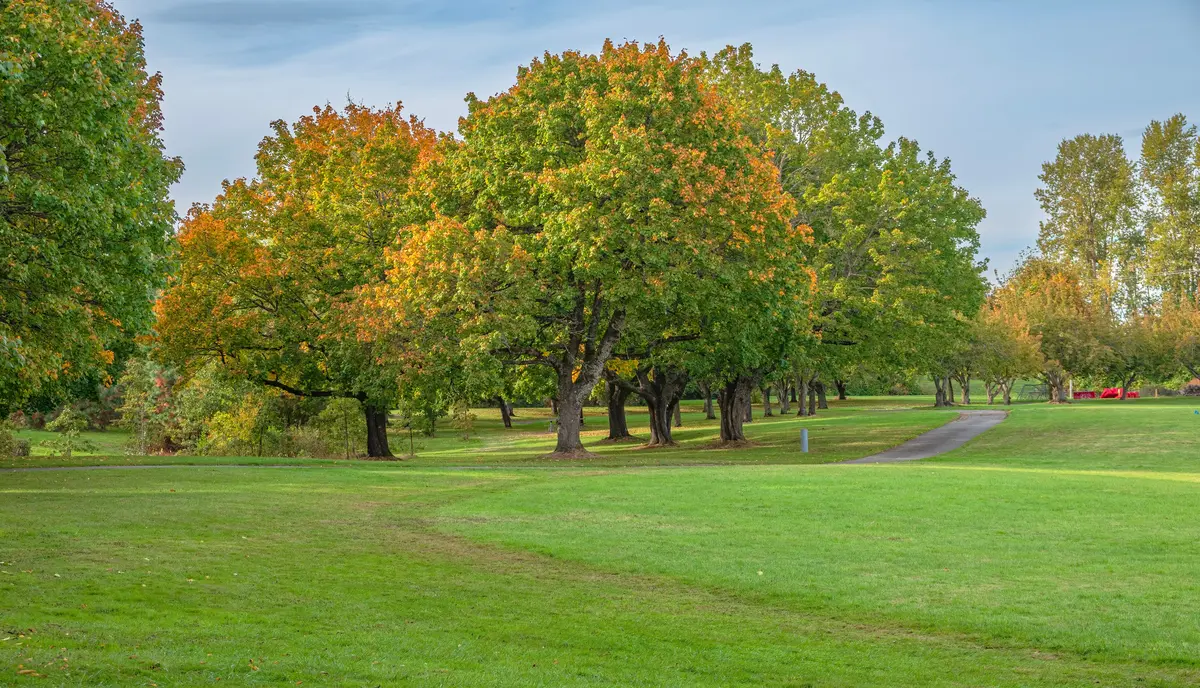
Troutdale
Troutdale is the western gateway to the Gorge — a small city close enough to Portland to keep a commute manageable, but far enough to feel like you've left the metro behind. Home prices land near the middle of this region, and the Reynolds School District anchors family life for most of the residents here. The Historic Columbia River Highway and Sandy River Delta put serious outdoor recreation within a short drive of any neighborhood in town, which is the main reason people choose it over a closer-in Portland suburb.
Full Troutdale Guide →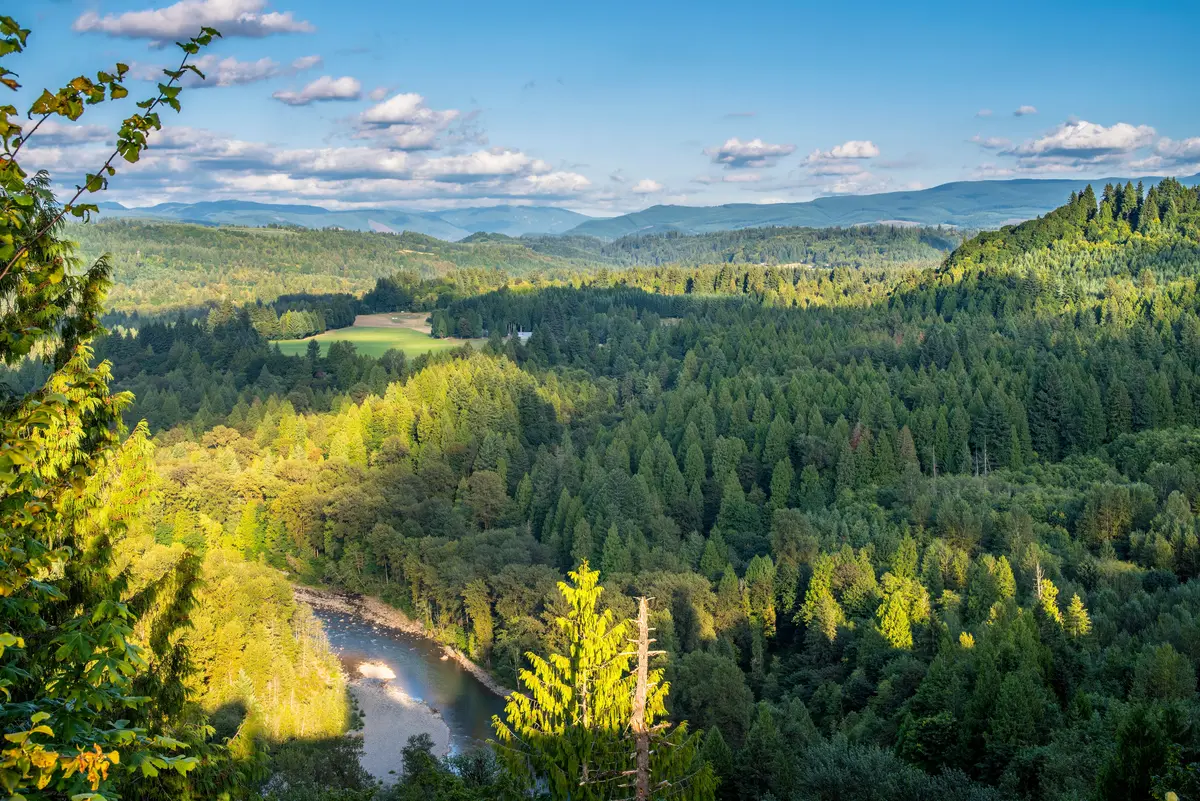
Sandy
Sandy is the town people move to when they want a Mt. Hood address, a genuine small-city feel, and home prices near the middle of this region without the resort-town premium that comes with living closer to the mountain. US-26 is the main artery and the main trade-off — it connects Sandy to Portland and to Mt. Hood, but it also means your commute and your weekend ski traffic share the same road. The Oregon Trail School District and a compact downtown give the community its center of gravity.
Full Sandy Guide →
Hood River
Hood River is the town in this region that people move to when they've already decided the lifestyle is worth the price — and toward the pricier end of the region it is. Windsurfing, kiteboarding, fruit orchards, a working downtown, and the Hood River County Fruit Loop make it feel like a destination that residents happen to live in, which is both the appeal and the honest tension. Insitu's aerospace work and the school district provide an economic anchor beyond tourism, but buyers need to arrive with clear eyes about what the price point here actually requires.
Full Hood River Guide →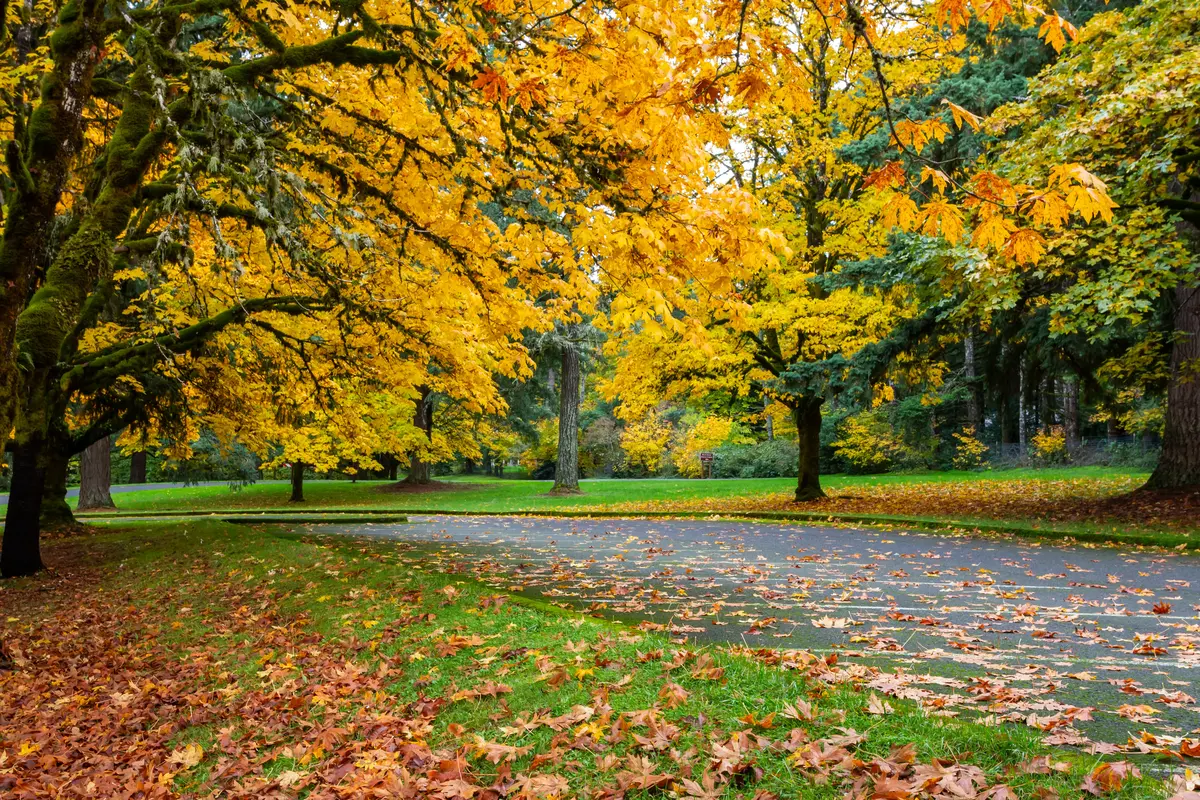
Estacada
Estacada is a small town on OR-224 at the edge of the Mt. Hood National Forest, and it reads as rural in a way the other cities in this region do not. Home prices sit near the middle of the regional range, but what you're really buying is proximity to the Clackamas River, Milo McIver State Park, and a pace of life that the larger towns have mostly traded away. The school district, city government, Portland General Electric, and the US Forest Service are the institutional employers — if your life doesn't fit neatly into that economy, remote work or a commute out is the realistic picture.
Full Estacada Guide →Compare Every City in Mt. Hood & Columbia Gorge
Full ranked breakdowns across every city in the region — scored and compared side by side.
Local Expert Takeaway: The cities in Mt. Hood & the Columbia Gorge are genuinely different from each other — choose by commute tolerance and lifestyle first, then let price and school district confirm or adjust the call.
Frequently Asked Questions
Which town in Mt. Hood & the Columbia Gorge is best for families with school-age children?
Is Mt. Hood & the Columbia Gorge affordable compared to the rest of Oregon?
Can I realistically commute from this region to Portland for work?
What's the honest downside of living in the Gorge corridor?
Which town suits someone moving here for outdoor recreation rather than a specific job?
Helpful Oregon Resources
Explore Other Oregon Regions
Mt. Hood & the Columbia Gorge is one of 7 distinct regions that make up Oregon. Each has its own climate, character, and housing market — explore them all.
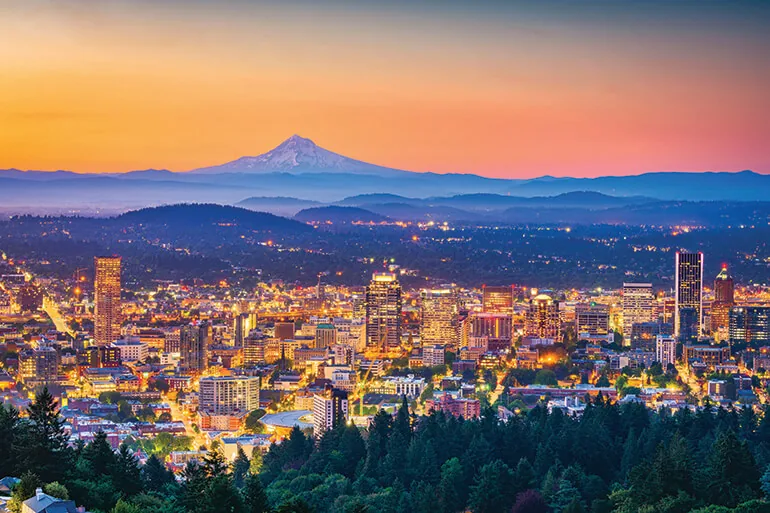
Oregon's largest job market, from close-in city neighborhoods out to the Washington and Clackamas County suburbs. 23 cities including Portland, Gresham, Hillsboro.
Explore all 23 Portland Metro cities →
The state capital, two university towns, and farm and wine country between the Coast Range and the Cascades. 20 cities including Salem, Eugene, Corvallis.
Explore all 20 Willamette Valley cities →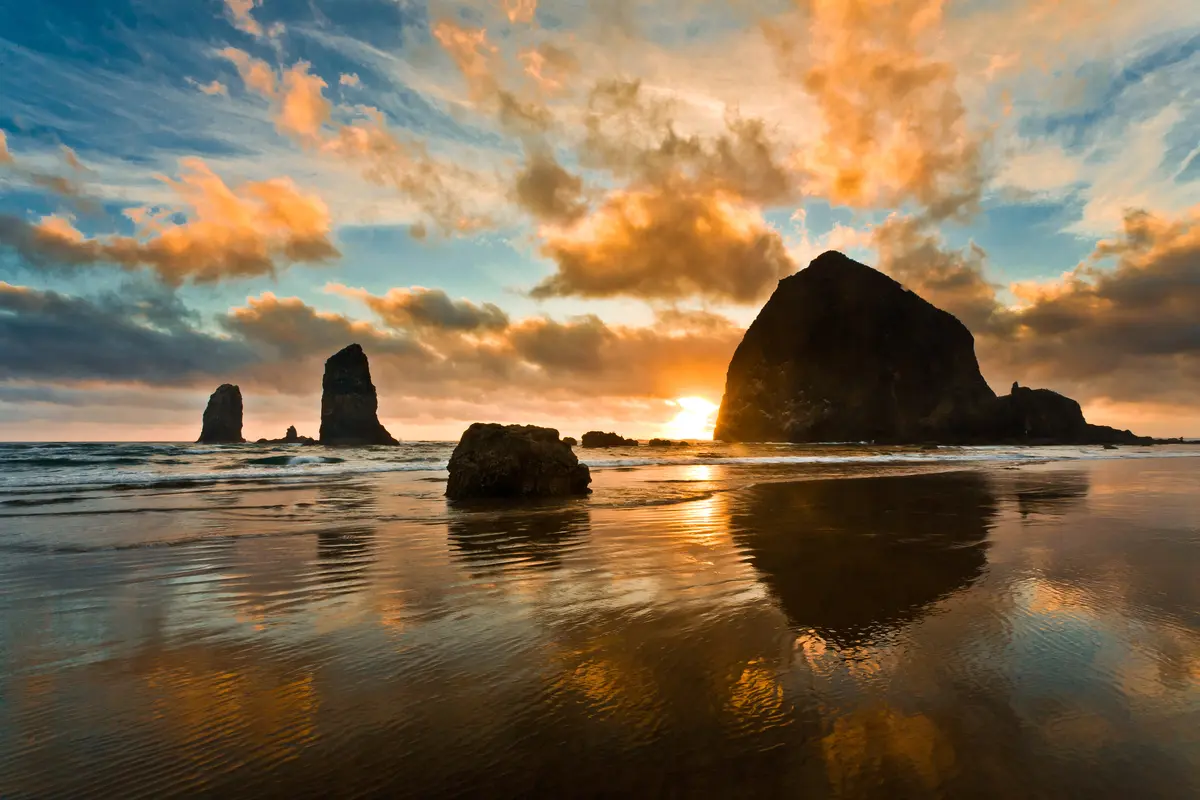
Harbor and beach towns along the Pacific, from the mouth of the Columbia River to the California border. 16 cities including Coos Bay, Newport, Astoria.
Explore all 16 Oregon Coast cities →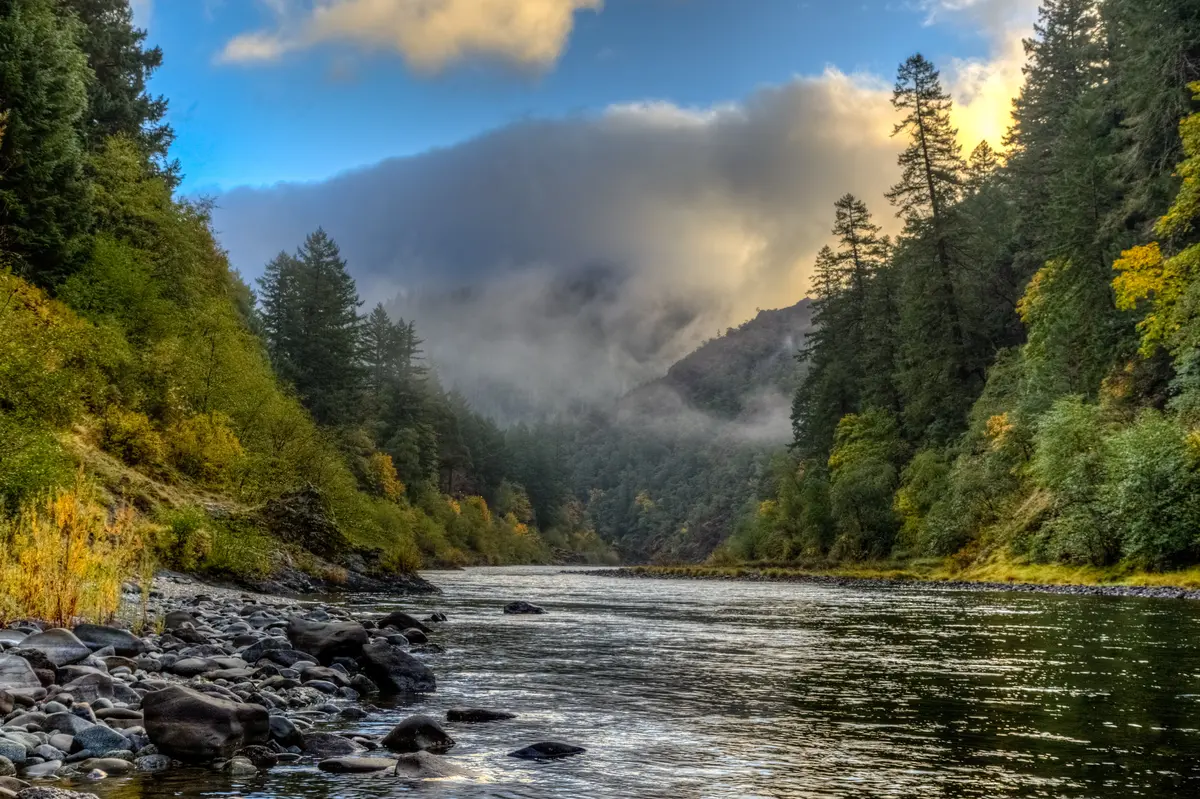
The Rogue Valley and the Umpqua and Klamath country around it, south of the Willamette Valley. 7 cities including Medford, Grants Pass, Roseburg.
Explore all 7 Southern Oregon cities →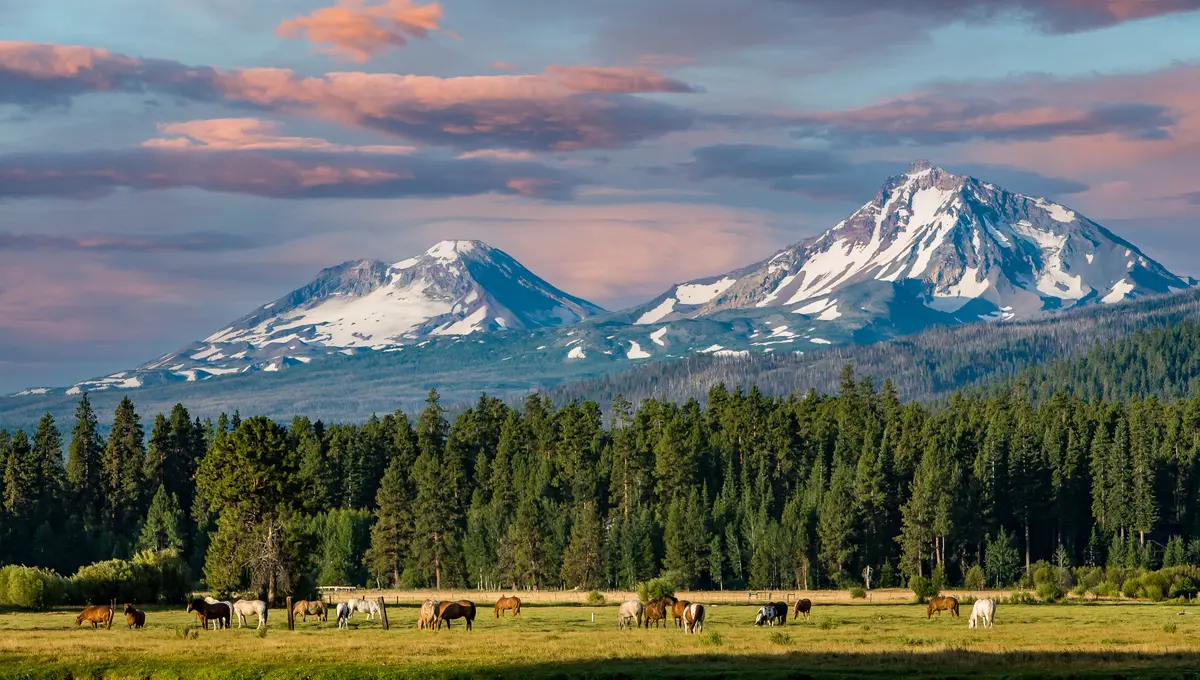
High desert country on the dry side of the Cascades, built around year-round time outdoors. 6 cities including Bend, Redmond, Prineville.
Explore all 6 Central Oregon cities →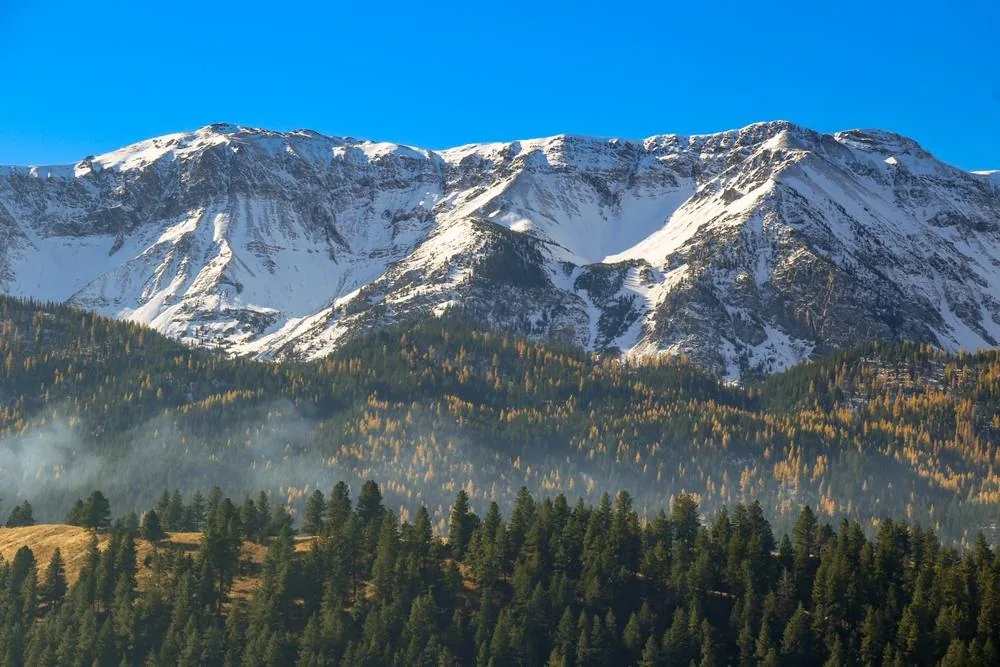
Ranch and farm country with small cities spread across the dry eastern side of the state. 6 cities including Hermiston, Pendleton, La Grande.
Explore all 6 Eastern Oregon cities →Moving to Oregon?
Tell us what you need help with and we'll connect you with local resources.
