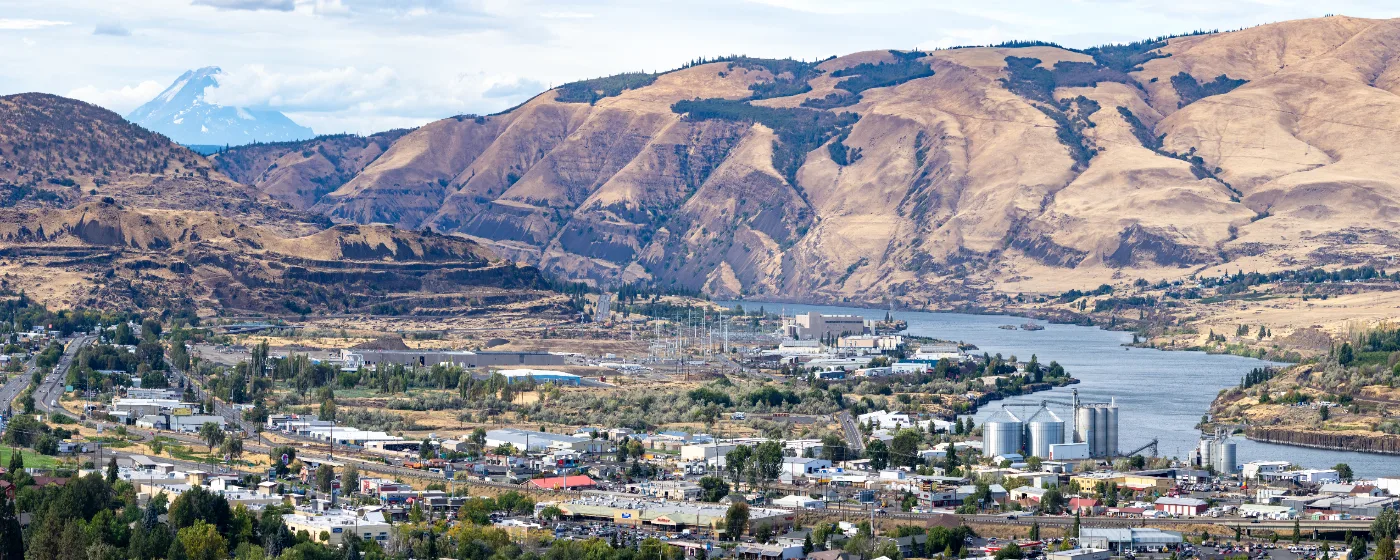
Most people know The Dalles as an I-84 exit between Portland and the high desert — a place you pass through on the way to somewhere else. What they miss is that this city of 15,917 sits at one of the most dramatically positioned recreation corridors in the Pacific Northwest. The Columbia River Gorge National Scenic Area runs right through it, the Cascade foothills begin their climb just to the south, and the transition from wet forest to semi-arid plateau means the outdoor landscape here shifts noticeably within a few miles in any direction.
The Northern Wasco County Parks & Recreation District — NWPRD — manages parks and recreation programs for the city, and the inventory punches above what you'd expect for a community this size. Sorosis Park anchors the hillside above downtown with 15 acres of developed amenities and some of the best unobstructed views of Mt. Hood and the Columbia you'll find anywhere accessible by car. The Riverfront Trail links the western and eastern edges of the city along the Columbia's south bank. And the Columbia Gorge Discovery Center grounds give residents a world-class natural interpretive site essentially in their backyard.
The recreation calendar here is genuinely four-season, and that surprises newcomers who picture the Gorge as only a summer destination. The Dalles averages 177 sunny days a year — more than Portland by a wide margin — which extends the hiking and cycling window significantly. Winter sends residents toward Mt. Hood for skiing and snowshoeing. Spring and fall are the city's quietest, best-kept outdoor secret: warm enough for the river, cool enough for long trail days, and almost entirely free of the summer wind that makes kiteboarding conditions on the Columbia so reliable.
Whether you're evaluating The Dalles as a place to settle or trying to understand what daily life here actually looks like, the sections below cover the signature parks, the Riverfront Trail system, water recreation on the Columbia, and the broader seasonal recreation calendar — including what's right outside city limits.
Sorosis Park: The City's High Ground
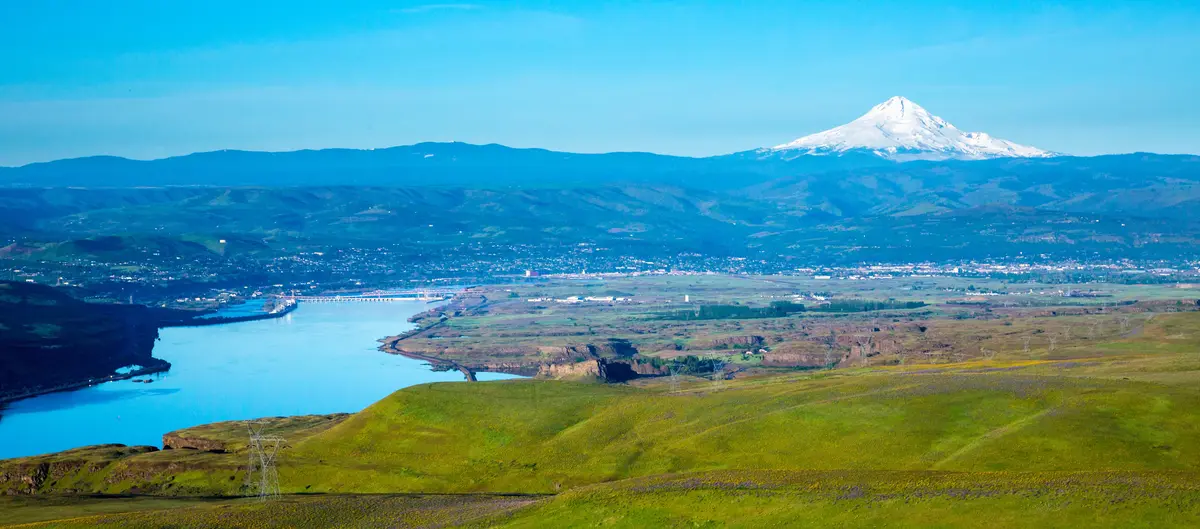
Every city has a park locals claim is underrated. Sorosis Park earns that label honestly. Perched atop Sunset Hill at 15 acres, it is the largest park in The Dalles and delivers a panoramic sweep that takes in Mt. Hood, Mt. Adams, the full bend of the Columbia River, and The Dalles Dam in a single unobstructed look.
The park was established by a local women's group — still an unusual origin story for civic green space — and the care that went into its founding shows in how complete the amenities are for a park this size. The rose garden alone draws visitors who didn't come for the views. A perimeter walking trail circles the hill and connects to a wilder natural area adjoining Columbia Gorge Community College, giving the loop a noticeably different feel from the manicured interior.
Inside the park, the facility list is unusually varied: tennis courts, a disc golf course, ball fields, outdoor exercise equipment, a playground, and covered picnic shelters. That combination makes it legitimately useful across age groups rather than just a scenic overlook with a parking lot.
What Locals Know
The views from Sorosis are best in early morning, before the summer haze builds over the river. Hikers who arrive at first light often have the overlook entirely to themselves — the park draws weekend foot traffic but hasn't crossed into crowded territory the way the gorge trailheads closer to Portland have. The disc golf course is a particular draw for younger residents, and on warm evenings it stays busy until the light fades.
One honest note: Sunset Hill is exactly that — a hill. The drive up is straightforward, but reaching the park on foot from the lower city involves meaningful elevation gain. Residents in Cherry Heights and the upper neighborhoods treat it as a walk-in park; those downtown are more likely to drive.
| Feature | Detail |
|---|---|
| Total acreage | 15 acres (largest park in The Dalles) |
| Location | Atop Sunset Hill, above lower city |
| Views | Mt. Hood, Mt. Adams, Columbia River, The Dalles Dam |
| Sports facilities | Tennis courts, ball fields, disc golf course |
| Other amenities | Rose garden, playground, outdoor exercise equipment, picnic shelters |
| Trail connection | Perimeter loop connecting to Columbia Gorge Community College natural area |
The Riverfront Trail and NWPRD's Park System
The Dalles Riverfront Trail is the city's connective tissue — a paved path along the Columbia's south bank that links the two major western anchors of outdoor life here. The full planned corridor runs approximately 10 miles between the Columbia Gorge Discovery Center on the west and The Dalles Dam on the east, though the reliably continuous paved section covers roughly 6 miles from the Discovery Center to Riverfront Park. The eastern segments have gaps where construction is incomplete, so if you're planning a long out-and-back, know where you're headed before you set out.
The trail is 8 to 12 feet wide — generous enough to handle joggers, cyclists, dog walkers, strollers, and wheelchairs without the tension that defines narrower shared paths. Along the way, side paths branch toward hidden river coves, a marked Lewis and Clark campsite, and the edge of historic downtown. That variety keeps the trail interesting well past the point where a simple riverside loop might get repetitive.
Riverfront Park: The Eastern Terminus
At the trail's eastern end, Riverfront Park offers direct Columbia River shoreline access and a designated swimming area managed by NWPRD. The swimming season is the warm-weather window; the park closes for a stretch in the colder months to protect wildlife. Plan around that if swimming access matters to your household.
The Broader NWPRD Inventory
Beyond Sorosis and the Riverfront, NWPRD operates City Park, Firehouse Park, Howe Park, Kiwanis Park at Klindt's Cove, The Dalles Skate Park, and Thompson Park — a spread of neighborhood-scale green spaces that fills in the gaps between the signature destinations. The district also runs a downtown aquatics center with lap swimming, recreational swim programs, and lessons year-round, which matters in a climate where the outdoor swimming window is shorter than residents sometimes expect when they first move here.
One thing worth understanding about The Dalles' park system: it is well-maintained but not flush. The city's population of 15,917 supports a respectable inventory, and NWPRD keeps facilities in good condition, but you're not getting the level of programming density you'd find in a Portland suburb. Residents who moved from larger metro areas sometimes adjust their expectations in the first year. Those arriving from similarly sized rural cities tend to find the system exceeds what they left behind.
The Columbia River: Wind, Water, and What the Gorge Makes Possible
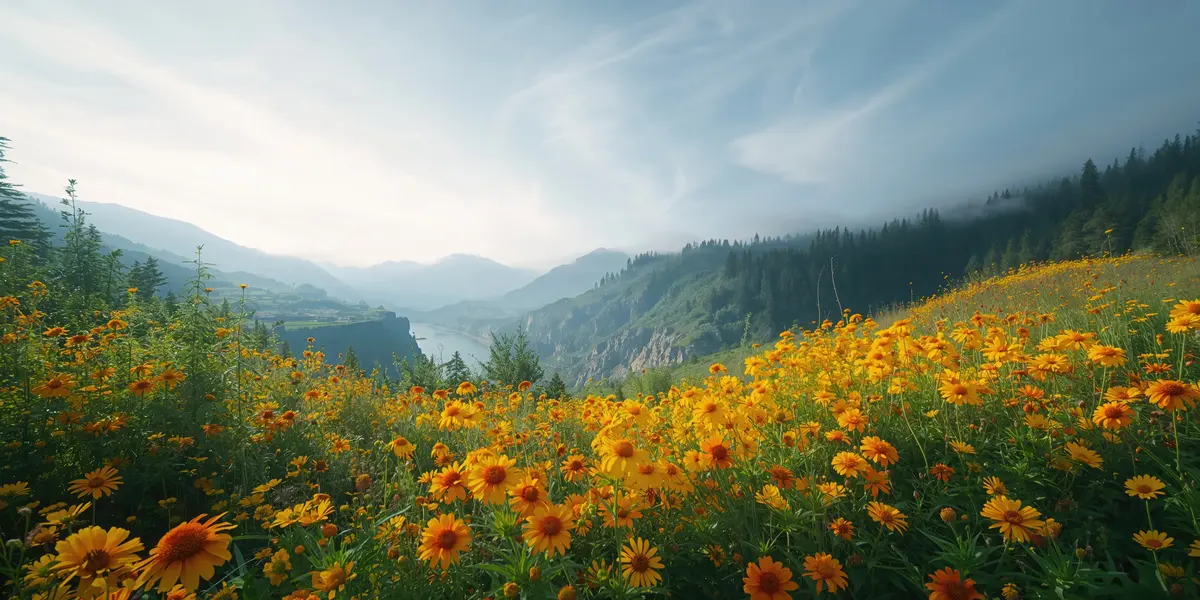
The Columbia River isn't backdrop here — it's the primary recreational resource. What The Dalles specifically offers on the water is different from what you get in the gorge core near Hood River, and that distinction matters if water sports are a priority.
Riverfront Park is a recognized kitesurfing and windsurfing location. Summer thermal winds on this stretch run 18 to 30 knots — strong enough for genuine sessions but generally steadier and somewhat calmer than the gorge core to the west. The city sits in the transition zone between the forested gorge and the semi-arid eastern plateau, and the canyon effect concentrates the thermal airflow reliably through the warm months. Kiteboarding and windsurfing communities treat The Dalles as an accessible alternative when the Hood River corridor gets crowded.
Fishing and the Full Activity Menu
Fishing on this stretch of the Columbia is serious. The river holds salmon, steelhead, sturgeon, and smallmouth bass — species that draw anglers from well outside Wasco County. The Dalles Dam creates a stretch of flatwater that suits kayaking and relaxed paddling when wind conditions allow. Whitewater rafting is available within range of the city, and rock climbing options exist in the surrounding terrain.
Winter does not end the outdoor calendar. Mt. Hood sits roughly 40 miles to the west — a drive of around an hour depending on conditions — putting downhill skiing, snowboarding, cross-country trails, and snowshoeing within reach for a meaningful portion of the year. Locals with ski passes treat this as a live-in perk rather than a trip.
Deschutes River State Recreation Area
A few miles east of The Dalles, the Deschutes River State Recreation Area sits at the confluence of the Deschutes and Columbia rivers. Its 35.1 acres support camping, fishing, hiking, mountain biking, and equestrian trail riding — a different ecological feel from the Columbia riverfront, with the Deschutes canyon adding its own character. Residents who fish or mountain bike tend to use it regularly rather than treating it as a day trip.
Looking to buy in The Dalles? Estimate your payment.
Enter your numbers to see an estimated monthly mortgage payment.
Estimate only. Excludes HOA fees and mortgage insurance. The interest rate above is a starting point, not a quoted rate — replace it with your own to see real numbers. Insurance is a flat placeholder, not a The Dalles quote.
The Discovery Center Grounds and Seasonal Recreation
The Columbia Gorge Discovery Center & Museum serves as more than a museum — its 54-acre site along the Columbia functions as a public outdoor space with interpretive trails, scenic overlooks, a pond, and native plantings covering ninety species adapted to the Gorge environment. The accessible paved trails wind through restored native vegetation with views of the Columbia and the Klickitat Hills across the river in Washington.
For residents, the grounds are a place to walk on a weekday morning as much as a destination for a weekend cultural visit. The native plant restoration is substantive enough that regulars track what's blooming through the season — the ninety-species inventory shifts noticeably from early spring through late summer. It's the kind of outdoor space that rewards returning to rather than checking off a single visit.
The Seasonal Rhythm Newcomers Don't Expect
Here's what catches people off guard in their first year: The Dalles' outdoor calendar peaks in spring and early fall, not midsummer. July and August bring reliable warmth and the best wind conditions on the river, but they also bring the strongest thermal winds that can make casual riverside activity less pleasant for people who aren't there specifically to kite or windsurf. April, May, September, and October are when the trail system is most comfortable — the light is extraordinary, the crowds are thin, and the temperatures are genuinely ideal for long days outside.
Summer crowds are also less of a factor here than in Hood River, which absorbs more gorge tourism traffic. The Dalles sits far enough east that the casual day-tripper from Portland tends not to reach it, which means Sorosis Park and the Riverfront Trail stay manageable on weekends when the gorge's western end is packed.
For families considering the move, youth sports and activities through the school district complement what NWPRD offers. The outdoor baseline here is high enough that parents with active kids consistently cite it as one of the reasons The Dalles held up well against larger cities when they were comparing options — and the cost of living makes the overall picture more competitive than the recreation access alone would suggest.
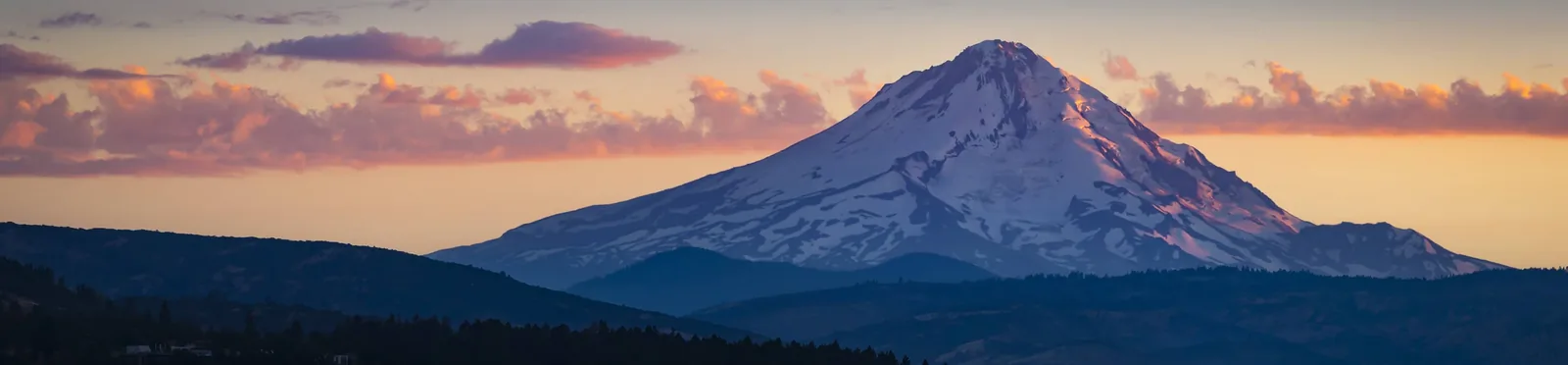
Local Expert Takeaway: The Dalles is a genuine outdoor city wearing a small-town price tag. Sorosis Park gives you Mt. Hood and the Columbia from a developed 15-acre hilltop park; the Riverfront Trail puts a paved riverside corridor essentially in your backyard; and the Columbia Gorge Discovery Center grounds are a walkable interpretive landscape that Portland residents drive an hour and a half to visit. The recreation calendar runs all four seasons — wind sports and swimming in summer, skiing within an hour in winter, and the best hiking conditions in spring and fall when the crowds disappear entirely. New residents consistently say the outdoor access here exceeded what they expected at this price point.
Quick Takeaways & FAQs
✅ Sorosis Park delivers panoramic views of Mt. Hood, Mt. Adams, and the Columbia River from a fully developed 15-acre hilltop park with tennis courts, disc golf, and a rose garden.
⚠️ The Riverfront Trail's eastern segments have construction gaps — plan your route before committing to a long out-and-back ride or run toward The Dalles Dam.
📍 The Dalles sits in a thermal wind corridor on the Columbia that produces reliable 18–30 knot summer conditions for kitesurfing and windsurfing, drawing riders who want an alternative to the busier Hood River stretch.
What is the best park in The Dalles for families with young kids?
How long is the Dalles Riverfront Trail and is it paved?
Can you swim in the Columbia River at The Dalles?
Is The Dalles good for windsurfing or kiteboarding?
What outdoor recreation is available near The Dalles beyond city parks?
Moving to Oregon?
Tell us what you need help with and we'll connect you with local resources.
