
Most people researching Troutdale already know it sits at the western gateway to the Columbia River Gorge — about 20 minutes to Portland along I-84, close enough for a daily commute, far enough to feel like a different pace of life. What catches newcomers off guard is the crime picture. The numbers land above the state average on property crime, and that's worth understanding before you decide on a neighborhood. But the full picture is more layered than any single statistic.
Troutdale is a city of 15,900 people, and its public safety landscape has a structural wrinkle most cities don't: it hasn't had its own police department since 2015. The Multnomah County Sheriff's Office has handled patrol ever since, under a contract now extended through June 30, 2028. In July 2026, the City Council voted unanimously to put a non-binding advisory question before voters about whether to bring back a local department. That debate is the defining public-safety story of this moment in Troutdale, and prospective residents deserve a straight account of what it means.
The property crime rate is real and runs above both state and national benchmarks. Motor vehicle theft, in particular, drives that number — not random violence. Violent crime, by contrast, sits close to the state average. Resident sentiment tells a complementary story: surveys show roughly 92% of Troutdale respondents describe the city as pretty safe or very safe. Neither the raw statistics nor the survey alone gives you the complete picture; this guide puts both in context.
The sections below walk through the city-level crime figures and how they compare, the geographic pattern of where incidents concentrate, the neighborhoods residents and data sources identify as quieter, how the current policing model works day-to-day, and what all of it means practically for someone choosing where to live.
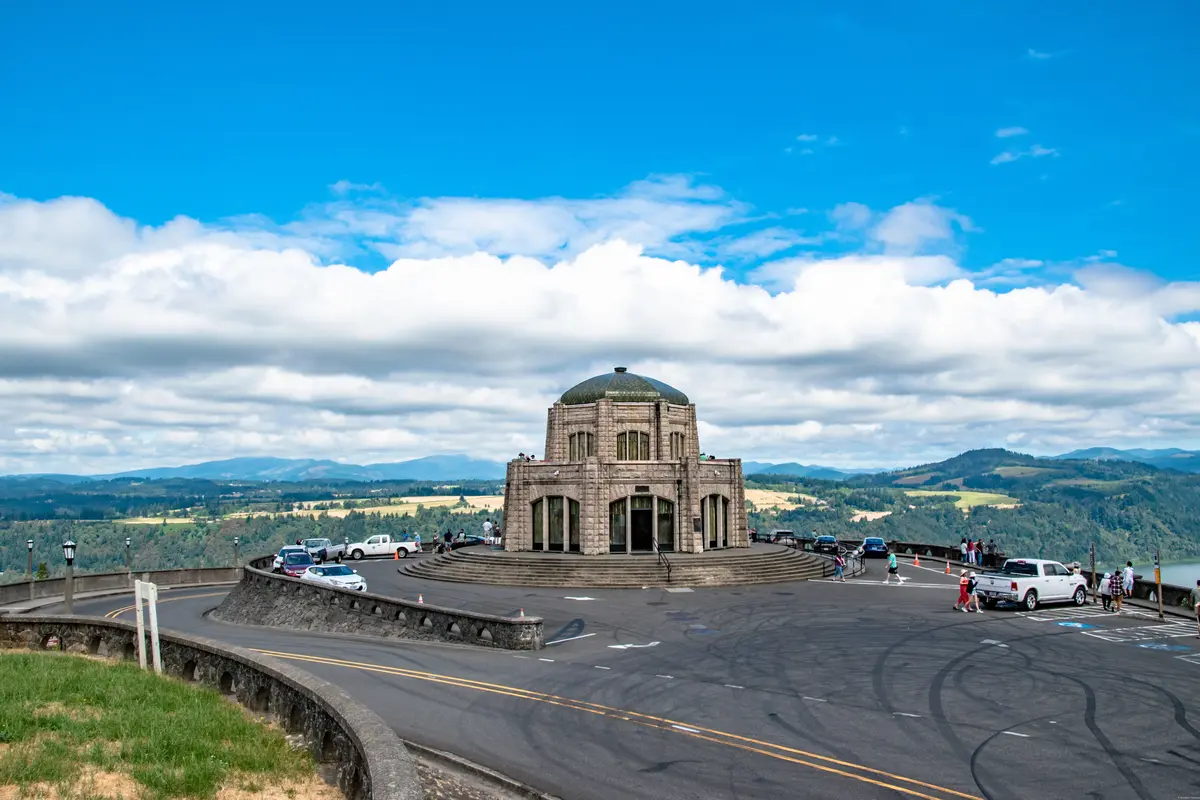
How Troutdale's Crime Rates Compare to Oregon and the Nation
Troutdale carries a violent crime rate of 5.3 per 1,000 residents and a property crime rate of 31.3 per 1,000 residents (Bureau of Justice Statistics, Crime Known to Law Enforcement, 2024). The engine renders a side-by-side comparison table directly below this heading, so the numbers above are the ones that matter — and they tell a specific story worth reading carefully.
On violent crime, Troutdale runs above the state rate of 3.3 per 1,000 but within range of the national figure of 3.7 per 1,000. That gap with Oregon is real, though it's worth remembering that Oregon's statewide rate is pulled down by large rural counties where violent incidents are infrequent by nature. For a suburban city adjacent to Portland, the figure isn't alarming — it's close to what you'd expect from a community with a mix of commercial activity and residential density.
Property crime is the more significant story. At 31.3 per 1,000, Troutdale runs noticeably above the Oregon state rate of 24.5 per 1,000 and well above the national figure of 18.4 per 1,000. The composition of that rate matters: motor vehicle theft is the single biggest driver. FBI UCR data analyzed by NeighborhoodScout found Troutdale has one of the higher rates of vehicle theft nationally relative to communities of comparable size. If you park a car here, that's the realistic risk you're weighing — not an elevated likelihood of being approached or harmed.
What the numbers don't capture is the geographic distribution of those incidents. Property crimes cluster heavily around commercial and retail corridors, not evenly across every street in the city. That distinction shapes how a neighborhood-level safety conversation should go, and the next section addresses it directly.
Where Crime Concentrates: Troutdale's Geographic Pattern
Crime in Troutdale is not spread uniformly across its 15,900 residents. Incident data consistently shows the central and northern parts of the city — particularly the commercial and retail corridors with heavier through-traffic — accounting for the largest share of total incident counts. The eastern residential areas record the fewest incidents by a meaningful margin.
This pattern is common in small cities with a concentrated commercial zone and a highway running through them. Higher foot and vehicle traffic means more opportunity for vehicle break-ins, retail theft, and stolen-car attempts. A per-capita crime rate calculated for those corridors looks worse than the lived experience of someone in a residential neighborhood a few blocks away, because the denominator (residents) is small while the numerator (incidents attracting people from outside the city) is larger.
The Neighborhoods That Consistently Rank Quieter
Among Troutdale's residential neighborhoods, Sunrise, Beaver Creek, Sandee Palisades, and Sweetbriar are consistently cited as having lower crime scores relative to other parts of the city. Sunrise and Beaver Creek in particular draw families with school-age children who want a calmer residential feel without sacrificing the Gorge access that drew them to Troutdale in the first place.
The Downtown / Historic Town Center area is more nuanced. It carries the texture of a walkable historic core — the Troutdale Historical Society Harlow House and Depot Museum, the Troutdale Farm Market, the independent coffee shops and food-cart scene — but it also sits closer to the commercial activity that generates a larger share of property incidents. Residents who live there generally feel comfortable; people who park and leave cars unattended for extended periods carry a higher risk than they might in Sweetbriar or Sandee Palisades.
What This Means When Choosing a Neighborhood
If property crime — especially vehicle theft — is your primary concern, the eastern residential neighborhoods are where the data points. For a fuller look at how those areas compare on housing stock and community character, see the Troutdale neighborhoods guide.
The practical friction moment that surprises a lot of newcomers: people who move into neighborhoods near the commercial corridor and leave a second car, a trailer, or a truck bed with visible gear discover the vehicle-theft risk is not theoretical. Talking to neighbors before settling on a specific block is time well spent.
Who Polices Troutdale — and Why It's Changing
Troutdale dissolved its municipal police department in 2015 and has been policed under contract by the Multnomah County Sheriff's Office ever since. That arrangement has worked functionally — MCSO provides 24/7 patrol across two city districts, marine patrol, criminal investigations, civil processes, and a dedicated Community Resource Deputy whose entire focus is Troutdale's neighborhoods and businesses.
The Community Resource Deputy's role is worth understanding. Rather than rotating through the county, this deputy works exclusively within city limits, building ongoing relationships with residents, local organizations, and business owners. In 2025, a single traffic stop by the CRD led to a search warrant that dismantled a stolen-vehicle operation — exactly the kind of low-glamour, high-impact work that doesn't show up in annual crime rate tables.
The Policing Transition Question
The debate over whether to bring back a city-run department is the most consequential public-safety question Troutdale has faced in a decade. In July 2026, the City Council voted 7-0 to place a non-binding advisory question on the November ballot asking residents for direction. The vote itself doesn't create a department or raise taxes — it gauges where the community wants to go before any structural decision is made.
The financial picture is what's driving it. The MCSO contract consumed the large majority of Troutdale's police operations budget in fiscal year 2024-25, and city leaders have said the cost has outpaced what the city can sustain under Oregon's property-tax limits. But the alternative being studied comes with its own constraints: a proposed city-run department under the limited model would have only 13 total positions, would not guarantee 24/7 patrol coverage, and would not include detectives, school resource officers, or specialized task-force capabilities.
For prospective residents, this isn't a reason to avoid Troutdale — it's a live policy question that will shape what day-to-day policing looks like over the next few years. The MCSO transition agreement runs through June 30, 2028, so current coverage is contracted and stable in the near term.
What 2025 Enforcement Looked Like on the Ground
In 2025, MCSO ran a series of high-visibility enforcement missions in Troutdale targeting stolen vehicles, retail theft, dangerous driving, human trafficking, and DUIIs. The focus was deliberate: the retail corridor and commercial zones that generate the city's outsized property crime figures were the primary targets, while quieter residential streets saw comparatively little enforcement activity because they generate comparatively few incidents. Sixteen stolen vehicles were recovered within city limits that year, reflecting both the scale of the vehicle-theft problem and the intentionality of the enforcement response.
That enforcement posture reflects what the data says about where the risk concentrates: stolen vehicles and retail-zone activity are the recurring targets, not random violence.
Looking to buy in Troutdale? Estimate your payment.
Enter your numbers to see an estimated monthly mortgage payment.
Estimate only. Excludes HOA fees and mortgage insurance. The interest rate above is a starting point, not a quoted rate — replace it with your own to see real numbers. Insurance is a flat placeholder, not a Troutdale quote.
What Residents Actually Say About Safety
Numbers describe incidents. Resident perception describes daily life. In Niche.com's 2025 Crime & Safety survey, roughly 92% of Troutdale respondents described the city as pretty safe or very safe — with 75% saying they generally feel safe and 17% reporting no safety concerns whatsoever. That level of satisfaction is notably high for a city whose property crime rate runs above state benchmarks.
The gap between the statistical picture and the lived experience isn't a contradiction — it makes sense when you understand where incidents concentrate. A resident in Sunrise or Sweetbriar whose daily life doesn't take them through the commercial corridor is likely not encountering the circumstances that drive the property crime figures. Their experience is genuinely calm.
The Friction Moment Nobody Warns You About
Newcomers who move into Troutdale from lower-crime suburbs — particularly those coming from areas where vehicle theft is rare — sometimes get their first surprise within the first six months. Leaving anything visible in a parked car near commercial areas, or parking a secondary vehicle on the street overnight, produces real risk. Long-term residents know this and have adapted. Newcomers who don't ask often learn it the hard way.
The community itself is engaged. The MCSO's Community Resource Deputy model is built around exactly this: residents and business owners who report patterns, flag concerns, and participate in the kind of informal neighborhood watch dynamic that reduces incidents before they become statistics. If you're choosing a block, meeting the immediate neighbors and asking about their experience is more informative than any aggregate figure.
For a broader sense of who moves to Troutdale and what daily life looks like, the living in Troutdale guide covers the community texture that these safety figures sit inside.
Practical Takeaways for Anyone Choosing a Neighborhood Here
The overall safety picture in Troutdale is best described as uneven rather than broadly unsafe. Violent crime is the metric most people instinctively care about, and a violent crime rate of 5.3 per 1,000 residents puts Troutdale above Oregon's state rate of 3.3 per 1,000 but close to the national figure of 3.7 per 1,000. That's not a red-flag number for a suburban city of this size and location.
Property crime is where the vigilance belongs. The property crime rate of 31.3 per 1,000 residents is the honest caution, and vehicle theft is its primary driver. The practical response isn't to avoid Troutdale — it's to choose your neighborhood with the geographic pattern in mind and adjust your habits accordingly.
A Simple Framework for Evaluating Safety Before You Settle on a Block
- Prioritize the eastern residential neighborhoods — Sunrise, Beaver Creek, Sandee Palisades, Sweetbriar, and Riverbend Estates areas — if property crime is your primary concern. These consistently record the fewest incidents.
- Ask specifically about vehicle theft when talking to neighbors on any street you're considering. Long-term residents will tell you exactly what they've seen.
- Understand the commercial-corridor effect. A block's proximity to retail and through-traffic zones matters more for property crime exposure than the neighborhood name alone.
- Don't leave valuables visible in parked cars. This isn't Troutdale-specific advice, but it's more consequential here than in lower-risk markets.
- Follow the policing transition discussion. The November ballot question and the MCSO contract running through June 30, 2028, are the structural factors that will shape enforcement capacity over the next several years.
For context on what homes cost across these neighborhoods and how Troutdale compares to neighboring Gresham and Fairview, the cost of living in Troutdale page has the full breakdown. The safety picture here is real, manageable, and — in the right neighborhoods — genuinely calm.
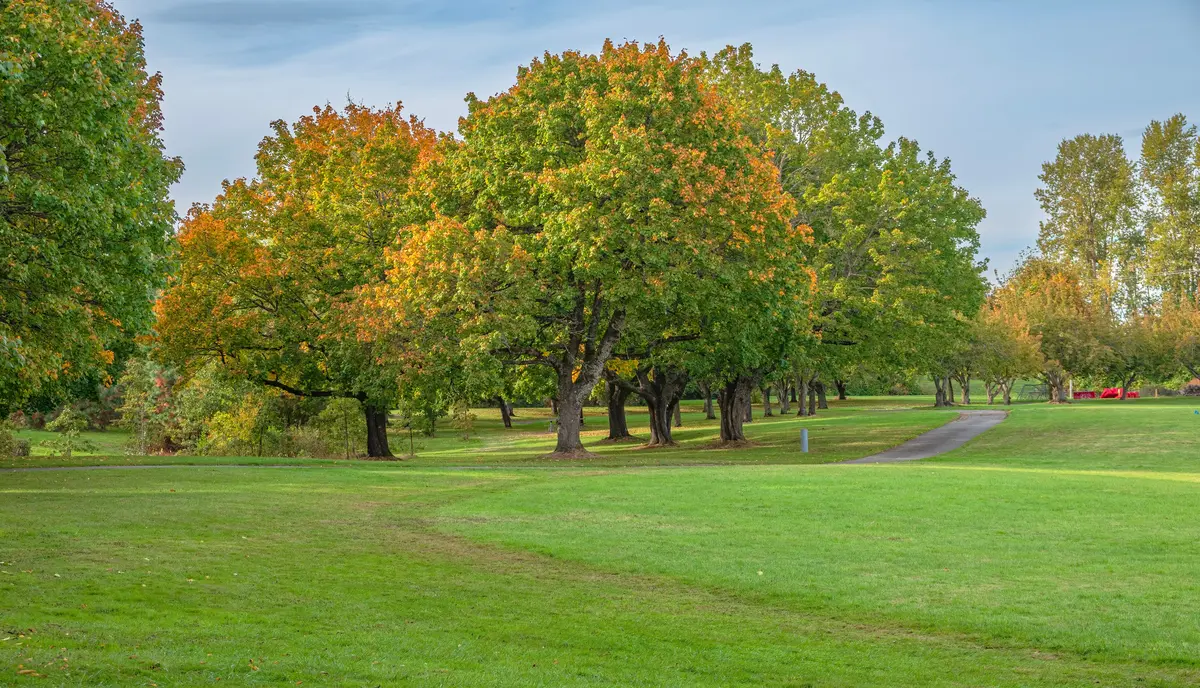
Local Expert Takeaway: Troutdale's crime picture is driven almost entirely by property crime — specifically vehicle theft near commercial corridors — not by the kind of pervasive street-level risk that should steer a family away from the city entirely. The eastern residential neighborhoods, particularly Sunrise, Beaver Creek, and Sweetbriar, are where the data and resident surveys converge on a quieter experience. The bigger uncertainty right now is structural: Troutdale is actively deciding who polices it beyond 2028. That question matters for long-term residents, and anyone moving here should follow it. In the near term, MCSO coverage is contracted and stable.
Quick Takeaways & FAQs
✅ Roughly 92% of Troutdale residents describe the city as pretty safe or very safe in resident surveys, with the quietest experience concentrated in the eastern residential neighborhoods.
⚠️ Property crime — especially vehicle theft — runs noticeably above state and national benchmarks, driven heavily by commercial-corridor activity rather than residential streets.
📍 Troutdale has been policed by the Multnomah County Sheriff's Office since 2015, and voters may be asked in November 2026 whether to bring back a city-run department under a transition agreement that runs through June 30, 2028.
Is Troutdale, Oregon a safe place to live?
Which Troutdale neighborhoods are the safest?
Does Troutdale have its own police department?
What kind of crime is most common in Troutdale?
How does Troutdale's crime rate compare to Portland or Gresham?
Moving to Oregon?
Tell us what you need help with and we'll connect you with local resources.
