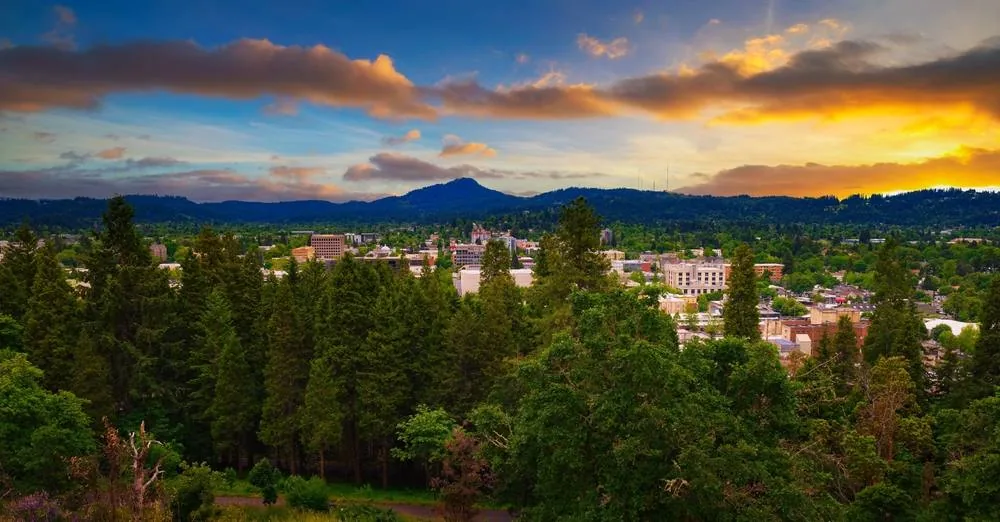
Is the Willamette Valley a Good Place to Live?
You've probably ruled out Portland already — the price, the traffic, the sense that you'd be buying into someone else's version of Oregon. So you started looking south, and the Willamette Valley kept coming up. The honest catch: this region is not one place. It runs from the edge of the Portland Metro all the way to the Eugene-Springfield metro, passing through state government headquarters, a world-class research university, pinot noir country, and small towns where the school district is still the largest employer. Choosing the wrong city because you treated them as interchangeable is the most common mistake people make here.
What holds the valley together is the land and the institutions. Oregon State University anchors Corvallis. The University of Oregon defines Eugene's identity as much as any employer does. The State of Oregon makes Salem one of the few cities in the Pacific Northwest where government work, not tech, is the dominant economic force. Hayward Field, Autzen Stadium, the Oregon State Capitol, and the Evergreen Aviation and Space Museum are not decorations — they are reasons people stay, return, or choose one city over another when the spreadsheet is otherwise a tie.
On price, the valley sits below the Portland Metro and noticeably below Central Oregon coastal markets, which is exactly why it keeps attracting buyers priced out of those regions. But the valley is not uniformly affordable: Dundee, in the heart of pinot noir wine country, sits toward the pricier end of the region, while Lebanon and Cottage Grove offer genuine entry points for buyers who need more room to breathe financially. Most of the cities in between land near the regional middle — the distinction tends to come down to what you want surrounding you, not how much you can spend.
Whether you are weighing a move for work, for the outdoors, for a quieter life within reach of a larger city, or simply because Oregon finally felt like the right answer, the sections below break down every city in the valley — what each place is actually like to live in, who it suits, and what the trade-offs are before you make an offer.
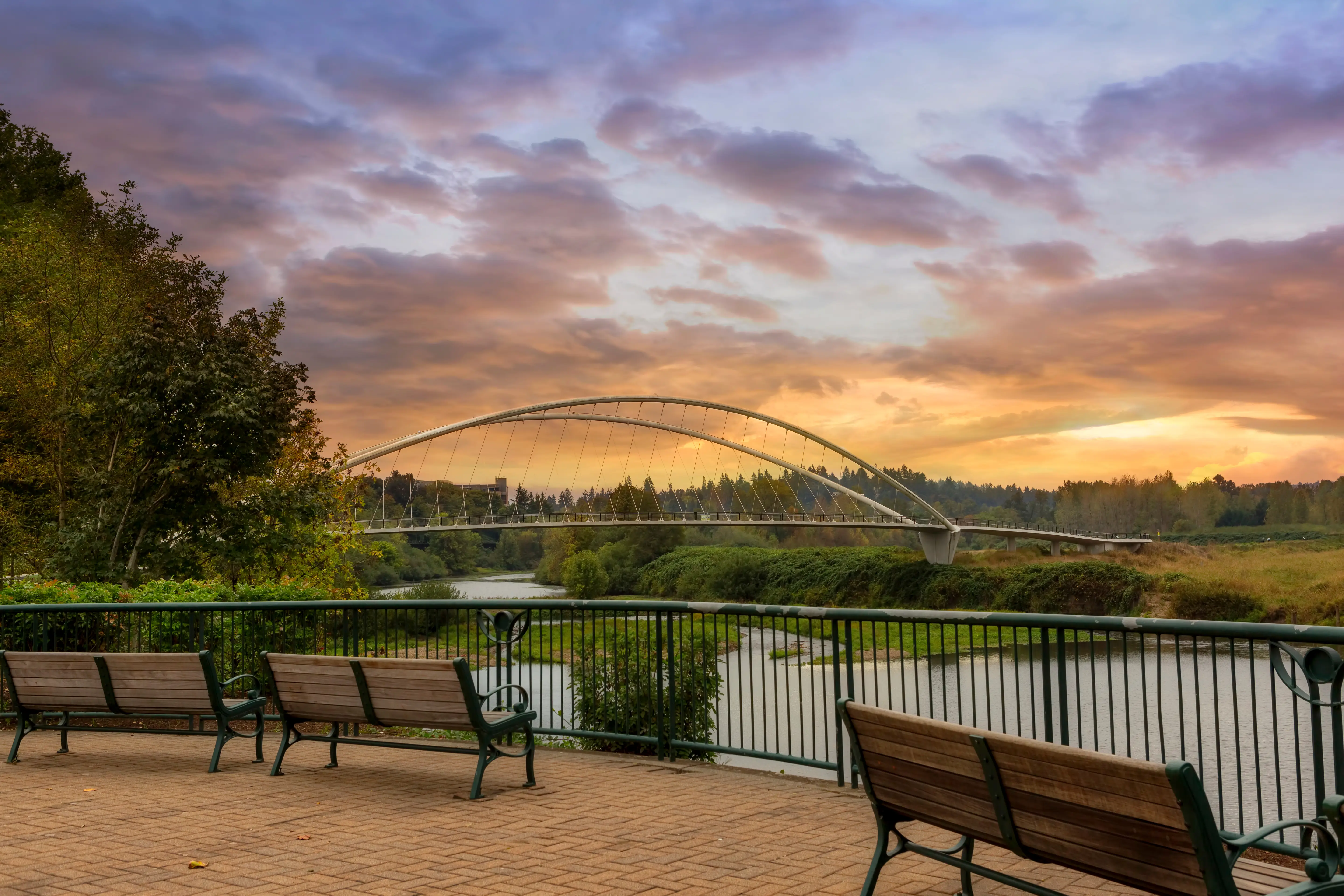
Explore All 20 Cities in the Willamette Valley
Click into any city for the complete guide — neighborhoods, home prices, cost of living, pros & cons, schools, top employers, and mortgage help.
Salem
Salem is where Oregon runs its government, and that shapes everything from the job market to the pace of daily life. The Oregon State Capitol, Willamette University, and a large public school system make this one of the more stable employment bases in the state, and the city's parks — Minto-Brown Island, Bush's Pasture Park, Riverfront Park — are genuinely underrated. It prices near the middle of the valley, which means buyers coming from the Portland Metro often find it a meaningful step down in cost without feeling like they've left the amenities behind.
Full Salem Guide →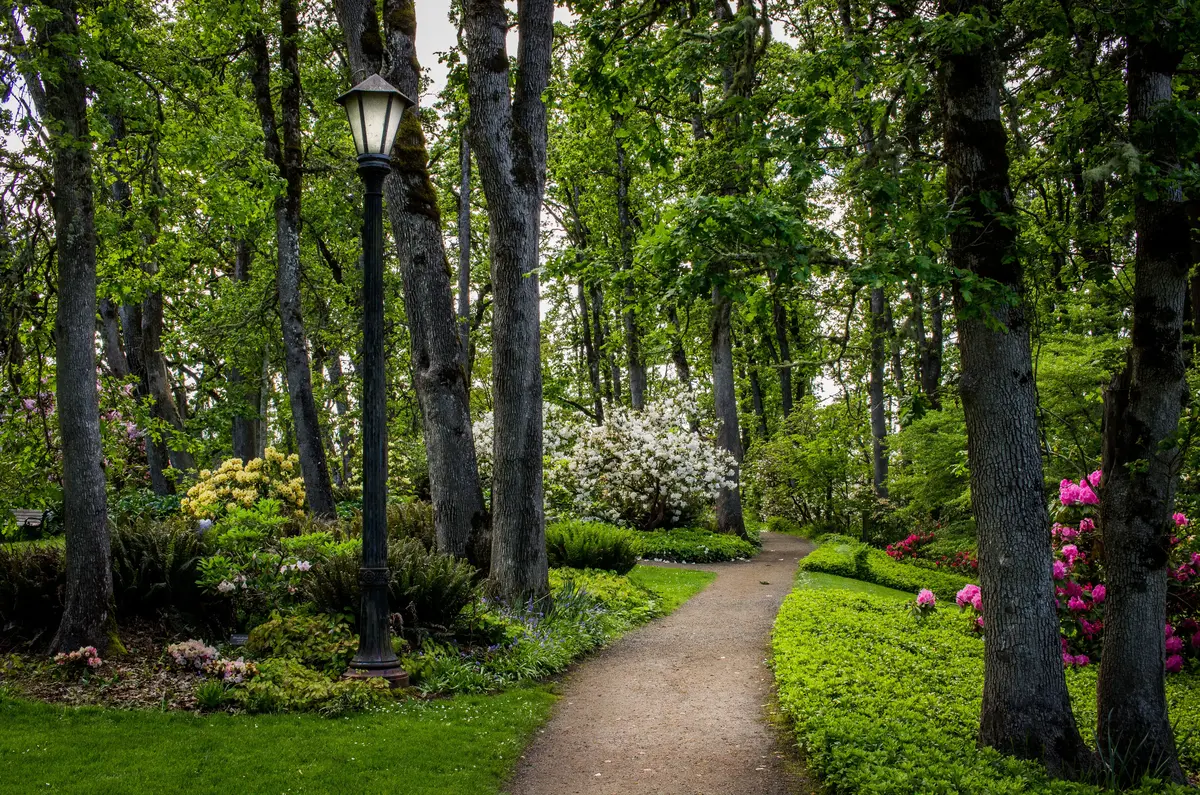
Eugene
Eugene runs on the University of Oregon, and if that energy — Hayward Field, the Hult Center for the Performing Arts, the Owen Rose Garden, a cycling culture that actually functions — sounds like your kind of city, this is probably your city. The neighborhoods are genuinely varied, from the architecture of South Eugene to the independent spirit of the Whiteaker district, and I-5 keeps Portland and the coast within reach. Prices sit near the regional middle, though well-located homes in strong school-boundary neighborhoods move faster than the overall market might suggest.
Full Eugene Guide →
Corvallis
Corvallis is a mid-size city that functions like a small, highly educated college town, and Oregon State University is the reason for almost all of it — the research presence, the medical center, the tech employers like HP who chose the city partly because of that pipeline. US-20 and OR-99W are your main connections out, and neither is a freeway, so the sense of remove is real; buyers who want to feel genuinely away from the metro find that appealing, while those who need frequent I-5 access find it a compromise. Prices land near the regional middle.
Full Corvallis Guide →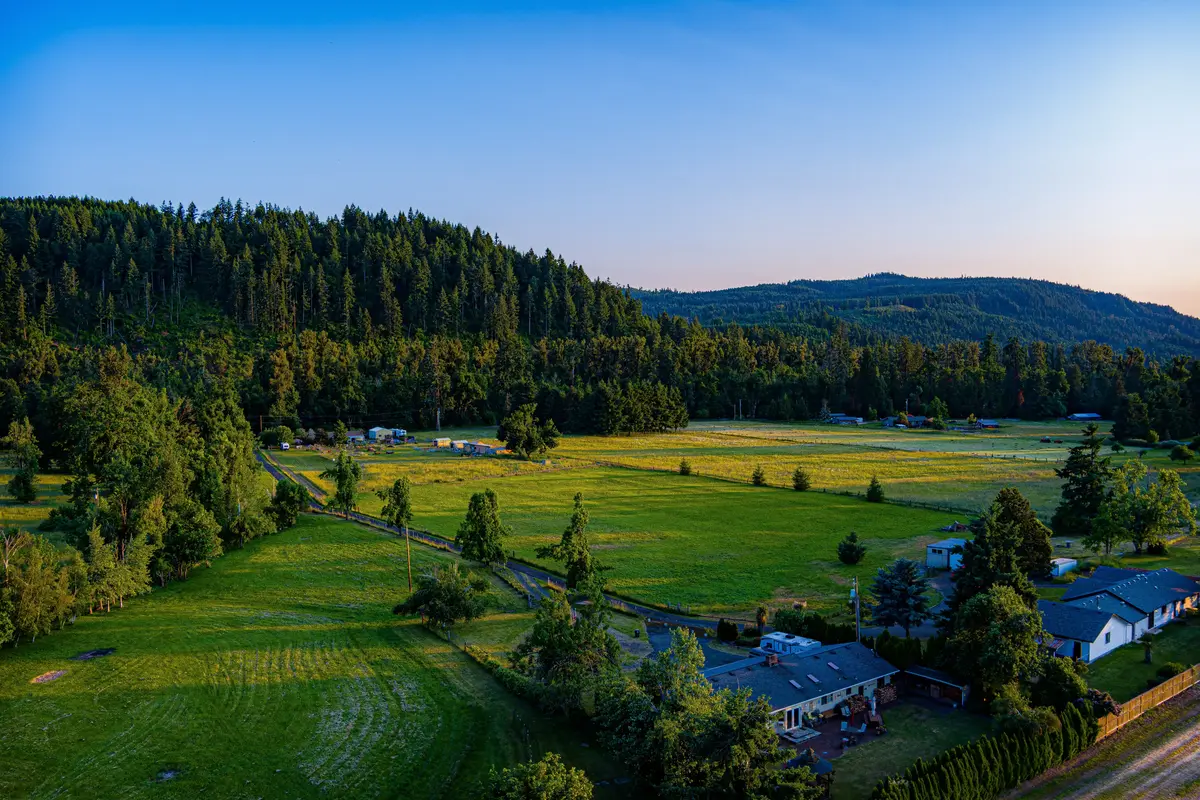
Springfield
Springfield sits directly across the Willamette River from Eugene, connected by I-105, and for buyers who want Eugene's location without Eugene's price pressure, it deserves serious consideration. The city has its own identity — Dorris Ranch Living History Farm, Wildish Community Theater, Willamalane Park — rather than simply functioning as Eugene's eastern neighbor. A regional medical center and an established manufacturing base give Springfield an employment foundation that is broader than most cities its size in the valley, and prices track near the regional middle.
Full Springfield Guide →
Albany
Albany is where I-5 meets the Santiam Highway corridor, which makes it a practical choice for buyers who commute in multiple directions or want options. The historic carousel, the Monteith and Hackleman historic districts, and Talking Water Gardens give it more character than its industrial reputation suggests. ATI Specialty Alloys, a major distribution center, and Linn-Benton Community College form an employment base that leans toward trade and logistics — a different profile from the university towns — and prices sit near the regional middle.
Full Albany Guide →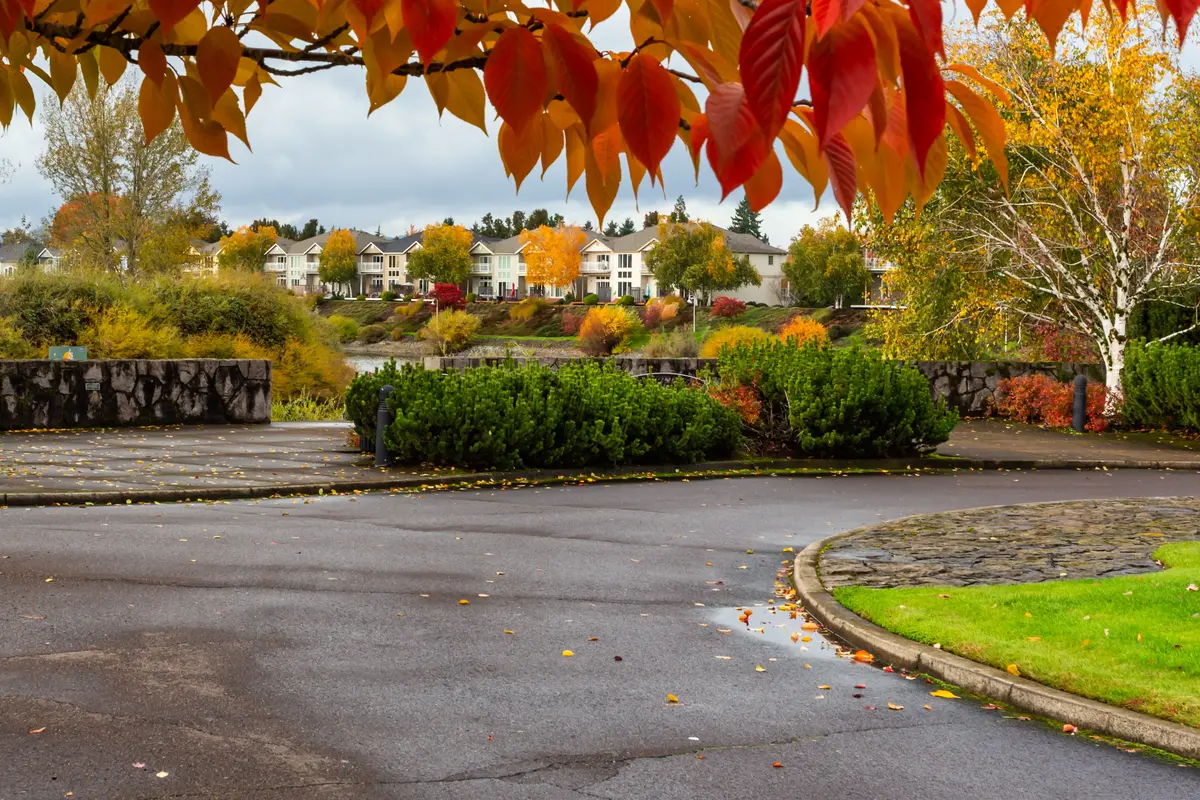
Keizer
Keizer is effectively the northern continuation of Salem — sharing the Salem-Keizer school system, sitting just off I-5 — but it incorporated separately and has its own civic identity, centered on Keizer Rapids Park along the Willamette and the Volcanoes Stadium, home to the Salem-Keizer Volcanoes. For buyers who want Marion County's price range with slightly newer residential development and a lower-density feel than central Salem, Keizer tends to be the answer. Prices track near the regional middle.
Full Keizer Guide →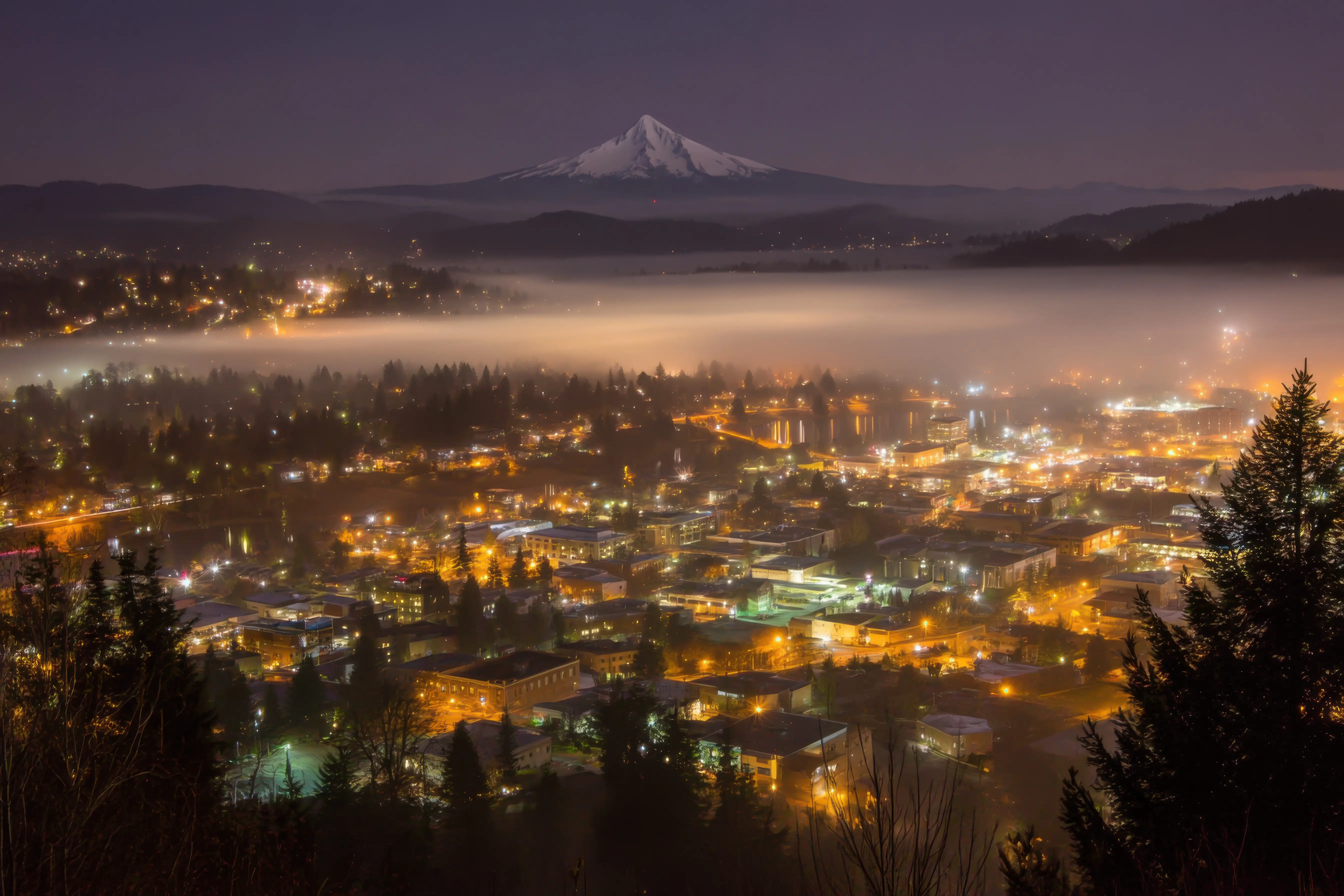
McMinnville
McMinnville is the commercial and cultural hub of Yamhill County wine country, and Third Street's historic district — restaurants, independent shops, the Evergreen Aviation and Space Museum on the edge of town — makes it one of the more genuinely walkable small-city downtowns in the valley. OR-18 and 99W connect it to Portland and the coast, which keeps it attractive to remote workers and commuters alike. Linfield University adds an academic anchor, prices sit near the regional middle, and the surrounding pinot noir vineyards mean the lifestyle selling point is real, not just marketing.
Full McMinnville Guide →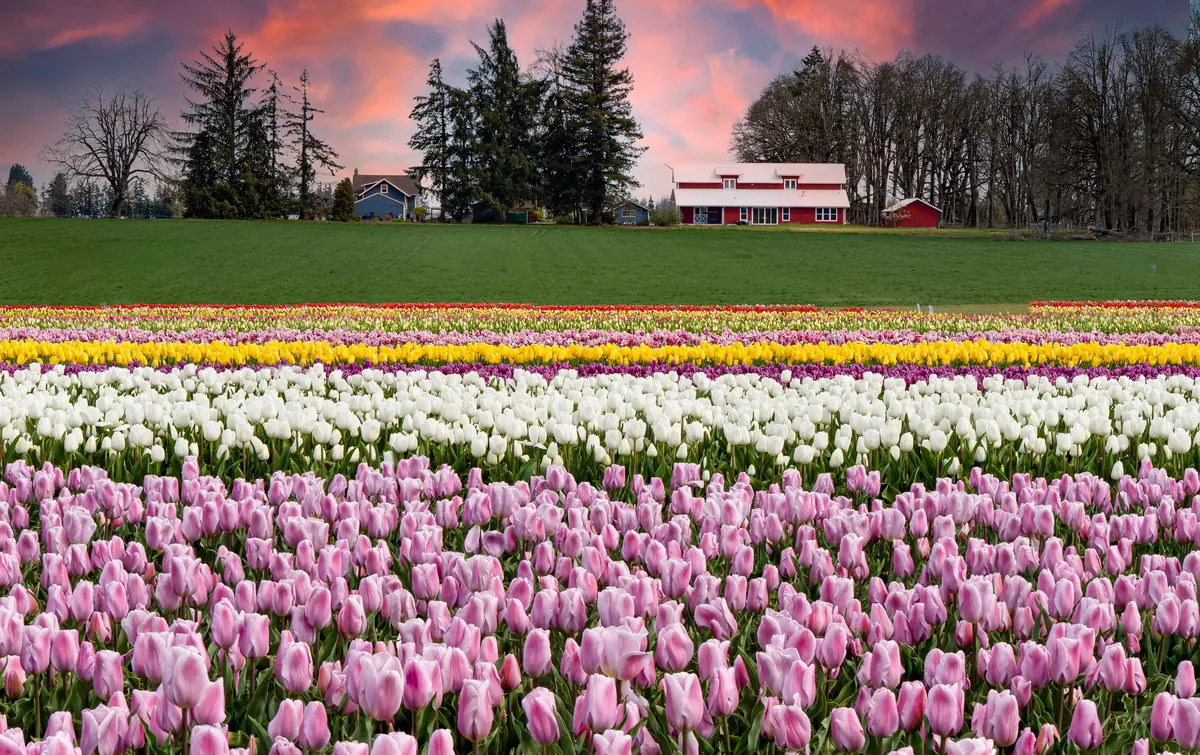
Woodburn
Woodburn is one of the most culturally distinct cities in the valley — a large and long-established Latino community gives it a character that differs visibly from the college and government towns to the south and north. I-5 access is genuine, the Wooden Shoe Tulip Farm draws people from across the state each spring, and Woodburn Premium Outlets anchors the retail side. The school district and a major logistics employer form the employment base; prices sit near the regional middle, and buyers who want I-5 proximity without Salem prices often land here.
Full Woodburn Guide →
Newberg
Newberg sits at the edge of the Chehalem Mountains, close enough to Yamhill County's wine country that Dundee Hills vineyards are practically a short drive from any neighborhood, yet large enough to have real services — full-service medical care in town, George Fox University, a genuine high school sports and arts program. The 99W drive-in theatre is a legitimate local institution. A-Dec, one of the world's leading dental equipment manufacturers, is headquartered here, which anchors a manufacturing employment base that gives the city more economic depth than its wine-adjacent reputation implies. Prices sit near the regional middle.
Full Newberg Guide →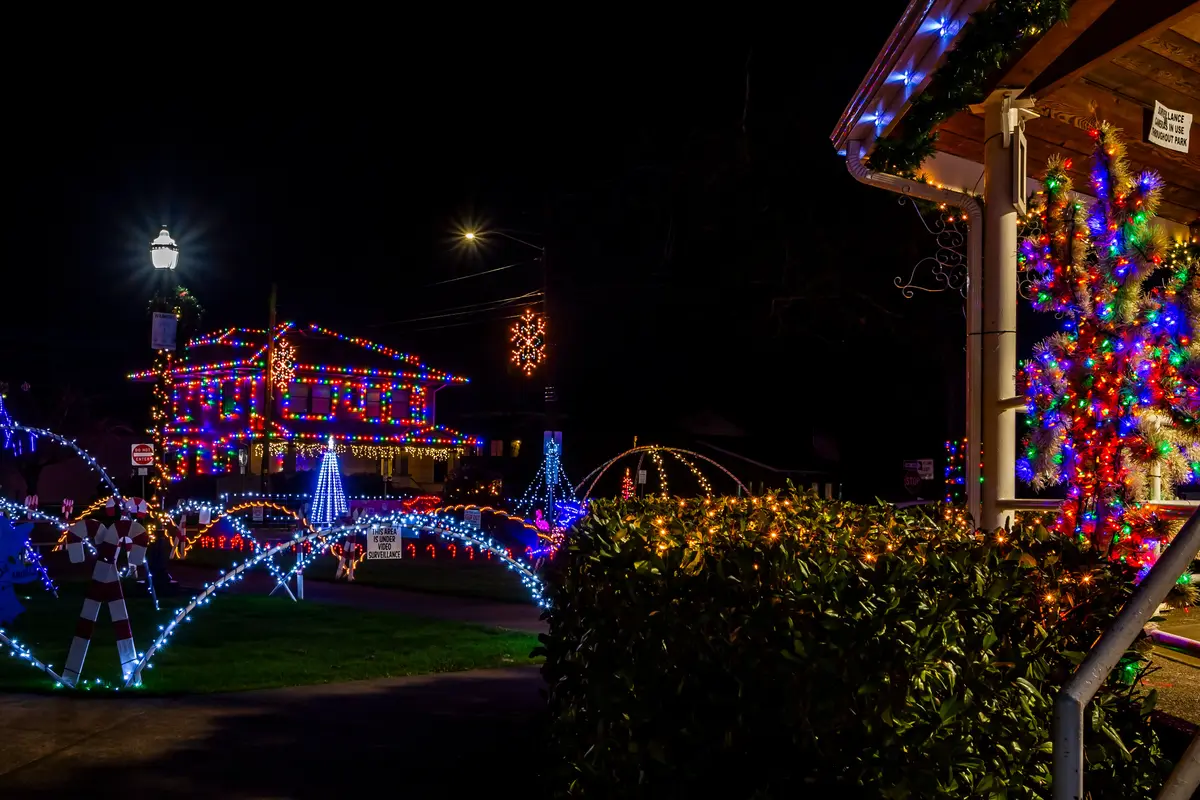
Lebanon
Lebanon is one of the valley's honest entry points for buyers who need prices toward the more affordable end of the region without giving up access to services. A community hospital and Western University of Health Sciences give it an institutional foundation that punches above its size, and Cheadle Lake Park is a genuine amenity. US-20 and OR-34 connect it to Corvallis and Albany, both larger cities within reasonable reach, but Lebanon itself has a small-city rhythm that buyers wanting a quieter pace tend to find either exactly right or a bit too quiet.
Full Lebanon Guide →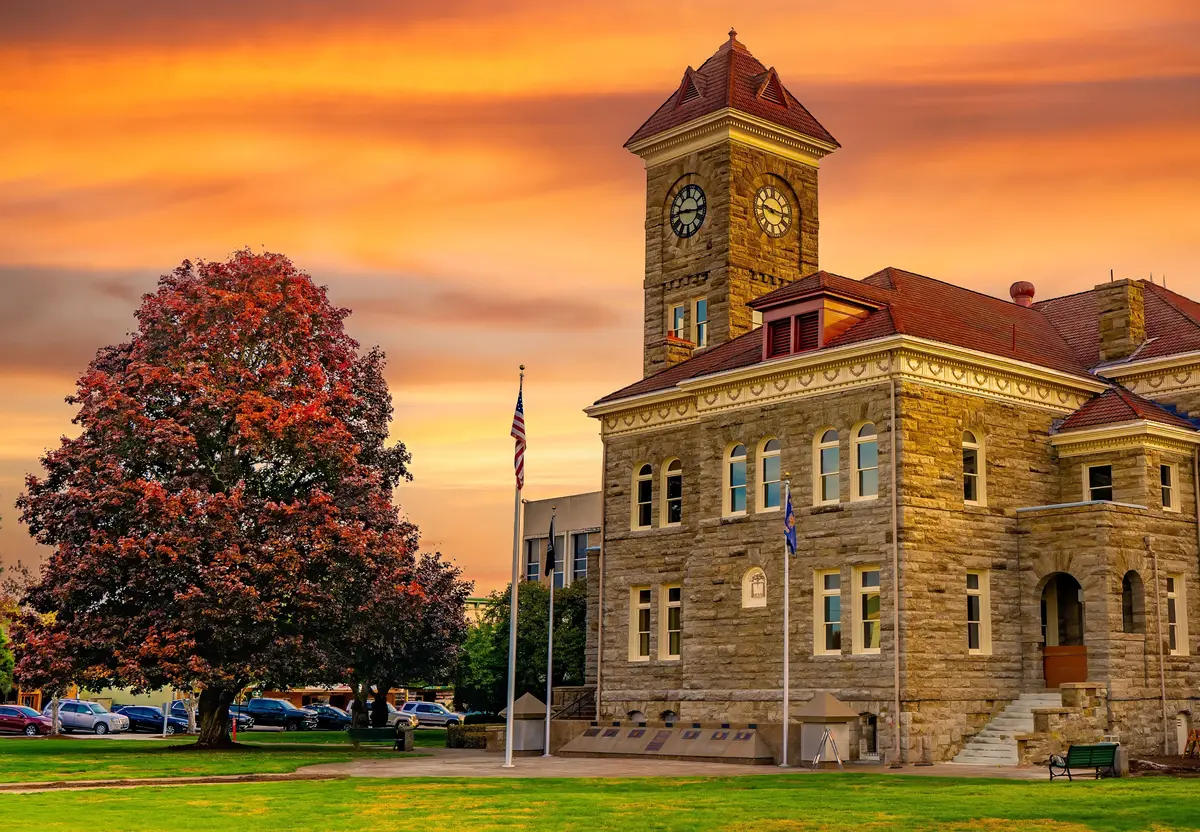
Dallas
Dallas is the Polk County seat — small, unhurried, and genuinely self-contained in the way that towns with a courthouse square and a city park tend to be. The school district and county government are the main employers, Walmart anchors the retail side, and OR-223 is your primary connection out. Buyers moving here usually value the pace and the price — near the regional middle — over proximity to a larger employment center, and many work remotely or commute toward Salem. The Rickreall Creek Trail gives the city a recreational spine that newcomers often don't know to expect.
Full Dallas Guide →
Monmouth
Monmouth is a small city built around Western Oregon University, which means the economy, the housing demand, and the community calendar all orbit WOU in the way that college towns do. 99W and OR-51 connect it to Salem, to Independence next door, and to the broader Polk County corridor. For buyers who want a walkable, academically inflected small-city feel at a price near the regional middle — and who don't need frequent I-5 access — Monmouth is a legitimate option that the valley's larger cities tend to overshadow.
Full Monmouth Guide →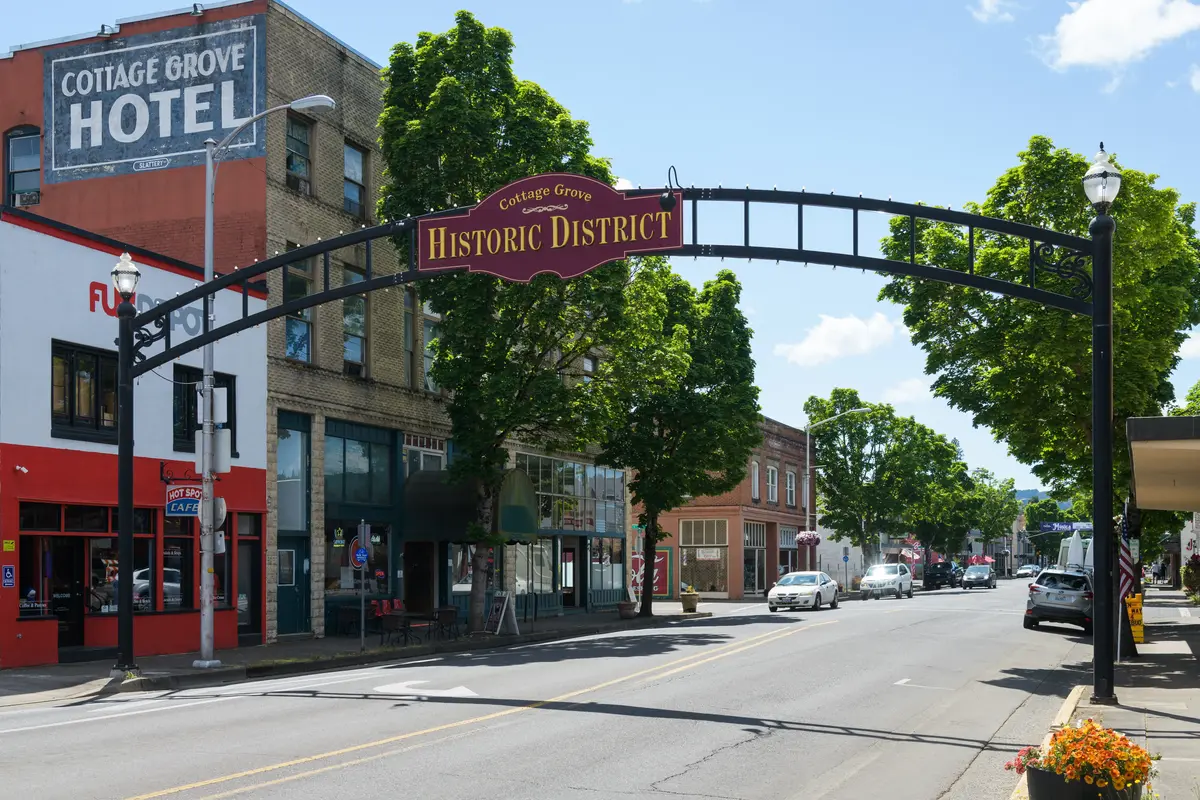
Cottage Grove
Cottage Grove sits at the southern end of the valley on I-5, close enough to Eugene to use its services while maintaining its own unhurried identity. The historic covered bridges in the surrounding area — Chambers Railroad Bridge, Mosby Creek Bridge, Currin Bridge, Dorena Bridge — are not a marketing gimmick; they are what the landscape actually looks like. Cottage Grove Lake and Dorena Reservoir add genuine outdoor access, Weyerhaeuser reflects the region's forestry roots, and prices toward the more affordable end of the valley make it one of the cleaner value propositions for buyers who can work remotely or commute north.
Full Cottage Grove Guide →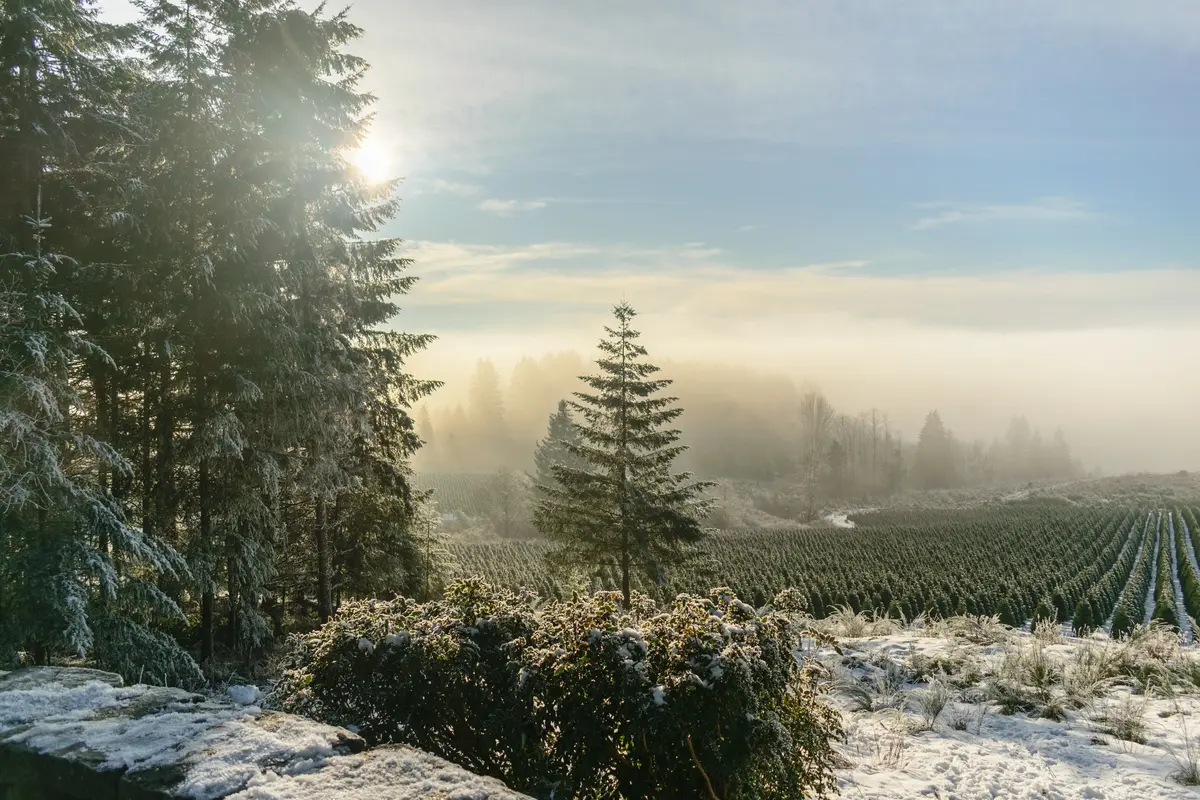
Silverton
Silverton is what people picture when they say 'Oregon small town' — murals on the downtown storefronts, the Oregon Garden on the edge of the city, the Gordon House (the only Frank Lloyd Wright home in Oregon), and a food and arts scene that draws people from Salem on weekends. OR-213 connects it north to the Portland Metro fringe and south toward Salem, but Silverton itself has a deliberate, self-contained quality. Prices sit near the regional middle, and buyers who move here from larger cities often say the social fabric — neighbors who know each other, events centered on Coolidge-McClaine City Park — was the detail the brochures didn't capture.
Full Silverton Guide →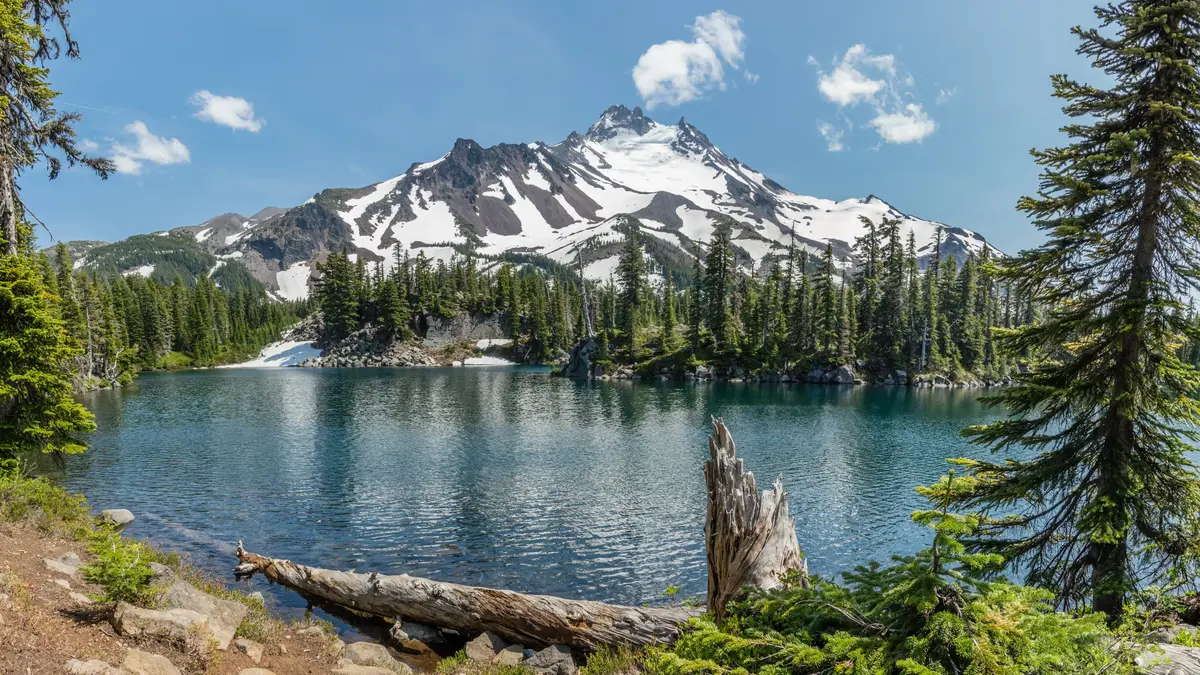
Independence
Independence sits on the Willamette River in Polk County, smaller and quieter than Salem but connected to it by OR-51 and sharing a school district with Monmouth next door. Riverview Park and the historic waterfront give it an outdoor identity that its size would not otherwise support, and Independence Bridge is both a landmark and a functional link. Western Oregon University's presence in Monmouth means the neighboring city adds academic texture without Independence having to build its own campus economy. Prices land near the regional middle for buyers who want a true small-town pace.
Full Independence Guide →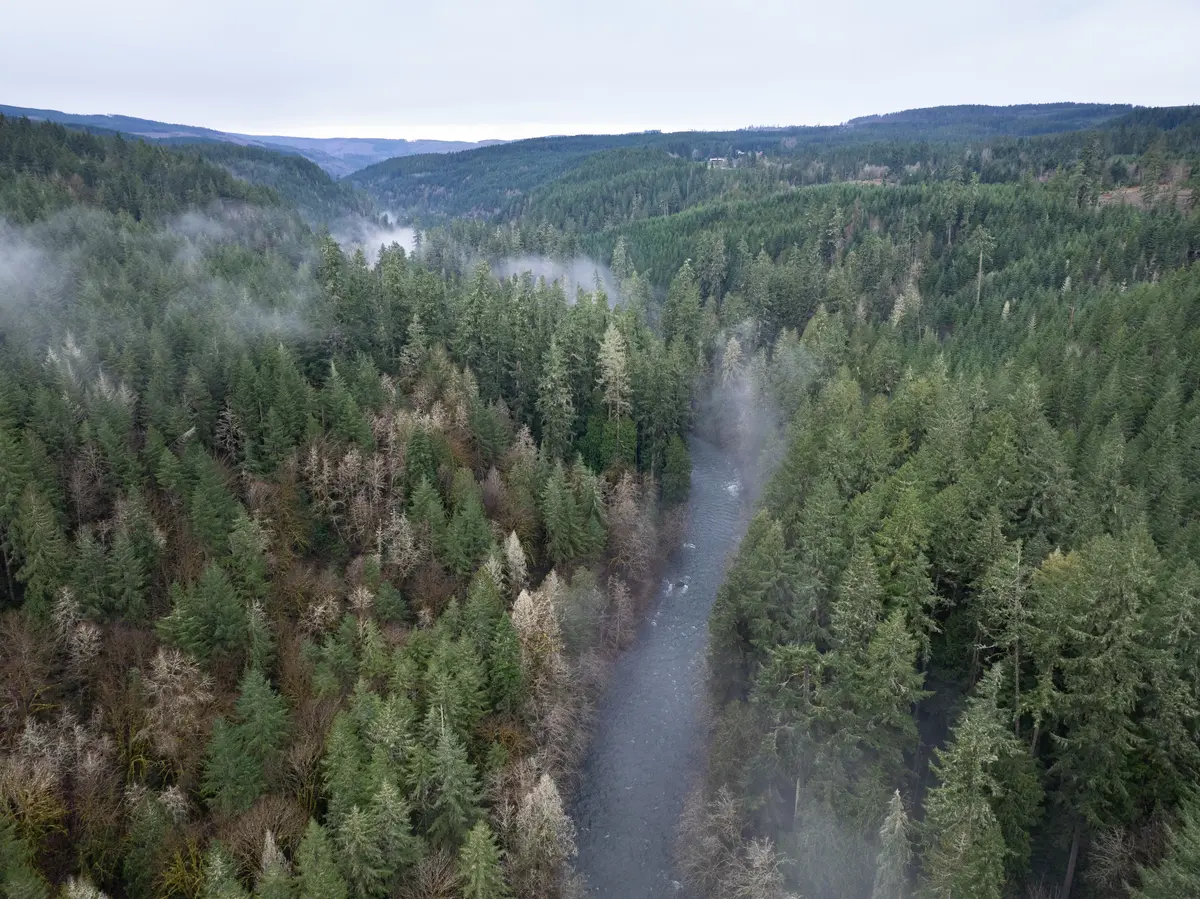
Molalla
Molalla sits at the eastern edge of the valley in Clackamas County, closer to the foothills than most valley cities and noticeably more rural in feel. The Molalla Buckeroo Rodeo is the city's signature event, Molalla River State Park and Feyrer Park put real outdoor access within reach, and OR-211 and OR-213 are the connections out — neither a freeway, which tells you something about the pace. Buyers here tend to value space, elbow room, and a working-town character; prices near the regional middle reflect a market where the trade-off between rural feel and commute time is very real.
Full Molalla Guide →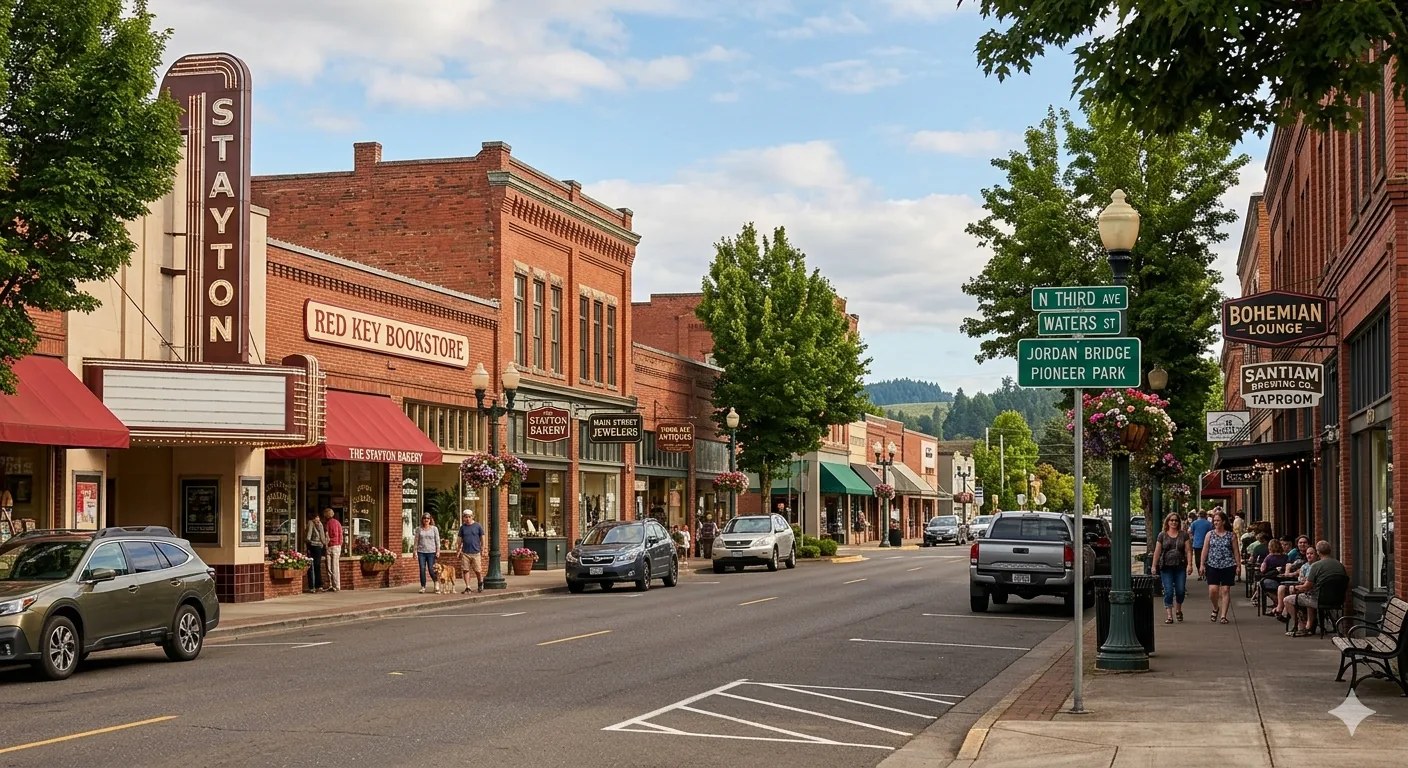
Stayton
Stayton is a small North Santiam River town that sits along OR-22, which puts it within reach of Salem and also within striking distance of the Cascades — Detroit Lake, the Santiam Pass corridor — for buyers who want outdoor access as part of daily life rather than a weekend trip. The downtown has the lived-in quality of a place that hasn't been curated for visitors, the hospital gives it a service anchor uncommon in towns its size, and the school district is the community's main institutional employer. Prices near the regional middle, with a lifestyle that rewards people who actually want a small-town pace rather than just a small-town price.
Full Stayton Guide →
Junction City
Junction City is a small Lane County town north of Eugene where the agricultural character of the valley is most visible — Hanley Farm is a working landmark, the Scandinavian Festival is the community's defining annual moment, and the surrounding fields are not a backdrop but the actual economy. OR-99 and OR-99W are the main routes, connecting it to Eugene to the south. The Oregon State Correctional Institution is one of the larger employers, which reflects the town's practical, working-community identity. Prices near the regional middle suit buyers who want rural adjacency without full rural isolation.
Full Junction City Guide →
Philomath
Philomath is a small Benton County city that functions as the western gateway to Corvallis — close enough that Oregon State University's campus is effectively a short drive away via US-20 and OR-34, and many residents work or study there. Marys Peak Recreation Area looms to the southwest, giving the city an outdoor identity that Corvallis doesn't quite have. The Benton County Historical Society museum anchors a modest but real historic downtown, and prices near the regional middle make Philomath attractive for buyers who want Corvallis access at a slightly different price point and a smaller-town atmosphere.
Full Philomath Guide →
Dundee
Dundee sits in the Dundee Hills AVA, surrounded by the pinot noir vineyards that put Yamhill County on the international wine map, and that geography is not incidental — it directly shapes home prices, which sit toward the pricier end of this region. Argyle Winery and Duck Pond Cellars are working neighbors rather than attractions, OR-99W and OR-18 connect the town to McMinnville and the Portland Metro, and Billick Park gives the community a civic gathering point. This is a very small town; buyers who move here do so because the wine-country setting is the point, not an amenity.
Full Dundee Guide →Compare Every City in Willamette Valley
Full ranked breakdowns across every city in the region — scored and compared side by side.
Local Expert Takeaway: Pick the city whose main employer or institution you'd actually want to live near — because in the Willamette Valley, the economic anchor and the community identity are usually the same thing, and choosing the right one matters more than splitting hairs over price.
Frequently Asked Questions
Which city in the Willamette Valley is best for families with kids?
Is the Willamette Valley more affordable than the Portland Metro?
How do Eugene and Salem compare for someone choosing between them?
Which Willamette Valley cities work best for remote workers?
What do people not realize about living in the Willamette Valley until after they've moved here?
Helpful Oregon Resources
Explore Other Oregon Regions
the Willamette Valley is one of 7 distinct regions that make up Oregon. Each has its own climate, character, and housing market — explore them all.
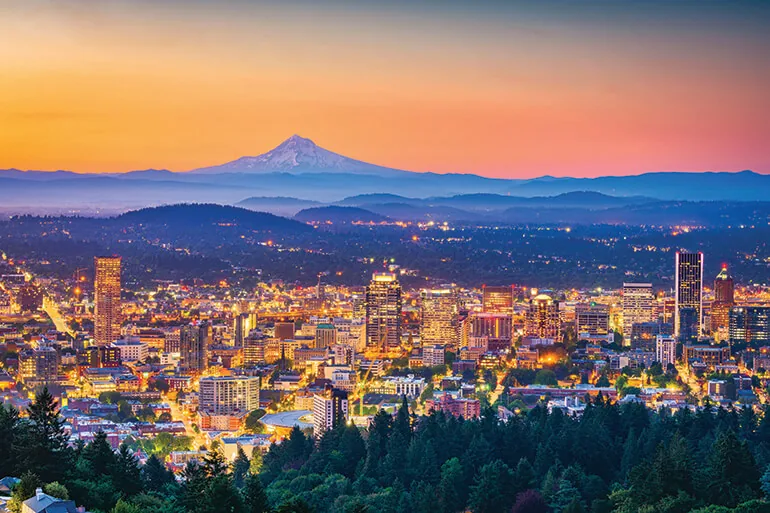
Oregon's largest job market, from close-in city neighborhoods out to the Washington and Clackamas County suburbs. 23 cities including Portland, Gresham, Hillsboro.
Explore all 23 Portland Metro cities →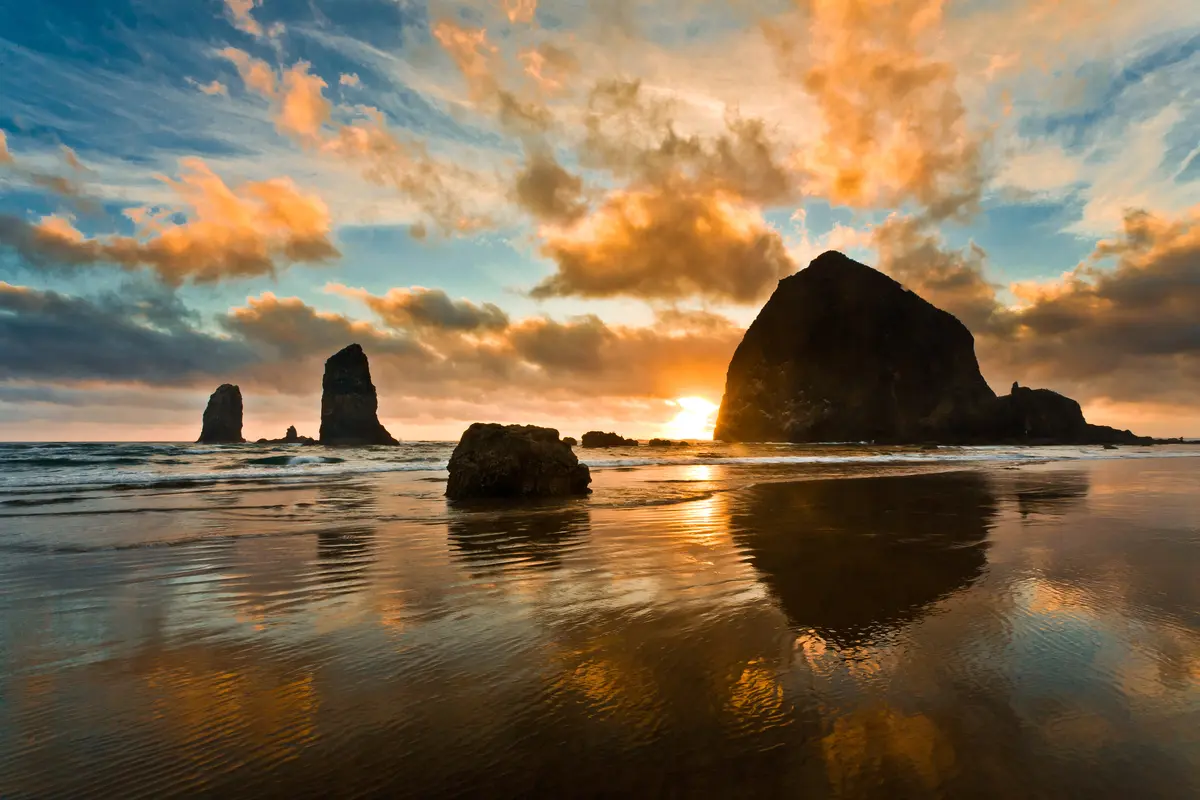
Harbor and beach towns along the Pacific, from the mouth of the Columbia River to the California border. 16 cities including Coos Bay, Newport, Astoria.
Explore all 16 Oregon Coast cities →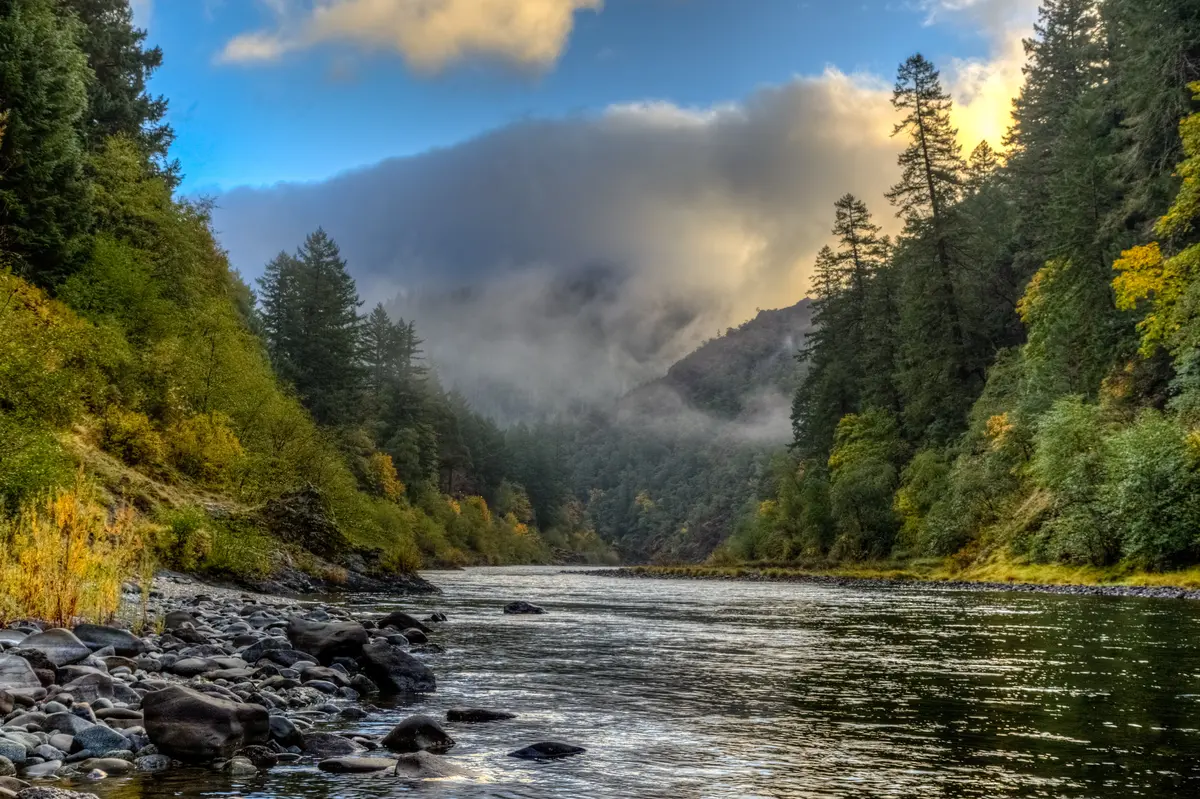
The Rogue Valley and the Umpqua and Klamath country around it, south of the Willamette Valley. 7 cities including Medford, Grants Pass, Roseburg.
Explore all 7 Southern Oregon cities →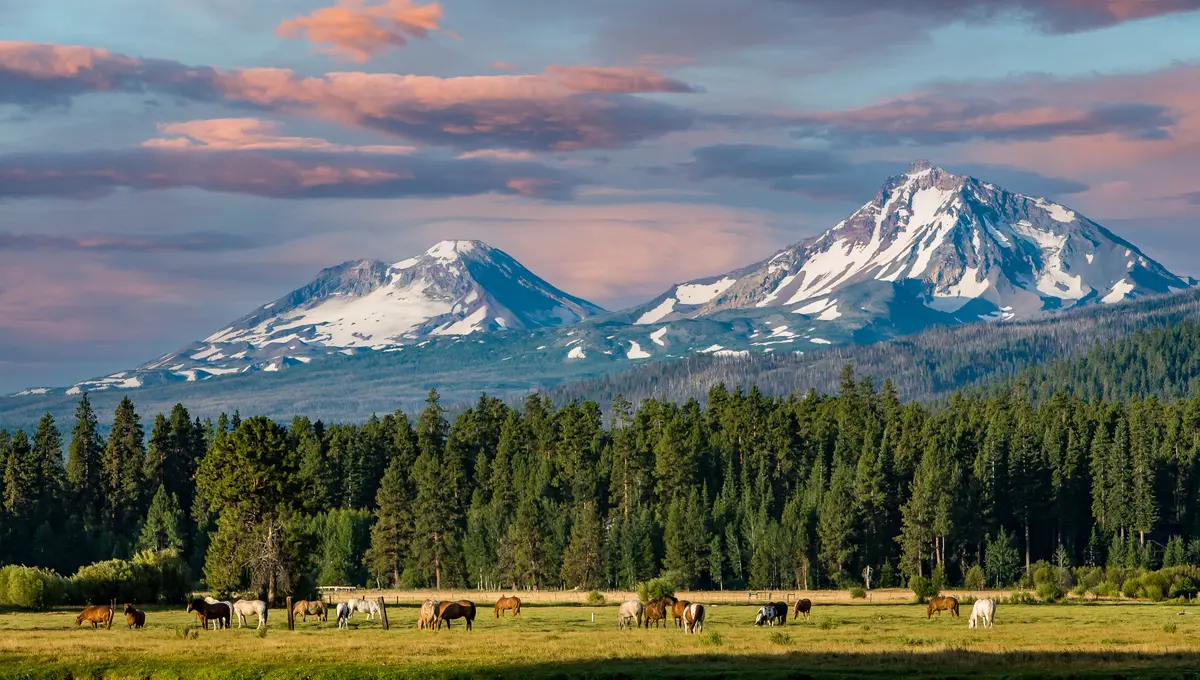
High desert country on the dry side of the Cascades, built around year-round time outdoors. 6 cities including Bend, Redmond, Prineville.
Explore all 6 Central Oregon cities →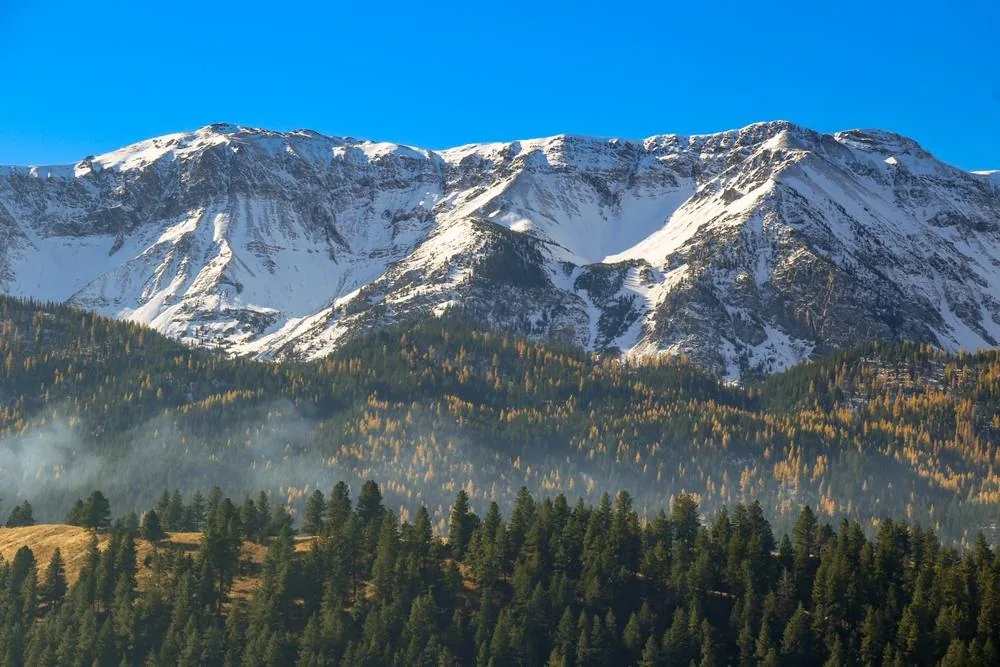
Ranch and farm country with small cities spread across the dry eastern side of the state. 6 cities including Hermiston, Pendleton, La Grande.
Explore all 6 Eastern Oregon cities →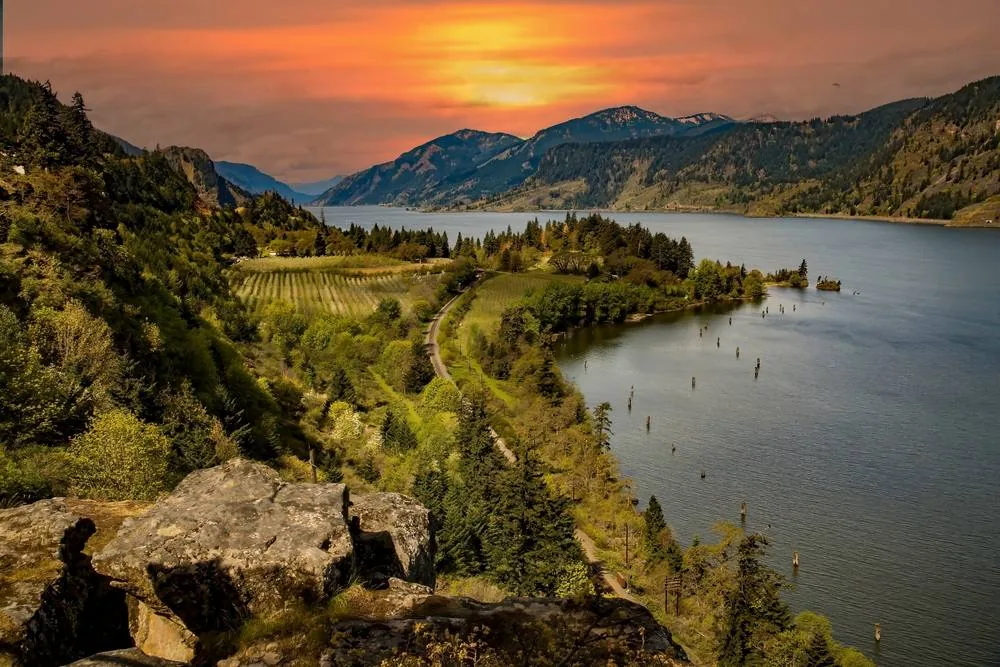
Towns at the foot of Mt. Hood and along the Columbia River Gorge, between the Portland suburbs and the dry side of the Cascades. 5 cities including The Dalles, Troutdale, Sandy.
Explore all 5 Mt. Hood & Columbia Gorge cities →Moving to Oregon?
Tell us what you need help with and we'll connect you with local resources.
