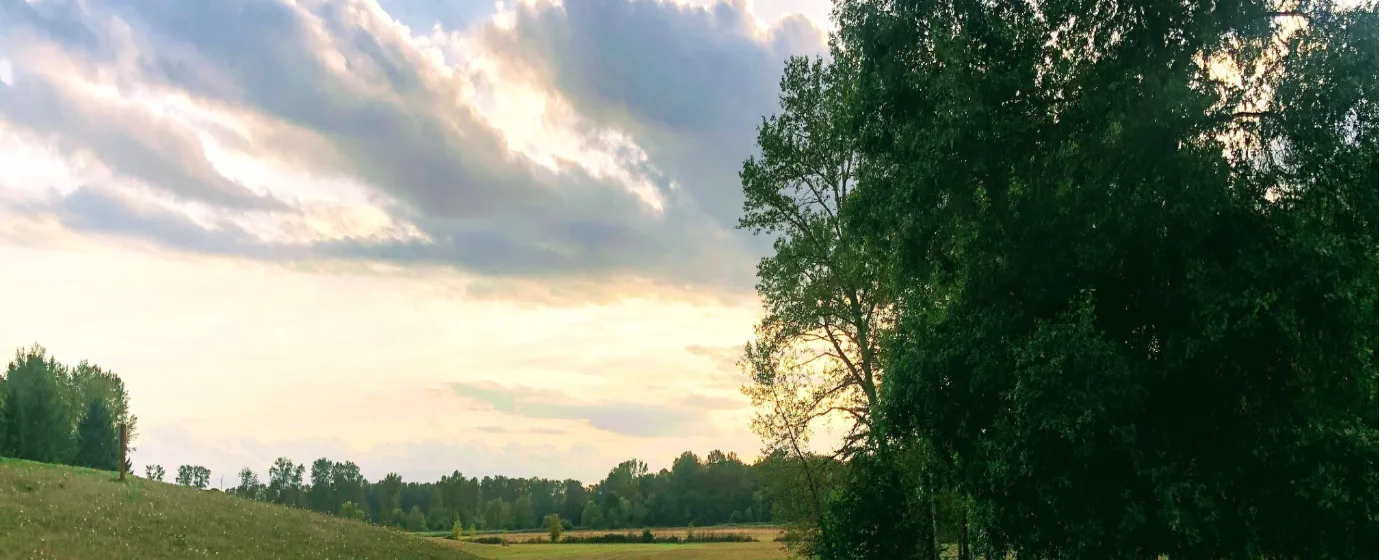
Most towns this size — Molalla has 10,103 residents — can point to a decent park and maybe a paved path along a creek. Molalla can point to the largest undammed tributary of the Willamette River running through its backyard, a federally managed trail network with roughly 25 miles of multi-use routes, and a rodeo that has run every July since 1913. The outdoor life here is not a selling point tacked onto a suburb — it is the whole reason a certain kind of buyer looks at Molalla when other Clackamas County towns come in noticeably higher on price.
The city sits at the edge of where the Willamette Valley floor gives way to the foothills of the Cascades, which means the terrain changes fast once you leave town. OR-211 and OR-213 carry most of the traffic in and out, and the drive to Portland International Airport (PDX) is about 38 miles. What that geography buys you recreationally is a river corridor that transitions from calm swimming holes near town to forested canyon trails within a few miles — all without driving to a trailhead two counties away.
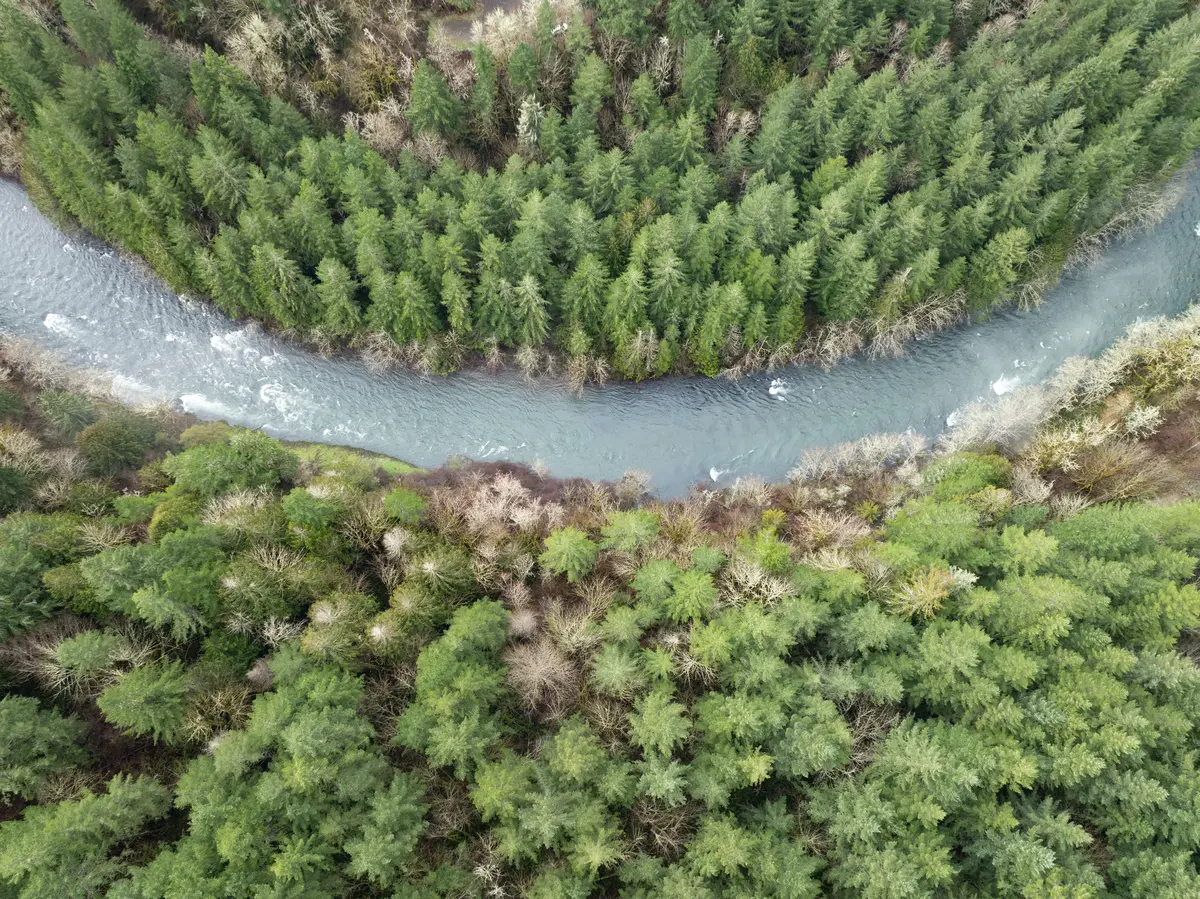
The Molalla River is the organizing fact of outdoor life here. Feyrer Park sits on its banks three miles southeast of downtown. The federally managed Molalla River Recreation Corridor extends the river experience south for 13.7 miles. Molalla River State Park anchors the northern end where the Molalla meets the Willamette and the Pudding River. These are three distinct, managed recreation destinations within a short drive of the same zip code, each serving a different kind of user. For families with kids, anglers, mountain bikers, and birders, that variety is a real advantage. The sections below cover each major destination, the seasonal calendar that shapes when locals actually use them, and the quirks that newcomers tend to discover only after their first summer here.
The Molalla River: Feyrer Park and the Corridor
Feyrer Park is where most Molalla families spend their summer afternoons, and it earns that status. The Clackamas County park sits three miles southeast of downtown on the Molalla River, offering 20 campsites with water and electric hookups alongside day-use amenities — picnic shelters, a playground, a volleyball court, and a boat ramp. The campground runs from May through September.
The detail that puts Feyrer Park on a different level from a standard county facility is the riverbed itself. Two swimming holes carved into the bedrock are the main draw: one downstream of the bridge with a rope swing and a mix of shallow wading areas and deeper spots, one upstream better suited to tubing and calmer swimming. On a warm July afternoon, both fill up fast — this is something newcomers learn the first summer and plan around every summer after.
South of town, the Molalla River Recreation Corridor takes the experience in a different direction. Managed by a federal land agency, the corridor spans approximately 13.7 miles of river and features roughly 25 miles of multi-use trails open to hikers, mountain bikers, and equestrians. Two walk-in campgrounds — Three Bears Recreation Site with 15 sites and Cedar Grove Recreation Site with 11 sites — give the corridor a backcountry feel that Feyrer Park, with its electric hookups, does not. Several day-use sites along the corridor also have their own swimming holes.
The river itself adds a layer that most urban trail systems cannot offer. The Molalla is the largest undammed tributary of the Willamette River, which means the water runs cold and relatively clear, supporting wild winter steelhead, salmon, and native cutthroat trout. It has been proposed for Wild and Scenic River designation — a recognition of the ecological quality that makes it worth protecting and, for residents, worth living near. Anglers who move here from the Portland metro often say they did not fully appreciate how close to undisturbed water they would be.
What to Know Before You Go
The trail network in the corridor is genuinely multi-use, which means mountain bikers and horses share the same paths. If you are hiking with dogs or young children, being aware of that mix matters more here than on a paved greenway. The trailhead parking is not signed with the same consistency as a state park — first-time visitors regularly spend more time finding the right access point than they expect.
Molalla River State Park: Birding, Boats, and Three Rivers
Molalla River State Park is technically nearer Canby than downtown Molalla, but it is a canonical part of this city's recreation identity — and the geography explains why. The 567-acre day-use park sits at the confluence of the Willamette, Molalla, and Pudding rivers, which creates an ecological crossroads that is rare even by Willamette Valley standards.
The park's reputation rests primarily on its wildlife. It is recognized as home to one of the largest great blue heron rookeries in the Willamette Valley — a nesting colony large enough that the herons are a reliable presence rather than an occasional sighting. The floodplain habitat also draws osprey, hawks, egrets, deer, and waterfowl. For birders moving from denser suburbs, this park is often the first place they realize what proximity to undisturbed riparian forest actually means in daily life.
Beyond the wildlife, the park offers hiking trails through riparian forest, a boat ramp with access to the Willamette River, picnic areas, and a pet off-leash exercise area. Day-use only — no camping — but the boat ramp makes it a launching point for paddlers who want Willamette River access without driving to a marina.
The Parking Fee — Worth Knowing Now
A parking fee went into effect at the state park on March 30, 2026. If you have an Oregon State Parks annual pass, it covers this park. If you are planning a first visit and expecting free access, budget accordingly — it is a recent enough change that word has not fully traveled yet, and pulling up without a pass costs you time at the kiosk.
The off-leash area draws dog owners from across the area, and it fills quickly on dry weekends. The combination of three converging rivers and loose dogs means the area immediately around the boat ramp can get crowded on summer Saturdays. Arriving earlier in the morning or later in the afternoon changes the experience considerably.
In-Town Recreation: Clark Park, Molalla Train Park, and Wilhoit Springs
Not every recreation option requires a drive. Clark Park, within the city, includes a disc golf course — one of those amenities that attracts a specific and dedicated user base and tends to keep them local. It is the kind of park where you will run into the same people week after week, which is its own form of community infrastructure.
Molalla Train Park is the most distinctive in-city recreation asset, and it earns attention beyond the usual local-park description. The Pacific Northwest Live Steamers have operated this four-acre park since 1954. Admission is free. The volunteers run miniature 1.5-inch-scale trains — five of them steam-powered — on roughly 3,000 feet of track, carrying riders on 10-minute loops through a setting with ponds, a covered pavilion, a picnic area, and a concession stand inside a historic depot. It operates on Sundays during the warm months.
For families moving here with young children, the train park is one of those specific local details that becomes a weekly ritual. It is not a theme park, and it does not try to be — the appeal is the scale of the operation and the evident care the volunteer community puts into maintaining it, which is a different kind of draw than a commercial attraction. People who grew up in Molalla tend to have strong memories of it. People who move here with kids tend to develop them quickly.
Wilhoit Springs and the Broader County System
Wilhoit Springs County Park extends the options for residents who want a different kind of quiet outing accessible from the Molalla area. It is the kind of destination that rewards knowing it exists — not heavily trafficked, and worth exploring once you have worked through Feyrer Park and the river corridor.
Taken together, the in-town parks and the county-managed options create a recreation menu that covers more ground than a city of 10,103 might suggest. The gap is in walkability — most neighborhoods are car-dependent for park access — but the destinations themselves, once you arrive, are genuinely good.
Looking to buy in Molalla? Estimate your payment.
Enter your numbers to see an estimated monthly mortgage payment.
Estimate only. Excludes HOA fees and mortgage insurance. The interest rate above is a starting point, not a quoted rate — replace it with your own to see real numbers. Insurance is a flat placeholder, not a Molalla quote.
Seasonal Recreation and the Molalla Buckeroo
The recreation calendar in Molalla is shaped by the same weather reality that governs all of western Oregon: roughly 141 sunny days a year, with summers that are genuinely warm and winters that are mild but persistently grey. Most outdoor use concentrates between late May and early October, and the facilities reflect that — Feyrer Park campground operates May through September, the train park runs Sundays through the warm months, and the river swimming holes are at their peak in July and August.
What newcomers consistently underestimate is how quickly the Molalla River rises after a rain event. The river runs fast and cold even in early summer, and the swimming holes that feel calm in late July can be moving water by late September. Locals pay attention to recent rainfall before heading to the bedrock holes at Feyrer — this is not a precaution that gets communicated in park signage, but it gets passed along quickly once you know people who use the river regularly.
The Buckeroo: A Civic Event, Not Just a Rodeo
The Molalla Buckeroo Rodeo runs July 1 through 4 each year at the Molalla Buckeroo Rodeo Grounds and has done so without interruption since 1913. That continuity is not a marketing fact — it is a civic one. The event is a sanctioned professional rodeo and features the full slate of competitive events: bull riding, saddle bronc, bareback, steer wrestling, team roping, tie-down roping, and barrel racing. Each evening closes with live music and fireworks.
The Rodeo Association runs as a nonprofit with more than 60 active volunteer members. Children under 12 enter free with a paying adult. If you move to Molalla and spend your first Fourth of July somewhere else, you will hear about it from neighbors for the rest of the summer — this is the event the city organizes itself around, and it draws visitors from well outside Clackamas County. Plan for traffic on OR-211 during that week.
Year-Round Fishing and Wildlife Watching
Winter steelhead fishing on the Molalla River runs through the colder months and draws a committed contingent of anglers who value uncrowded access over convenience. The river's undammed status keeps the water quality and fish habitat intact in ways that other Willamette Valley tributaries cannot match. For residents who fish, that is a concrete quality-of-life difference from living in a more developed suburb. For the broader picture of who Molalla suits, outdoor access at this level — right at the edge of town — is the factor that tips the decision for a specific kind of buyer who could not make the same argument for Oregon City or Canby.
The birding at Molalla River State Park has no off-season, though the heron rookery is most active in spring and early summer. Winter visits to the confluence area, when the deciduous trees are bare, often produce clearer sightlines to the birds than the lush summer canopy allows. It is one of those seasonal inversions that takes a full year in Molalla to discover.
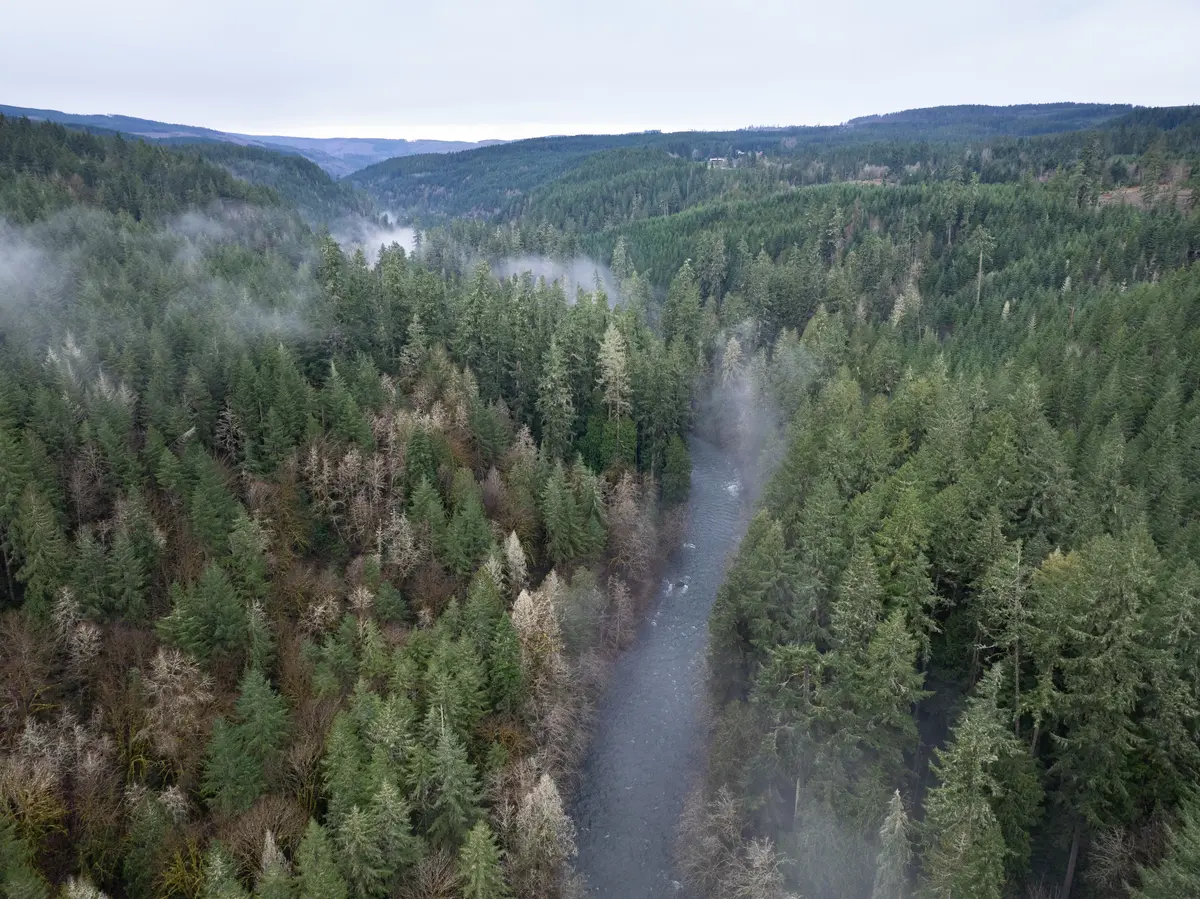
Local Expert Takeaway: The outdoor case for Molalla is more specific than 'access to nature' — it's three distinct river recreation destinations within a short drive, a federally managed trail network that mountain bikers and equestrians actually use, and a rodeo that has anchored the civic calendar since 1913. The catch is that most of this requires a car, and the river swimming holes that make summer here worth it also require knowing how to read the water after rain. Residents who get the most out of Molalla's parks tend to learn the river's rhythms in their first summer and plan around them every summer after.
Quick Takeaways & FAQs
✅ The Molalla River Recreation Corridor offers roughly 25 miles of multi-use trails for hikers, mountain bikers, and equestrians — unusually extensive for a city of 10,103.
⚠️ Most park access requires a car; on-foot access to major recreation destinations from residential neighborhoods is limited, which is worth factoring in if walkability matters to your daily routine.
📍 The Molalla Buckeroo Rodeo has run every July 1–4 since 1913 — it is the single biggest event on the city's calendar and brings significant visitor traffic to OR-211 that week.
Is Feyrer Park good for families with young children?
What trails are available near Molalla for hiking and mountain biking?
What is Molalla River State Park, and is it worth visiting?
What is the Molalla Buckeroo, and when does it happen?
Is Molalla Train Park really free, and who runs it?
Moving to Oregon?
Tell us what you need help with and we'll connect you with local resources.
