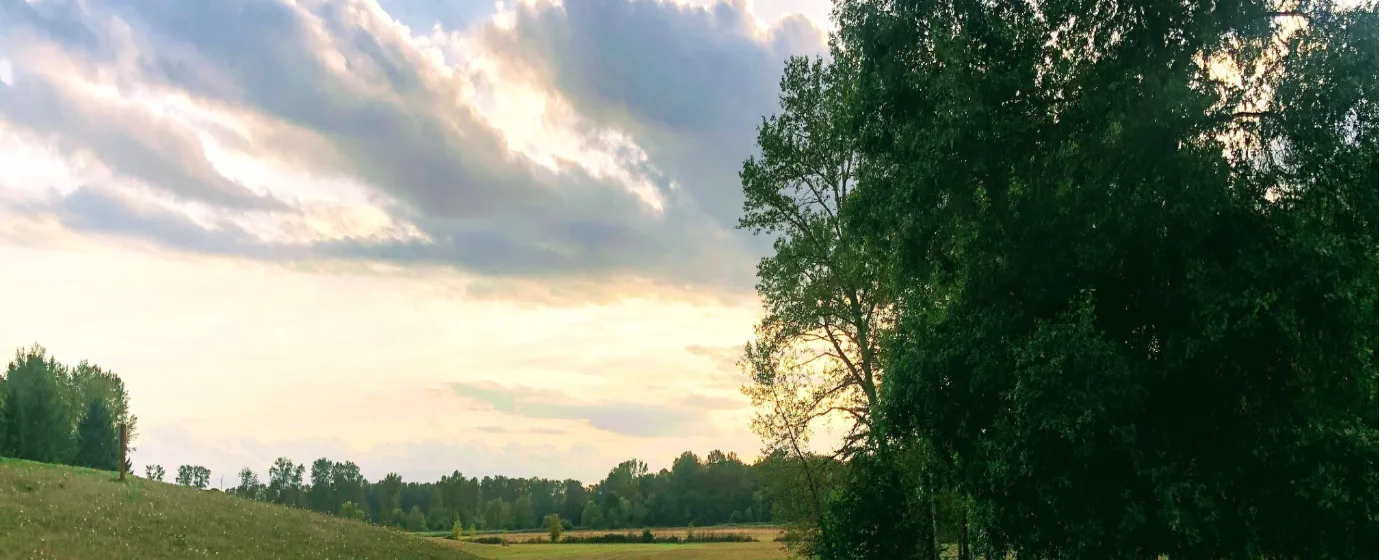
Most people who land on Molalla as a retirement destination have come to the same conclusion: they've been priced out of the Portland suburbs, they want genuine small-town roots rather than a suburb that pretends to have them, and they're willing to drive for the things a bigger city provides. Molalla is a working-class Clackamas County community of 10,103 people, connected to the wider metro by OR-211 and OR-213. Daily life here is shaped less by walkable neighborhoods and more by a close-knit social fabric, forested surroundings, and the kind of community pride that fills Clark Park for the annual Celebrate Molalla festival. That character is exactly what draws a specific type of retiree — and exactly what sends others looking elsewhere.
The cost picture is real but not simple. The typical home price sits at $499,534 (Zillow Home Value Index, July 2026), which is noticeably below what you'd pay in Oregon City or Canby, but still a meaningful number on a fixed income. Oregon's tax posture softens the picture considerably: Social Security is exempt from state income tax, there is no statewide sales tax, and a senior property-tax deferral program exists for qualifying homeowners. The full cost-of-living breakdown covers the specifics, but the headline is that Molalla offers a relatively affordable entry point into Clackamas County — with real trade-offs on healthcare access and car dependence that matter more in retirement than they did when you were working.
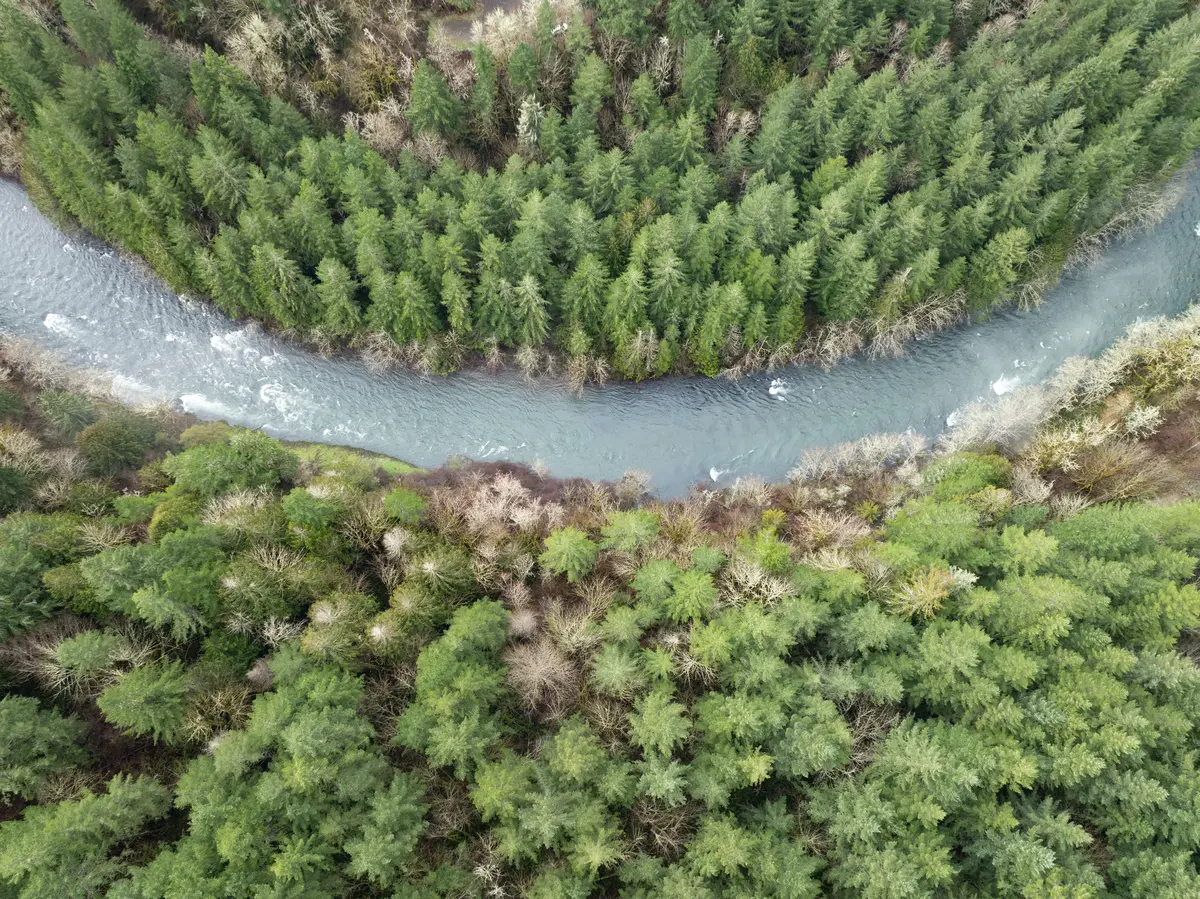
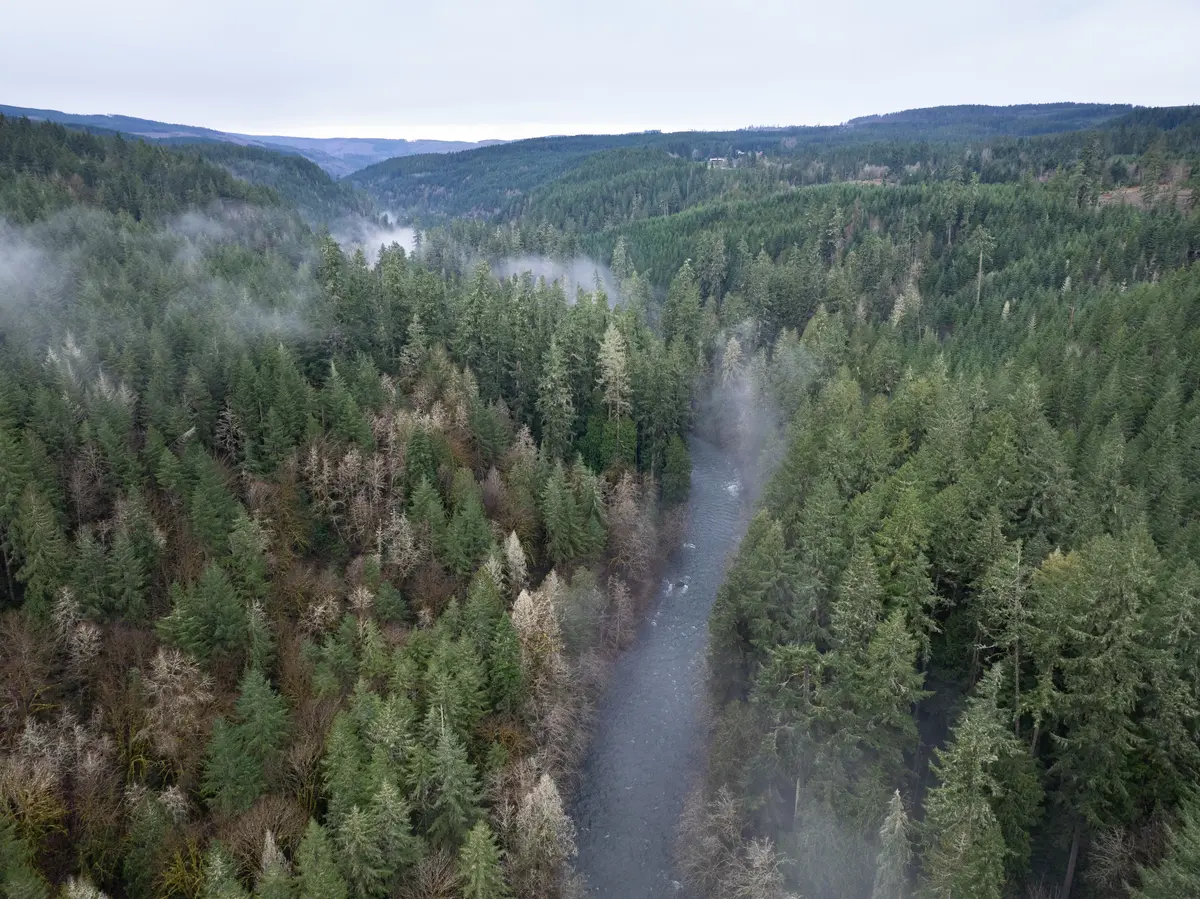
What surrounds Molalla is genuinely remarkable for outdoor-minded retirees. Molalla River State Park anchors the river corridor, and the Bureau of Land Management's trail system southeast of town offers more than 20 miles of routes through forested foothills with views of the Cascades. The trade-off is that Molalla logs roughly 141 sunny days a year — which is the Pacific Northwest reality, not a marketing oversight. Winters are grey, wet, and occasionally isolating for anyone who depends entirely on good weather for their daily routine.
Whether you're weighing Molalla seriously or comparing it against Canby, Silverton, and Oregon City, the sections below work through the healthcare realities, the retiree tax picture, what daily life actually looks like, downsizing options, and an honest side-by-side with the towns most retirees are cross-shopping.
Why Retirees Are Choosing Molalla
The retirees who land in Molalla and stay tend to share a few traits: they wanted out of the suburb treadmill, they're comfortable driving for groceries and specialist appointments, and they genuinely value knowing their neighbors. Molalla rewards that orientation. A population of 10,103 means the feed store knows your name and the Molalla Buckeroo Rodeo is a civic event, not a tourist attraction. For retirees who spent thirty years in a suburb and found it hollow, that texture is the whole point.
The financial case is real, if incomplete. At $499,534 (Zillow Home Value Index, July 2026), the typical home price is meaningfully lower than what you'd pay in Oregon City or Canby — giving someone downsizing from an equity-rich Portland-area home a realistic shot at buying outright or carrying a very modest mortgage. For more on how that compares, see the cost-of-living page. The practical reality is that most errands in Molalla mean a drive: daily groceries, medical appointments, and most social activities require a vehicle, and that fact compounds over time in ways that matter more in your seventies than they did at fifty.
Molalla is a harder sell for retirees who want walkable streets, cultural programming, or a hospital within a few miles. It is an honest fit for those who want acreage or a single-story home at a reasonable price, a quiet community with genuine civic pride, and easy access to the forested Clackamas County landscape. Know which category you're in before you start touring homes.
Healthcare & Medical Access in Molalla
The honest conversation about healthcare is the one most Molalla retirement guides skip. The nearest hospital is Legacy Willamette Falls Medical Center in Oregon City, about 16 miles away. Note: multiple authoritative sources identify the facility at that location as Providence Willamette Falls Medical Center, operated by Providence Health & Services — verify the current branding before making healthcare decisions based on a system affiliation. Either way, the drive is roughly 16 miles, which on a clear day is manageable and in a cardiac or stroke emergency is a meaningful distance.
The facility is a 143-bed acute-care hospital that also operates several medical offices and clinics across Clackamas County, which does extend specialist access somewhat for Molalla-area residents. Routine primary care, annual checkups, and minor procedures are well within reach at this level of service. What you will not find close to home: major cardiac intervention, Level I or II trauma care, oncology infusion centers, or subspecialties like neurosurgery and interventional cardiology. For those, residents are looking at Oregon City as a starting point and Portland for anything more complex.
In-town, Pheasant Pointe Assisted Living and Memory Care is the one consistently identified assisted living community in Molalla, with capacity for up to 61 residents and services that include memory care, bathing assistance, and individualized care planning. That is a meaningful local option for retirees whose needs evolve, or for families researching care for a parent. The Molalla Adult Community Center rounds out the local senior-services picture, offering recreation, meals, and social programming to Clackamas County residents — a genuine civic asset for daily engagement.
The bottom line for retirees who prioritize healthcare access above almost everything else: Molalla is workable if you are healthy and mobile, and more stressful if you have a chronic condition requiring regular specialist visits. Factor the 16-mile drive into every medical scenario you can imagine before committing.

The Retiree Budget in Molalla
Oregon's tax treatment of retirement income is one of the better stories in the Pacific Northwest. Social Security benefits are entirely exempt from Oregon state income tax, regardless of income level. That single fact meaningfully changes the monthly math for retirees who rely on Social Security as their primary source of income — money that would be partially taxed in many other states stays whole here.
Oregon does levy income tax on other retirement income — pensions, IRA distributions, and investment income — but seniors age 62 and older who receive taxable retirement income may qualify for Oregon's Retirement Income Credit, which directly reduces the state income tax owed and is particularly valuable at moderate income levels. There is no statewide sales tax, which quietly reduces the cost of every grocery run, hardware store trip, and dining tab without any action required on your part.
Property taxes carry an effective rate of approximately 0.96% in Molalla — close to the Oregon statewide average and meaningful on a sub-$500,000 home. Oregon also operates a Property Tax Deferral program for homeowners age 62 or older: if your household income is at or below $70,000 (the 2026 threshold) and you've lived in the home for at least five years, the state pays your county property taxes and places a lien on the property, repaid when the home is sold. Statewide, that program paid more than $11.5 million on behalf of qualifying seniors in 2024 alone. For a retiree on a fixed income who already owns a home in Molalla, this program is worth investigating seriously with a tax advisor.
One budget reality that catches retirees off guard: because most daily errands require a drive, transportation costs run higher than they would in a more walkable city. Two-car households often remain necessary well into retirement, and the costs of maintaining, insuring, and fueling those vehicles belong in any honest budget projection.
Looking to buy in Molalla? Estimate your payment.
Enter your numbers to see an estimated monthly mortgage payment.
Estimate only. Excludes HOA fees and mortgage insurance. The interest rate above is a starting point, not a quoted rate — replace it with your own to see real numbers. Insurance is a flat placeholder, not a Molalla quote.
Walkability, Community & Staying Active in Molalla
Most daily errands in Molalla mean a drive. The layout of the city and its distance from larger commercial centers mean that anyone who walks everywhere as a matter of principle will find Molalla frustrating. That is not a knock — it is the honest geography of a small Clackamas County town — but it is the fact that matters most to retirees thinking about daily life in their seventies and eighties.
What Molalla does offer on foot, once you're already somewhere, is genuinely appealing. The Molalla River Recreation Corridor and Feyrer Park both put river access and trail walking within reach of the residential areas, and Molalla River State Park — at the confluence of the Willamette, Molalla, and Pudding rivers — draws retirees who want to birdwatch among one of the largest blue heron rookeries in the Willamette Valley. The BLM-managed trail system southeast of town adds more than 20 miles of routes through forested foothills, graded at multiple difficulty levels, which means both casual walkers and more serious hikers find something that fits. Wilhoit Springs County Park and Clark Park round out the accessible green space within and near town.
The social infrastructure for seniors is more developed than Molalla's size might suggest. The Molalla Adult Community Center provides free recreation, meals, self-enrichment activities, and special events to Clackamas County residents — a genuine civic anchor for daily social life. The annual Celebrate Molalla community festival at Clark Park, with live music, local artisans, and more than 100 vendor and community booths, is the kind of event that draws the whole town out and gives retirees a visible role in community life.
Retirees who arrive expecting a tight-knit small-town social scene typically find it. The ones who arrive expecting walkable streets and cultural programming typically leave disappointed. That distinction is worth sitting with before you sign a purchase agreement.
Right-Sizing: Downsizing in Molalla
Age-restricted planned communities are not part of the Molalla market. Retirees looking for a gated active-adult neighborhood with an HOA-managed lawn and a clubhouse will need to look at Canby, Oregon City, or further into the metro. That shapes what the downsizing conversation actually looks like in Molalla.
What the market does offer is a reasonable stock of older single-story homes, particularly in the Bear Creek, Meadow Village, and Old Town Molalla areas. These are not new construction, and the single-level inventory in a town this size is finite — when a well-maintained ranch-style home comes to market at a realistic price, it tends not to wait. Buyers downsizing from a larger home with equity to deploy have a genuine advantage here, because the typical home price gives room to buy something modest outright or close to it. See the neighborhood guide for character-level detail on each area.
Pheasant Pointe Assisted Living and Memory Care, with capacity for 61 residents and a memory care unit, is the in-city option for retirees whose needs shift into assisted living territory. It represents a meaningful local safety net for aging in place — you don't have to leave Molalla when care needs increase, though more specialized care will still require traveling to Oregon City or Portland.
Condos and patio homes are a thin slice of the Molalla market. The town's housing stock skews toward single-family detached homes on modest lots, which works well for retirees who want a yard and don't mind the upkeep, but is a real gap for those who want to eliminate exterior maintenance entirely. If low-maintenance lock-and-leave living is the priority, the inventory picture here will require patience or a willingness to compromise.
Molalla vs Nearby Retirement Destinations
| City | Cost vs Molalla | Primary Hospital | Walkability | Senior Living Depth | Overall Retirement Fit |
|---|---|---|---|---|---|
| Molalla | Anchor | Regional acute-care hospital in Oregon City, ~16 mi | Most errands require a drive; strong trail access | One assisted living community; active senior center | Best for outdoorsy, car-comfortable retirees seeking affordability |
| Canby | Noticeably higher | Regional acute-care hospital in Oregon City, closer | More walkable downtown core | Multiple assisted living options; stronger 55+ inventory | Strong fit for retirees who want more amenities and a slightly larger town |
| Oregon City | Noticeably higher | On-site hospital access | Walkable historic downtown; hilly terrain | Deeper senior services; multiple care facilities | Best for retirees who prioritize healthcare proximity above cost |
| Silverton | About the same | Regional health system in Salem, ~25 mi | Genuine walkable downtown; flat to gentle hills | Modest senior living options; strong community culture | Strong alternative for retirees who value walkability and small-town charm |
| Woodburn | Somewhat lower | Regional health systems accessible via highway | Most errands require a drive; commercial strip dominates | Active senior programs; bilingual services a strength | Best for budget-first retirees comfortable with a more utilitarian feel |
| Mulino | About the same | Regional acute-care hospital in Oregon City, ~16 mi | Fully rural; a vehicle is essential for everything | Minimal formal senior services | Best for retirees seeking rural quiet with acreage; not for those needing services |
On pure cost, Woodburn is the clear value play in this cluster — noticeably lower than Molalla on typical home prices, though with a trade-off in community character and walkability that many retirees find significant. Silverton is the most compelling alternative for retirees who want what Molalla offers in terms of small-town warmth but also want to run a few errands on foot — its downtown is genuinely walkable and the surrounding landscape is similarly appealing.
Oregon City wins on healthcare proximity, and that alone shifts the calculus for retirees with chronic conditions or a need for regular specialist visits. The higher cost buys real peace of mind when a hospital is a short drive rather than a 16-mile commitment. Canby splits the difference reasonably well: more senior living depth than Molalla, a slightly more walkable commercial core, and meaningfully better access to services — at a noticeably higher price.
Molalla is the right call for retirees who have done the math, understand that daily life here centers on driving, and genuinely want a smaller, quieter community over a polished suburb. It is the wrong call for anyone who expects services and amenities to show up on foot.
Local Expert Takeaway: Molalla rewards retirees who move here with their eyes open. The Molalla Adult Community Center keeps the social calendar full, the BLM trail system and Molalla River State Park give outdoor-minded retirees more than they expected, and the town's affordability relative to Canby and Oregon City is real. The honest constraint is that most errands and medical appointments mean a drive — a reality that compounds over time. Retirees who plan ahead — choosing a single-story home close to the main commercial corridor, staying in the deferral program loop with their tax advisor, and building a relationship with a primary care provider in Oregon City before they need one urgently — tend to thrive here. Those who don't tend to leave within five years.
Quick Takeaways & FAQs
✅ Oregon exempts Social Security from state income tax entirely, and Molalla's effective property tax rate of approximately 0.96% is close to the state average — a genuinely favorable combination for retirees on fixed incomes.
⚠️ Most errands and medical appointments in Molalla require a drive, and the nearest hospital is about 16 miles away in Oregon City — trade-offs that grow more consequential as you age.
📍 The Molalla Adult Community Center offers free programming for Clackamas County seniors, and the BLM-managed trail system southeast of town provides more than 20 miles of hiking routes through forested foothills near the Cascades.
Is Molalla a good place to retire on a fixed income?
What is the nearest hospital to Molalla for retirees?
Are there 55+ communities or active adult neighborhoods in Molalla?
Does Oregon tax retirement income for Molalla residents?
What senior activities and social options exist in Molalla?
Moving to Oregon?
Tell us what you need help with and we'll connect you with local resources.
