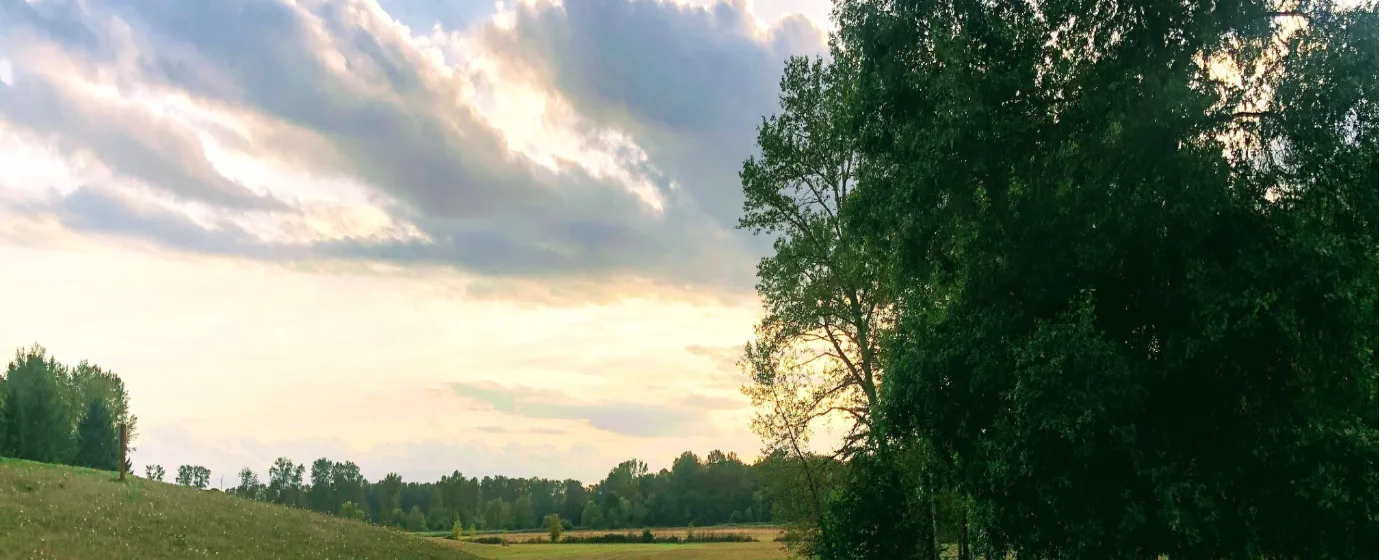
Most people who move to Molalla from somewhere like Oregon City or Canby say the same thing once they're settled: they didn't realize how much the town's small-city scale would actually shape their daily routine. At a population of 10,103, Molalla isn't a suburb pretending to be a city — it's a working small town at the edge of the Clackamas County farm belt, sitting where OR-211 and OR-213 converge before the landscape opens into Cascade foothills. The drive to Portland is about 48 minutes under reasonable conditions, and that commute is a real factor in where you choose to plant yourself within the city limits.
Molalla's economy rests on a handful of genuine anchors: the Molalla River School District, the City of Molalla itself, Clackamas County, and Safeway as a retail employer. The school district — with 2,519 students enrolled in 2025-26 — is the single largest institution in town, which means its boundaries and campuses physically shape where neighborhoods grew. The district holds a C+ rating, according to Niche, a number that matters more here than it would in a larger metro because there's no private-school alternative ecosystem to fall back on. Families moving here often weigh that rating carefully against the town's affordability advantage over nearby markets.
Homes in Molalla are priced noticeably below Canby and Oregon City — the typical home price sits at $499,534 (July 2026) — which draws buyers who've been priced out of those markets. The catch is that the median household income of $89,585 still falls short of what's needed to buy at that median price, by roughly $45,000. Day-to-day life here means outdoor access is genuinely good: the Molalla River State Park, Feyrer Park, and the broader Molalla River Recreation Corridor are all within reach, and the annual Molalla Buckeroo Rodeo brings the whole town out each summer. For more on the full cost picture, the cost of living page breaks it down in detail.
Whether you're deciding between a newer subdivision and an older bungalow near downtown, trying to figure out which side of town puts you closer to OR-211, or just sorting out where families with kids actually land, the sections below break down Molalla's neighborhoods by character, buyer type, and honest trade-offs.
The Molalla Reality
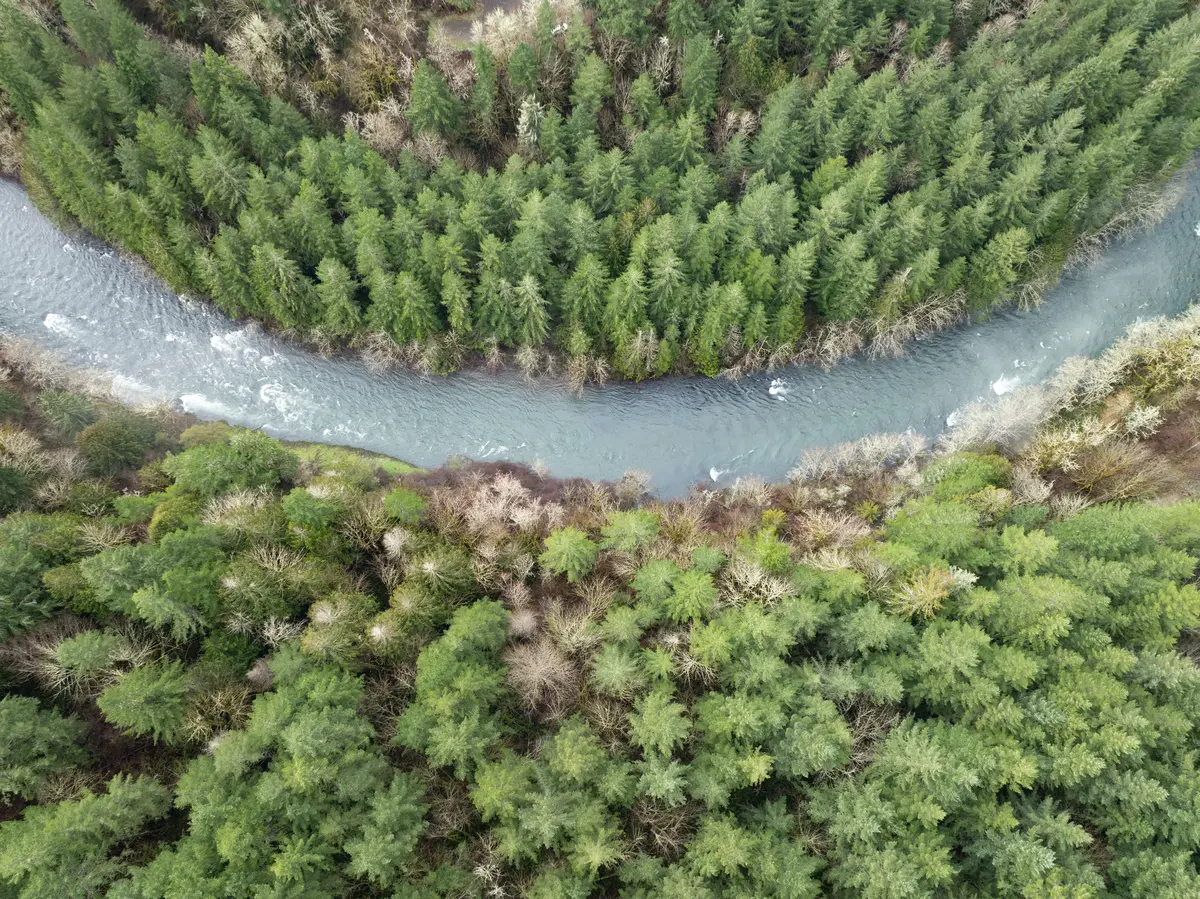
The single most important thing to understand about buying in Molalla is that this is a town of distinct pods — pockets of newer construction surrounded by agricultural land — rather than a continuous urban fabric. There's no grid of walkable blocks connecting neighborhoods. If you buy in Forest Haven on the south side, you drive to the grocery store. If you buy near Bear Creek in the center of town, you can walk your kids to the elementary school. That distinction carries real weight for how daily life feels.
The other divide is age of construction. Old Town Molalla and Meadow Village carry the mid-century and historic stock: smaller lots, established trees, more character, and more deferred maintenance risk. Bear Creek, River Meadows, and portions of Lexington Estates are newer construction — post-2010 to post-2017 — with modern floor plans, HOAs, and less of a buffer against a commute that's already long. Buyers who try to split the difference — chasing square footage in an outlying area without accounting for the drive on OR-211 toward the I-205 interchange — often find themselves frustrated by month six.
School proximity is the other factor that reshapes the neighborhood map. The elementary and middle school campuses sit adjacent to Bear Creek, making that area the most walkable for families with school-age children. Other neighborhoods feed into the same district but require a drive or bus ride. The Molalla River School District's boundaries are fixed city-wide, so the rating doesn't change by neighborhood — but the morning logistics absolutely do.
Neighborhoods at a Glance
| Neighborhood | Best For | Vibe |
|---|---|---|
| Bear Creek | Families First-Time | Planned master community with walking trails, oak groves, and school-adjacent convenience |
| River Meadows | First-Time Families | Molalla's newest subdivision — clean new construction with open layouts and room to grow |
| Big Meadow | Families Renters | Central HOA neighborhood with an integrated apartment community and Mt. Hood views |
| Lexington Estates | Families Quiet | Established cul-de-sac living near schools with an HOA and a settled, suburban feel |
| Forest Haven | Nature Privacy | South-side acreage lots with Cascade panoramas and full utilities already on site |
| Meadow Village | Value Quiet | Established Molalla neighborhood with a residential, low-key character |
| Finneys Landing | Nature Value | Recognized Molalla neighborhood with a quieter, more rural edge |
| Old Town Molalla | Walkable First-Time | Historic core with independent businesses, public art, and the closest thing to a walkable main street in the city |
Molalla typical home price: $499,534 (Zillow ZHVI, July 2026). Typical rent: $1,945/mo (Zillow ZORI, July 2026). Neighborhood tiers on this page are relative to these figures.

Best Neighborhood by Buyer Type
| Buyer Type | Best Neighborhood | Why |
|---|---|---|
| First-Time Buyer | Bear Creek | Newer construction with a more accessible entry point relative to the city median, walkable to schools, and a built-in community feel from day one. |
| Luxury Buyer | Forest Haven | Acreage lots, sweeping views of Mt. Hood and Mt. St. Helens, and full utilities on site make this the closest Molalla comes to a premium large-lot product. |
| Walkability Seeker | Old Town Molalla | The historic downtown core puts coffee shops, local restaurants, the Molalla Museum, and the rodeo grounds within a reasonable walk — no other neighborhood in town offers that. |
| Families with Kids | Bear Creek | The elementary and middle school campuses sit directly adjacent, making the morning school run a walk rather than a drive. |
| Commuters | River Meadows | New construction near OR-211 access puts commuters closer to the main corridor toward I-205 and the roughly 48-minute drive to Portland. |
| Large-Lot Buyers | Forest Haven | The south-side subdivision is the only area within city limits where genuine acreage lots with separation and views are available. |
| Renters | Big Meadow | The integrated apartment community within the Big Meadow HOA neighborhood offers the most defined rental product in town, with on-site amenities and a central location. |
Looking to buy in Molalla? Estimate your payment.
Enter your numbers to see an estimated monthly mortgage payment.
Estimate only. Excludes HOA fees and mortgage insurance. The interest rate above is a starting point, not a quoted rate — replace it with your own to see real numbers. Insurance is a flat placeholder, not a Molalla quote.
Most Popular Neighborhoods
1. Bear Creek
Bear Creek is Molalla's most purposefully built neighborhood — a 28-acre master-planned community developed on former agricultural land, with mature oak tree groves woven through the open space, walking trails, a picnic area, and a children's playground. The location adjacent to the elementary and middle school is genuinely hard to replicate elsewhere in town, and the community's OR-211 access makes the commute corridor easier to reach than from more outlying areas. The trade-off: this is also where the city's income-restricted affordable apartment community sits, which keeps the neighborhood more economically mixed than newer subdivisions — something buyers should understand before assuming a uniform HOA environment.
Best for: First-time buyers, families with school-age children, anyone who wants new-ish construction without being fully isolated from the rest of town.
2. River Meadows
River Meadows is the newest subdivision in Molalla, built by Icon Construction with homes ranging roughly from 1,541 to 2,663 square feet — layouts designed for modern buyers rather than retrofitted from older floor plans. Because it's the freshest product in the city, it tends to attract buyers who want clean lines, energy-efficient systems, and HOA-managed common areas without the vintage maintenance risk of older stock. The honest downside is exactly what comes with any brand-new edge subdivision: it takes time for a neighborhood to feel lived-in, and the surrounding land is still transitional.
Best for: Buyers who want new construction, commuters who prioritize OR-211 access, families willing to trade character for modern systems.
3. Big Meadow
Big Meadow sits centrally in Molalla and doubles as both an owner-occupied HOA neighborhood and a rental destination — the Big Meadow Apartments community is integrated directly into the area, offering a seasonal swimming pool, a fitness center, and views of Mt. Hood. That duality is the defining characteristic of the neighborhood: it's genuinely mixed in a way that most Molalla subdivisions aren't, which some buyers appreciate for the amenities and others find less appealing if they want a more uniform ownership community. The central location keeps daily logistics manageable.
Best for: Renters seeking amenities, buyers comfortable with a mixed owner-renter neighborhood, households drawn by the Mt. Hood views and central position.
4. Lexington Estates
Lexington Estates is the sort of established HOA subdivision that shows up well on paper: cul-de-sac lots developed around 2010, proximity to schools and downtown, a tight residential layout. The neighborhood has a genuinely settled feel — mature enough that buyers aren't waiting for the landscaping to fill in, but recent enough that the homes themselves are still in their first generation of ownership. The constraint is what the HOA brings: rules, dues, and a more homogenous aesthetic that suits some buyers and frustrates others.
Best for: Families who want an organized, school-adjacent neighborhood with HOA oversight and established neighbors.
5. Forest Haven
Forest Haven is the outlier in Molalla's neighborhood map — a south-side conventional subdivision where the lots run to acreage and the views stretch to Mt. Hood, Mt. St. Helens, and the Cascade foothills. Full utilities including fiber optic internet are already on site, which matters because acreage properties elsewhere in the county often require wells and septic. What you give up is proximity: this is the most isolated neighborhood within city limits, and every errand, every school run, every commute starts with a longer drive than any other area on this list. Homes here sit above the city-wide typical home price.
Best for: Buyers who need space and Cascade views and are willing to trade convenience for them; anyone for whom working from home makes the isolation manageable.
6. Meadow Village
Meadow Village is an established Molalla neighborhood with a low-key residential character — no resort amenities, no master-plan drama, just a quieter pocket of the city that appeals to buyers and renters who want to be in Molalla without the HOA overhead of newer subdivisions. Specific listing data at the neighborhood level is limited, but the area's established character and position within the city's official neighborhood index confirm it as a genuine residential district. The compromise is that without a defining anchor — no adjacent school, no landmark park — Meadow Village depends on the broader city's infrastructure for most daily needs.
Best for: Value-oriented buyers, renters, and residents who prefer an established neighborhood without HOA restrictions.
7. Finneys Landing
Finneys Landing is a recognized Molalla neighborhood designation with a quieter, more rural edge than the central subdivisions. Detailed primary listing data for the area is limited, which itself tells you something: this is not where the city's marketing energy goes, and buyers who find it tend to be searching specifically for something lower-key and less managed. Like Meadow Village, its position in the Clackamas County neighborhood index confirms it as an official district, but the lack of a defining amenity or institutional anchor means you're buying into the city's general infrastructure rather than a curated community feel.
Best for: Buyers drawn to a quieter, less conspicuous address within Molalla's city limits.
8. Old Town Molalla
Old Town is the only neighborhood in Molalla where you can reasonably call the experience walkable — historic storefronts, public art, the Molalla Museum and Dibble House, and the Molalla Buckeroo Rodeo Grounds (home to one of Oregon's oldest rodeos, dating to 1913) are all within the core. The housing stock is a mix of mid-century homes and historic farmhouses, which means more character, more maintenance, and more variability in what you're buying — a well-kept bungalow on a quiet block can sit a few lots from a property that hasn't been updated in decades. Buyers who skip a thorough inspection in Old Town are making a real mistake.
Best for: Buyers who prioritize walkability, neighborhood character, and proximity to Molalla's civic and commercial life over new construction and HOA structure.
Common Mistakes Buyers Make in Molalla
Treating the Whole City as One Market
Molalla's neighborhoods are more physically separated than a city of 10,103 would suggest. Buying in Forest Haven because it's technically within city limits without accounting for the added drive on OR-213 to reach OR-211 is a mistake buyers from denser suburbs make regularly. The commute to Portland is about 48 minutes from a reasonable central point — from the south side of the city, that baseline grows.
Ignoring What the HOA Actually Covers
Bear Creek, Lexington Estates, and portions of Big Meadow all carry HOA structures, but buyers sometimes assume an HOA automatically means a well-funded reserve and enforced maintenance standards. In a small city, HOA quality varies dramatically by developer and age of the subdivision. Reading the full HOA documents — financials, restrictions, reserve study — before closing is not optional in Molalla's newer subdivisions.
Assuming Old Town Homes Have Been Updated
The historic character of Old Town is real, but so is the deferred maintenance. Mid-century homes near the historic core often carry original electrical panels, aging plumbing, and roofs that look acceptable from the street but aren't. A buyer who skips a sewer scope on an older Old Town property because it's priced below the city-wide typical home price is chasing affordability into a repair bill that wipes it out.
Underestimating the School District Rating's Practical Effect
The Molalla River School District holds a C+ rating, according to Niche. That's not a disqualifier for every family, but buyers who move here assuming the rating will improve quickly — or that proximity to Bear Creek's adjacent campus changes their child's educational environment — are misreading the situation. The rating reflects district-wide performance on 2024-25 state assessments, where 26.2% of students reached math proficiency and 38.7% reached reading proficiency. Those are the numbers that shape the district, regardless of which neighborhood you're in. For a full schools breakdown, see the Molalla schools page.
Best Areas to Rent in Molalla
| Area | Ideal For | Trade-off |
|---|---|---|
| Bear Creek Apartments | Income-qualified families needing an affordable, amenity-equipped community with school-adjacent location | Income restrictions apply (≤60% AMI); not available to all renters |
| Big Meadow | Renters who want an apartment with amenities, central location, and views of Mt. Hood | HOA neighborhood setting means some areas feel more owner-oriented than renter-friendly |
| Old Town Molalla | Renters prioritizing walkability, proximity to local restaurants and coffee shops, and neighborhood character | Rental supply is limited and the older housing stock means more variability in unit quality |
| Lexington Estates Area | Renters seeking a quiet, established residential feel near schools and parks | Most of the housing stock is owner-occupied; rental options are sporadic and move quickly |
| River Meadows / OR-211 Corridor | Commuters and remote workers who want newer construction and a clear highway connection | Limited rental inventory in new subdivisions; most units are for-sale product |
Molalla's rental market is tighter than buyers sometimes expect for a city its size. The city-wide typical rent is $1,945 per month (Zillow, July 2026), and the available rental supply skews toward single-family homes between the typical 2BR range of $1,790 to $2,180 — purpose-built apartment communities are concentrated at Bear Creek and Big Meadow rather than spread across the city. Renters who arrive without a lease signed often find themselves competing for a small pool of available units, particularly in the school-adjacent neighborhoods that families with kids target first.
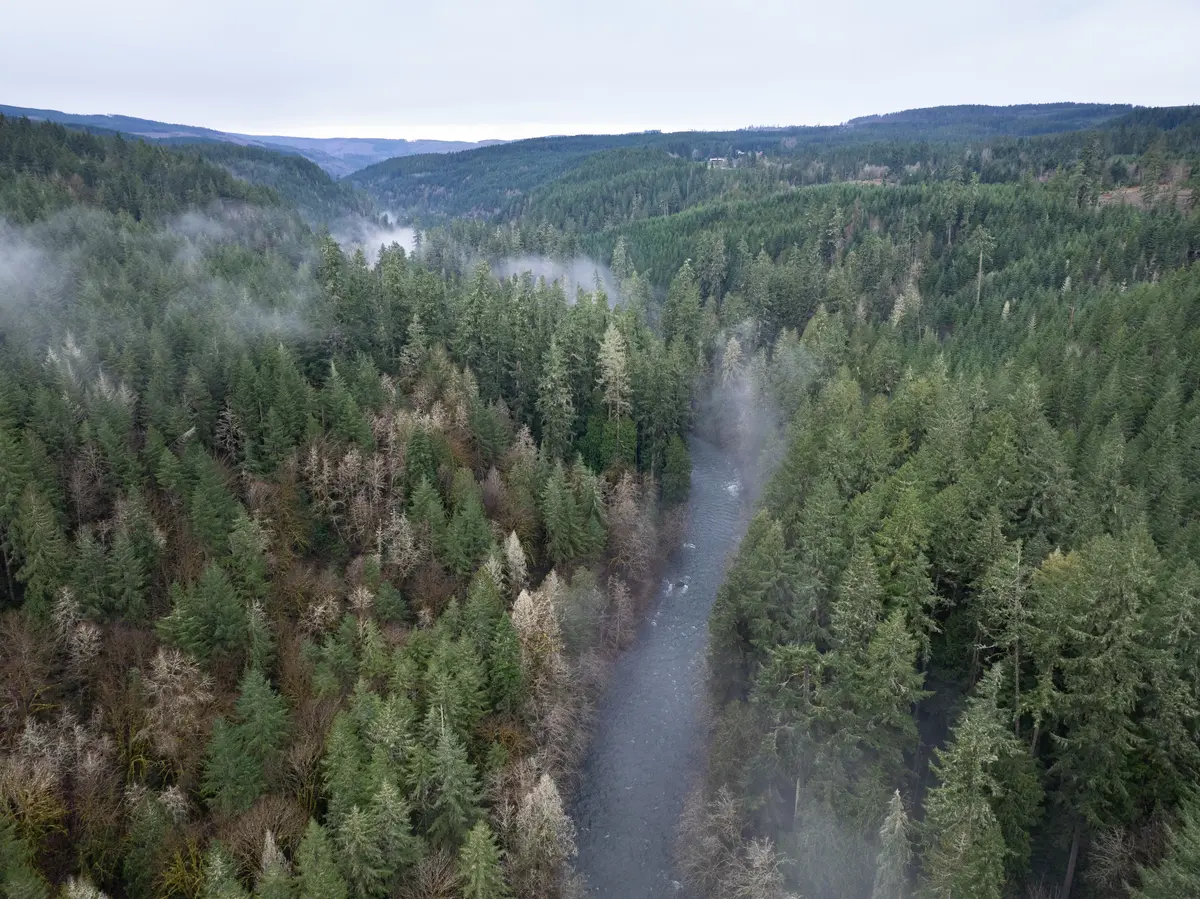
Local Expert Takeaway: Molalla is a town where neighborhood choice matters more than in most cities its size — not because the neighborhoods are dramatically different in price, but because they're physically disconnected in ways that shape your daily routine in concrete ways. Bear Creek's school adjacency and OR-211 access make it the most practical all-around choice for families with kids, while Old Town's walkability to Gene's Hitchin' Post Cafe, Cowboy Coffee Inc., and the Buckeroo Rodeo Grounds makes it the only area where you can genuinely leave the car parked on a weekend morning. Forest Haven delivers the Cascade views and the acreage, but you're trading every errand for that privilege. Wherever you land, build the commute to Portland into your daily math before you sign.
Quick Takeaways & FAQs
✅ Bear Creek is the most genuinely family-functional neighborhood in Molalla — school-adjacent, trail-connected, and accessible from OR-211 without crossing the whole city.
⚠️ The median household income falls short of what's needed to carry the typical $499,534 home price (July 2026) by roughly $45,000 — a gap that makes down payment size and loan program selection more consequential here than buyers from higher-income markets expect.
📍 Old Town Molalla is the only neighborhood where on-foot access to local businesses, public art, and the historic Molalla Buckeroo Rodeo Grounds is genuinely realistic — every other neighborhood in the city requires a car for daily life.
What is the best neighborhood in Molalla for families with kids?
What is the average home price in Molalla, OR?
Which Molalla neighborhood is closest to schools?
Are there rentals in Molalla, Oregon?
How long is the commute from Molalla to Portland?
Moving to Oregon?
Tell us what you need help with and we'll connect you with local resources.
