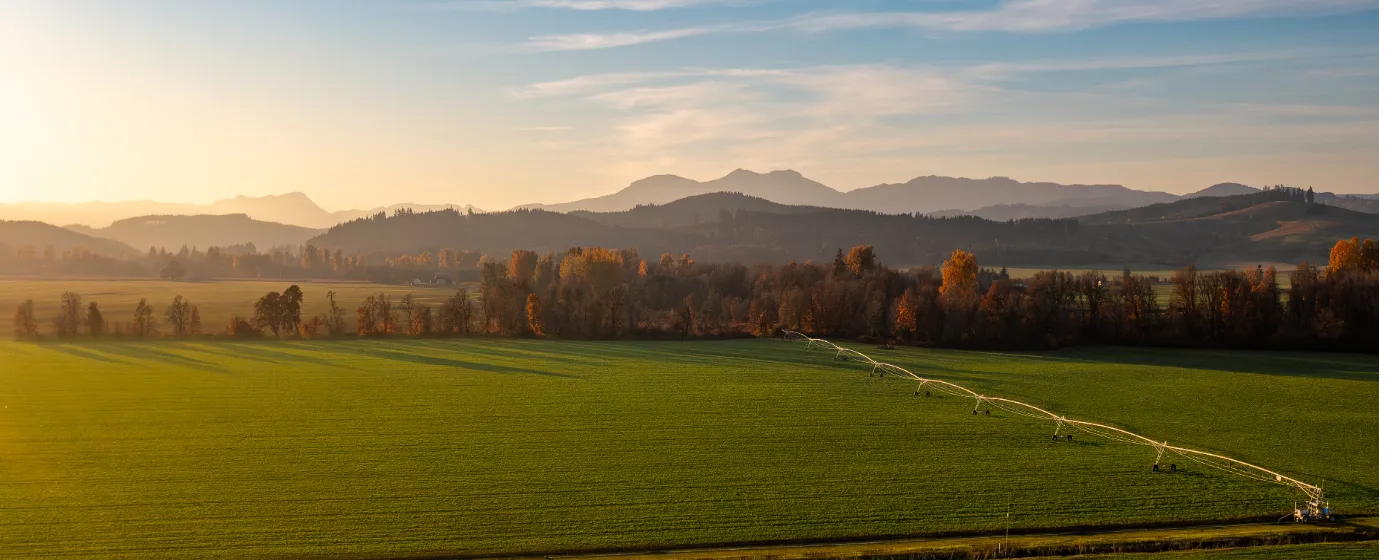
Most people researching a move to Dallas, Oregon focus on home prices and commute times. What surprises them after a few months here is how much outdoor life a city of 17,531 people can sustain. Dallas sits in the Willamette Valley's western edge, close enough to the Coast Range foothills that Rickreall Creek cuts right through the middle of town, and the landscape around it tilts toward wetlands, oak woodlands, and upland prairie rather than the flat farmland people expect. OR-223, the Kings Valley Highway, is the main route threading through this corridor, and much of the recreation worth knowing about is woven into the landscape along that same arc.
The city's park system is more developed than a town this size usually warrants. Dallas City Park anchors a system that includes a separate aquatic campus, a creek trail still being built out, and a nationally recognized arboretum. Families with school-age children will find the Kids in Parks TRACK Trails program at two separate locations — a bilingual, self-guided nature discovery system that runs year-round. For a closer look at the school district that surrounds those programs, the Dallas schools page covers the full picture.
The outdoor draw here extends well past city limits. Baskett Slough National Wildlife Refuge — a roughly 2,500-acre refuge managed by the U.S. Fish & Wildlife Service — sits close enough to Dallas to feel like a neighborhood amenity. It supports over 250 recorded bird species and enough ecological variety that birders and nature photographers treat it as a destination in its own right. Between the creek trail, the arboretum, the aquatic center, and the refuge, Dallas offers a recreation baseline that's genuinely hard to replicate at this price point — for more on what homes cost here, see the cost of living page.
Whether you're deciding where to plant roots or just want to know what weekends actually look like here, the sections below cover Dallas's signature parks, its creek and trail system, the aquatic center and active recreation options, and what to expect from the nearby wildlife refuge across the seasons.
Dallas City Park: More Than a Picnic Ground
Dallas City Park is the city's social and recreational center, and it rewards closer inspection than a first glance suggests. The park's most-visited features — picnic shelters, a playground, basketball and tennis courts — are exactly what you'd expect. What you don't expect until you explore the southern end is the Delbert Hunter Arboretum and Botanic Garden.
The Delbert Hunter Arboretum occupies 5 acres and focuses specifically on Oregon's native trees, shrubs, and wildflowers. It's the kind of place that becomes a regular walk for new residents once they discover it — quiet, well-labeled, and seasonally interesting in ways that a conventional park lawn isn't.
From the park's Brandvold section, a bridge leads to a Japanese Garden with meandering paths, a waterfall, a pond, and traditional vegetation. It's an unexpectedly refined space for a Willamette Valley city this size, and it fills quickly on warm spring afternoons.
What the Park Actually Has
| Feature | Details |
|---|---|
| Disc Golf | 18-hole course |
| Courts | Basketball and tennis |
| Skate Park | On-site |
| Amphitheater | On-site |
| Playground | On-site |
| Japanese Garden | Accessed via bridge from Brandvold section; waterfall, pond, traditional plantings |
| Delbert Hunter Arboretum | 5 acres of Oregon native species at the park's south end |
| TRACK Trails Kiosk | Self-guided nature discovery, bilingual (English/Spanish) |
| Reservable Shelter | Brandvold Kitchen (up to 150 people), gazebo, memorial shelter — reservable warm months |
The Brandvold Kitchen shelter seats up to 150 people and can be reserved for group gatherings during the warmer part of the year. For large family events or community gatherings, it's the most practical indoor-adjacent option in the city's park system.
One friction point worth knowing before you move here: the park fills fast on summer weekends, and the reservable areas get claimed well in advance. New residents who show up expecting to book a shelter for a late-summer gathering on short notice tend to be disappointed. Plan ahead or go early on weekday evenings, when the disc golf course and arboretum paths are nearly empty.
Rickreall Creek Trail: Dallas's Unfinished Green Spine
Rickreall Creek originates in the Central Oregon Coast Range on Laurel Mountain and drains all the way to the Willamette River. The stretch that runs through Dallas is the centerpiece of the city's most ambitious long-term parks project: the Rickreall Creek Trail System.
The trail has been part of Dallas's Comprehensive Plan since 1970 — which tells you something about both the city's long-range thinking and its pace of execution. When complete, it will connect the west end of the city to the east end along 4.2 miles of creek corridor. Funding comes primarily through grants and developer agreements rather than direct tax dollars, which explains why buildout has been incremental rather than all-at-once.
What This Means for Buyers Now
The trail is worth using today even in its incomplete state — the finished sections offer a genuine greenway experience, with the creek audible and visible from the path. But if you're buying a home specifically because of trail access, confirm which sections are complete near the neighborhoods you're considering. The neighborhood guide breaks down how the different parts of the city sit relative to these corridors.
The creek itself is the draw in any season. In early spring, the riparian edges along Rickreall Creek turn green weeks before the upland landscape does, and the trail sections that follow the creek feel genuinely removed from the surrounding grid. By midsummer, the creek level drops and the shade canopy becomes the main reason to be there on a warm afternoon.
The second TRACK Trails kiosk in the city's system sits at Roger Jordan Community Park rather than on the creek trail itself, but Roger Jordan is part of the same connected recreation network. Families exploring the trail for the first time with younger kids often combine a creek-side walk with a stop at the Roger Jordan campus — which brings us to the active recreation side of the system.
Roger Jordan Community Park and the Dallas Aquatic Center
Roger Jordan Community Park is the city's primary active-sports campus, and the Dallas Aquatic Center sits at its heart. The Aquatic Center opened in November 2000 and runs five pools: a six-lane lap pool, a warm therapy pool, a spa, a multi-use pool, and a wading pool for children five and under.
The recreational side of the facility goes well beyond lap lanes. The water slide, diving board, splash fountain, lazy river, and rope swing make this a legitimate summer destination for families with kids — not a utilitarian municipal pool. For a city where the nearest large retail corridor is about 20 minutes to Salem, having this kind of facility inside city limits matters more than it would in a larger metro.
Beyond the Water
The broader Roger Jordan campus adds multiple soccer fields, a baseball field, two tennis courts, and a skate park. The campus functions as the city's organized-sports hub, and youth leagues fill the soccer and baseball fields through the spring and fall seasons. The second TRACK Trails kiosk here means even non-sport visits have a structured nature-discovery angle for younger children.
| Facility | What's There | Best For |
|---|---|---|
| Aquatic Center (lap pool) | Six lanes | Fitness swimmers |
| Aquatic Center (recreational) | Water slide, lazy river, rope swing, diving board, splash fountain | Families |
| Wading Pool | Children 5 and under only | Young families |
| Soccer Fields | Multiple fields, youth leagues active | Families Youth sports |
| Baseball Field | Organized league use | Families |
| Tennis Courts | Two courts | Active adults |
| Skate Park | On-site | Teens / young adults |
| TRACK Trails Kiosk | Bilingual self-guided nature discovery | Families Nature |
The honest trade-off here: the aquatic center is genuinely excellent for a city this size, but it is one facility. Dallas doesn't have the recreation center depth of a Salem or a Corvallis. What it has, it does well — and the price point that comes with living here reflects that scale too.
Looking to buy in Dallas? Estimate your payment.
Enter your numbers to see an estimated monthly mortgage payment.
Estimate only. Excludes HOA fees and mortgage insurance. The interest rate above is a starting point, not a quoted rate — replace it with your own to see real numbers. Insurance is a flat placeholder, not a Dallas quote.
Baskett Slough National Wildlife Refuge: The Seasonal Wild Card
Baskett Slough National Wildlife Refuge is the outdoor amenity that Dallas residents mention most when talking to people considering a move here. It's a roughly 2,500-acre refuge in Polk County managed by the U.S. Fish & Wildlife Service, and it sits close enough to Dallas to be a regular errand rather than a day trip.
The refuge was established in 1965 to provide winter habitat for Dusky Canada Geese. It's evolved into something considerably broader — over 250 recorded bird species, habitat ranging from wetlands and oak woodland to upland prairie, and populations of endangered and threatened species including Fender's blue butterfly. For birders moving from elsewhere in the Pacific Northwest, this is a meaningful upgrade in access.
How the Seasons Shape Your Experience
Baskett Slough has a rhythm that newcomers take a season or two to fully understand. The roughly 5 miles of walking trails include the Baskett Butte Loop, which stays open year-round and gives you a consistent vantage point over the wetlands regardless of season. The Morgan Lake trail is seasonal — typically available from early April through the end of September.
The interior of the refuge is another matter. Most of it closes to visitors while geese are in residence from October 1 through March 31. That's not a quirk — it's the whole point of the refuge's original mission. What it means practically is that autumn and winter visits shift to the perimeter: pullouts, observation platforms, and overlooks rather than walking the interior. The spectacle of geese congregating in large numbers during those months is, by most accounts, worth the restricted access.
In spring and early summer, the refuge opens fully and the Fender's blue butterfly becomes the draw for naturalists. The oak woodland sections are at their best in May. It's the kind of place that looks different enough across four seasons that regular visitors rarely run out of reason to return.
What to Know Before You Go
The refuge has no entrance fee. Trails, pullouts, and overlooks are clearly marked. Dogs are not allowed on the trails — a detail that surprises newcomers and matters if you're planning to combine a refuge visit with a dog walk. If you're moving to Dallas specifically because of outdoor access, budget your expectations accordingly: Baskett Slough is excellent wildlife habitat and a strong birding destination, but it's not a mountain trail network or a river with boat access. It's a flat to gently rolling wetland and upland landscape that rewards patience and a pair of binoculars more than it rewards a full-day endurance hike.
Together, Dallas City Park, the Rickreall Creek Trail, the Roger Jordan campus, and Baskett Slough give this Willamette Valley city an outdoor infrastructure that punches meaningfully above its population of 17,531. That combination — along with a commute of about 20 minutes to Salem — is a large part of why buyers who find Dallas tend to stay.
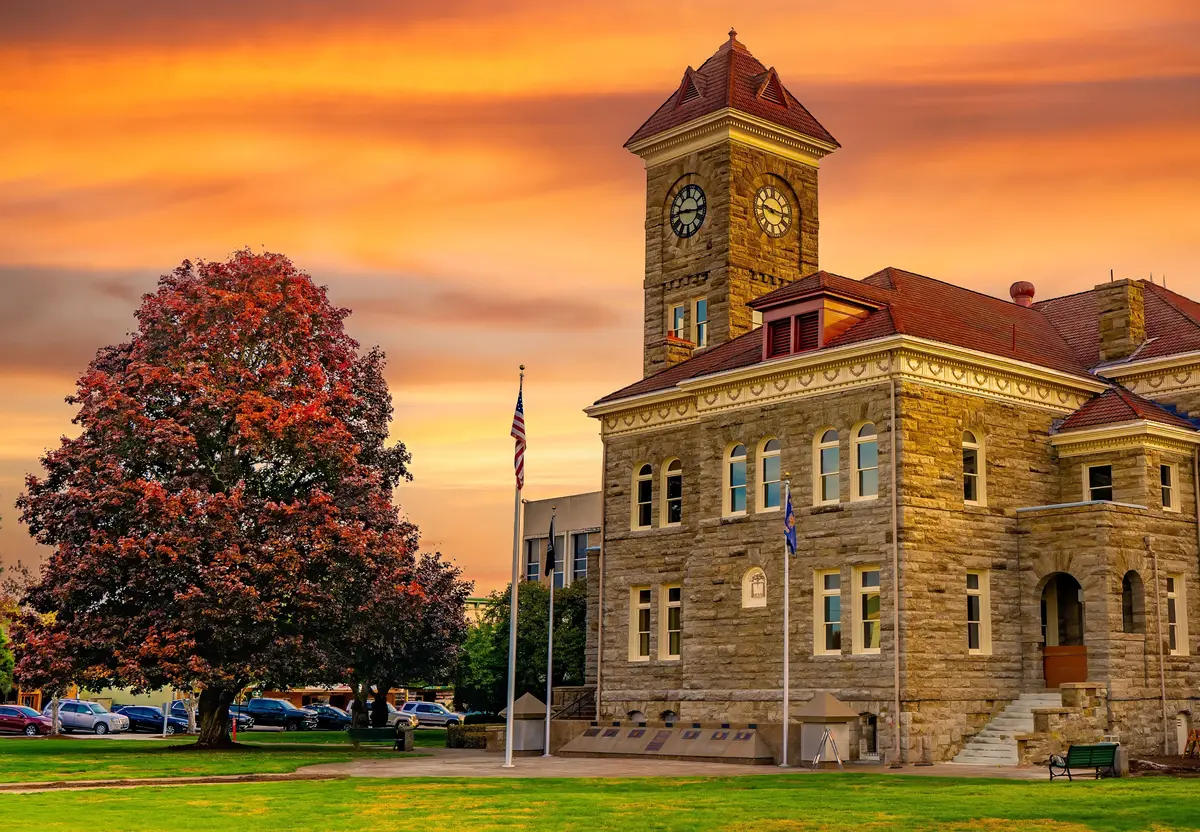
Local Expert Takeaway: Dallas's park system is the city's most underrated quality-of-life asset. The combination of a well-equipped City Park with a Japanese Garden and working arboretum, an aquatic center that legitimately competes with larger-city facilities, a creek trail still growing out, and Baskett Slough National Wildlife Refuge a short drive away gives outdoor-minded residents more variety than the city's size would suggest. The catch: summer weekends at the park fill quickly, trail access along Rickreall Creek depends on which sections are complete near your specific neighborhood, and the wildlife refuge shifts its character completely between April and October. Know the rhythms before you move, and you'll use all of it.
Quick Takeaways & FAQs
✅ Dallas City Park packs an 18-hole disc golf course, a Japanese Garden, a 5-acre native-plant arboretum, an amphitheater, and reservable shelters into a single park that draws residents from across the region on warm weekends.
⚠️ The Rickreall Creek Trail System has been planned since 1970 and is still being built out — trail access varies significantly by neighborhood, so check completion status near any home you're seriously considering.
📍 Baskett Slough National Wildlife Refuge, a roughly 2,500-acre refuge in Polk County, closes most of its interior trails from October through March to protect wintering geese — plan refuge hikes for spring and summer, and use the overlooks and observation platforms in the colder months.
Is Dallas City Park worth visiting in winter?
Is the Dallas Aquatic Center open year-round?
How complete is the Rickreall Creek Trail System right now?
Can you bring dogs to Baskett Slough National Wildlife Refuge?
What outdoor recreation options does Dallas have for families with young children?
Moving to Oregon?
Tell us what you need help with and we'll connect you with local resources.
