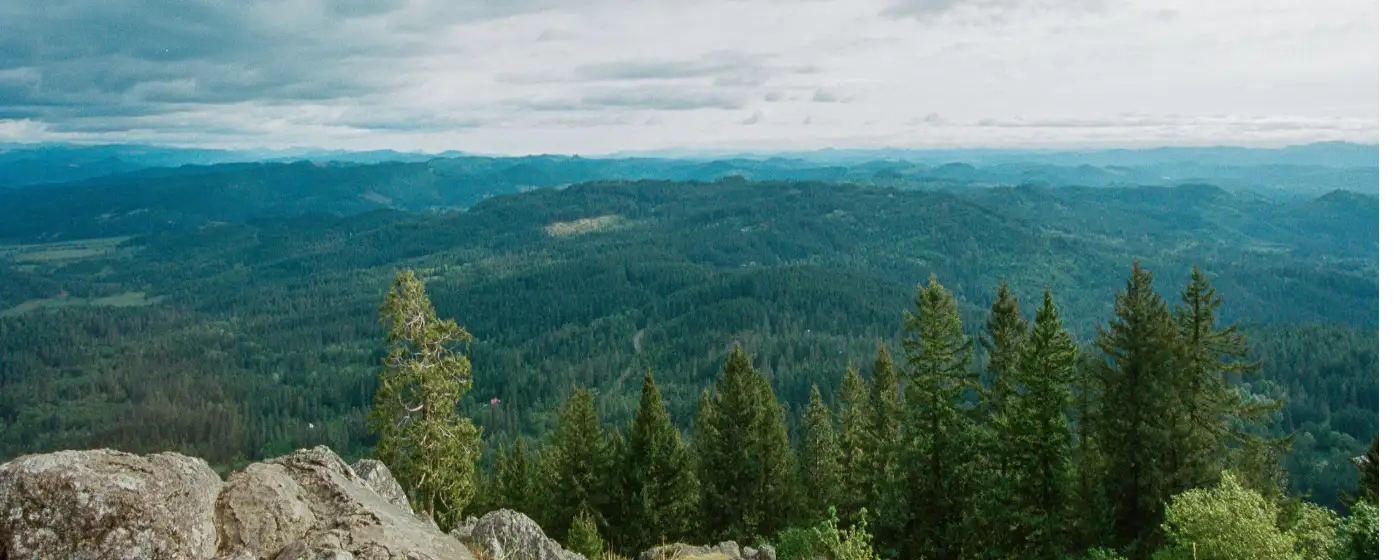
Most people researching Junction City focus on the price tag — the typical home sitting at $489,162 (July 2026, Zillow Home Value Index) against a backdrop of Willamette Valley farmland. What they don't expect is how much outdoor life comes with a city of 7,256 people. Within a short drive of downtown you have 217 acres of river trail habitat, the South Willamette Valley's largest reservoir, and a park system that has been quietly expanding its land holdings even as the city itself stays small.
The outdoor identity here is genuinely dual. Inside city limits, the parks are modest in acreage — the city maintains 14.6 acres of developed parkland, with another 22.7 acres already acquired for future development — but they serve the community well. Step outside those limits and the scale changes completely. West Kirk Park, Fern Ridge Reservoir, and the Long Tom River corridor give Junction City residents access to birding, boating, fishing, and trail running that most Oregon towns ten times this size would envy.
One thing newcomers sometimes miss: Junction City gets 155 sunny days a year, which is meaningfully fewer than what the Willamette Valley is sometimes marketed on. The outdoor calendar here is weighted toward spring wildflowers, summer festivals, and fall birding, not year-round sun. Knowing that shapes how you use the parks — and which ones reward a rainy-day visit as much as a clear one.
Whether you're deciding whether to move here or already have, the sections below cover the city's core parks, the river and reservoir recreation that defines weekends for most residents, the seasonal events tied to the outdoors, and the honest gaps in what Junction City's recreation scene currently offers.
Laurel Park: The City's Backyard Since the 1920s
Laurel Park is the oldest and most-used green space inside Junction City limits, and its layout tells you something about how the city thinks about recreation. The park was established in the 1920s and is ringed by mature oak and maple trees that give it a different feel from the flat, open parks typical of Willamette Valley towns this size.
Two picnic shelters — each with tables, sinks, and electrical outlets — make it genuinely functional for family gatherings rather than just a place to walk through. A gazebo is available to rent for events. The adjacent Max Strauss City Pool, built in 1974, operates through the summer months and sits directly beside the park, which means on a warm July afternoon the whole complex hums with activity.
The Junction City Skatepark sits within the same footprint. It features a triangle loop, a mini halfpipe, and a tall mini ramp, covering enough variety to bring out skaters at every level. The park is monitored by cameras around the clock, which matters in a town where the skatepark doubles as a late-evening hangout spot for teenagers.
The honest caveat: when the pool closes and the weather turns, Laurel Park is a pleasant but limited space. There is no indoor aquatic facility in Junction City, so families who want year-round lap swimming or swim lessons drive to Eugene — about 20 minutes away, which is manageable but still a weekly trip for parents with competitive swimmers.
| Facility | Type | Notes |
|---|---|---|
| Laurel Park (main grounds) | Urban park | Picnic shelters, gazebo rental, green space; established 1920s |
| Max Strauss City Pool | Outdoor seasonal pool | Built 1974; operates through approximately September |
| Junction City Skatepark | Concrete skatepark | Triangle loop, mini halfpipe, tall mini ramp; 24/7 camera monitoring |
| West Kirk Park | Natural river park | 217.6 acres; trails, birding, picnic areas, wheelchair-accessible paths |
| City parkland (developed) | System total | 14.6 acres maintained; 22.7 acres acquired for future development |
The park system is genuinely growing. Those 22.7 acres already acquired for future development signal that the city is investing in its outdoor infrastructure — the question for buyers is the timeline, not the intention.
West Kirk Park and the Long Tom River Corridor
West Kirk Park is not what you picture when someone says "city park." At approximately 217.6 acres of natural terrain along the Long Tom River near the Fern Ridge Dam spillway, it operates more like a small wildlife refuge than a municipal green space — and for many Junction City residents, it is the single best reason to live here rather than in a suburb that costs the same.
The habitat is dominated by Oregon white oak and Oregon ash, with willows threading the margins of several ponds. That combination creates a layered canopy that holds water and wildlife even in dry summers.
What You'll Actually See
The birding here is the real draw. Kirk Pond draws large winter flocks of American Wigeon, and experienced birders regularly pick out Eurasian Wigeon and Canvasback mixed in among them. Cliff Swallows arrive in spring and nest along the river corridor. Great Egrets line the river in winter, and Bald Eagles and Osprey show up reliably each spring. This is not a place where you might see a Bald Eagle if you're lucky — it is a place where you plan your morning walk around one.
The Kirk East Loop, a 1.1-mile easy trail accessing Kirk Pond and Coyote Creek, is the most-used route and averages about 20 minutes to complete at a relaxed pace. It works for toddlers in carriers, older adults, and anyone who wants a quick reset before the work day. Wheelchair-accessible paths run through portions of the park, and parking is ample enough that even busy weekend mornings don't create congestion.
A Seasonal Quirk Worth Knowing
Winter is actually peak season at West Kirk Park, not summer. When the rains arrive and the reservoir fills, the bird concentrations at Kirk Pond hit their peak. Newcomers who arrive in summer and find the park quiet sometimes write it off — then discover in December that it's one of the better birding spots in Lane County. If you're evaluating the city in a dry August, make the drive out anyway, but come back in January with binoculars.
Best for: Nature Families Quiet
Fern Ridge Reservoir: Where Junction City Gets Its Water Recreation
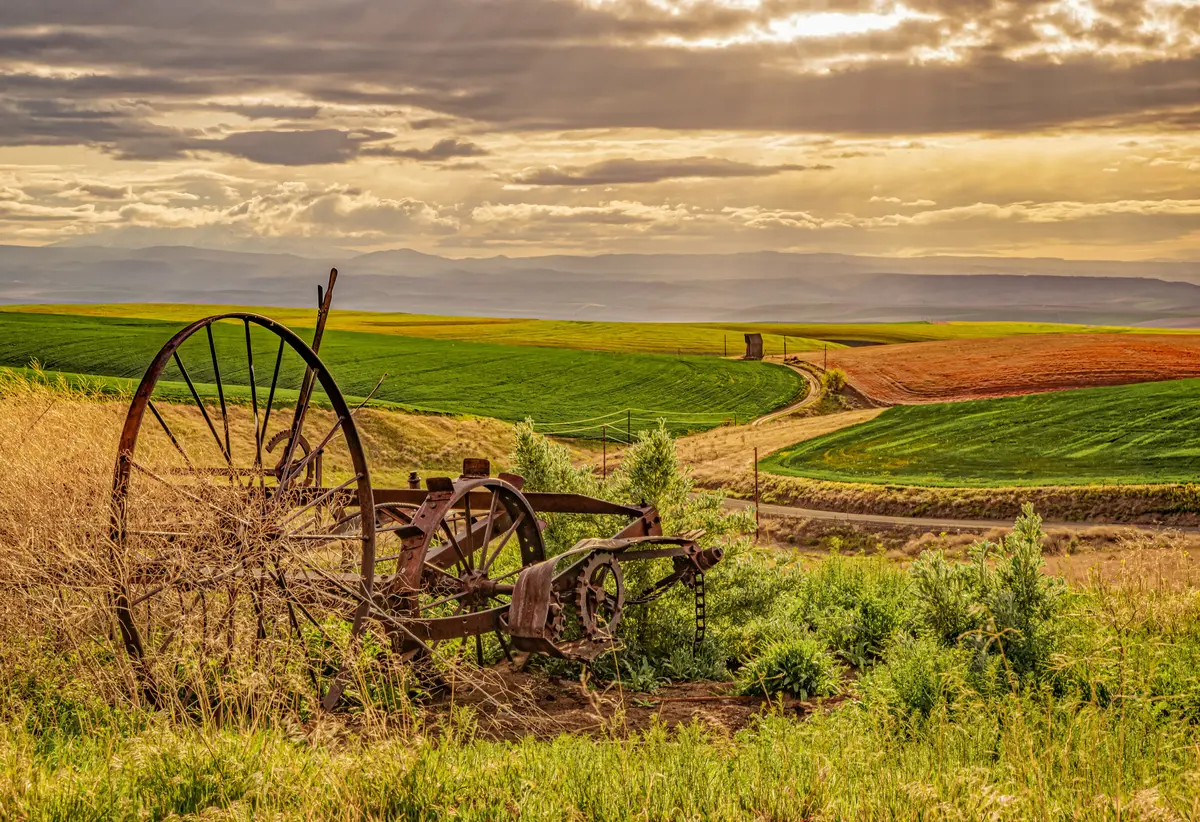
Junction City doesn't have a lake. What it has is something better situated: the north shore access point to Fern Ridge Reservoir, approximately 9,000 acres of open water that ranks as the South Willamette Valley's largest reservoir and draws crowds from across the region — placing it among the most heavily used recreation sites in Oregon.
The reservoir's north shore, where the Kirk Park corridor managed by the U.S. Army Corps of Engineers meets the Long Tom River outlet, is the Junction City side of the water. Lane County manages additional day-use areas with marinas and boat ramps at other points around the reservoir.
What the Water Supports
The activity list at Fern Ridge is genuinely broad. Windsurfing and sailing are the signature uses — the reservoir's exposure and fetch make it one of the better inland wind venues in the southern valley. Water skiing, flat-water kayaking, and stand-up paddleboarding fill out the summer calendar. Swimming is available at designated areas.
Fishing is a year-round draw. The reservoir holds largemouth bass, white crappie, brown bullhead catfish, bluegill, and native cutthroat trout. The crappie fishery here stands out specifically: crappie at Fern Ridge grow faster than in most western Oregon waters and frequently exceed 12 inches, which is notably large for the species in this region. Bass and crappie anglers who move to Junction City from other parts of Oregon are often pleasantly surprised by what's within a short drive.
The Honest Trade-Off
Fern Ridge is a shared resource. In peak summer it draws visitors from Eugene and across Lane County, and the boat ramps can see significant wait times on hot weekends. Junction City residents don't get any privileged access — the reservoir belongs to the region. That said, living on the north shore side of it, rather than across Eugene's traffic, is a genuine convenience most weekday mornings when the water is quiet.
| Activity | Season | Notes |
|---|---|---|
| Windsurfing / Sailing | Spring–Fall | Strong inland wind exposure; popular for both disciplines |
| Water skiing | Summer | Open water; designated use areas |
| Kayaking / SUP | Spring–Fall | Flat-water; suitable for beginners |
| Swimming | Summer | Designated swimming areas around the reservoir |
| Fishing — crappie | Year-round | Grows faster than most western OR waters; frequently exceeds 12 inches |
| Fishing — bass | Year-round | Largemouth bass; also bluegill and bullhead catfish |
| Fishing — trout | Year-round | Native cutthroat present |
| Birding (reservoir edge) | Fall–Winter | Connects to West Kirk Park corridor |
For buyers weighing Junction City against Eugene or Elmira, the reservoir access is one of the clearest advantages: you're closer to the north shore than most Eugene addresses, and you don't pay Eugene prices to get there. See the full cost of living comparison for how those markets stack up.
Looking to buy in Junction City? Estimate your payment.
Enter your numbers to see an estimated monthly mortgage payment.
Estimate only. Excludes HOA fees and mortgage insurance. The interest rate above is a starting point, not a quoted rate — replace it with your own to see real numbers. Insurance is a flat placeholder, not a Junction City quote.
Seasonal Events and the Agricultural Outdoor Calendar
Junction City's outdoor recreation isn't only about parks and water. Two annual events define the seasonal calendar in ways that connect the city's landscape directly to its community identity — and both of them draw people from well outside Lane County.
The Daffodil Drive and the Scandinavian Festival
Each spring, the Daffodil Drive turns the agricultural roads around Junction City into an outdoor event. Miles of blooming daffodils line the routes, and a parade of classic cars accompanies the festival — a combination that works because the surrounding farmland is already spectacular in March and April, with the Coast Range visible to the west and the Coburg Hills to the east.
August belongs to the Scandinavian Festival. The four-day event in downtown Junction City has run since 1961 and was named an Oregon Heritage Tradition by the Oregon Heritage Commission in 2014. It draws crowds from across the Pacific Northwest for traditional music, folk dancing, Scandinavian food, handmade crafts, and cultural displays including windmills and historic dress. For a city of 7,256 people, hosting an event of this scale means downtown genuinely transforms — parking fills well beyond the city center, and the atmosphere is unlike anything Junction City produces the other 361 days of the year.
The Agricultural Connection
The outdoor experience here is inseparable from farm country. Bush's Fern View Farms and Groundwork Organics both connect residents to the agricultural landscape that surrounds the city on multiple sides — Junction City sits at the edge of some of the most productive farmland in the southern Willamette Valley, and that proximity shapes what outdoor life here actually feels like. This is not a city where the farms are a backdrop; they are the terrain.
For families with school-age children, youth athletics and organized outdoor activities through the school district expand the recreation picture considerably — see the schools page for what the Junction City School District 69 offers in that regard.
What Moves People Out
Residents who leave Junction City for other parts of the valley most often cite the lack of indoor recreation options during the long rainy season. With 155 sunny days a year, there are genuinely more grey days than most newcomers expect, and outside of Laurel Park's seasonal pool and the drive to Eugene's facilities, the city doesn't have much to offer when the weather closes in. Families who prioritize indoor pools, gyms, or climbing facilities tend to find the calculus tips toward Eugene after a year or two. That is a real trade-off, and worth factoring in before you buy.
Local Expert Takeaway: Junction City punches above its weight on outdoor access, but the best of it sits just outside city limits. West Kirk Park's 217 acres of Long Tom River habitat and Fern Ridge Reservoir's 9,000 acres of open water are the real outdoor assets here — and both are closer to Junction City's north side than to most Eugene addresses. Inside the city, Laurel Park anchors warm-weather family life with its century-old trees, skatepark, and summer pool. The gap is winter: no indoor aquatic center, modest indoor recreation options, and 155 sunny days a year that make the rainy season feel longer than out-of-state newcomers expect. If outdoor recreation matters to your decision, visit in January as well as July — West Kirk Park in winter is genuinely impressive, and it will tell you more about daily life here than a summer walk through Laurel Park ever will.
Quick Takeaways & FAQs
✅ West Kirk Park's 217.6 acres along the Long Tom River is one of the better free birding destinations in Lane County, with Bald Eagles, Osprey, and winter wigeon flocks that rival anything in the Eugene metro.
⚠️ Junction City has no indoor aquatic center — year-round swimmers and families with competitive-level kids will make a regular drive to Eugene for lap lanes and lesson programs.
📍 The Scandinavian Festival each August has drawn crowds from across the Pacific Northwest since 1961 — downtown transforms completely for the four-day run, and parking fills well beyond what first-timers expect.
What is the main park in Junction City, Oregon?
Is there swimming near Junction City, Oregon?
How close is Junction City to Fern Ridge Reservoir?
What is the Scandinavian Festival in Junction City?
Is West Kirk Park good for birdwatching?
Moving to Oregon?
Tell us what you need help with and we'll connect you with local resources.
