
Most families moving to Cottage Grove spend the first few weeks pleasantly surprised. A city of 10,698 people in the southern Willamette Valley, it punches above its weight on livability: covered bridges, a genuine downtown, the Row River Trail out the back door, and a school district that offers more options than the size of the town might suggest. The catch, and it is worth knowing before you make an offer, is that South Lane School District's district-wide proficiency scores are well below state averages — a fact that neither disappears with a visit to the high school's AP hallway nor tells the whole story on its own.
South Lane School District is one of the city's largest employers and the institutional backbone of Cottage Grove's civic life. With 2,636 students enrolled in 2025-26, it is a small district by Oregon standards — small enough that teachers know kids by name and principals are not strangers at community events. The district runs a conventional K–12 pathway alongside two genuinely distinctive alternatives: a classical charter school and a hands-on sustainability-focused alternative high school. That range of options is unusual for a city this size and matters to parents who are not looking for a one-size approach.
Day-to-day life for families here revolves as much around the parks and recreation calendar as the classroom. South Valley Athletics runs a year-round recreational sports program that pulls in kids from across the district, and Friday night Lions football at Cottage Grove High School is one of those small-town rituals that newcomers from bigger cities consistently underestimate — until they show up and realize half the town is there. For the full cost picture, including the typical home price and how it compares to nearby Eugene and Springfield, see the cost of living page.
Whether you are relocating with a kindergartner or a high schooler, the sections below cover the South Lane School District's structure and rating, the three schools worth knowing by name, the youth sports and enrichment landscape, and an honest look at who this district is — and is not — the right fit for.

South Lane School District: The District-Level Picture
South Lane School District carries a B- overall rating from both SchoolDigger and Niche.com — a middle-of-the-road assessment that reflects real strengths and real gaps in roughly equal measure. The rating sits below what you will find in the larger suburban districts near Eugene, and families moving here from a high-performing metro district should go in with clear eyes about that difference.
The proficiency data is the starkest part of the picture. On 2024-25 state assessments, 25.7% of students reached math proficiency and 34.7% reached reading proficiency district-wide. Those figures trail Oregon state averages by a meaningful margin, and they are the kind of numbers that look jarring in a spreadsheet. They are also aggregate numbers — and within a district this size, a classical charter school, an AP-offering comprehensive high school, and an alternative program with a genuinely different philosophy all land in the same average.
Context matters here too. Approximately 38.8% of district students qualify for the federal free and reduced-price meal program, which reflects the economic reality of southern Lane County. Districts serving higher concentrations of economically disadvantaged students routinely show lower aggregate proficiency scores; that correlation is one of the most consistent findings in education research. It does not excuse the gap, but it does help explain it.
The district runs five elementary schools, a middle school for grades 6–8, and then the trio of high school options described in the next section. Class sizes across the district run small by Oregon standards — a real advantage for kids who benefit from closer adult attention, particularly during the middle years.
The honest summary: South Lane is a small district doing earnest work with a population that has significant needs, offering more programmatic variety than you would expect from a city this size, and producing outcomes that are lower than state averages in the aggregate. Whether that picture works for your family depends heavily on which school your child would attend and what you are looking for.
Three Schools Worth Knowing by Name
Cottage Grove High School
Cottage Grove High School is the district's main comprehensive high school, serving grades 9–12 under the Lion mascot in royal blue and gold. For most families moving to the area, this is where their high schooler will land, and it is a fuller program than the district's aggregate scores might suggest.
The school offers Advanced Placement coursework — meaningful in a city this size, where some comparable small-town districts have no AP pathway at all. The school fields competitive athletics programs spanning football, basketball, soccer, softball, baseball, track and field, volleyball, and cross country. Friday night football is genuinely a community event: the stands fill, the parking lot is a social scene, and it is one of those evenings that makes Cottage Grove feel like a town rather than just a place people live.
Best for: Families looking for a conventional comprehensive high school experience with AP options and a full athletic calendar in a small-town setting.
Academy for Character Education (ACE)
ACE is a public K–12 charter school operating within South Lane School District — which means no tuition, no lottery fees, and the same public school framework as any district building. The difference is the model: ACE uses a classical education structure, moving students through Grammar, Dialectic, and Rhetoric stages as they develop. The school's 11th-grade ELA proficiency outcomes have notably exceeded both district and state averages, which makes it the most academically distinct option in the local landscape.
A classical charter in a city of 10,698 is genuinely unusual. Families who have specifically sought this approach in larger cities and given up because the waitlists were years long sometimes find ACE more accessible. The trade-off is that classical education is not for every kid — the Socratic dialogue and rhetoric-heavy upper years work best for students who engage well with discussion-driven learning.
Best for: Families drawn to a structured, classical liberal-arts model who want a public-school option with notably strong upper-grade language arts outcomes.
Al Kennedy Alternative High School
Al Kennedy is the most distinctive building in the district, and possibly in Lane County. This small public high school for grades 9–12 integrates organic farming, sustainable architecture, and hands-on agricultural practice — soil testing, planting, and crop marketing — into its core curriculum. It is not a vocational track bolted onto a conventional school; the sustainability philosophy is structural.
Students who have struggled to engage in a traditional classroom often find Al Kennedy's project-based, outdoor-oriented approach is what finally clicks. The school is small by design, which means it functions more like a learning community than a high school in the conventional sense. For the right student, it can be transformative; for a student who needs a wide course catalog and structured AP preparation, it is not the right fit.
Best for: Students who learn best through hands-on, environmental, and project-based work — and parents who specifically want a public alternative to the conventional high school experience.
Youth Sports and Kids Activities in Cottage Grove
For a city of 10,698, the recreational youth sports calendar here is genuinely well-organized. South Valley Athletics (SVA) — endorsed by both the South Lane School District and the City of Cottage Grove — is the primary community league structure, running programs year-round rather than leaving families to scramble for options between seasons.
SVA's fall calendar includes soccer for ages 4 through 8th grade and volleyball for 3rd through 6th grade. Winter brings basketball for ages 5 through 5th grade and cheer for K through 6th grade. Summer camps cover volleyball, cheer, and tennis for students K through 12th grade. The age ranges are deliberately broad — the programs are designed to bring in kids who are trying a sport for the first time, not just those whose parents have been grooming them since age three.
Baseball, T-ball, and softball are organized through South Valley Little League, with a separate Babe Ruth/Cal Ripken program covering the 5-through-15 age group. For families moving from a city where Little League was the default youth sports option, the structure here is familiar and accessible without a long enrollment process.
On the school side, Cottage Grove High School's athletics programs mean that students who develop through SVA's recreational leagues have a clear pathway into school-sponsored competition. That continuity — rec league to school program — is something families in smaller cities sometimes worry about, and it holds here across the major sports. The Lion mascot is a source of real pride in this community, and the connection between the youth leagues and the high school program gives kids something to aspire toward locally.
Beyond athletics, the City of Cottage Grove has invested in out-of-school enrichment that goes beyond the gym. Youth musical theater camps run alongside the SVA sports programs as city-endorsed summer offerings — a meaningful option for kids whose extracurricular passions run toward the stage rather than the field.
What Families Should Know About the Limits
SVA's calendar is recreational in scope. Families whose kids are already competing at a travel or club level in soccer, baseball, or volleyball will need to look toward Eugene and the broader Lane County metro for that tier of programming. The driving distance — about 25 minutes to Eugene — is manageable for weekend tournaments, but mid-week travel training is a real logistical ask. This is not a knock on SVA; it is simply the honest reality of what a city this size can sustain at the community level.
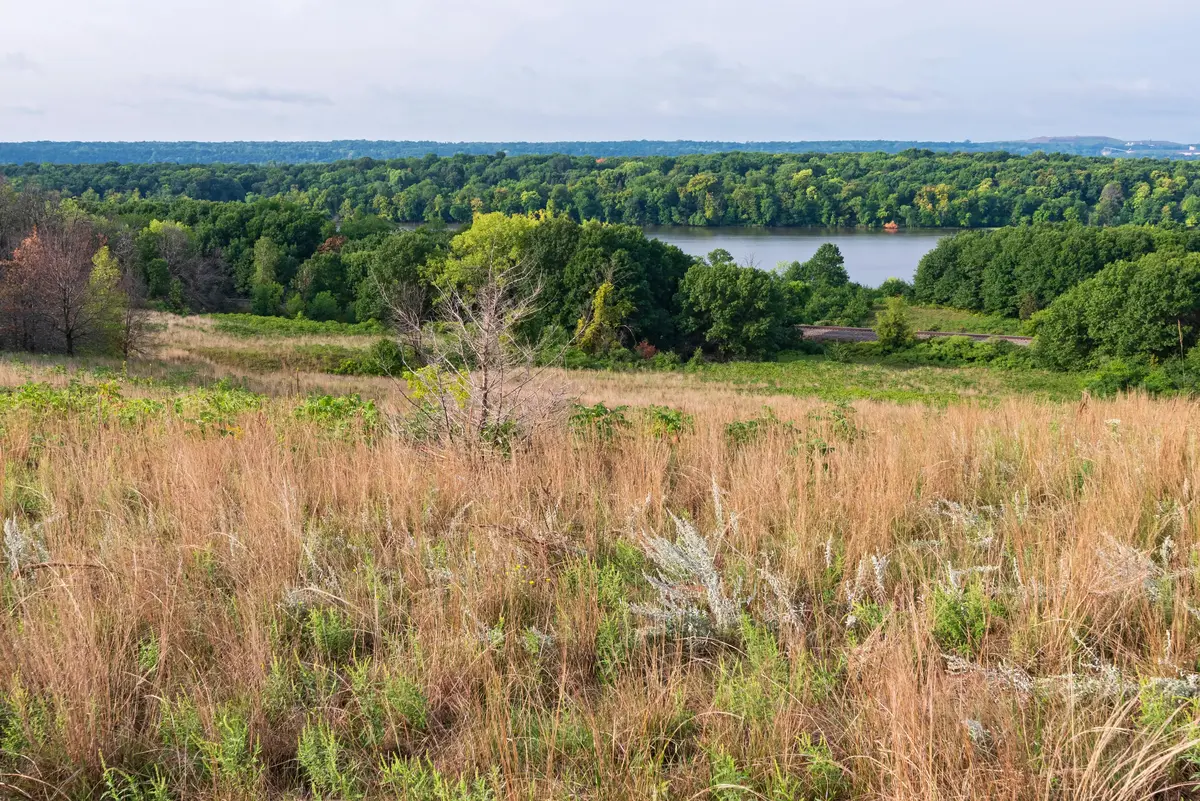
The parks and natural environment extend the kids' activity calendar in ways that organized programs do not. The Row River Trail, Cottage Grove Lake, and Dorena Reservoir give families with outdoor-oriented kids a genuinely rich backdrop for weekends and after-school hours that many larger cities cannot match.
Looking to buy in Cottage Grove? Estimate your payment.
Enter your numbers to see an estimated monthly mortgage payment.
Estimate only. Excludes HOA fees and mortgage insurance. The interest rate above is a starting point, not a quoted rate — replace it with your own to see real numbers. Insurance is a flat placeholder, not a Cottage Grove quote.
Who This District Is NOT the Right Fit For
The honest answer to this question saves families a lot of post-move frustration, so it is worth saying plainly rather than burying in qualifiers.
Families whose primary criterion is aggregate test scores. On 2024-25 state assessments, 25.7% of students reached math proficiency and 34.7% reached reading proficiency — figures that sit well below state averages. If a district's overall performance on standardized assessments is the filter you are applying, South Lane will not clear the bar you are looking for. The context matters, but the numbers are what they are.
Families seeking a robust gifted and advanced track at the elementary level. The programmatic variety in South Lane is concentrated at the high school level — AP coursework at Cottage Grove High, the classical model at ACE, the alternative pathway at Al Kennedy. At the elementary level, the options are more conventional. Families who have specifically moved for a school with dedicated gifted programming in the K–5 years are unlikely to find what they need here without supplementing substantially outside the district.
Parents of competitive club-level athletes who want local pathways. If your 12-year-old is already playing travel soccer or competitive club baseball, the local infrastructure does not reach that level. The recreational leagues are well-run, but travel and club pathways mean regular drives toward Eugene. For families where one parent's weeknight schedule cannot absorb a 50-minute round trip to club practice, this is a genuine constraint.
Families expecting a large comprehensive high school experience. With 2,636 students enrolled in 2025-26 across the entire district, Cottage Grove High is a small high school by any objective measure. Course catalog breadth, elective variety, and the number of AP offerings reflect that size. Students who thrived in a large suburban high school with dozens of clubs, multiple AP sections per subject, and a sprawling arts department will likely find the footprint here noticeably smaller.
None of this means South Lane is a bad district. It means it is a specific district serving a specific community, and families who move here expecting something different tend to be the ones who end up frustrated. Families who come in knowing the picture — and who value the alternatives, the small-town sports culture, and the outdoor-rich environment — tend to settle in and stay.
How the School Year Actually Feels: Community and Friction Points
After six months here, families moving from a larger suburb consistently report the same adjustment: the school community is smaller and more interconnected than they expected, which cuts both ways. Your kid's teacher is someone you will run into at a community event and wave to at a Lions football game. That closeness is a genuine feature of small-district life, and for most families it feels like a net positive once they stop comparing it to what they left.
The friction point that catches newcomers off guard is less about the schools themselves and more about the boundary between what the district provides and what parents need to build themselves. Supplemental math tutoring, competitive sports programming above the recreational level, and enrichment that goes beyond what SVA and the school programs offer — all of that involves a drive toward Eugene. For families who relied heavily on the ecosystem around a larger district (private tutors clustered near the high school, a dozen club sports options within a few miles), the gap is real and takes some adjustment.
The ACE charter school waitlist is worth knowing about before you move, not after. Families who want their child in the classical program starting in kindergarten should begin the enrollment inquiry well before the school year they are targeting. Seats at a K–12 school with strong outcomes in a city this size turn over slowly.
The other honest seasonal note: southern Lane County gets rain, and the youth sports calendar is not designed around it. Parents managing a five-year-old's first soccer season in November should arrive knowing that Oregon fall soccer is a different experience than a dry-climate recreational league. The kids adapt faster than the parents do.
What families tend to find, two or three years in, is that the school community and the recreational sports calendar pull them into the social fabric of the city more quickly and completely than they expected. For safety context and a look at the broader neighborhood picture, see the safety page and the neighborhoods guide.
Making the Decision: Questions Worth Asking Before You Commit
The families who land well in Cottage Grove's schools are almost always the ones who did specific homework before moving — not just reading the district rating, but asking the follow-up questions that actually matter for their kid.
Questions to Ask the District Directly
- What is the current enrollment status and waitlist situation at Academy for Character Education?
- How is Advanced Placement coursework structured at Cottage Grove High School, and which subjects have enough enrollment to run annually?
- What does the referral or identification process look like for students who need academic enrichment or intervention support at the elementary level?
- How does Al Kennedy Alternative High School handle students who want to return to the comprehensive high school pathway?
Questions to Ask Yourself
Is your child's success in school closely tied to being around a large peer group with many course options — or do they actually thrive in a smaller, more known environment? That question matters more here than the aggregate proficiency data, because the size of this district is the fact that shapes everything else about it.
If you have a high schooler who already knows they want to pursue a competitive academic pathway toward selective college admission, the AP offerings at Cottage Grove High are real but limited in breadth. Supplementing with community college coursework or online AP classes is a realistic option families here use, but it requires planning and intention.
The families most satisfied with South Lane tend to share a few traits: they came in with realistic expectations, they got involved in the school community early (the small size makes this easier, not harder), and they used Eugene's resources — its libraries, its club sports infrastructure, its community college — as an extension of what Cottage Grove provides rather than a replacement for what it lacks. That is the sustainable mental model for making education work well in a city this size.
For a broader picture of what daily life here looks like, including cost of living in Cottage Grove and the parks and recreation options that fill the rest of the week, both pages add context that rounds out the schools picture for families weighing the move.
Local Expert Takeaway: South Lane School District's B- rating from SchoolDigger and Niche.com is real, and so is the variety beneath it. A city of 10,698 people rarely offers a classical K–12 charter school alongside a sustainability-integrated alternative high school and a comprehensive high school with AP coursework — all within the same public district, all tuition-free. The families who find this a great fit tend to be the ones who came in knowing the proficiency numbers were below state averages and asked the next question: which school, specifically, and what does my child need? For many, the answer lands somewhere interesting — and the Friday night football game, the South Valley Athletics calendar, and the Row River Trail out the back door end up being the reasons they stay.
Quick Takeaways & FAQs
✅ South Lane School District offers genuine programmatic variety — a classical charter, a hands-on alternative school, and a comprehensive high school with AP coursework — that is unusual for a city of 10,698.
⚠️ District-wide proficiency scores on 2024-25 state assessments (25.7% math, 34.7% reading) trail state averages by a meaningful margin, and families should go in clear-eyed about that gap.
📍 Competitive club-level sports pathways in soccer and baseball require regular drives toward Eugene; South Valley Athletics is well-organized at the recreational level but does not run travel programs locally.
What is the overall rating for South Lane School District?
Is there a charter school or alternative school option in Cottage Grove?
What youth sports are available for kids in Cottage Grove?
What high school options does Cottage Grove have?
Is Cottage Grove's school district a good fit for families moving from a high-performing suburban district?
Moving to Oregon?
Tell us what you need help with and we'll connect you with local resources.
