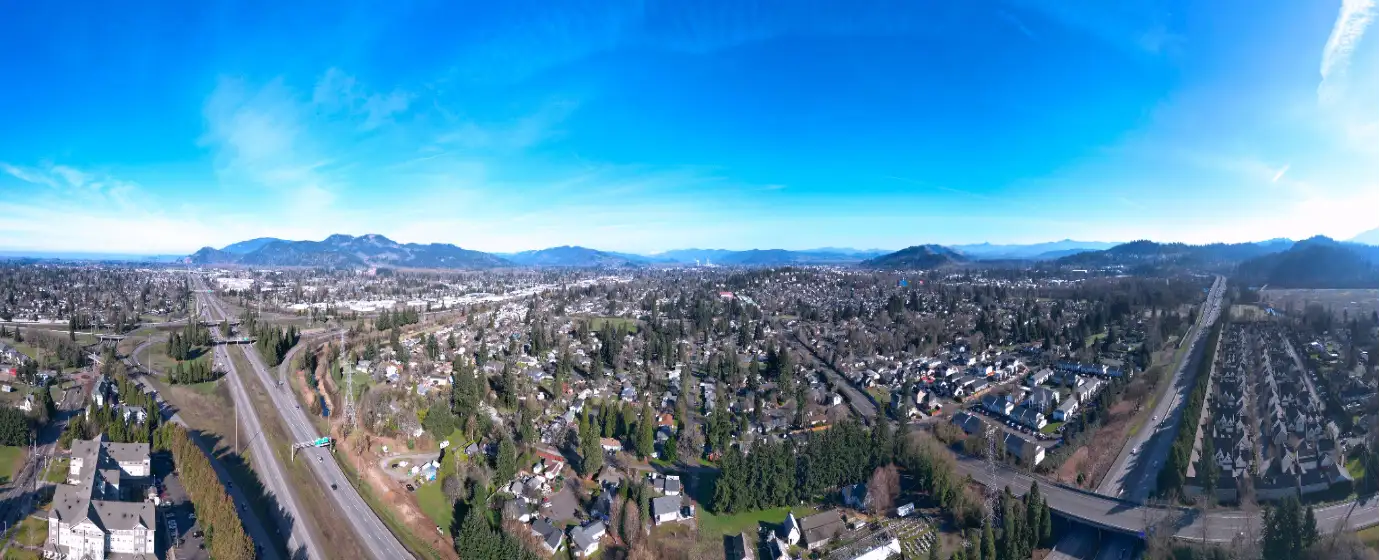
Springfield surprises people. Drive into town from Eugene and you might expect a seamless suburban extension of a college city — similar prices, similar vibe, same Willamette Valley rain. What you get instead is a city with its own industrial backbone, a genuine historic core, and a residential geography that runs from early-1900s bungalows to new construction on the eastern hills. The divide isn't just architectural. The neighborhoods here pull in meaningfully different directions, and buying without understanding which direction your neighborhood faces is a mistake that takes years to feel.
With a population of 61,182 and a job base anchored by PeaceHealth Sacred Heart Medical Center, Springfield Public Schools, Lane County, and International Paper, Springfield isn't a bedroom community that empties out at 7 a.m. People work here. The school district — Springfield Public Schools — 8,929 students enrolled in 2025-26 and holds a C rating, according to Niche, which matters when you're sorting neighborhoods by school quality. Families with school-age children make different neighborhood calls than remote workers or healthcare staff, and this guide will help you see that difference clearly.
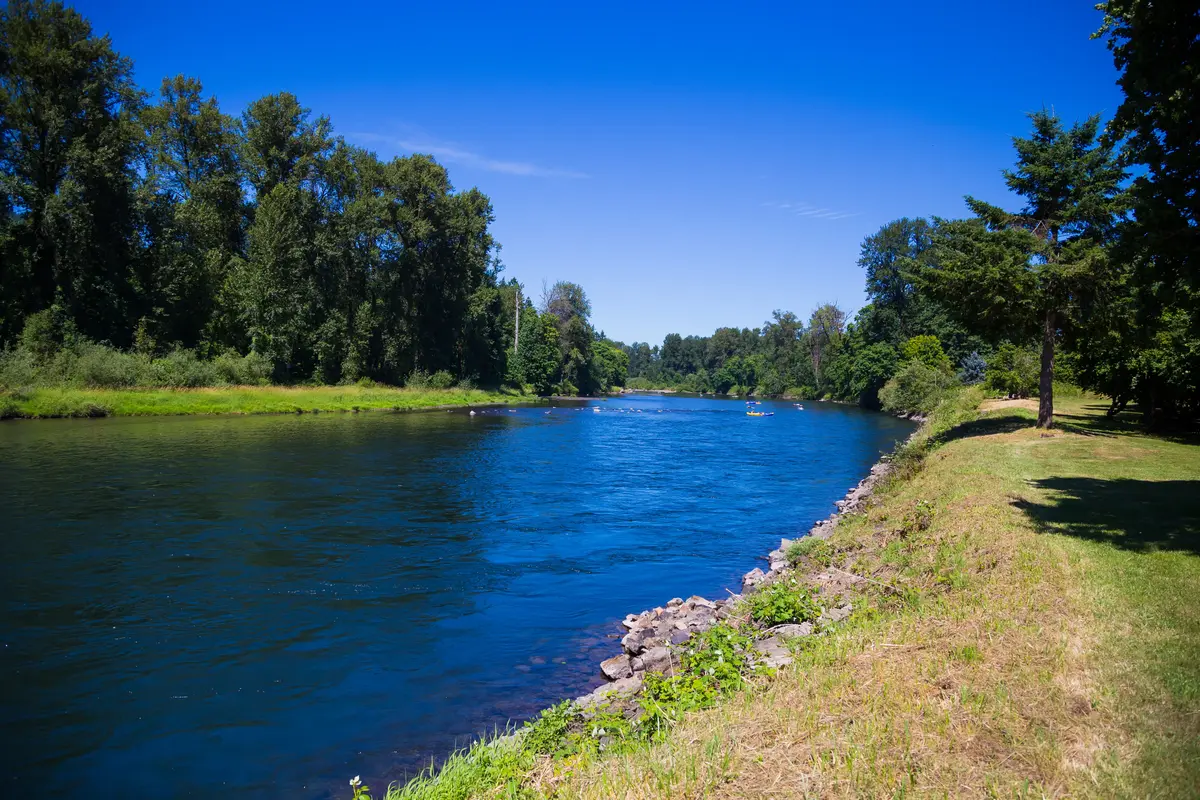
The typical home price sits at $421,652 (Zillow Home Value Index, July 2026) — noticeably below Eugene's market — with a typical 2-bedroom rent running $1,540–$1,880 per month. For a full breakdown of what those numbers mean for your monthly budget, see the Springfield cost of living page. Day-to-day life here means access to Willamalane Park, the Middle Fork Path, Dorris Ranch Living History Farm, and about 12 minutes to Eugene whenever you need the university-city amenities Springfield doesn't carry on its own.
Whether you're a first-time buyer weighing Gateway's convenience against Thurston's schools, or a move-up buyer eyeing Mountaingate's hillside position, the sections below break down Springfield's eight neighborhoods by character, buyer type, and honest trade-offs — plus the rental zones and the mistakes that trip up relocating buyers most often.
The Springfield Reality
The single most important thing to understand about Springfield's real estate map is the east-west axis. The neighborhoods east of I-5 — Thurston, Mountaingate, Jasper Meadows — occupy higher, newer ground with easier access to OR-126 (McKenzie Highway) and the foothill natural areas. The neighborhoods closer to downtown and I-105 — Washburne, North Springfield, Glenwood — are older, denser, more walkable, and more exposed to the traffic and commercial activity that defines central Springfield. That geographic reality shapes almost every trade-off in this guide.
School boundaries add another layer. Springfield Public Schools serves the whole city, but individual school assignments vary by address in ways that aren't always obvious on a map. Thurston and the eastern pockets have historically drawn families specifically for their school access, while neighborhoods closer to downtown carry the district's overall C rating, according to Niche, more visibly. Before you make an offer anywhere, verify the elementary assignment — boundaries shift, and a street or two can land you in a different school than the one the listing agent mentions.
A beltline highway and I-5 are the practical connectors between Springfield's residential east side and its employment corridors, Eugene, and the Eugene Airport (EUG) roughly 14 miles out. Glenwood's Franklin Boulevard corridor gives that neighborhood its own transit spine, making it the one area in Springfield where a car-free or car-light lifestyle is genuinely possible. Every other neighborhood is car-dependent to some degree — plan accordingly before assuming that a short distance on a map translates to an easy daily commute.
Neighborhoods at a Glance
| Neighborhood | Best For | Vibe |
|---|---|---|
| Thurston | Families Quiet | Former small town absorbed into the city; 3–4 bedroom homes, parks, small-town feel on the eastern edge |
| Gateway | Commuter Renter | High-convenience retail corridor anchored by a major shopping center; busy, accessible, not especially residential in character |
| Washburne Historic District | Walkable First-Time | Early-1900s bungalows, tree-lined blocks, on the National Register — Springfield's most architecturally distinctive address |
| North Springfield | Families Value | Middle-income, dog-friendly, trail-connected; a mix of older homes and newer builds northeast of downtown |
| Glenwood | Transit Commuter | Riverfront corridor between Eugene and Springfield; the most transit-accessible address in either city |
| Hayden Bridge | Nature Privacy | McKenzie River adjacency, larger lots, peaceful pace — farther from shopping but close to PeaceHealth's medical campus |
| Mountaingate | Luxury Views | Springfield's highest-priced residential pocket; hillside subdivision near the Thurston Hills Natural Area |
| Jasper Meadows | Families School | Newer east-side suburban development; cleaner inventory, family-oriented layout, still building out |
Springfield typical home price: $421,652 (Zillow ZHVI, July 2026). Typical rent: $1,678/mo (Zillow ZORI, July 2026). Neighborhood tiers on this page are relative to these figures.

Best Neighborhood by Buyer Type
| Buyer Type | Best Neighborhood | Why |
|---|---|---|
| First-Time Buyer | North Springfield | Entry-level pricing relative to the city median, genuine walkability via the EWEB Path, and a neighborhood mix that doesn't require perfection to feel comfortable. |
| Luxury Buyer | Mountaingate | Consistently cited as Springfield's upper-tier residential pocket, with hillside positioning near the Thurston Hills Natural Area that other neighborhoods simply can't replicate. |
| Walkability Seeker | Washburne Historic District | Tree-lined blocks within walking distance of Main Street shops and the Wildish Community Theater — the only Springfield neighborhood where daily errands on foot are genuinely practical. |
| Families with Kids | Thurston | The neighborhood's school access, park network, and quiet residential streets make it Springfield's most consistent family draw. |
| Commuters | Glenwood | Lane Transit District bus service along Franklin Boulevard puts Eugene employment, the University of Oregon, and Springfield's downtown within reach without a car. |
| Large-Lot Buyers | Hayden Bridge | McKenzie River proximity and a culture of larger parcels give buyers the breathing room that Springfield's denser west-side neighborhoods can't offer. |
| Renters | Gateway | The highest concentration of rental inventory in Springfield sits in and around the Gateway commercial corridor, with convenient I-5 access for commuters in any direction. |
Looking to buy in Springfield? Estimate your payment.
Enter your numbers to see an estimated monthly mortgage payment.
Estimate only. Excludes HOA fees and mortgage insurance. The interest rate above is a starting point, not a quoted rate — replace it with your own to see real numbers. Insurance is a flat placeholder, not a Springfield quote.
Most Popular Neighborhoods
1. Thurston
Thurston was its own unincorporated community with its own post office before Springfield absorbed it — and it still carries that energy. The housing stock runs toward 3–4 bedroom single-family homes built between 1970 and 1999, set on quiet streets with parks close by. The trade-off is OR-126 (McKenzie Highway), which functions as Thurston's main street and turns genuinely slow during school drop-off and afternoon commute windows — something buyers who purchase deep in the residential pockets sometimes discover only after closing.
Best for: Families who want a small-town feel within city limits and are willing to factor highway traffic into their daily rhythm.2. Gateway
Gateway's identity is commercial before it's residential. The Shoppes at Gateway — an 820,000-square-foot shopping center that opened in 1990 with dozens of retailers — sits off I-5 and defines the neighborhood's character more than any residential block does. Renters and commuters who prioritize convenience over neighborhood texture find Gateway functional and well-located. The catch is exactly that: it trades the quieter residential feel of Thurston or Washburne for access, and buyers looking for a genuine neighborhood community often feel that absence after a few months.
Best for: Commuters, renters, and buyers whose daily life runs through errand efficiency and freeway access rather than walkable streets.3. Washburne Historic District
Added to the National Register of Historic Places in 1987, the Washburne District covers 84 acres and 29 full blocks adjacent to downtown Springfield, with nearly 44 percent of its surviving structures completed between 1890 and 1915. Queen Anne cottages, Craftsman bungalows, and Colonial Revival details line tree-canopied streets within walking distance of Main Street, the Emerald Art Center, and the Wildish Community Theater. The honest trade-off here is maintenance: historic homes carry charm that new construction can't replicate, and repair costs that new construction buyers never encounter.
Best for: Buyers who want Springfield's most architecturally interesting address and are prepared for the ownership realities that come with pre-war housing stock.4. North Springfield
North Springfield runs northeast of the Washburne District and pulls a different buyer than the historic core — middle-income families, dog owners, and people who want trail access without the price premium of the eastern hills. The EWEB Path connects residents across nearly 3 miles, reaching Page Park and Arrow Park along the way, and the neighborhood's mix of older homes and newer builds gives first-time buyers more options at the city-wide price point than most other areas. The downside is that housing ages vary sharply from block to block, which makes a thorough inspection non-negotiable.
Best for: First-time buyers and families who want trail connectivity and a genuinely residential neighborhood without paying above the city median.5. Glenwood
Glenwood occupies a narrow corridor along the Willamette River, wedged between I-5 and the water, and sits functionally between Eugene and Springfield in a way that makes it the most transit-accessible residential area in the metro. Lane Transit District buses run multiple stops along Franklin Boulevard, which matters for households commuting to the University of Oregon or PeaceHealth without a second car. The trade-off is noise and industrial adjacency — Glenwood's riverfront position is real, but so is the freeway presence, and buyers expecting a quiet retreat find the corridor less peaceful than the map suggests.
Best for: Transit-dependent commuters and buyers drawn to Eugene-Springfield dual access who can live with a busier, more urban ambient environment.6. Hayden Bridge
Hayden Bridge runs along the McKenzie River northeast of the Washburne area, and its defining qualities are larger lots and a pace of life that feels genuinely removed from Springfield's commercial center. Proximity to PeaceHealth Sacred Heart Medical Center's employment corridor makes it a practical choice for healthcare workers who want to decompress after a shift on a real parcel of land. The honest catch: shopping and everyday errands require more driving than in any other Springfield neighborhood on this list, and buyers underestimating that daily friction tend to notice it quickly.
Best for: Healthcare workers, outdoor-oriented buyers, and anyone who trades walkability for space and river proximity without apology.7. Mountaingate
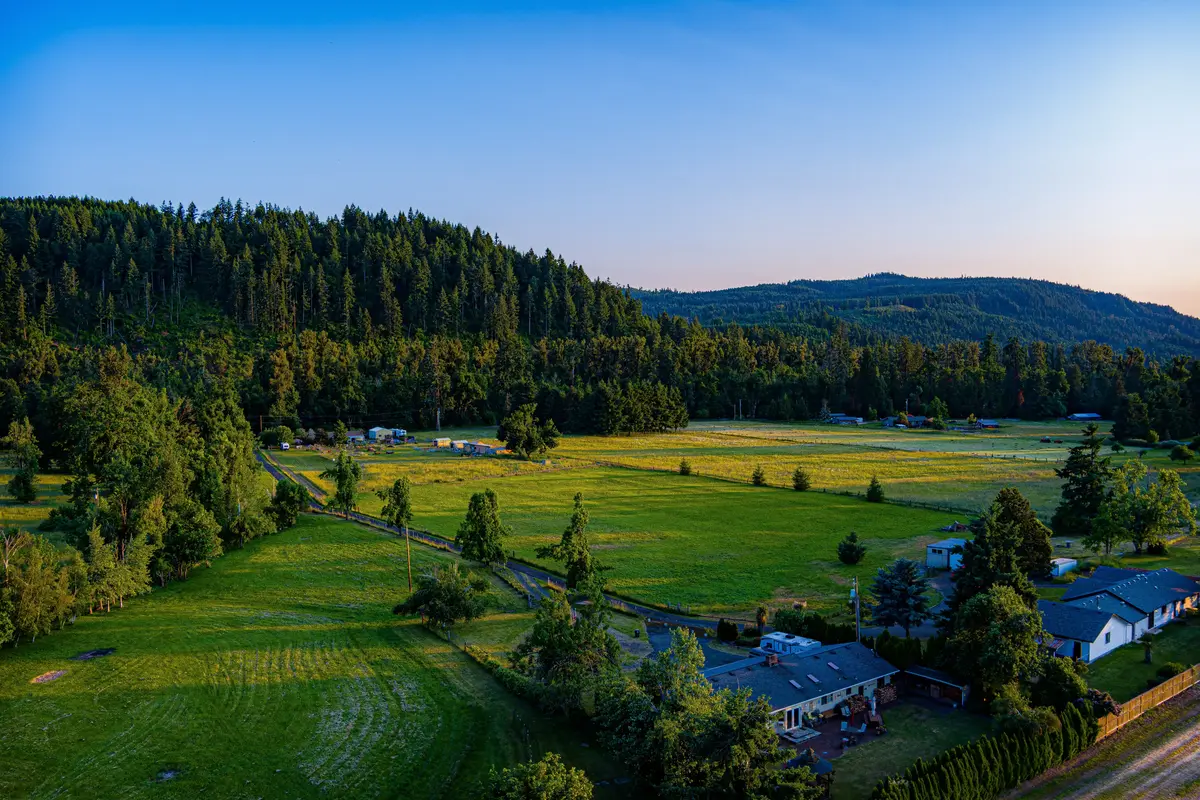
Mountaingate is a hillside subdivision in the Thurston area on Springfield's east side, positioned near the Thurston Hills Natural Area and consistently described as one of Springfield's upper-tier residential pockets. The character here runs toward newer, larger homes with the elevated siting that the rest of Springfield's flat residential grid simply doesn't offer. Buyers who arrive expecting to find inventory at the city's typical price point will need to recalibrate — Mountaingate draws a different buyer than the rest of the east side, and the homes here reflect that in both size and finish level.
Best for: Move-up buyers and households seeking Springfield's highest-end residential address with hill views and natural area access.8. Jasper Meadows
Jasper Meadows sits on Springfield's east side with newer residential construction and a suburban layout built around family-scale living. The inventory here skews newer than most of the city, which means fewer deferred-maintenance surprises and floor plans that reflect contemporary preferences rather than mid-century compromises. The trade-off is that Jasper Meadows is still building out — the neighborhood's character is forming, the full amenity picture isn't settled, and buyers who want a mature, established street scene may find it still arriving rather than already there.
Best for: Families seeking newer construction and a family-oriented east-side address without the price premium of Mountaingate.Common Mistakes Buyers Make in Springfield
Assuming the East Side Is All the Same
Thurston, Mountaingate, and Jasper Meadows share a general east-side position but are meaningfully different in price, character, and daily experience. Buyers who treat the eastern corridor as a single zone often end up in the wrong neighborhood for their budget or lifestyle — and Mountaingate in particular carries price expectations that can derail a purchase conversation if you walk in assuming the city-wide figure applies.
Underestimating OR-126 Traffic in Thurston
OR-126 (McKenzie Highway) runs through Thurston as its functional main street, and it backs up. Morning school drop-off and afternoon commute windows turn what looks like a quick errand into a genuine delay. Buyers who purchase deep in Thurston's residential pockets and then experience this pattern for the first time in week two are not surprised pleasantly — this is one of those things that belongs in your decision, not in your post-closing regrets.
Chasing Square Footage Without Checking the School Boundary
Springfield Public Schools holds a C rating, according to Niche, and individual school assignments vary by address in ways that don't map to neighborhood names. A buyer who selects a street based on square footage or lot size without verifying the elementary school boundary can end up in a different assignment than expected. The eastern neighborhoods — Thurston and Jasper Meadows especially — draw families partly for school reasons, but that advantage is address-specific, not neighborhood-wide. Always confirm the assignment before you make an offer.
Treating Glenwood as a Quiet Riverside Retreat
Glenwood's Willamette River frontage and Franklin Boulevard transit access are real draws, and the neighborhood genuinely delivers on dual Eugene-Springfield access. What buyers sometimes miss is that the same freeway presence making Glenwood convenient also makes it louder and more industrial-adjacent than the listing photos suggest. Buyers who move from quieter Springfield neighborhoods to Glenwood chasing the riverfront character sometimes leave within two years. If ambient quiet matters to you, visit Glenwood on a weekday before you commit.
Best Areas to Rent in Springfield
| Area | Ideal For | Trade-off |
|---|---|---|
| Gateway Corridor | Commuters, newcomers who want retail access from day one | High commercial density; not a quiet or walkable residential experience |
| North Springfield | Renters who want trail access and a residential neighborhood feel | Older housing stock means variable unit quality; inspect carefully |
| Glenwood | Transit-dependent renters commuting to Eugene or the university | Freeway and industrial noise; less green space than other areas |
| Washburne / Downtown Adjacent | Renters who want on-foot access to Main Street, arts venues, and coffee | Historic buildings can mean older systems, limited parking, and maintenance quirks |
| Thurston East Side | Families renting while they decide where to buy | Car-dependent for most errands; OR-126 traffic adds time to school-run mornings |
Springfield's typical 2-bedroom rent runs $1,540–$1,880 per month, and the rental market skews toward older apartment stock and single-family rentals rather than newer purpose-built buildings. Renters who want newer unit finishes and in-unit laundry will find the inventory thinner than in Eugene — budget for that reality before narrowing your search to the eastern neighborhoods, where single-family rentals dominate and availability moves faster than in the commercial corridors.
Local Expert Takeaway: Springfield's best neighborhood decision almost always comes down to one question: do you want the walkable historic character of the Washburne District and its Main Street proximity, or the quieter, school-oriented east side that Thurston and Jasper Meadows offer? Families with kids consistently land east of I-5. Buyers who want to walk to the Wildish Community Theater or browse the weekend farmers market land near downtown. Get that fundamental axis right first — then sort by lot size, construction era, and school boundary — and you'll have narrowed a complicated map to two or three streets worth actually touring.
Quick Takeaways & FAQs
✅ The Washburne Historic District is on the National Register of Historic Places and offers Springfield's only genuinely walkable neighborhood near Main Street — a rarity in a city this size.
⚠️ Springfield Public Schools holds a C rating according to Niche, and school boundary assignments vary by address — never assume a neighborhood name guarantees the school you're counting on.
📍 OR-126 (McKenzie Highway) runs through Thurston as its main street and backs up during school drop-off and afternoon commute hours — a daily friction that surprises buyers who didn't visit on a weekday before closing.
What is the best neighborhood in Springfield, Oregon for families?
Which Springfield, Oregon neighborhood is most walkable?
Is Glenwood part of Springfield or Eugene?
What is the most expensive neighborhood in Springfield, Oregon?
Where should I rent in Springfield, Oregon if I'm new to the area?
Moving to Oregon?
Tell us what you need help with and we'll connect you with local resources.
