
Maybe you've been renting in Salem and watching prices there hold steady while your savings account slowly gets there. Maybe you work remotely and someone mentioned that the Willamette Valley has smaller towns where a first purchase is still within reach. Independence tends to come up in that conversation — and when you look at the numbers, it doesn't disappoint on paper. But what the numbers don't tell you is that the median household income here sits about $23,000 below what you'd need to comfortably carry the typical home, which means the math demands honesty before it demands enthusiasm. This guide is built around that honesty.
Independence is a city of 10,199 residents in Polk County, anchored to the Willamette River and sitting about 20 minutes to Salem along OR-51. The economy leans on Central School District, the city itself, and Polk County government as the largest local employers, with Western Oregon University drawing traffic from neighboring Monmouth. The community is compact, the historic downtown is genuinely walkable, and the Eola-Amity Hills wine country begins practically at the city's edge — details that matter to buyers who want livability alongside affordability.
The typical home price in Independence is $430,520 (Zillow Home Value Index, July 2026), which puts it roughly at the same level as Salem and noticeably below Monmouth and Dallas. For a first-timer, that figure means FHA financing is fully viable — the current FHA loan limit for this area clears the city's typical price with room to spare — and a 3% or 3.5% down payment is a realistic target rather than a dream. The effective property tax rate sits at approximately 0.89%, which is a meaningful line item to build into your monthly budget alongside whatever the calculator below produces at current rates. For a broader picture of ongoing costs, the cost of living page breaks down taxes, utilities, and groceries in full.
Whether you're actively searching or still deciding whether Independence fits your life, the sections below walk through what your budget actually buys here, the buying process from pre-approval to closing, an honest look at cash-at-closing scenarios, and the four mistakes first-time buyers in this market make most often.
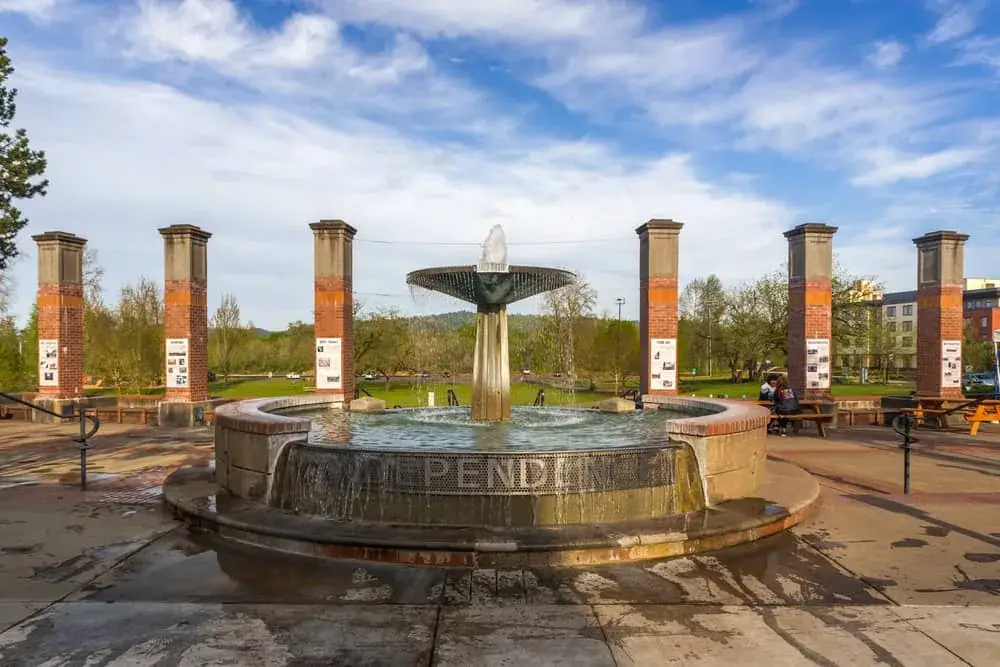
The Independence First-Time Buyer Reality
The typical home price in Independence is $430,520 as of July 2026, and what that figure buys in practice depends heavily on where you're searching and how flexible you are on condition. Entry-level in this market — older ranch-style homes in established neighborhoods like Northgate or Old Town — can surface below that figure, though they often carry deferred maintenance that needs to be priced into your offer. Newer construction tends to run closer to or above the city-wide typical, which means the stated median can feel optimistic when you're actually touring homes in those areas.
What works in your favor is that Independence hasn't attracted the investor-heavy competition that inflated prices in Salem's closer-in suburbs. Well-priced homes move, but first-timers aren't routinely getting pushed out by cash buyers at every price point. Your pre-approval letter carries real weight here, and sellers in this market respond to clean, financially credible offers — even from buyers putting down less than 20%.
The honest catch: the median household income here sits noticeably below what's needed to carry the typical home at current rates, which means many first-timers are buying at or near the top of what their income can support. That's not disqualifying, but it does mean your debt-to-income ratio will be a real underwriting conversation rather than a formality. Go in knowing your numbers, not hoping they work out. For context on how Independence fits into the broader neighborhood picture, the neighborhoods page breaks down the character of each area.
The Homebuying Process in Independence, Step by Step
Step 1: Get Pre-Approved Before You Tour Anything
This is the step first-timers skip most often, and it costs them. In Independence, a seller receiving two offers will dismiss an unaccompanied offer almost immediately. Pre-approval requires recent pay stubs and W-2s, two years of tax returns, bank and asset statements, a list of current debts, and a government-issued ID. Bring all of it to the lender conversation upfront — partial documentation delays your letter by days, and days matter when a home you want goes pending.
One detail worth knowing: HUD's definition of a first-time buyer includes anyone who hasn't owned a primary residence in the past three years. If you owned a home before but have been renting since, you may still qualify for first-time buyer loan programs. Confirm your eligibility directly with your lender before assuming you don't qualify.
Step 2: Work with a Local Agent Who Knows Polk County
Independence is small enough that local knowledge matters more than in a large metro. An agent who has written offers in Independence knows which neighborhoods are under active city development review, which older homes in Old Town or the Historic District may have deferred maintenance patterns, and what seller expectations look like in this specific sub-market versus Salem. Don't assume a Salem-based agent's market instincts transfer perfectly here.
Step 3: Make Offers with Intention
Low-ball offers on well-priced homes in Independence don't land — they insult the seller and remove you from contention. Come in at or near list on homes priced in line with the market, and save your negotiating leverage for inspection findings. Asking for a price reduction after an inspection reveals a genuine issue is both reasonable and common; asking for one when nothing is wrong reads as buyer's remorse and typically kills the deal.
Step 4: Never Waive the Inspection
The inspection contingency is the one first-timers in smaller markets are most often pressured to waive in competitive situations. In Independence, older homes — particularly in Downtown, Old Town, and Northgate — can carry aging roofs, older plumbing, or HVAC systems that are at or past their service life. A professional home inspection is the single most important piece of due diligence you'll do. Waiving it to "win" an offer is the fastest way to inherit a repair bill that wipes out your cash reserves in year one.
Step 5: Prepare for Closing Costs as a Separate Budget Line
Oregon buyers typically pay 2–3% of the purchase price in closing costs, covering lender fees, title insurance, escrow, and prepaid items like homeowners insurance and property tax reserves. First-timers consistently underestimate this figure because they focus on the down payment number and treat closing costs as an afterthought. They are not. Budget for them separately from day one — the table in the next section makes that math concrete.
Step 6: Close on Schedule
Oregon closings typically run 30–45 days from accepted offer to keys in hand, though FHA loans occasionally run longer if the appraisal requires a condition repair. Stay responsive to your lender's document requests — a delayed response from the buyer is the most common reason a closing date slips. Plan to clear your calendar the week of closing for any last-minute requests.
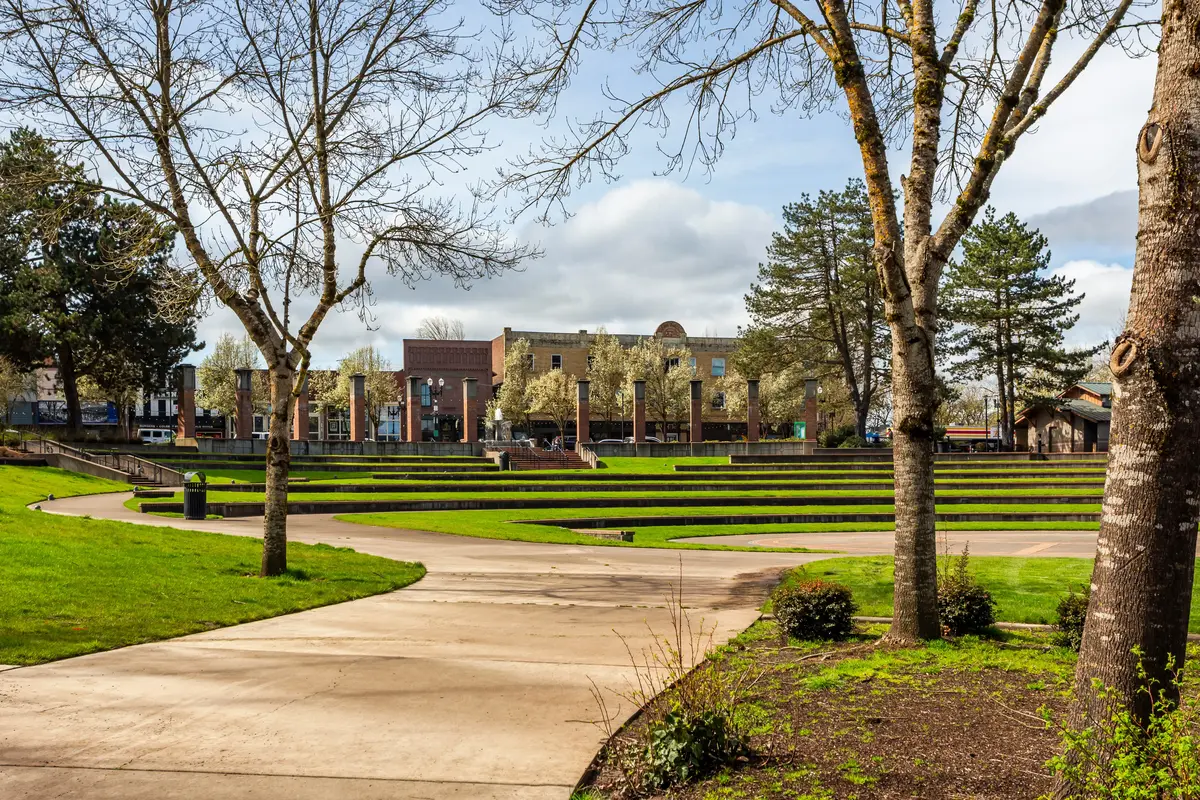
How Much Home Can You Afford in Independence
The table below illustrates cash-at-closing requirements across several realistic purchase scenarios in Independence, using approximate estimates. Closing costs are estimated at 2.5% of purchase price, which is a reasonable mid-range for Oregon buyers. Your actual figures will vary based on lender, loan type, title company, and negotiated seller credits. The interactive mortgage calculator below the table will show you estimated monthly payments at current rates once you enter your specifics.
| Scenario | Purchase Price | Down Payment | Est. Closing Costs (2.5%) | Cash Needed at Table |
|---|---|---|---|---|
| FHA (3.5%) — entry-level home | $340,000 | $11,900 (3.5%) | ~$8,500 | ~$20,400 |
| Conventional (3%) — entry-level home | $340,000 | $10,200 (3%) | ~$8,500 | ~$18,700 |
| FHA (3.5%) — near city typical | $430,000 | $15,050 (3.5%) | ~$10,750 | ~$25,800 |
| Conventional (3%) — near city typical | $430,000 | $12,900 (3%) | ~$10,750 | ~$23,650 |
| Conventional (5%) — near city typical | $430,000 | $21,500 (5%) | ~$10,750 | ~$32,250 |
| Conventional (10%) — above typical | $490,000 | $49,000 (10%) | ~$12,250 | ~$61,250 |
A few specifics worth building into your planning. FHA loans require mortgage insurance premiums — an upfront premium of 1.75% of the base loan amount (typically rolled into the loan) and an annual premium paid monthly. Conventional loans with less than 20% down carry private mortgage insurance, which drops off once you reach 20% equity. Oregon also offers a First-Time Home Buyer Savings Account through the Department of Revenue: individual filers can deduct up to $6,125 per year in contributions and earnings from Oregon taxable income (up to $12,245 for joint filers), with a lifetime cap of $50,000 per person. Funds must go toward a single-family home purchase within 10 years of opening the account. It's a straightforward state tax benefit worth setting up early in your savings timeline.
Looking to buy in Independence? Estimate your payment.
Enter your numbers to see an estimated monthly mortgage payment.
Estimate only. Excludes HOA fees and mortgage insurance. The interest rate above is a starting point, not a quoted rate — replace it with your own to see real numbers. Insurance is a flat placeholder, not a Independence quote.
Common First-Time Buyer Mistakes in Independence
Mistake 1: Shopping Before You Have a Pre-Approval Letter
Touring homes without a pre-approval letter isn't just premature — it can actively mislead you. You may fall in love with a home and then discover your pre-approval comes in well below the list price. That's a painful recalibration. Get the letter first, then let your approved range define where you shop, not the other way around.
Mistake 2: Waiving the Inspection Contingency
Some buyers in competitive situations waive the inspection to make their offer look cleaner. In Independence, where older housing stock in the Historic District and Old Town is part of what makes entry-level prices accessible, this is a serious financial risk. A pre-offer walkthrough with a contractor is no substitute for a licensed inspector with a written report. Keep the inspection contingency, full stop.
Mistake 3: Ignoring the School District Before Choosing a Neighborhood
Central School District 13J holds a C- rating, according to Niche, and families with school-age children should understand what that means for their household before committing to a neighborhood. School boundaries also matter: which school a home is assigned to can vary even within the same neighborhood. If schools are a factor in your decision, verify the specific boundary for any home you're seriously considering — don't assume the neighborhood name is sufficient. The schools page has the full picture on district performance and individual campuses.
Mistake 4: Underbudgeting the Cash Needed at Closing
First-timers routinely save toward their down payment number and then discover closing costs are a separate, significant line item they hadn't fully accounted for. At a $430,000 purchase price, 2.5% in closing costs adds roughly $10,750 on top of the down payment. Add prepaid items — the first year of homeowners insurance, initial property tax reserves, and prepaid interest — and the gap between "I have my down payment" and "I'm ready to close" can be $5,000 to $15,000 wider than expected. Build this into your savings target from the start, not the week before you make an offer.
One additional pattern worth naming: buyers who are commuting to Salem sometimes buy without fully stress-testing the daily drive. Independence sits about 20 minutes to Salem under normal conditions via OR-51, but that assumes you're timing your commute right. If your job has fixed early start times or the route backs up on a wet winter morning, the practical reality of that commute should factor into which neighborhood you choose. The living in Independence page has more on the commute picture.

Local Expert Takeaway: Independence is one of the few places in the Willamette Valley where FHA financing is both viable and commonplace at the city's typical price point — the current FHA loan limit for this area clears the $430,520 city median with room to spare. The path to ownership here is genuinely open to first-timers with modest down payments, but the cash-at-closing requirement is where most buyers get tripped up. Budget the down payment and the closing costs as two separate savings targets, get your pre-approval letter before you tour anything, and hold the inspection contingency regardless of how competitive a situation feels. Independence rewards prepared buyers; it's less forgiving of those who improvise.
Quick Takeaways & FAQs
✅ FHA financing comfortably covers Independence's typical home price of $430,520 (July 2026), making low-down-payment purchases genuinely accessible here.
⚠️ The median household income sits about $23,000 below what's needed to carry the typical home, so debt-to-income ratios will be a real underwriting conversation — not a formality.
📍 Oregon's First-Time Home Buyer Savings Account lets individual filers deduct up to $6,125 per year in contributions from state taxable income — worth opening early in your savings timeline.
What credit score do I need to buy a home in Independence, Oregon with an FHA loan?
How long does it take to close on a home in Independence, Oregon?
Is Independence, Oregon a good place to buy a first home compared to Salem?
What are closing costs in Oregon for a first-time buyer?
Does Oregon have a first-time homebuyer savings account program?
Moving to Oregon?
Tell us what you need help with and we'll connect you with local resources.
