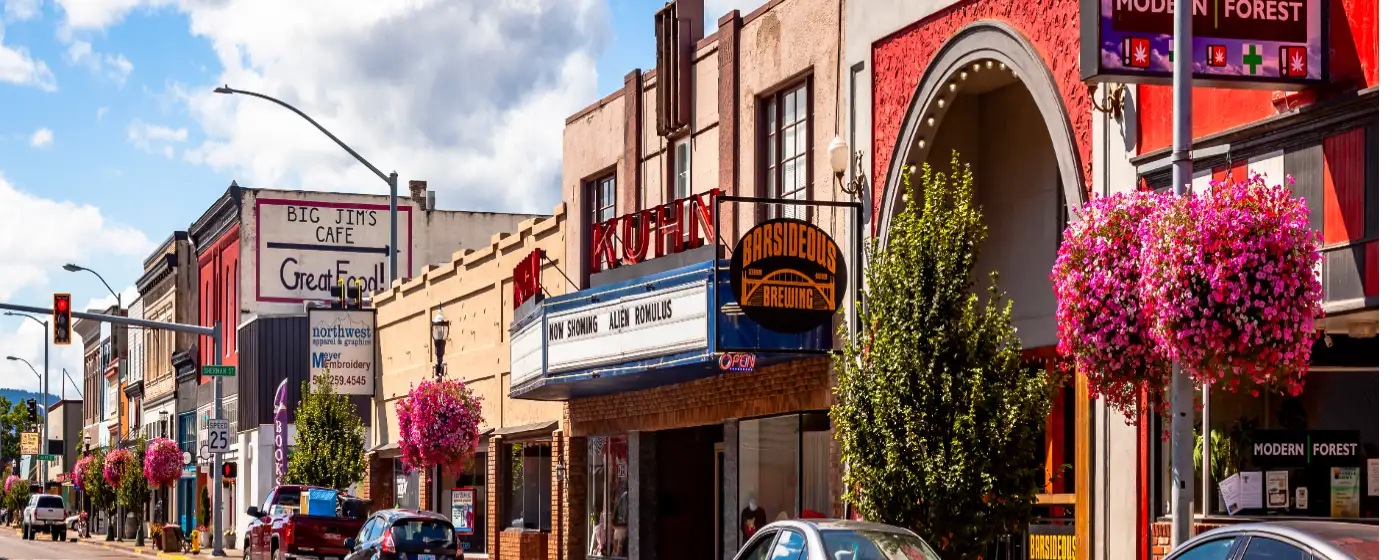
Lebanon does not announce itself the way Corvallis does. What it has instead is something harder to market and more useful to actually live with: real affordability in the mid-Willamette Valley, a South Santiam River corridor that shapes the whole western edge of the city, and a community of 19,950 people who largely moved here because they did the math on nearby cities and landed here on purpose. US-20 and OR-34 are the two routes that connect Lebanon to the broader region, and understanding where those corridors sit relative to each neighborhood is the first thing a serious buyer needs to know.
The economic backbone here is institutional rather than industrial. Linn-Benton Community College, the City of Lebanon, Lebanon Community School District 9, Western University of Health Sciences, and Samaritan Lebanon Community Hospital are the anchor employers — a combination that produces steadier hiring than a single factory town, but not the tech-wage ceiling you find in Corvallis. The school district, with 3,888 students enrolled in 2025-26, holds a C rating, according to Niche — an honest number that shapes which buyers choose Lebanon and which pass through. Families moving here from smaller towns often find the schools acceptable; those arriving from high-performing suburban districts sometimes do not. That difference matters when you are choosing a neighborhood.
On price, Lebanon sits noticeably below Corvallis and somewhat below Albany — a real gap that draws buyers priced out of those markets. The typical home price stands at $397,559 (Zillow Home Value Index, July 2026), which for a city with parks, a river, and a functioning historic downtown represents genuine value in the Willamette Valley. The city's over 300 acres of parks and trails, anchored by Cheadle Lake Park and River Park along the South Santiam River, give daily life here a recreational texture that the price tag alone does not suggest. The catch, for many households, is that the median household income of $63,176 runs meaningfully below what the typical home actually requires to carry — a gap that makes down payment size and loan structure real decisions rather than afterthoughts. See the full breakdown on the cost of living page.
Whether you are comparing neighborhoods for the first time or about to make an offer, the sections below break down Lebanon's neighborhoods by character, buyer type, common trade-offs, and rental fit — everything you need to know before you decide which part of the city to plant yourself in.
The Lebanon Reality
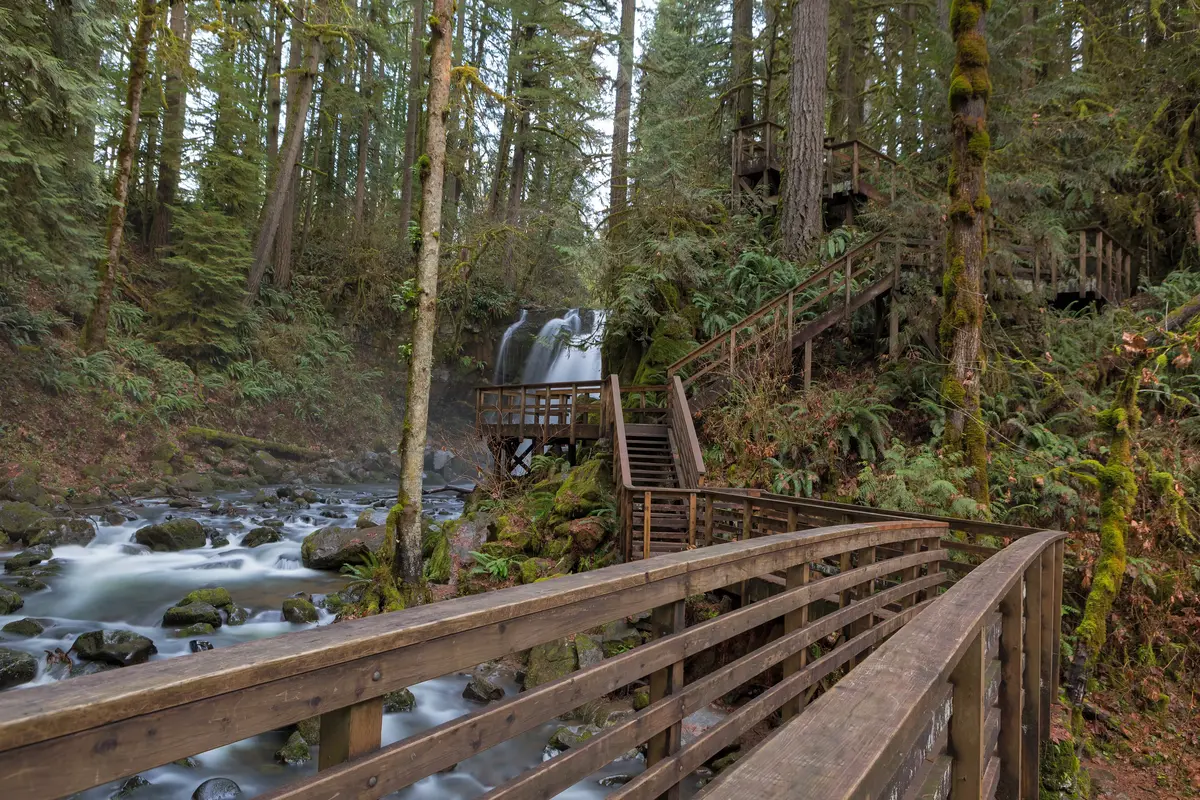
The single most important geographic fact in Lebanon is the South Santiam River. It defines the western boundary of the city and, in practical terms, it separates the established residential core from the agricultural land beyond it. Every neighborhood on this list sits east of the river, which means the divide that actually matters to buyers is not east-west — it is the relationship between the US-20 corridor running through the city's midsection and the quieter streets that fan out south and north of it.
The US-20 corridor gives you convenience: Samaritan Lebanon Community Hospital, the Western University of Health Sciences medical campus, and the city's main commercial strip all cluster along or near it. Neighborhoods close to that corridor trade some quiet for real access to services. Neighborhoods farther south — especially the cluster around Wagon Wheel Drive and Crowfoot Road — are newer, slightly more suburban in feel, and require a car for almost everything, but they buy you more space and newer construction for roughly the same money.
School boundaries within Lebanon Community School District 9 do not create dramatic differences between neighborhoods the way they might in a larger city — the district is small enough that most families are working with the same pool of schools regardless of where they buy. What does shift by location is commute logic. The drive to Albany is about 20 minutes from most parts of the city, but buyers who work in Corvallis will feel a meaningful difference depending on whether they are starting from the northern edge of Downtown or the southern reaches of Cascade Estates. Pick your neighborhood with your daily commute origin in mind, not just the house itself.
Neighborhoods at a Glance
| Neighborhood | Best For | Vibe |
|---|---|---|
| South Lebanon | Families Value | Sprawling, mixed-vintage, workhorse residential — the city's largest zone |
| Downtown Lebanon | First-Time Walkable | Historic storefronts, Victorian homes, genuine foot-traffic energy on Main Street |
| Santiam Place | Nature Quiet | River-corridor calm, dog-friendly streets, parks within easy reach |
| Cheadle Lake | Families Nature | 35-acre park as a backyard, wildlife-watching, connected trail network |
| Cascade Estates | Families Luxury | Newer construction, cleaner finishes, southern growth corridor energy |
| Wagon Wheel Estates | Families Quiet | Well-kept, neighborly, solidly suburban without pretension |
| Burkhart Creek | Privacy Quiet | Established, low-key, off the main corridors — easy to overlook, harder to leave |
| Patton Place | First-Time Value | Modest, accessible, straightforward residential with no frills and no surprises |
Lebanon typical home price: $397,559 (Zillow ZHVI, July 2026). Typical rent: $1,565/mo (Zillow ZORI, July 2026). Neighborhood tiers on this page are relative to these figures.
Best Neighborhood by Buyer Type
| Buyer Type | Best Neighborhood | Why |
|---|---|---|
| First-Time Buyer | Downtown Lebanon | Historic character on Main Street and a walkable street grid give first-timers real texture without the isolation of the southern subdivisions. |
| Luxury Buyer | Cascade Estates | Newer construction with cleaner finishes and larger lots sits above the city median — the closest Lebanon gets to a move-up product. |
| Walkability Seeker | Santiam Place | River-corridor access, connected trails, and a dog-friendly street grid make on-foot living genuinely possible here. |
| Families with Kids | Wagon Wheel Estates | Quiet streets, well-kept homes, and a reputation for friendly neighbors make it the low-drama family pick. |
| Commuters | South Lebanon | Central position within the city puts most Lebanon commuters within a short drive of both US-20 and OR-34. |
| Large-Lot Buyers | Burkhart Creek | Established lots with mature landscaping and a quieter footprint than the newer southern subdivisions. |
| Renters | South Lebanon | The city's largest and most diverse rental inventory — a range of property types and price points that no other zone matches. |
Looking to buy in Lebanon? Estimate your payment.
Enter your numbers to see an estimated monthly mortgage payment.
Estimate only. Excludes HOA fees and mortgage insurance. The interest rate above is a starting point, not a quoted rate — replace it with your own to see real numbers. Insurance is a flat placeholder, not a Lebanon quote.
Most Popular Neighborhoods
South Lebanon
South Lebanon is the city's residential engine — a broad southern zone with housing built primarily between 1970 and 1999, ranging from owner-occupied single-family homes to mobile homes and rentals. The sub-corridor between Wagon Wheel Drive and Crowfoot Road draws the most buyer interest within the area, partly because it offers newer stock without fully crossing into Cascade Estates territory. The trade-off is spread: this is a large, uneven zone where block quality varies enough that two streets can feel like different cities. Pricing sits at the city median — the one neighborhood in Lebanon the fact sheet places squarely at that benchmark.
Best for: Buyers who want the most options in a single search area and are willing to be selective about which block they land on.
Downtown Lebanon
Historic Main Street is genuinely active — not a tourism facade, but a working commercial core where local shops, small restaurants, and community businesses have outlasted the economic cycles that gutted many small Oregon downtowns. Victorian homes and vintage storefronts give the area real visual character, and the Lebanon Downtown Association keeps community events and revitalization efforts moving. The honest caveat is that the housing stock here is among the oldest in the city: charm and maintenance costs often arrive together, and buyers who want turnkey will likely need to look elsewhere. The walkable street grid is a genuine asset in a city that is otherwise mostly car-dependent.
Best for: First-time buyers, history-minded owners, and anyone who wants to walk to coffee and dinner without getting in a car.
Santiam Place
Santiam Place earns its reputation through proximity — to the river corridor, to parks, and to the kind of quiet that feels earned rather than isolating. It encompasses the Riverview school area and is consistently described as dog-friendly and pedestrian-scaled in a city that is otherwise mostly car-dependent. The honest caveat is that walkability here means trail access and neighborhood streets, not urban amenities — most errands still mean a drive. No price tier data is available for this neighborhood specifically.
Best for: Outdoor-oriented buyers, dog owners, and anyone who wants daily access to the South Santiam River corridor without moving to the rural fringe.
Cheadle Lake
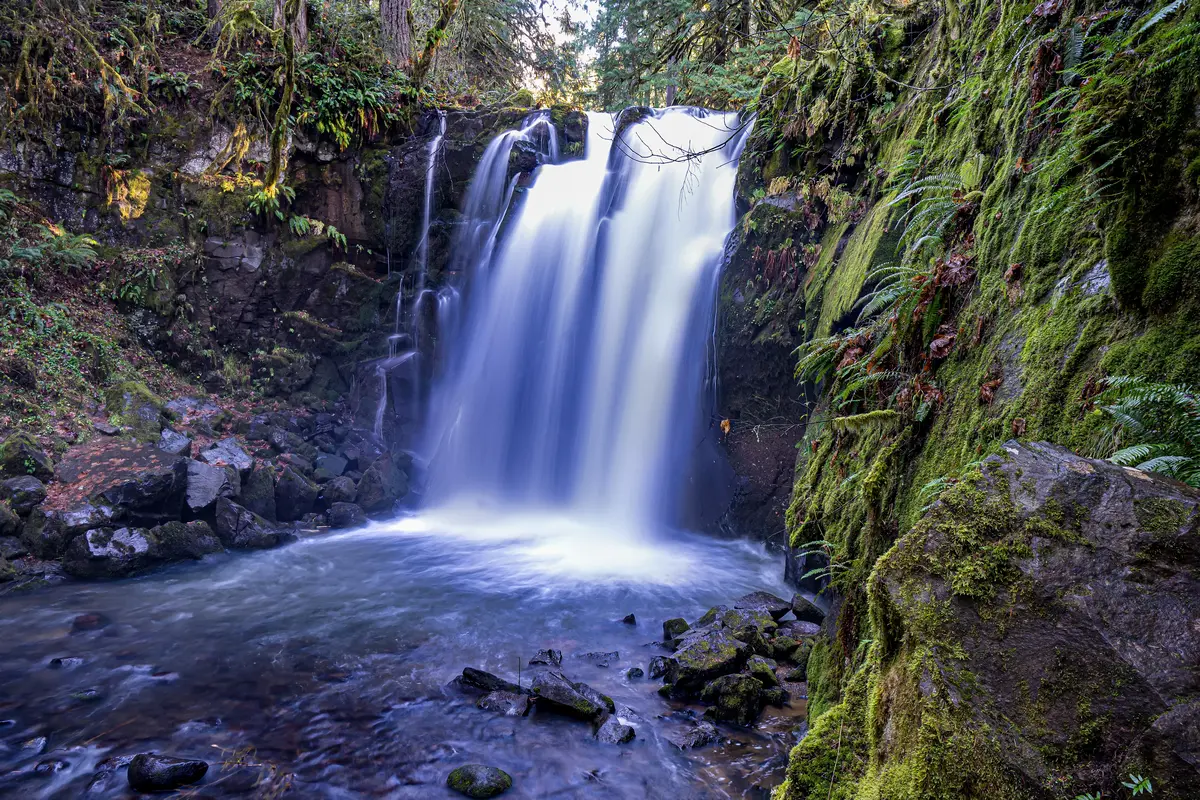
Living near Cheadle Lake Park means a 35-acre former mill pond with walking trails, bird and wildlife watching, non-motorized boating, and fishing is essentially your backyard. The city completed a major trail and accessibility upgrade — a fully accessible off-road urban trail, ADA-compliant restroom, new parking and lighting — connecting south Lebanon to River Park and beyond. What that investment also signals is ongoing city attention to this corridor, which is not nothing for long-term value. No specific price tier is available for this area; expect the neighborhood's park adjacency to be reflected in demand.
Best for: Nature-oriented families, trail users, and buyers who want a park system with actual infrastructure rather than a grassy lot with a bench.
Cascade Estates
Cascade Estates is Lebanon's clearest example of newer suburban development — a subdivision in the southern growth corridor that was still being finished as recently as 2023, when the city issued road-closure notices during final paving. That recency is the point: buyers here get newer mechanical systems, more modern layouts, and a cleaner finish than anything in the historic core or in South Lebanon's older stock. The trade-off is car dependence — this is a neighborhood where most errands mean a drive — and prices that run above the city median, reflecting the premium for new construction in a market where the overall median is $397,559 (July 2026).
Best for: Buyers who prioritize newer construction and are comfortable with a fully suburban, car-first lifestyle.
Wagon Wheel Estates
Wagon Wheel Estates has the kind of reputation that does not show up in data but shows up in conversations: residents describe it as quiet, well-kept, and genuinely neighborly. It sits within the popular Wagon Wheel Drive corridor that local real estate sources flag as one of South Lebanon's most sought-after sub-areas. The honest limitation is that it is not a destination neighborhood — there is nothing distinctive about its location or amenities that you would not find in a comparable block of South Lebanon. What it offers instead is consistency: the streets are maintained, the turnover is low, and the suburban-family feel is reliable. No specific price tier is available for this area.
Best for: Families with kids and buyers who want a predictable, low-drama residential environment over anything flashy.
Burkhart Creek
Burkhart Creek is one of the quieter, more established residential pockets in Lebanon — the kind of neighborhood that does not generate many headlines but holds its character over time. Single-family homes with mature landscaping give it a settled feel that newer subdivisions to the south cannot replicate yet. The trade-off is that an off-the-main-corridor location cuts both ways: less noise and through-traffic, but also less access to the commercial strips and services that cluster along US-20. No specific price tier is available for this area, but its character is consistent with the established residential grain of the surrounding city.
Best for: Buyers who want privacy, mature landscaping, and a lower-traffic environment without leaving the city.
Patton Place
Patton Place is a straightforward residential neighborhood — modest homes, accessible prices, and none of the frills or drawbacks that come with the city's more characterful areas. It lacks the historic texture of Downtown or the park adjacency of Santiam Place, but it also lacks the maintenance surprises that can accompany older stock. For buyers whose priority is getting into the Lebanon market cleanly and affordably, Patton Place delivers without demanding much in return. No specific price tier is available for this area, and no distinct amenities set it apart from the surrounding residential fabric.
Best for: First-time buyers and value-focused buyers who want simplicity over character.
Common Mistakes Buyers Make in Lebanon
Treating South Lebanon as a Single, Uniform Market
South Lebanon is the city's largest residential zone, and buyers frequently search it as though all of it is equivalent. It is not. A home on the Wagon Wheel Drive corridor looks and functions very differently from a rental-heavy block farther east. Walk the specific block — not just the neighborhood — before you commit.
Buying Downtown Without Pricing In Maintenance
The Victorian homes and vintage storefronts along Historic Main Street are genuinely appealing, and the area draws buyers who want walkable streets and real neighborhood character. What those homes do not come with is a clean bill of health on deferred maintenance — older construction carries costs that do not always show up in the list price. A thorough inspection is not optional here — it is the difference between a good deal and an expensive renovation project disguised as one.
Ignoring the US-20 Corridor When Choosing a Neighborhood
Buyers who work near Samaritan Lebanon Community Hospital or the Western University of Health Sciences medical campus sometimes choose a neighborhood based on the house alone and only later realize that a few blocks of distance from US-20 translates into a meaningfully longer daily drive. The drive to Albany is about 20 minutes from most of the city — but internal Lebanon geography still matters if your daily destination is on one side of the corridor and you bought on the other.
Assuming Cheadle Lake Adjacency Means Urban Walkability
The Cheadle Lake area is genuinely park-rich — 35 acres with trails, wildlife, and a newly completed accessible urban trail connecting to River Park. What it is not is a walkable urban neighborhood in the coffee-and-grocery sense. Buyers who choose this area for the trails and then expect to run errands on foot will be disappointed. The park is the asset; plan to drive for everything else.
Best Areas to Rent in Lebanon
| Area | Ideal For | Trade-off |
|---|---|---|
| South Lebanon | Renters who want the most options and the widest range of property types | Quality varies significantly by block; research the specific address, not just the zone |
| Downtown Lebanon | Renters who want to walk to Main Street shops and dining without a car | Older buildings mean more potential maintenance issues; off-street parking can be tight |
| Santiam Place | Renters who prioritize trail and river access over urban amenities | Limited rental inventory compared to South Lebanon; units turn over infrequently |
| Wagon Wheel Estates area | Families and renters who want a quieter, suburban feel | Fully car-dependent; most errands require a drive regardless of where you are going |
| US-20 Corridor | Renters employed at the hospital or medical campus who want a short commute | More commercial noise and through-traffic than the residential zones farther south |
Lebanon's citywide typical rent runs $1,440–$1,750 for a two-bedroom — a range that reflects genuine value compared to nearby markets, though the median household income means that rent still takes a meaningful bite out of most paychecks here. Rental inventory across all areas is limited enough that well-priced units rarely stay available long; if you are relocating and need to rent first before buying, have a backup plan ready and do not expect to negotiate much on price.
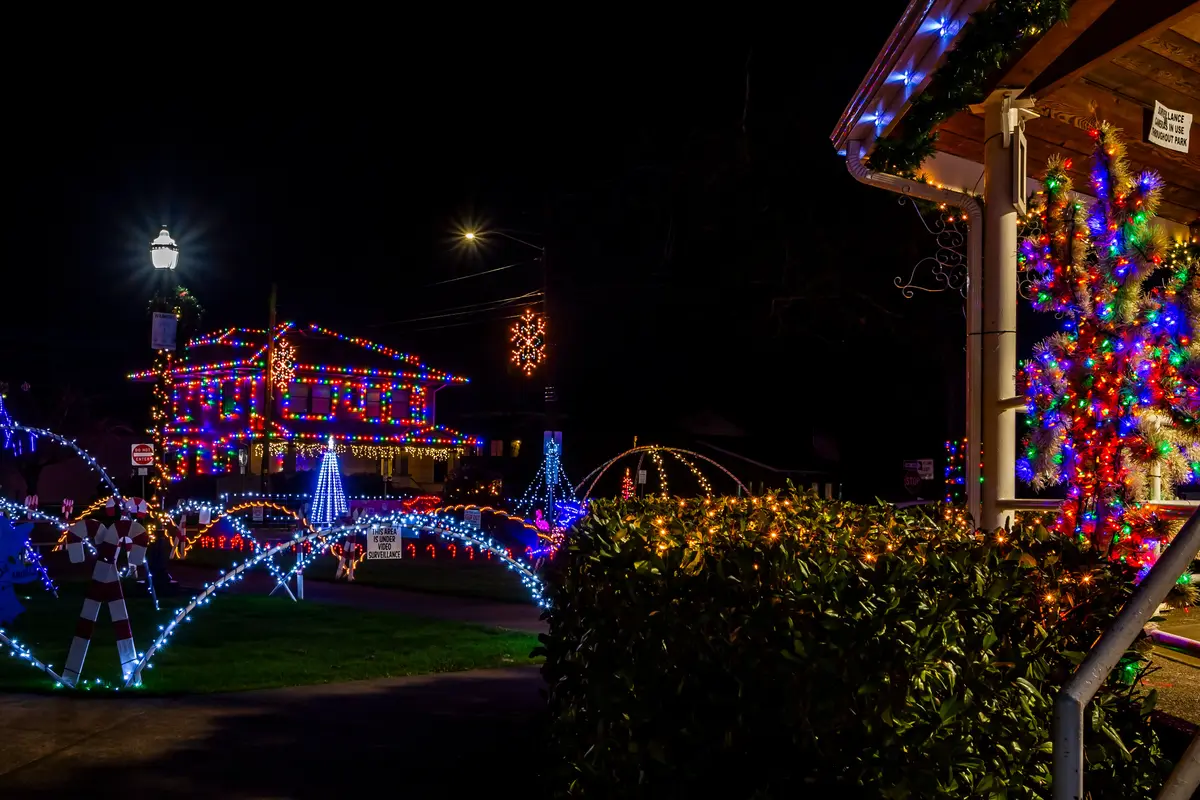
Local Expert Takeaway: Lebanon's neighborhood map is smaller and simpler than buyers coming from larger Oregon cities expect — there is no obvious wrong side of town, and the price gap between the city's best and most entry-level areas is narrower than in Albany or Corvallis. What actually separates neighborhoods here is age of housing stock, distance from the US-20 corridor, and access to the trail network anchored by Cheadle Lake Park and the South Santiam River. If you are buying for the first time, Downtown Lebanon's Main Street access and walkable streets are worth a serious look before you default to the newer southern subdivisions. If new construction and larger lots are the priority, Cascade Estates is the clearest answer Lebanon currently has. And if the park-and-trail lifestyle drove your decision to move here in the first place, Santiam Place and the Cheadle Lake area will pay off in daily quality of life in a way that a square-footage comparison on paper will not capture.
Quick Takeaways & FAQs
✅ Lebanon's typical home price of $397,559 (July 2026) sits noticeably below nearby Corvallis — real Willamette Valley value for buyers who do their homework on neighborhoods.
⚠️ The Lebanon Community School District holds a C rating, according to Niche — a real consideration for families moving from higher-performing districts who should visit schools before choosing a neighborhood.
📍 Cheadle Lake Park's newly completed accessible urban trail now connects south Lebanon to River Park, making the Cheadle Lake and Santiam Place areas meaningfully more connected for trail-oriented buyers than they were even a few years ago.
What is the most accessible neighborhood to buy into in Lebanon, Oregon?
Which Lebanon neighborhood is best for families with kids?
Is Downtown Lebanon a good place to buy a home?
How far is Lebanon from Albany, and which neighborhoods make the commute easiest?
What are the newest neighborhoods in Lebanon, Oregon?
Moving to Oregon?
Tell us what you need help with and we'll connect you with local resources.
