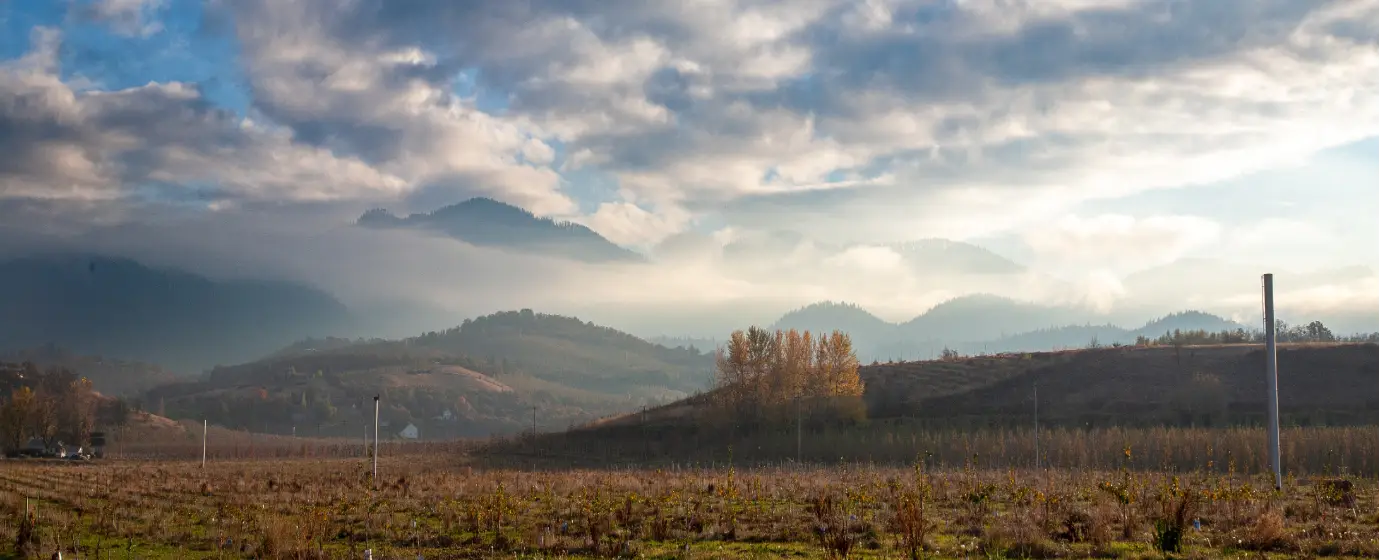
Most towns of fewer than 3,000 people don't have a nationally recognized concert amphitheater, a 1,100-acre forest park one mile from downtown, and 18 miles of all-weather trails walkable from the historic district. Jacksonville, Oregon — population 2,991 — has all three, and that outdoor-cultural combination is the real reason so many people making the move from the Bay Area or the Willamette Valley settle here rather than in larger, cheaper Medford just about 15 minutes to the east.
The outdoor infrastructure here is disproportionate to the city's size because it was built by residents for residents — largely by the Jacksonville Woodlands Association, a volunteer group that has preserved 22 parcels of forested open space totaling 320 acres and constructed connecting trails surrounding roughly 70% of the historic district. Conservation easements on city-owned parcels within that system are held by the Southern Oregon Land Conservancy. This is not a parks-and-rec department running on a city budget; it is a community that decided the hills around town were worth protecting and then did the work.
Daily life here reflects it. On a weekday morning you can walk from the historic district directly onto the trail network, pass through gold-mining terrain and old-growth conifers, and be back in time for coffee. Summer evenings mean blankets on the Britt hillside lawn listening to jazz or blues under the pines. The city gets 199 sunny days a year — dry enough that even the winter trails stay passable — and the Siskiyou Mountains visible from the upper ridgelines are a constant reminder of how much larger wilderness lies within a short drive.
Whether you're deciding whether to buy here or already under contract, the sections below break down Jacksonville's trail systems and woodlands, in-town parks, the Britt Pavilion experience, and the regional water and outdoor resources that make this corner of Southern Oregon genuinely different from anywhere else in the state.
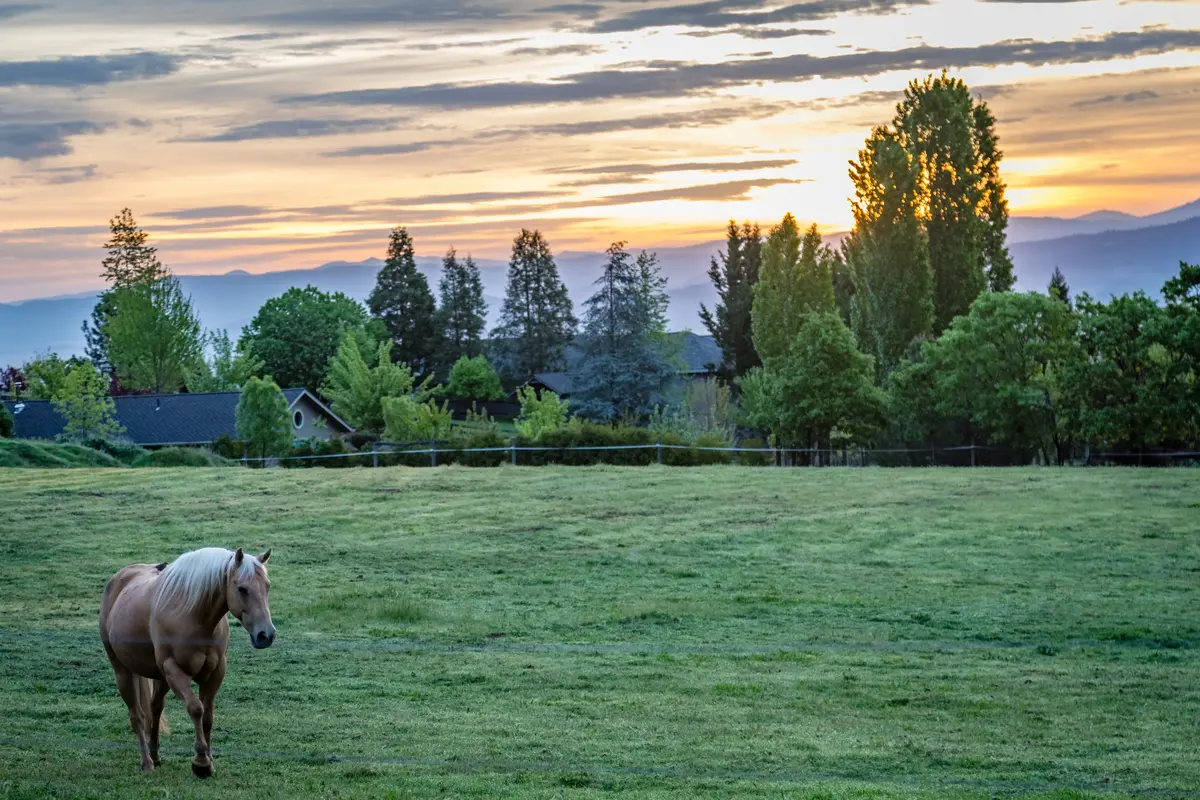
Jacksonville Woodlands & Forest Park: The Trail Network That Defines the City
Jacksonville's trail system is the first thing serious buyers ask about and the last thing people who leave say they miss. The Jacksonville Woodlands Historic Natural Park and Trail System offers 15 all-weather routes covering more than 18 miles, all accessible on foot directly from downtown — a rare quality in a small Oregon city where most outdoor access requires a car.
The trails range from gentle interpretive walks to ridge climbs, and they pass through terrain that tells the area's complete history. The 4-mile Jacksonville Woodlands History Loop connects Peter Britt Gardens to the Beekman House, drops through the Historic Rich Gulch Mining District, and skirts the Chinese Diggings — remnants of the gold-rush-era hydraulic mining that built this town. In spring, watch the slope edges carefully: the endangered Fritillaria gentneri lily blooms along these trails, one of the rarer wildflower sightings in Southern Oregon.
The Sarah Zigler Interpretive Trail
The Sarah Zigler Interpretive Trail — one of the oldest routes in the system — starts near the Britt Gardens hillside and runs approximately 0.66 to 0.75 miles through forested terrain with self-guided nature signage. Paper trail maps are available at the trailhead, which matters more than it sounds: cell service on the wooded hillside sections is inconsistent, and a paper map is faster than waiting for a GPS fix.
Forest Park: Where the Scale Changes
About one mile from downtown, Jacksonville Forest Park expands the picture dramatically. The park spans approximately 1,100 acres in the Jackson Creek Watershed and carries over 38 miles of trails maintained by volunteers trained to International Mountain Bicycling Association (IMBA) standards, plus an additional four miles of mountain-biking-only routes. Canyon routes follow three converging streams through shaded couloirs; ridge climbs open into panoramic views of the Siskiyou Mountains, the Upper Bear Creek Valley, and on clear days, the Cascade Crest.
The park also contains remnants of historic gold mines, an old reservoir, and interpretive markers — meaning a long loop here doubles as a geology and history lesson. Families with older children use Forest Park as an after-school destination. Serious mountain bikers use it all week. The trailhead is close enough to the historic district that it never feels like a committed excursion, which is the whole point.
One thing newcomers underestimate: the vertical. Jacksonville sits at roughly 1,500 feet elevation, and the ridge trails gain another 500 to 700 feet. If you're moving from a flat metro area, plan a couple of weeks to calibrate your effort expectations before committing to the longer loops.
| Trail / Area | Distance | Character | Best For |
|---|---|---|---|
| Jacksonville Woodlands System (all trails) | 18+ miles total | All-weather, forested, interpretive | Families Nature |
| History Loop | 4 miles | Mining district, Britt Gardens, Beekman House | Nature Walkable |
| Sarah Zigler Interpretive Trail | 0.66–0.75 miles | Self-guided, near Britt hillside, flat-ish | Families Quiet |
| Forest Park (multi-use) | 38+ miles | Canyon streams, ridge climbs, Siskiyou views | Nature Views |
| Forest Park MTB routes | 4 miles (bike-only) | IMBA-standard, technical sections | Nature |
| Creekside Park (Jackson Creek) | Short walking path | Bench, creek, pocket park in town | Quiet Walkable |
Jackson Creek itself flows through the center of town, forming from the three streams that converge inside Forest Park. Creekside Park — a small pocket park along the creek — offers a bench, a walking path, and enough quiet that it genuinely feels removed from the street noise of the historic district even though it isn't far.
In-Town Parks: What Jacksonville Has Built for Daily Life
For a city of 2,991, Jacksonville keeps its in-town park infrastructure focused: two primary parks, each built around a different user, and a trail network that effectively serves as the city's greenway system.
Doc Griffin Park
Doc Griffin Park is downtown Jacksonville's family anchor. The park features a large playground structure, a picnic pavilion, restrooms, and a Spray Park — a ground-level water play area that becomes a primary warm-weather gathering spot through the warmer months. For parents with younger children, the Spray Park is a genuine summer fixture: low-key, walkable from much of the historic district, and reliably popular on hot afternoons when the trails feel like work rather than recreation.
Pheasant Meadow Park
Pheasant Meadow Park, in the Pheasant Meadows neighborhood, serves a different crowd. The park includes pickleball and tennis courts, a playground structure, picnic tables, a gazebo, and a drinking fountain. It draws active adults who want a low-stakes game on a weekday afternoon and families with school-age kids who want structured space beyond the trails.
Pickleball's presence here is notable: in a small town where social life tends to concentrate around a handful of recurring activities, a working court matters more than it would in a city with fifteen alternatives.
What the System Reflects
Jacksonville's park infrastructure is oriented toward outdoor and active use rather than facility-based recreation. The trail network, the Spray Park, the courts at Pheasant Meadow, and the natural setting of Forest Park collectively cover most of what residents use in a typical week. For anything more facility-intensive, the short drive to Medford — about 15 minutes east — gives access to full-scale recreational infrastructure. Most residents treat that split as a feature: the daily outdoor life happens here, the occasional gym visit or lap swim happens there.
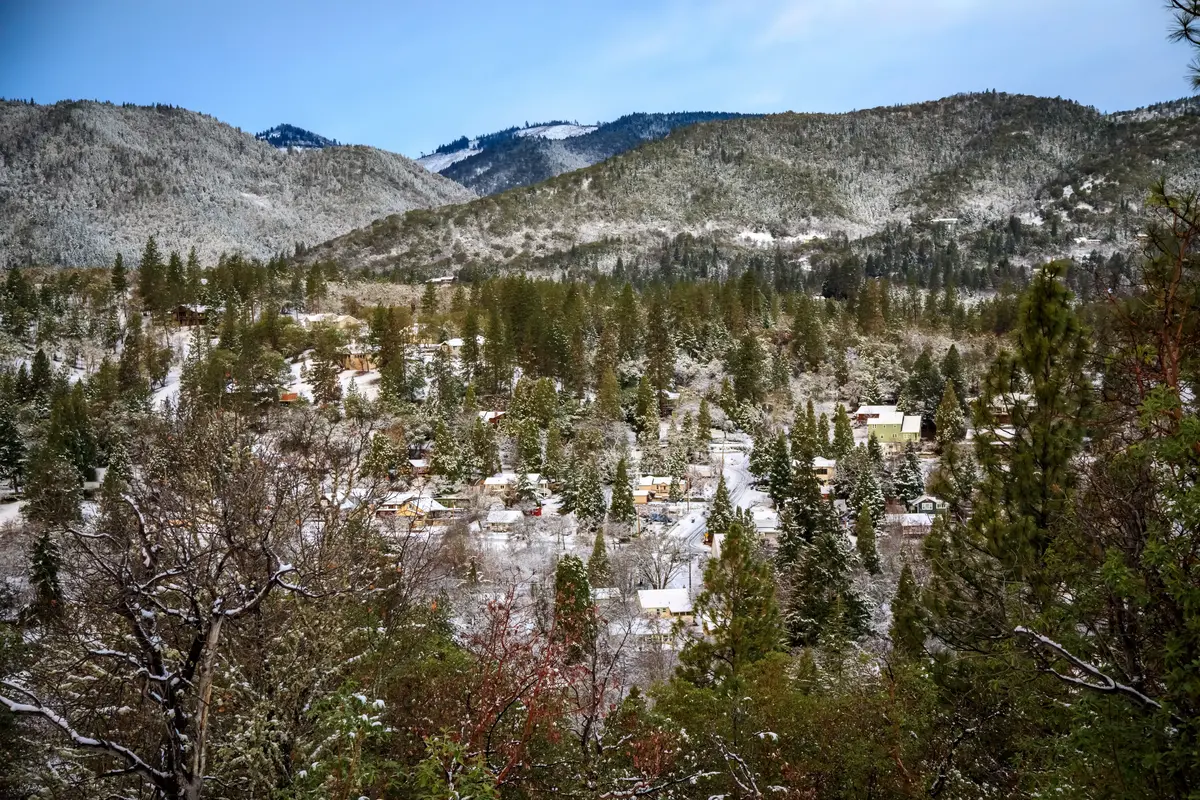
Britt Pavilion: The Concert Series That Defines the Summer
The Britt Music & Arts Festival is not an amenity you visit once and check off. For Jacksonville residents, it is a seasonal rhythm — a reason to own a good blanket, a low-slung chair, and a flexible dinner plan from June through September. The festival was founded in 1963 and organizers describe it as the Pacific Northwest's premier outdoor summer performing arts festival.
The venue is the thing that makes it specific to this city and unreplicable anywhere else. Britt Pavilion sits on the historic hillside estate of 19th-century photographer Peter Britt, in a naturally formed amphitheater sheltered by ponderosa pines and native madrones. Reserved bench seating and open lawn areas accommodate 2,200 people. The lawn side is where Jacksonville residents tend to gather — it is informal, it is social, and it smells like pine resin on a warm evening in a way that no indoor venue can approximate.
The programming scope is genuine. Each season has featured the Britt Festival Orchestra alongside classical, jazz, blues, folk, bluegrass, world music, pop, and country acts across the full June-through-September run — a breadth that keeps the calendar interesting for residents rather than just drawing destination visitors.
One thing first-year residents don't anticipate: how fully the Britt calendar structures summer social life. New arrivals who move in May are often surprised to find that by July, dinner plans, weekend calendars, and even guest visits from out of town are organized around the lineup. It is not an occasional night out; it becomes the season's spine.
Looking to buy in Jacksonville? Estimate your payment.
Enter your numbers to see an estimated monthly mortgage payment.
Estimate only. Excludes HOA fees and mortgage insurance. The interest rate above is a starting point, not a quoted rate — replace it with your own to see real numbers. Insurance is a flat placeholder, not a Jacksonville quote.
Regional Water & Day-Trip Recreation: Applegate Lake and Beyond
Jacksonville's in-town recreation is remarkable for a city its size, but the regional picture is what makes the Southern Oregon location genuinely compelling. Within a day-trip drive, residents have access to a major reservoir, significant national forest land, and the outdoor infrastructure of the broader Rogue Valley.
Applegate Lake
Applegate Lake is the primary water destination for Jacksonville residents willing to make the drive into the Rogue River–Siskiyou National Forest. The reservoir — 988 acres, formed in 1980 by the Army Corps of Engineers — offers swimming, kayaking, paddleboarding, canoeing, and motorized boating under a 10-mph speed limit that keeps the water calm enough for beginners. The shoreline trail runs approximately 18 miles around the perimeter.
For fishing, the lake is stocked annually with approximately 120,000 rainbow trout and 50,000 young Chinook salmon, and it also holds smallmouth bass, largemouth bass, and crappie. Applegate Lake is a regional resource, not a neighborhood amenity — plan it as a half-day or full-day trip rather than a quick after-work stop. Families moving here from coastal Oregon sometimes find the lake fills the role the coast used to play: the dedicated water day, the long-weekend anchor.
The Broader Regional Context
The Rogue Valley puts Jacksonville within reach of Crater Lake National Park, the Rogue River itself for rafting and fly fishing, Mount Ashland for skiing in winter, and the Oregon Caves National Monument. None of these are in Jacksonville — they are what living in this part of Southern Oregon means access to. Ashland, about 15 miles south, adds the Oregon Shakespeare Festival's year-round programming to the cultural calendar.
For buyers considering how outdoor life in Jacksonville fits into a larger Oregon lifestyle, the answer is that Jacksonville's trails and parks are the daily layer, and the regional Siskiyou and Cascade terrain is the weekend layer.
| Recreation Type | Where | Notes |
|---|---|---|
| Hiking (all-weather, walkable) | Jacksonville Woodlands System | 18+ miles from downtown |
| Mountain biking | Forest Park | 38+ miles, IMBA-standard, 4 mi bike-only |
| Creek walking / pocket park | Creekside Park | Jackson Creek corridor in town |
| Water play (warm months) | Doc Griffin Park Spray Park | Ground-level spray area; walkable from downtown |
| Pickleball & tennis | Pheasant Meadow Park | In the Pheasant Meadows neighborhood |
| Swimming, kayaking, fishing | Applegate Lake | ~30-mile drive; stocked trout and salmon |
| Live outdoor concerts | Britt Pavilion | June–September; 2,200 seats + lawn |
What residents who stay long-term consistently say is that the recreation here rewards low-effort consistency more than big-expedition planning. The trails are out the back door. The Britt concerts are a walk from downtown. The lake is a weekend decision, not a logistics project.
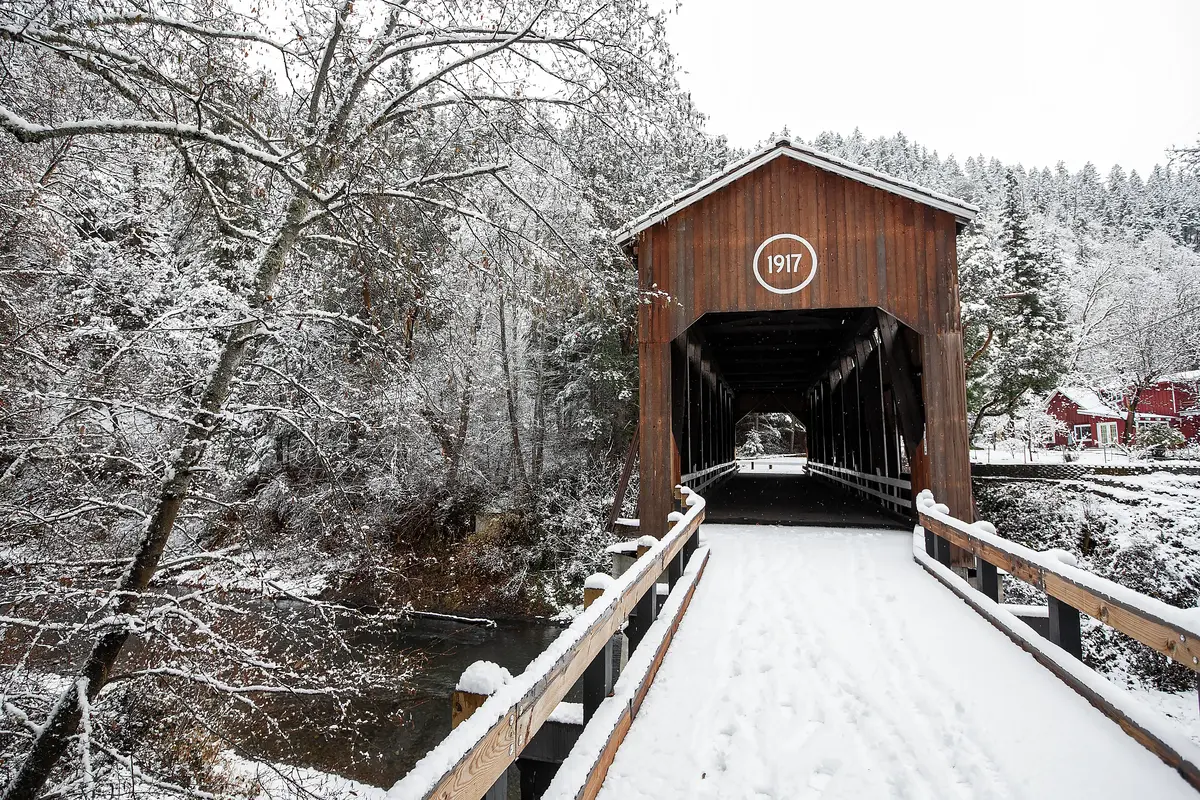
Local Expert Takeaway: Jacksonville's outdoor life is structured in layers that suit different days and different energy levels. The Jacksonville Woodlands trail network and Forest Park handle the daily routine — reachable on foot, all-weather, genuinely varied. The Britt Pavilion concerts define summer evenings in a way that no streaming service or indoor venue can replicate. Doc Griffin Park and Pheasant Meadow Park cover the in-town active needs, from the Spray Park on a hot afternoon to a pickleball match on a weekday. Applegate Lake and the surrounding Rogue River–Siskiyou National Forest fill the weekend gap. For buyers who prioritize outdoor access, this is one of the most disproportionately well-served small cities in Oregon — the trail system alone is more extensive than what most towns ten times the size maintain.
Quick Takeaways & FAQs
✅ The Jacksonville Woodlands system offers 18+ miles of all-weather trails walkable from downtown — maintained largely by volunteers and protected by conservation easements held by the Southern Oregon Land Conservancy.
⚠️ Doc Griffin Park's Spray Park is a warm-weather gathering fixture for families, but residents who want more facility-intensive recreation — lap swimming, a full gym — make the short drive to Medford rather than finding it in town.
📍 Britt Pavilion's naturally formed hillside amphitheater among ponderosa pines has hosted the Britt Music & Arts Festival since 1963 — for residents, it becomes less an occasional night out and more the organizing structure of the summer social calendar.
Are the Jacksonville Woodlands trails accessible year-round?
What water recreation is available in and around Jacksonville?
How far is Applegate Lake from Jacksonville?
Is Jacksonville Forest Park good for mountain biking?
What is the Britt Music & Arts Festival, and does it actually affect day-to-day life in Jacksonville?
Moving to Oregon?
Tell us what you need help with and we'll connect you with local resources.
