
Maybe you have been priced out of your California market for a while and someone at Nike mentioned they were hiring in Beaverton. Maybe you have family already in the Portland area and the math on California stopped making sense years ago. Whatever the reason, you have probably already noticed that Beaverton looks dramatically cheaper on paper. That impression is largely correct — but the details are more complicated than a straightforward escape from California costs, and the things that will surprise you have nothing to do with housing prices.
Beaverton is a city of 97,812 sitting in Washington County on the west side of the Portland metro, separated from Portland by a ridge and connected to it by the MAX Light Rail. Nike's world headquarters anchors the local economy, and the city has built a real identity around that — tech-adjacent, internationally diverse (roughly a third of residents speak a language other than English at home), and genuinely family-oriented. The Beaverton School District, with 36,959 students enrolled in 2025-26, holds an A- rating, according to Niche, and draws families specifically because of it. Employers like Tektronix and Columbia Sportswear fill out the job base, and Intel's campus in nearby Hillsboro means high-paying semiconductor work is also within reach for residents commuting west rather than east.
The typical home in Beaverton sits at $527,947 (Zillow ZHVI, July 2026) — well below what most California markets require. Day-to-day costs follow a similar pattern: no sales tax on anything you buy, lower insurance premiums, and a commute that runs about 22 minutes to Portland without the freeway ritual that defines California metro driving. What you give up is California's sun: Beaverton averages 141 sunny days a year, and the gray winters are something every transplant mentions by February.
Whether you are comparing tax bills, researching neighborhoods, or trying to figure out whether your California equity makes you a cash buyer here, the sections below walk through exactly what the California-to-Beaverton move looks like on housing, taxes, lifestyle, employment, and the practical realities nobody warns you about.

The Housing Price Reality: California Equity in a Beaverton Market
The single biggest financial argument for moving here is how far your California equity travels. Beaverton's typical home price sits at $527,947 (Zillow ZHVI, July 2026). California's statewide typical home value of $773,735 (Zillow ZHVI) means a buyer selling out of the California market — even one of its less expensive corners — often arrives in Beaverton with a down payment that rewrites the math entirely.
That gap is significant in absolute terms, but what it means in practice depends on where you are coming from in California. Selling out of most coastal California markets and buying at Beaverton's typical price frequently leaves equity to spare. Even coming from a more modestly priced California inland market, you are likely stepping into a lower monthly obligation at current rates.
What Your Budget Actually Buys
Beaverton's price spread is real — the city is not uniformly affordable. Neighborhoods like Sexton Mountain and West Beaverton run above the city-wide typical home price, with newer construction, larger lots, and more finished square footage. Central Beaverton and Five Oaks come in below it, offering older stock and smaller footprints that are genuine entry points for buyers who are not arriving with California equity behind them.
Murrayhill, Cedar Hills, and Progress Ridge each carry their own character and their own buyer profile — for a full neighborhood breakdown, the best neighborhoods page covers what distinguishes them at street level. The short version: Beaverton does not have a single market. What you can buy at Beaverton's typical price is meaningfully different depending on which side of town you land on.
The Affordability Honest Note
One thing worth saying plainly: the median household income in Beaverton ($98,622) falls short of what it takes to carry the typical home here without a substantial down payment. That gap matters most for buyers who are not bringing California equity into the transaction. If you are relocating without significant proceeds from a California sale, the math is tighter than the sticker price suggests.
Buyers navigating that situation have options — the first-time homebuyer page covers Oregon-specific programs worth knowing about. But it would be dishonest to frame Beaverton as broadly affordable without acknowledging that the income-to-price relationship is strained even here.
The Tax Picture: What California Transplants Get Wrong
This is where expectation and reality diverge the most sharply, and getting it wrong costs real money. The headline that Oregon's top income tax rate is 9.9% versus California's top state income tax rate of 13.3% sounds like a clear win — and at the very highest income levels, it is. But that comparison describes the experience of maybe one percent of earners.
The Income Tax Reality for Most Earners
Oregon's brackets are compressed steeply and kick in early. A single filer earning around $125,000 is already near Oregon's top marginal rate — a threshold that in California still sits in a much lower bracket. For most earners moving from California, Oregon's income tax burden is actually higher, not lower. The break-even point where California's top rate of 13.3% begins to cost more than Oregon's falls somewhere above $725,000 in income — territory very few transplants occupy.
Oregon does offer one partial offset: state law allows taxpayers to deduct a portion of federal income taxes paid from their Oregon taxable income. That deduction phases out entirely for joint filers with federal adjusted gross income above $290,000, so it helps middle-income earners more than high earners. A California filer used to thinking of state income tax as a California-specific burden should treat Oregon's tax as a genuine line item — not a relief.
Where California Transplants Actually Win on Taxes
Oregon has no sales tax. None — not state, not local. California's statewide base sales tax rate of 7.25% applies to most purchases, and local additions push the effective rate in most California cities well above that baseline. The savings on a normal household's spending are immediate, visible, and substantial. Every car purchase, appliance, piece of furniture, and tech upgrade that would have carried a sales tax in California does not carry one here.
Property taxes sit between the two states rather than firmly on one side. California's effective property tax rate of 0.71% (Tax Foundation) benefits long-term California homeowners enormously because of Proposition 13's assessment freeze — but new California buyers assessed at current values get that rate applied to a much larger base. Beaverton's effective property tax rate is 0.84%, applied to a dramatically lower purchase price. For most transplants buying in Beaverton, the annual property tax bill is meaningfully lower in dollar terms, even though the rate is modestly higher.
| Tax Type | California | Beaverton / Oregon | Honest Verdict |
|---|---|---|---|
| Top State Income Tax Rate | California's top state income tax rate of 13.3% | 9.9% (top bracket) | Oregon wins at highest incomes only; most earners pay more in Oregon |
| Sales Tax | California's statewide base sales tax rate of 7.25% (higher with local additions) | None | Clear, immediate win for Oregon |
| Effective Property Tax Rate | California's effective property tax rate of 0.71% | 0.84% | Rate is slightly higher in Oregon; dollar bill is lower on a lower purchase price |
| Federal Tax Deduction | Not available | Partial deduction of federal taxes paid; phases out above $290K AGI (joint) | Modest Oregon benefit for middle earners |
| Overall Tax Picture | Lower income tax for most; higher sales tax; lower property tax rate | Higher income tax for most; no sales tax; slightly higher rate | Oregon is not a tax haven — it is a lifestyle trade |
The honest summary: Californians moving to Beaverton primarily for tax savings are making a calculation that only holds at the very highest income levels. Those moving for housing value and quality of life are making a calculation that holds across almost every income bracket.
What Daily Life Actually Costs (and Where It Surprises You)
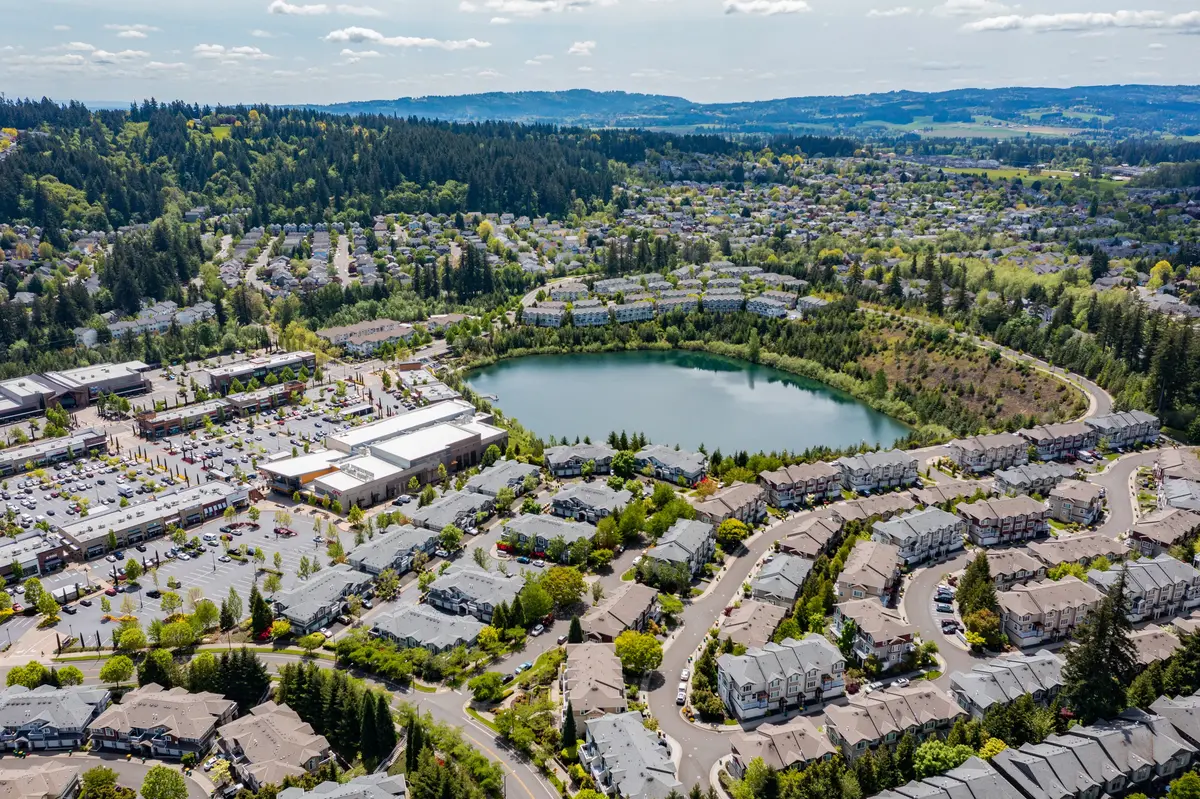
Beyond the headline numbers, day-to-day cost of living in Beaverton is genuinely lower than California's major metros — not slightly, but measurably. The comparison versus Los Angeles is particularly stark. For a more detailed breakdown of utilities, groceries, and transportation costs, the cost of living page walks through the line items.
The Grocery and Retail Difference
No sales tax changes the experience of buying anything significant. A new laptop, a refrigerator, a car — all of these arrive at the checkout at the sticker price. Californians in their first year here consistently describe the feeling as disorienting in the best possible way. Grocery costs are broadly comparable to California's mid-tier markets, though without the tax layer that California applies to certain prepared items.
Beaverton is well-stocked with everyday retail. Washington Square Mall handles the conventional anchors. The Beaverton Farmers Market, operating through the warm months, draws a genuinely loyal crowd and reflects the city's agricultural-adjacent identity — Washington County still has working farms on its western edges, and what ends up at that market reflects it.
The Healthcare Cost Trade-off
Health insurance premiums run noticeably below what most Californians were paying, particularly for those who were buying individually on the California exchange. The honest trade-off is that you will drive farther for specialized care than California's denser metro medical infrastructure made necessary — that is worth factoring in if your situation calls for frequent specialist visits. The retiring page covers the regional healthcare picture in more detail.
The Weather Nobody Warns You About
Beaverton averages 141 sunny days a year. That number does not fully prepare you for what a Portland-area winter feels like on the ground. The gray is not dramatic — no blizzards, no ice storms most years — but it is persistent and months-long. Transplants from California mention it by the second February, and some leave because of it. The flip side is that summers in Beaverton are genuinely spectacular: warm, dry, and rarely humid, with the Cascades accessible on a day trip and the coast within two hours.
The seasonal quirk that catches people off guard is not the rain itself — it is the low cloud ceiling that can make the whole region feel overcast for six weeks at a stretch without a heavy rainfall day. Californians used to measuring winter by storm events are not ready for the gray.
Looking to buy in Beaverton? Estimate your payment.
Enter your numbers to see an estimated monthly mortgage payment.
Estimate only. Excludes HOA fees and mortgage insurance. The interest rate above is a starting point, not a quoted rate — replace it with your own to see real numbers. Insurance is a flat placeholder, not a Beaverton quote.
Employment: Where California Tech and Apparel Workers Land
Beaverton's employer base reads like it was assembled for California transplants in tech and apparel. Nike's world headquarters sits in the city, and the employment ecosystem it anchors includes roles across design, technology, supply chain, and corporate functions that are genuinely competitive with California equivalents. Tektronix and Columbia Sportswear fill adjacent sectors. Intel's large campus in nearby Hillsboro extends the high-paying tech base west of Portland, making Beaverton a practical home base for semiconductor and engineering professionals as well.
For a fuller picture of the employment landscape, including remote-work trends and commute patterns across the metro, the living in Beaverton page covers it in depth.
Transit That California Transplants Will Recognize
One of Beaverton's less obvious advantages for California tech workers is its transit infrastructure. The MAX Light Rail connects directly from Beaverton Transit Center into Portland, and a station sits near Nike's campus — making a car-light commute genuinely practical in a way that most Oregon suburbs do not offer. The Beaverton Transit Center also serves as the terminus of the WES Commuter Rail line running south to Wilsonville. For Bay Area transplants accustomed to BART or Caltrain, the scale is smaller but the concept is familiar.
Portland itself is about 22 minutes by car from central Beaverton — a drive that, outside of peak rush windows, is considerably more predictable than most California corridor commutes. US-26 (Sunset Highway) carries the primary east-west load, and OR-217 handles the north-south connection to Tigard and the southern suburbs.
The Remote Worker Reality
A meaningful share of California transplants bring their employer with them rather than switching jobs. Beaverton's infrastructure supports that: reliable fiber internet, the Patricia Reser Center for the Arts and other civic anchors that make the city feel like a real place rather than a bedroom community, and a downtown core at The Round at Beaverton Central that is still developing but already functional for daily life without a commute.
What to Know Before You Commit: Friction Points and Honest Trade-offs
California transplants to Beaverton break into two groups after about a year: those who feel they left too late, and those who genuinely miss California in ways they did not anticipate. The divide is real, and it is worth being honest about what drives it.
What You Will Not Find Here
Beaverton is not Portland, and the distinction matters. The dining density, nightlife, and cultural programming that define close-in Portland neighborhoods are a MAX ride away — but they are not walkable from most Beaverton addresses. A California transplant used to living within blocks of everything will find Beaverton requires more intentionality. Most errands need a car. The city is actively developing its downtown core around The Round at Beaverton Central, and the Patricia Reser Center for the Arts has genuinely elevated the cultural offering, but this is still a city where you plan outings rather than stumble into them.
The outdoor infrastructure is strong — Tualatin Hills Nature Park, Cooper Mountain Nature Park, Fanno Creek Greenway Trail, and Greenway Park give Beaverton a green-space presence that most California suburbs cannot match. But the mountains and coast that define Pacific Northwest outdoor life require a drive. If you are expecting California's immediacy of access to urban amenities, Beaverton will feel like a step back in that specific dimension.
Why Some People Move Back
The gray winters claim a real share of transplants within three years. It is not a dramatic climate — it is a persistent one, and persistent gray is harder to adapt to than dramatic storms. The other honest reason people leave is professional: Beaverton's employer base is deep for tech and apparel, but narrow for almost everything else. A California professional in finance, entertainment, or specialized law will find fewer local options and may eventually follow the work back.
The Safety Context
Beaverton carries a violent crime rate of 4 per 1,000 residents and a property crime rate of 26 per 1,000 residents — context worth having before you arrive. For more on how those figures compare across neighborhoods, the safety page has the full breakdown. The city is generally considered among the more stable in the metro, but property crime — particularly vehicle-related — is something residents mention when asked what they wish they had known.
The Migration Momentum
California has consistently been the single largest source of inbound movers to Oregon, and Beaverton has absorbed a meaningful share of that growth. That momentum has real consequences for buyers: demand is not softening, well-priced homes rarely sit, and the California-equity advantage is most powerful when used decisively rather than cautiously.
For buyers still weighing nearby options, Hillsboro carries a typical price roughly comparable to Beaverton's, Tigard runs somewhat higher, and Portland comes in at about the same level. The differences between those cities — commute, culture, school district — matter more than the price gap at the entry level, and those distinctions are worth working through before you commit to a specific corridor.
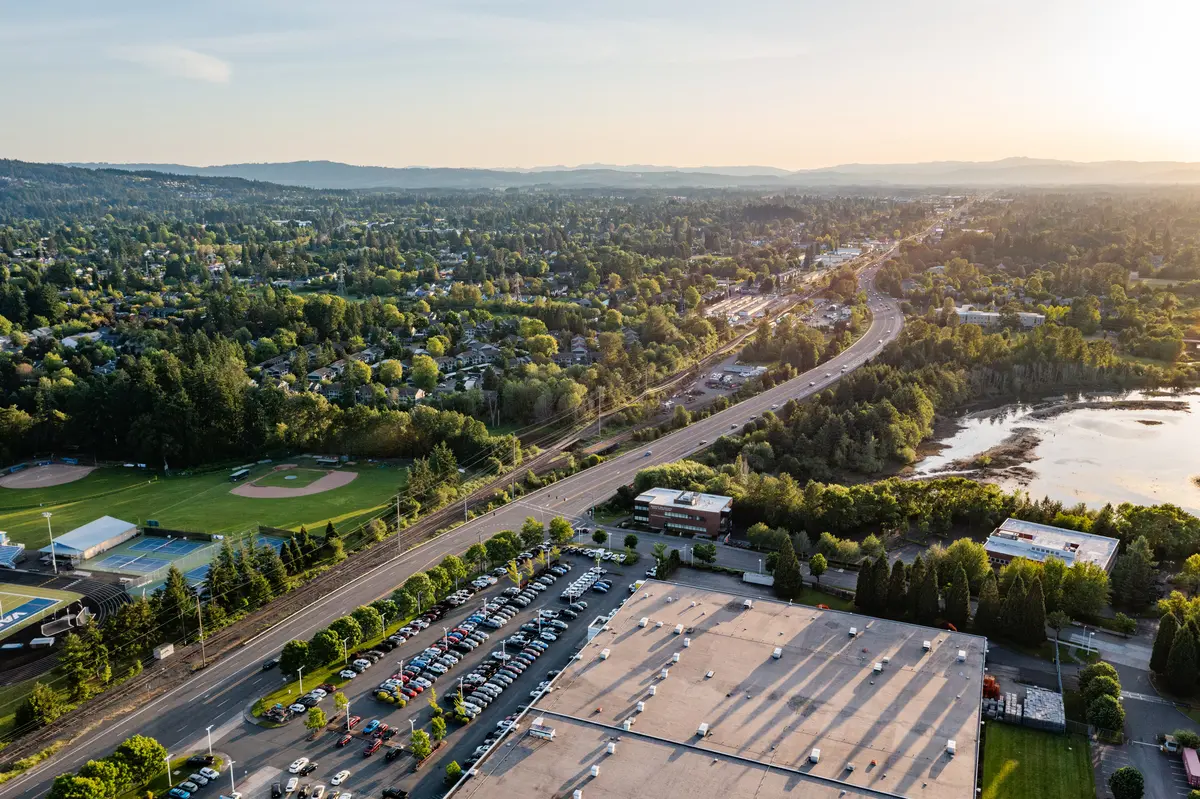
Local Expert Takeaway: Beaverton is where California equity goes a long way and where the gray winters sort the committed from the curious. The sales-tax elimination is real and immediate. The income-tax savings most Californians expect are not — Oregon's brackets hit hard before you hit six figures, and that surprises almost every transplant. What actually makes the move make sense is the combination: a $527,947 typical home price in a city with Nike, Tektronix, and a MAX line that puts Portland 22 minutes away. Come for the housing math, stay for the summers and Tualatin Hills Nature Park. But know what February looks like before you close.
Quick Takeaways & FAQs
✅ California equity typically makes Beaverton's $527,947 typical home price (July 2026) a step down in payment, not just a step down in price.
⚠️ Oregon has no sales tax, which is an immediate win — but most Californians will pay more in state income tax than they did at home, not less, because Oregon's brackets compress steeply below six figures.
📍 Beaverton is drawing a substantial share of California's outbound movers, which means demand from other California buyers is already priced into the market.
Is Beaverton actually cheaper than California to live in?
What is the income tax difference between California and Oregon?
How does property tax compare between Beaverton and California?
What are the best Beaverton neighborhoods for California transplants?
Is Beaverton a good fit for California tech workers?
Moving to Oregon?
Tell us what you need help with and we'll connect you with local resources.
