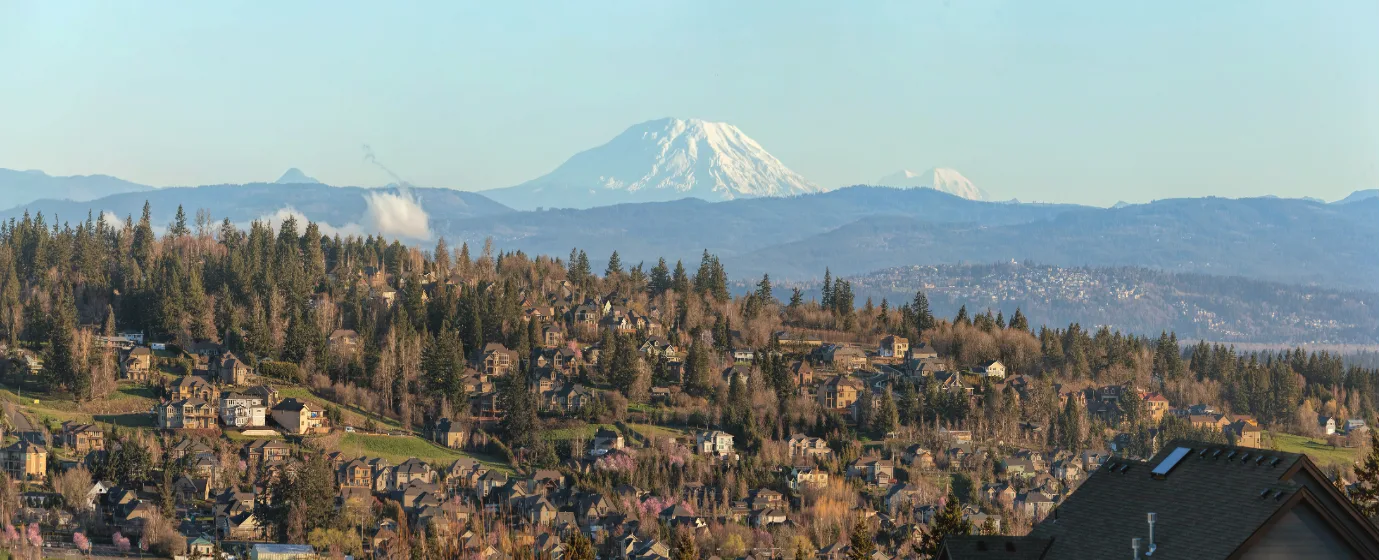
People moving to Happy Valley from denser Portland neighborhoods are often surprised by how much forest they find inside the city limits. This is not a suburb that traded green space for cul-de-sacs — it is a city of 26,738 people where two Metro-managed nature parks sit within a few miles of each other, both rooted in the same ancient Boring Lava Field geology that shaped the entire Portland Basin. Mount Talbert and Scouters Mountain are not greenbelts or manicured city parks; they are genuine forested buttes with elevation, wildlife, and a real sense of being outside urban life even when you are, technically, very much inside it.
The outdoor infrastructure here is managed across two overlapping systems. Metro, the regional government, owns and operates the two signature nature parks. The North Clackamas Parks & Recreation District (NCPRD) handles the rest — more than 38 parks and 25 natural areas across a 36-square-mile service area, including Hidden Falls Nature Park and the 24-acre Happy Valley Park at the center of the city's community life. That split matters practically: Metro parks have stricter habitat protection rules (no dogs at either butte), while NCPRD parks tend to be more amenity-rich and pet-friendly. Knowing which system a park belongs to tells you what to expect before you arrive.
Outdoor access shapes why many families choose Happy Valley over comparable suburbs. The city sits about 25 minutes to Downtown Portland, but daily life here does not require going in that direction — trails, sports fields, a nationally recognized all-abilities playground, and a wetland boardwalk are all within the city. The tradeoff is that Happy Valley's recreation is largely trail-and-park-based; there is no river frontage, no lake swimming, and no large athletic complex in the traditional sense. What it does offer, it does at a genuinely high level.
Whether you are evaluating the move for your family or just trying to understand what weekends actually look like here, the sections below break down each of Happy Valley's signature parks, the trail connections between them, the seasonal recreation calendar, and what the North Clackamas Parks & Recreation District brings to the picture beyond hiking.
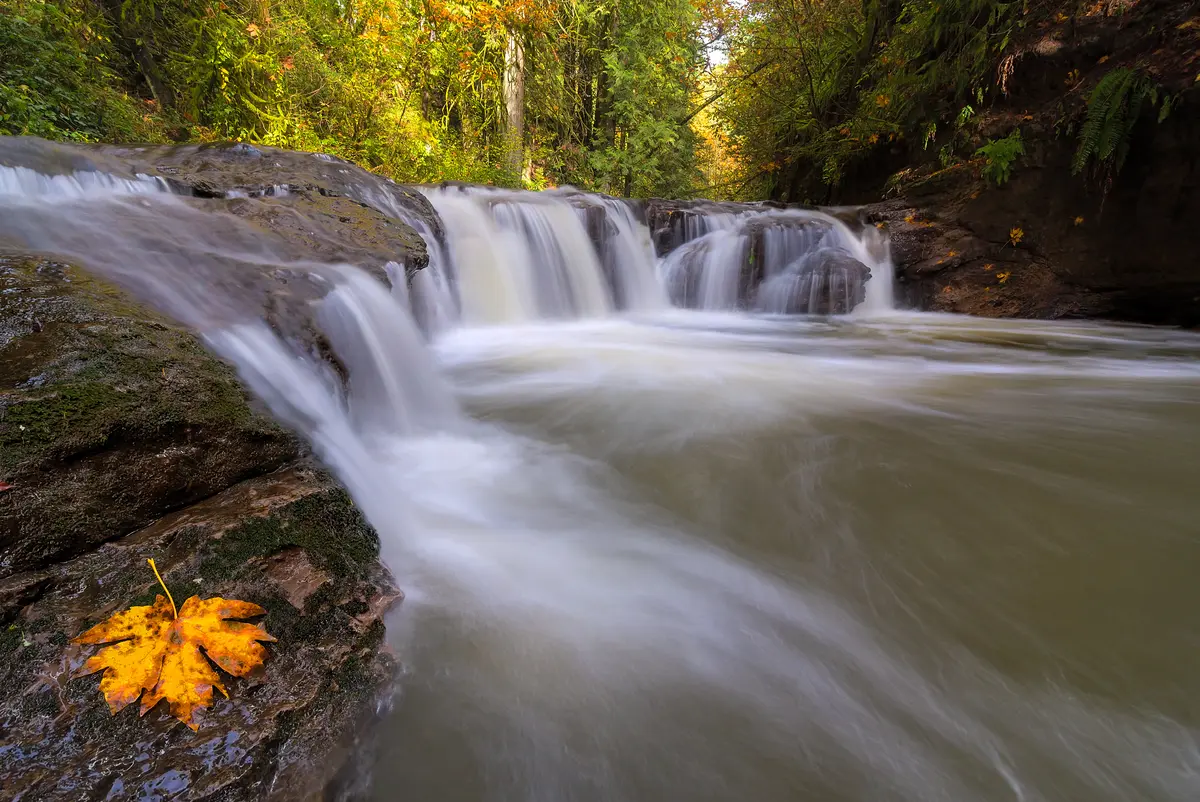
Mount Talbert and Scouters Mountain: The Volcanic Buttes
Happy Valley sits on the remnants of the Boring Lava Field, and that geology created two forested buttes that are now the most distinctive outdoor assets in the city. Mount Talbert Nature Park and Scouters Mountain Nature Park are both Metro-managed, both free to enter, and both built on extinct volcanic landforms — but they offer meaningfully different experiences.
Mount Talbert: The Bigger Climb
At 200 acres, Mount Talbert is the larger of the two. Its trail network covers more than 4 miles, ranging from a flat, gravel-lined prairie loop around the base to steep single-track paths leading to a 750-foot summit with about 600 feet of total elevation gain. The full Park Loop runs roughly 3.1 miles. Named trails include the Summit Trail and the West Ridge Trail, and interpretive signs along the route explain the park's oak woodland restoration, a project underway since 2005.
Spring is Mount Talbert's showiest season. Because it functions as an island of natural habitat surrounded by suburban development, the park draws migrating songbirds in numbers that genuinely surprise first-time visitors — warblers, vireos, orioles, and tanagers move through, alongside wildflowers including white fawn lily and common camas in the park's wet meadows. Birders who grew up hiking the coast or the Cascades find the spring migration window here unexpectedly good.
One hard rule: no dogs. Metro prohibits them at Mount Talbert to protect the sensitive habitat. This catches relocating buyers off guard more than almost anything else about the park — if trail time with your dog is a daily priority, plan for Hidden Falls or Happy Valley Park instead.
Scouters Mountain: Shorter, Gentler, Still Worth It
Scouters Mountain is 100 acres on an extinct basalt lava dome, opened in 2014 through a purchase partnership between Metro, the City of Happy Valley, and NCPRD. The trees here are the story: some Douglas firs in the park are more than 200 years old, which means they predate the city, the county, and Oregon statehood.
The primary route is the Boomer Trail loop, roughly 1.2 miles through old-growth canopy, ascending to a summit clearing with a direct view of Mount Hood on clear days. For families with younger kids, this is the right introduction to elevation hiking — the distance is manageable, the payoff is real, and the paved Lava Dome Trail offers a quarter-mile wheelchair-accessible option that circles the summit area. No pets or bicycles on any Scouters Mountain trail.
Together, the two parks give Happy Valley a trail profile that most suburbs twice its size cannot match. The combined informal out-and-back linking Happy Valley Park's wetland boardwalk to the Scouters Mountain system covers roughly three miles — flat wetlands to forested ridge to a Mount Hood summit view, without leaving the city.
| Park | Acreage | Trail Miles | Summit Elevation | Dogs Allowed | Best For |
|---|---|---|---|---|---|
| Mount Talbert Nature Park | 200 acres | 4+ miles | 750 ft | No | Nature Views |
| Scouters Mountain Nature Park | 100 acres | 1.2 miles (Boomer Trail) | Unlisted, direct Hood view | No | Families Nature |
| Hidden Falls Nature Park | 21.3 acres | 0.84 miles | Flat | Yes | Families Quiet |
| Happy Valley Park | 24 acres | 0.75 miles (paved loop) + 0.3-mile boardwalk | Flat | Yes (dog park) | Families Walkable |
Hidden Falls and Happy Valley Park: Where Daily Life Happens
The Metro buttes get most of the attention, but the parks where Happy Valley residents spend their ordinary weekday afternoons and weekend mornings are Hidden Falls Nature Park and Happy Valley Park — both flatter, both more accessible, and both designed for the full range of the city's population.
Hidden Falls Nature Park: Rock Creek and a Real Waterfall
Hidden Falls is 21.3 acres of wooded natural area managed by NCPRD. Its 0.84-mile multi-use paved trail crosses Rock Creek on a timber bridge and passes a 15-foot natural waterfall — not a dramatic cascade, but legitimately scenic for a park this size and this close to everyday residential streets. The trail is wheelchair-accessible and dog-friendly, with two access points on opposite sides of Rock Creek.
For families who want a short nature walk without the no-dog rule or the elevation commitment of the Metro buttes, Hidden Falls fills that gap cleanly. The waterfall is most impressive in late fall and winter when creek levels are high — by August it quiets down considerably. That seasonal shift is worth knowing before you plan a summer visit expecting something dramatic.
Happy Valley Park: The Social Center
Happy Valley Park is the civic heart of outdoor life here. The 24-acre city-owned park has baseball and soccer fields, tennis courts, a skate area, a dog park, and a splash pad that runs through the warm months. Its all-abilities playground holds a National Demonstration Site designation, with poured-in-place rubber surfacing throughout both play areas — a facility that families with children with mobility challenges specifically seek out when evaluating the city.
The wetland side of the park is quieter and ecologically richer than most people expect from a city park. A 0.3-mile boardwalk runs along Mount Scott Creek through wetland habitat where hooded mergansers show up in winter and red-winged blackbirds take over in spring. A 0.75-mile paved loop connects the broader park.
Happy Valley Park is also where the city gathers for its biggest community events — an annual Fourth of July celebration and a summer concert series both call the park home. If you want to understand the community texture of Happy Valley quickly after moving in, spending a warm evening at the park during a concert is the fastest way to do it. The park is genuinely busy on those nights, and most of the city seems to know it.
The North Clackamas Parks & Recreation District: Beyond the Trails
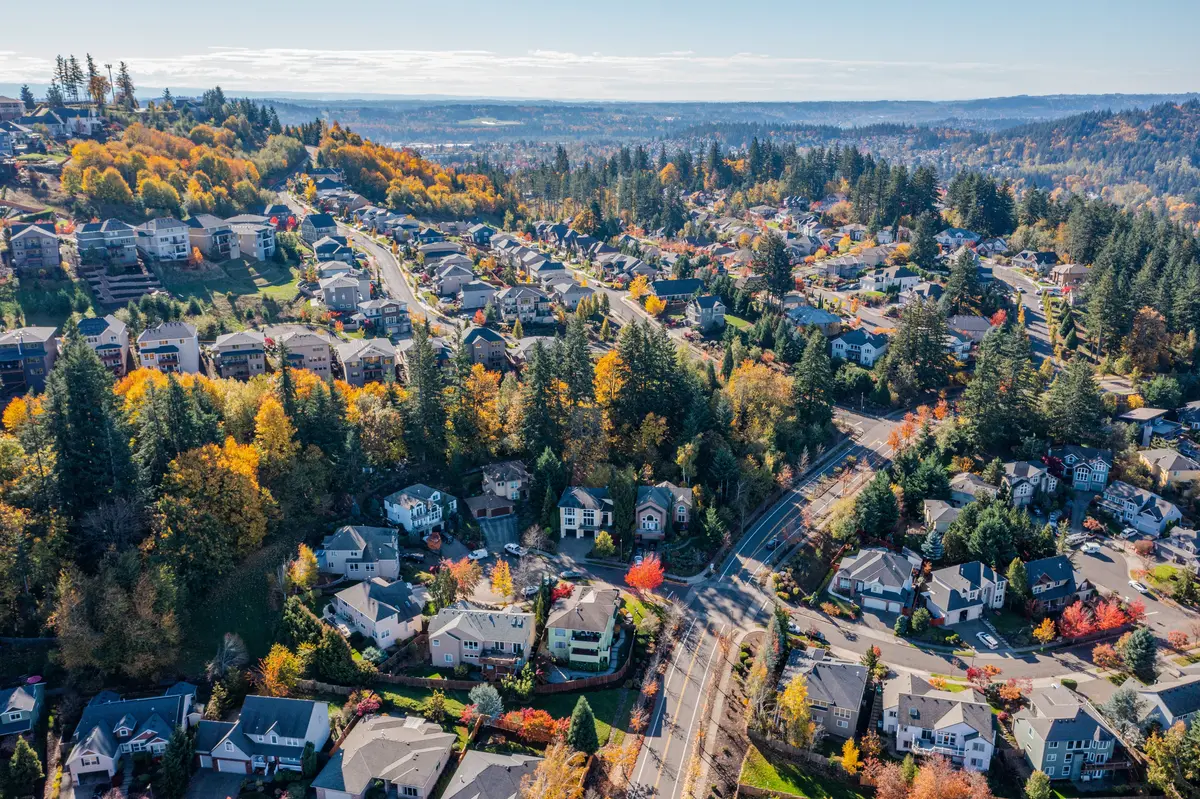
Hiking and nature parks are the headline, but the North Clackamas Parks & Recreation District runs the broader infrastructure that makes year-round recreation here practical. NCPRD's service area covers 36 square miles and more than 116,000 residents, operating more than 38 parks, 25 natural areas, and 15 miles of trails region-wide. Happy Valley sits inside that network, and residents access the full range of district programming.
What the District Actually Offers
Beyond the parks themselves, NCPRD runs youth classes, aquatics programs, sports leagues, and inclusive programs for participants with disabilities. A seasonal Discovery Guide is published each period with the current class and camp catalog — it is the practical tool for figuring out what is actually available and when registration opens.
Summer camps are a specific draw for families with school-age children. The district offers more than 30 summer camps for kids ages 3 through 18, spanning arts and crafts, science, cooking, sports, and dance. Registration opens separately for district residents, which is a meaningful advantage for Happy Valley families who are already inside the service boundary.
What This Means for Buyers Weighing the Move
One thing relocating families often ask about Happy Valley is whether the recreation infrastructure justifies the price point relative to nearby cities with more urban amenities. The short answer from people who live here: the parks do a lot of that work. You are not paying for proximity to Portland's entertainment district — you are paying, in part, for two Metro nature parks and a recreation district that runs a full program calendar without requiring you to drive out of the city for it.
The honest tradeoff is that Happy Valley's outdoor life is land-based. There is no river access, no lake for kayaking or paddling, and no swimming hole. Residents who want water recreation drive out — the Clackamas River is within reach, but it is not a Happy Valley amenity. For neighborhood-level breakdowns of which parts of the city sit closest to each park, that guide goes into the geographic specifics.
| Recreation Category | What's Available in Happy Valley | Notes |
|---|---|---|
| Hiking / Nature Trails | 4+ miles (Talbert), 1.2 miles (Scouters), 0.84 miles (Hidden Falls), 0.75 miles (HV Park loop) | Two Metro parks, two NCPRD parks |
| Dog-Friendly Trails | Hidden Falls, Happy Valley Park dog park | Metro buttes prohibit dogs |
| All-Abilities Access | Lava Dome Trail (Scouters), Hidden Falls trail, HV Park playground | National Demonstration Site designation at HV Park |
| Youth Sports Fields | Baseball, soccer, tennis at Happy Valley Park | NCPRD leagues available |
| Splash Pad | Happy Valley Park | Seasonal; warm months only |
| Skate Area | Happy Valley Park | City-managed |
| Summer Camps | 30+ NCPRD camps, ages 3–18 | District-resident registration priority |
| Water Recreation (lakes/river) | Not available within city limits | Clackamas River accessible outside city |
Looking to buy in Happy Valley? Estimate your payment.
Enter your numbers to see an estimated monthly mortgage payment.
Estimate only. Excludes HOA fees and mortgage insurance. The interest rate above is a starting point, not a quoted rate — replace it with your own to see real numbers. Insurance is a flat placeholder, not a Happy Valley quote.
Seasonal Recreation: What Each Season Looks Like Here
Happy Valley gets 142 sunny days a year — well below what the Pacific Northwest is sometimes marketed on — and the wet season is real and long. Understanding how that shapes outdoor recreation is part of understanding whether the city is the right fit for your lifestyle.
Spring: The Best Season to Be Outside Here
Spring is when the parks earn their reputation. Mount Talbert's wet meadows fill with white fawn lily and common camas, and the songbird migration through the park runs for several weeks. The Scouters Mountain summit view of Mount Hood is clearest between March and May, before summer haze builds. Hidden Falls runs at its most impressive through April and into early May. If you are visiting Happy Valley to evaluate the city before making a decision, a spring weekend that includes a morning at one of the nature parks will give you the most accurate picture of what outdoor life here actually looks and feels like.
Summer: Community Events and the Splash Pad
Summer in Happy Valley centers on Happy Valley Park. The splash pad is the draw for families with younger children through the warm months, and the park's summer concert series and Fourth of July celebration fill the grounds in a way that feels genuinely community-sized rather than municipal-production-scaled. The trails on the buttes are hikeable year-round but dry out and get dusty by July — early morning is the practical time to do them before temperatures build.
Fall and Winter: Quieter Trails, Better Birding
The parks are significantly less crowded from October onward. The wetland boardwalk at Happy Valley Park picks up waterfowl interest — hooded mergansers return to Mount Scott Creek in winter — and the forested buttes hold color through October. The no-fee, no-reservation nature of all four parks means there is no barrier to visiting on a gray November morning, which is when the trails feel most like genuine wilderness rather than a managed suburb amenity.
One thing newcomers do not expect: the trails at Mount Talbert and Scouters Mountain stay passably hikeable through most of the wet season because the forest canopy cuts the rainfall considerably. The buttes are not muddy in the way a lowland trail can be after a week of rain. Residents who grew up hiking the Oregon coast trails learn quickly that the buttes have better off-season footing than anything near the water.
For a broader look at how Happy Valley's community calendar and daily life fit together, the living in Happy Valley guide covers the full picture including commute patterns and the local employment base.
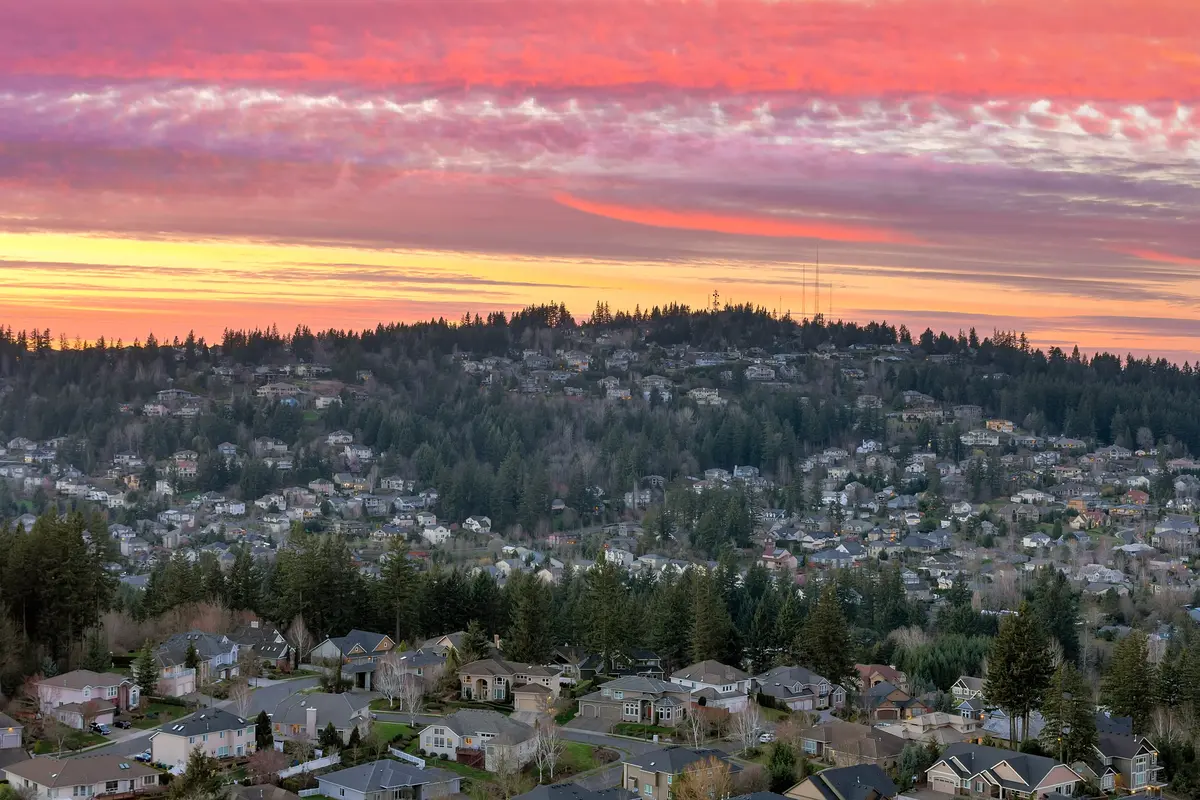
Local Expert Takeaway: Happy Valley's parks are the city's most underappreciated asset. Two Metro-managed volcanic buttes — Mount Talbert and Scouters Mountain — sit inside the city limits with free entry, real elevation, and forest that reads as wilderness even though it is surrounded by suburbs. Hidden Falls adds a dog-friendly waterfall trail that fits a 45-minute weekday walk. And Happy Valley Park does triple duty as a sports complex, an all-abilities playground with a National Demonstration Site designation, and the city's community events anchor. The one honest gap is water recreation — there is no lake or river access within the city, and residents who want paddling or swimming drive out. For buyers who primarily want trail access and well-run rec programming without leaving the city, Happy Valley delivers at a level most comparably priced suburbs do not.
Quick Takeaways & FAQs
✅ Mount Talbert and Scouters Mountain give Happy Valley more forested volcanic butte acreage within city limits than most Portland-area suburbs three times its size.
⚠️ Neither Metro butte allows dogs on trails — a real constraint for households where trail time with a dog is a daily need, not an occasional one.
📍 Happy Valley Park's all-abilities playground holds a National Demonstration Site designation, making it a specific draw for families with children with mobility challenges who are evaluating the city.
Are dogs allowed at Mount Talbert Nature Park or Scouters Mountain Nature Park?
Is there a fee to enter Mount Talbert or Scouters Mountain?
What is the best hike in Happy Valley for families with young children?
What does the North Clackamas Parks & Recreation District offer Happy Valley residents?
Is there water recreation — lakes, rivers, kayaking — available in Happy Valley?
Moving to Oregon?
Tell us what you need help with and we'll connect you with local resources.
