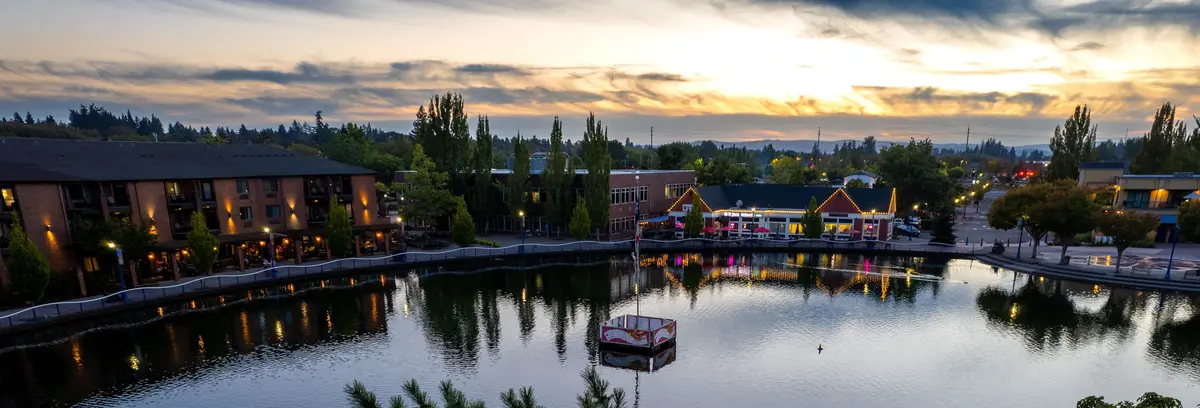
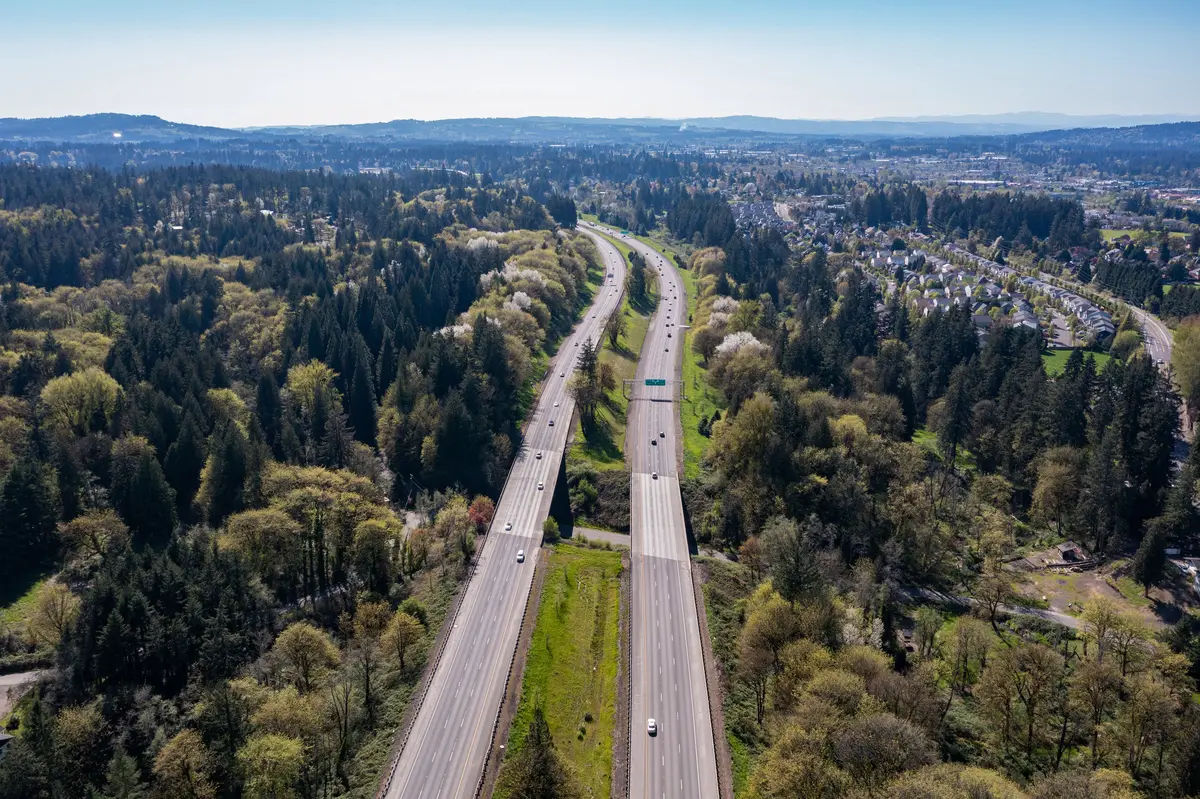
Tualatin is a city of 27,763 people that routinely surprises buyers who drive through and write it off as another freeway suburb. The reality is more layered. Tualatin sits south of Tigard and north of Wilsonville, with I-5 forming its eastern spine and the Tualatin River curving through its western and southern edges. Daily life here is shaped less by which side of the freeway you land on and more by whether you end up close to the civic core along the Lake of the Commons or deeper into the quiet residential belts that most newcomers never explore on a first visit.
The economic backbone is genuinely diverse for a city this size. Lam Research anchors the semiconductor manufacturing side, while the Tigard-Tualatin School District — with 11,041 students enrolled in 2025-26 — is one of the larger institutional employers in the immediate area. The district holds a B+ rating, according to Niche, which draws families with school-age children who might otherwise consider Lake Oswego at a noticeably higher price point. The result is a buyer pool that skews toward dual-income households looking for something more affordable than the west hills without surrendering freeway access.
Cost of living is the city's most compelling argument. The typical home price sits at $635,314 (July 2026, Zillow Home Value Index) — meaningfully below West Linn and roughly on par with Tigard and Sherwood — while the cost of living page breaks down what that translates to in monthly terms. Parks and trail connections are better than the city's modest profile suggests: the Park-to-Park Adventure network links green spaces across the city, and the Tualatin River Greenway Trail gives the whole south end of town a genuinely outdoorsy feel.
Whether you are comparing two specific streets or still deciding whether Tualatin belongs on your list at all, the sections below break down every neighborhood's character, the buyer types each one suits, the mistakes relocating buyers consistently make, and where renters have the most viable options.
The Tualatin Reality
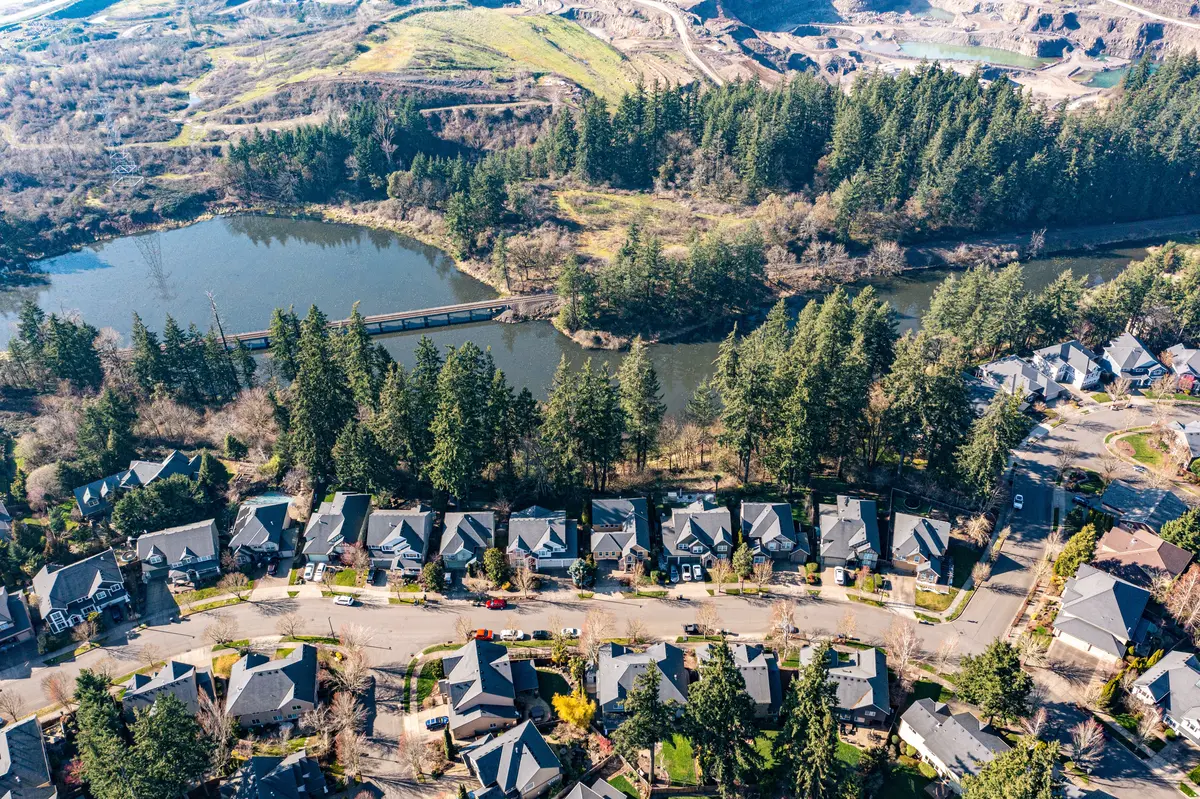
The single most important thing to understand about buying in Tualatin is that the city does not have one real estate market — it has a north-south gradient that most relocating buyers miss entirely. The northern edge near Bridgeport Village is retail-dense and feels like the urban fringe of Tigard. The southern and western neighborhoods, particularly around the Tualatin River and Ibach Park Estates, are quiet, trail-connected, and feel like a different city altogether. Buying without walking that full range first is the most common mistake buyers make here.
School boundaries matter more than most buyers expect. The Tigard-Tualatin School District serves the entire city, which is genuinely reassuring — there is no lottery-system scramble for the good schools. But individual school feeder patterns still differ by block, and buyers who assume every address in Tualatin feeds the same middle and high school sometimes discover otherwise after making an offer. A quick boundary check before falling in love with a specific address costs nothing and prevents real headaches.
Transit access is a genuine differentiator between neighborhoods, and it is more useful than buyers from car-dependent cities typically expect. The WES Commuter Rail (Westside Express Service), operated by TriMet, connects north to Beaverton's Transit Center and the MAX Light Rail network — drawing a steady ridership of commuters who want a real alternative to the freeway. Buyers who work in Beaverton or Portland without a car, or who want a credible alternative to I-5 driving, should weight proximity to the WES station heavily — it tilts the calculus on which neighborhoods are worth the premium.
Neighborhoods at a Glance
| Neighborhood | Best For | Vibe |
|---|---|---|
| Ibach Park Estates | Families Nature | Quiet, trail-laced, established single-family homes with serious green-space access |
| Fox Hill | Commuters Value | Mid-tier suburban, good freeway proximity, low-drama ownership |
| Victoria Woods | Luxury Quiet | One of Tualatin's most upscale residential pockets — larger lots, mature trees, estate-like feel |
| Tualatin Village | First-Time Families | Classic ranch and split-level stock, tree-lined streets, central location |
| Hedges Creek | Luxury Transit | Upscale feel with trail access and the WES station nearby — the transit commuter's premium pick |
| Atfalati Park | Families School | Modest, well-kept, close to a major health employer and a maintained park |
| Jurgens Park | Families First-Time | Park-anchored, recently upgraded, appealing to buyers who want walkable green space |
| Tualatin Commons / Downtown Tualatin | Walkable Renters | The city's civic core — condos, a plaza, the Lake of the Commons, dining and community events |
Tualatin typical home price: $635,314 (Zillow ZHVI, July 2026). Typical rent: $1,890/mo (Zillow ZORI, July 2026). Neighborhood tiers on this page are relative to these figures.
Best Neighborhood by Buyer Type
| Buyer Type | Best Neighborhood | Why |
|---|---|---|
| First-Time Buyer | Tualatin Village | Ranch and split-level homes with a central location that keeps options open — accessible entry-level stock without heading to the city's edges. |
| Luxury Buyer | Hedges Creek | Among Tualatin's most upscale residential areas — larger homes, trail access, and the WES station for buyers who still need to commute. |
| Walkability Seeker | Tualatin Commons / Downtown Tualatin | The Lake of the Commons, the city plaza, and a mix of dining and civic services are genuinely on-foot accessible in a way no other Tualatin neighborhood matches. |
| Families with Kids | Ibach Park Estates | A nationally recognized playground, ball fields, a dog-friendly trail loop, and quiet streets make this the most family-legible neighborhood in the city. |
| Commuters | Hedges Creek | The WES station in this corridor offers a genuine rail alternative to I-5 for riders heading toward Beaverton and the MAX network. |
| Large-Lot Buyers | Victoria Woods | Mature trees and generous lots characterize this upscale pocket — the closest Tualatin gets to an estate-feel setting without crossing into West Linn territory. |
| Renters | Tualatin Commons / Downtown Tualatin | The highest concentration of condominiums and apartment-style units sits in and around the downtown core, making it the most practical starting point for renters. |
Looking to buy in Tualatin? Estimate your payment.
Enter your numbers to see an estimated monthly mortgage payment.
Estimate only. Excludes HOA fees and mortgage insurance. The interest rate above is a starting point, not a quoted rate — replace it with your own to see real numbers. Insurance is a flat placeholder, not a Tualatin quote.
Most Popular Neighborhoods
1. Ibach Park Estates
Ibach Park Estates anchors the southern end of the city with well-maintained detached homes — most with four or more bedrooms — and a park network that few suburban neighborhoods in the Portland Metro can match. The 19.4-acre Ibach Park holds a nationally recognized, award-winning playground built with sections representing periods in Tualatin's own history, plus basketball and tennis courts, ball fields, and picnic shelters. The one honest trade-off: southern Tualatin's distance from Bridgeport Village and the freeway on-ramps means errands and northbound commutes take a few extra minutes that add up over time.
Best for: Families with kids who want serious park access and quiet streets without leaving city limits.
2. Fox Hill
Fox Hill occupies a dependable mid-range position in Tualatin with the kind of suburban predictability that commuters genuinely appreciate. The neighborhood draws buyers who need reliable freeway access without paying a premium for trail-front lots or a downtown address. The trade-off is that Fox Hill lacks a single dominant landmark or park anchor of its own, which makes it feel less distinct than some of its neighbors and harder to get excited about on a first showing.
Best for: Commuters and value-focused buyers who prioritize convenience over neighborhood identity.
3. Victoria Woods
Victoria Woods is defined by its larger lots, mature tree canopy, and quieter residential character — it is the neighborhood buyers consider when they want an estate-like feel without crossing into West Linn. On-foot access to retail or dining is limited, and residents here are generally car-dependent for most daily needs. That is the honest trade-off for the setting: more space, more quiet, less convenience.
Best for: Move-up buyers and equity-rich buyers seeking a quieter, more spacious alternative to the city's busier corridors.
4. Tualatin Village
Tualatin Village is the neighborhood that most clearly reflects Tualatin's mid-century development pattern: classic ranch-style homes, split-levels, wide tree-lined streets, and enough multi-family options to give buyers real choices at the accessible end of the market. It sits near the center of the city with grocery and casual dining options within a short drive. The trade-off is the age of the housing stock — buyers coming from newer construction will find more deferred maintenance here, and kitchen and bath updates are common renovation priorities for anyone who moves in.
Best for: First-time buyers and families who want a central address with accessible entry-level options.
5. Hedges Creek
Hedges Creek is Tualatin's clearest case where transit access and an upscale residential character overlap. The WES Commuter Rail station connects residents north toward Tigard and Beaverton's Transit Center — and from there to MAX Light Rail — making this the most practical neighborhood for buyers who commute without a car or want a genuine alternative to I-5. The Hedges Creek Natural Area Loop trail links into the city's Park-to-Park Adventure network. Buyers who do not use the WES station regularly may find they are paying for a transit premium they will never actually use.
Best for: Transit commuters, trail-oriented buyers, and households that want an upscale residential feel with rail access.
6. Atfalati Park
The neighborhood takes its name from the Atfalati people, the indigenous inhabitants of the Tualatin Valley, which gives this otherwise modest area a layer of civic intentionality that residents tend to appreciate. The nearby park is small but immaculately maintained, with a walking trail, playground, tennis and basketball courts, and a baseball field. A major regional health employer sits close by, which makes this neighborhood a logical landing spot for healthcare workers. The honest limitation is size and inventory: Atfalati Park is one of Tualatin's smaller residential pockets, and available homes turn up infrequently.
Best for: Healthcare workers, buyers who prioritize walkable green space, and households that want a close-knit neighborhood footprint.
7. Jurgens Park
Jurgens Park is built around its 12.15-acre namesake park, which received a new forest-themed playground in March 2024 as part of the city's 2019 Parks and Trails Bond improvements — one of the most recent capital upgrades in the city's park system. The park also includes a sand play area, a wetlands restoration zone, ball fields, and courts. Home prices in this neighborhood give first-time buyers a realistic entry point without requiring a move to the city's edges. The trade-off: Jurgens Park sits away from the downtown commons and the WES corridor, so residents who want walkable retail or a rail commute will need another strategy.
Best for: Families with young children and first-time buyers who want a recently upgraded park within walking distance.
8. Tualatin Commons / Downtown Tualatin
This is the neighborhood that most surprises buyers who picture Tualatin as purely a bedroom community. The Lake of the Commons — a 3-acre artificial lake at the city's civic center — draws residents for community events throughout the year, including the October West Coast Giant Pumpkin Regatta, where costumed paddlers race across the lake in hollowed-out giant pumpkins. The housing mix skews toward condominiums rather than detached single-family homes, the city library and municipal services are nearby, and on-foot access to dining and the plaza is genuinely functional. The trade-off is real: buyers who want a yard, a garage, and four bedrooms will find the downtown housing stock a poor match, and condo fees add a cost layer that detached-home buyers in other neighborhoods do not carry.
Best for: Walkability-focused buyers, renters, and downsizers who want Tualatin's most urban living experience.
Common Mistakes Buyers Make in Tualatin
Treating the Whole City as One Market
Buyers who run a city-wide search and make offers based on square footage alone routinely end up surprised. The northern neighborhoods near Bridgeport Village carry a retail-access premium; the southern neighborhoods near Ibach Park Estates and the Tualatin River carry a nature-access premium. A home at a given price in one part of town is a fundamentally different purchase than the same number in another part — and the difference is not captured in any automated estimate.
Ignoring the WES Station If You Commute North
Buyers who work in Beaverton or the Intel-adjacent employment corridor sometimes buy in southern Tualatin without ever considering what a daily I-5 and surface-street commute looks like in morning peak hours. The WES Commuter Rail station in the Hedges Creek corridor exists precisely for this use case — and buyers who lock into a neighborhood far from it often discover, about six months in, that they wish they had weighted it more heavily before signing.
Chasing Square Footage Over School Boundary
The Tigard-Tualatin School District serves all of Tualatin, which creates a false sense of uniformity. Individual feeder patterns for middle and high school still vary by address, and buyers who skip the boundary check because the district name is consistent across the city sometimes find their address feeds a school they had not planned on. The schools page covers what parents should verify before making an offer.
Underestimating Condo Fees Downtown
Tualatin Commons and the downtown core offer the city's most walkable addresses, but the housing stock there is predominantly condominiums. Buyers who compare a downtown condo price against a detached home price in Tualatin Village or Jurgens Park without factoring in monthly HOA dues consistently underestimate the true cost of the downtown option. The sticker price looks competitive; the all-in monthly number sometimes does not.
Best Areas to Rent in Tualatin
| Area | Ideal For | Trade-off |
|---|---|---|
| Tualatin Commons / Downtown | Walkability Seekers Transit Users | Highest concentration of purpose-built rentals and condos; HOA-style rules in some buildings limit flexibility |
| Tualatin Village | Budget-Conscious Renters Families | Older housing stock means more character but also more maintenance surprises for renters who do not inspect carefully |
| Fox Hill / North Tualatin | Commuters | Good freeway proximity but limited on-foot access — a car is essential for most daily errands |
| Hedges Creek Corridor | Transit Commuters Trail Users | Rentals in this corridor are less common and tend to run above the city-wide typical rent range |
| Atfalati Park / Jurgens Park Area | Families with Kids | Excellent park access; limited rental inventory means competition for available units can be real |
Tualatin's city-wide typical 2BR rent runs $1,740–$2,120 — a range that puts it meaningfully below Lake Oswego and West Linn while staying broadly consistent with Tigard. Renters who need the most options and the most on-foot access will find the downtown core the most practical starting point; renters who prioritize trails and schools over walkable retail will find the southern neighborhoods more compelling despite thinner inventory.
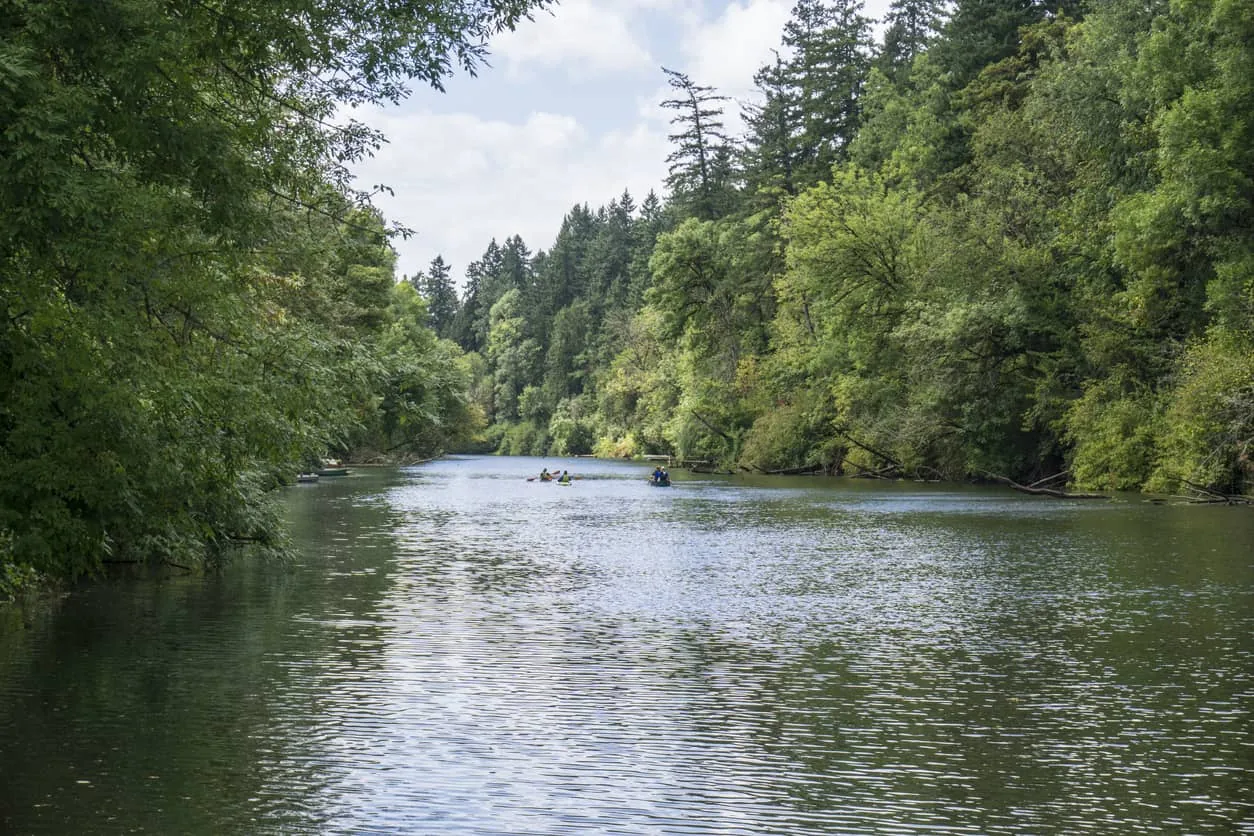
Local Expert Takeaway: Tualatin rewards buyers who slow down and actually walk the neighborhoods rather than filtering by price alone. The difference between an Ibach Park Estates address with trail access to the Hedges Creek corridor and a Fox Hill address closer to Bridgeport Village is not captured in any Zillow estimate. The Tualatin Commons area is the city's most underrated living option for buyers open to condos — the Lake of the Commons and the October Pumpkin Regatta are the reasons residents show up and stay. And if you commute north without a car, the WES station's location in the Hedges Creek corridor should be your first filter, not an afterthought.
Quick Takeaways & FAQs
✅ Ibach Park Estates gives families access to a nationally recognized playground and a city-wide trail network that most buyers from out of state simply do not expect from a Portland suburb.
⚠️ The median household income in Tualatin falls short of what is needed to buy the typical home at $635,314 (July 2026) — budget math here deserves honest scrutiny before making an offer.
📍 The WES Commuter Rail station in the Hedges Creek corridor is Tualatin's most underused buyer filter — if you commute to Beaverton without a car, your neighborhood search should start there, not end there.
What is the most walkable neighborhood in Tualatin?
Which Tualatin neighborhood is best for families with young children?
Does Tualatin have good transit options for commuters?
Are there condos or apartments available in Tualatin?
Which Tualatin neighborhoods suit different buyer budgets and lifestyles?
Moving to Oregon?
Tell us what you need help with and we'll connect you with local resources.
