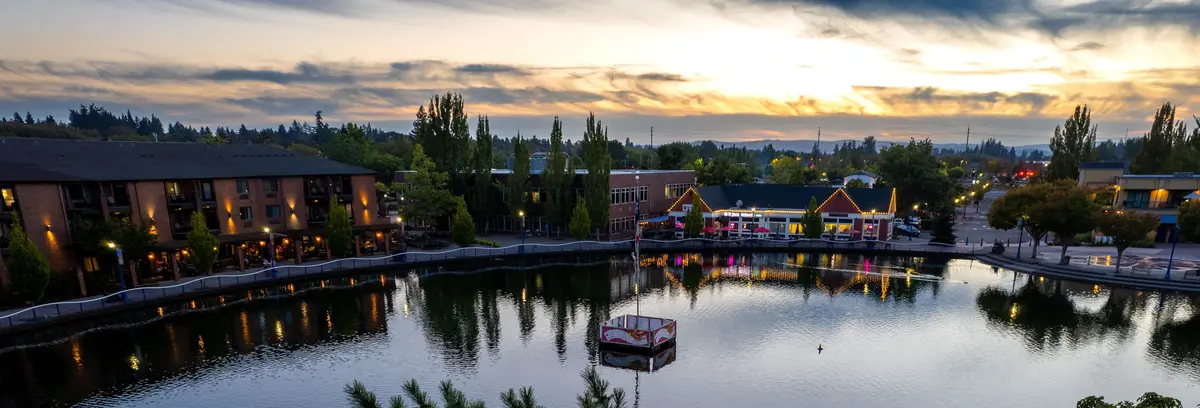
Most people researching Tualatin find the commute numbers first — about 25 minutes to Portland, solid freeway access, prices below the closer-in suburbs. What the spreadsheet doesn't show is that this city has a 1,856-acre national wildlife refuge within its orbit, a river greenway that doubles as an open-air natural history lesson, and a downtown lake that fills with crowds for a single October event that people drive in from across the region to see. Outdoor life here is not a footnote to the housing market. It is the reason a surprising number of buyers pick Tualatin over similarly priced neighbors.
The recreation picture in Tualatin is built around water. The Tualatin River runs along the city's southern edge, shaping both its parks system and its character. Browns Ferry Park sits on the river directly. The Tualatin River Greenway Trail follows it. The wildlife refuge protects its broader floodplain. Even Tualatin Commons — the downtown plaza — centers itself on a man-made lake. For a suburb this close to Portland, that's an unusual amount of genuine green space, and residents use it in ways that would surprise anyone expecting a typical bedroom community.
141 sunny days a year is the honest figure for this corner of the Willamette Valley, which means the parks get heavy use in spring and fall — not just summer. Newcomers from sunnier climates learn quickly that the window between a mild March and a grey November is when Tualatin's outdoor amenities are at their best, and that locals don't wait for August to show up. The mild, wet winters keep everything green year-round; the trails rarely close.
This guide covers Tualatin's signature parks, the river corridor and greenway, the wildlife refuge, and the seasonal events that bring the whole system to life — so you know what outdoor life here actually looks like before you make a decision.
Tualatin Commons and Lake of the Commons: The City's Civic Heart
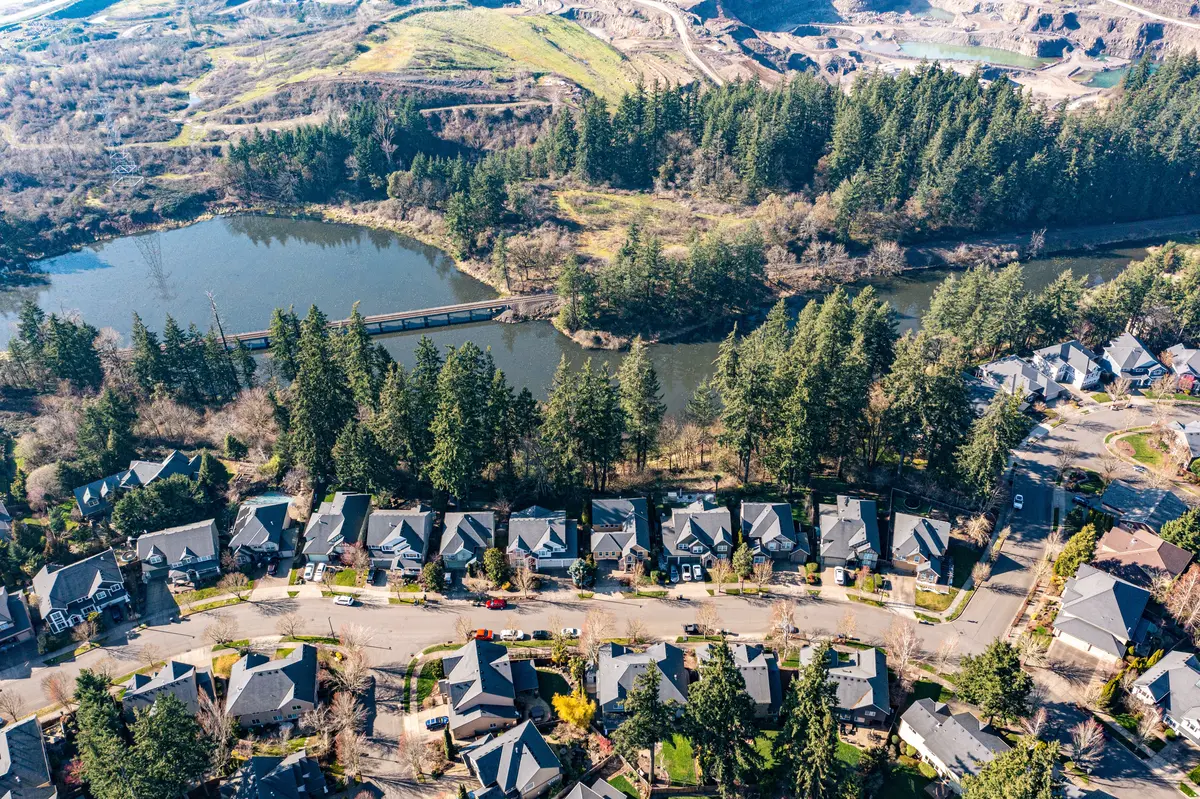
The 5.17-acre Tualatin Commons is the kind of downtown space most suburbs spend decades trying to build and rarely get right. A man-made lake sits at the center, a promenade encircles it, and on a warm afternoon in late May the lawn fills with families, runners, and people who simply walked over from nearby restaurants and cafés. It functions less like a park and more like a town square that happens to have water in the middle of it.
The lake itself is the anchor for the city's event calendar. The summer Concerts on the Commons series draws regulars from across the southwest metro. ArtSplash brings visual arts to the plaza. Starry Nights and Holiday Lights turns the Commons into something worth driving across town for once November arrives. A children's splash and spray pad at the lake's edge means parents with young kids have a reason to come even when there's nothing on the schedule.
The West Coast Giant Pumpkin Regatta
Nothing else in Tualatin's calendar compares to the Pumpkin Regatta. Held annually at Lake of the Commons since 2004, the event fills the waterfront and draws spectators from across the United States and Canada — parking fills well before showtime, and the crowds spill across the surrounding plaza and lawn. Costumed paddlers race inside giant hollowed-out pumpkins — supplied by the Pacific Giant Vegetable Growers — and a companion 5K run/walk runs alongside. It is free, genuinely family-friendly, and the single most Tualatin thing that happens in Tualatin all year. If you move here and have kids, you will go. Possibly more than once.
The Commons is also the kind of place that tells you something about a city's ambition. It was designed intentionally as a civic gathering point, and it works. For buyers weighing Tualatin against nearby Sherwood or Wilsonville, the Commons is the recreational and cultural asset those cities haven't replicated at this scale.
Browns Ferry Park and the Tualatin River Greenway Trail
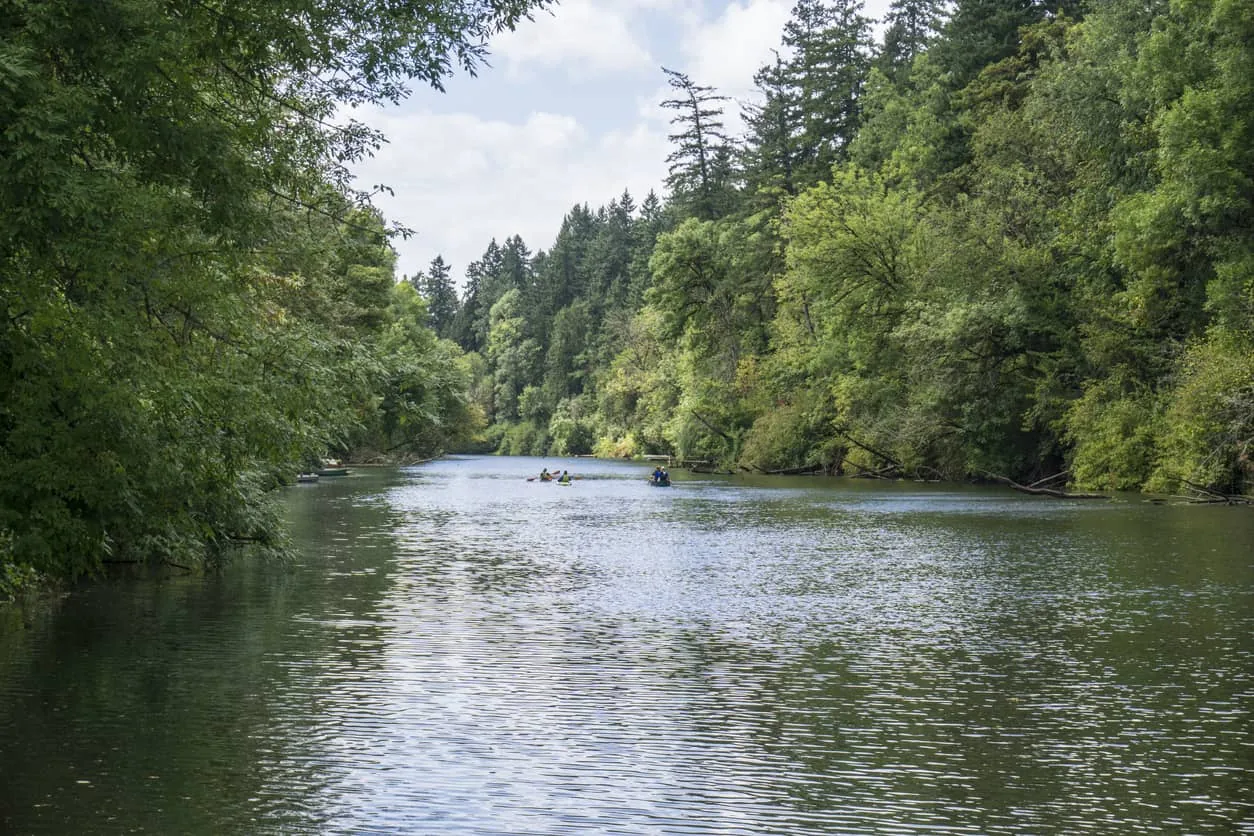
Browns Ferry Park is Tualatin's most substantive natural area — 28.33 acres on the Tualatin River, named for Zenas J. Brown, who claimed the land in 1850 under the Donation Land Act and operated the first ferry crossing in the area. The history is woven into the landscape: an old barn still stands on site, a native grass and wildflower prairie covers roughly a third of the park, and a river overlook platform and wildlife viewing blind let you watch the Tualatin in a way that feels more like a rural conservation area than a city park twenty minutes from downtown Portland.
The practical amenities are genuinely useful. A canoe ramp and dock provide water access, and the park offers seasonal kayak and canoe rentals — one of the few places in the immediate area where you can get on the river without hauling your own boat. Picnic tables are scattered through the pathway system, which winds through the natural area without forcing you onto a single loop. The park connects directly to the Tualatin River Greenway Trail, so the two function as one continuous corridor.
The Greenway Trail: More Than a Walking Path
The Tualatin River Greenway Trail is a paved, wide route through trees and wetlands that doubles as an interpretive experience. Erratic boulders, cast fossils, and informational stops along the way cover Ice Age floods, volcanic geology, and Paleo-Indian history — making it genuinely educational in a way most suburban trails are not. The parks-loop configuration runs approximately 4.2 miles and is rated easy, with minimal elevation gain, which makes it accessible to most fitness levels.
For trail runners and cyclists, the flat terrain means it works as a quick weekday session as much as a weekend outing. For families, the interpretive elements give kids something to engage with beyond just walking. The trail is open year-round, and because it stays low and paved, it avoids the mud that makes many Oregon trails difficult from October through March.
One honest note for buyers evaluating this system: Browns Ferry Park's seasonal rentals mean you can't guarantee river access every month of the year. If getting on the water regularly matters to you, it's worth knowing the rental window before you build habits around it.
| Facility | Size / Length | Standout Feature | Best For |
|---|---|---|---|
| Tualatin Commons | 5.17 acres | Lake, splash pad, event lawn | Families Walkable |
| Browns Ferry Park | 28.33 acres | River access, canoe ramp, wildlife blind | Nature Families |
| Tualatin River Greenway Trail | ~4.2 mi (parks loop) | Interpretive geology stops, paved surface | Nature Commuter |
| Tualatin Community Park | Multi-use | Sports fields, skate park, dog park, pickleball | Families Youth Sports |
| Tualatin River National Wildlife Refuge | 1,856 acres | Urban refuge, 200+ bird species | Nature Quiet |
Tualatin River National Wildlife Refuge: An Urban Refuge Unlike Any Other
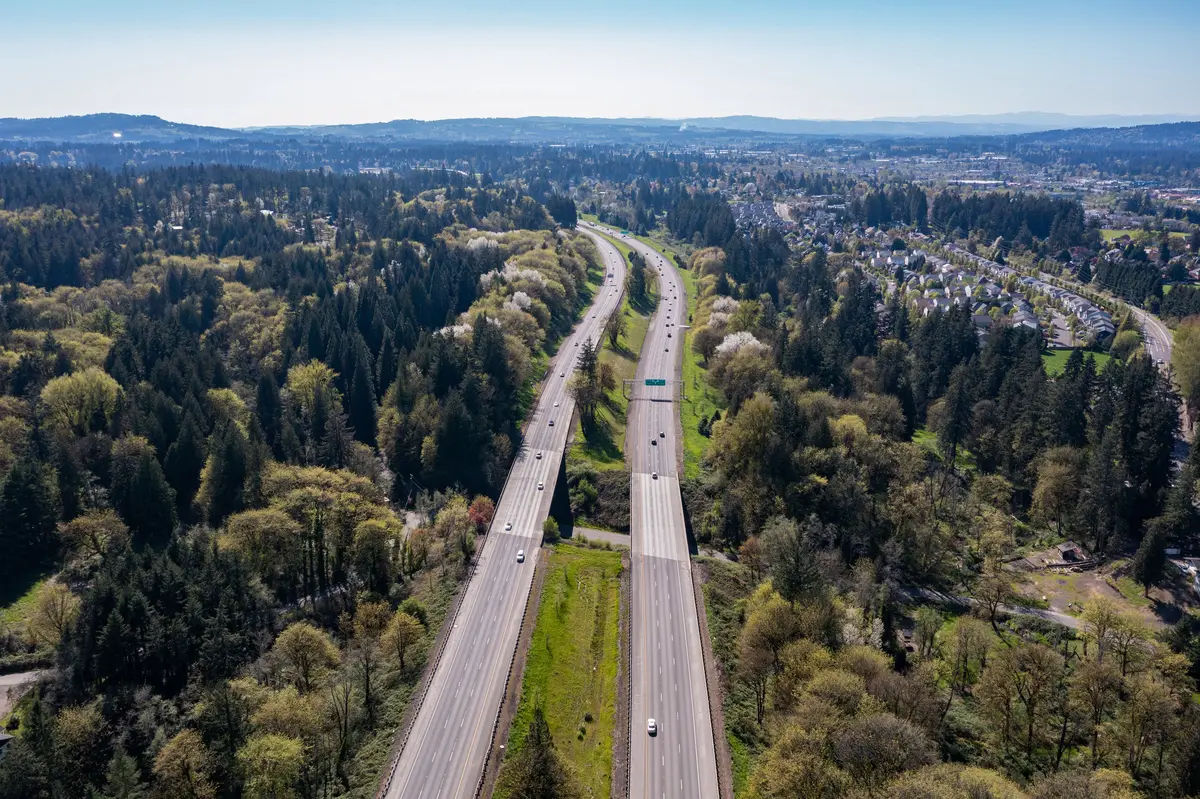
The Tualatin River National Wildlife Refuge is one of a handful of flagship urban national wildlife refuges in the country. At 1,856 acres of wetlands, oak woodland, forest, and riparian habitat, it is enormous relative to the density of the surrounding suburbs — and it sits close enough to Tualatin that residents treat it as a regular destination rather than a day-trip.
The species list is the main draw for many visitors: over 200 bird species recorded throughout the year, along with bald eagles, river otters, great blue herons, and long-toed salamanders. Deer move through the wetland edges regularly. The habitat variety — you can walk from riparian corridor to oak woodland to open wetland within a single visit — makes repeat visits worthwhile in a way that a single-habitat preserve does not.
What the Trails Actually Offer
The refuge's year-round trail is a two-mile out-and-back route through oak and forested habitat that ends at a wetland overlook platform. A seasonal trail extends the system further when it's available. All educational programs at the refuge are free, which matters for families with school-age children who want to take advantage of ranger-led programming without adding a budget line.
The refuge was established in 1992 and opened to the public in 2006, which means it's been part of the community long enough that locals have built real habits around it — early-morning birding walks, quiet weekday runs, school field trips. It's not a tucked-away surprise; it's a known and well-used asset that still manages to feel genuinely wild on a Tuesday morning.
One thing newcomers don't always anticipate: the refuge is close but not immediately adjacent to Tualatin's residential core. Getting there requires a short drive. It's close enough to be a regular habit, not close enough to be a quick walk from most neighborhoods. That distinction matters when you're evaluating which part of Tualatin to buy in — it's worth checking the neighborhoods guide for which areas sit closest to the refuge corridor.
Looking to buy in Tualatin? Estimate your payment.
Enter your numbers to see an estimated monthly mortgage payment.
Estimate only. Excludes HOA fees and mortgage insurance. The interest rate above is a starting point, not a quoted rate — replace it with your own to see real numbers. Insurance is a flat placeholder, not a Tualatin quote.
Seasonal Recreation, Youth Programs, and What Daily Life Here Actually Looks Like
Tualatin's parks system punches above its weight for a city this size, but understanding how residents actually use it across seasons is what separates a good research trip from a decision made on summer-weekend impressions. The mild winters keep the Greenway Trail and Browns Ferry pathways usable year-round — just muddier at the edges. The splash pad at Lake of the Commons is a summer fixture for families with young kids. The Concerts on the Commons series and the Pumpkin Regatta give the fall calendar more pull than most suburbs its size can claim.
Youth and Family Programming
Browns Ferry Park hosts Willowbrook Arts Camp each summer — a program covering drama, music, nature study, and arts and crafts for young participants. It runs from mid-June through mid-August and draws from across the Tigard-Tualatin area. For parents weighing what structured summer programming looks like here, it's a meaningful data point. Youth sports connect to the broader district infrastructure; for a full picture of school-linked athletics and activities, the schools page covers Tigard-Tualatin School District in depth.
Tualatin Community Park as the Everyday Hub
Tualatin Community Park handles the functional everyday recreation that Browns Ferry and the Commons don't — sports fields, a skate park, dog park, tennis, and pickleball courts, all documented in the city's parks inventory. It's where you find the weekend soccer games and the after-school crowd. The Commons is where residents gather for events and leisure; Tualatin Community Park is where they train, compete, and let the dog run.
The Honest Friction Points
Two things surprise newcomers after six months. First, 141 sunny days a year sounds like a lot until January — the parks are genuinely beautiful in grey weather, but if you moved from a sunnier climate expecting to use outdoor facilities the way you did back home, the adjustment is real. Second, the Tualatin River itself is not a swimming destination. The river access at Browns Ferry is for paddling and wildlife watching, not swimming. Residents who want summer swimming typically drive to a pool or a lake outside the immediate area. Neither of these is a dealbreaker, but they're worth knowing before the novelty of the first summer wears off.
Overall, Tualatin's outdoor infrastructure reflects a city that invested deliberately in parks and open space rather than letting recreation happen by accident. For buyers where proximity to nature and community green space genuinely factors into the decision — rather than just appearing on the checklist — Tualatin's system holds up well against anything in the southwest Portland metro at this price point. See the full cost picture on the cost of living page.
Local Expert Takeaway: Tualatin's parks system is anchored by three genuinely distinct assets: Lake of the Commons for civic life and events, Browns Ferry Park and the Greenway Trail for river access and natural history, and the Tualatin River National Wildlife Refuge for serious wildlife and quiet. The Pumpkin Regatta — costumed paddlers racing hollowed-out pumpkins on a downtown lake, drawing crowds from across the region every fall since 2004 — tells you more about this city's character than any real estate listing will. If outdoor access matters to your daily quality of life, Tualatin delivers more than its suburb reputation suggests.
Quick Takeaways & FAQs
✅ Tualatin Community Park, Browns Ferry Park, and the Tualatin River Greenway Trail give residents genuine river access and a paved year-round trail system within city limits.
⚠️ With only 141 sunny days a year, the long grey winters can make the parks feel underused — newcomers from sunnier climates often underestimate how much the season affects outdoor routines here.
📍 The West Coast Giant Pumpkin Regatta at Lake of the Commons has run every fall since 2004, drawing crowds from across the region — it's a free, all-ages event that locals treat as a genuine community tradition, not a tourist novelty.
Can you kayak or canoe on the Tualatin River in Tualatin?
What is the West Coast Giant Pumpkin Regatta and when does it happen?
Is the Tualatin River National Wildlife Refuge easy to visit from Tualatin?
What parks are best for families with young children in Tualatin?
How does the Tualatin River Greenway Trail connect to the rest of the parks system?
Moving to Oregon?
Tell us what you need help with and we'll connect you with local resources.
