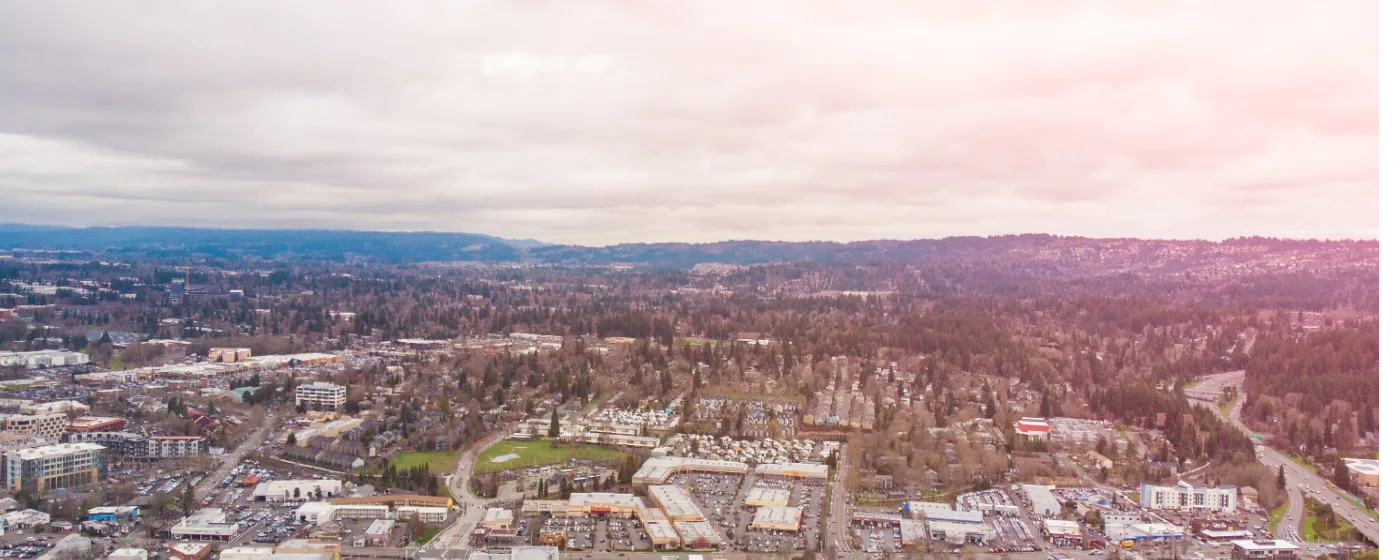
People who move to Bethany from Portland or the broader metro are often surprised by how calm the streets feel — not in a sleepy, nothing-happens way, but in the way that comes from a genuinely low crime environment in a well-resourced community. With a population of 33,106 spread across planned neighborhoods and greenway corridors, Bethany sits at the northwest edge of the Portland Metro and runs noticeably quieter than the urban core. What most newcomers don't realize until after they arrive is that Bethany doesn't have its own city hall or municipal police force — it's an unincorporated census-designated place in Washington County, and that structural detail shapes everything about how public safety works here.
The economic profile matters here: with a median household income of $167,735, Bethany attracts households that invest heavily in property and in community stability. That demographic reality, combined with county-level law enforcement resources, produces a safety picture that stands well apart from statewide norms. The Beaverton School District — which holds an A- rating, according to Niche — draws families who tend to settle in and stay, creating the kind of long-term neighborhood cohesion that keeps property crime low and Neighborhood Watch programs active.
The numbers back up what residents feel on the ground. Bethany carries a violent crime rate of 1.66 per 1,000 residents and a property crime rate of 10.3 per 1,000 residents — both substantially below Oregon and national benchmarks. CrimeGrade.org independently rates Bethany as safer than both the state average and the national average. Niche.com surveys show the majority of residents feel very safe or pretty safe, with Bethany described as one of the safer areas in the state. These figures are consistent across independent sources.
Whether you're deciding between neighborhoods or trying to understand what law enforcement actually looks like day-to-day, the sections below break down Bethany's crime statistics in context, the public safety infrastructure behind the numbers, how different neighborhoods compare, and what longtime residents say six months after moving in.
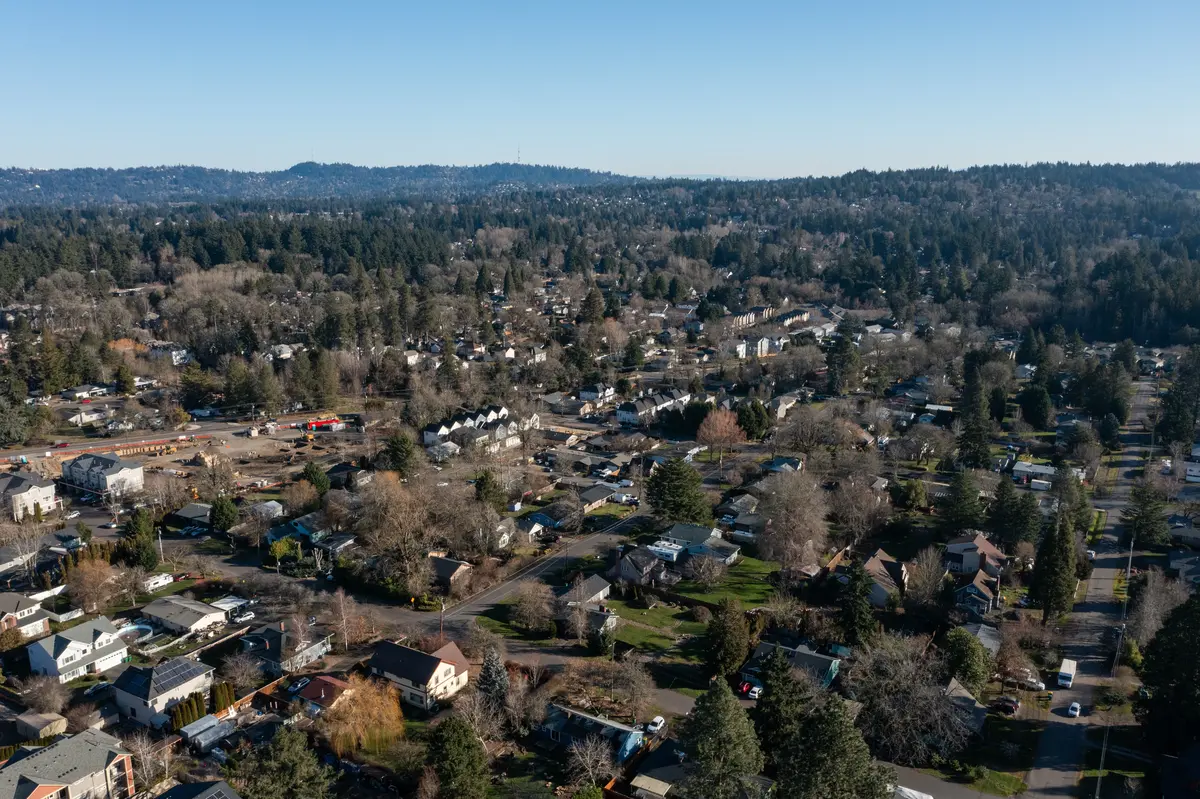
Bethany's Crime Rates in Context
The single most useful thing you can do with Bethany's crime figures is compare them to the benchmarks that actually matter. Bethany carries a violent crime rate of 1.66 per 1,000 residents — roughly half the Oregon state rate of 3.3 per 1,000 and less than half the national rate of 3.7 per 1,000. That gap is large enough to be meaningful, not just a statistical footnote.
Bethany carries a property crime rate of 10.3 per 1,000 residents, which compares favorably to Oregon's state figure of 24.5 per 1,000 and sits below the national rate of 18.4 per 1,000 as well. All comparison figures are drawn from federal crime statistics, so the methodology is consistent across every number on this page.
The engine below renders a full side-by-side comparison table from this same data. Read those numbers as a ratio, not as absolutes: a community of 33,106 people with these figures is producing crime volumes you'd expect from a place much smaller and much more rural than a Portland suburb.
One structural note worth understanding: because Bethany is unincorporated, its crime data flows through Washington County rather than through a municipal police department's own reporting. That means the figures here are county-reported, not self-reported by a city with a political interest in the numbers looking favorable.
Who Actually Patrols Bethany
The Washington County Sheriff's Office
Bethany has no city hall and no municipal police department. When you call 911, Washington County Sheriff's Office deputies respond — around the clock, every day of the week. That's not a gap in the system; it's how Washington County has structured public safety for its unincorporated urban communities for decades.
Bethany is served by a dedicated Sheriff's North Precinct, sometimes called Bethany Station, which is one of three main patrol deployment locations in the county. Deputies assigned here are familiar with the neighborhoods, the street patterns, and the recurring issues specific to this part of the county — it's not a rotation of generalist officers covering a vast territory from a distant headquarters.
The Enhanced Sheriff's Patrol District
The more significant layer is the Enhanced Sheriff's Patrol District (ESPD), a voter-funded program first approved in 1987 that covers more than 240,000 residents in unincorporated urban Washington County — including all of Bethany. The ESPD funds 911 response, major-crime investigation, and crisis-intervention deputies specifically for unincorporated communities that would otherwise rely on baseline county coverage.
The ESPD responds to 911 calls in nearly half the time of the national average, according to the Sheriff's Office. The Washington County Sheriff's Office has also been continuously nationally accredited by a leading law enforcement accreditation body since 2004, a credential fewer than 5% of law enforcement agencies in the country hold.
Washington County Sheriff Caprice Massey has publicly stated that the ESPD is a primary reason Washington County is called the safest major urban county in Oregon. That's an agency characterization, not an independent rating, but it reflects the investment the county has made in this specific model.
Fire and Emergency Medical Services
Tualatin Valley Fire & Rescue (TVF&R) handles fire protection and emergency medical services throughout Bethany. TVF&R operates 28 stations with more than 450 career firefighters and paramedics across unincorporated Washington County and surrounding cities. For North Bethany specifically, TVF&R's own planning data shows a computed response time of 5 minutes 10 seconds from nearby stations — a figure that reflects the newer, denser development in that part of the community.
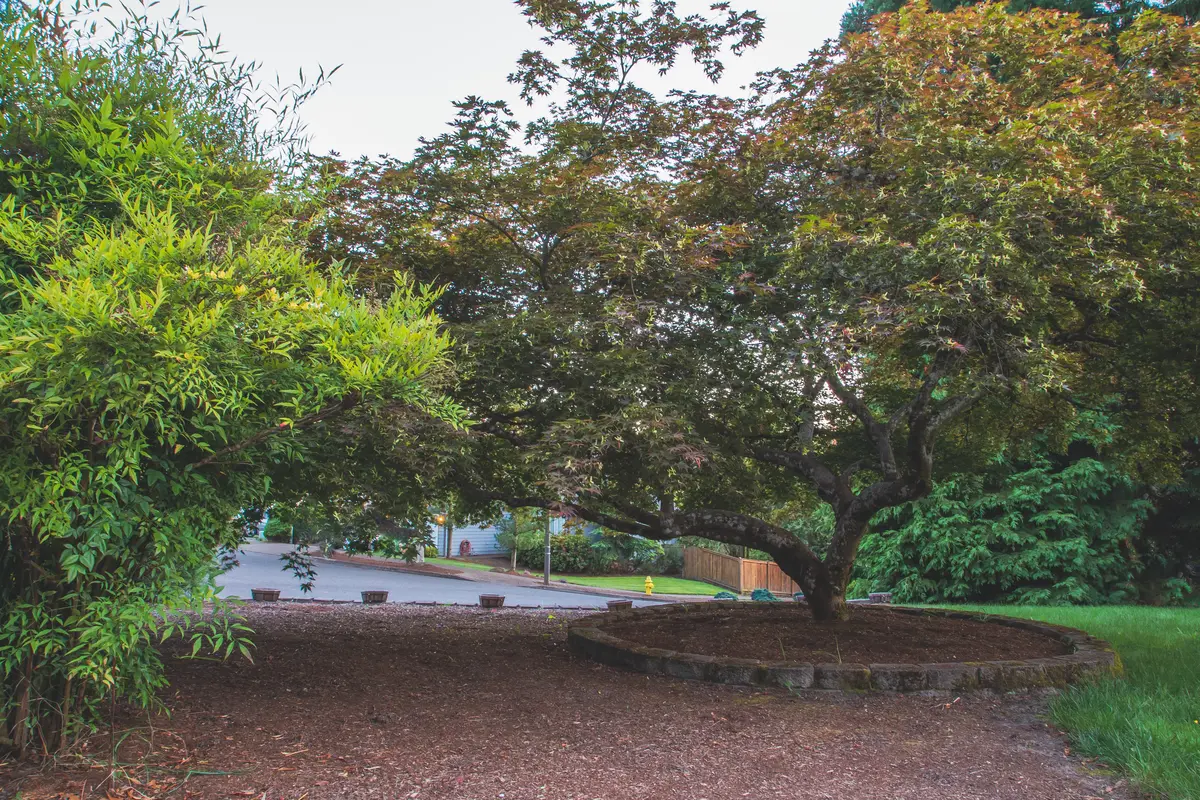
How Safety Varies Across Bethany's Neighborhoods
Bethany's neighborhoods are more similar to each other than different when it comes to safety — this isn't a community with a clear high-crime pocket and a clear safe enclave. But there are character differences worth knowing, and the built environment of each area shapes what kind of incidents, if any, tend to occur.
| Neighborhood | Character | Safety Notes | Best For |
|---|---|---|---|
| North Bethany | Newer planned development, ongoing growth along the urban growth boundary | Active ESPD patrol zone; TVF&R response time of 5m 10s specifically documented for this area. Construction activity means unfamiliar vehicle traffic is normal. | Families First-Time |
| Bethany Village | Mixed-use town center district with retail, restaurants, and higher-density housing | The area's highest foot traffic and most commercial activity. Property crime risk is somewhat higher near retail corridors — consistent with any mixed-use environment. | Walkable Renters |
| Arbor Heights | Established single-family homes, mature tree canopy, quiet cul-de-sacs | Among Bethany's quieter residential pockets. Low turnover and long-term residents contribute to strong informal neighborhood awareness. | Families Quiet |
| Bauer Highlands | Elevated hillside lots, custom homes, larger parcels | Low incident frequency consistent with the broader Bethany pattern. Topography limits through-traffic naturally. | Luxury Privacy |
| Bethany Creek Falls | Townhomes and attached housing near creek greenways | Greenway adjacency means trail corridors need the same awareness you'd apply anywhere — keep bikes locked, don't leave valuables in cars parked near trailheads. | Nature Commuters |
| Claremont | Established 55+ community with structured association | Association-managed environment with active resident networks. Property crime is the rare concern here, not violent crime. | Quiet 55+ |
| Dogwood Park / Wildwood | Residential streets backing to park and natural area corridors | Immediate park access is an asset — and a reminder to secure bikes and trail gear, since opportunistic property theft near green spaces is the most common issue. | Nature Families |
| Bethany Ridge | Ridge-top homes with views, relatively newer construction | Quiet, low-traffic residential streets. The elevated position and limited access points keep this among the calmer corners of an already calm community. | Views Privacy |
For a fuller look at how these neighborhoods compare on housing and community character, see the best neighborhoods in Bethany guide.
One detail that applies community-wide: the Washington County Board of Commissioners has established a restricted shoot district covering Bethany and Cedar Mill, prohibiting the discharge of firearms except at approved ranges or for predatory animal control. That's an unusual county-level ordinance that reflects how seriously the county takes the suburban character of this specific area.
Looking to buy in Bethany? Estimate your payment.
Enter your numbers to see an estimated monthly mortgage payment.
Estimate only. Excludes HOA fees and mortgage insurance. The interest rate above is a starting point, not a quoted rate — replace it with your own to see real numbers. Insurance is a flat placeholder, not a Bethany quote.
What the Safety Infrastructure Actually Means Day-to-Day
Neighborhood Watch Is Not Just a Sign
The ESPD's Neighborhood Watch Program has been active in Washington County since the 1970s. In Bethany, this translates to active block-level networks where neighbors genuinely know each other, share information through the Sheriff's Office-backed program, and report concerns promptly. This isn't theoretical — it's one of the concrete reasons property crime stays as low as it does in a community this size and this close to a major metro.
The community texture reinforces the formal infrastructure. Bethany's parks — including Pirate Park, Bethany Creek Park, Kaiser Woods Natural Area, and the Ben Graf Greenway along Rock Creek — fill with families during daylight hours in a way that creates natural, informal eyes on the neighborhood. That kind of ambient use discourages the opportunistic low-level crime that affects busier, more transient corridors.
What You Give Up Without a Municipal Police Department
The honest tradeoff: you don't get a dedicated Bethany Police Department with a community liaison officer focused solely on your streets. Some residents who move here from incorporated cities find it takes an adjustment to think of the Sheriff's Office as their department.
In practice, most people stop noticing within a few months. ESPD-funded deputies assigned to the North Precinct develop genuine familiarity with the area. But if a specific policing philosophy or a departmental relationship with a neighborhood association is something you've come to rely on, it's worth knowing that model doesn't exist here in the same form.
The Fire Response Picture
TVF&R is among the larger regional fire districts in the Pacific Northwest. The 28-station network means Bethany doesn't depend on a single local station — coverage is redundant and well-resourced. The 5-minute-10-second computed response figure for North Bethany reflects the district's planning targets for that specific growth area, where new construction density is highest and response planning is most actively updated.
What Residents Actually Say — and What Surprises New Arrivals
The Six-Month Surprise
People who move to Bethany from denser parts of Portland or from out-of-state metro areas consistently say the same thing after a few months: they stop locking their cars in the garage. Not because it's wise — it isn't — but because nothing happens and the habit quietly erodes. That's the most common behavioral drift locals report, and it's also the most common prelude to the occasional property theft that does occur. Opportunistic car break-ins near trailheads and park access points are the low-level issue Bethany actually sees.
Resident sentiment on Niche.com reflects genuine confidence: the majority of surveyed residents describe feeling very safe or pretty safe, and the community is described as one of the safer areas in the state. That sentiment aligns with the data rather than running ahead of it.
Where Families Actually Gather
The gathering spots are the parks. Pirate Park — named for its elaborate ship-themed play structure — is consistently busy on weekday afternoons and weekend mornings, functioning as an informal neighborhood living room for the families around Bethany Village. It's the kind of active, visible community use that correlates with safe public spaces everywhere. The atmosphere at Bethany Village Town Center, with its mix of independently owned restaurants and service businesses, draws a steady stream of recognizable neighborhood faces throughout the week.
The Seasonal Quirk Nobody Mentions
With 143 sunny days a year, Bethany's outdoor spaces see concentrated use during the rare extended dry stretches. During those periods — particularly late summer — trail corridors like the Ben Graf Greenway and Kaiser Woods Natural Area see a significant uptick in visitors from outside the immediate neighborhood. Most are simply enjoying the greenway. But residents who've been here a few years note this is when the reminder to secure bikes and not leave gear unattended at trailheads becomes most relevant. It's a seasonal rhythm, not a safety problem — but it catches newcomers off guard.
For a broader look at Bethany's parks and recreation options, including where those greenways connect, that guide covers the full picture.
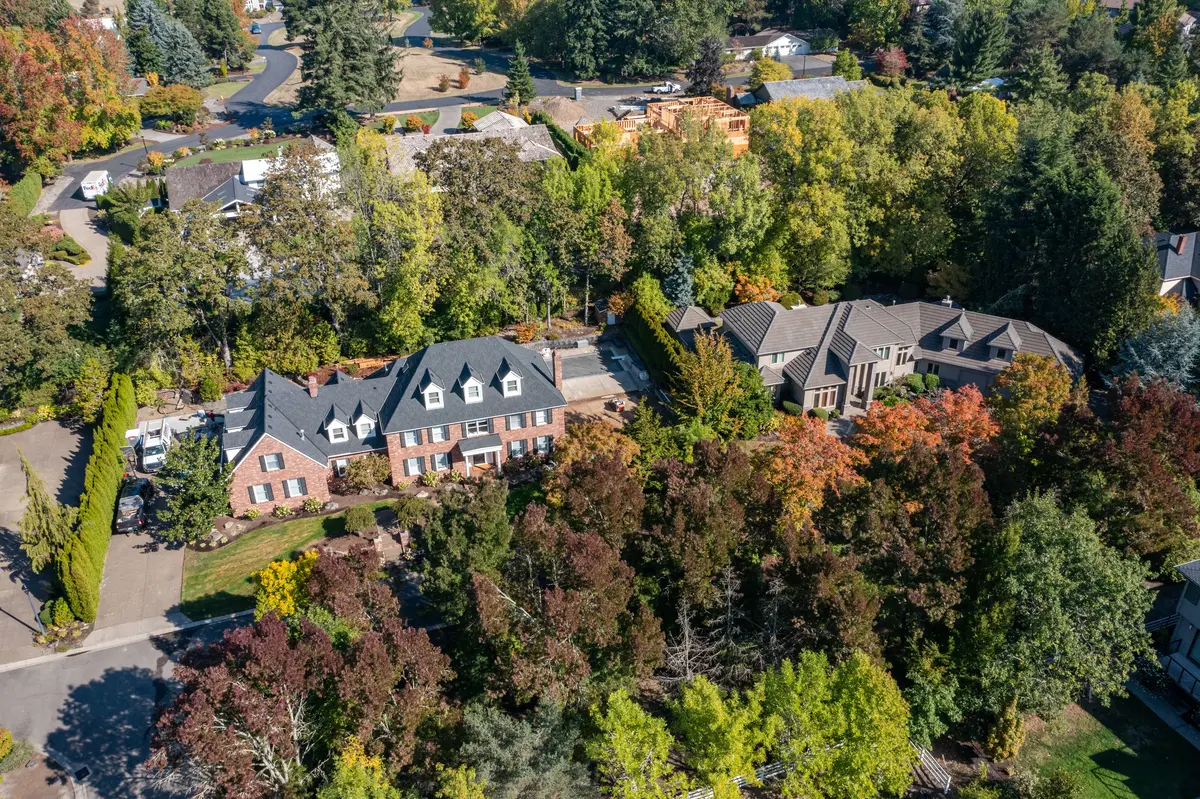
Local Expert Takeaway: Bethany's safety case is genuinely strong — a violent crime rate roughly half the state average, a county sheriff's model that invests specifically in this community through the ESPD, and a residential character that keeps things calm across all eight neighborhoods. The practical watch-outs are the ones you'd apply anywhere in a Portland suburb: secure bikes near greenways, don't leave valuables in cars at trailheads, and know that the mixed-use energy around Bethany Village Town Center comes with the minor property crime profile you'd expect near any retail corridor. What you're unlikely to encounter here is violent crime at anything approaching state or national averages.
Quick Takeaways & FAQs
✅ Bethany carries a violent crime rate of 1.66 per 1,000 residents — one of the stronger safety profiles in the entire Portland Metro.
⚠️ Bethany has no municipal police department; all law enforcement comes through the Washington County Sheriff's Office and the ESPD levy — a structural difference that catches some newcomers off guard but delivers strong, nationally accredited coverage in practice.
📍 The most common crime type residents actually encounter is opportunistic property theft near trail access points and the Bethany Village commercial corridor — lock bikes and don't leave gear unattended at greenway trailheads.
What is Bethany's crime rate compared to Oregon and the national average?
Does Bethany have its own police department?
Is North Bethany safe, and does it have adequate fire coverage given all the new construction?
What kind of crime actually occurs in Bethany?
How does Bethany's safety compare to neighboring cities like Beaverton and Hillsboro?
Moving to Oregon?
Tell us what you need help with and we'll connect you with local resources.
