
Maybe your company is relocating you to Nike or Intel, and someone mentioned Bethany as the suburb that threads the needle between the Hillsboro tech corridor and Portland. Maybe you looked at Beaverton prices, felt relieved, then heard Bethany and wondered what exactly you get for the premium. What you get is a newer, quieter, planned community in the West Hills with strong schools, less density than Beaverton's commercial core, and a price tag that reflects both of those things. Bethany sits in Washington County along US-26, with the commute running about 25 minutes to Portland and the Hillsboro tech corridor — close enough to be practical, far enough that the neighborhoods still feel suburban rather than transitional.
The economic backbone here is the cluster of major employers a short drive away: the Beaverton School District anchors local public-sector employment, while Nike, Kaiser Permanente, and Intel's Hillsboro campus pull the private-sector workforce. The median household income in Bethany stands at $167,735 — well above the state and national medians — and the community reflects that: newer construction, maintained green space, and a relatively high level of civic investment. Parents with school-age children consistently list the Beaverton School District, which holds an A- rating according to Niche, as a primary reason for choosing this zip code over neighboring ones.
Oregon's cost of living runs roughly 8–10% above the national average, with housing the dominant driver. Bethany sits above the state average on housing specifically, but benefits from two offsets that every budget-minded mover should understand before running the numbers: zero state sales tax on everyday purchases, and utility costs that run modestly below the national norm. Groceries run somewhat above average for Oregon, which is already above average nationally — that is a real line item to plan around. For outdoor access, the Ben Graf Greenway along Rock Creek and the trails through Kaiser Woods Natural Area are genuinely close to most of the neighborhoods here, which matters if you are factoring in recreation costs.
Whether you are running a buy-vs-rent analysis, comparing Bethany to Beaverton or Cedar Mill, or trying to understand what Oregon's tax structure means for your take-home pay, the sections below cover housing costs, everyday expenses, a nearby-city comparison, and the full tax picture for Bethany.
What It Really Costs to Live in Bethany
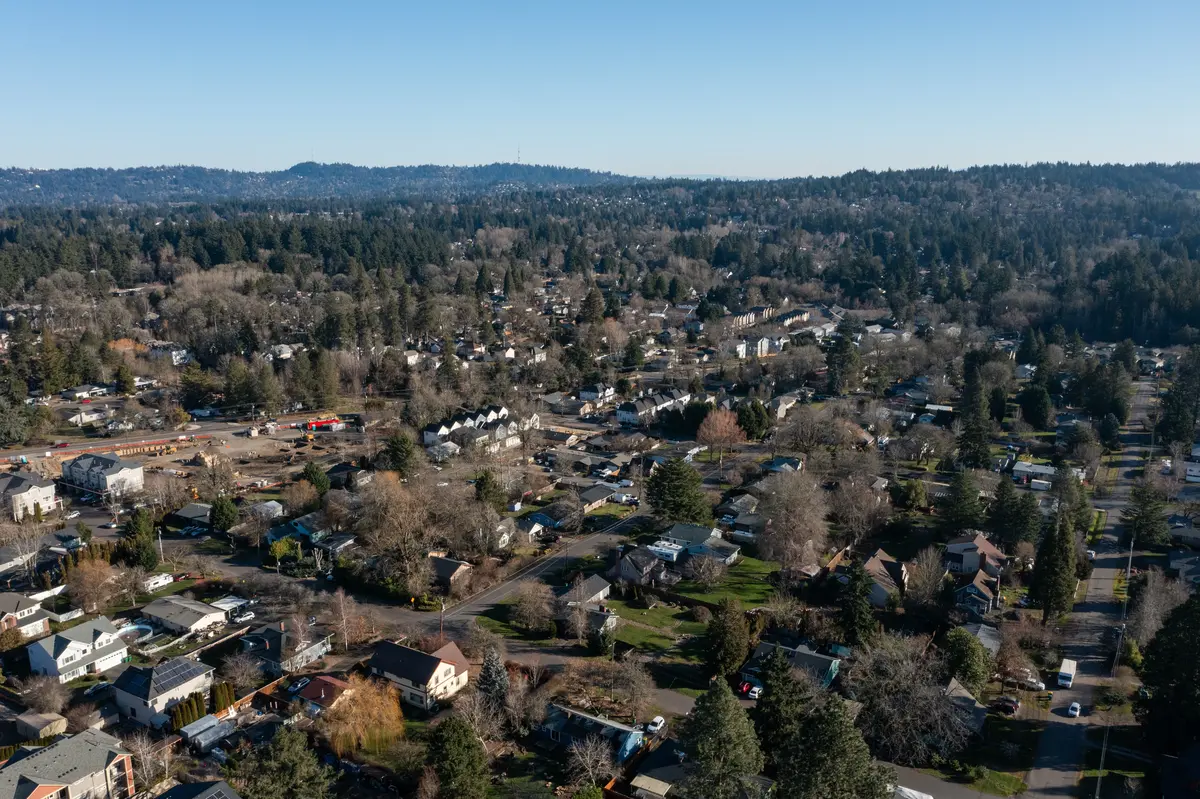
Bethany is one of the more expensive places to live in the Portland metro — not the most expensive, but firmly in premium territory. The typical home value sits at $766,000, a figure that lands noticeably above the Oregon median and substantially above what buyers find in most of suburban Washington County. Housing is the single biggest driver of that gap, and it reflects what Bethany actually is: a planned, higher-income community with newer construction, strong schools, and direct access to the tech-corridor job market via US-26.
Compared to the neighbors buyers most often weigh it against, Bethany runs noticeably higher than both Beaverton and Hillsboro, and somewhat lower than Cedar Mill. That positioning is important context: if you are looking at Beaverton because you cannot make Bethany work on your income, that is a common and reasonable move. If Cedar Mill is already in your range, Bethany will feel like a slight discount with more land and newer builds in some pockets.
Beyond housing, Oregon's tax structure shapes the rest of the cost picture in ways that are not immediately obvious. There is no state sales tax — one of only five states in that position — which quietly trims the cost of everything from groceries to car purchases. The offset is a progressive state income tax that reaches 9.9% at the top bracket, and Bethany's median household income puts most residents firmly into the upper brackets. The net effect: your paycheck will feel the income tax, but your daily spending will not feel a sales tax. For most Bethany households, that is a real tradeoff worth modeling before you move.
Housing: Rent vs Buy in Bethany
The honest framing on buying in Bethany is this: the median household income here is below the income needed to comfortably carry the typical home at today's prices, by roughly $32,000. That gap is not disqualifying for dual-income households in the tech sector, but it is a real number and worth acknowledging before running optimistic mortgage math. Entry-level options — older townhomes and smaller single-family homes — do exist at meaningfully lower price points than the city-wide typical home value, and they tend to cluster in the community's older sections. For specifics on where those price points concentrate by neighborhood, the best neighborhoods guide covers the full breakdown.
The effective property tax rate in Bethany is approximately 0.84% — one of the lower rates in the Portland metro, and a genuine advantage for buyers carrying a large purchase price. Oregon's Measure 50 adds a long-term benefit that many newcomers do not know about: once you buy, the assessed value used for tax calculations can only grow 3% per year, regardless of how much the market moves. If you hold your home for ten or fifteen years in an appreciating market, you will likely be taxed on an assessed value well below what a new buyer would pay. That is a real and compounding financial benefit for staying put.
One nuance worth understanding: Washington County's total property tax levy rose substantially in the 2025-26 cycle, driven by voter-approved measures, new construction activity, and expanded district levies. Even with Measure 50's cap on individual assessed values, your actual tax bill reflects the sum of all the levies your parcel sits in — school district, fire district, community college, metro, and others. The 0.84% effective rate is the right planning figure, but do not be surprised if your first-year bill is shaped by the full levy picture rather than just the assessed-value cap.
Renting in Bethany makes the most financial sense for people who plan to stay fewer than three to four years or who are waiting on a dual income to stabilize before committing to a purchase at this price point. The rental inventory here skews toward newer apartments and townhomes rather than the older rental stock you might find closer to Portland's core. The interactive mortgage calculator below will show you how the numbers shift at different down-payment levels — use it with the 0.84% effective tax rate and your current interest rate to get a realistic monthly picture. For broader first-time buyer mechanics, the first-time homebuyer guide covers what the buying process looks like in this market.

Everyday Costs Beyond Housing in Bethany
| Category | Typical Monthly Cost | Notes |
|---|---|---|
| Utilities | $210–$290/mo | Electricity, gas, water, sewer, trash |
| Groceries | $620–$820/mo | Food at home, household of 2–3 |
| Transportation & Gas | $180–$340/mo | Fuel, and transit where it is a real option |
| Phone & Internet | $110–$180/mo | Mobile plan plus home broadband |
| Misc / Discretionary | $280–$520/mo | Dining out, entertainment, subscriptions |
Non-housing figures are estimates for a household of two to three, not a sourced index; housing is the city-wide typical rent. Refreshed with the rest of the city data.
Utilities in Bethany run close to or modestly below the national average — Oregon's electricity rates and the Portland metro's relatively mild climate combine to keep monthly bills manageable compared to cities with extreme heat or cold. That said, the Pacific Northwest's wet season runs long, and heating costs during the November-through-March stretch are real. Expect natural gas or heat-pump usage to be your largest utility variable, not summer cooling.
Groceries will run above what you paid if you are moving from a lower-cost state — Oregon sits approximately 7% above the national average for food costs. Bethany is car-dependent for most daily errands, so transportation spending here is primarily about vehicle ownership and fuel rather than transit passes. TriMet's Line 67 provides weekday bus service in the area, and the BethanyLink shuttle connects riders to the MAX Blue and Red lines at Sunset Transit Center on weekdays, making Portland-bound commutes feasible without a car — but the grocery run, the school pickup, and most weekend errands will involve driving. Factor a real transportation budget into your planning, because cutting it is harder here than in a walkable urban neighborhood.
Looking to buy in Bethany? Estimate your payment.
Enter your numbers to see an estimated monthly mortgage payment.
Estimate only. Excludes HOA fees and mortgage insurance. The interest rate above is a starting point, not a quoted rate — replace it with your own to see real numbers. Insurance is a flat placeholder, not a Bethany quote.
Bethany vs Nearby Cities: Cost Comparison
| City | Typical Home Price | Typical Rent | Cost vs Bethany |
|---|---|---|---|
| Bethany (this city) | $766,000 | — | — |
| Beaverton | $527,947 | $1,880/mo | 31% lower |
| Hillsboro | $518,047 | $1,946/mo | 32% lower |
| Cedar Mill | $836,000 | $1,900/mo | 9% higher |
Source — home prices: Redfin median sale price, May 2026. Nearby-city figures are the same series, refreshed together.
Bethany sits at the premium end of Washington County's suburban spectrum — the table below shows exactly how its home price and typical rent compare to the communities buyers most often weigh it against, with a qualitative cost difference for each.
Taxes & the Bottom Line for Bethany
Oregon's income tax is the loudest number in this state's tax picture. The rate is progressive, running from 4.75% at the low end to 9.9% at the top — and the 9.9% bracket kicks in at taxable income above $125,000 for a single filer, which means most Bethany households will pay at or near the top marginal rate. Oregon also limits the deduction for federal income taxes paid, which compounds the effective burden for higher earners. If you are relocating from a state with no income tax, the adjustment is real and worth building into your relocation budget.
The offset that softens it: Oregon has no state sales tax. None. Every grocery run, appliance purchase, and vehicle transaction happens at the sticker price. For a household spending heavily on consumer goods — or making a large purchase shortly after moving — the savings are genuine and recurring. It does not erase the income-tax picture, but it is not a rounding error either.
The effective property tax rate of approximately 0.84% is the other meaningful advantage. That rate is low relative to what buyers in many West Coast markets pay. And Measure 50's 3%-per-year cap on assessed-value growth means the longer you own, the more that rate works in your favor. Long-term homeowners in Bethany who bought a decade ago are often taxed on an assessed value meaningfully below what their home would sell for today.
The bottom line on who Bethany fits financially: dual-income households in the tech, healthcare, or professional sectors — the people who staff Nike's Beaverton campus, Intel's Hillsboro operations, and a regional health system — generally find the numbers workable, especially if they are committed to owning for five or more years. Single-income households at or below the city's median household income will find the home-price-to-income gap challenging at current prices, and should run the comparison carefully against Beaverton and Hillsboro, where the price picture is noticeably more accessible. For a full picture of who tends to thrive here and why, the living in Bethany guide covers the community fit in more depth.
Local Expert Takeaway: Bethany's cost story is simpler than it looks: high housing prices, low property tax rate, zero sales tax, and a state income tax that will claim a real share of a tech-sector paycheck. The buyers who make it work are usually dual-income households who plan to stay at least five years, take advantage of Measure 50's assessed-value cap over time, and treat the no-sales-tax situation as a genuine offset rather than a consolation prize. If Beaverton or Hillsboro prices are where your budget actually lands, that is an honest and common outcome — Bethany is the premium tier of Washington County for a reason.
Quick Takeaways & FAQs
✅ Bethany's effective property tax rate of approximately 0.84% is among the lower rates in the Portland metro, and Oregon's Measure 50 caps annual assessed-value growth at 3% — a real long-term advantage for buyers who stay.
⚠️ The median household income in Bethany falls short of what is needed to carry the typical home at current prices, making this a stretch for single-income buyers even at above-average earnings.
📍 Oregon has no state sales tax, which quietly offsets a portion of the high income-tax burden — but the 9.9% top marginal rate will be a real line item for most Bethany households earning at or above the city median.
What is the typical home price in Bethany, Oregon?
Is Bethany more expensive than Beaverton or Hillsboro?
What is the property tax rate in Bethany, Oregon?
Does Oregon have a sales tax that affects everyday costs in Bethany?
Is Bethany car-dependent, and how does that affect the transportation budget?
Moving to Oregon?
Tell us what you need help with and we'll connect you with local resources.
