About Elizabeth
What Kind of Place Is Bethany, Really?
Bethany is unincorporated Washington County — there is no city hall, no mayor, no city police force. Washington County Sheriff's Office handles patrol, and Tualatin Valley Fire and Rescue responds to emergencies. That distinction matters less than you might think on a day-to-day basis, but it does shape the governance reality: street improvements, development planning, and community decisions move through the county, not a local city council.
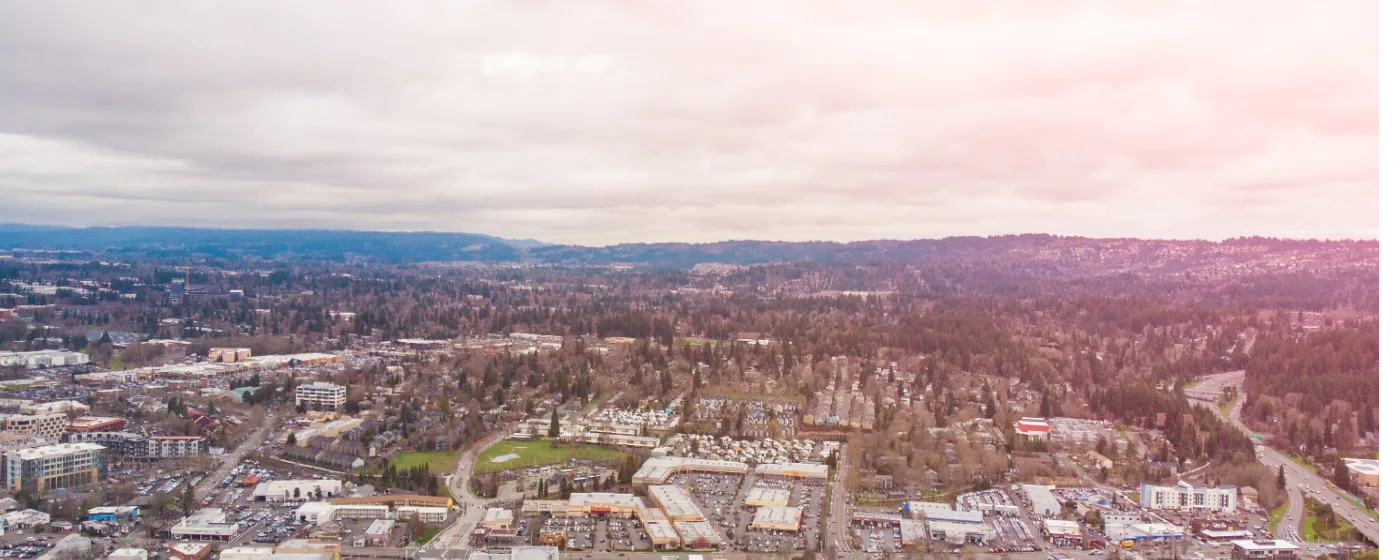
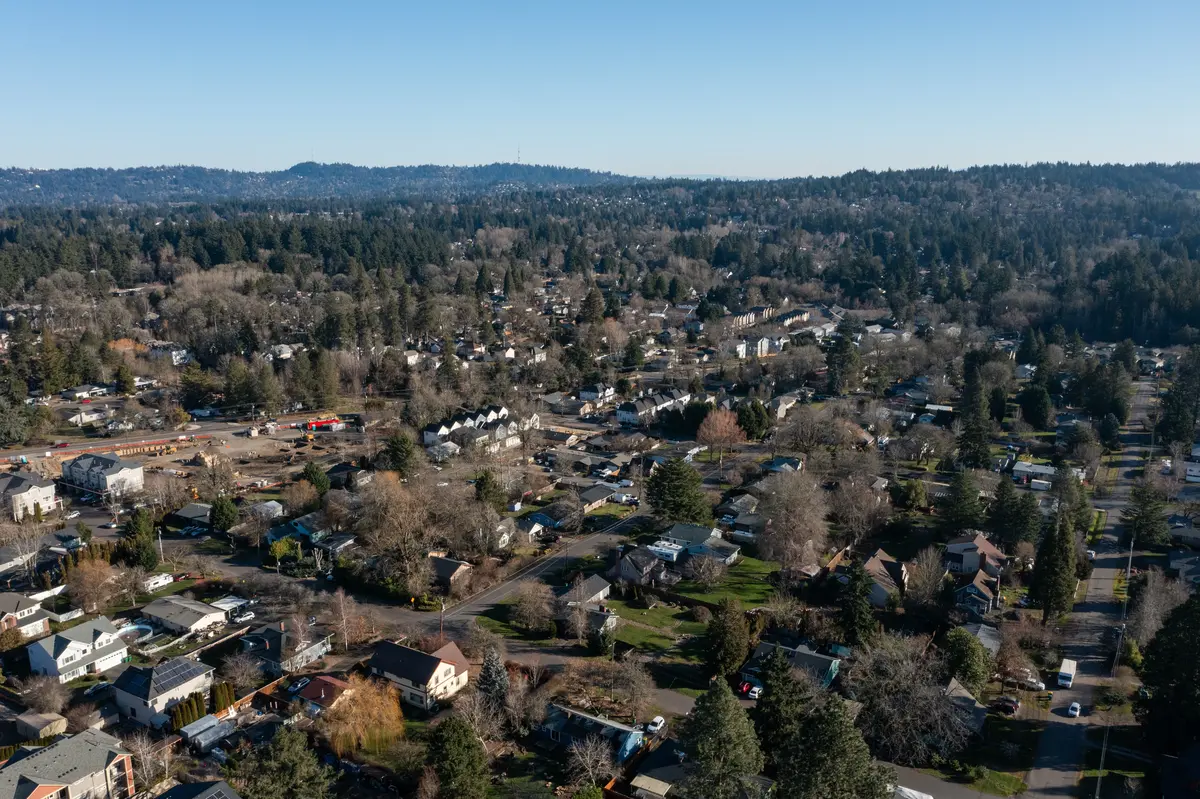
What it functions like, in practice, is one of the most deliberately planned suburban communities in the Portland Metro. The North Bethany Subarea Plan guides development with a stated goal of putting every residence within a short walk of a park. That is not aspirational language — it is a design standard, and on the ground it shows. The Ben Graf Greenway, Bethany Creek Park, and the trail connections threading through Kaiser Woods Natural Area make the green infrastructure feel genuinely integrated rather than ornamental.
With 33,106 residents, Bethany is a community built around employer access, planned infrastructure, and a quality of life that is hard to replicate in older, more improvised suburbs. The community that emerged is one of the more cohesive planned communities in the region.
The median household income here is $167,735 — well above the regional average — and that tells you something about who the market attracts. This is mostly dual-income professional households, often connected to Nike, Kaiser Permanente, or Intel's Hillsboro campus. The community reads accordingly: quiet, maintained, family-oriented, and not especially walkable in the old-city sense, but functional and intentional in a way that suits the people who choose it.
Bethany's Neighborhoods — What I Tell Buyers
No two neighborhoods in Bethany feel quite the same, and the decision about which one to target matters more than people realize before they start looking.
North Bethany
This is the newest and most actively developing part of the community. The homes are mostly newer construction, the streets are wide and well-landscaped, and the entire subarea was planned with urban services built in from the start. Buyers who want a newer home with modern floor plans and access to the Rock Creek greenway corridor gravitate here. The trade-off is that some of the retail and community infrastructure is still catching up with the residential build-out.
Best for: Families NatureBethany Village
This is the closest thing Bethany has to a genuine neighborhood center. Bethany Village Town Center anchors it — a walkable commercial hub with a grocery store, restaurants, a public plaza, and mixed-use buildings. The fountain area draws people for summer gatherings and holiday events, and the restaurant options here are among the most varied in the community. If having something to walk to matters to you, this is the neighborhood I point buyers toward first.
Best for: Walkable First-TimeArbor Heights
Arbor Heights sits at a slightly elevated position and offers a more established suburban feel. The housing stock is a mix of late-1990s and 2000s-era construction, and the lots tend to be more generous than what you'll find in the newest planned sections. Buyers who want a bit more breathing room between homes — and who are not chasing new construction — often land here.
Best for: Families QuietBauer Highlands
One of the more elevated and view-oriented pockets. The topography here gives some homes genuine westward or valley views, which is not something you find uniformly across the community. Larger lots and a quieter, less-trafficked feel attract buyers who want privacy without sacrificing the broader Bethany infrastructure.
Best for: Views PrivacyClaremont
Claremont is notable for two things: it is one of Bethany's more established neighborhoods, and it is also the community's designated 55+ area. If you are buying for a multigenerational household or looking at that stage of life yourself, Claremont is the only 55+ community in Bethany I will name — the rest of the market is mixed-age, and that distinction matters for how you filter.
Best for: Quiet FamiliesBethany Creek Falls, Dogwood Park / Wildwood, and Bethany Ridge
These three neighborhoods round out the community's residential fabric. Bethany Creek Falls has a park-adjacent character that appeals strongly to households with young children. Dogwood Park and Wildwood share a greenbelt sensibility — more trail access, more canopy. Bethany Ridge sits at a higher elevation and tends to attract buyers who want the suburban feel with some distance from the busiest corridors. Each has its own personality, and I always recommend driving all three before narrowing down.
Best for: Nature Families
Schools in the Beaverton School District
Every home in Bethany feeds into the Beaverton School District, one of Oregon's largest, with 36,959 students enrolled in 2025-26 according to figures the Oregon Department of Education publishes. On 2024-25 state assessments, 43% of students reached math proficiency and 53.1% reached reading proficiency — figures the Oregon Department of Education publishes as part of its statewide accountability reporting.
Those numbers sit below what some buyers expect when they hear Beaverton School District mentioned alongside this community's median household income and home prices. The honest interpretation is that proficiency rates vary considerably across a district this size, and the school assigned to your specific address — not the district average — is the number that will matter to your household.
The district runs active OSAA athletics programs, and the community texture around school events is genuine — Friday night football here draws a real crowd, and school activities feel like a meaningful part of neighborhood life rather than background noise.
My strong advice to anyone buying in Bethany with schools as a factor: confirm the assigned elementary, middle, and high school for any specific address directly with the Beaverton School District before you make an offer, and review the school-level data the Oregon Department of Education publishes yourself. Boundary lines here do not always track neighborhood names the way buyers assume, and one street can mean a different school than the one your future neighbors' children attend. Do that due diligence on your own terms — don't rely on what a listing description or a neighbor tells you.
Looking to buy in Bethany? Estimate your payment.
Enter your numbers to see an estimated monthly mortgage payment.
Estimate only. Excludes HOA fees and mortgage insurance. The interest rate above is a starting point, not a quoted rate — replace it with your own to see real numbers. Insurance is a flat placeholder, not a Bethany quote.
The Commute Reality
Bethany's entire value proposition is tied to employment access, so the commute picture is worth being direct about. US-26 is the primary artery, and it is both Bethany's biggest asset and its most predictable friction point. Getting to Portland or the Hillsboro tech corridor is about 25 minutes to Portland or the Hillsboro tech corridor under normal conditions — and normal conditions on US-26 during weekday mornings are not guaranteed.
For buyers who work at Nike, Kaiser Permanente, or Intel's Hillsboro campus, Bethany's position is genuinely strong. You are on the right side of Portland for the tech corridor, which is not something you can say about many communities that offer comparable schools and green space. The commute toward Portland proper is manageable but directionally harder — traffic flows toward the city in the morning, and Bethany is far enough out that the last few miles into downtown require patience on congested days.
Remote workers are a growing share of the Bethany buyer pool, and for them the commute calculus shifts entirely. The community has strong broadband infrastructure, and the parkway greenways and trail connections make a midday walk or run genuinely accessible from most neighborhoods — something that matters more than it sounds when you're working from home full-time.
Portland International Airport is about 22 miles from Bethany. For buyers who travel frequently for work, that distance is worth factoring in: getting to PDX from Bethany is a real trip, particularly during afternoon departure rushes. It is not a dealbreaker, but it is not the same as living closer in.
Bethany vs Nearby Cities
| City | Typical Home Price | Typical Rent | Cost vs Bethany |
|---|---|---|---|
| Bethany (this city) | $766,000 | — | — |
| Beaverton | $527,947 | $1,880/mo | 31% lower |
| Hillsboro | $518,047 | $1,946/mo | 32% lower |
| Cedar Mill | $836,000 | $1,900/mo | 9% higher |
Source — home prices: Redfin median sale price, May 2026. Nearby-city figures are the same series, refreshed together.
I work with buyers who are simultaneously weighing Bethany, Beaverton, Hillsboro, Cedar Mill, and occasionally Oak Hills and Rock Creek — and the comparisons are genuinely worth thinking through rather than defaulting to wherever the first appealing listing appears.
Bethany vs. Beaverton: Beaverton is noticeably lower in typical home price, and that gap is real enough to change what a buyer's budget gets them. What you give up in Beaverton is the more planned, newer-construction character that defines Bethany's newest neighborhoods, and some of the green corridor access. What you gain is more established walkable retail in some pockets, and often more housing variety. For buyers on tighter budgets who still want Beaverton School District, Beaverton proper is the place I look first.
Bethany vs. Hillsboro: Hillsboro is also noticeably lower in typical home price, and it sits even closer to Intel and the broader Washington County tech employment base. The catch is that Hillsboro's character is more mixed — there are parts of Hillsboro I'd send a buyer to without hesitation, and parts I'd steer them away from depending on what they're after. The school district is different (Hillsboro School District rather than Beaverton), which matters for buyers with that as a primary filter.
Bethany vs. Cedar Mill: This is the comparison that surprises buyers most. Cedar Mill runs somewhat higher in typical home price than Bethany, and it offers a slightly more established, woodsy suburban character. Proximity to Portland proper is a bit tighter for Cedar Mill buyers, which some people prefer. I often describe Cedar Mill as what Bethany will feel like in another decade — more settled, more canopied, with less active construction around the edges.
Bethany vs. Oak Hills and Rock Creek: These smaller adjacent communities share some of Bethany's suburban character but have less of the planned infrastructure and community identity. Buyers who find a listing in Oak Hills or Rock Creek should evaluate those areas on their own terms rather than assuming they're interchangeable with Bethany.
The honest summary: Bethany is not the cheapest option in this corridor, and it is not the most established. What it offers is the combination of newer-construction quality, consistent park access, strong employer proximity, and a community identity that the alternatives do not replicate at the same price point. Whether that combination justifies the premium is a question I ask buyers directly — and the answer is not always yes.
What Buyers Find After They Move In
The things that surprise buyers most after moving to Bethany are rarely about the neighborhood itself — it tends to deliver what it promises. The surprises are usually about the broader context they did not fully account for.
The commute is real. Buyers who toured on a Saturday and estimated their commute based on a pleasant mid-morning drive are sometimes caught off guard by what US-26 looks like at 7:45 on a Tuesday. I tell every buyer to drive their actual commute route at their actual departure time before going under contract. It sounds obvious and people still skip it.
Oregon has 143 sunny days a year, and that number hits differently in January than it does during the summer tours that bring most out-of-state buyers to this community. The gray season is long. Buyers who moved from California or the Southwest often say month four is when it lands — not in a dealbreaker way, but in a recalibration-of-expectations way. If you are considering the move from a sunnier state, give yourself a winter visit first.
The planned nature of the community is an asset until it isn't. Buyers who want organic neighborhood texture — a block that evolved over decades, independent retail that grew up without a master plan — sometimes find Bethany's orderliness a little sterile after a few months. That is not a flaw in the community; it is a mismatch between buyer type and place. The buyers who thrive here tend to appreciate the intentionality rather than chafe against it.
Bethany Village Town Center becomes more central to daily life than most buyers expect. The plaza, the seasonal events, the community gathering character — residents who initially see it as just a shopping center end up treating it as the community's actual living room. That is a good surprise, and it is one of the reasons the area holds its appeal for families who stay long-term.
Who moves out? Buyers who leave Bethany most often cite the price-to-space ratio — when they're ready to upsize significantly, the math sometimes points them toward other parts of the metro. And the occasional buyer who moved here for the schools, found the school-boundary assignment different from what they expected, and recalculated from there. Both outcomes were avoidable with earlier, more careful research — which is precisely why I walk buyers through those details before they fall in love with a specific house.
Final Advice From Elizabeth
Quick Takeaways & FAQs
✅ Bethany sits closer to the Nike and Intel campuses than almost any other community in the Portland Metro with comparable schools and park infrastructure.
⚠️ The typical home price of $766,000 (May 2026 median sold price) is noticeably above Beaverton and Hillsboro, and the median household income does not fully cover it — budget discipline matters here.
📍 Bethany is unincorporated Washington County — there is no city hall or city police; Washington County Sheriff patrols the area, which surprises buyers who assume standard city governance.
What does $766,000 actually buy in Bethany right now?
How do the schools actually work, and are they as strong as people say?
What is the commute from Bethany to Portland and the tech corridor really like?
Which Bethany neighborhood is right for my family?
Is Bethany safe?
How does Bethany compare to Beaverton or Cedar Mill for a buyer on a similar budget?
What surprises buyers most after they've actually moved to Bethany?
Who ends up happiest in Bethany, and who might be better off elsewhere?
Moving to Oregon?
Tell us what you need help with and we'll connect you with local resources.
