
Most people researching Sherwood spend their time looking at home prices and commute times. The parks system tends to be an afterthought — until they move here and realize it's one of the most concrete reasons to stay. A city of 20,500 people has no business sitting next to a 1,856-acre federal wildlife refuge, operating multiple miles of paved multi-use trail, and running a summer concert series that fills a park amphitheater on warm evenings. And yet that is exactly the situation in Sherwood, where outdoor infrastructure punches well above what the city's size would suggest.
The backbone of that outdoor life is the Tualatin River, which shapes the landscape on the city's western and northern edges. The floodplain it carved out over centuries now holds the Tualatin River National Wildlife Refuge — a U.S. Fish & Wildlife Service sanctuary established in 1992 and opened to the public in 2006, hosting nearly 200 bird species and drawing visitors from across the Portland metro region. OR-99W is the corridor that connects Sherwood to this refuge and to the broader Willamette Valley, making the city genuinely easy to reach from Portland — about 30 minutes — while still feeling like a different pace of life entirely.
Inside city limits, the parks range from Snyder Park's multi-sport complex to the quieter neighborhood green at Woodhaven Park. The Cedar Creek Trail links Stella Olsen Memorial Park to OR-99W through riparian bottomland and connects Sherwood into the regional Tonquin Trail toward Tualatin and Wilsonville. For families weighing the suburban tradeoff, the parks here are a real part of the value proposition, though it is worth understanding the seasonal realities — Oregon's 142 sunny days a year means you will use rain gear as often as sunscreen on the trail.
Whether you're considering a move or just researching the area, the sections below cover Sherwood's signature parks, its trail network, the Tualatin River refuge in depth, and the seasonal programming that turns these spaces into the city's genuine social infrastructure.
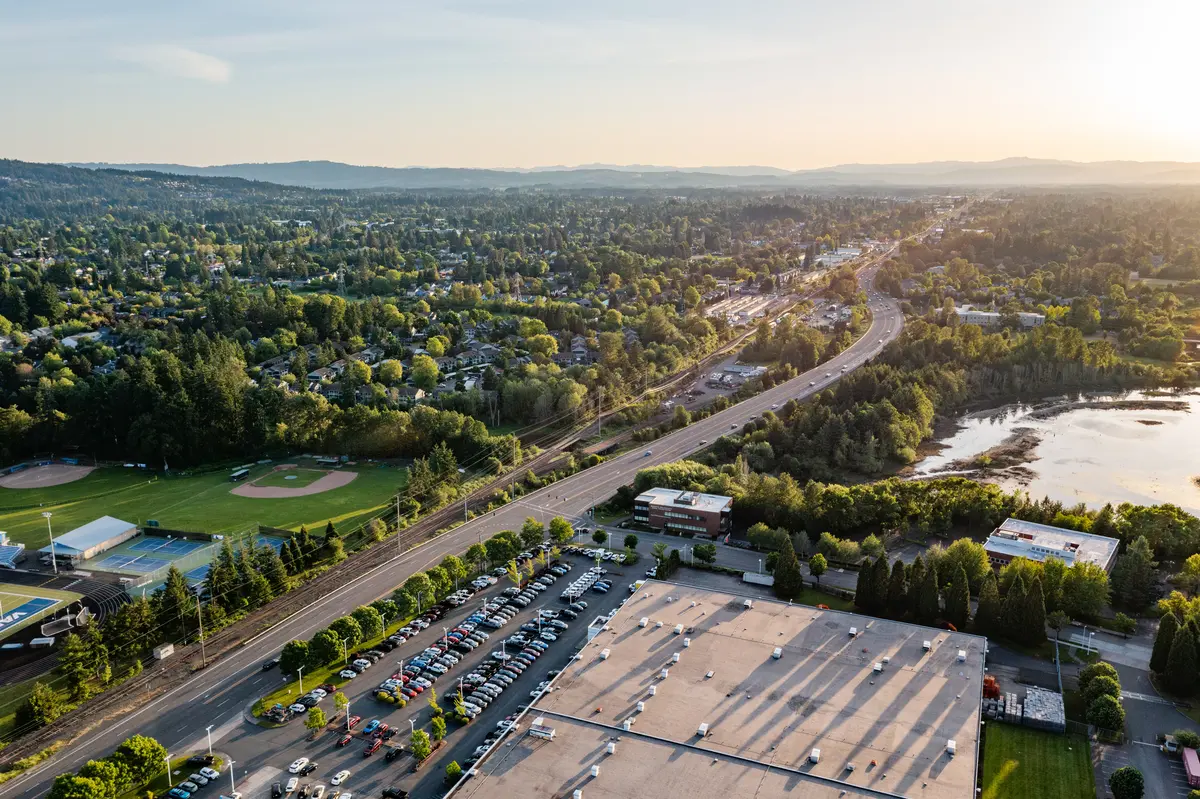
The Tualatin River National Wildlife Refuge
The refuge is the single biggest reason Sherwood's outdoor profile is unusual for a Portland suburb. At 1,856 acres of wetlands, lowlands, and riparian forest sitting within the Tualatin River floodplain, it is a federal sanctuary managed by the U.S. Fish & Wildlife Service — established in 1992 and opened to the public in 2006. The visitor center, which opened in 2008, anchors the experience with interpretive exhibits and an observation deck overlooking the seasonal ponds.
Nearly 200 bird species have been documented here, and during winter months, when officials intentionally flood portions of the refuge, up to 50,000 waterfowl can concentrate in the wetlands at once. That winter spectacle — thousands of ducks and geese visible from a single vantage point — is something most suburban residents would expect to drive hours for. Here it is off OR-99W.
The trail system runs nearly five miles of wildlife interpretive paths, and admission is free. There are real rules to know before you go: trails are pedestrian-only, meaning no bicycles, no jogging, and no pets except service animals. Some trails also close seasonally, typically from October through May, to protect nesting birds — so the forested sections that feel almost untouched in summer are off-limits during much of the rainy season. If you are planning a visit in winter specifically for the waterfowl spectacle, the open ponds remain accessible, but trail access will be limited.
For residents who move here from more urban markets and worry about losing connection to wild land, the refuge is a meaningful answer. It is not a manicured city park — it is a working wildlife sanctuary that happens to be within a short drive of most Sherwood neighborhoods.
Stella Olsen Memorial Park and Cedar Creek Trail
Stella Olsen Memorial Park sits near Old Town Sherwood and serves as the city's closest thing to a community commons. It is not the largest park in Sherwood, but it carries the most programming weight — and after a significant restoration project, it is in better ecological shape than it has been in decades.
A major habitat restoration effort removed more than 15 acres of invasive plants and installed nearly 100,000 native trees, shrubs, and plants along nearly one and a half miles of Cedar Creek streamside habitat. Hundreds of volunteers worked alongside Friends of Trees to complete the work. The result is a park that now has a functional riparian buffer, a multi-use path through the wetlands area, a children's playground, a pavilion, and a covered shelter — all wheelchair accessible and dog-friendly with a leash.
The Cedar Creek Trail extends from Stella Olsen Park toward OR-99W, running through riparian bottomland and shaded conifer stands along the creek. It connects into the regional Tonquin Trail, a multi-use route that links Sherwood toward Tualatin and Wilsonville — making it the most practical cycling and walking connection out of the city for riders who want a car-free option between suburbs.
Where the City Actually Gathers
Summer evenings at Stella Olsen Park's amphitheater are when you see what Sherwood residents actually do together. Music on the Green is the city's free annual outdoor concert series, typically held at the park amphitheater on summer evenings, produced in partnership with local businesses and donors. Some dates, including occasional finale performances, have been held at the Sherwood Center for the Arts. Either way, it draws a genuine cross-section of the city — not just young families with strollers, but older residents and people who do not have kids at all.
Movies in the Park, co-produced by the City of Sherwood and the Sherwood Regional Family YMCA, runs during the same summer stretch — movies at dusk, preceded by live performances and family activities. Both events are free. For newcomers who wonder how a city this size builds real community, these evenings at Stella Olsen are part of the answer.
Snyder Park, Woodhaven Park, and Cannery Square
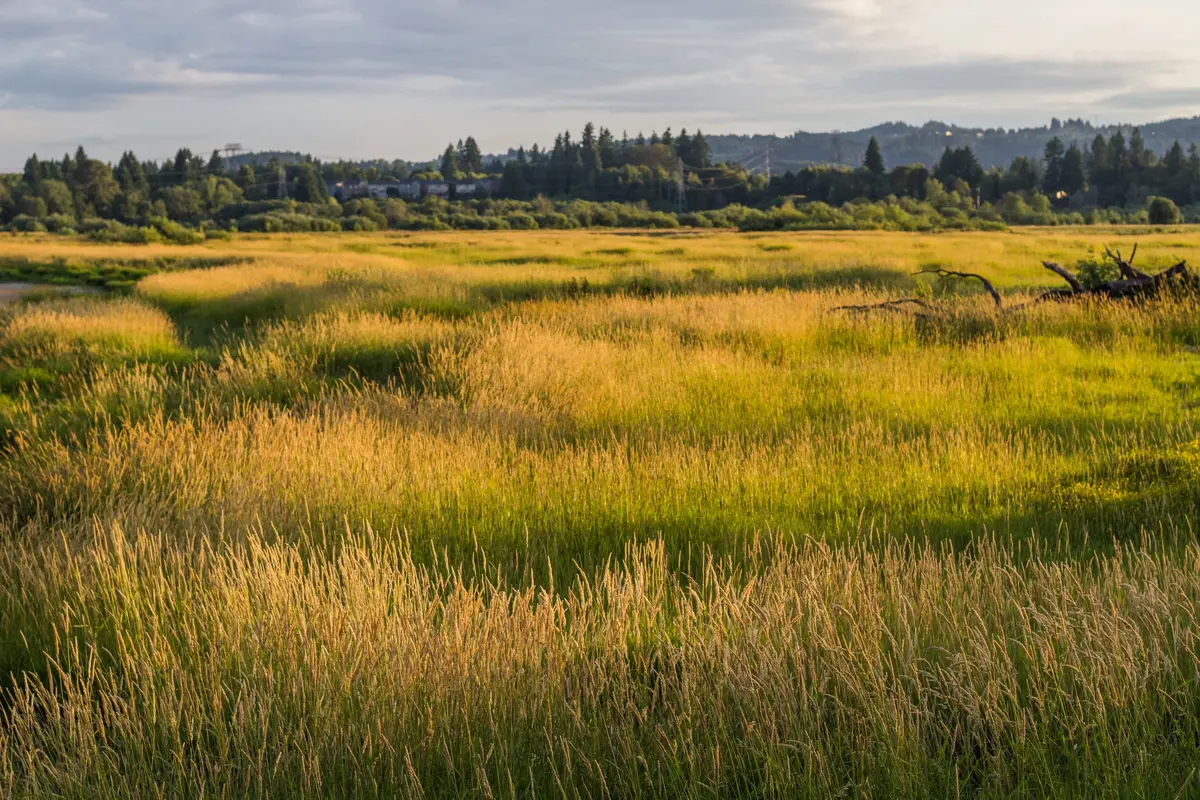
Snyder Park is where Sherwood's multi-sport infrastructure lives. It is the city's largest sports-focused facility — a baseball field, a lacrosse and soccer field with artificial turf and an electronic scoreboard, tennis courts, basketball courts, pickleball courts, multiple play structures, a water feature designed as a stream, a covered shelter, and a dual-sided dog park with separate runs for large and small dogs.
The water feature at Snyder Park is one of the details that surprises newcomers who expect a basic suburban park. The city operates seasonal water play at both Snyder Park and Cannery Square from Memorial Day weekend through the end of September. Cannery Square — the mixed-use downtown gathering space — runs its own water feature alongside restaurant and retail options, which makes it a genuinely useful spot on a warm afternoon rather than just a passthrough.
| Park | Type | Key Features | Best For |
|---|---|---|---|
| Tualatin River NWR | Federal wildlife refuge | Nearly 5 mi of trails, visitor center, observation deck, nearly 200 bird species | Nature Quiet |
| Stella Olsen Memorial Park | Community park + amphitheater | Playground, pavilion, wetlands path, summer concert series, dog-friendly | Families Walkable |
| Cedar Creek Trail | Paved multi-use trail | Riparian corridor, connects to Tonquin Trail toward Tualatin and Wilsonville | Commuter Nature |
| Snyder Park | Multi-sport complex | Turf field, baseball, tennis, pickleball, water feature, dual-sided dog park | Families Youth sports |
| Woodhaven Park | Neighborhood park | Basketball court, play structure, picnic shelter, open lawn, dog-friendly | Families Quiet |
| Cannery Square | Downtown gathering space | Seasonal water feature, adjacent dining, community events | Walkable Families |
Woodhaven Park serves the Woodhaven neighborhood at a quieter, more residential scale — a basketball court, play structure, picnic shelter, and open lawn. It is the kind of park that does not make a headline but matters a lot to the households within walking distance of it.
What Newcomers Don't Expect
The seasonal reality of Oregon's outdoor life catches people off-guard when moving from California or the Southwest. Sherwood gets 142 sunny days a year. The parks are genuinely beautiful and heavily used from May through September, but the trail systems are wet, muddy, and in some cases partially closed from fall through late spring. If you are planning to use the refuge trails in the forest area during winter, expect to find them gated. The paved Cedar Creek Trail holds up better in rain and stays accessible year-round, which makes it the practical choice for regular use.
Looking to buy in Sherwood? Estimate your payment.
Enter your numbers to see an estimated monthly mortgage payment.
Estimate only. Excludes HOA fees and mortgage insurance. The interest rate above is a starting point, not a quoted rate — replace it with your own to see real numbers. Insurance is a flat placeholder, not a Sherwood quote.
Seasonal Recreation and What Daily Outdoor Life Looks Like
Sherwood's outdoor year breaks into two distinct rhythms. From roughly May through September, the city activates: water features run at Snyder Park and Cannery Square, Music on the Green fills the Stella Olsen Park amphitheater on summer evenings, Movies in the Park draws families at dusk, and the refuge trails are fully open. This is when the parks system earns its keep, and when the case for living here is easiest to make on a physical, day-to-day basis.
From October through April, the picture is honest: Oregon is green, the Tualatin River floodplain is genuinely dramatic under winter skies, and the refuge wetlands become the best waterfowl-watching site in the Portland metro. But you are trading warmth and convenience for mood. Some refuge trails close to protect nesting birds, the water features shut down, and the amphitheater goes quiet. Residents who move here from sunnier climates and underestimate this tend to find month four — typically February — the hardest.
Trail Connectivity and What the Tonquin Trail Means
The Cedar Creek Trail's connection to the Tonquin Trail is more significant than it first appears. The Tonquin is a regional multi-use path intended to link Sherwood, Tualatin, and Wilsonville in a car-free corridor through the Tualatin River basin. For residents who want to commute by bike or reach neighboring cities without a car, this trail represents meaningful infrastructure — not a guarantee of a door-to-door commute, but a real option for recreational riders and an increasingly practical one as the trail system extends.
Youth sports programming at Snyder Park draws significant participation — see the full picture at the Sherwood schools page, which covers the Sherwood School District's activities and OSAA athletics. The neighborhood-level character of parks like Woodhaven is inseparable from the neighborhoods themselves; the best neighborhoods in Sherwood page breaks down how each area of the city feels and who tends to choose it.
For most residents, outdoor life in Sherwood is genuinely local. The wildlife refuge, Stella Olsen Memorial Park, Snyder Park, and the Cedar Creek Trail cover the majority of what people actually use week to week. There is no pressure to drive far for a meaningful outdoor experience — which, for a suburb of 20,500 people about 30 minutes from Portland, is not something you can take for granted.
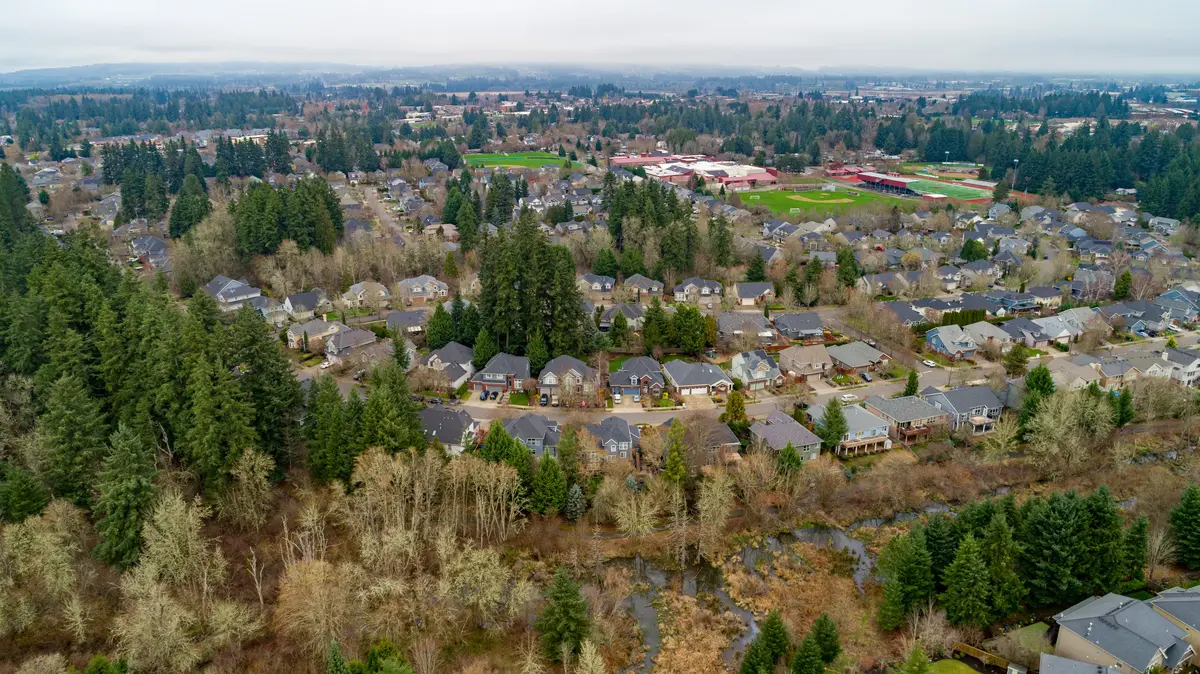
Local Expert Takeaway: Sherwood's outdoor infrastructure is built around the Tualatin River in a way that makes it unusual for a city this size. The Tualatin River National Wildlife Refuge — established in 1992 and free to enter — offers nearly five miles of pedestrian trails through a 1,856-acre wetlands sanctuary and draws visitors from across the Portland metro region. Inside the city, Stella Olsen Memorial Park anchors the social calendar with the Music on the Green concert series each summer, and the Cedar Creek Trail connects directly into the regional Tonquin Trail for anyone who wants to move between suburbs without a car. The honest caveat: Oregon's 142 sunny days a year means you need to plan around the seasons — some refuge trails close from October through May, and the gap between the summer version of these parks and the February version is significant. Go in with that expectation and Sherwood's parks system will feel like a genuine asset; go in expecting year-round California-style outdoor access and it will surprise you.
Quick Takeaways & FAQs
✅ The Tualatin River National Wildlife Refuge — 1,856 acres, free admission, and nearly 200 bird species — is minutes from Sherwood neighborhoods and one of the most accessible wildlife sanctuaries in the Portland metro.
⚠️ Some refuge trails close from October through May to protect nesting birds, and Sherwood's 142 sunny days a year means the parks system is significantly quieter in the rainy season than in summer.
📍 The Cedar Creek Trail connects Stella Olsen Memorial Park to the regional Tonquin Trail, giving cyclists and walkers a car-free route toward Tualatin and Wilsonville — a practical asset that most suburban buyers don't realize exists until after they move in.
Is the Tualatin River National Wildlife Refuge free to visit?
What is the Cedar Creek Trail and where does it go?
Does Sherwood have dog-friendly parks?
What free summer events happen in Sherwood's parks?
Is Sherwood a good fit for outdoor recreation year-round, or mainly in summer?
Moving to Oregon?
Tell us what you need help with and we'll connect you with local resources.
