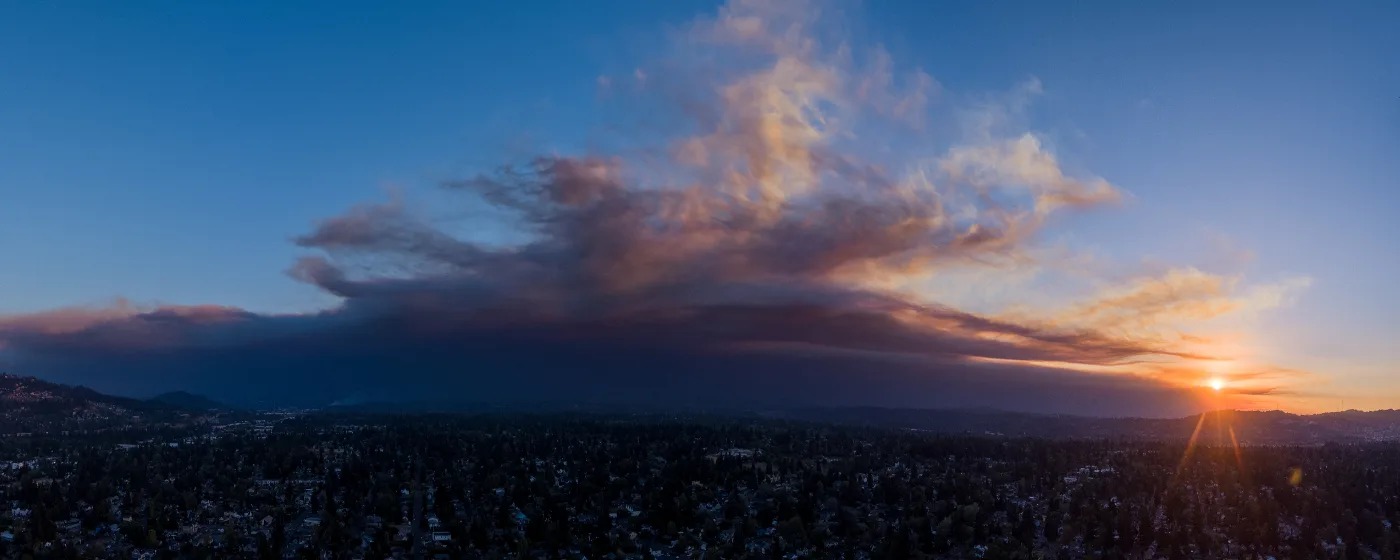
People who move to Clackamas from denser parts of the metro often say the same thing a few months in: they had no idea a forested volcanic butte was a few minutes from their house. Mount Talbert Nature Park rises out of a patchwork of neighborhoods and big-box retail like a geographic accident — 750 feet of ancient lava dome wrapped in Douglas fir, practically invisible from the road. That contrast, between a suburban landscape threaded with genuine wildland access, defines what outdoor life in Clackamas actually feels like.
The North Clackamas Parks and Recreation District, known locally as NCPRD, is the engine behind most of the organized recreation here. It manages parks, runs youth programs, operates a flagship aquatic facility just outside city limits in Milwaukie that draws families from across the region, and publishes a seasonal Discovery Guide covering fitness classes, sports leagues, and community programming. District residents get priority registration and discounted rates — a practical perk that matters when you are actually trying to sign your kids up for swim lessons or a summer sport.
Then there is the Clackamas River. Flowing 82.7 miles from the Mt. Hood National Forest to the Willamette, it is one of the most productive recreational rivers in the Pacific Northwest, with Class III–IV whitewater on the upper stretch, flatwater paddling closer to town, and a fishery that stays active across every season. Riverside County Park puts a boat ramp, ball diamonds, and direct river access within easy reach of Clackamas neighborhoods. For a community of 23,265 people, the outdoor menu is unusually deep.
Whether you are weighing a move or already settled in, the sections below cover Clackamas's signature parks and trails, the Clackamas River corridor, the NCPRD aquatic and recreation programs, and what seasonal outdoor life here genuinely looks like across the year.
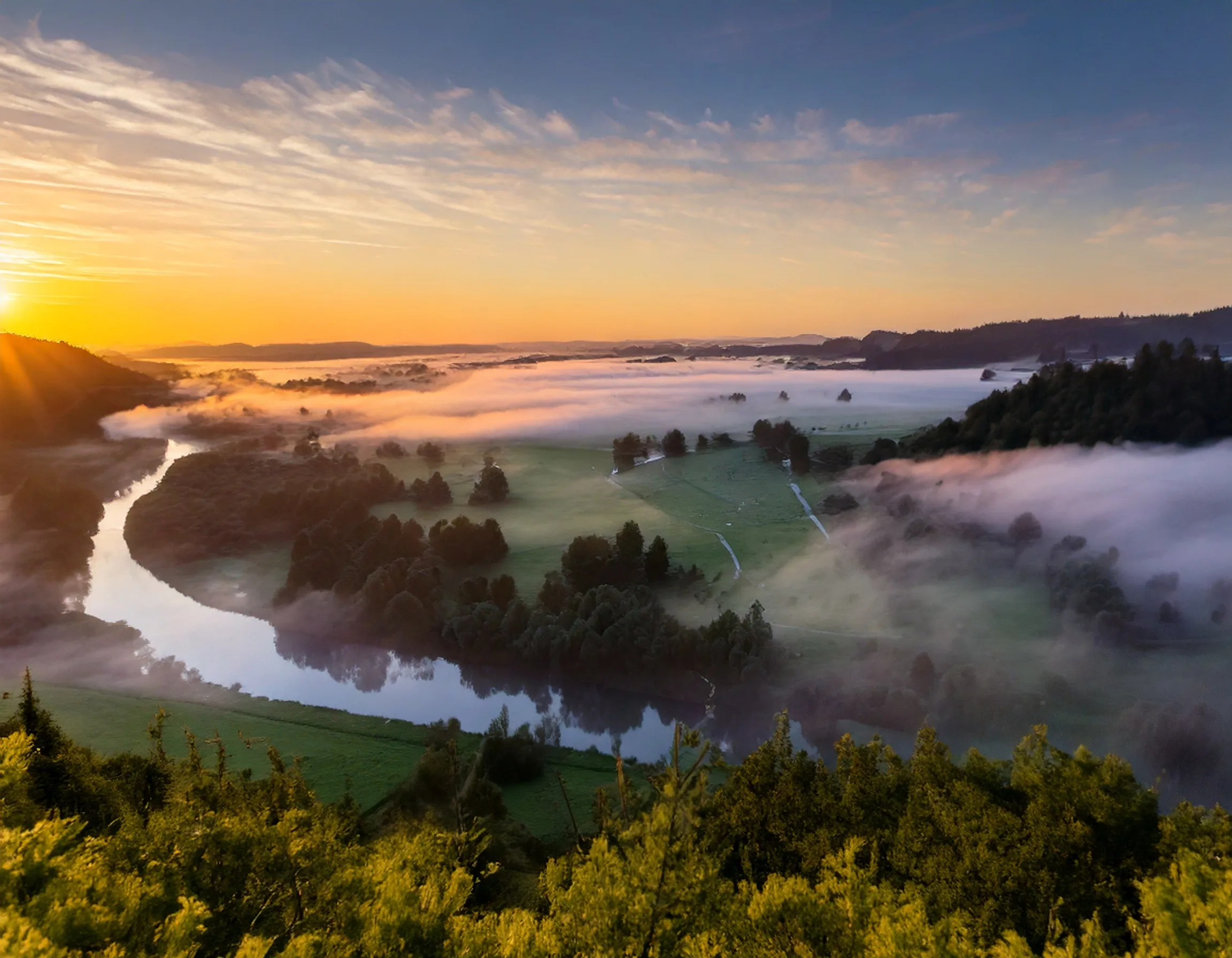
Mount Talbert Nature Park: Clackamas's Backyard Wilderness
Mount Talbert is the kind of place that stops newcomers mid-hike when they realize they are standing on an extinct lava dome that has been forming for nearly 3 million years, with the sound of the interstate fading below the tree line. The park sits at the edge of Clackamas, wedged between I-205 and the edge of Happy Valley, managed by NCPRD as one of the region's most ecologically significant urban green spaces.
The Terrain
More than four miles of trails cross the butte, ranging from a flat gravel loop near the main entrance to steep single-track routes that gain real elevation quickly. There is no parking fee. The trailhead is also reachable by TriMet bus route 156, which stops about a quarter-mile from the entrance — one of the few natural areas in the metro where you can arrive without a car.
What Locals Know About the Wildlife
Mount Talbert sits in the Boring Lava Field, and its isolation inside a developed area makes it a genuine migration stopover. In spring, neotropical songbirds — warblers, vireos, orioles, tanagers — move through in numbers that serious birders plan trips around. The forest floor comes alive at the same time with white fawn lily and common camas.
Dogs and bikes are not permitted anywhere in the park. That policy protects the sensitive habitat, and it also means the trails stay quieter than most urban parks — no off-leash encounters, no mountain bike traffic on narrow singletrack. If you are a trail runner or a hiker who prefers solitude, that tradeoff works heavily in your favor. If you were hoping to bring the dog, the neighborhoods page covers other nearby options worth knowing.
Best for: Hikers, birders, trail runners, and anyone who wants a genuine forest experience without leaving the neighborhood.
The Clackamas River: Paddling, Fishing, and Riverside Access
The Clackamas River Scenic Waterway is not a local amenity — it is a destination river that happens to run through the backyard of this community. At 82.7 miles from its headwaters in the Mt. Hood National Forest to its confluence with the Willamette near Oregon City, it covers nearly every form of river recreation imaginable.
Whitewater and Flatwater
The upper stretch runs Class III–IV rapids — legitimate whitewater that draws rafters and kayakers from across the Portland metro. The lower river, closer to Clackamas, transitions to flatwater paddling and stand-up paddleboarding. Access sites along the Clackamas Water Trail are free and open year-round.
Riverside County Park is the most direct access point for Clackamas residents. It sits on the river and includes a boat ramp, fishing spots, ball diamonds, and room for kayaking and canoeing — a low-key, family-friendly setup that tends to see less congestion than the more famous launch points upriver.
The Fishery
What makes the Clackamas River genuinely unusual is the fishery. The lower river supports one of only two remaining spring Chinook runs in the Willamette Basin — a fact that Oregon fly fishing and drift boat communities take seriously. Coho salmon run in fall, steelhead in winter and into spring, and a summer mix of steelhead and Chinook keeps the river productive across all four seasons. For a household where fishing is a regular weekend activity, this access is a meaningful quality-of-life asset.
One honest note: the most spectacular whitewater sections are upriver, not immediately adjacent to Clackamas. What the town offers is practical, year-round access to a river corridor that most metro residents have to drive much farther to reach. That is a different thing from a world-class whitewater put-in at the end of your street — but for most families, it is the more useful version.
Best for: Families Nature Anglers, paddlers, and anyone who wants river access without a long drive.
NCPRD Programs and the Aquatic Park: Organized Recreation at Scale
The North Clackamas Parks and Recreation District operates on a different scale than most suburban park districts its size. The flagship facility — North Clackamas Aquatic Park, located just outside Clackamas in Milwaukie — draws families and lap swimmers from across the region and runs six pools, three water slides, a wave pool, a kiddie pool, and a 29-foot rock climbing wall. Water temperature holds at 86°F year-round.
Why the Aquatic Park Matters for Families
Oregon's largest swim-lesson program at a single facility runs here, covering all ages and ability levels. There is also a dedicated Sensory Friendly Swim program — the kind of offering that is genuinely hard to find in smaller suburban districts. For parents with young children, having this level of programming a short drive away is a meaningful factor in choosing where to live, and the schools page covers how youth athletics and activities fit into the broader North Clackamas School District picture.
The RecMobile and Seasonal Programming
During summer, NCPRD runs a Traveling RecMobile — a free, drop-in program for children ages 6–10 that brings games, sports, crafts, and active play to multiple park locations across the district on weekdays. It is the kind of program that fills a real gap for working parents who need structured outdoor activity during school breaks without paying for a full camp.
The district publishes a seasonal Discovery Guide covering fitness classes, enrichment programs, sports leagues, and community events. District residents get priority registration windows and lower rates than non-residents — in practice, that means Clackamas households can reliably get into programs that fill quickly. If program availability is a deciding factor, it is worth checking directly with the district on what is running each season.
Best for: Families First-Time Buyers Households with children who want organized programming and year-round aquatic access nearby.
Looking to buy in Clackamas? Estimate your payment.
Enter your numbers to see an estimated monthly mortgage payment.
Estimate only. Excludes HOA fees and mortgage insurance. The interest rate above is a starting point, not a quoted rate — replace it with your own to see real numbers. Insurance is a flat placeholder, not a Clackamas quote.
Seasonal Recreation: What Outdoor Life in Clackamas Actually Looks Like
Clackamas gets 142 sunny days a year. That is the honest number — well below what the Pacific Northwest is sometimes marketed on — and it shapes how residents relate to outdoor recreation here. The seasons are real, the rain is real, and people who thrive here learn to use the outdoor assets across all of them rather than waiting for July.
Spring
Mount Talbert comes alive in April and May. The songbird migration peaks, the forest floor blooms, and the trails are wet enough to feel genuinely wild. The Clackamas River starts filling out for spring Chinook, and the fishing community that orbits Riverside County Park gets busy. If you are arriving from a dry-summer climate, spring in Clackamas is the season that takes the most adjustment — it is beautiful and it is damp, often simultaneously.
Summer
Summer is the obvious high point: river paddling, the RecMobile programs running through the district's parks, longer light in the evenings, and occasional stretches of genuine warmth. The aquatic park's wave pool and slides become a genuine draw for families across the region. One thing that surprises newcomers: even in July, a cool marine push can drop temperatures quickly. Layers remain a reasonable idea.
Fall and Winter
Fall brings the coho salmon run and the best colors on Mount Talbert's slopes. Steelhead season opens on the Clackamas River in December and runs through spring — the river does not shut down, and neither does the core of the outdoor community here. Indoor programming through NCPRD fills the gap for families who want structured activity during the grey months.
What you give up compared to some other Oregon communities is a ski area within easy reach. The mountain recreation that defines much of Oregon outdoor culture is accessible from Clackamas, but it requires a drive. What you gain is immediate, year-round access to a river system and an urban forest that most metro residents would genuinely have to travel to reach. For more on how that trade-off affects daily commuting and lifestyle choices, the living in Clackamas page goes deeper.
Best for: Nature Quiet Buyers who want four-season outdoor access without needing to leave the metro for it.
Local Expert Takeaway: Mount Talbert Nature Park is the outdoor asset most people moving to Clackamas don't know about until they get here — a forested volcanic butte with more than four miles of trails and no entrance fee, sitting at the edge of a suburban neighborhood. Pair that with year-round river access at Riverside County Park on the Clackamas River, the NCPRD's robust seasonal programming, and North Clackamas Aquatic Park a short drive away in Milwaukie, and the outdoor picture is considerably richer than the surrounding retail landscape suggests. The honest catch: 142 sunny days a year means you build your outdoor life around all four seasons, not just summer.
Quick Takeaways & FAQs
✅ Mount Talbert Nature Park offers more than four miles of free trails on a 750-foot volcanic butte — one of the most ecologically significant urban green spaces in the Portland Metro.
⚠️ Clackamas gets only 142 sunny days a year, so outdoor recreation here requires embracing all four seasons, including wet winters and a damp spring.
📍 The Clackamas River supports one of only two remaining spring Chinook runs in the Willamette Basin, making it a genuinely exceptional fishery within easy reach of city neighborhoods.
Is Mount Talbert Nature Park free to visit?
Can you fish the Clackamas River near Clackamas year-round?
Where is North Clackamas Aquatic Park, and is it accessible to Clackamas residents?
What family recreation programs does NCPRD offer in Clackamas?
Is kayaking or paddling accessible directly from Clackamas?
Moving to Oregon?
Tell us what you need help with and we'll connect you with local resources.
