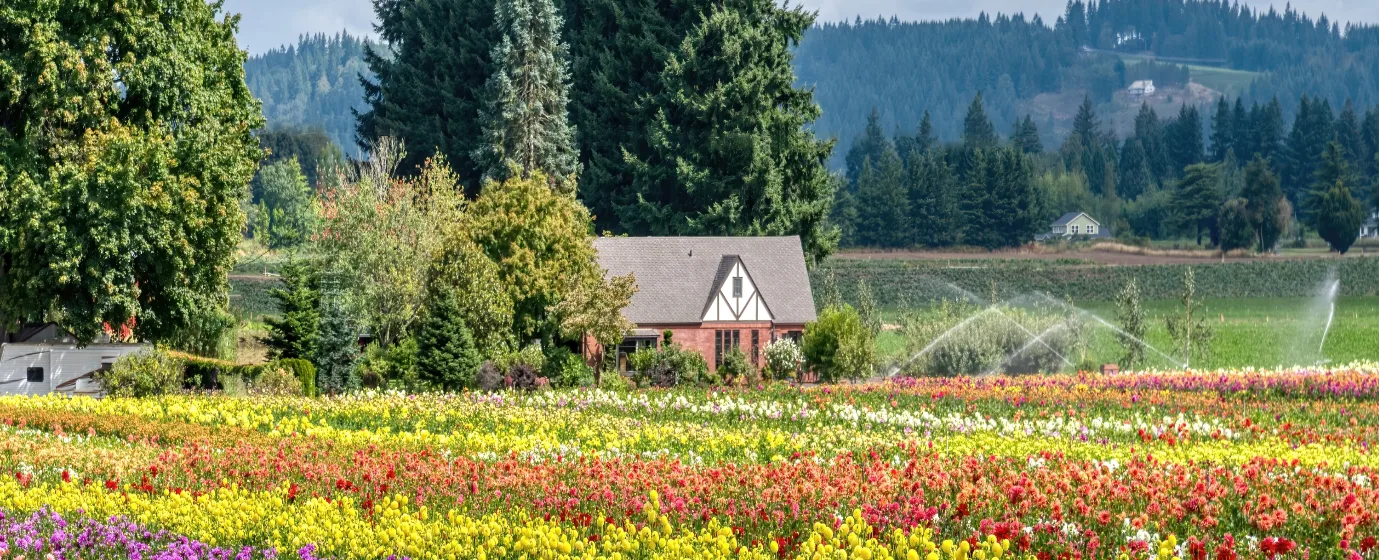
Canby surprises people who write it off as a farm town with a short commute. The outdoor life here is genuinely unusual for a city of 18,134 — not because the parks are sprawling or the amenities are flashy, but because the geography is so specific. Three rivers converge at the city's edge. One of the rarest dahlia farms in the country blooms every August on the outskirts of town. A cable ferry that has crossed the Willamette River since 1914 still operates a quarter mile from a 567-acre state park. These are not things you stumble into by accident — they are the actual fabric of weekends here.
The outdoor calendar shapes daily life more than most newcomers expect. Summer in Canby orbits the dahlia fields and the river, and the Clackamas County Fair and Canby Rodeo anchors the third week of August with a week that draws the whole region. The 3.5-mile paved community trail threads through the city and connects neighborhoods that would otherwise feel separate. Canby gets roughly 140 sunny days a year — fewer than Portland's marketing would suggest for the broader region — so locals tend to bank their outdoor plans around the reliable windows between May and October.
What you give up is density. The trail network is modest compared with Portland's outer ring, and there is no mountain biking destination within the city limits. The recreation here is river-and-field recreation, not summit recreation. Families with kids find that balance genuinely satisfying; buyers chasing trail mileage often realize after the move that they wish they had looked closer at the neighborhood geography before committing.
This guide covers Canby's signature parks, the community trail system, water and fishing access, and the seasonal events that define life here through the year.
Molalla River State Park: Canby's Backyard Wilderness
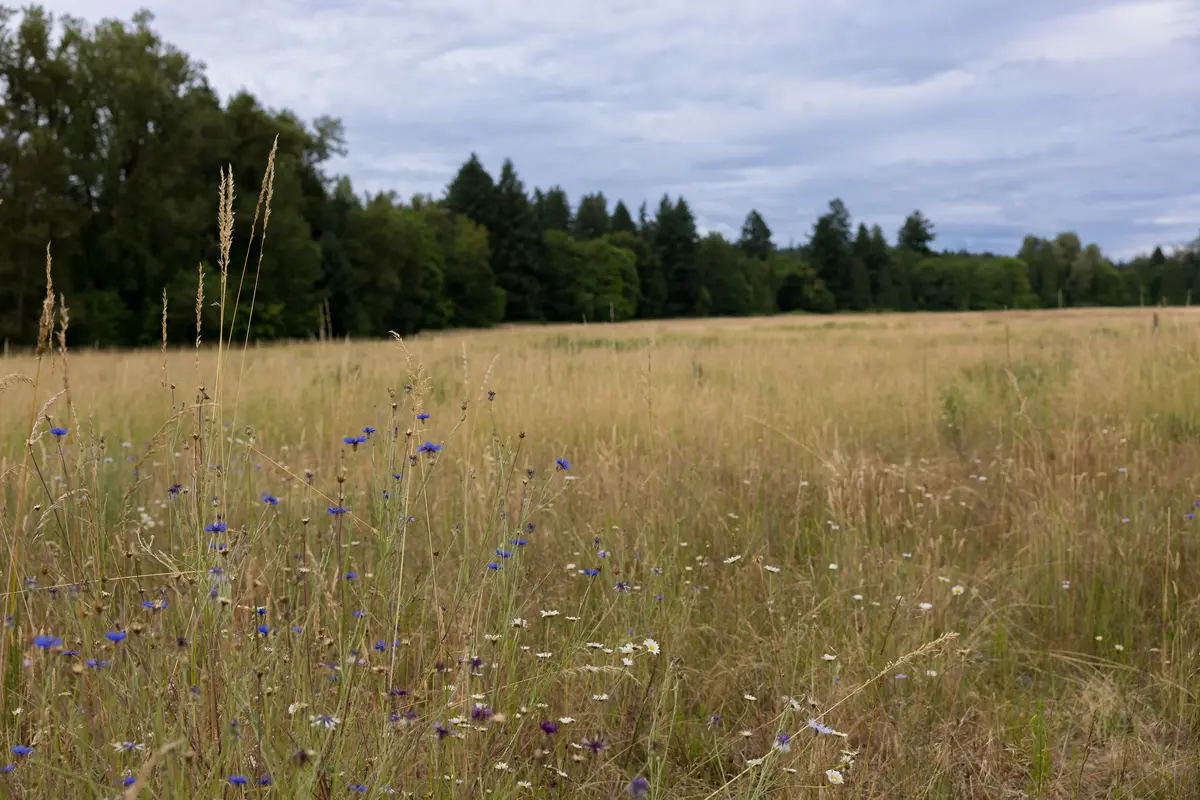
At 567 acres, Molalla River State Park sits at the convergence of the Willamette, Molalla, and Pudding Rivers — a geography that produces one of the most ecologically productive patches of floodplain in the Willamette Valley. The Oregon Parks and Recreation Department operates it as a day-use-only park, which keeps it uncrowded in ways that overnight-campsite parks rarely manage.
The wildlife alone sets it apart. The park hosts one of the largest great blue heron rookeries in the entire Willamette Valley, and the floodplains draw waterfowl, wading birds, deer, reptiles, and amphibians in numbers that feel implausible for a day trip from a metro area. First-time visitors who show up expecting a standard picnic park tend to leave recalibrating what Canby actually offers.
What You Can Do Here
The amenities are substantial for a state day-use park. A boat launch gives direct access to the Willamette River. An off-leash dog exercise area runs separate from the main trails. The park also has a duck pond, grassy game fields, picnic facilities, horseshoe pits, and hiking trails that move through meadows and woods before dropping to the river shore.
Anglers work the confluence for smallmouth bass, steelhead, Chinook salmon, cutthroat trout, and Pacific lamprey — species diversity that draws serious fishers from well outside Clackamas County. A valid Oregon state license is required.
One practical note newcomers miss: as of March 30, 2026, Oregon State Parks implemented a parking fee at Molalla River State Park. Budget accordingly — the fee is standard across the state parks system, but it catches people who remember the park as free.
The Ferry Connection
The Canby Ferry sits a quarter mile downstream from the park entrance, which means combining a park visit with a Willamette River crossing is a natural half-day loop. The M.J. Lee II — an electric cable ferry that has operated since 1914 — makes a short crossing and handles a steady stream of cars and passengers on a typical day. It is one of only three remaining ferries on the Willamette River, and riding it once tends to become a recurring habit. A toll applies for all crossings.
The Community Trail and City Parks
The 3.5-mile paved community trail is the connective tissue of Canby's outdoor life. It runs north–south through the city with multiple access points, and the city has plans to extend it all the way to the Willamette River as surrounding development is completed. AllTrails classifies the route as easy and family-friendly — accurate, and intentional. This is a trail built for the full range of residents, not for athletes.
On a weekday morning the trail carries a predictable mix: dog walkers, parents with strollers, people putting in a few miles before work. On weekends it fills out with kids on bikes and families moving between neighborhoods. The paved surface keeps it accessible across age ranges and conditions in ways that unpaved trails cannot.
What Locals Know About the Trail
The trail's current terminus leaves a gap between the city's core and the river that will matter to some buyers. If your vision of daily outdoor life involves a short walk to the Willamette, the extension plans are real — but they are tied to development timelines and not guaranteed on a fixed schedule. Buyers who care about this gap should ask specifically about progress before choosing a neighborhood near the planned route. The neighborhood breakdown covers which areas sit closest to the existing trail access points.
Beyond the linear trail, Canby's park system includes neighborhood green spaces with picnic facilities and game fields. The parks skew toward family-use rather than specialty recreation, but the city's investment in the trail extension signals continued momentum.
The Canby Farmers Market
The Canby Farmers Market functions as an outdoor social anchor as much as a produce destination. Local vendors bring fresh-cut flowers, seasonal vegetables, and small-batch food products, and the market draws a cross-section of the city that neighborhood block parties rarely achieve. Newcomers who want a low-effort way to learn the social geography of Canby consistently name the market as one of the fastest ways in.
Swan Island Dahlias and Seasonal Recreation
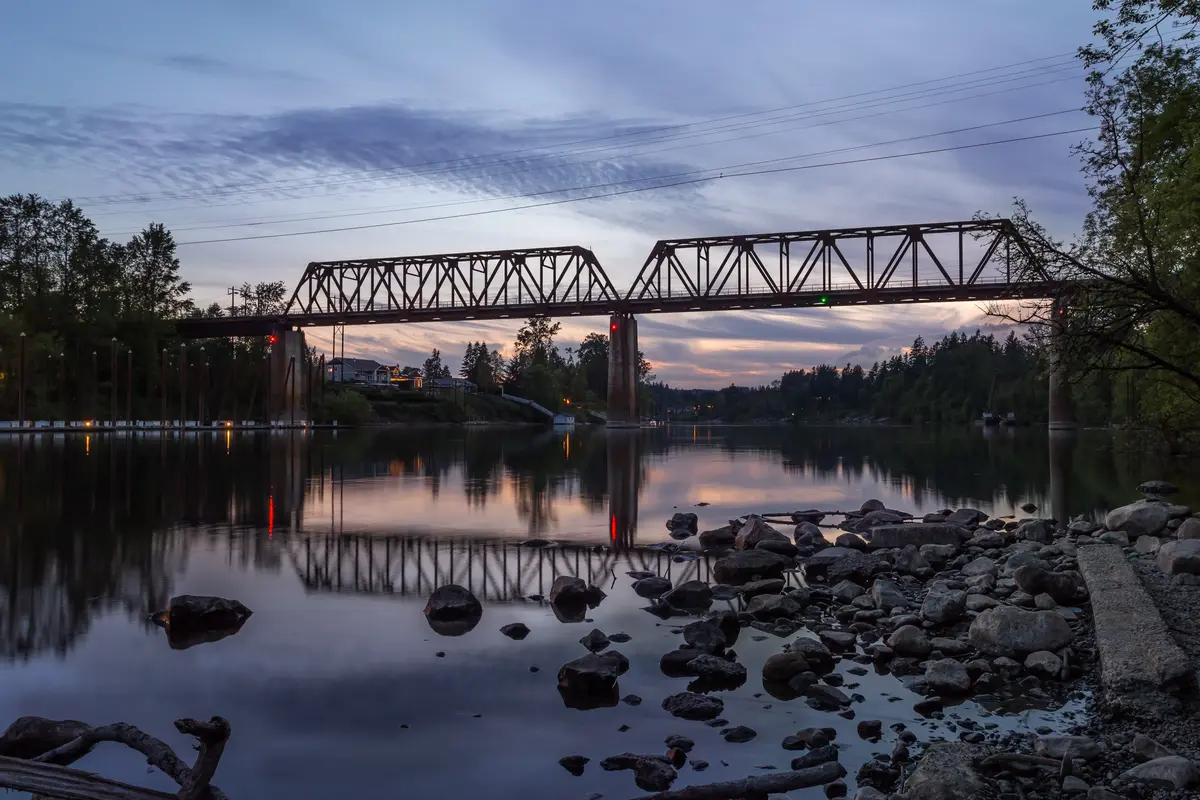
Nothing in Canby's outdoor calendar is more distinctive than Swan Island Dahlias — and nothing catches newcomers more off guard. The farm covers roughly 40 acres and has grown dahlias in Canby since the 1940s, with a history stretching back nearly a century, making it a regional institution rather than a novelty attraction. Its scale is extraordinary: the fields draw visitors from across the Pacific Northwest and well beyond every August and September.
The Annual Dahlia Festival runs from August 1 through September 30. Admission is free. Parking is free. Festival weekends bring live music, food carts, classes, and a Sunday market. The result is one of those events that feels too good to be real until you are standing in a field of bloom in late August and realizing every Portland-area resident you know is here too.
What the Seasonal Calendar Looks Like
| Season | Signature Activity | Notes |
|---|---|---|
| Spring | Paved trail use, river access | Trail dries out early; Willamette flows high through May |
| Early Summer | Fishing at Molalla River State Park | Chinook salmon run draws anglers to the confluence |
| August | Swan Island Dahlias Festival, Clackamas County Fair and Canby Rodeo | Both events run simultaneously in the third week of August |
| Late Summer | Dahlia fields peak color, Canby Farmers Market | Free admission at Swan Island Dahlias through September 30 |
| Fall | Heron watching at Molalla River State Park, trail running | Floodplain habitat most active in migration season |
| Winter | Canby Ferry crossings, park trails | Day-use park stays open year-round; gear for rain |
The August overlap between Swan Island Dahlias and the Clackamas County Fair is Canby's most concentrated recreational period. The Fair has operated since 1907 — one of Oregon's longest-running county fairs — and includes a PRCA-sanctioned rodeo, livestock competitions, three stages of live entertainment, and handcraft and produce competitions. For a city of 18,134, the scale of the event is striking.
The Honest Seasonal Trade-off
Canby gets 140 sunny days a year. The gap between that number and what the Pacific Northwest is marketed on is real, and it shapes the outdoor calendar meaningfully. From November through March, the trail gets wet and the river parks feel remote in ways that summer obscures. Buyers moving from sunnier climates consistently say they did not fully account for how the wet season compresses the outdoor window — this is one of the friction points that surfaces reliably at the six-month mark.
Looking to buy in Canby? Estimate your payment.
Enter your numbers to see an estimated monthly mortgage payment.
Estimate only. Excludes HOA fees and mortgage insurance. The interest rate above is a starting point, not a quoted rate — replace it with your own to see real numbers. Insurance is a flat placeholder, not a Canby quote.
Weekends and Local Favorites
A typical Canby weekend in the warm months starts on the community trail and ends somewhere along the river. The ferry crossing has become a ritual for newer residents in a way that surprises them — something about the short cable crossing over the Willamette that does not wear out the way a standard bridge drive does. Combining a morning at Molalla River State Park with a ferry crossing and a picnic at the confluence is a local standard that costs almost nothing and works in any direction.
The Canby Farmers Market draws regulars who treat it as a weekly social anchor rather than a shopping errand. The vendors rotate seasonally, which keeps the produce lineup honest and the cut-flower selection genuinely tied to what is growing on local farms.
Dining and Coffee Near the Outdoor Circuit
After a morning on the trail or at the state park, the dining options in Canby are casual and locally rooted. Backstop Bar & Grill and The Wild Hare Saloon Canby are the casual anchors. Los Dos Agaves, Nuevo Vallarta, and Roxy's Island Grill cover the fuller end of the dining range. For coffee, Willamette Coffee House-Canby, Zula's Tea & Coffee, Berni's Barista Barn, and B's Bake Shoppe give residents enough independent options that a serious coffee run stays in town. None of these places are trying to be Portland; they are trying to be Canby, and regulars consider that a feature.
What the Recreation Scene Is Missing
An honest read: Canby's outdoor recreation is river-and-field recreation, not mountain or technical trail recreation. There is no climbing gym, no mountain bike trail system, no summit day hike accessible from within the city. Residents who need that kind of outlet drive — to the Cascades, to the Gorge, to the metro trail networks. The ferry and the state park fill the gap for many buyers, but not for all of them. If high-mileage trail access or technical outdoor pursuits are non-negotiable, Canby's recreation scene requires a clear-eyed look before you make an offer. See the full living in Canby overview for a broader picture of daily life tradeoffs.
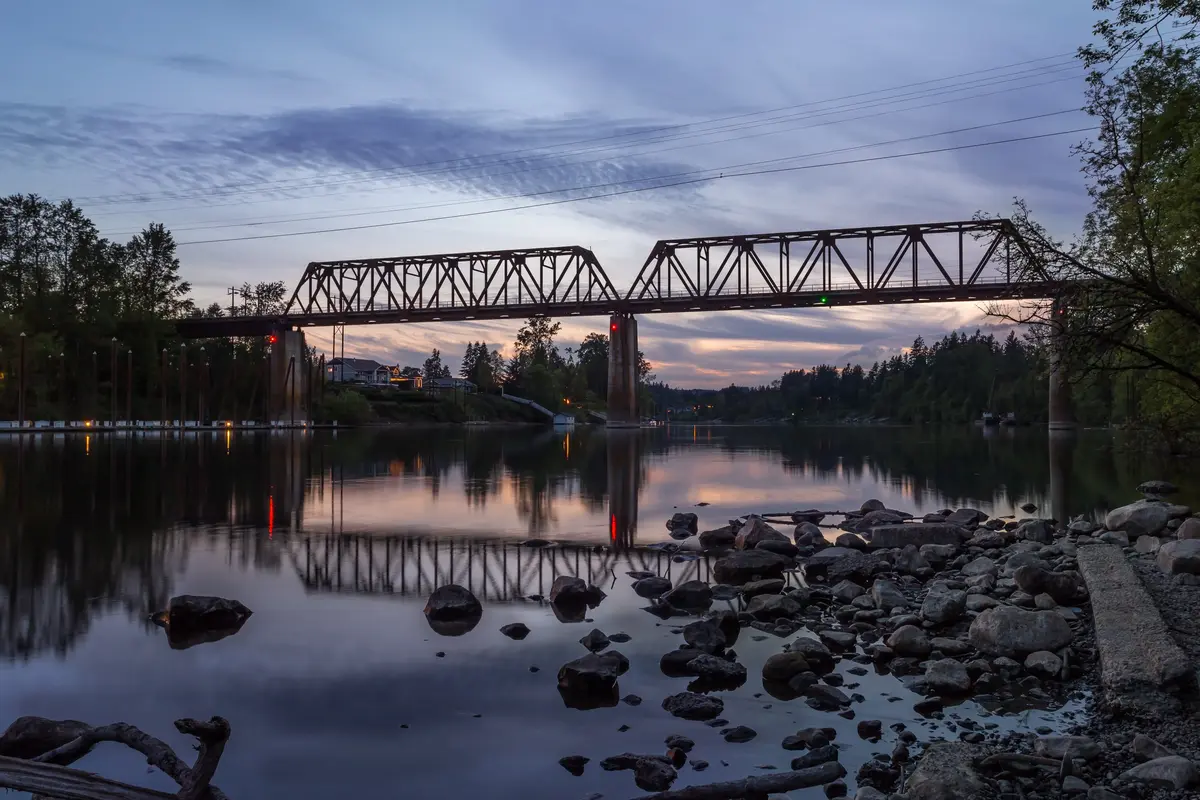
Local Expert Takeaway: Canby's outdoor life is built around a specific geography: three rivers converging at the edge of town, a 567-acre state park with one of the Willamette Valley's largest heron rookeries, a ferry that has crossed the Willamette since 1914, and dahlia fields that draw the entire metro every August. The 3.5-mile paved community trail ties the city together and will eventually reach the Willamette River when the extension is complete. The honest caveat is that this is river-and-farm recreation, not mountain recreation — buyers expecting Portland-adjacent trail networks will need to recalibrate, but buyers who value a quieter outdoor rhythm will find more here than the city's size suggests.
Quick Takeaways & FAQs
✅ Molalla River State Park's 567-acre confluence habitat hosts one of the largest great blue heron rookeries in the Willamette Valley — an extraordinary draw for a day-use park within a short drive of the city.
⚠️ Canby gets only 140 sunny days a year, which meaningfully compresses the outdoor season — buyers from sunnier climates consistently name this as the adjustment they underestimated after the move.
📍 The Canby Ferry, operating since 1914, sits a quarter mile from Molalla River State Park — combining both in a single outing is the local standard and one of the city's most distinctive recreational features.
Is Molalla River State Park free to enter?
How long is the Canby community trail, and is it paved?
When does Swan Island Dahlias open, and is there an admission charge?
Can you fish at Molalla River State Park?
What is the Canby Ferry and how does it work?
Moving to Oregon?
Tell us what you need help with and we'll connect you with local resources.
