
About Elizabeth
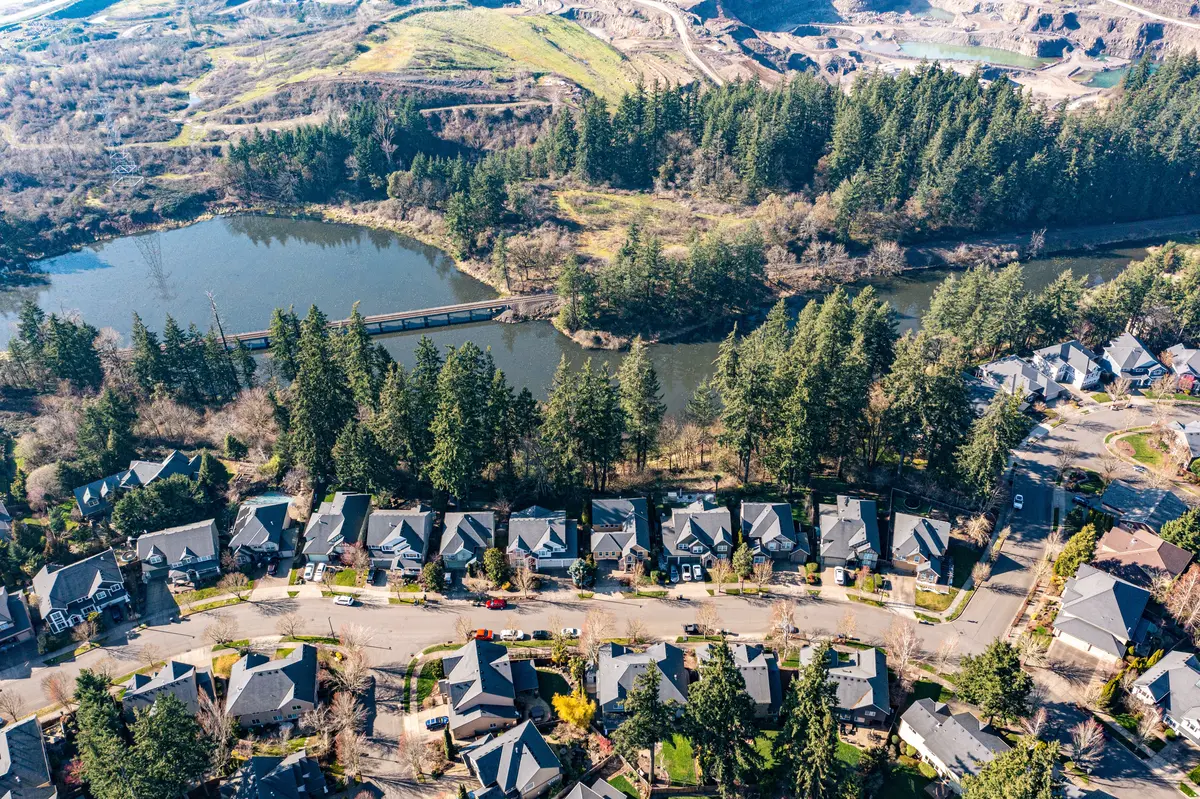
The Tualatin Market Right Now
The shift that defined 2025 was a return to strategy. Buyers got more selective — weighing price, condition, and long-term affordability before committing — and the market rewarded sellers who prepared their homes carefully and priced them honestly. The frenzied pace of earlier years gave way to something that felt, for the first time in a while, like a real negotiation.
The typical home price in Tualatin as of July 2026 is $635,314 (Zillow Home Value Index). That figure sits noticeably below what you'd pay in Lake Oswego or the west side of Portland for comparable square footage, and meaningfully above what you'd find farther south in Wilsonville or east in some parts of the metro. It's a number that makes sense for what the city actually offers.
Going into 2026, I'm watching for more sellers to re-enter the market as affordability gradually improves. Buyer demand is strongest for homes that feel fresh and well cared for — not necessarily updated to magazine standards, but honest about their condition and priced to match. Negotiation on closing costs and repairs is back as a normal part of the process, which is a good thing for buyers who've been waiting out a one-sided market.
Nearly two-thirds of Tualatin's housing stock is single-family detached, which is part of why the city has held its appeal with families and owner-occupants. The Tualatin Commons and downtown area bring a different texture — apartments and condos mixed into a walkable core — but the dominant character of the city is residential and suburban, and that's what most of my buyers are here for.
One more thing worth knowing about the economic backdrop: Lam Research broke ground on a $620 million R&D lab at its Tualatin campus in August 2026. Washington County and the City of Tualatin approved a Strategic Investment Program agreement under which Lam intends to invest up to $1.7 billion in Tualatin through 2041. That kind of long-horizon commitment from a major employer matters for housing demand and community stability in ways that a single year's median price cannot capture.
Tualatin's Neighborhoods: What I Tell Buyers Before They Tour
The single most common mistake I see is buyers treating Tualatin as one market and anchoring to the citywide figure. Neighborhood character, lot size, and position relative to the commercial corridor vary significantly across this city, and getting that wrong costs time and sometimes money.
Ibach Park Estates
This is where buyers land when they want elbow room. Lots tend to be larger, homes sit back from the street, and the neighborhood has a quieter residential character that holds its value precisely because inventory is limited and turnover is low. I tell buyers looking at Ibach Park Estates to be patient — you may wait for the right home to come up — but when one does, it tends to retain its value.
Best for: Families Quiet Privacy
Fox Hill and Victoria Woods
These are established, well-maintained neighborhoods with the kind of housing stock — late 1980s and 1990s construction — that makes up a large portion of what trades in Tualatin. Buyers here tend to be families with school-age children who want a neighborhood feel without the price premium of the city's most sought-after pockets. Victoria Woods in particular has a loyal following; once people get in, they rarely leave quickly.
Best for: Families Schools
Tualatin Village
This is where first-time buyers and buyers stretching their budgets often start, and it's a legitimate entry point into the city. The schools are the same, the parks are the same, the commute is the same. What changes is the lot size and the vintage of the housing stock. For buyers who want to get into Tualatin and build equity, Tualatin Village is an honest choice.
Best for: First-Time Buyers Value
Hedges Creek and Atfalati Park
These neighborhoods offer a range of housing types and price points and tend to attract buyers who want proximity to green space. Atfalati Park sits near its namesake park, and the on-foot access to outdoor amenities is a real draw for buyers who want to get outside without getting in a car.
Best for: Nature Families
Tualatin Commons / Downtown Tualatin
This is the most urban pocket in an otherwise suburban city. The Lake of the Commons anchors the area, and the mix of apartments, condos, and walkable retail gives it a different feel from anywhere else in Tualatin. I send buyers here who want lower-maintenance living or who prioritize being able to walk out their front door and reach something. It's also where Tualatin's civic life concentrates — the Heritage Center, community events, the greenway access.
Best for: Walkable Renters Commuters
Jurgens Park
Jurgens Park is a quieter neighborhood that tends to appeal to buyers who've done their research and know exactly what they want: a calmer, more residential feel with access to the same quality of life the rest of the city offers. It doesn't show up first on a lot of buyer shortlists, which sometimes works in their favor.
Best for: Quiet Families

Schools in the Tigard-Tualatin District: What I Tell Buyers
Tualatin sits inside the Tigard-Tualatin School District 23J, and schools are the single most common reason buyers give for choosing this city over comparably priced alternatives. I understand why — the district has a good reputation and the community takes it seriously. But I want every buyer I work with to look at the actual numbers rather than just the reputation.
The district serves 11,041 students enrolled in 2025-26. On 2024-25 state assessments, 34% of students reached math proficiency and 46.7% reached reading proficiency, according to figures the Oregon Department of Education publishes. Those numbers tell a more mixed story than the district's reputation sometimes suggests. They're consistent with statewide patterns in Oregon, but they're worth understanding before you make a housing decision based primarily on schools.
My advice to any buyer moving to Tualatin for the schools is this: do your own due diligence. Confirm the specific school assigned to any address you're considering directly with the district — boundaries matter more than the city name on the listing — and review the data the Oregon Department of Education publishes yourself. The district website and the state's public reporting give you everything you need to make an informed comparison.
What I will say is that the district has a strong community of engaged parents and staff who take the quality of local education seriously. That civic investment shows up in school programs, facilities, and the overall stability of the district. The numbers are a starting point; the full picture is worth investigating on your own terms.
Looking to buy in Tualatin? Estimate your payment.
Enter your numbers to see an estimated monthly mortgage payment.
Estimate only. Excludes HOA fees and mortgage insurance. The interest rate above is a starting point, not a quoted rate — replace it with your own to see real numbers. Insurance is a flat placeholder, not a Tualatin quote.
Tualatin vs Nearby Cities
| City | Typical Home Price | Typical Rent | Cost vs Tualatin |
|---|---|---|---|
| Tualatin (this city) | $635,314 | $1,890/mo | — |
| Tigard | $607,011 | $1,850/mo | 4% lower |
| Sherwood | $629,598 | $2,555/mo | About the same |
| West Linn | $779,602 | $2,376/mo | 23% higher |
Source — home prices: Zillow ZHVI, July 2026; rent: Zillow ZORI, July 2026. Nearby-city figures are the same series, refreshed together.
This is the question I get most often, and the honest answer is that the right city depends entirely on what you're optimizing for. Let me walk through the real trade in each comparison — not the headline numbers, but the thing that actually drives the decision.
Tualatin vs. Lake Oswego — Lake Oswego carries a premium that is real and durable, and buyers there tend to know exactly why they're paying it: the school district's reputation, the lake itself as a community center, and the prestige of the address. What Tualatin offers is substantially more house for the same budget, within the same commute window to Portland. Buyers who move from Lake Oswego to Tualatin almost always say they got more than they expected. Buyers who need the Lake Oswego address — for the schools specifically, or for what that zip code signals professionally — tend to stay there regardless of the cost difference.
Tualatin vs. Tigard — These two share the same school district, so the schools comparison is a wash. The difference is texture: Tigard's commercial development along its main corridors gives it a different feel from Tualatin's more coherent downtown core around the Commons. Many buyers look at both simultaneously, and I often tell them the decision comes down to which specific house and which specific neighborhood, not which city. The price points overlap significantly.
Tualatin vs. Sherwood — Sherwood trades on its community feel and its somewhat smaller-town character. Buyers who want a tighter civic identity and don't mind a slightly longer Portland commute often prefer Sherwood. Tualatin wins on access — the freeway proximity is genuine — and on the strength of the Lam Research employment base for buyers whose household includes a semiconductor or manufacturing professional.
Tualatin vs. Wilsonville — Wilsonville sits farther south and has its own employment base. The buyers I see choosing Wilsonville over Tualatin usually have jobs south of Portland, or they're prioritizing newer construction and a different suburban scale. Tualatin is the stronger commuter city for Portland-bound workers.
Tualatin vs. West Linn — West Linn buyers are often drawn by topography and the Willamette River setting. The schools are a draw too, and the city has a different physical character — hills, trees, larger lots in some areas. It tends to run higher on price. Buyers who appreciate Tualatin's flatter, more accessible layout and its freeway access often find West Linn feels more remote than they want.
What Surprises Buyers After They Move In
Six months in, the thing I hear most often from buyers is that the city is quieter and more settled than they expected — in a good way. Tualatin doesn't have the transient feel of a city still figuring out what it is. The community is established, the parks are used, the neighborhoods have a rhythm. People stay.
The second thing I hear, less happily, is that the commercial corridor along the city's main arterials took some adjustment. If you're coming from a denser urban environment, the strip-mall character of some of Tualatin's retail areas can feel like a step backward. The Tualatin Commons area addresses this to a real degree — the Lake of the Commons and the walkable downtown pocket — but that character doesn't extend across the whole city. Buyers who tour the Commons and fall in love with it, then buy a home on the other side of the city, sometimes feel like they moved to a different place than they thought they were buying into.
The Lam Research footprint is also something buyers don't always register when they're touring. The campus is substantial, and the company's long-term investment in the city — that $1.7 billion Strategic Investment Program commitment through 2041 — is a genuine economic anchor. For buyers with a professional connection to the semiconductor industry, this is a feature. For buyers who didn't factor in the industrial scale of the east side of the city, it can be a surprise.
Oregon's reputation for gray skies is earned, and buyers relocating from sunnier climates tend to find the first winter harder than they anticipated. That's not a Tualatin-specific issue, but I'd rather tell you now than have you discover it in January.
Who Ends Up Happiest in Tualatin
The buyers who land in Tualatin and never look back share a few traits. They came with a clear sense of what they needed — schools, commute, a specific price ceiling — and Tualatin delivered on all three without requiring them to compromise on the fourth thing they cared about. That fourth thing is usually space: a real yard, a garage, a spare bedroom that isn't a closet.
Families with school-age children are the core buyer here, and they tend to be satisfied in the district once they've done their own homework on the schools and gone in with realistic expectations. The civic engagement in this community is genuine — parents show up, district leadership is accessible, and the school community has a culture of involvement that's worth something independent of any test score.
Remote workers and dual-income households with one partner commuting to Portland have found Tualatin's position — about 25 minutes to Portland via I-5 — to be a legitimate sweet spot. Close enough that the commute doesn't define your life, far enough that the price point makes sense.
Buyers who struggle here are usually the ones who needed something Tualatin doesn't actually offer: a dense walkable urban environment throughout the city, a lakefront lifestyle, or a price point that the market simply doesn't support. I'd rather identify that mismatch before the offer than after the closing. The crime picture is also worth stating plainly: Tualatin carries a violent crime rate of 2.2 per 1,000 residents and a property crime rate of 26.2 per 1,000 residents. The violent rate is well below both the Oregon average and the national average, while the property crime rate runs modestly above the state figure — something buyers should factor in the same way they'd factor in any suburban market adjacent to a major freeway corridor.
The effective property tax rate of 0.84% is lower than many buyers expect coming from California or Washington, and it's a meaningful part of the long-term affordability calculation. The median household income in Tualatin is $104,043, which means the buyer pool here is competitive — you are not the only well-qualified household looking at a given home.
Final Advice From Elizabeth
Quick Takeaways & FAQs
✅ Tualatin gives buyers more house for their budget than most comparable Portland-area suburbs, with a strong employment base anchored by Lam Research's long-term campus investment.
⚠️ The citywide median masks significant variation between neighborhoods — treating Tualatin as one uniform market is the most common mistake buyers make here.
📍 The Tualatin Commons and Lake of the Commons create a genuinely walkable downtown pocket, but that character doesn't extend across the whole city — tour multiple neighborhoods before deciding where to anchor.
What is the commute from Tualatin to Portland actually like?
How are the schools in the Tigard-Tualatin district?
Which neighborhood in Tualatin is right for my family?
What does the Tualatin median home price actually buy you?
How competitive is the Tualatin market — how fast do homes move?
How does Tualatin compare to Lake Oswego for a buyer on the same budget?
What surprises people most after they've lived in Tualatin for six months?
Is Tualatin a good place to buy as a long-term investment?
Moving to Oregon?
Tell us what you need help with and we'll connect you with local resources.
