
Fairview sits east of Portland at a price point that still makes homeownership feel possible — but just barely, and not without a plan. The city's typical home price of $478,412 (Zillow Home Value Index, July 2026) sits noticeably below what you'd pay in inner Portland or on the west side, which is exactly why first-time buyers from across the metro keep ending up here. What they don't always account for is the gap between that number and what the median household in Fairview actually earns — a gap that makes the math tight for most buyers entering without significant savings or a dual income.
Fairview is a city of 10,796 people in Multnomah County, with I-84 and US-30 (Columbia River Highway) providing the freeway access that makes it a genuine commuter option. It's about 25 minutes to Downtown Portland under normal conditions, and Portland International Airport (PDX) is roughly 10 miles away. The city's largest employers are the Reynolds School District, the City of Fairview itself, and logistics operations including Amazon and UPS — an employment mix that tells you something about who lives here and what budgets look like. Many buyers are working-class families who want a house with a yard, not a condo in a trendier zip code.
The affordability appeal is real, but it has limits. The median household income in Fairview is $71,024, which falls well short of what's needed to comfortably carry the typical home price here. That means first-time buyers in this market are almost always stretching — relying on low-down-payment loan programs, leaning on dual incomes, or targeting the lower end of the inventory. Wood Village next door prices slightly lower and is worth comparing; Gresham and Troutdale come in at roughly the same range as Fairview. See the full cost-of-living breakdown to understand what your dollars actually buy month to month.
Whether you're seriously ready to make an offer or still figuring out if Fairview is the right fit, this guide walks through what your budget actually buys here, how the buying process works locally, what your cash needs at closing look like, and the specific mistakes that cost first-time buyers time and money in this market.
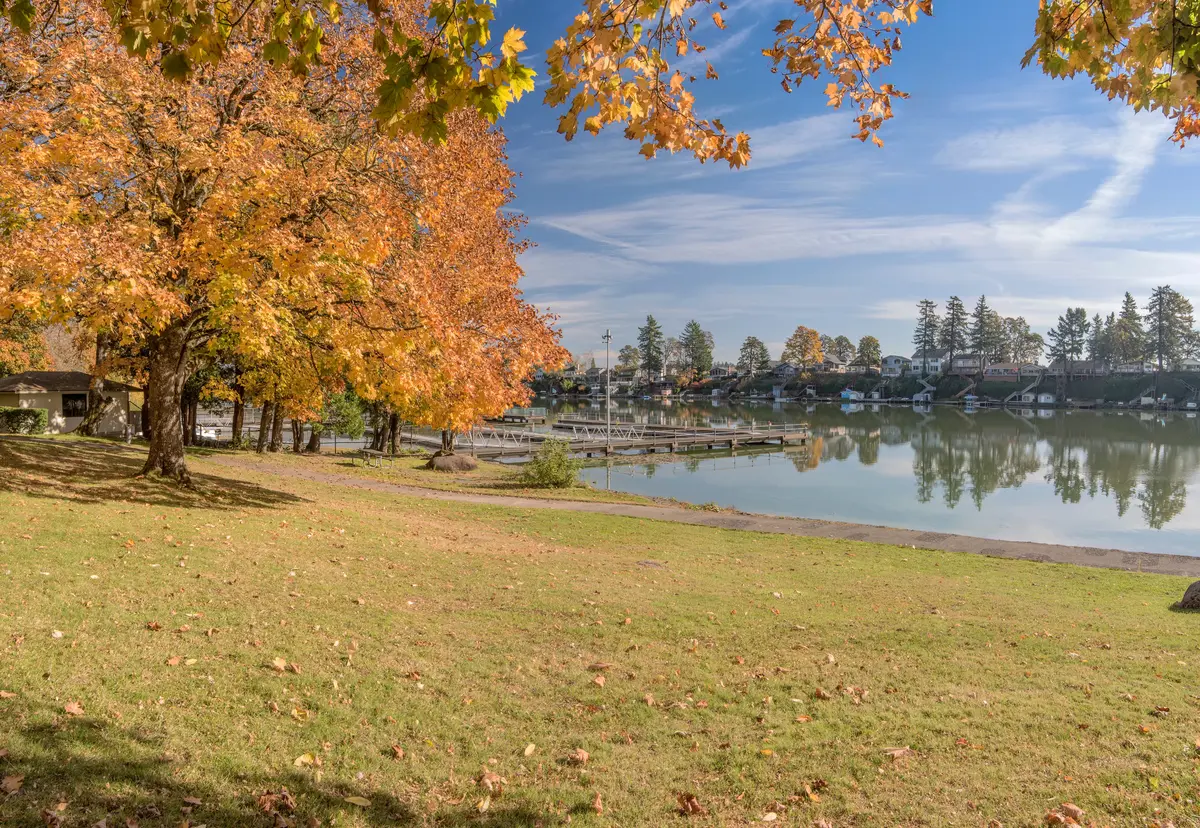
The Fairview First-Time Buyer Reality
The headline figure is $478,412 — that's the typical home value in Fairview as of July 2026 (Zillow Home Value Index). That number represents mid-range inventory: older ranch homes and split-levels with attached garages, often on decent-sized lots, in neighborhoods like Fairview Terrace and the Sandy Boulevard corridor. Entry-level inventory — think smaller homes that need updating or are positioned near higher-traffic streets — starts meaningfully below that figure, which is where most first-time buyers are actually shopping.
The honest tension in this market is that the income-to-price gap is real. The median household income here sits below the income needed to buy the typical home by a substantial margin, which means most first-time buyers are either bringing a second income, accepting a tighter monthly budget than they'd prefer, or targeting properties priced well below the median. That's not a reason to walk away — it's a reason to go in with clear numbers and a lender letter in hand before you fall in love with a listing.
Competition in Fairview isn't as intense as it was in the frenzied markets of a few years ago, but well-priced homes in move-in condition don't sit. The Fairview Village area and the Fairview Lake Area tend to draw the most interest among buyers who want walkable streets and newer construction — and those listings tend to move faster than fixer-uppers elsewhere in the city. If your budget puts you at the entry end of the market, you'll likely be competing with other first-timers and some investors. Coming in prepared matters more than coming in aggressive.
The Homebuying Process in Fairview, Step by Step
Step 1: Get Pre-Approved Before You Tour
This is the step most first-time buyers get backwards. Touring homes before you have a pre-approval letter is the single most common mistake in this market — and it's painful when you find the right house and lose it to a buyer who was ready. Pre-approval in Oregon requires recent pay stubs, W-2s, two years of tax returns, asset and debt documentation, and a government-issued ID. The process typically takes a few business days with a responsive lender.
A pre-approval is not the same as a pre-qualification. Pre-qualification is a quick estimate; pre-approval involves a lender actually pulling your credit and verifying your documents. Sellers in Fairview — and their agents — know the difference.
Step 2: Understand Your Loan Options
For first-time buyers in Oregon, the practical options are FHA (3.5% down, available with credit scores down to around 580, though most lenders prefer 620), conventional at 3% down (stronger credit required), and for eligible buyers, VA and USDA loans at 0% down. Each comes with different mortgage insurance structures and eligibility thresholds. Ask your lender which first-time buyer loan options you qualify for — that conversation should happen before you set a price ceiling.
Step 3: Shop Strategically, Not Emotionally
In Fairview, the neighborhoods are meaningfully different from each other. The Fairview Village Town Center area offers a more walkable, planned-development feel; the Blue Lake Area sits close to Blue Lake Regional Park and appeals to buyers who want outdoor access built into their daily life; the Fairview Historic District has older character homes that often need more work. Know what you're buying before you make an offer, not after. For a deeper look at how the neighborhoods compare, see the neighborhoods guide.
Step 4: Make a Competitive Offer — With Contingencies Intact
First-time buyers sometimes feel pressure to waive contingencies to compete. In most Fairview transactions, that's the wrong move. Keep your inspection contingency. Keep your financing contingency. The appraisal contingency is the one that sometimes gets negotiated in a multi-offer situation, but only after a careful conversation with your agent about the risks. Waiving inspection entirely on a home built before 1990 — and there's a lot of that stock here — is how buyers inherit problems they didn't budget for.
Step 5: Inspection, Appraisal, and Closing
Oregon closings typically happen 30 to 45 days after an accepted offer. The inspection comes first — budget time (and emotional bandwidth) to read the report carefully and ask questions. The appraisal follows, ordered by your lender; if it comes in below the purchase price, you'll need to negotiate or cover the gap in cash. Closing costs in Oregon run roughly 2% to 5% of the purchase price and include title insurance, escrow fees, lender origination charges, and prepaid items. Work through the loan estimate your lender provides line by line — surprises at the closing table are almost always surprises that could have been answered earlier.
A homebuyer education course is worth completing before you get deep into the process. Portland-area buyers can access HUD-approved counseling through Arrive (formerly Portland Housing Center), which offers one-on-one sessions with certified counselors. Online options including the Framework course by NeighborWorks are also widely accepted by many lenders.

How Much Home Can You Afford in Fairview
The table below gives you a ground-level look at what different purchase prices and loan structures actually require in cash at closing. These are estimates using approximate ranges — your actual figures will depend on your credit score, lender, loan terms, and the specific property. The interactive calculator below the table lets you adjust inputs for your situation.
| Scenario | Purchase Price | Down Payment | Est. Closing Costs | Cash Needed at Table |
|---|---|---|---|---|
| FHA (3.5% down) — entry level | ~$380,000 | ~$13,300 (3.5%) | ~$7,600–$15,200 (2–4%) | ~$20,900–$28,500 |
| FHA (3.5% down) — near median | ~$478,000 | ~$16,730 (3.5%) | ~$9,560–$19,120 (2–4%) | ~$26,290–$35,850 |
| Conventional (3% down) — entry level | ~$380,000 | ~$11,400 (3%) | ~$7,600–$15,200 (2–4%) | ~$19,000–$26,600 |
| Conventional (3% down) — near median | ~$478,000 | ~$14,340 (3%) | ~$9,560–$19,120 (2–4%) | ~$23,900–$33,460 |
| Conventional (10% down) — near median | ~$478,000 | ~$47,800 (10%) | ~$9,560–$19,120 (2–4%) | ~$57,360–$66,920 |
| Conventional (20% down) — near median | ~$478,000 | ~$95,600 (20%) | ~$9,560–$19,120 (2–4%) | ~$105,160–$114,720 |
All figures are estimates for planning purposes only. The effective property tax rate in Fairview runs approximately 0.98%, which factors into your monthly payment alongside mortgage insurance (required on FHA loans and on conventional loans with less than 20% down) and homeowners insurance — use the calculator below to model your full monthly cost at current rates.
The cash-needed column is where first-time buyers most often get caught short. A 3% down payment sounds manageable, but closing costs layered on top can push total cash requirements well above $25,000 even at the entry end of the market. Starting to save with that full number in mind — not just the down payment — is what separates buyers who are ready from buyers who need another six months.
Looking to buy in Fairview? Estimate your payment.
Enter your numbers to see an estimated monthly mortgage payment.
Estimate only. Excludes HOA fees and mortgage insurance. The interest rate above is a starting point, not a quoted rate — replace it with your own to see real numbers. Insurance is a flat placeholder, not a Fairview quote.
Common First-Time Buyer Mistakes in Fairview
Touring Before Getting Pre-Approved
Fairview is close enough to Portland to attract buyers who are still in the "just looking" phase — and those buyers routinely lose homes to someone who came in ready. Listing agents call for pre-approval letters with every offer, and sellers don't wait. Get the letter first, tour second, always.
Underbudgeting the Cash You Need at Closing
The down payment number is the one that gets attention, but closing costs are the number that surprises people. In Oregon, escrow fees, title insurance, and lender charges add up quickly. At a $430,000 purchase, 3% down is about $12,900 — but your total cash need at the table can land between $22,000 and $30,000 once closing costs are included. Budget for the whole number from day one.
Waiving the Inspection on Older Fairview Stock
A meaningful portion of Fairview's housing inventory was built in the 1960s through the 1980s. Older homes in the Fairview Historic District and Fairview Terrace can carry deferred maintenance, aging electrical systems, and roof conditions that aren't visible on a walkthrough. Waiving an inspection to win a bidding situation on an older home is one of the costliest decisions a first-time buyer can make here. The inspection cost is real; the cost of discovering a failing roof after closing is far larger.
Ignoring School Boundary and District Reality
Fairview falls entirely within Reynolds School District, which holds a C- rating, according to Niche. That's useful context whether or not you have kids — it affects resale value and the buyer pool when you eventually sell. Buyers who don't research the district before making an offer sometimes feel surprised later. The full picture is on the schools page, and it's worth reading before you decide where in the city to focus your search.
Treating Fairview and Its Neighbors as Interchangeable
Wood Village prices noticeably lower than Fairview and shares the same school district. Gresham and Troutdale come in at roughly the same price range as Fairview but offer different neighborhood textures, commute options, and amenity profiles. First-time buyers who lock onto Fairview without comparing nearby cities sometimes pay more than they need to — or miss a neighborhood that would have fit them better. If you're flexible on city lines, look at all four before you narrow your search.

Local Expert Takeaway: Fairview is one of the more accessible entry points into the Portland metro for a first-time buyer, but accessible doesn't mean easy. The income-to-price gap here is real, closing costs catch buyers off guard more often than the down payment does, and well-priced homes in areas like Fairview Village and near Blue Lake Regional Park don't wait around. The buyers who succeed here come in with a lender letter, a realistic cash budget that covers both down payment and closing costs, and a clear sense of which neighborhoods match their priorities — not just their price ceiling.
Quick Takeaways & FAQs
✅ Fairview's typical home price of $478,412 (July 2026) sits meaningfully below what comparable homes cost in inner Portland, making it one of the more realistic entry points in the metro for first-time buyers.
⚠️ The income-to-price gap here is significant — the median household income in Fairview falls well short of what's needed to comfortably carry the typical home, so most first-time buyers are stretching their budget or targeting the lower end of inventory.
📍 Oregon FHA loans require as little as 3.5% down, but first-time buyers in Fairview should budget total cash needs of $25,000–$35,000 or more at the near-median price point once closing costs are factored in.
What is the minimum down payment to buy a home in Fairview, Oregon?
How competitive is the Fairview, Oregon housing market for first-time buyers?
What are closing costs for a home purchase in Fairview, Oregon?
Is Fairview a good place to buy a first home compared to Gresham or Troutdale?
Do I need a homebuyer education course to buy a home in Fairview, Oregon?
Moving to Oregon?
Tell us what you need help with and we'll connect you with local resources.
