
About Elizabeth
What Milwaukie Actually Feels Like to Buy In
Milwaukie has a population of 21,620 and sits in Clackamas County just south of Portland — close enough that some buyers aren't even sure where one city ends and the other begins. That proximity is the whole point. You get a distinct mailing address, a lower tax environment than Portland proper, and about 20 minutes to Portland without paying Portland prices.
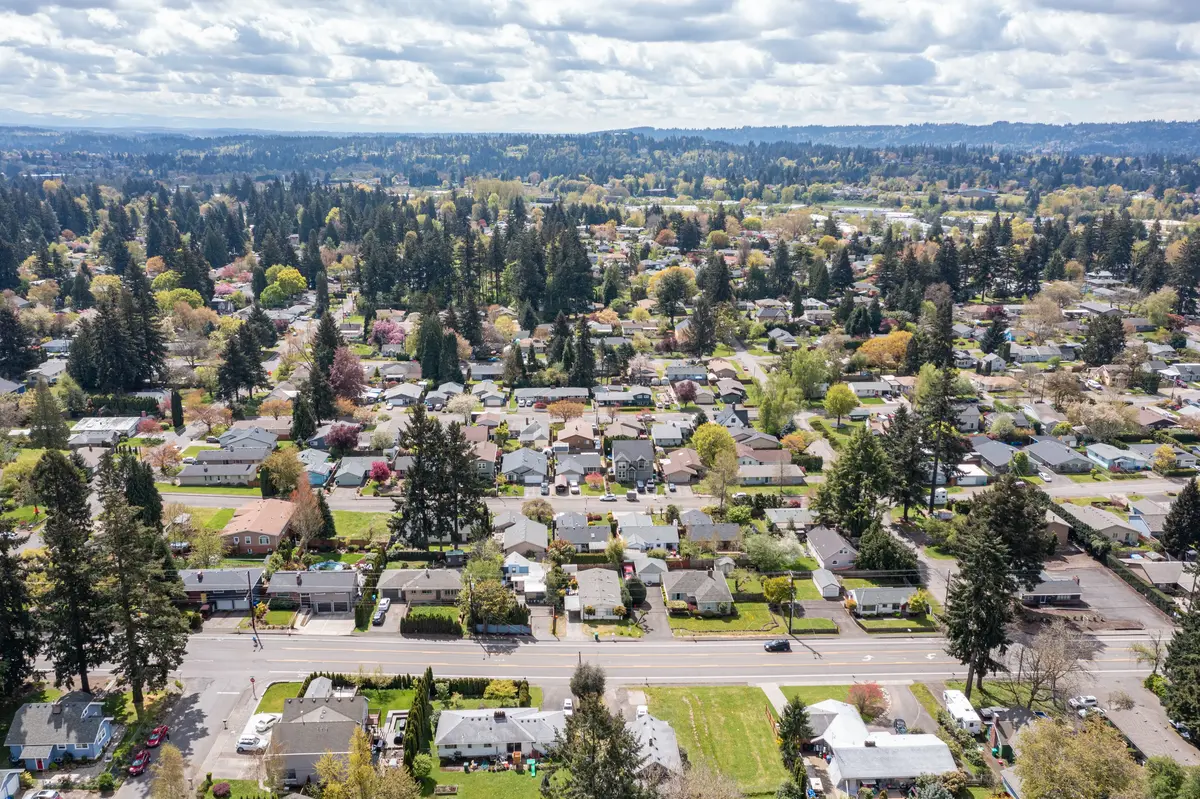
The city's typical home price as of July 2026 — $522,702 (Zillow Home Value Index) — is in roughly the same range as Portland. What changes is what that money buys you. In Milwaukie, that budget gets you into established residential streets with mature trees, craftsman-era bungalows, and yards. In much of inner Portland at the same price, you're fighting for a smaller footprint with more neighbors on a narrower lot.
The crime picture is worth naming plainly. Milwaukie has a violent crime rate of 3.9 per 1,000 residents and a property crime rate of 15.4 per 1,000 residents. For context, the state violent crime rate is 3.3 per 1,000 and the state property crime rate is 24.5 per 1,000 — so Milwaukie's property crime is meaningfully better than the Oregon average, even if the violent crime rate sits slightly above it. That's a nuanced picture, not a simple positive or negative, and I think buyers deserve to read it that way.
One thing I tell every buyer here: the effective property tax rate of approximately 0.96% is relatively modest by Oregon standards, but factor it into your monthly math alongside the purchase price — it matters more than people expect when they're focused on the sticker.
Milwaukie Neighborhoods: What Each One Is Really Like
Linwood
Linwood is one of the larger residential pockets and sits at the city median for pricing. It attracts buyers who want space without spending into the upper tier — mostly single-family homes on established lots. The housing stock is mixed enough that you can find a 1950s ranch or a later-built split-level depending on your tolerance for updates.
Best for: Families Value
Hector Campbell
Hector Campbell consistently prices below the city median, which makes it the entry point many first-time buyers land in when the rest of the city feels stretched. Don't mistake the price for a lack of character — it has a quieter, more residential feel, and buyers who commit to it tend to stay longer than they originally planned.
Best for: First-Time Buyers Value
Lake Road
Lake Road sits at the city median and draws buyers who want quick access to the river corridor and the greenway. The housing stock here skews toward mid-century builds with generous lots. It feels unhurried in a way that buyers coming out of Portland's inner neighborhoods often say they weren't expecting.
Best for: Nature Quiet
Lewelling
Lewelling is a solid mid-range neighborhood at the city median, with a mix of owner-occupied single-family homes and some denser infill. It's practical more than picturesque, and buyers who prioritize function — proximity to schools, access to OR-224, everyday errands — tend to find it easier to commit to than neighborhoods with more personality but less convenience.
Best for: Commuters Families
Ardenwald-Johnson Creek
Ardenwald-Johnson Creek sits at the city median and has a distinct identity — bungalows, craftsman homes, and a neighborhood texture that reminds buyers of inner SE Portland but without the price premium. The Johnson Creek corridor runs through it and gives the area a green edge that the more purely residential pockets don't have.
Best for: Walkable Nature
Historic Milwaukie (Downtown Milwaukie)
This is the neighborhood I show buyers when they don't think Milwaukie has anything going on. The 1938 former city hall building reopened in April 2025 as a commercial anchor, now housing a pFriem Family Brewers tasting room and a Keeper Coffee location — which tells you something about the direction downtown is heading. The MAX Orange Line station is walkable from the core.
Best for: Transit Walkable
Island Station
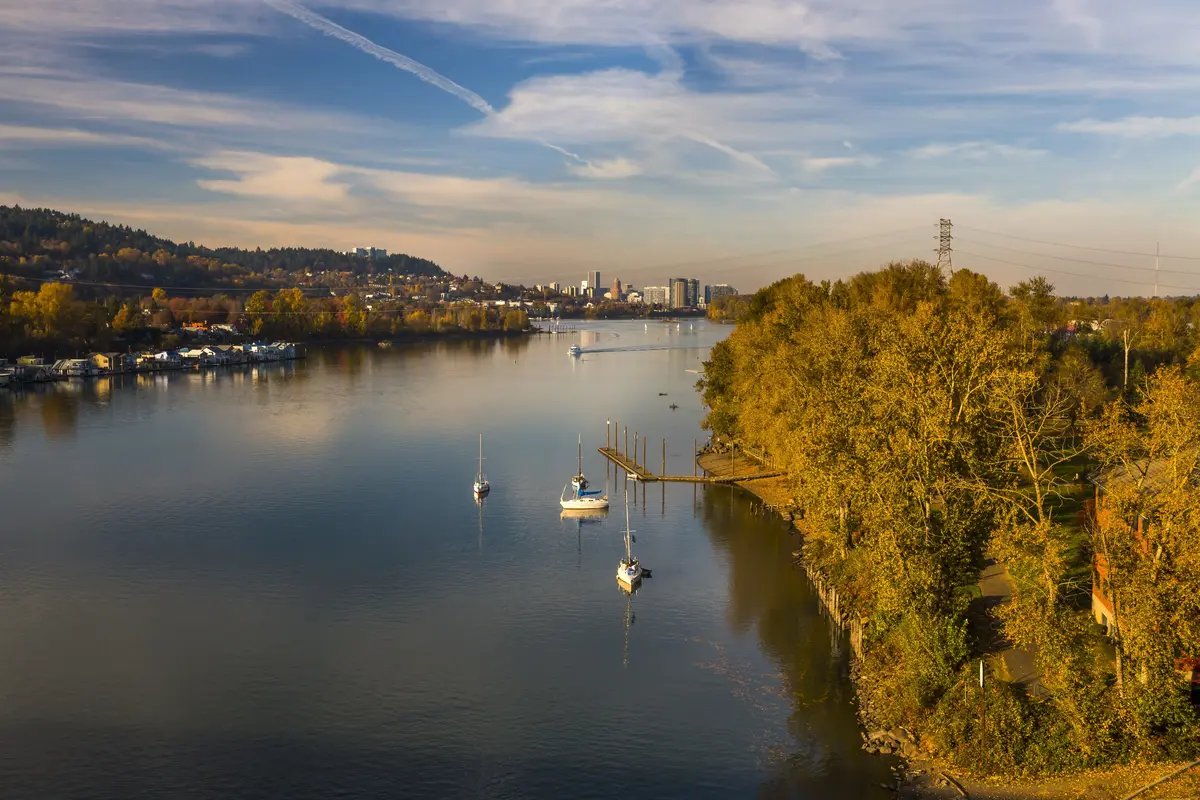
Island Station sits at the city median and sits closest to the Willamette River, which is precisely its appeal. Milwaukie Riverfront Park anchors the area, and Elk Rock Island — a 12-to-13-acre natural island accessible when summer water levels drop — is the kind of thing that keeps buyers from leaving once they've found it. It's not the neighborhood for buyers who want to be close to the freeway; it's the neighborhood for buyers who want to forget the freeway exists.
Best for: Views Nature
Jennings Lodge
Jennings Lodge prices at the city median and sits along the southern end of the city, where Milwaukie starts to feel more like the wider Clackamas County. It's a quieter neighborhood with an older housing stock. Buyers who arrive here are often making a deliberate trade — less urban energy in exchange for more lot and more calm.
Best for: Quiet Privacy
Milwaukie vs Nearby Cities
| City | Typical Home Price | Typical Rent | Cost vs Milwaukie |
|---|---|---|---|
| Milwaukie (this city) | $522,702 | $1,749/mo | — |
| Portland | $534,270 | $1,723/mo | About the same |
| Oregon City | $605,330 | $1,955/mo | 16% higher |
| Happy Valley | $686,520 | $1,903/mo | 31% higher |
Source — home prices: Zillow ZHVI, July 2026; rent: Zillow ZORI, July 2026. Nearby-city figures are the same series, refreshed together.
The comparison I'm asked about most is Milwaukie versus Portland. The honest answer is that the price is about the same — the real difference is what that price delivers. In Milwaukie, buyers almost always get more lot, more parking, and a calmer residential street. What they give up is Portland's density of restaurants, nightlife, and walkable retail within a few blocks. For buyers who need to be in Portland daily, the MAX Orange Line from downtown Milwaukie makes that trade workable in a way it wouldn't be if they had to drive every morning.
Oregon City and Happy Valley are both noticeably higher than Milwaukie on typical home prices. Buyers sometimes choose them for the school reputation or for newer construction, and those can be real reasons. But the premium is real too, and Milwaukie buyers who've looked at both markets usually come back here having run the numbers and decided the gap wasn't worth it for their situation.
Oak Grove is adjacent and often gets conflated with Milwaukie — the borders are genuinely blurry on the ground. The distinction that matters most to buyers is municipal services and school boundaries, not the map line itself. Gladstone is the neighbor to the south that Milwaukie buyers sometimes consider as an alternative; it's quieter and slightly more removed from Portland's orbit, which appeals to some buyers and gives others pause.
Happy Valley carries a newer-construction, suburban feel that is genuinely different from Milwaukie's established neighborhood texture. I work with buyers who want both, but I don't pretend they're interchangeable — the lifestyle is different, not just the price. The engine renders a comparison table directly below this section with the current figures.
Looking to buy in Milwaukie? Estimate your payment.
Enter your numbers to see an estimated monthly mortgage payment.
Estimate only. Excludes HOA fees and mortgage insurance. The interest rate above is a starting point, not a quoted rate — replace it with your own to see real numbers. Insurance is a flat placeholder, not a Milwaukie quote.
Schools in the North Clackamas School District
Milwaukie sits inside the North Clackamas School District, which serves 16,864 students enrolled in 2025-26, according to figures the Oregon Department of Education publishes. It's one of the larger districts in the Portland Metro, which means it has resources and programs that smaller surrounding districts don't — but it also means school quality isn't uniform across every building.
On 2024-25 state assessments, 30.2% of students reached math proficiency and 41.4% reached reading proficiency, according to figures the Oregon Department of Education publishes. Those numbers sit below Oregon's statewide averages, and I think buyers deserve to hear that plainly rather than have it softened. What the district-wide figure doesn't tell you is how individual schools perform — and that varies more than the aggregate suggests.
Milwaukie High School's Mustangs field active OSAA athletics programs, and the school has a genuine community following. The recognition of a Milwaukie High history teacher as Oregon's history teacher of the year in August 2024 is the kind of indicator that doesn't show up in test scores but matters to parents thinking about where their kids will spend four years.
My honest advice: anyone seriously considering buying in Milwaukie should confirm the assigned school for their specific address directly with the district — boundaries can run through the middle of what looks like a single neighborhood — and review the data the Oregon Department of Education publishes themselves. I'll help you ask the right questions, but the due diligence is yours to do, and I'd rather you go in with clear eyes than with assumptions.
The Commute and Transit Reality
The MAX Orange Line is the transit story in Milwaukie, and it's a good one. The Milwaukie/Main Street Station in the downtown core connects directly to Portland City Center, Portland State University, and SE Portland. Frequent service runs most of the day. For buyers who work in the Lloyd District, downtown Portland, or the South Park Blocks, this genuinely changes the cost calculation — one car instead of two is not a small thing.
OR-99E, known locally as McLoughlin Boulevard, is the main surface arterial connecting Milwaukie to Portland, and it carries a lot of daily traffic. Buyers who will be driving rather than riding the MAX should understand that McLoughlin can slow considerably during weekday morning and afternoon peak hours, particularly through the stretch where it narrows. OR-224, the Milwaukie Expressway, handles east-west movement and connects toward Clackamas and Happy Valley.
The baseline commute reference I give buyers is about 20 minutes to Portland under normal conditions by car. Light rail changes that math — the ride is consistent in a way that driving never is. I've had buyers who were committed to driving reconsider once they timed a MAX trip during a week they were working in the city. It's worth doing that experiment before you decide which part of Milwaukie to target.
Portland International Airport is approximately 14 miles away, which for frequent flyers is a meaningful amenity. It's not a quick ten-minute hop, but it's one highway connector without any true freeway complexity — manageable enough that buyers who travel often don't list it as a concern after their first few months here.
Weekends, Local Character, and What Daily Life Looks Like
Milwaukie has a personality that took me a few transactions to fully appreciate. It's not trying to be a mini-Portland, and that's actually its strength. The city has been the birthplace of the Bing cherry and the longtime home of Dark Horse Comics — the kind of details that reveal a place with genuine history rather than one assembled from scratch for a suburban market.
The Milwaukie Farmers Market runs through the warm months and draws over 80 vendors. It's the kind of weekly gathering where you run into the same neighbors across the season — less a shopping errand and more a social anchor. Milwaukie Riverfront Park and Elk Rock Island pull residents outdoors in a way that I notice buyers don't fully anticipate until they've spent a summer here. The Trolley Trail — a roughly six-mile paved and gravel route tracing the historic streetcar line toward Gladstone — is where the cycling-commuter crowd and the weekend-walk crowd overlap.
For food and coffee, the local lineup includes Gramma's Corner Kitchen, Coasters Brew Pub, River Roadhouse, Ohana Hawaiian Cafe, and Arrivederci Wine & Jazz. On the coffee side: Great American Video & Espresso, Milwaukie Cafe and Bottle Shop, The Wind Horse, Keeper Coffee - Milwaukie, and Two Sisters Cafe Breakfast & Lunch. The reopened former city hall building added the pFriem Family Brewers tasting room and a second Keeper Coffee location in April 2025 — a good signal of where downtown is heading.
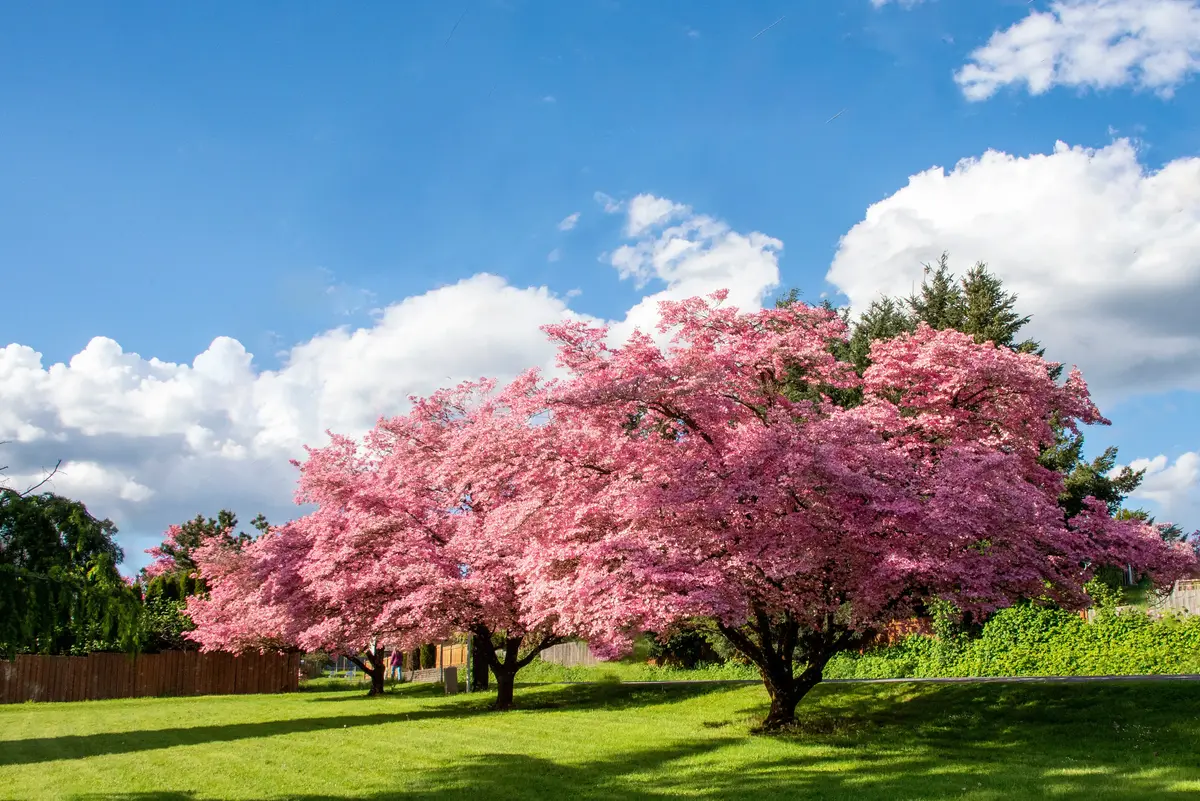
One thing that genuinely surprises buyers after their first six months here: Milwaukie gets 142 sunny days a year. That's a Pacific Northwest reality that the marketing doesn't emphasize, and the grey stretches from November through March are longer than buyers coming from California or the Southwest expect. The flip side is that the green season — the Willamette in summer, the dogwood blooms the city is named for — is legitimately beautiful and makes up ground quickly for most people who stay.
Bob's Red Mill's Whole Grain Store and Visitor Center is genuinely worth mentioning as a daily life feature, not just a landmark — it's where locals buy oats in bulk, and it draws visitors who wouldn't otherwise wander through. Dark Horse Comics' headquarters has been a cultural touchstone for the city for decades; as of late 2026, its long-term future in Milwaukie was the subject of community discussion following changes in ownership, and how that resolves will matter to the neighborhood identity of downtown. The Milwaukie Museum gives the city's history a physical home that most towns of 21,620 people don't bother to maintain.
Final Advice From Elizabeth
Quick Takeaways & FAQs
✅ The MAX Orange Line gives Milwaukie buyers a genuine car-optional commute to Portland — one of the few inner-ring suburbs where that's actually true.
⚠️ The median household income here sits meaningfully below what it takes to buy the typical home, which means buyers should stress-test their budget before falling in love with a specific block.
📍 Milwaukie is the birthplace of the Bing cherry and the longtime home of Dark Horse Comics — two details that tell you this city has more actual history than most of the suburbs it gets lumped in with.
What is the commute from Milwaukie to Portland really like?
How do the schools in Milwaukie compare to other Portland Metro districts?
Which part of Milwaukie should I target — and who ends up where?
What does the typical Milwaukie home budget actually buy?
What surprises buyers most after they've been in Milwaukie for six months?
How fast do homes actually move in Milwaukie?
Is Milwaukie or Portland a better choice for my situation?
Are there affordable housing options in Milwaukie beyond the open market?
Moving to Oregon?
Tell us what you need help with and we'll connect you with local resources.
