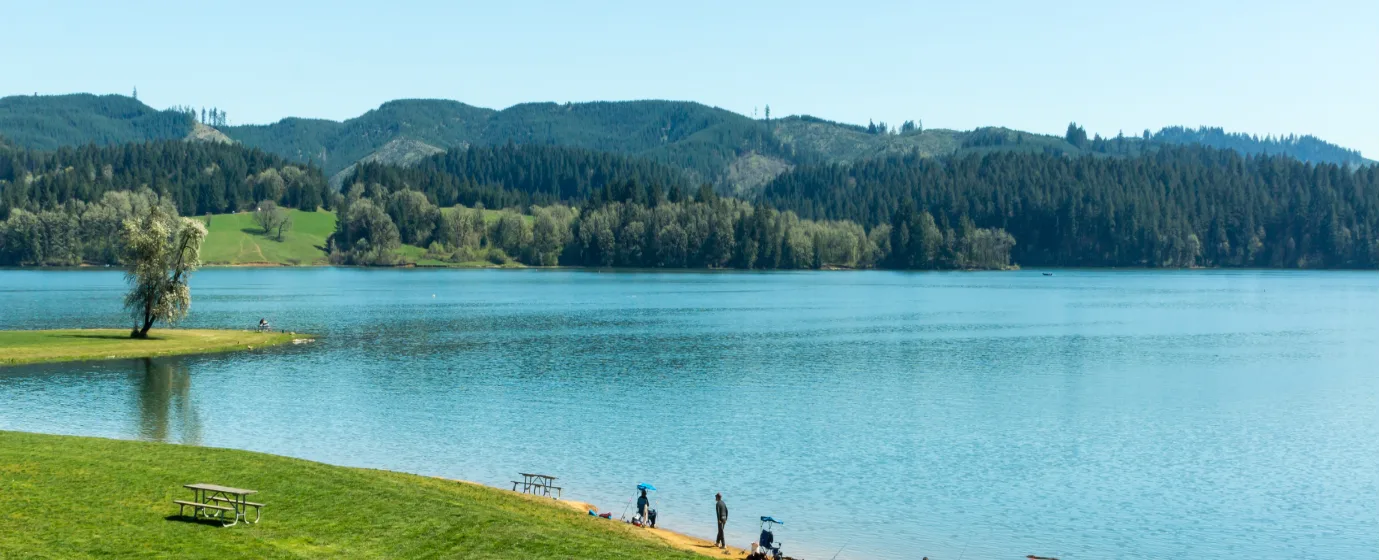
Forest Grove surprises a lot of buyers. You drive out from Hillsboro expecting another suburb and find yourself on a quiet college-town main street flanked by century-old oaks, with the Coast Range sitting just beyond the last row of houses. The city of 26,529 sits at the western end of OR-8 and OR-47 — the Tualatin Valley Highway — which is both its lifeline and its identity. Most of what makes daily life here work or not work comes back to where you are relative to that corridor, how far you are from Pacific University's campus, and how much you value small-town texture over metro convenience.
The economic spine is narrow but stable. Pacific University, founded in 1849 and housing Oregon's only college of optometry, is the city's largest private employer and sets the cultural tone for downtown. The Forest Grove School District 15, with 5,639 students enrolled in 2025-26, is the other institutional anchor. A significant share of working residents commute east to Intel's semiconductor campus in Hillsboro and to the broader Hillsboro-Beaverton tech corridor — about 40 minutes to Portland for those whose jobs sit farther east. The city draws people who want genuine Pacific Northwest character at a price point below the closer-in suburbs.
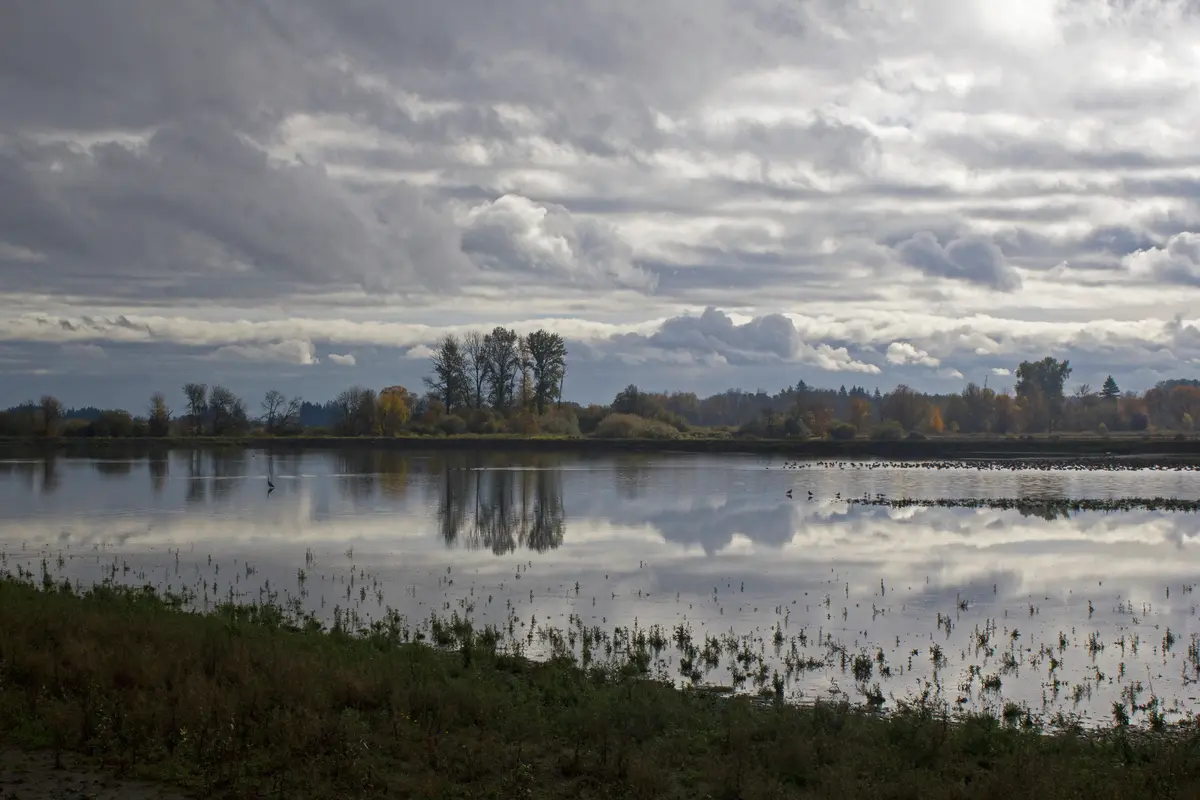
The typical home price in Forest Grove is $526,407 (Zillow Home Value Index, July 2026), which sits about the same as Hillsboro and noticeably above nearby Cornelius and Banks — see the full cost-of-living breakdown for how that compares to the region. Day-to-day life leans heavily outdoor: Fernhill Wetlands, the B Street Trail, Rogers Park, and the Tualatin Valley Scenic Bikeway all sit within a short ride of the residential core. The tradeoff is that Forest Grove is genuinely the end of the line — a serious shopping trip or a specialty errand means driving east.
Whether you are considering a move or still researching from a distance, the sections below break down Forest Grove's eight neighborhoods, the buyer types each suits best, the mistakes relocating buyers make here, and where renters get the most for their dollar.
The Forest Grove Reality
The divide that matters most in Forest Grove is not east versus west in the way you might expect — it is proximity to Pacific University and the downtown core versus the outer suburban edges. Buyers who land near the Clark District or Downtown can walk to coffee, to the Valley Art Gallery, to the farmers market, and to campus events. Buyers who land in Davis Estates or Northwest Forest Grove drive to all of it, and that daily friction is something that only becomes clear after you have lived it for a few months.
The second reality is the OR-8 / OR-47 corridor itself. OR-47 is the spine that connects the city to Hillsboro — it runs through or near almost every neighborhood — and your relationship to that road determines your commute quality. The Pacific Avenue Area sits along the commercial stretch of OR-8, which means convenient access to services but also the noise and traffic that come with a state highway corridor. Understanding which side of that trade you are making before you make an offer is the single most important pre-purchase research step in Forest Grove.
School boundary awareness matters here too. Forest Grove School District 15 holds a B- rating, according to Niche, and on 2024-25 state assessments, 20.4% of students reached math proficiency and 32.2% reached reading proficiency — figures that are worth sitting with if academic outcomes weigh heavily in your decision. Boundaries within a city this size do shift, and a house that is two blocks from a preferred elementary today may not feed into it after the next redistricting.
Neighborhoods at a Glance
| Neighborhood | Best For | Vibe |
|---|---|---|
| Downtown Forest Grove | Walkable Transit | College-town energy, independent shops, landmarks on foot |
| Gales Creek Terrace | Families Views | Newer master-plan community with mountain views at the city's western edge |
| Clark District | Walkable Quiet | Tree-lined streets, well-preserved historic homes, sidewalk culture |
| Painter's Woods District | Families Value | Established suburban feel, mid-city positioning, mix of lot sizes |
| Walker-Naylor District | First-Time Commuter | Approachable residential streets with practical access to the highway corridor |
| Northwest Forest Grove | Privacy Nature | Quiet outer edge, larger lots, rural adjacency without leaving city limits |
| Pacific Avenue Area | Commuter Renter | Central corridor, mixed residential and commercial, highest daily convenience |
| Davis Estates / Bailey Meadows | Families School | Newer subdivision feel, wider streets, family-oriented layout on the city's south side |
Forest Grove typical home price: $526,407 (Zillow ZHVI, July 2026). Typical rent: $1,753/mo (Zillow ZORI, July 2026). Neighborhood tiers on this page are relative to these figures.
Best Neighborhood by Buyer Type
| Buyer Type | Best Neighborhood | Why |
|---|---|---|
| First-Time Buyer | Walker-Naylor District | Approachable entry-level housing stock and straightforward OR-47 access for Hillsboro commuters keep the trade-offs manageable for buyers watching every dollar. |
| Luxury Buyer | Gales Creek Terrace | The newest construction, the most architecturally consistent streetscape, and Coastal Mountain Range views put this at the top of the market for buyers who want a turnkey product. |
| Walkability Seeker | Clark District | Sidewalk-lined historic blocks place residents within a short walk of Pacific University, downtown dining, and the Valley Art Gallery without crossing a highway. |
| Families with Kids | Davis Estates / Bailey Meadows | Newer subdivision layout, wider streets designed for families, and a south-side position away from the busiest commercial corridors give parents room to breathe. |
| Commuters | Pacific Avenue Area | Sitting along OR-8, the area puts drivers directly onto the Tualatin Valley Highway corridor with minimal in-city navigation before the eastbound run to Hillsboro. |
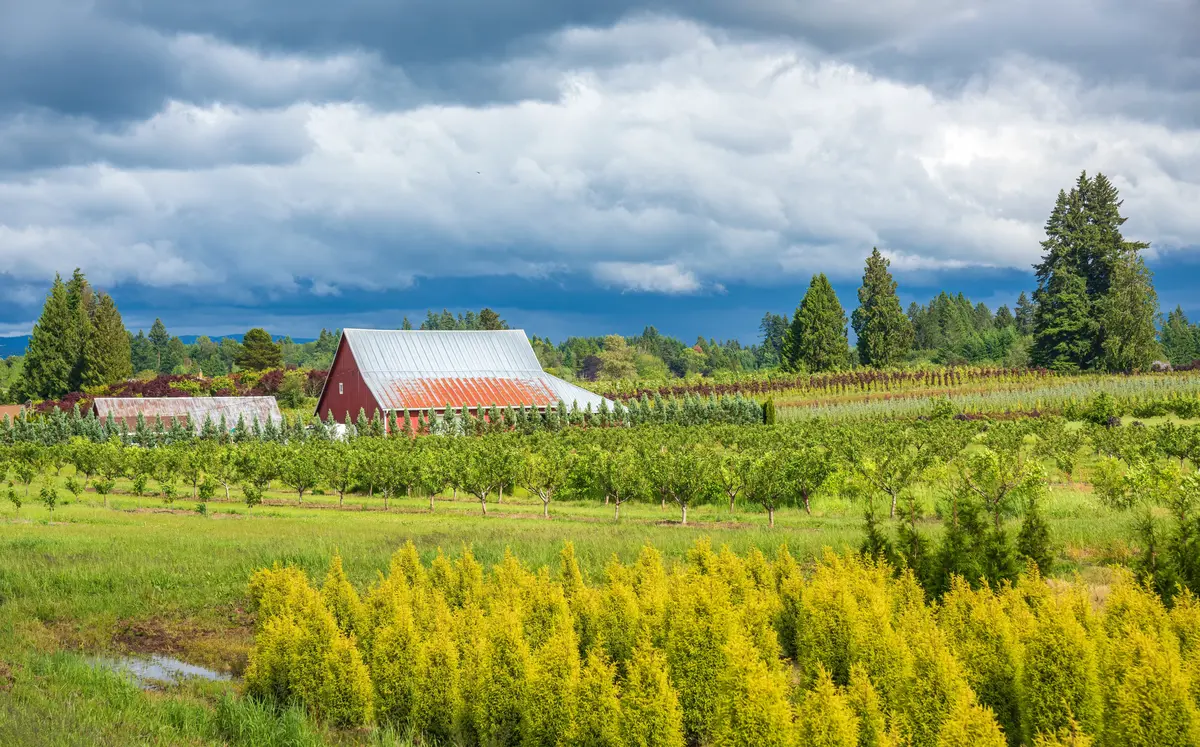
| Large-Lot Buyers | Northwest Forest Grove | The city's outer northwest edge holds the deepest lots and the most rural adjacency — vineyards and farmland start where the neighborhood ends. |
| Renters | Downtown Forest Grove | Rental inventory near Pacific University is the most consistently available in the city, with transit, walkable streets, and GroveLink shuttle access reducing car dependency. |
Looking to buy in Forest Grove? Estimate your payment.
Enter your numbers to see an estimated monthly mortgage payment.
Estimate only. Excludes HOA fees and mortgage insurance. The interest rate above is a starting point, not a quoted rate — replace it with your own to see real numbers. Insurance is a flat placeholder, not a Forest Grove quote.
Most Popular Neighborhoods
Downtown Forest Grove
Pacific University's campus anchors this walkable core, and Old College Hall, the World's Tallest Barber Pole, the Valley Art Gallery, and the Forest Grove History Museum are all reachable on foot. A regional transit route stops adjacent to campus and connects to the MAX terminus in Hillsboro, making this the city's only neighborhood where car-light living is genuinely plausible. The trade-off: rental noise, university foot traffic, and older housing stock that can come with older systems mean inspection diligence matters more here than anywhere else in the city.
Best for: Renters, walkability seekers, Pacific University faculty and staff, anyone who wants to use Forest Grove's transit rather than just tolerate it.
Gales Creek Terrace
Built by Lennar at the western edge of the Urban Growth Boundary along OR-47, this 187-lot master-plan community offers detached homes, semi-attached homes, and duplexes with sweeping views of the Coastal Mountain Range and frontage on Gales Creek itself. Construction here is newer and more consistent than in most of Forest Grove, which is its main appeal — but being at the far western edge means every errand runs through the city rather than around it, and the neighborhood sits above the city-wide median price. Dog owners should note that adjacent Fernhill Wetlands prohibits dogs on its trails to protect nesting birds, which catches some buyers off guard.
Best for: Buyers who prioritize new construction, mountain views, and a master-planned aesthetic over walkability or commute efficiency.
Clark District
Tree-lined streets, well-preserved historic homes, and sidewalks that actually connect to somewhere define Forest Grove's most beloved residential neighborhood. Residents consistently cite the community feel, the walkability, and the proximity to Pacific University as the reasons they stay. The honest downside is that historic character comes with historic bones — buyers should budget for thorough inspections, and square footage per dollar is lower here than in newer parts of the city.
Best for: Buyers who want walkable streets, neighborhood identity, and historic architecture, and who understand that charm has a maintenance cost.
Painter's Woods District
Painter's Woods sits in the established mid-city zone, offering a mix of lot sizes and housing vintages that attract a range of buyers who want more space than the historic core provides without committing to the outer edges. The neighborhood lacks the distinct identity of Clark District or the new-construction polish of Gales Creek Terrace, which can make it harder to love at first glance — but the mid-city positioning means nothing feels particularly far. Buyers here land close to everyday services without paying a walkability premium.
Best for: Buyers who value mid-city convenience and elbow room over neighborhood prestige or new-construction finishes.
Walker-Naylor District
This is Forest Grove's most approachable residential territory for buyers entering the market — modest streetscapes, practical layouts, and housing that reflects the city's overall affordability rather than its top end. Access to the OR-47 corridor makes the Hillsboro commute manageable, and the neighborhood is close enough to the city center that daily errands do not require a full expedition. The trade-off is that Walker-Naylor lacks memorable character; it is a place people come to because it works, not because it enchants them.
Best for: First-time buyers, commuters to Hillsboro, and households that want functional over fashionable.
Northwest Forest Grove
The city's northwest quadrant feels meaningfully different from the walkable core — lots are larger, the rural fringe is closer, and the Tualatin Valley Scenic Bikeway runs through the surrounding countryside. That edge-of-city quality is the point: buyers come here for the breathing room, and the vineyards and Coast Range foothills that begin just outside city limits give the area a distinct character. The catch is that this is the farthest residential zone from both downtown and OR-47's commercial services, so daily logistics require accepting that most things involve a drive.
Best for: Buyers who want large lots, rural adjacency, and outdoor access, and who have made peace with driving for nearly everything.
Pacific Avenue Area
The Pacific Avenue corridor runs along OR-8, making it Forest Grove's most commercially accessible residential zone — services, fuel, and through-city access are immediate. That same access means living with the ambient noise and visual clutter of a state-highway commercial strip, which is a genuine quality-of-life consideration that photos do not capture. The housing mix here skews toward rentals and smaller owner-occupied properties, reflecting its role as a practical, mid-market option rather than a lifestyle destination.
Best for: Commuters who prioritize OR-8 access, renters, and buyers who trade ambiance for convenience without apology.
Davis Estates / Bailey Meadows
Newer subdivision construction on the city's south side, with wider streets and a layout clearly designed for families with school-age children — cul-de-sacs, setbacks, and the general suburban legibility that makes parents feel like the neighborhood was built for them. The area lacks the history of the Clark District and the views of Gales Creek Terrace, but it offers some of the city's newest housing stock in a quieter residential setting. Buyers who want a predictable, low-friction suburban experience and are not chasing neighborhood character will find Davis Estates and Bailey Meadows deliver exactly what they promise.
Best for: Families with school-age children, buyers who want newer construction in a quiet residential setting, and anyone who finds that suburban predictability is a feature rather than a flaw.
Common Mistakes Buyers Make in Forest Grove
Treating the City as Uniform
Buyers who tour Downtown and fall in love with the walkable core sometimes make an offer in Davis Estates without registering how different the daily experience will be. The two neighborhoods are barely two miles apart and feel like separate towns in terms of on-foot access, neighborhood energy, and proximity to the things that made Forest Grove appealing in the first place. Drive the neighborhood at 7am and at 6pm before you commit — not just during an open house on a Sunday afternoon.
Underestimating the OR-8 Corridor Effect
The Pacific Avenue Area's proximity to OR-8 looks great on a commute spreadsheet and genuinely is useful. What it does not communicate in a listing description is the sustained highway-adjacent noise and the commercial streetscape that frames daily life. Buyers who prioritize a quiet street and a restful neighborhood feel should cross this corridor off the list early — not because there is anything wrong with it, but because the trade-off is real and buyers who miss it rarely feel neutral about it after six months.
Chasing Square Footage at the City's Edge
The outer edges — Northwest Forest Grove especially — offer the most space per dollar in the city. That math is real. What the math does not include is the daily cost of distance: every coffee run, every grocery trip, every after-school pickup, and every errand adds a drive through the city core that quickly erodes the appeal of the extra square footage. Buyers with school-age children who choose the northwest edge expecting school logistics to be simple typically discover otherwise within a semester.
Skipping the School Boundary Check
Forest Grove School District 15 is a single district across a small city, but elementary boundaries matter and they do shift. A house that feeds into a preferred elementary today may not after the next redistricting cycle — and in a city this size, those adjustments can move a family from one school to another with minimal notice. Confirming the current boundary for a specific address, and understanding that it is not guaranteed to stay fixed, is a step that buyers in a hurry tend to skip and later regret.
Best Areas to Rent in Forest Grove
| Area | Ideal For | Trade-off |
|---|---|---|
| Downtown Forest Grove | Students, young professionals, car-light renters | University foot traffic and older building stock; rental supply is highest but so is turnover |
| Pacific Avenue Area | Commuters, renters prioritizing OR-8 access and services | Highway corridor noise and commercial adjacency; not a quiet residential feel |
| Clark District | Renters who want walkable streets and neighborhood character | Supply is limited — rentals here move quickly and rarely sit long enough to negotiate |
| Walker-Naylor District | Commuters to Hillsboro, practical-minded renters | Low on neighborhood charm; functional rather than inspiring as a place to spend evenings |
| Davis Estates / Bailey Meadows | Families with kids, renters who want newer construction and quieter streets | Farthest from downtown amenities; almost every errand requires a car |
The city-wide typical 2-bedroom rent runs $1,610–$1,960, and Forest Grove's rental market is tightest near Pacific University, where student demand keeps vacancy low. Renters who need more space or a quieter setting will find better availability — and sometimes better value — in the outer residential areas, though the trade-off is real distance from the walkable core and its amenities.
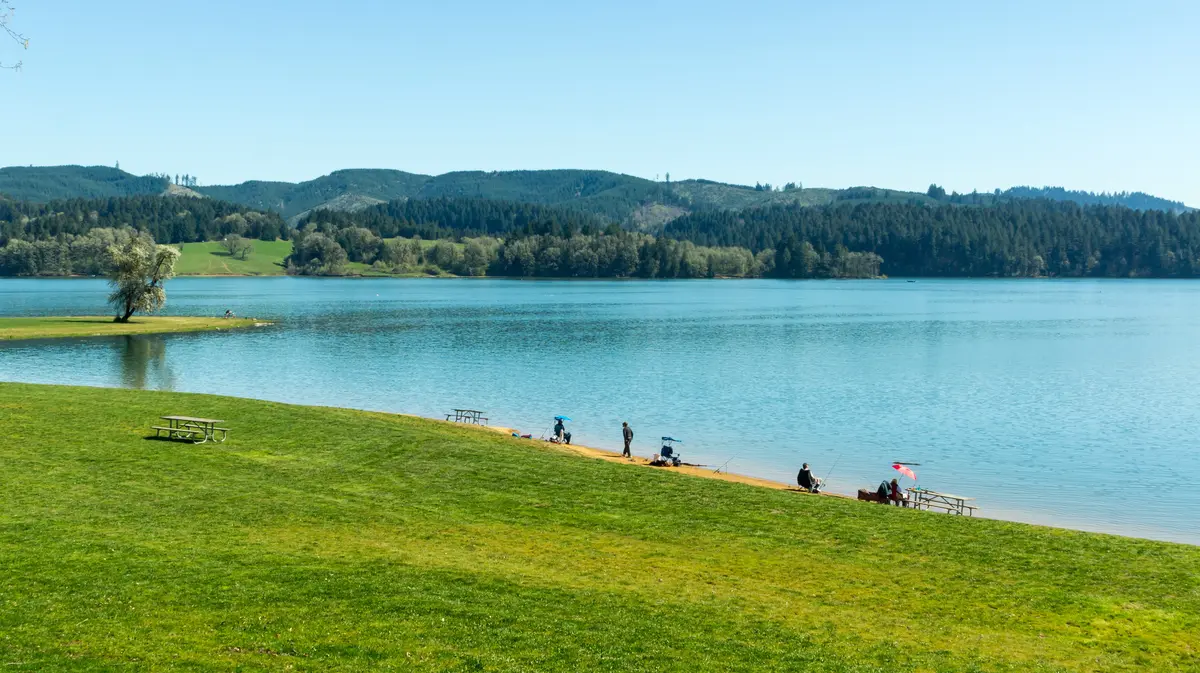
Local Expert Takeaway: The single most useful thing a buyer can do before choosing a neighborhood in Forest Grove is spend a weekday morning in Downtown and a weekend afternoon at Gales Creek Terrace's western edge — back to back, not on separate visits. The contrast between the walkable college-town core and the outer master-plan community is the real decision most buyers are making, and no amount of scrolling listings communicates it as clearly as standing in both places. The B Street Trail, Fernhill Wetlands, and Rogers Park are all accessible from most of the city, so outdoor access rarely drives the final choice. What drives it, almost every time, is how much daily friction you are willing to accept in exchange for square footage or views.
Quick Takeaways & FAQs
✅ Forest Grove's Clark District and Downtown core offer some of the most genuinely walkable residential streets in Washington County, with sidewalk access to Pacific University, the Valley Art Gallery, and the Adelante Farmers Market.
⚠️ The median household income in Forest Grove sits well below what is needed to carry the typical home price — by about $49,000 — so buyers should model their budget carefully before falling in love with a neighborhood.
📍 Fernhill Wetlands, one of the Pacific Northwest's premier birding sites with nearly 200 species, prohibits dogs on its trails — a detail that surprises many buyers relocating from dog-friendly urban trail systems.
What is the most walkable neighborhood in Forest Grove?
Which Forest Grove neighborhood is best for commuters to Hillsboro and Intel?
Are there new-construction homes in Forest Grove?
How does the Forest Grove School District compare to nearby cities?
What is the typical home price in Forest Grove and how does it compare to nearby cities?
Moving to Oregon?
Tell us what you need help with and we'll connect you with local resources.
