About Elizabeth
Who Moves to Happy Valley — and Why It Keeps Growing
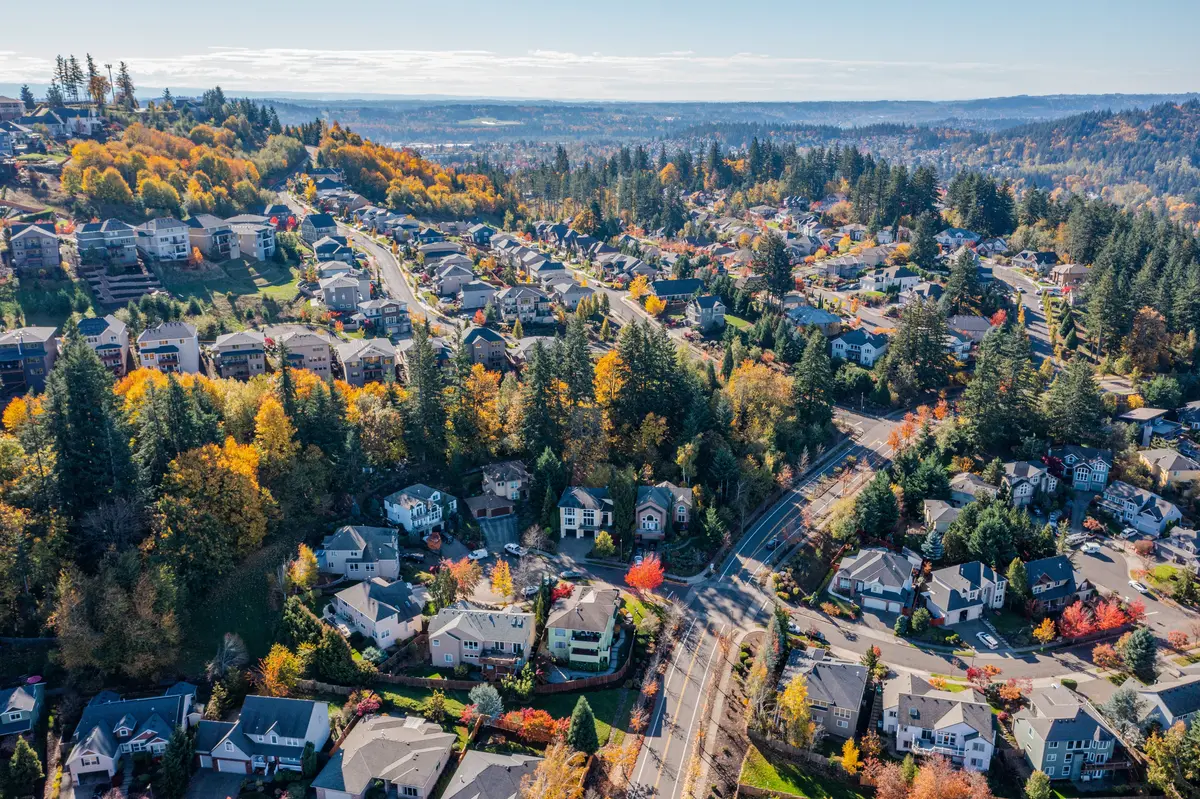
Happy Valley was incorporated in 1965 specifically to prevent annexation by Portland — a founding instinct to stay separate, to stay smaller, to control its own growth. That instinct is still visible in how the city manages development today. It is a planned-growth community: commercial centers, trails, and parks are integrated by design, not bolted on afterward.
The population tells its own story. The city counted roughly 4,500 residents in 2000. It now stands at 26,738. That growth was driven by one thing more than anything else: families who wanted access to the Portland job market without Portland's density, and who heard through the regional word-of-mouth that this was a good place to raise kids.
That is still the buyer I work with most often. Typically dual-income households, often with school-age children or planning for them, usually coming out of Portland or the inner eastside where they've outgrown their space. They want a yard, a garage, a neighborhood where kids ride bikes, and a commute they can actually live with. Happy Valley delivers most of that list most of the time.
What's also true: the city council approved annexation of parts of the Pleasant Valley and North Carver areas in 2023, adding a meaningful pipeline of new households. Happy Valley is not done growing. Buyers who like the planned, cohesive feel of the city should understand that the edges are still being drawn.
The Housing Stock
Roughly 72% of the city's housing units are single-family detached homes. That share is higher than most Portland suburbs and it shapes the character of almost every neighborhood. You are not moving to a city of towers and condos — you're moving to a city of yards, driveways, and relatively quiet residential streets. The townhouse and attached-home supply exists but is not dominant, and true apartment density is limited compared to Milwaukie or Clackamas proper.
Happy Valley Neighborhoods — What Each One Actually Feels Like
Rock Creek
Rock Creek is one of the more established parts of the city, with mature trees and housing that reflects earlier phases of Happy Valley's growth. It tends to attract buyers who want a settled, lived-in feel rather than the newer-subdivision aesthetic. Best for: Families Quiet streets
Sunnyside
Sunnyside sits closer to the OR-212 corridor and Clackamas Town Center, which makes it convenient for errands and commuting but louder than the hillside neighborhoods. It's one of the more accessible entry points into Happy Valley and has a mix of housing ages. Best for: Commuters Value
Happy Valley Heights
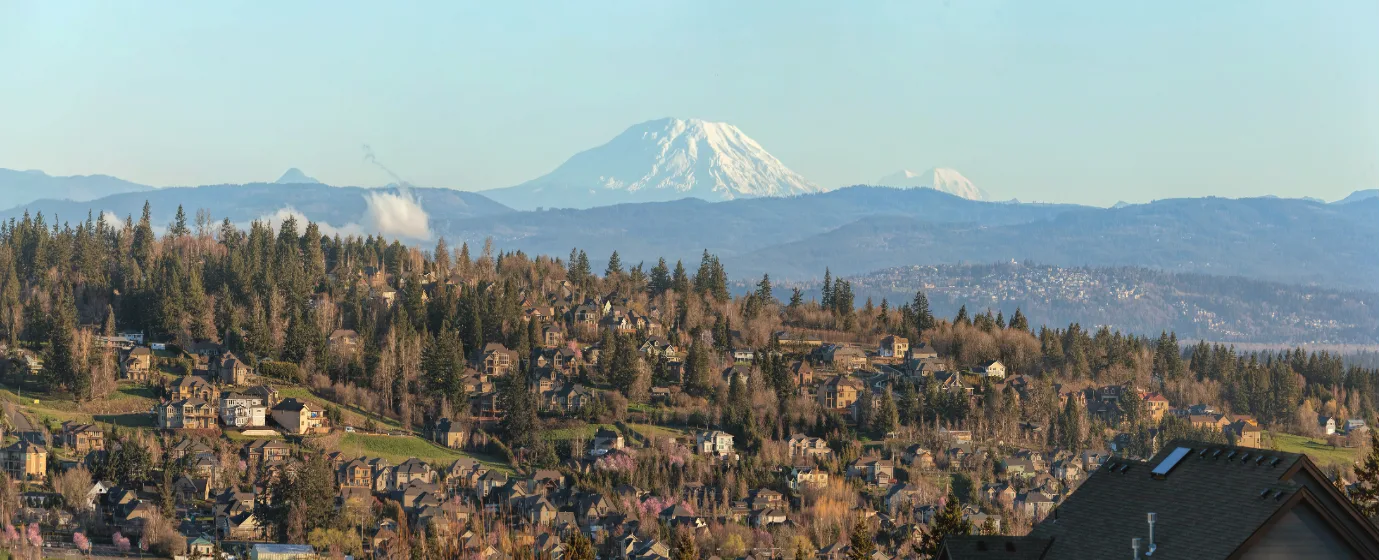
Higher elevation, longer views toward Mount Hood on a clear day, and streets that feel genuinely removed from the commercial strip below. Buyers here are typically trading commute convenience for the feel of being above it all — literally. Best for: Views Privacy
Scouters Mountain
The most nature-adjacent neighborhood in the city. Scouters Mountain Nature Park sits in its backyard — 100 forested acres with ridgeline views of Mount Hood and Mount St. Helens. Buyers here are usually outdoors-first. The tradeoff is that everything requiring a car feels a little farther. Best for: Nature Privacy
Pleasant Valley
Pleasant Valley is in active transition — the 2023 annexation decisions touch this area directly. Some of it feels established; some of it is still finding its shape. For buyers willing to be early in an evolving neighborhood, there is real upside here. For buyers who want finished and settled, I'd steer them elsewhere. Best for: First-Time Value
Eagle Landing and Taralon
Both of these neighborhoods represent newer construction phases of Happy Valley's growth — planned streets, consistent architecture, good infrastructure. They feel more suburban-polished than the older parts of the city. Jackson Hills sits in a similar tier, with a slightly more elevated feel. Best for: Families Luxury
Jackson Hills
Jackson Hills tends toward larger homes and a quieter, more upscale feel. It draws buyers who want the full suburban package: newer construction, strong neighborhood cohesion, and proximity to the parks without being on top of the commercial corridor. Best for: Luxury Schools
The single thing I tell every buyer before they fall in love with a specific address: confirm the school boundary for that address with the North Clackamas School District directly. The neighborhood name and the assigned school do not always line up the way you'd expect.
Schools in the North Clackamas School District
Happy Valley sits within the North Clackamas School District, which serves 16,864 students enrolled in 2025-26, according to figures the Oregon Department of Education publishes. That makes it one of the larger suburban districts in the Portland Metro region.
On 2024-25 state assessments, 30.2% of students reached math proficiency and 41.4% reached reading proficiency, according to figures the Oregon Department of Education publishes. I share those numbers because they're the published baseline — not because they tell the whole story of any individual school. Performance varies meaningfully between buildings in the same district, and aggregate district figures can obscure bright spots as easily as they hide challenges.
What I Tell Buyers About Schools
I have this conversation with almost every family who comes to me focused on Happy Valley. My honest advice: do not rely on a summary number or a third-party rating to make a school decision. Confirm the specific elementary, middle, and high school assigned to each address you're considering directly with the North Clackamas School District, and then review the school-level data the Oregon Department of Education publishes yourself. That is the only way to make a decision you'll feel confident about two years from now.
The district runs active OSAA athletics programs across its schools, and community participation in school events is genuine — Friday night football draws the kind of crowd that reminds you this is still a smaller city at heart, whatever the growth numbers say.
School boundaries in this district are also not static. Enrollment patterns change, new schools get built, and boundary adjustments happen. Confirming the assignment for a specific address — not just a neighborhood — before you make an offer is one of the most important steps in a Happy Valley purchase, and I make sure my buyers do it every time.
Looking to buy in Happy Valley? Estimate your payment.
Enter your numbers to see an estimated monthly mortgage payment.
Estimate only. Excludes HOA fees and mortgage insurance. The interest rate above is a starting point, not a quoted rate — replace it with your own to see real numbers. Insurance is a flat placeholder, not a Happy Valley quote.
Happy Valley vs Nearby Cities
| City | Typical Home Price | Typical Rent | Cost vs Happy Valley |
|---|---|---|---|
| Happy Valley (this city) | $686,520 | $1,903/mo | — |
| Milwaukie | $522,702 | $1,749/mo | 24% lower |
| Oregon City | $605,330 | $1,955/mo | 12% lower |
| Clackamas | $588,708 | $1,783/mo | 14% lower |
Source — home prices: Zillow ZHVI, July 2026; rent: Zillow ZORI, July 2026. Nearby-city figures are the same series, refreshed together.
I work with buyers who are usually comparing two or three cities at once, and Happy Valley comes up in almost every conversation about the southeast Portland suburbs. Here is how I actually frame the comparisons when a buyer asks me directly.
Happy Valley vs. Portland: Portland gives you walkability, transit, and the energy of a real city. Happy Valley gives you space, quiet, and a more suburban school environment. The buyers who choose Happy Valley over Portland are almost always choosing it for the yard, the neighborhood feel, and the school district — not for the nightlife or the restaurant density. If a buyer tells me they're going to miss walkable coffee shops and the ability to walk somewhere in the evening, I take that seriously and I tell them so.
Happy Valley vs. Milwaukie: Milwaukie sits noticeably lower in typical home price, and it has a different character — closer to the Willamette, more urban-feeling, better connected to Portland by transit. Buyers who want a slightly grittier, more eclectic feel and don't need the full suburban package often land in Milwaukie and are happy there. Happy Valley is quieter, newer, and more intentionally planned.
Happy Valley vs. Oregon City: Oregon City is somewhat lower in typical home price and offers a genuinely different lifestyle — a historic downtown, the Willamette river connection, more of a small-town sensibility. It's a longer commute for most Portland employers. Happy Valley has more of the new-suburban infrastructure and the school district draw, but Oregon City has real character that Happy Valley is still developing.
Happy Valley vs. Clackamas: Clackamas sits somewhat lower in typical home price and functions more as a commercial and transit hub than a residential identity. Many buyers I work with think of Clackamas as the retail corridor and Happy Valley as where you actually live. That is a fair read. Happy Valley has a stronger sense of neighborhood cohesion than the unincorporated Clackamas area, but Clackamas offers more immediate access to the Town Center and transit connections.
Happy Valley vs. Damascus: Damascus is largely unincorporated and has fewer services; it draws buyers who want acreage and a rural feel at a lower price point. It is not a direct substitute for Happy Valley — the infrastructure gap is real — but for buyers who find Happy Valley's prices out of reach and are willing to trade amenities for land, Damascus comes up in the conversation.
Happy Valley vs. Gresham: Gresham is a larger city with its own downtown, a light rail connection into Portland, and a more diverse housing inventory including denser options. Buyers who need transit tend to land in Gresham. Happy Valley draws buyers who are willing to drive in exchange for the planned suburban environment and the parks system.
Parks, Daily Life, and What Weekends Look Like
The parks system is one of the most honest selling points I make for this city, because it's one the numbers don't capture well. Happy Valley is a planned-growth community with 11 city parks integrated into its design, and the difference between a city that added parks as an afterthought and one that built around them is something you feel on a Saturday morning.
Happy Valley Park is the social anchor — 24 acres that include a nationally recognized all-abilities playground, a paved loop, a boardwalk threading through Mount Scott Creek wetlands, a splash pad, a skate area, and a dog park. Families with young children spend entire days there without needing to leave. It is genuinely one of the better-designed suburban parks I've seen in Portland Metro.
Mount Talbert Nature Park, a forested volcanic butte, offers more than 4 miles of trails from flat, ADA-accessible loops to steeper summit paths. A connected trail corridor links Scouters Mountain Nature Park — 100 forested acres with ridgeline views of Mount Hood and Mount St. Helens — to the Happy Valley Park wetlands, covering roughly three miles combined. For buyers who want trail access without driving to a trailhead, that's a real daily amenity.
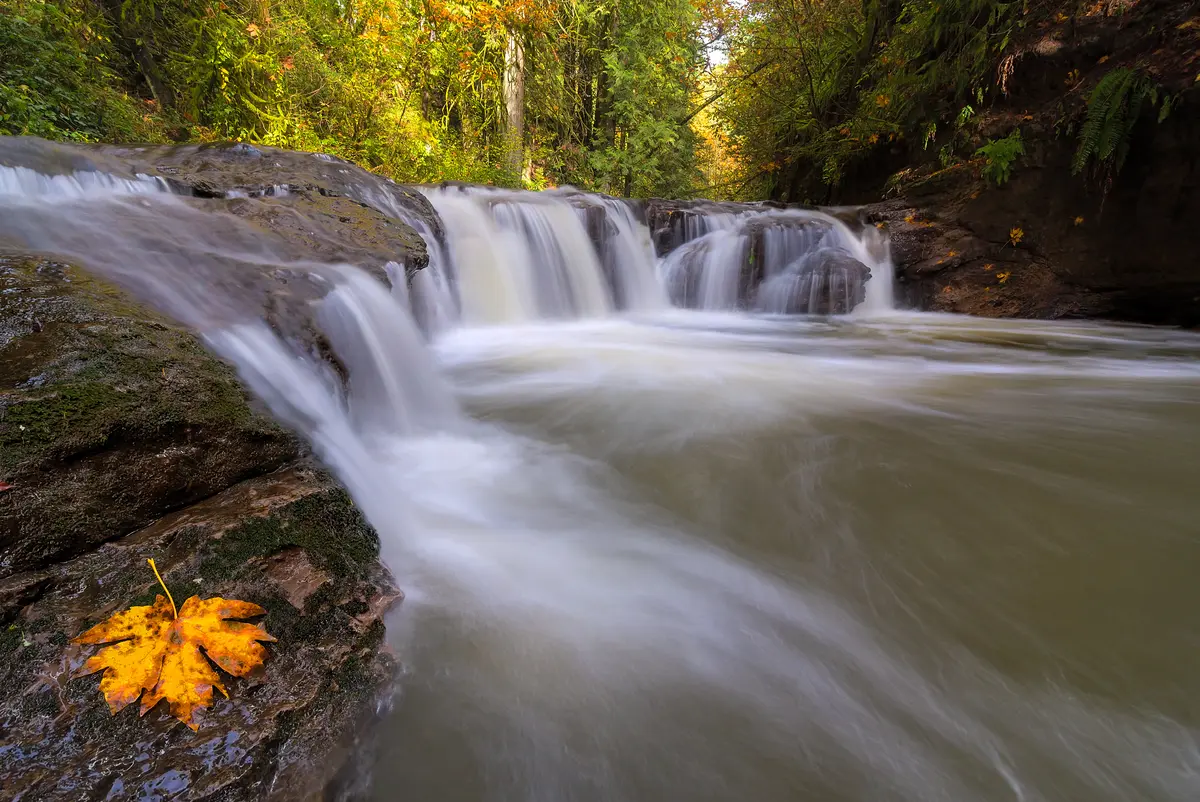
Happy Valley Station Food Carts is the city's most popular gathering spot — over 18 food trucks and a dedicated taproom in one place. On a weekend evening it functions as the social center the city's limited restaurant density doesn't otherwise provide. The broader dining scene includes Margarita Factory Happy Valley, Mezcaluna Mexican Cuisine & Lounge, Hog Wild BBQ & Catering, and Noodle Man for sit-down options, and a handful of independent coffee spots — Croffle Crew Cafe, Cafe Le Fleurs, Le Petit Café Happy Valley, Plenty European Coffee Shop, and TOUS les JOURS Bakery Café near Clackamas Town Center — for the morning routine. Hidden Falls Nature Park rounds out the outdoor options for buyers who want a quieter, less-trafficked trail experience.
What I tell buyers who move here from inner Portland: the first six months, most people are pleasantly surprised by the parks. Around month four or five, some of them start to miss the spontaneous walkability of their old neighborhood — the ability to decide at 7pm to walk somewhere for dinner. Happy Valley requires a car for almost everything. That is not a flaw for most of my buyers, but it is a fact worth sitting with before you commit.
Crime, Safety, and What the Numbers Mean on the Ground
Happy Valley posts a violent crime rate of 3.1 per 1,000 residents and a property crime rate of 30.3 per 1,000 residents. Oregon's statewide figures are a violent crime rate of 3.3 per 1,000 and a property crime rate of 24.5 per 1,000; the national figures are a violent crime rate of 3.7 per 1,000 and a property crime rate of 18.4 per 1,000.
The violent crime picture here is encouraging — below both state and national benchmarks. The property crime figure is higher than the national rate and higher than the state rate, which is the honest thing to say. In practice, property crime in this city tends to concentrate near the commercial corridors and the Town Center adjacency, less in the residential neighborhoods buyers are actually purchasing into.
Every buyer I work with asks some version of the safety question, and my answer is consistent: Happy Valley is among the quieter suburban options in Portland Metro for violent crime, and it feels that way on the ground. The property crime context is worth knowing — it shapes where you might be more mindful about a car or a package — but it does not change the fundamental character of the residential neighborhoods.
The city has also invested in infrastructure improvements along OR-212, including traffic signal upgrades completed in early 2025, which addresses the practical safety dimension of a city that has grown faster than its road network. That kind of investment signals a city government that is paying attention to the growth it has invited.
Final Advice From Elizabeth
Quick Takeaways & FAQs
✅ Happy Valley's 11 integrated city parks — including the nationally recognized all-abilities playground at Happy Valley Park and trail access to Mount Talbert and Scouters Mountain — make outdoor life a genuine daily asset, not a weekend-only feature.
⚠️ The property crime rate sits above both state and national benchmarks, and the typical home price requires a household income meaningfully above the city's own median — two numbers worth understanding before falling in love with a specific address.
📍 School boundaries in the North Clackamas School District do not follow neighborhood lines the way buyers assume — always confirm the assigned school for the specific address with the district before making an offer.
What is the commute from Happy Valley to Downtown Portland actually like?
How are the schools in the North Clackamas School District?
Which neighborhood in Happy Valley should I focus on?
What does the typical home price actually buy you in Happy Valley?
What surprises people after they've lived in Happy Valley for six months?
How quickly do homes sell in Happy Valley?
Is Happy Valley the right choice if I'm deciding between it and Portland proper?
Are there any 55+ communities or senior-specific housing in Happy Valley?
Moving to Oregon?
Tell us what you need help with and we'll connect you with local resources.
