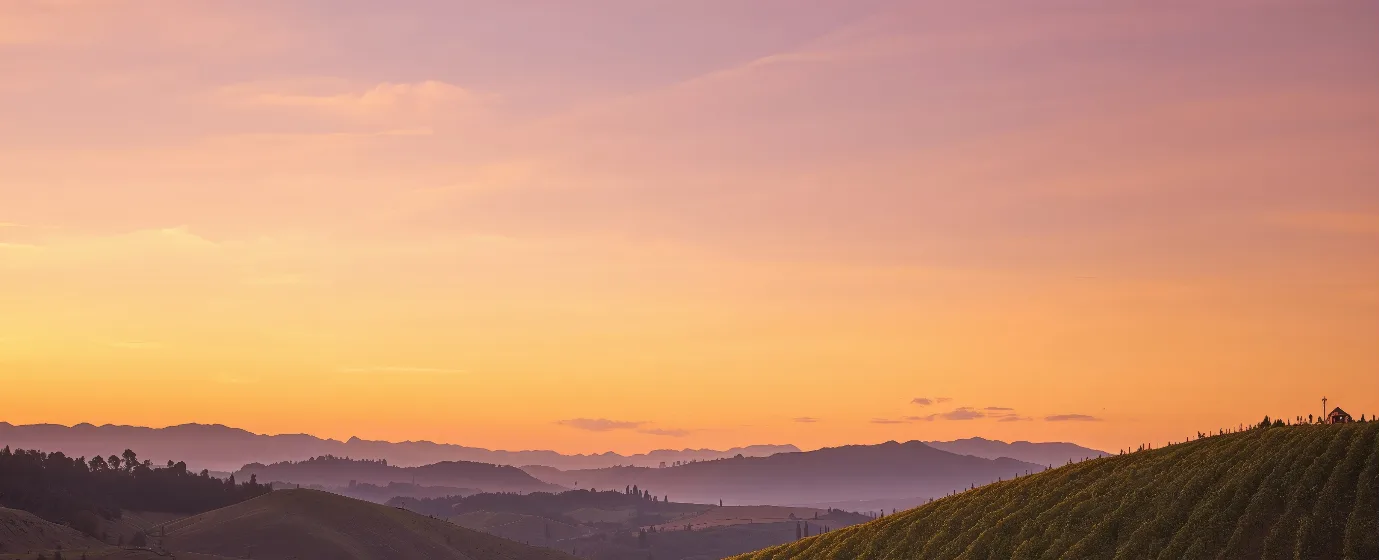
Cornelius sits on the western edge of the Portland Metro, where the suburban grid softens into rolling farmland, vineyards, and the open Tualatin Valley. For a city of 15,520 people, that geography matters more than it might at first appear. The parks and outdoor spaces here are not what you would expect from a small Washington County city — they range from well-used neighborhood fields to a federally designated National Water Trail, with a transformative regional trail that will eventually stitch Cornelius to Hillsboro, Forest Grove, and beyond.
What distinguishes outdoor life in Cornelius is how deliberately the city has oriented it. The 2025 Parks Master Plan — the first major update since 2009 — was built with the city's demographics front and center: more than half of Cornelius residents identify as Latino, and the parks department has made intentional programming and facility decisions to reflect that. The result is a park system that feels genuinely community-driven rather than generic, with Harleman Park at the center of Friday night football and weekend family gatherings.
The recreational picture extends well beyond city limits, which is both a strength and an honest caveat. The Tualatin River's designated National Water Trail, the Banks–Vernonia State Trail, and two well-regarded golf courses are all within easy reach — but most require a short drive. With 140 sunny days a year in this part of the Willamette Valley, that drive gets made often enough that residents stop thinking of it as a constraint.
Whether you are weighing a move to Cornelius or already have a neighborhood in mind, the sections below cover the city's 11 parks, the trail network taking shape along the old railroad corridor, on-water recreation on the Tualatin River, and the golf and seasonal outdoor life that round out the year.
Cornelius's 11 Parks: What's Here and How They're Used
The city maintains 11 parks spread across its neighborhoods, ranging from small pocket greens to the full-featured Harleman Park. The system is modest by Portland Metro standards, but the 2025 Parks Master Plan signals that the city is investing seriously in expansion and improvement — a meaningful commitment for a community that has historically under-resourced its green spaces.
Harleman Park: The Community Anchor
Harleman Park is the city's largest and most-used community space, and on a warm weekend it shows. Baseball diamonds and soccer fields draw youth leagues through spring and summer. Tennis courts, basketball hoops, horseshoe pits, and a picnic shelter fill out the amenities, and the football field becomes the social center of the neighborhood on high school game nights. If you want to understand how Cornelius gathers, Harleman is where to start.
The park's mix of facilities reflects the 2025 Parks Master Plan's orientation toward active, multi-generational use. Programming has been intentionally designed to serve the city's Latino community alongside all residents — a priority built explicitly into planning documents rather than added as an afterthought.
The Rest of the Network
Beyond Harleman, the city's parks are neighborhood-scale: playgrounds, courts, and green space distributed across areas like the Noble Woods Area and East Cornelius. They are not destination parks, but they serve the everyday function well — a place to kick a ball, walk a dog, or let younger kids burn energy within a few blocks of home.
One honest caveat for buyers relocating from cities with more developed park systems: Cornelius does not yet have a large developed natural area or forested park within its limits. The 2025 Master Plan addresses that gap, but most of the trail and natural-area ambitions are tied to regional projects still in progress. For immersive outdoor experiences, you will be driving.
| Park / Facility | Key Features | Best For |
|---|---|---|
| Harleman Park | Baseball, soccer, football field, tennis, basketball, horseshoe pits, picnic shelter | Families Youth Sports |
| Neighborhood Pocket Parks (×10) | Playgrounds, courts, open lawn, walking paths | Families Everyday Use |
| Downtown Cornelius / Pacific Avenue area | Seasonal Adelante Farmers Market, civic gathering space | Walkable Community |
| Council Creek Corridor (planned) | Future multi-use trail, car-free, off-street | Commuters Trail Users |
| Forest Hills Golf Course | 18-hole public course, driving range, practice greens | Golfers |
| Tualatin River access points | Kayaking, canoeing, fishing, birdwatching (regional) | Nature Families |
The Council Creek Regional Trail: Cornelius's Biggest Outdoor Story
The single most consequential outdoor development in Cornelius right now is not a park — it is a trail that does not fully exist yet. The Council Creek Regional Trail is a planned 15-mile multi-use pathway running along a former railroad corridor that has been inactive since 2015. When complete, it will connect Hillsboro, Cornelius, Forest Grove, and Banks, where it meets the Banks–Vernonia State Trail.
Where Things Stand
Washington County secured $12.2 million in federal RAISE grant funding to build the initial six-mile east-west segment connecting the three cities as a car-free, off-street pathway. The grant award was made and accepted — a funding decision that puts the project in a different category from unfunded planning concepts. Street crossings along the corridor are being upgraded with safety signage and flashing beacons as part of the project scope.
That status matters if you are buying in Cornelius now. The trail is a genuine future asset with real federal backing, but it is not something you can use today. Buyers drawn to a community with walkable trail access should factor in that this is a future amenity, not a move-in-day one.
Why It Matters for the City
Once open, the Council Creek trail will do something no existing infrastructure in Cornelius currently accomplishes: give residents a car-free route both into Hillsboro and west toward Forest Grove. For cyclists commuting toward Intel's tech corridor — about 15 minutes to Hillsboro (Intel/tech corridor) by car — this trail eventually changes the calculation entirely. For families, it links Cornelius to a regional system that reaches Banks and connects to one of Oregon's most-used rail trails.
The corridor runs through the heart of Washington County's agricultural landscape, so even on a functional level, this will be a genuinely scenic route. The old railroad alignment is flat enough for all fitness levels, which is a rare asset in a region where most trail options involve meaningful elevation.

Water and Trails Beyond City Limits
Residents who move to Cornelius expecting a quiet bedroom community often discover something different within the first few months: the surrounding landscape is far more recreationally interesting than the city itself suggests. Two regional assets anchor this — the Tualatin River and the Banks–Vernonia State Trail — and both are worth understanding before you decide how much outdoor access matters to your household.
The Tualatin River: A National Water Trail
In October 2020, the U.S. Department of the Interior designated a 38.5-mile stretch of the Tualatin River as a National Water Trail. Multiple Washington County access points serve the surrounding area, offering canoeing, kayaking, paddleboarding, fishing, and birdwatching along a river with a notably slow current — which makes it genuinely approachable for beginners and families with younger paddlers.
The verified access points are regional rather than city-specific. What that means practically: you will need to drive to a launch point, load gear, and plan around access rather than walking out your back door to the water. For households that paddle regularly, that is a minor logistical note. For those imagining a riverside lifestyle within walking distance of home, Cornelius is not that city.
The Tualatin River access points are listed as part of the regional outdoor amenities that draw residents to the western edge of Washington County generally. Birdwatching along the river corridor is particularly strong — great blue herons, osprey, and waterfowl are routine sightings along the floodplain sections.
Banks–Vernonia State Trail: Oregon's First Linear Rail Trail
The Banks–Vernonia State Trail holds a specific distinction: it was the first linear rail-trail state park in Oregon. The full route runs 21 miles on a paved, eight-foot-wide surface that crosses 12 bridges, including the 600-foot-long Buxton Trestle — an 80-foot-high bridge that is genuinely impressive on a first crossing. The trailhead at Banks is approximately ten miles from Cornelius via OR-47.
This is the best fully operational trail option for Cornelius residents right now, and it gets steady use from the local cycling and hiking community. The surface is paved and largely flat, with enough elevation variation toward the Vernonia end to satisfy riders looking for more challenge. What it is not: a quick walk from home. Budget 15–20 minutes of driving each way, which most residents absorb as a normal part of an outdoor Saturday.
Agricultural and Farm Recreation
The rolling hills and farmland surrounding Cornelius add a recreational layer that is easy to overlook if you are focused on parks and trails. The area has u-pick farms and roadside farm stands through the growing season, and the Adelante Farmers Market in Cornelius draws the community together around local produce during the warmer months. The edge of Washington County wine country sits within easy reach, with vineyards in the Tualatin Valley appellation close enough for an afternoon outing. None of this replaces a trail system, but it makes the everyday outdoor texture of the city richer than the park map alone suggests.
Looking to buy in Cornelius? Estimate your payment.
Enter your numbers to see an estimated monthly mortgage payment.
Estimate only. Excludes HOA fees and mortgage insurance. The interest rate above is a starting point, not a quoted rate — replace it with your own to see real numbers. Insurance is a flat placeholder, not a Cornelius quote.
Golf, Weekends, and Seasonal Outdoor Life
Golf is one of Cornelius's clearest outdoor strengths, and the city has two distinct options that serve different players well.
Forest Hills Golf Course
Forest Hills Golf Course is a historic, year-round public course with credentials that most city parks pages would not expect to include: it was built in 1927, designed by William F. Bell and William P. Bell, and stretches over 6,173 yards across tree-lined, rolling terrain set at the edge of wine country and farmland. The par-72, 18-hole layout features 14 water hazards and a dozen bunkers — a mix that rewards course management over raw power. A driving range and practice greens round out the facility. The course is part of the verified local landmarks list for Cornelius, and it genuinely earns the designation: this is a real golf destination, not a municipal afterthought.
The Bell family name matters to Pacific Northwest golf history — William P. Bell designed courses across the western U.S., and Forest Hills carries that lineage in its routing. For residents who play regularly, having a course of this age and design quality as the local option is a meaningful quality-of-life factor.
Pumpkin Ridge Golf Club
Pumpkin Ridge Golf Club, near North Plains, offers a second well-regarded option a short drive from Cornelius. The two courses together give Washington County residents a range of playing experiences without leaving the county's rural-edge landscape. For avid golfers relocating from markets where course quality is tied to price, this pairing is one of the underappreciated draws of the Cornelius area.
Seasonal Rhythms
With 140 sunny days a year, Cornelius is not a place where outdoor life stops in winter — but it does shift. The rainy season runs roughly November through March, and residents learn quickly which activities hold up in wet conditions. Trail running, cycling on the Banks–Vernonia Trail, and golf at Forest Hills (which stays open year-round) all remain viable. Harleman Park's sports fields see lighter use in winter but come back to full activity by March.
One thing newcomers consistently underestimate: how good the spring outdoor season actually is here. The farmland surrounding Cornelius turns vivid green in March and April, the Adelante Farmers Market returns, and the Tualatin River hits ideal paddling conditions before summer heat sets in. Most people moving from drier climates arrive expecting gray months and discover that the late-spring payoff is worth the trade. For families with kids, youth sports programming through the school district and parks department anchors the outdoor calendar from spring through fall.
| Outdoor Activity | Where | Season / Condition | Drive from Cornelius |
|---|---|---|---|
| Golf (public, historic course) | Forest Hills Golf Course | Year-round | In city |
| Golf (18-hole, North Plains) | Pumpkin Ridge Golf Club | Seasonal / year-round | Short drive |
| Kayaking / canoeing / paddleboarding | Tualatin River access points | Spring–fall best | Short drive |
| Paved hiking and biking | Banks–Vernonia State Trail (Banks trailhead) | Year-round (best spring–fall) | ~10 miles via OR-47 |
| Multi-use trail (planned) | Council Creek Regional Trail | Future — federal funding secured | In city / regional |
| Youth and adult sports fields | Harleman Park | Spring–fall primary | In city |
| U-pick farms and farm stands | Surrounding farmland, Tualatin Valley | Summer–fall | Short drive |
| Seasonal farmers market | Adelante Farmers Market – Cornelius | Warm months | In city |
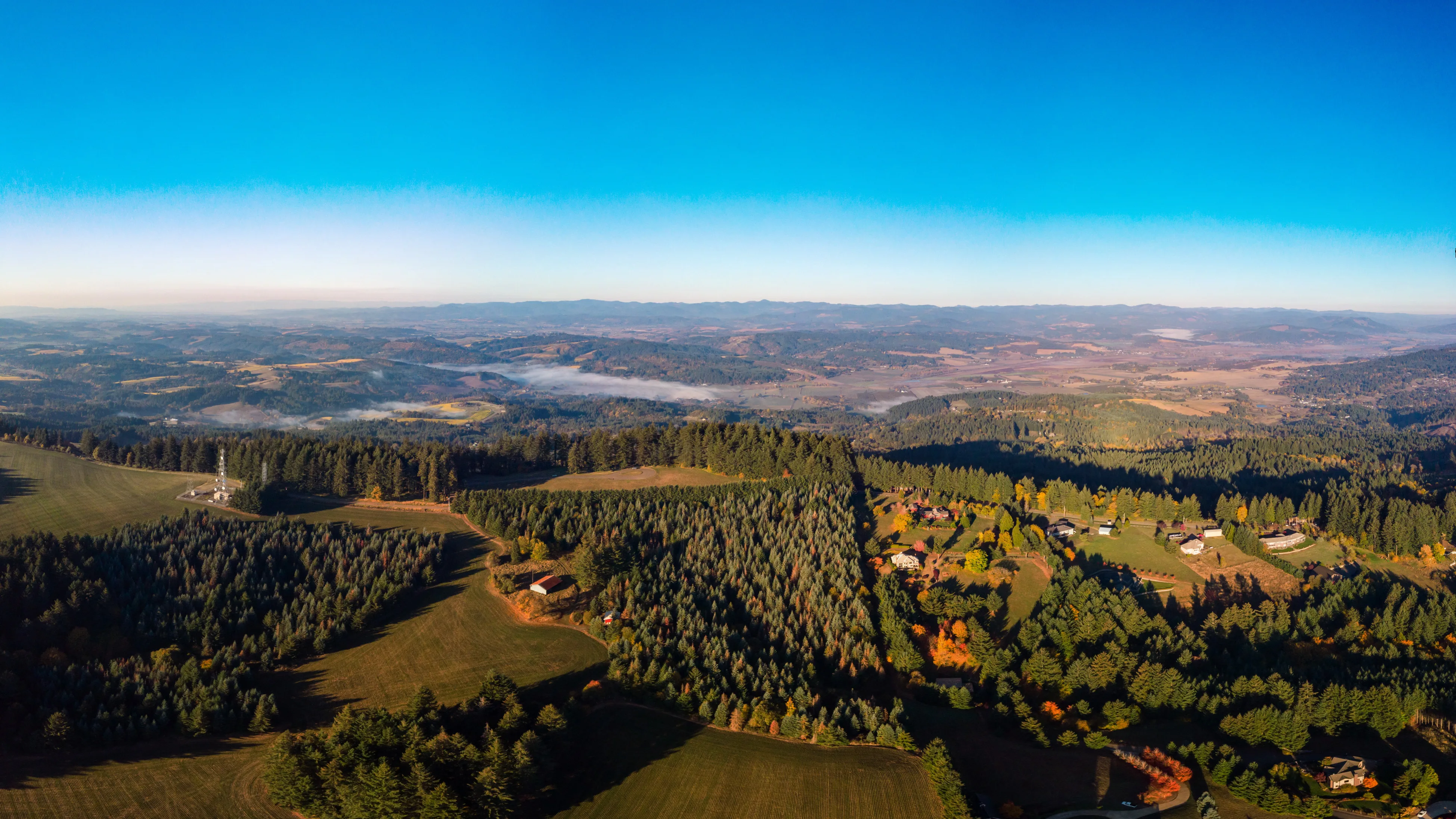
Local Expert Takeaway: Cornelius's outdoor life runs on two tracks: what's here right now — Harleman Park, Forest Hills Golf Course, and a farmers market rooted in the city's Latino community — and what's coming, specifically the Council Creek Regional Trail, which secured $12.2 million in federal RAISE grant funding. The grant award is a real commitment, but the trail is not yet open; treat it as a future asset rather than a move-in-day amenity. The Tualatin River and Banks–Vernonia State Trail are within easy reach and worth your time on a free weekend. The surprise most residents mention after six months: the spring and early-summer outdoor season here, when the surrounding farmland greens up and the farmers market returns, turns out to be better than anything they expected from a Washington County small city.
Quick Takeaways & FAQs
✅ Forest Hills Golf Course is a genuine year-round destination — a William Bell-designed, 18-hole public course built in 1927 that sits at the edge of Tualatin Valley wine country.
⚠️ The Council Creek Regional Trail has secured $12.2 million in federal funding but is not yet open — buyers drawn by trail access should treat it as a future asset, not an immediate one.
📍 The Tualatin River holds a federal National Water Trail designation, but access points are regional rather than walkable from Cornelius — a kayak or canoe day requires a short drive to a launch point.
What is the best park in Cornelius for families with young kids?
Is the Council Creek Regional Trail open yet in Cornelius?
Can you kayak or paddleboard on the Tualatin River near Cornelius?
Is Forest Hills Golf Course open to the public?
How far is the Banks–Vernonia State Trail from Cornelius?
Moving to Oregon?
Tell us what you need help with and we'll connect you with local resources.
