
Portland Metro · Best Places to Retire · 2026
Best Places to Retire in Portland Metro, Oregon — Every City Ranked
Cities ranked by a weighted composite of healthcare access, walkability, affordability, climate, and quality of life.
Cities ranked by a weighted composite of healthcare access, walkability, affordability, climate, and quality of life.
Choosing where to retire in the Portland Metro comes down to a question most buyers don't ask until they're deep into the search: do you want to be IN the city, or do you want to be near it? The metro stretches from Columbia County in the north — where the river defines the landscape — through Washington County's tech-corridor suburbs in the west, all the way down into Clackamas County's river towns and historic downtowns to the south. Every city in this comparison sits within roughly an hour of downtown Portland, but what daily life actually looks like varies enormously from one to the next.
The cities that tend to score well for retirees on this list share a consistent pattern: hospital access within or very close to city limits, a walkable core where you can handle errands and meals without a car, and a community infrastructure that goes beyond strip malls. The cities that score lower are often making one meaningful trade — typically on affordability, healthcare proximity, or the depth of amenities inside city limits. The sections below break down each city on the factors that matter most in retirement: medical access, how much you can do on foot, what homes are actually selling for, and what everyday life feels like when the honeymoon phase wears off.

When I work with clients retiring in the Portland Metro, the conversation almost always starts with the same question: how much do you actually want to depend on a car? The answer shapes everything — from whether Milwaukie's riverfront and light rail access makes more sense than Tualatin's polished suburbs, to whether the trade-off of St. Helens' river-town pricing is worth the distance from hospital care.
What I tell people is that this metro rewards buyers who are honest about their priorities before they fall in love with a house. The cities with the strongest retirement infrastructure — walkable errands, in-city healthcare, real transit options — tend to be priced accordingly. The more affordable options usually ask you to accept either more driving or fewer services in-city, and that's a trade some buyers are happy to make and others regret within a year.
I've seen clients build genuinely wonderful retirements in Forest Grove and in Portland's inner neighborhoods, in Milwaukie's historic core and in Wilsonville's planned community — and I've seen buyers choose based on price alone and spend years wishing they'd looked more carefully at what daily life actually looks like when the weather is bad and driving feels like a chore. The right fit is in the details, not the headline number.
Each city is scored 1-10 on every dimension below against a fixed statewide scale — never against the other cities in this region — then combined into one weighted Composite score out of 10.
Ranked by overall composite score. Click any city to jump to the full breakdown.
| # | City | Composite | Healthcare | Walkability | Median Price |
|---|---|---|---|---|---|
| 1 | Hillsboro Washington County | 7.3/10 | 8 | 10 | $518,047 |
| 2 | Portland Multnomah County | 7.2/10 | 8 | 10 | $534,270 |
| 3 | Beaverton Washington County | 6.7/10 | 6 | 10 | $527,947 |
| 4 | Milwaukie Clackamas County | 6.7/10 | 10 | 6 | $522,702 |
| 5 | Gresham Multnomah County | 6.1/10 | 8 | 6 | $470,730 |
| 6 | Oregon City Clackamas County | 6.0/10 | 8 | 8 | $605,330 |
| 7 | Forest Grove Washington County | 5.7/10 | 6 | 6 | $526,407 |
| 8 | Gladstone Clackamas County | 5.6/10 | 6 | 4 | $518,084 |
| 9 | Tigard Washington County | 5.5/10 | 6 | 8 | $607,011 |
| 10 | Tualatin Washington County | 5.5/10 | 8 | 6 | $635,314 |
| 11 | Clackamas Clackamas County | 5.2/10 | 10 | 4 | $588,708 |
| 12 | Lake Oswego Clackamas County | 5.2/10 | 6 | 6 | $889,944 |
| 13 | St. Helens Columbia County | 5.2/10 | 4 | 4 | $429,356 |
| 14 | Cornelius Washington County | 5.1/10 | 6 | 6 | $485,070 |
| 15 | Sherwood Washington County | 5.0/10 | 6 | 6 | $629,598 |
| 16 | Wilsonville Clackamas County | 5.0/10 | 6 | 6 | $630,814 |
| 17 | West Linn Clackamas County | 5.0/10 | 6 | 6 | $779,602 |
| 18 | Fairview Multnomah County | 4.7/10 | 6 | 4 | $478,412 |
| 19 | Bethany Washington County | 4.5/10 | 6 | 6 | $766,000 |
| 20 | Scappoose Columbia County | 4.3/10 | 4 | 4 | $490,109 |
| 21 | Canby Clackamas County | 3.9/10 | 6 | 2 | $598,201 |
| 22 | Aloha Washington County | 3.8/10 | 6 | 2 | $493,280 |
| 23 | Happy Valley Clackamas County | 3.7/10 | 6 | 2 | $686,520 |
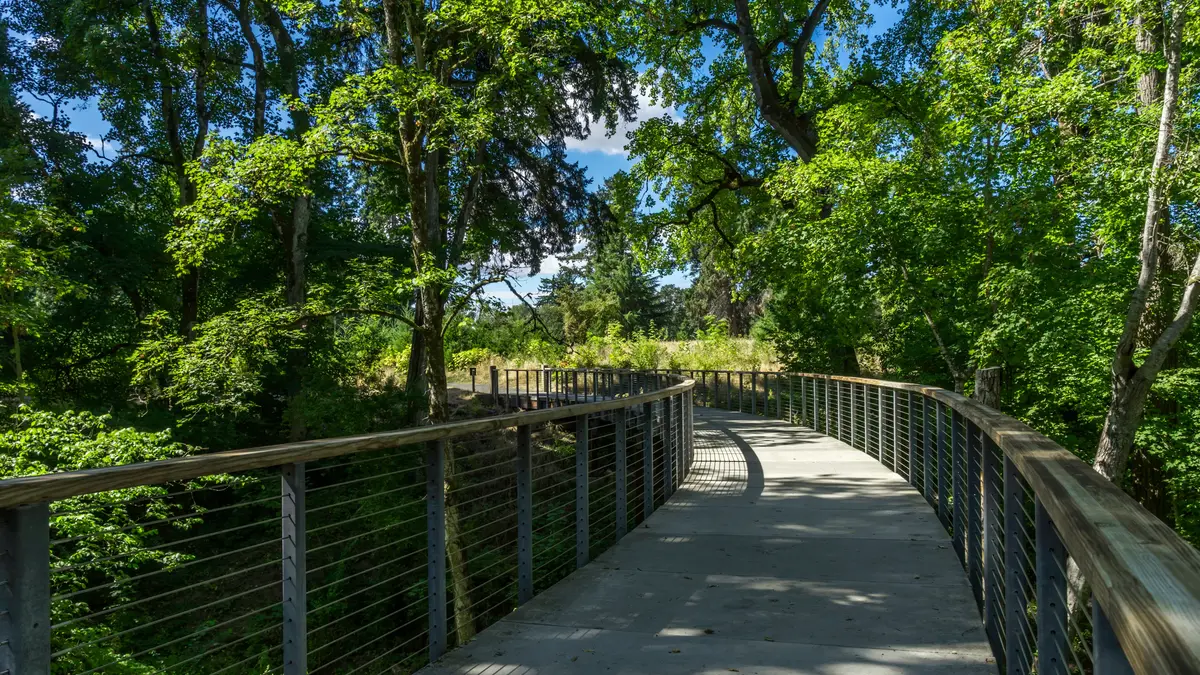
#1 Top Overall · Washington County
Best for retirees who want in-city hospital access and real walkability.
Hillsboro is one of the few cities in this comparison where the hospital is genuinely in town, not a highway drive away — a meaningful advantage as healthcare needs grow. Add to that a true walkable urban fabric anchored by neighborhoods like Orenco Station, a real downtown core, and the kind of parks-and-amenities density you'd expect from one of Oregon's larger cities, and the retirement case is strong. The trade-off is price: a $518,047 typical home puts Hillsboro well above what many retirees on fixed incomes expected to find in Oregon, and the gray, rainy winters are relentless.
Hillsboro suits retirees who want genuine urban convenience without paying Portland prices, and who don't need a car to run daily errands. It's a noticeably more walkable and service-rich environment than Gresham or Tualatin at a similar or lower price point, and the on-site hospital access is something Lake Oswego, Beaverton, and Sherwood simply can't match.
#2 Top Walkability · Multnomah County
Best for retirees who want full urban amenities and carless daily living.
Portland is where the amenity ceiling of this comparison lives — a city whose distinct neighborhoods, walkable streets, and full-service urban core genuinely support a carless or near-carless retirement lifestyle in a way few cities in the Pacific Northwest can. Hospital access is excellent. The trade-off is price: a $534,270 typical home price reflects what it costs to own in a real, functioning city, and the gray, rainy winters mean you will be living with overcast skies for a significant part of the year. The Summerplace 55+ community gives retirees a dedicated option inside city limits, which is uncommon in this metro.
Portland fits retirees who genuinely want urban life — walkable neighborhoods, independent dining, cultural institutions, light rail — and who are willing to pay for it. Buyers who imagine Portland as simply a cheaper version of other West Coast cities are often surprised by how much the weather affects daily mood by January.
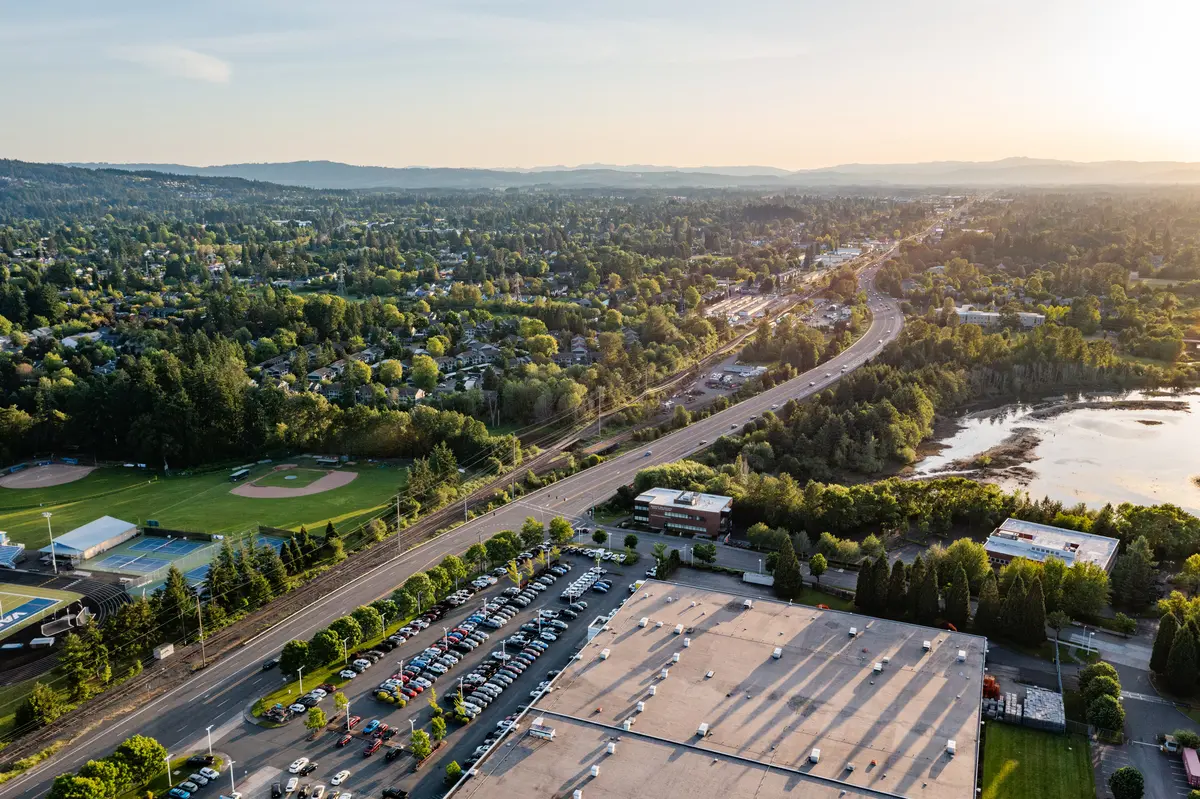
#3 Top Walkability · Washington County
Best for retirees who want transit access and a walkable urban core.
Beaverton is the seventh-largest incorporated city in Oregon per U.S. Census, and it shows: there's a real downtown, MAX light rail connectivity, and a depth of dining and parks that smaller suburbs can't replicate. No hospital sits within city limits, but the regional medical center just miles away is realistically close for most non-emergency needs. Homes are averaging a $527,947 typical price — that's a Portland-adjacent premium baked into Washington County's west side — and with only around 141 sunny days a year, the winter gray is as persistent here as anywhere else in the metro.
Beaverton works well for retirees who want walkable urban infrastructure and transit access without the intensity of Portland proper. It's a meaningfully different daily experience than Clackamas or Tualatin, where a car is the only real option for most errands.

#4 Top Healthcare · Clackamas County
Best for retirees who want riverfront character and exceptional healthcare access.
Milwaukie punches above its size on healthcare: a hospital right in town and light rail connecting directly to Portland's medical district makes this one of the strongest combinations for healthcare-focused retirees in the entire comparison. The historic downtown core supports walkable errands and dining, and the Clackamas County riverfront setting gives the city a character that feels distinctly different from the tech-corridor suburbs to the west. The catch is price — a $522,702 typical home isn't what people expect from a city of Milwaukie's scale, and the modest city size comes with not-modest prices.
Milwaukie is a strong fit for retirees who prioritize medical access and don't want to depend entirely on driving, but who also want a quieter, more neighborhood-scaled environment than Portland or Hillsboro. The light rail connection is a genuine asset that Gladstone, directly to the south, doesn't share.

#5 East Metro City · Multnomah County
Best for retirees who want city scale and hospital access at a lower price.
Gresham is the fourth-largest incorporated city in Oregon per U.S. Census, and its home prices reflect a different affordability story than most of the metro's west-side suburbs. A $470,730 typical home price makes it one of the more accessible options in this metro for retirees working within a tighter budget. A hospital within city limits strengthens the healthcare picture meaningfully, and light rail connects Gresham to Portland's urban core, which matters for retirees who want to reduce car dependence over time. The city's walkability is functional rather than exceptional — there's no distinct named historic downtown core, and amenity density is solid but not a standout.
Gresham suits retirees who want genuine city scale and hospital access without paying west-side premiums, and who are comfortable with a more spread-out urban form. It's a more practical, less polished daily environment than Milwaukie or Oregon City, but the hospital access and lower price point are real advantages.

#6 Historic River City · Clackamas County
Best for retirees who want historic character and on-site hospital access.
Oregon City is the only city in this comparison with both a historic downtown worth walking and a hospital within city limits — a combination that's rarer than it sounds at this scale. Among the mid-size incorporated cities in Oregon, it offers genuine neighborhood character, riverfront topography, and a downtown that predates most of the metro's planned suburbs by a century. What you give up is straightforward: a $605,330 typical home price puts Oregon City well above where many retirees expect to land in a smaller Clackamas County city, and the roughly 143 sunny days a year tracks with the rest of the metro's gray-winter reality.
Oregon City is a natural fit for retirees drawn to historic character, walkable errands, and on-site hospital access — people who would find Clackamas too car-dependent and Gladstone too small. The price premium over Milwaukie or Gresham is real, and buyers should go in clear-eyed about it.
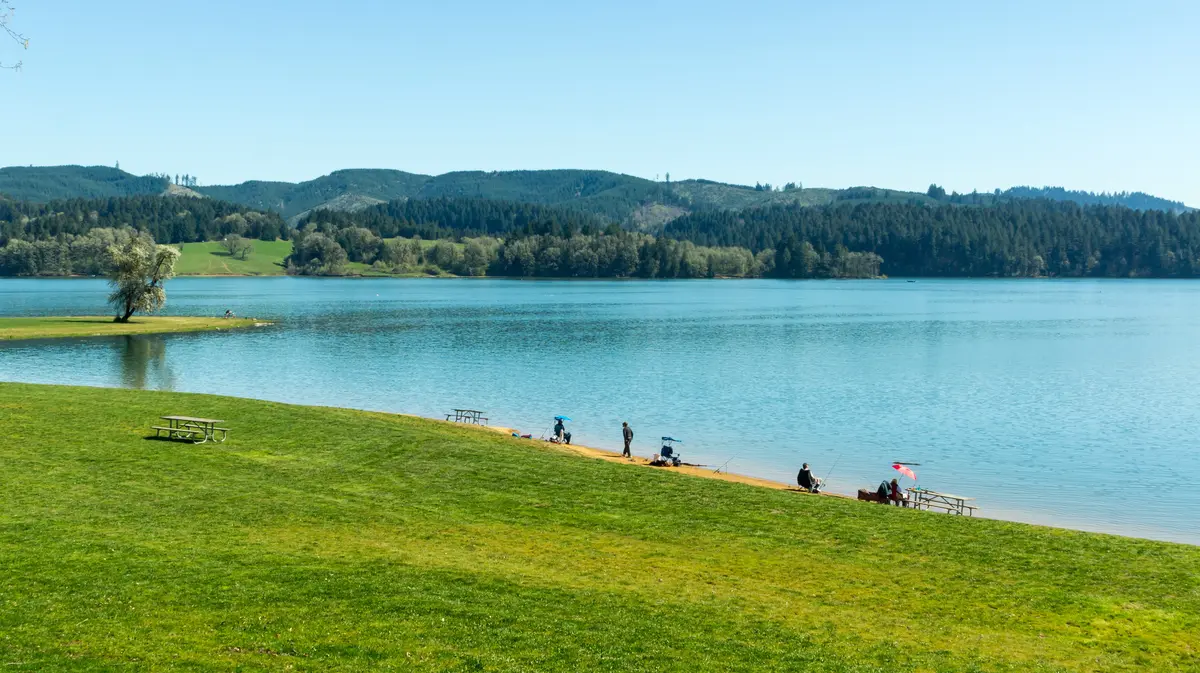
#7 College Town Retreat · Washington County
Best for retirees who want a quieter small-town pace with a walkable downtown.
Forest Grove is the kind of small city that surprises people once they spend a day in it. A mid-size incorporated city in Oregon, it has a genuinely walkable historic downtown — rare at this population — plus wetlands trails and a local character shaped by Pacific University's long presence. No hospital sits within city limits, but a regional medical center is only miles away in Hillsboro, close enough for most non-emergency needs. A $526,407 typical home price places Forest Grove in the same range as Beaverton and Hillsboro, which surprises buyers who assumed a smaller, more rural-feeling city would be notably cheaper.
Forest Grove suits retirees who want a slower pace, a walkable small-town core, and proximity to Hillsboro's services without living in the tech corridor. It's a meaningfully quieter daily environment than Beaverton or Hillsboro, though retirees who want depth of dining and medical specialists within city limits will need to drive.
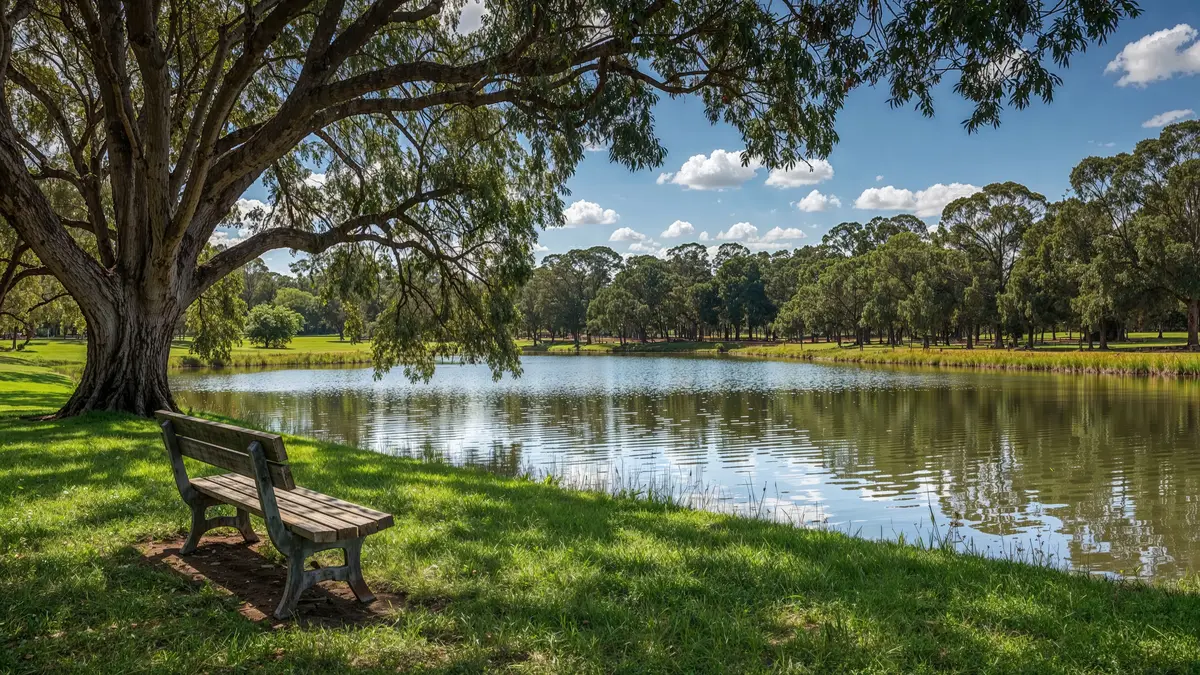
#8 Quiet River Town · Clackamas County
Best for retirees who want a quiet river-town setting and tight-knit community.
Gladstone sits at the confluence of the Clackamas and Willamette rivers, and that geography shapes what it actually feels like to live here — riverfront parks, trails, and a scale that keeps the community tightly knit. It is genuinely small, and most errands beyond Main Street require a car. No hospital sits within city limits, though Oregon City's medical options are close. A $518,084 typical home puts Gladstone in roughly the same range as Hillsboro despite offering fewer in-city services — the premium reflects the river setting and proximity to Oregon City more than amenity depth.
Gladstone is best suited for retirees who want a quiet, neighbor-scaled river town and are comfortable driving for most services. People who want hospital access within walking distance or a walkable commercial district with real depth will find Milwaukie or Oregon City a better match.
#9 Southwest Suburb · Washington County
Best for retirees who want a 55+ community option and suburban convenience.
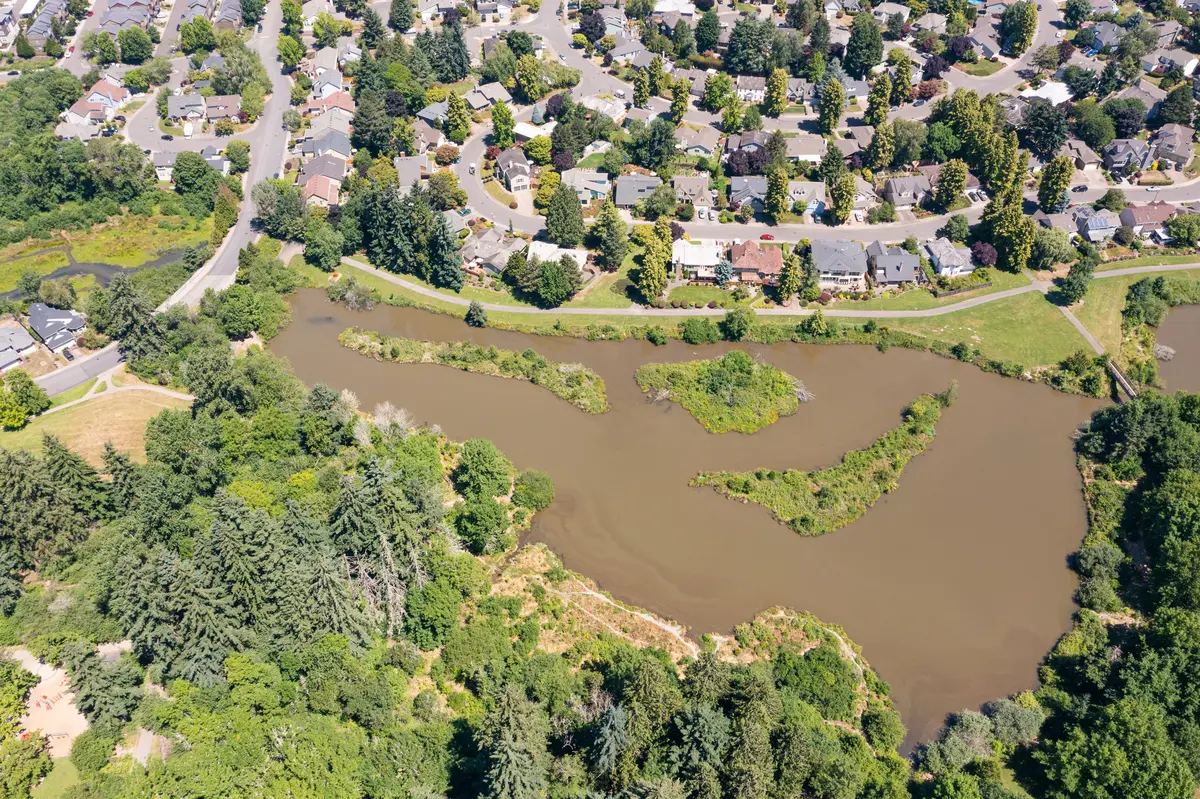
Tigard offers something retirees often underestimate: a developing downtown core with walkable access to transit and a city scale large enough to come with real service depth. No hospital sits within city limits, though the regional medical center a few miles away is close enough that most retirees don't find it a dealbreaker. The Summerfield 55+ community gives buyers a dedicated option that very few cities in this comparison can match. A $607,011 typical home price is the honest catch: Tigard is priced like a desirable Portland suburb, which it is, and that price reflects Washington County's sustained demand.
Tigard works for retirees who want suburban convenience, a 55+ community option, and light rail access without committing to Portland's density or price point. Those hoping for a more affordable west-side option will find Beaverton or Hillsboro closer to that mark.
#10 Planned Lakeside Suburb · Washington County
Best for retirees who want a polished suburban core with park-centered living.
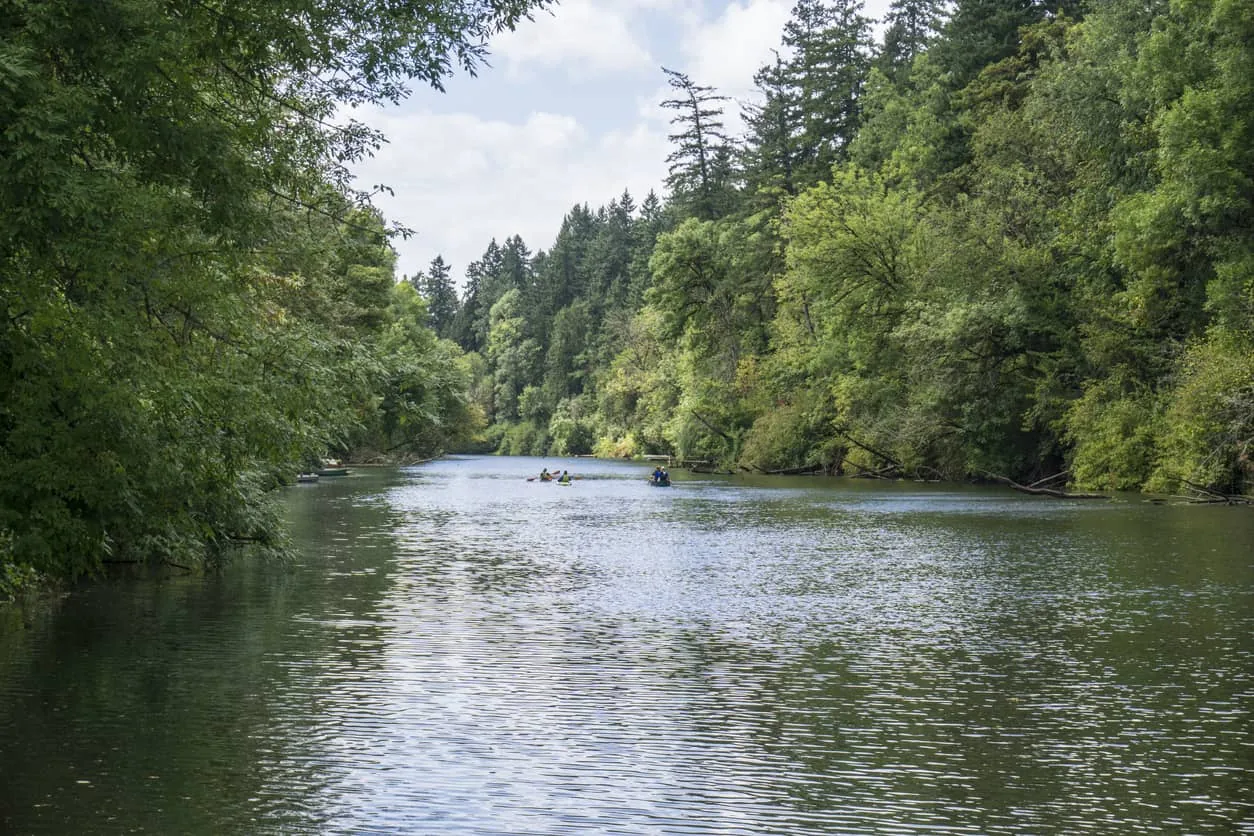
Tualatin's Commons area gives the city a walkable civic center that most suburbs its size don't have — a lake, parks, and restaurants within a short walk of each other. Hospital access is strong, with a regional medical center effectively on the city's edge. The practical limitation is that outside that downtown zone, Tualatin is a car-first city, and the price reflects its positioning as one of the metro's more polished suburbs. A $635,314 typical home is well above where most retirees on a fixed budget expected Washington County to land, and the roughly 141 sunny days a year is the same gray-winter reality you'll find everywhere in the metro.
Tualatin is a good fit for retirees who want a clean, well-maintained suburban environment with genuine park infrastructure and hospital proximity, and who aren't primarily optimizing for walkable daily errands across the city. Buyers who need a more budget-friendly entry point will find Gresham or St. Helens worth a serious look.

#11 Top Healthcare · Clackamas County
Best for retirees who prioritize healthcare access and highway convenience.
Clackamas is an unincorporated community built largely around a regional mall and the interstates that serve it — which tells you most of what you need to know about daily life here. A major healthcare provider operates within the community, and Portland's medical resources are within a reasonable drive, giving Clackamas a genuine healthcare advantage. A $588,708 typical home price is the trade-off that many retirees find hard to reconcile with what the area actually offers day to day: no walkable downtown, a car-dependent errand environment, and limited dining and cultural depth compared with much of the metro.
Clackamas suits retirees who prioritize healthcare access and highway convenience above walkability and neighborhood character — people who prefer a quiet, auto-oriented setting and don't mind driving for most of what they need. Those who want a walkable daily life or a distinct community identity will find Milwaukie or Oregon City, both nearby, a more satisfying fit.
#12 Upscale Lake Community · Clackamas County
Best for retirees with the budget for an upscale lakefront lifestyle.
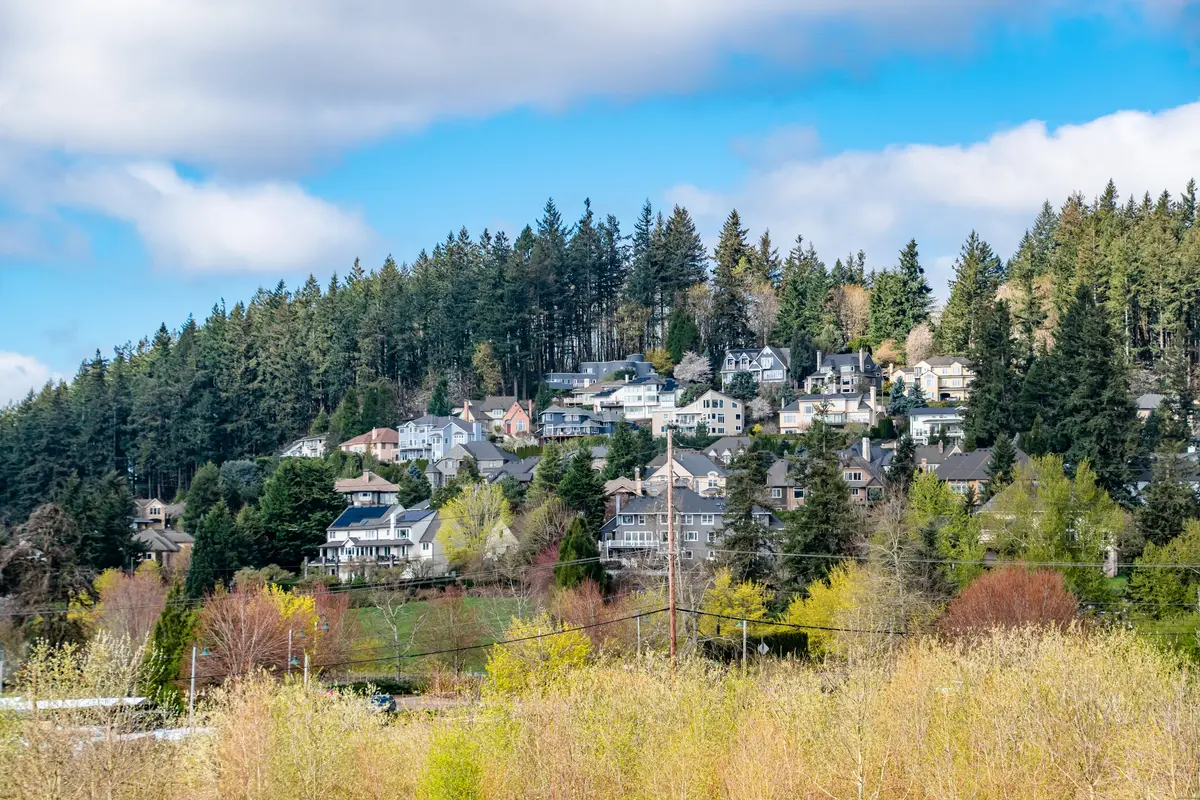
Lake Oswego has the quality-of-life depth — restaurants, parks, landmarks, a walkable downtown — that buyers associate with an affluent, well-maintained suburb, and the lake at the center of the city gives it a geographic identity that most Portland suburbs lack. No hospital sits within city limits, though a regional medical center is a short drive away. The number that stops most retirement conversations cold is the home price: a $889,944 typical home reflects resort-adjacent lakefront demand, and retirees on fixed incomes will find the math difficult to make work. The Condolea 55+ community is one of the few dedicated options in the metro's more expensive suburbs.
Lake Oswego is a genuine fit for retirees with the equity and income to absorb the price, who want an upscale suburban lifestyle with a real downtown, strong quality-of-life amenities, and a 55+ option available. For buyers who want similar walkability and amenity depth at a lower price, Milwaukie or Oregon City offer a different but honest trade.

#13 Top Affordability · Columbia County
Best for retirees who want river-town character at an accessible price.
St. Helens sits on the Columbia River in Columbia County, separated from the rest of this metro comparison by both geography and character. It has a genuine historic downtown that makes the town feel larger than its population suggests. The price is real: a $429,356 typical home reflects a working river-town market shaped by local wages and distance from the urban core rather than tech-corridor or lakefront demand. The trade is healthcare — no hospital in the city, and reaching full-service hospital care requires a substantial drive — which is the central tension for any retiree evaluating this city seriously.
St. Helens suits retirees who are in good health, want a river-town character and lower home prices, and can tolerate driving for medical care. Those with active or anticipated healthcare needs will find cities with hospitals closer to hand — Milwaukie, Gresham, Hillsboro — a more practical long-term choice.

#14 Small Valley Town · Washington County
Best for retirees seeking Washington County proximity at a modest price.
Cornelius is a small Washington County city that most Portland-area house hunters walk past on their way to Hillsboro or Forest Grove. It has a real downtown core along its main commercial street, and home prices at a $485,070 typical reflect a modest discount relative to the larger cities flanking it. No hospital sits within city limits, but a regional medical center is only miles away. The honest constraint for retirees is amenity depth: Cornelius residents rely on Hillsboro for most of their dining, shopping, and services, which makes a car a permanent fixture of daily life.
Cornelius works for retirees who want Washington County's healthcare proximity at a somewhat lower price point, and who are comfortable depending on Hillsboro for most of their errands and amenities. Those who want in-city depth of services — restaurants, parks, cultural anchors — will find Hillsboro or Forest Grove a more complete picture.
#15 Old Town Suburb · Washington County
Best for retirees drawn to a historic small-town community feel.
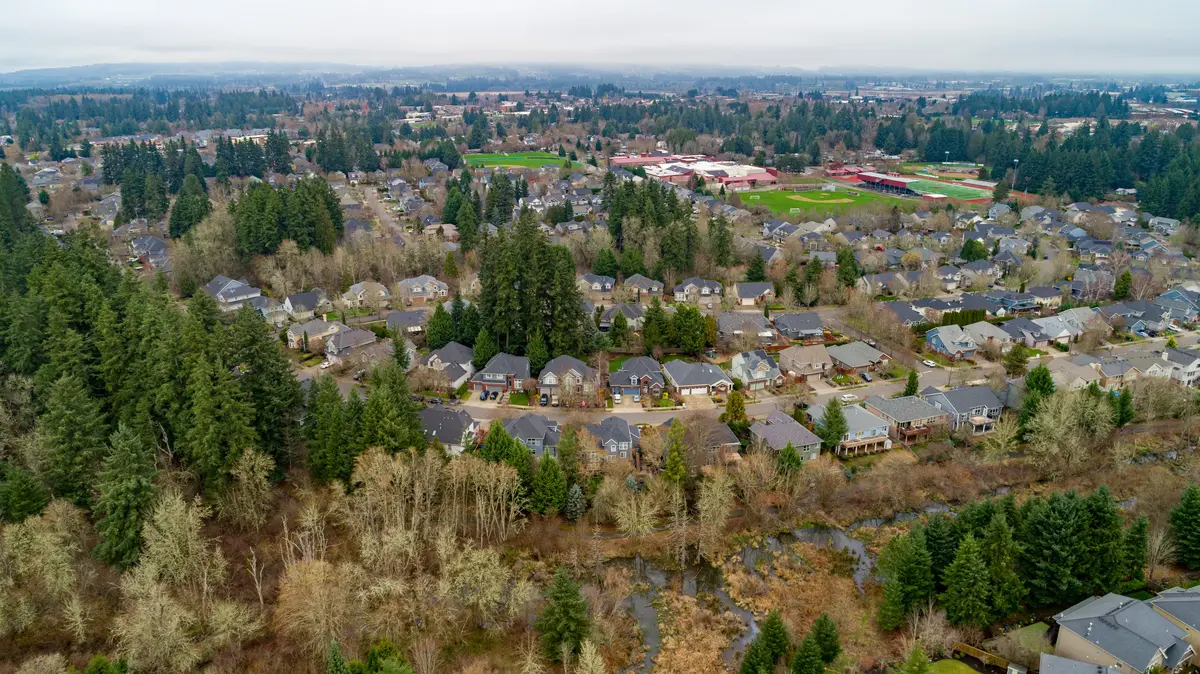
Sherwood's Old Town district is one of the more appealing walkable historic cores in Washington County's smaller suburbs — genuine shops, restaurants, and a community feel that the city works to maintain. Modest in scale, most of the city beyond Old Town is a car-first suburban environment. No hospital sits within city limits, and the nearest regional medical center is a few miles away in Tualatin. A $629,598 typical home price is the central tension: Sherwood carries the pricing of a desirable Portland suburb without the amenity depth or hospital access to fully justify it for a retirement-focused buyer.
Sherwood suits retirees drawn to a small, well-kept community with a genuine historic downtown character, who don't need hospital access in-city and aren't primarily optimizing for affordability. Buyers who want a similar suburban feel at a lower price point will find Milwaukie or Gresham worth a serious look.
#16 South Metro Planned City · Clackamas County
Best for retirees who want a planned community at the metro's quiet edge.
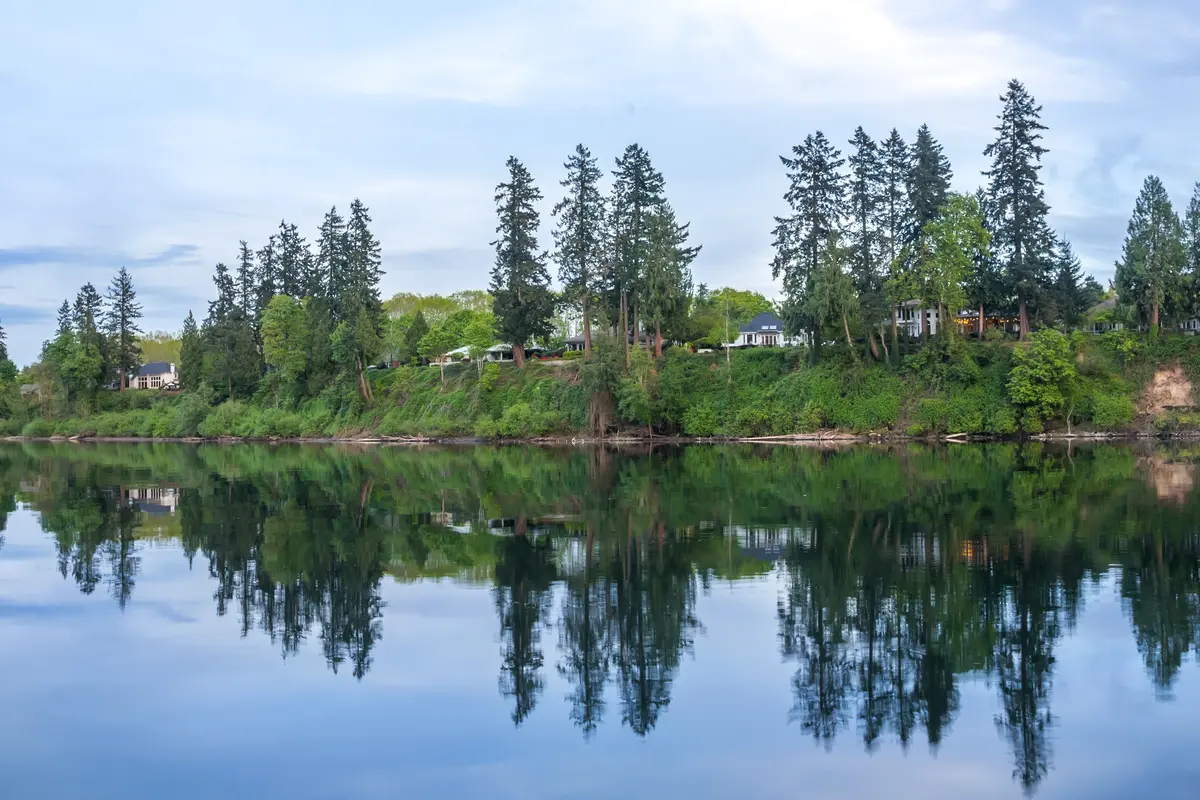
Wilsonville sits at the southern end of the metro where Washington and Clackamas counties meet, and its Town Center and Old Town areas give it more walkable civic infrastructure than most suburbs of its scale in this metro. It has grown steadily as a planned community, and the investment in parks and public space is visible. No hospital sits within city limits, though a regional medical center is a short drive away. A $630,814 typical home price places Wilsonville firmly in the upper range of the metro's mid-size suburbs, and retirees will want to weigh that price carefully against what's actually available within walking distance.
Wilsonville works for retirees who want a planned, well-maintained suburban environment at the quieter edge of the metro, with freeway access and proximity to Tualatin's services. Those looking for deeper in-city walkability or a hospital within city limits will find Milwaukie or Oregon City a more direct answer to those priorities.
The Portland Metro has no single best place to retire — the right city depends on whether you're optimizing for hospital access, walkable daily life, lower home prices, or the amenity density of a larger urban core. Those priorities don't always point to the same address.
Tell us what you need help with and we'll connect you with local resources.
