
West Linn tends to surprise people who run the numbers for the first time. On the surface it looks like a quieter, slightly more affordable version of Lake Oswego — same Clackamas County address, same Willamette River backdrop, similar school reputation. Then the median home price loads and the surprise lands: this is one of the more expensive places to live in the Portland Metro, full stop. The city of 27,601 sits about 25 minutes from Portland along OR-43 and I-205, and that combination of proximity, topography, and top-rated schools has pushed prices well above both the state average and what most relocating buyers initially budget for.
What drives the number here is not a single employer or a luxury condo market — it is a structural premium built on scarcity and reputation. West Linn is geographically constrained by the Willamette River to the north and the Tualatin River to the south, which limits new development. The West Linn-Wilsonville School District, which holds an A rating, according to Niche, pulls families from across the metro who are willing to pay for placement inside the boundary. The result is a city where the median household income sits at $146,507, but where that figure is still roughly $60,000 short of what is needed to buy the typical home here.
Beyond housing, the cost picture is shaped by a few honest realities: Oregon's income tax is among the steeper in the country, though no sales tax offsets some of that sting. Utilities run above the Oregon city average. And most West Linn households rely heavily on their vehicles — the street layout is car-oriented, and transportation costs reflect it. Two-car households are the norm here. Groceries run somewhat above the national average, consistent with the Portland Metro generally.
Whether you are trying to decide between West Linn and a nearby city, figuring out whether the numbers work on your income, or just mapping out what monthly life would actually look like, the sections below break down housing, everyday costs, the nearby-city comparison, and the full tax picture — the concrete details that matter most before you make an offer.

What It Really Costs to Live in West Linn
West Linn's overall cost of living runs approximately 33.7% above the U.S. average, with housing doing most of the heavy lifting. Non-housing categories — groceries, utilities, transportation — land above the national baseline too, but none of them individually would make West Linn feel expensive. The housing market is the reason people either commit to this city or quietly redirect toward Oregon City or Tualatin.
Within Oregon, West Linn sits at the expensive end of the spectrum. Portland proper and Beaverton are both noticeably cheaper on the typical home price; Lake Oswego comes in somewhat higher; Oregon City and Tualatin are noticeably lower. The city is not pretending to be affordable — it is a premium Portland-adjacent address, and the price reflects that honestly.
What makes the posture here different from a generic suburb is the supply constraint. West Linn is not going to sprawl its way to lower prices. Hillside topography, river boundaries, and established neighborhoods leave limited room for the kind of tract development that softens prices elsewhere in the metro. Buyers who understand that dynamic tend to make their peace with the number faster than those who are hoping the market will come to them.
Housing: Rent vs Buy in West Linn
The typical home price in West Linn is $779,602 (Zillow Home Value Index, July 2026). That is the city-wide median — not a luxury tier, not a headline outlier. Entry-level homes exist, generally in older construction and smaller footprints, and they start well below the median, but even those tend to open around the mid-$500,000s for anything move-in ready. Buyers looking for where entry-level inventory clusters should see the neighborhood guide for specifics, since the character and price posture varies meaningfully by area.
The effective property tax rate is approximately 0.98% — modestly above Oregon's statewide average of 0.81%, but still well below what buyers coming from California, Texas, or the Northeast are accustomed to. Oregon's Measure 5 caps the education rate component, which provides some structural discipline on property tax growth. The interactive mortgage calculator below this section will let you model the full monthly picture at whatever price and down payment fits your situation.
When Renting Makes Sense Here
The typical 2-bedroom rent in West Linn runs $2,190–$2,660 per month, with the city-wide typical rent sitting at $2,376 (Zillow ZORI, July 2026). Renting here is not cheap by Oregon standards, but it does give buyers time to learn the city before committing to a specific neighborhood — something worth considering when the price gap between a well-located home and a compromised one can be substantial.
Renting makes the most financial sense for buyers who are less than two to three years out from a firm commitment, or who are still deciding between West Linn and a nearby alternative. The city does not have an abundance of rental inventory, so availability tends to be tighter than in the broader metro, and well-priced rentals move quickly. For those already confident in the city, buying sooner rather than later has historically served West Linn residents well — this is not a market that waits.

Everyday Costs Beyond Housing in West Linn
| Category | Typical Monthly Cost | Notes |
|---|---|---|
| Housing (typical rent) | $2,376/mo | City-wide typical rent. Buying? Use the calculator above for a mortgage estimate. |
| Utilities | $210–$320/mo | Electricity, gas, water, sewer, trash |
| Groceries | $580–$780/mo | Food at home, household of 2–3 |
| Transportation & Gas | $320–$520/mo | Fuel, and transit where it is a real option |
| Phone & Internet | $110–$180/mo | Mobile plan plus home broadband |
| Misc / Discretionary | $280–$520/mo | Dining out, entertainment, subscriptions |
Non-housing figures are estimates for a household of two to three, not a sourced index; housing is the city-wide typical rent (Zillow ZORI, July 2026). Refreshed with the rest of the city data.
Utilities in West Linn run roughly 15% above the Oregon city average — the city delivers water, sewer, and surface water management directly, while Portland General Electric handles electricity and separate private entities cover natural gas and garbage. The wet, mild winters keep heating loads lower than colder inland cities, but the extended grey season from November through March means indoor lighting and heating still add up. Oregon's city charter caps utility rate increases at 5% per calendar year without voter approval, which provides some year-over-year predictability.
Groceries run roughly 8–10% above the national average, consistent with the broader Portland Metro. Transportation is the other line item that catches newcomers off guard: West Linn's street layout is designed around the car, and most households operate two vehicles as a practical matter. Transportation costs run approximately 26% above the national average here, reflecting both the car-oriented geography and regional fuel pricing. Budgeting for two cars, insurance, fuel, and maintenance is not optional — it is the realistic picture of daily life in this city.
Looking to buy in West Linn? Estimate your payment.
Enter your numbers to see an estimated monthly mortgage payment.
Estimate only. Excludes HOA fees and mortgage insurance. The interest rate above is a starting point, not a quoted rate — replace it with your own to see real numbers. Insurance is a flat placeholder, not a West Linn quote.
West Linn vs Nearby Cities: Cost Comparison
| City | Typical Home Price | Typical Rent | Cost vs West Linn |
|---|---|---|---|
| West Linn (this city) | $779,602 | $2,376/mo | — |
| Lake Oswego | $889,944 | $2,209/mo | 14% higher |
| Oregon City | $605,330 | $1,955/mo | 22% lower |
| Tualatin | $635,314 | $1,890/mo | 19% lower |
Source — home prices: Zillow ZHVI, July 2026; rent: Zillow ZORI, July 2026. Nearby-city figures are the same series, refreshed together.
West Linn's premium is real relative to most of its neighbors — the table below shows how the typical home price and rent stack up against Lake Oswego, Oregon City, Tualatin, and Wilsonville, so you can see exactly where this city lands in the local market.
Taxes & the Bottom Line for West Linn
Oregon's Income Tax Reality
Oregon runs a graduated state income tax with rates from 4.75% to 9.90%. The top rate of 9.90% applies to taxable income above $125,000 for single filers and $250,000 for married filers — which, given West Linn's median household income, is a bracket many residents actually reach. There is no statewide or local general sales tax in Oregon, which means you pay the shelf price on groceries, clothing, and most consumer goods without anything added at checkout. That offset matters: a household spending heavily on everyday goods saves meaningfully compared to high-sales-tax states.
Property Tax in Context
At approximately 0.98%, West Linn's effective property tax rate sits just above the Oregon average — and well below what buyers from California or Texas typically carry. Applied to the home prices described above, it is a meaningful annual line item, but not a punishing one by West Linn's cost-of-living standards. Retirees evaluating the overall tax picture should note that Oregon does not tax Social Security benefits at the state level; the retiring in West Linn guide covers that picture in full.
Who West Linn's Budget Actually Fits
West Linn is a comfortable financial fit for dual-income professional households — the kind of buyer who earns well above the city's $146,507 median household income and values school quality, physical safety (see the safety page for the crime context), and a quieter pace alongside Portland access. It is a stretch for single-income households, first-time buyers without significant equity from a prior home, or anyone whose income lands close to the median rather than above it.
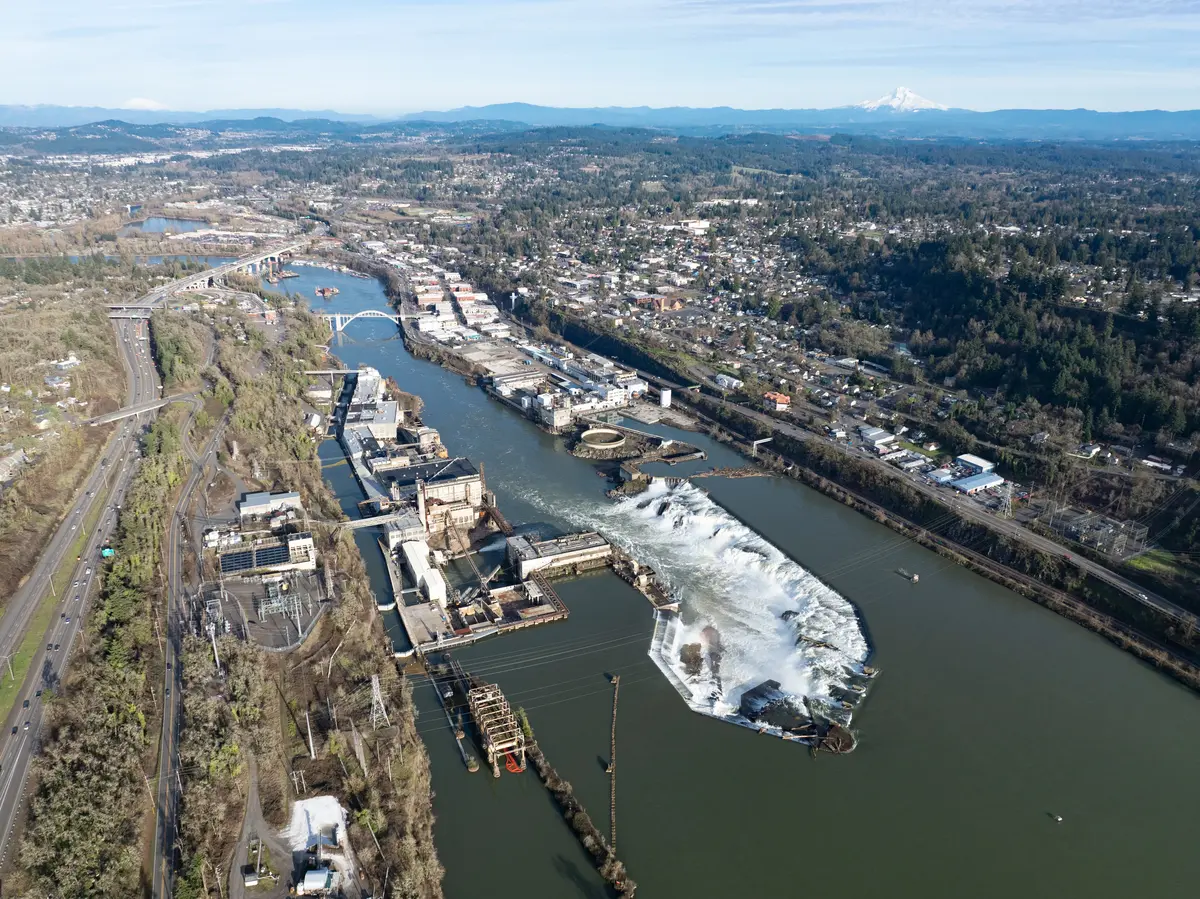
The honest bottom line: West Linn does not apologize for its price point, and it should not. The schools, the Willamette Falls setting, the Mary S. Young State Park trail system, and the access to Portland via OR-43 and I-205 deliver real value. But the math has to pencil on your income before any of that matters — and for buyers who need to stretch to get in, Oregon City and Tualatin offer the same metro access at a noticeably lower entry point.
Local Expert Takeaway: West Linn's cost of living is high by Oregon standards, full stop — and the gap between the typical home price and the median household income here is large enough that buyers should run their numbers honestly before falling in love with a listing. The property tax rate at approximately 0.98% and the absence of any Oregon sales tax are genuine advantages, but they don't change the fact that this is a two-income-professional market at its core. Budget for two cars and above-average utilities from day one, and spend time at Mary S. Young State Park or along Historic Willamette Main Street before you decide — the lifestyle West Linn offers is specific and worth paying for, but only if it matches the way you actually live.
Quick Takeaways & FAQs
✅ West Linn's West Linn-Wilsonville School District holds an A rating, according to Niche — one of the strongest in the Portland Metro — and it is the single biggest driver of housing demand and price premium here.
⚠️ The typical home price of $779,602 (July 2026) sits above the city's median household income buying power by roughly $60,000, making this a genuine financial stretch for single-income households and most first-time buyers without prior equity.
📍 West Linn's street layout is built around the car, and most households run two vehicles — budget for transportation costs running approximately 26% above the national average as a baseline assumption.
What is the typical home price in West Linn, Oregon?
Is West Linn more expensive than Lake Oswego?
What are property taxes like in West Linn?
Do you need a car to live in West Linn?
Does Oregon's lack of sales tax actually save money in West Linn?
Moving to Oregon?
Tell us what you need help with and we'll connect you with local resources.
